
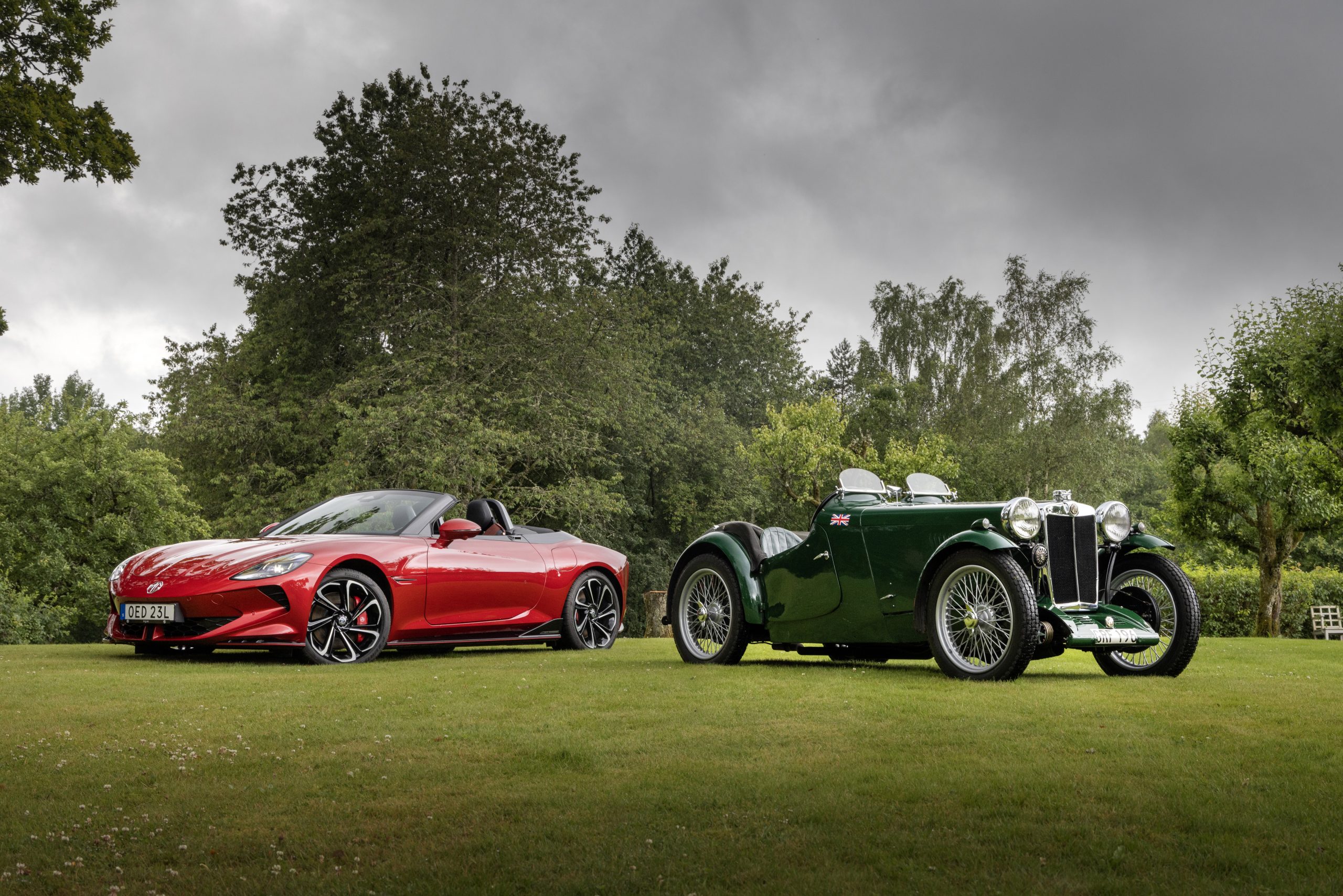
This article is number 300 here on carscollection.com. So it feels extra special that it should be about a car brand that I probably, without exaggeration, have a longer relationship with than any other Swedish motor journalist. My history with MG started when I was born fifty years ago, as my father, Bengt Aston Holm, bought an MG TC in 1967 to renovate it. Unfortunately, he did not complete this project, but the car remained standing until 1980, when he sold it to one of his mates called Gustaf Ruberg.
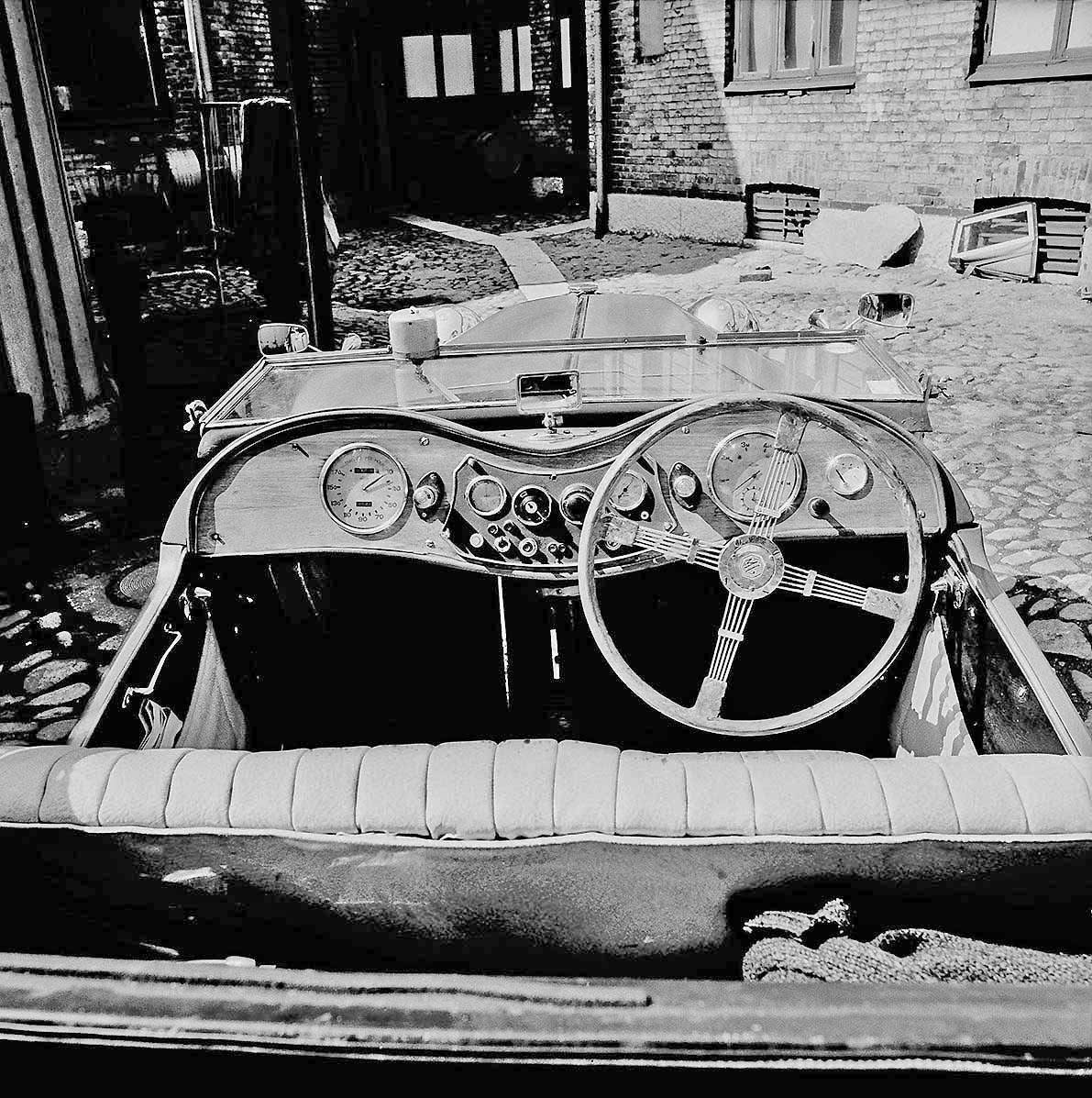
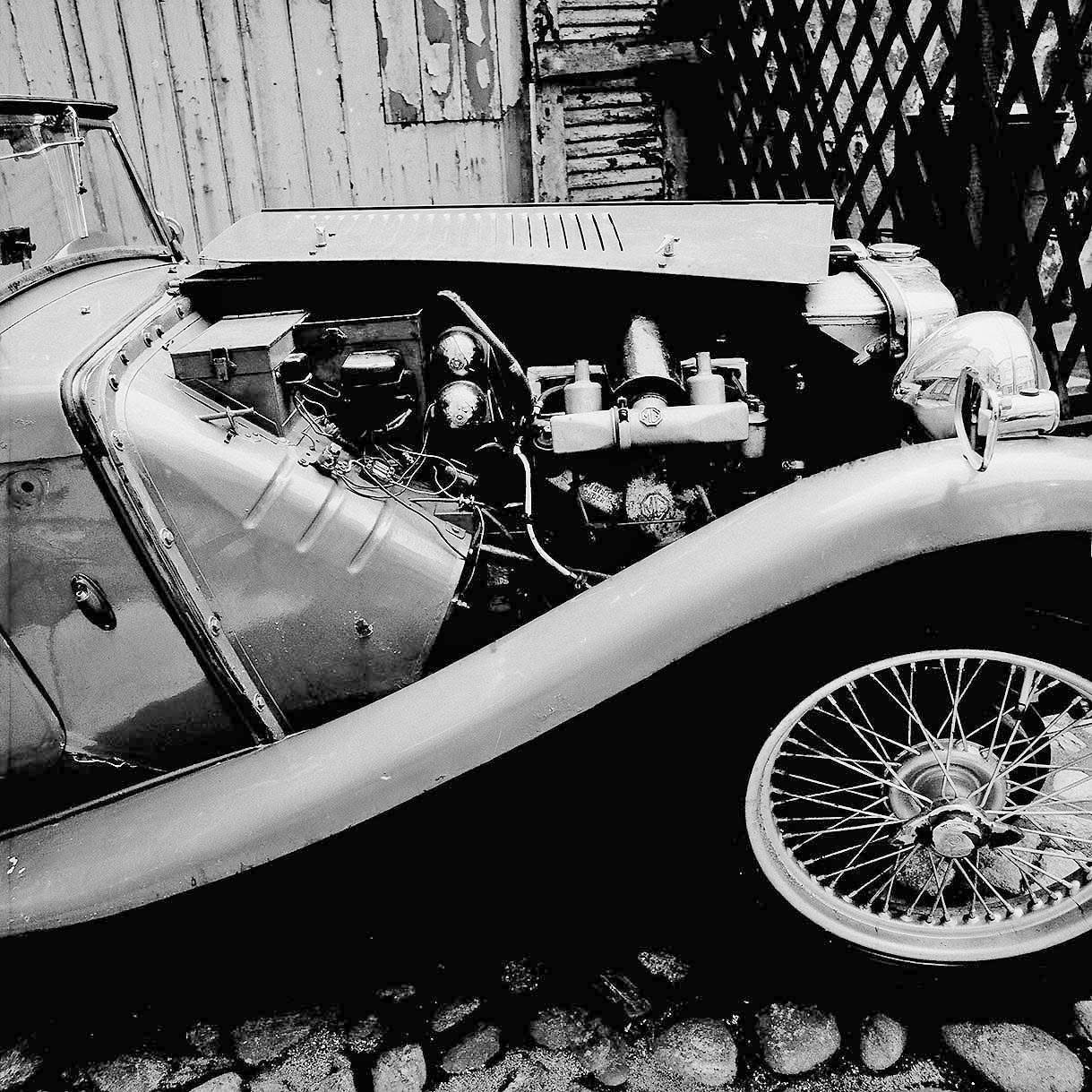
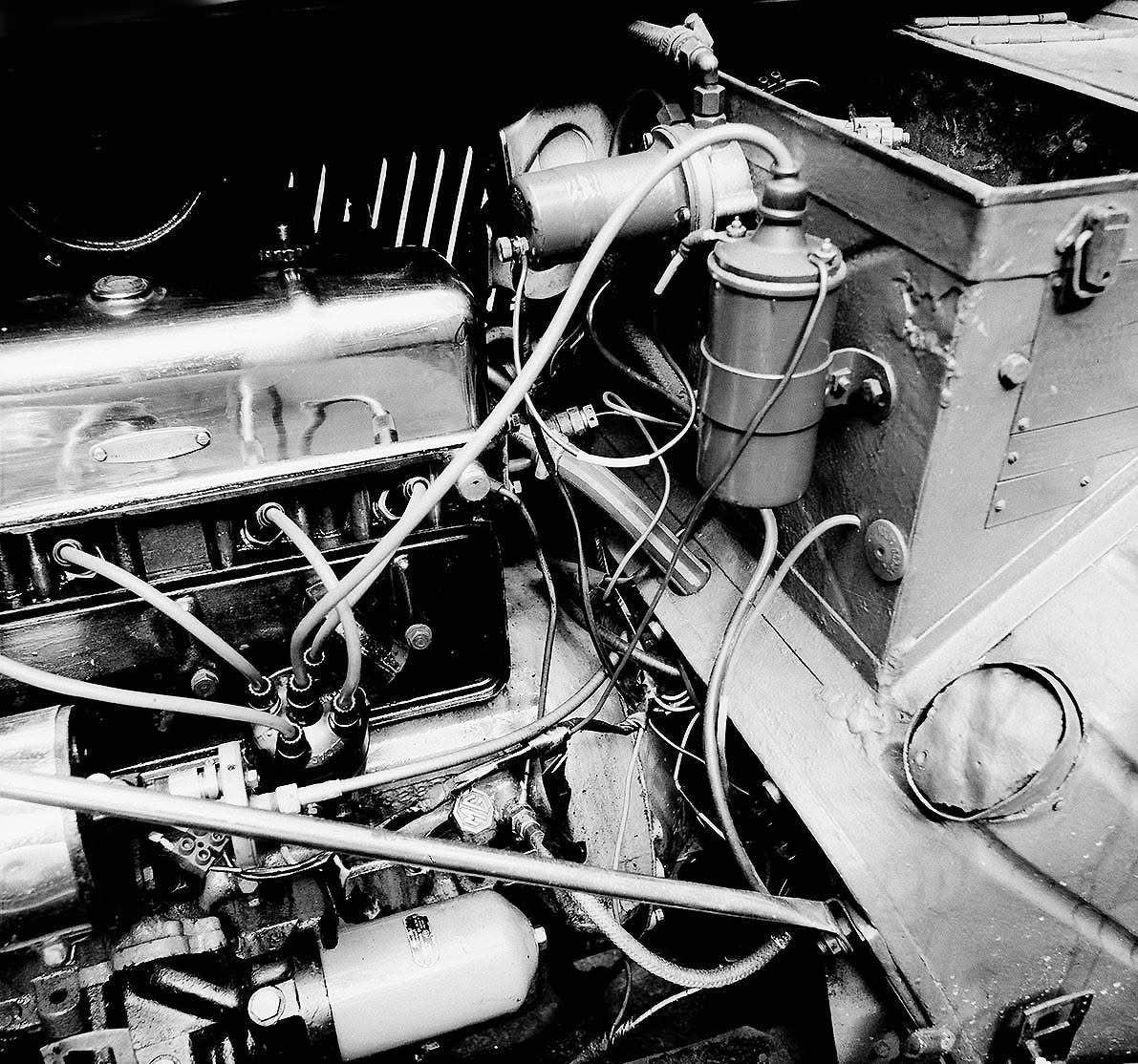
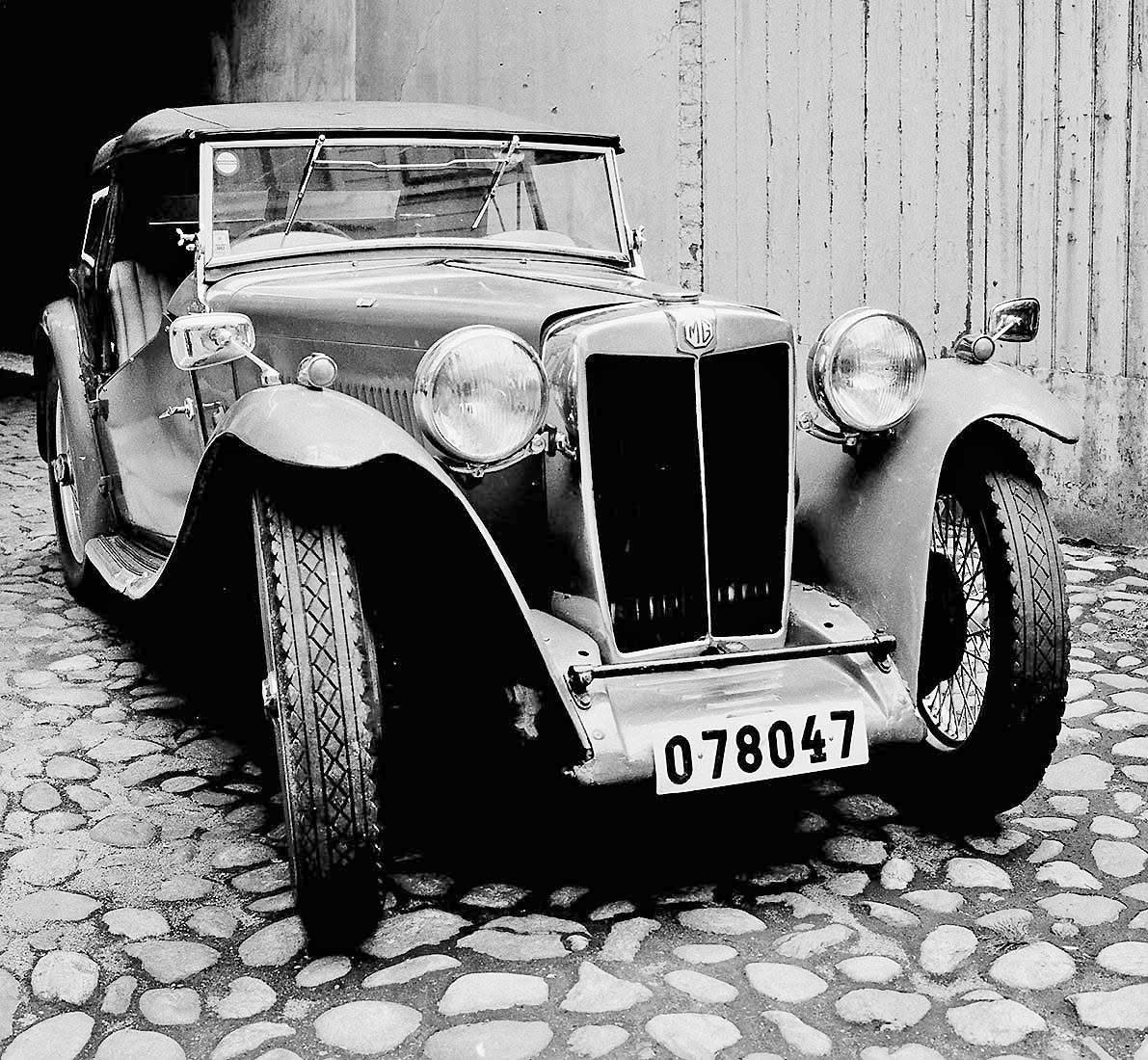
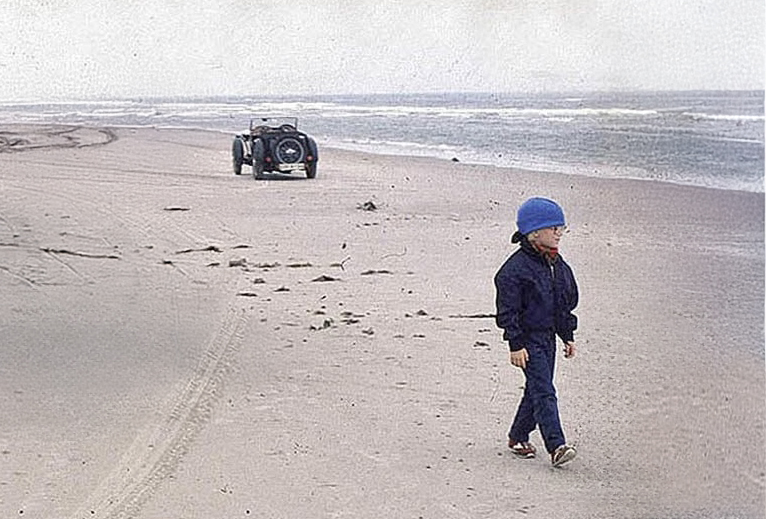
The story of MG in my life continued when my father borrowed an MG PA from one of his friends, Carl-Einar Mellander, for several years. With that car I got to accompany my father on many trips. One trip with his car friends went to Denmark where we drove on the beach. I was 5-6 years old then.
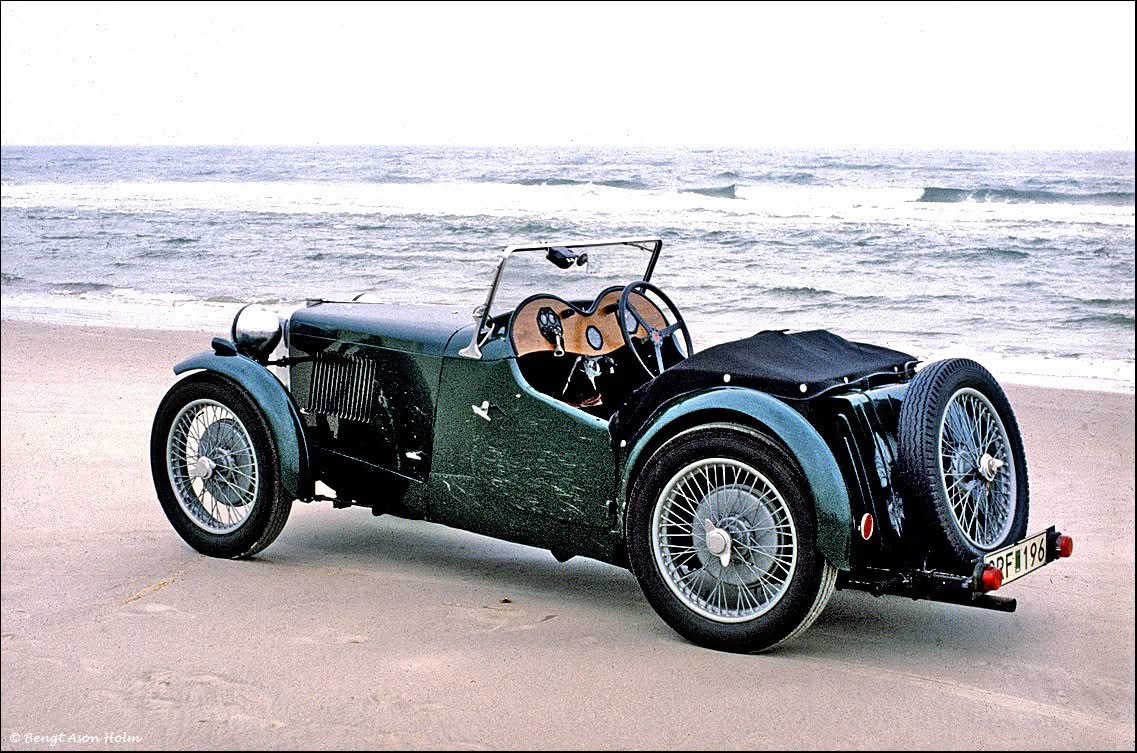
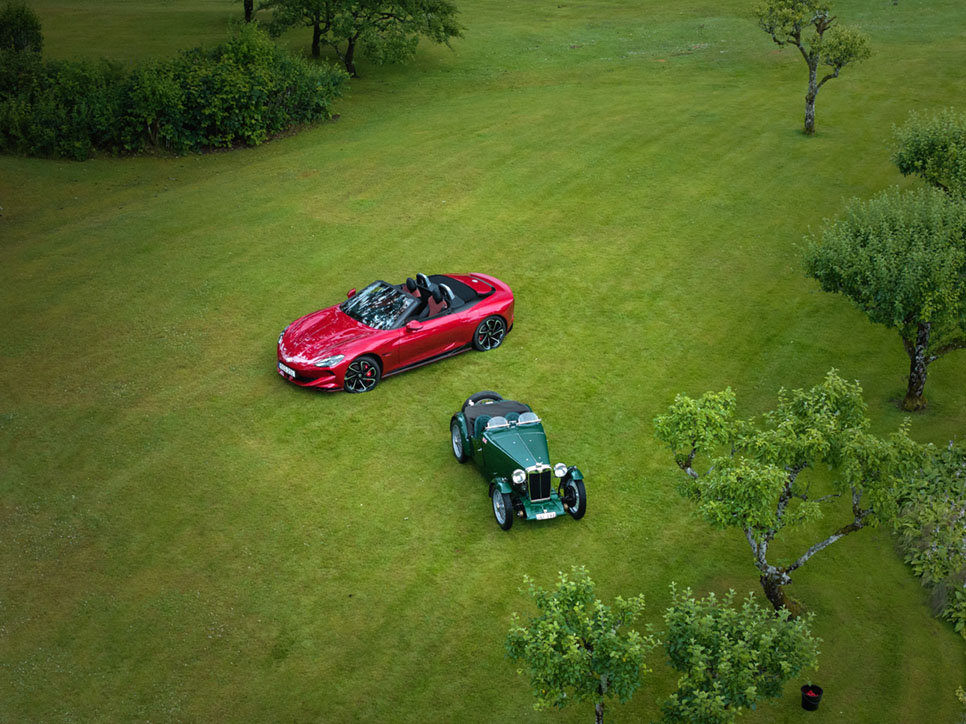
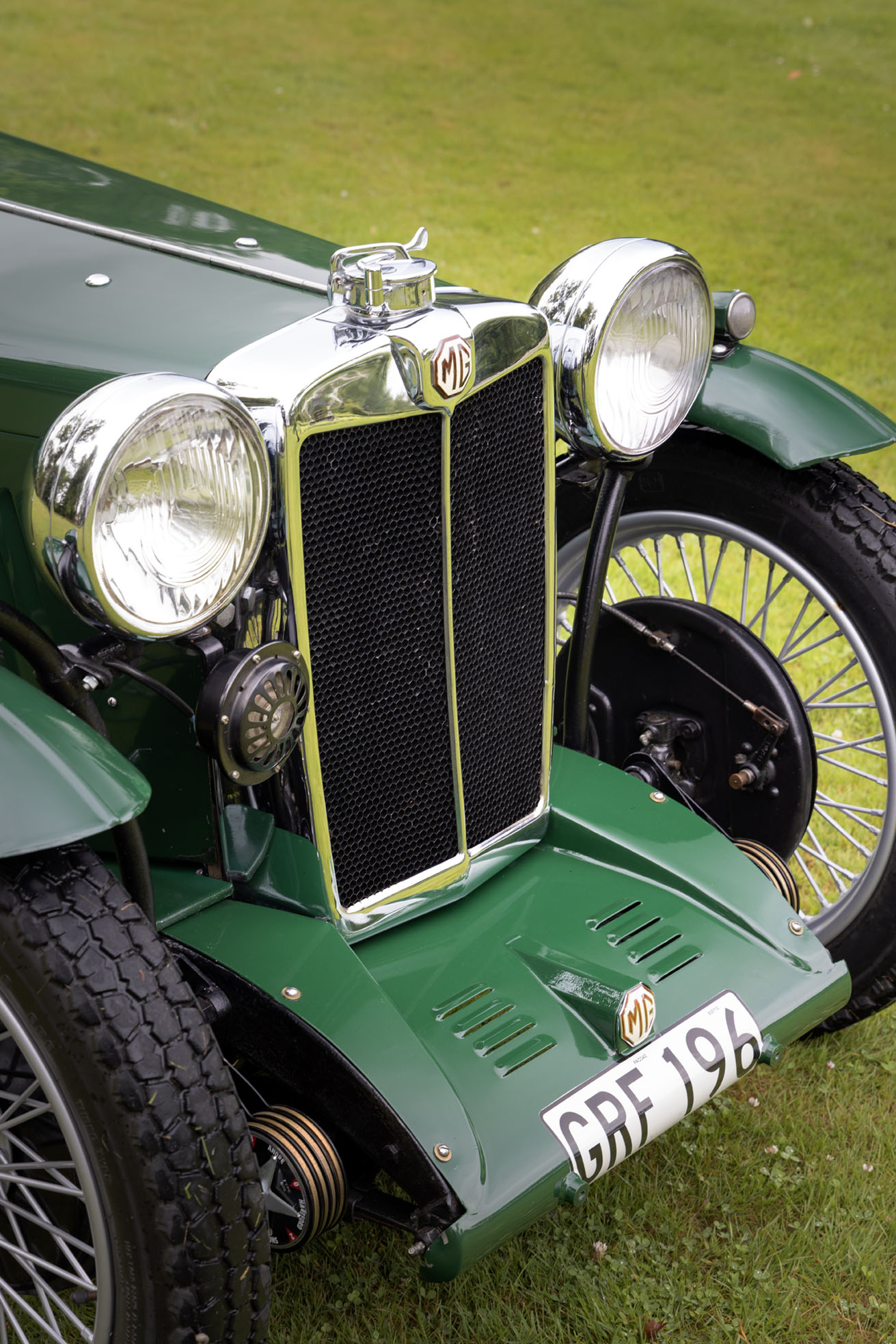
This example of MG PA was produced on 23 February 1934 with engine number 596 AP. The car is still in the Mellander family. Carl-Einar's son, Filip Mellander, is now the one who takes care of the car. When I was allowed to borrow the MG Cyberster, I agreed with Filip to visit him in Hällingsjö outside Gothenburg and photograph the Cyberster together with the PA for this article. I'll start by telling you a little about MG PA 0342, which is the correct model designation, and its history.
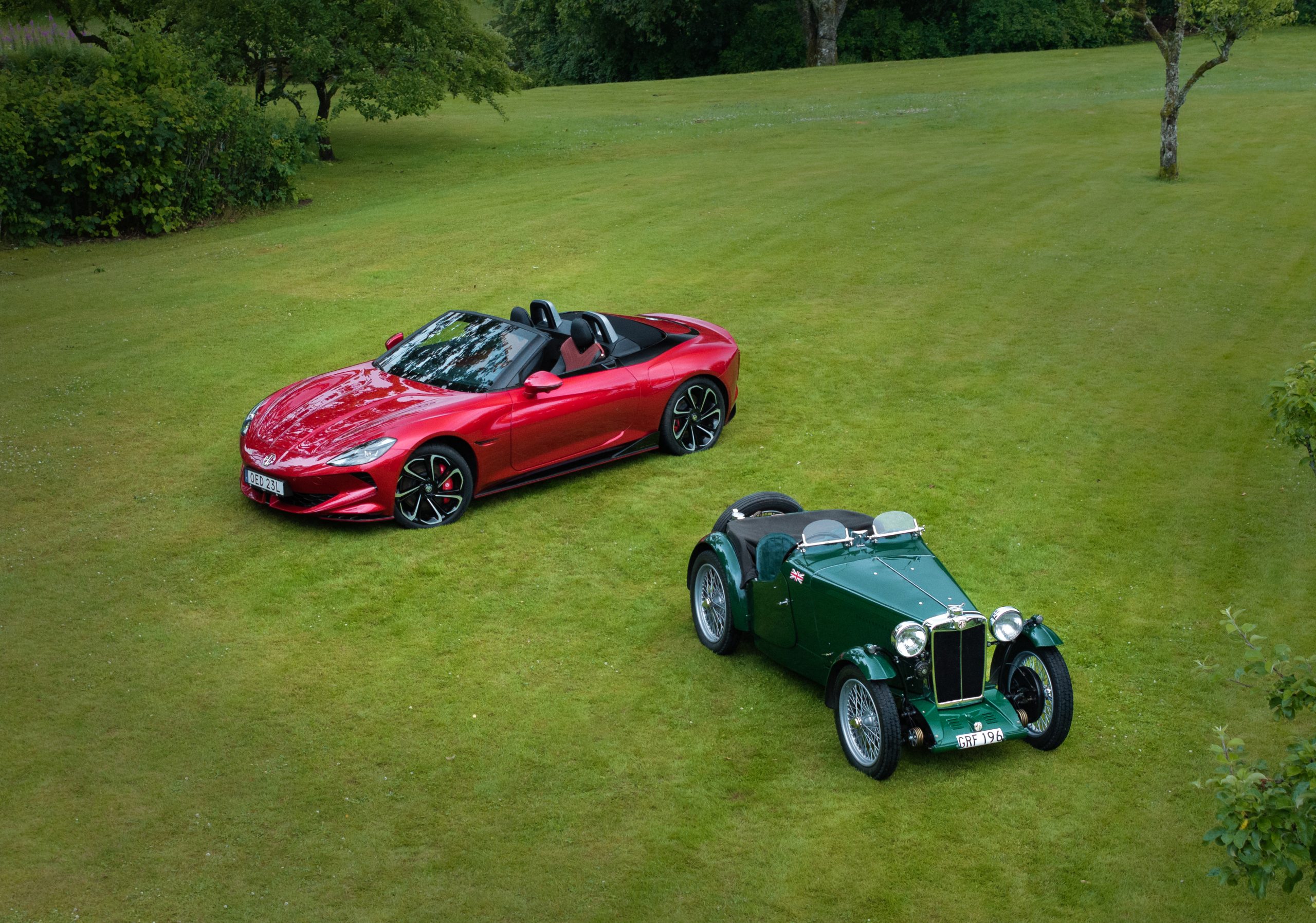
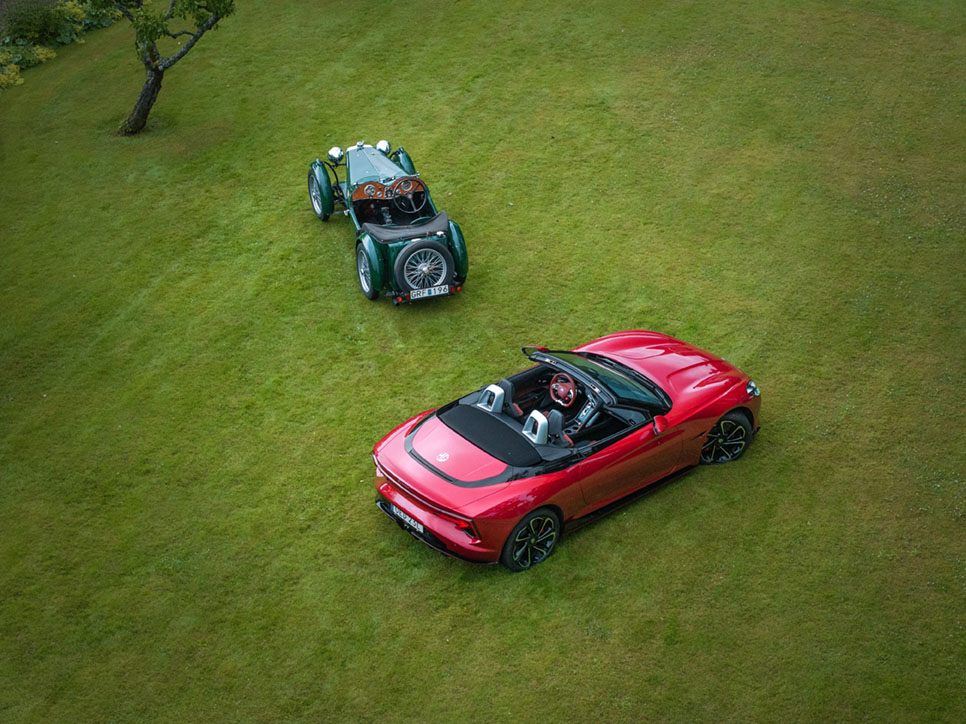
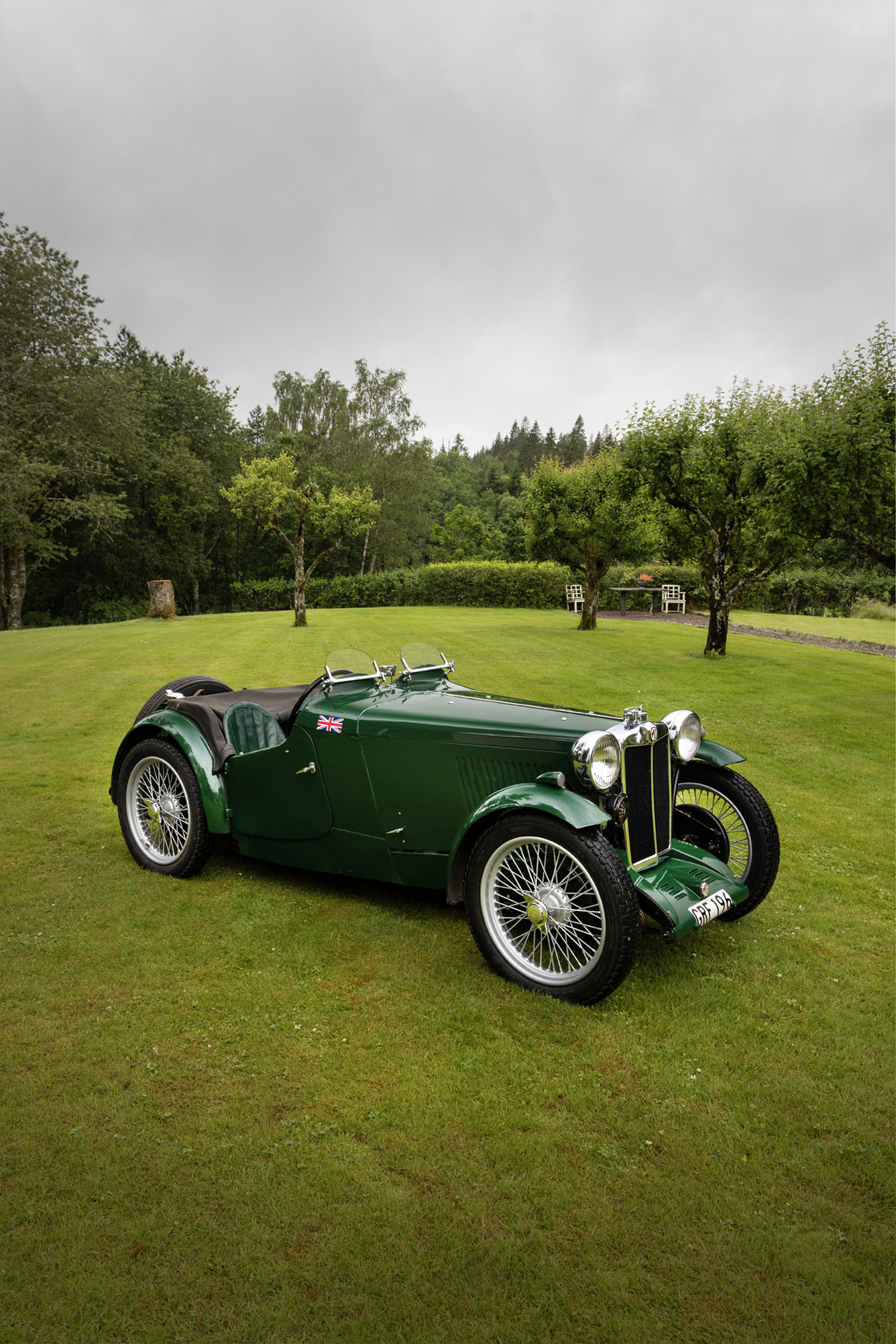
A lot of the MG factory's records unfortunately disappeared over time, therefore some details of individual cars, including PA 0342, are missing today. Copies of correspondence between the factory and the car's former owner are also missing. What is clear, however, is that the car was manufactured on 23 February 1934 with engine number 596 AP.
The chain of ownership in England is initially unknown, but has so far been established as follows, with approximate dates given:
- 1962-1963: David ("Dick") Whittington
- 1964: Valery Watson (later married to Whittington)
- 1965-1967: John Kempton
- 1967: Alf Näslund
- 1967: Carl Silfverberg
- 1973 - December 1990: Carl-Einar Mellander
- 21 Dec 1990 - 21 May 1992: Hans Sjöberg
- 22 May 1992 - 11 January 1993: Carl-Eric Asp
- 12 January 1993 and still: Eva Mellander
Both Whittington and Kempton raced the car in the English way, including in so-called hill climbs. Kempton was part of a group of MG enthusiasts involved in the "White House Garage", Keston, Kent.
When Calle bought the car, he drove it through Denmark in the middle of the freezing cold winter, at night, with only parking lights and a searchlight to guide him - the headlights were removed. Alf has described the drama in his book "Sports cars are our passion - The first years of MGCC". On Fyn, Calle was stopped by the Danish police, but he was allowed to continue on his sacred promise never to reveal that the police had seen the car.
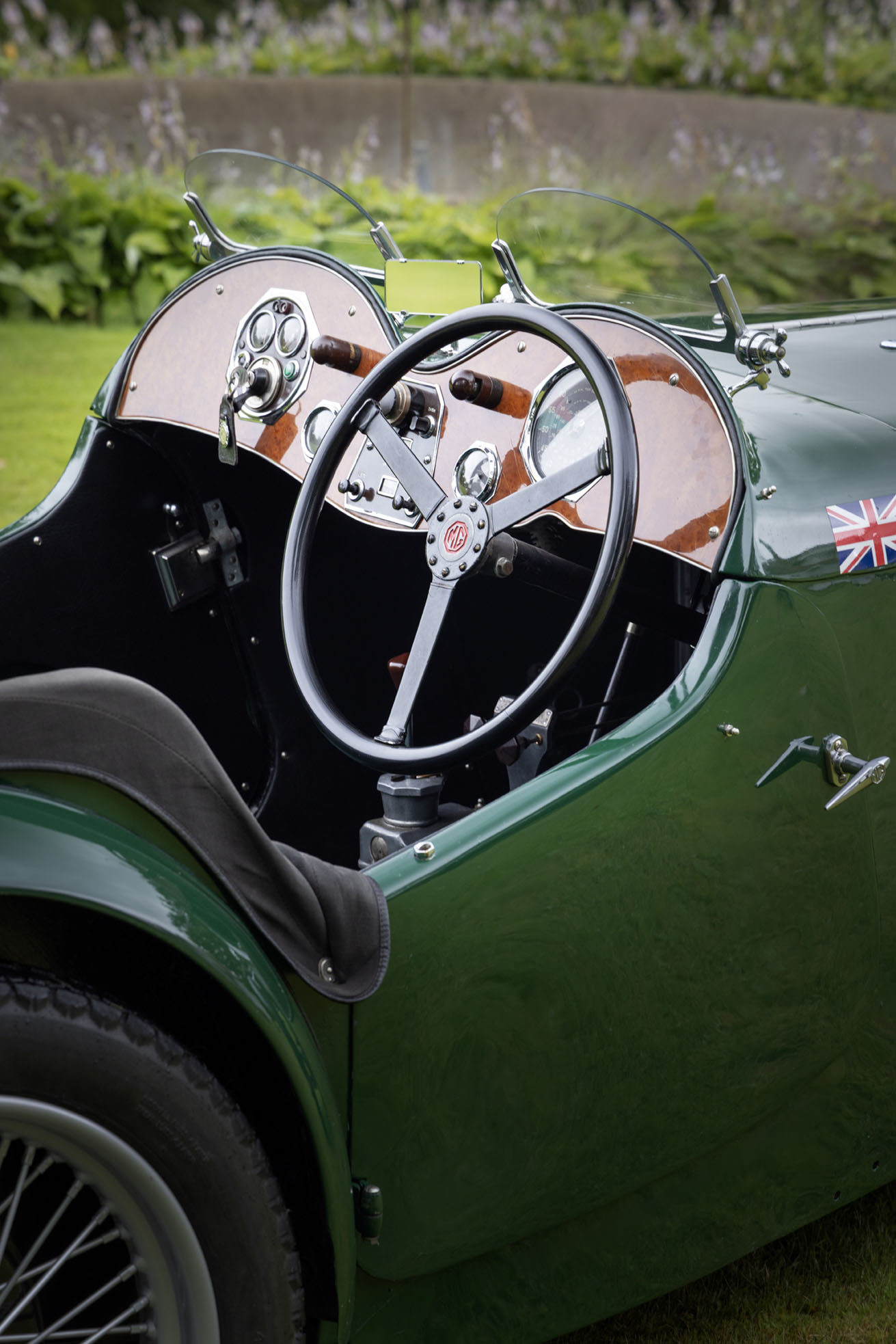
Calle Silfverberg started a serious renovation in his father's garage. This included a nice paint job in British Racing Green and the installation of cycle wings. But time was apparently not enough, and according to some sources, the father threatened to throw the car out. So it was put up for sale, and Carl-Einar was advised by his friend Björn-Eric Lindh to buy it.
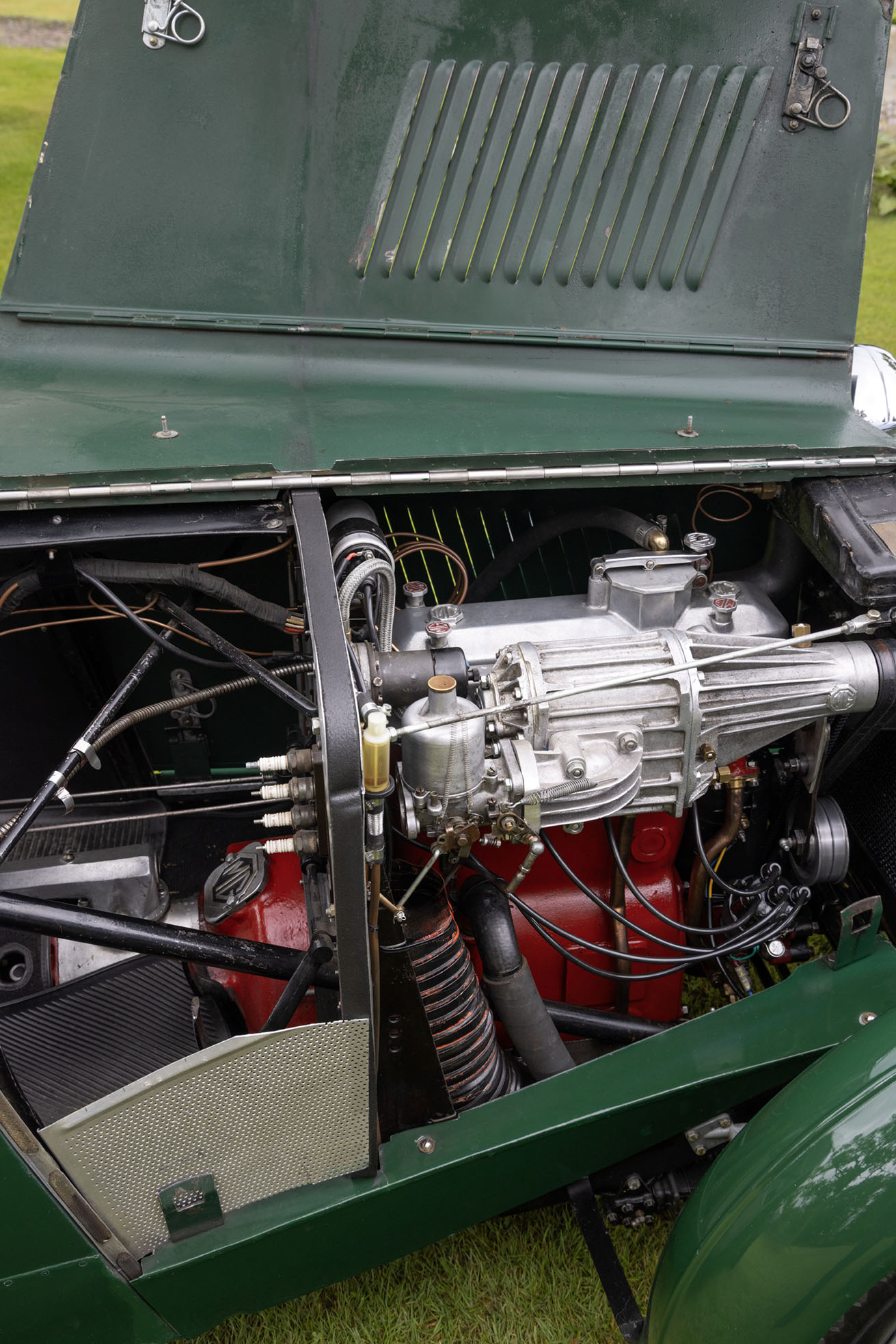
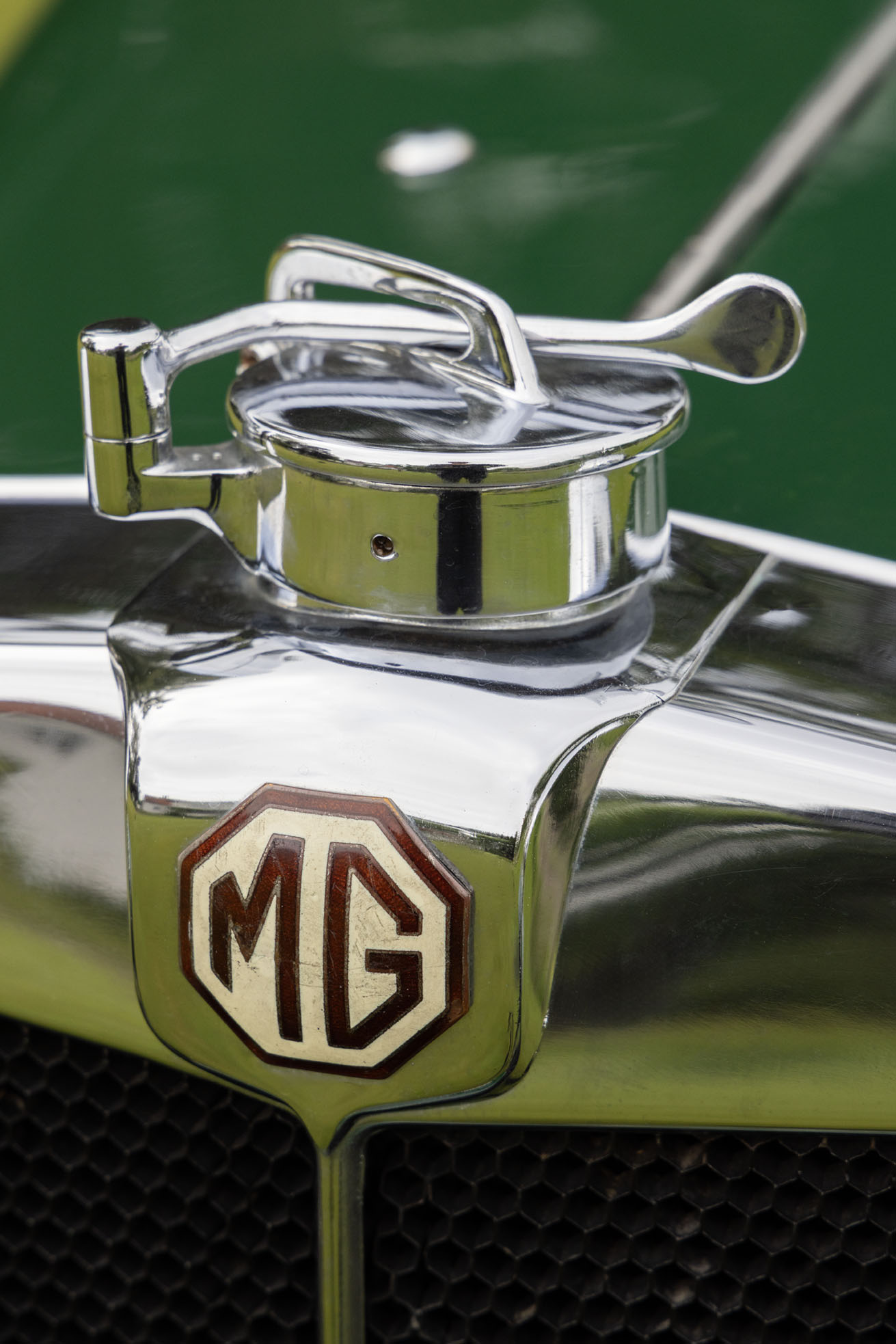
A funny story with the PA was when the engine started going bad once and what happened next. The engine was fine at first, so Carl-Einar and my father drove the car for several years in the 70s. Carl-Einar even raced the car at Travering in Germany in 1980, but noticed on day two that the engine started to lose power and run unevenly. Although Carl-Einar took the lead after a good start, in the middle of the race he let the field overtake to save the car. It was met with disdain from some fellow competitors who took the game seriously. Back home in Sweden, my father continued to drive the car for years at "walking pace." Carl-Einar and my father assumed it was just a valve that had burned. But by the mid-80s, the engine was ripe for an overhaul. My father undertook the dismantling work in his garage in Örgryte, which he had had for many years.
When Carl-Einar turned 50 in April 1987, my father delivered a big surprise to Carl-Einar. He presented Carl-Einar with a framed collage, on which, against a background of a picture taken on a joint trip to Denmark, in which I was also present, he had applied a rag he had found in the oil pan and a factual box about the car and the rag, with my father's humour. When Carl-Einar had banked the car in Germany, the rag had apparently started to move and prevented splash lubrication and cooling in the second cylinder bore, with the result that the piston had a hole.
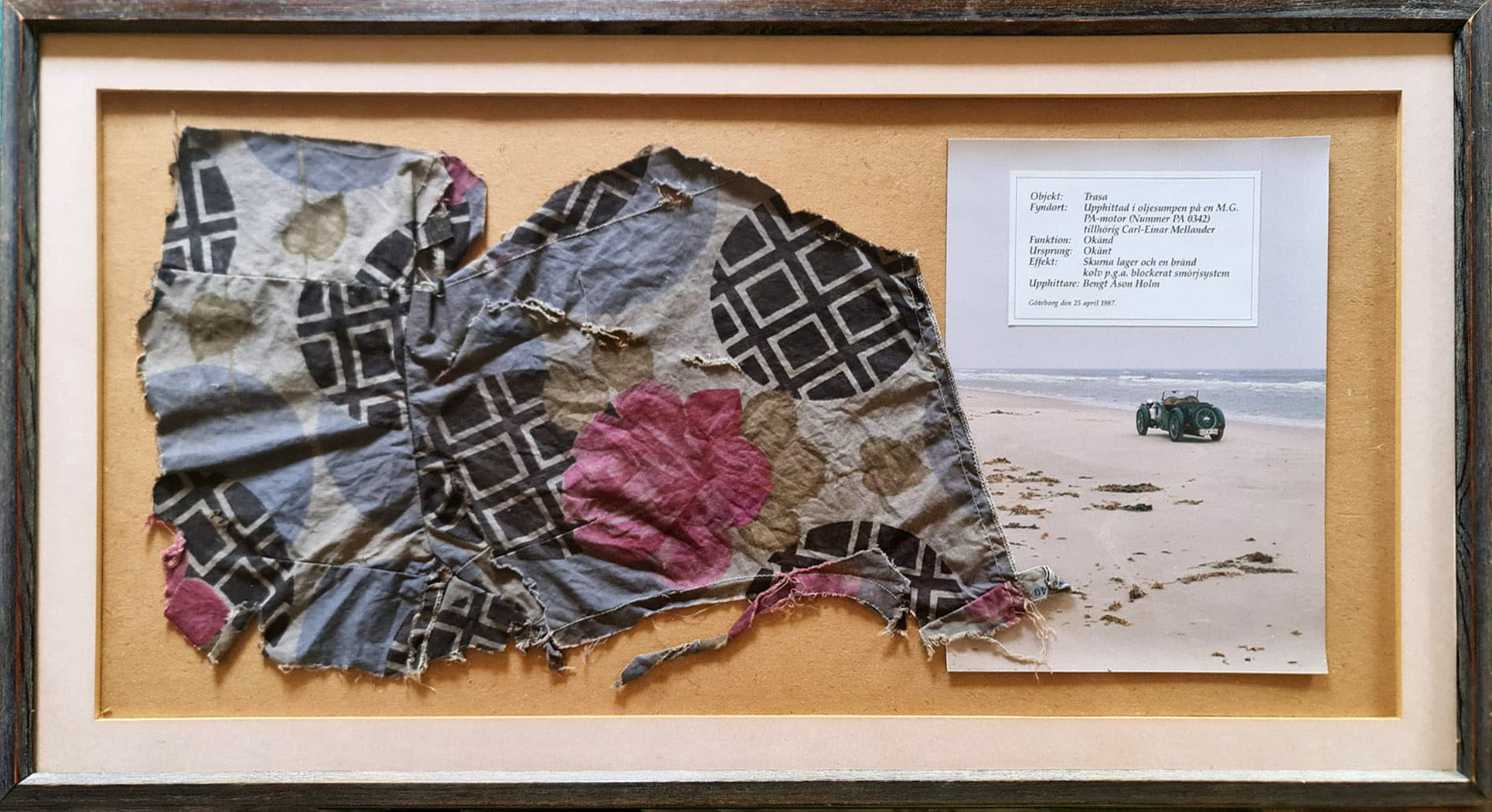
My father's collage now sits in a place of honour above the TV in Carl-Einar's living room. A previous owner in the 60's or before had probably renovated the car and left the rag in a cylinder when he, with the engine upside down, worked with it and, for example, mounted crankshaft, pistons and connecting rods.
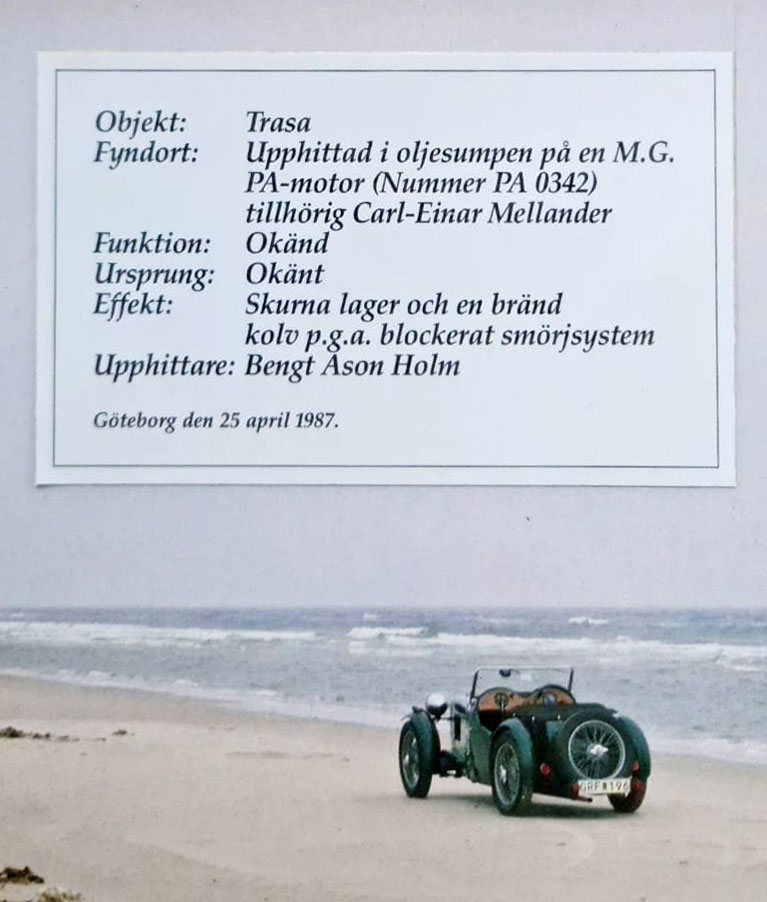
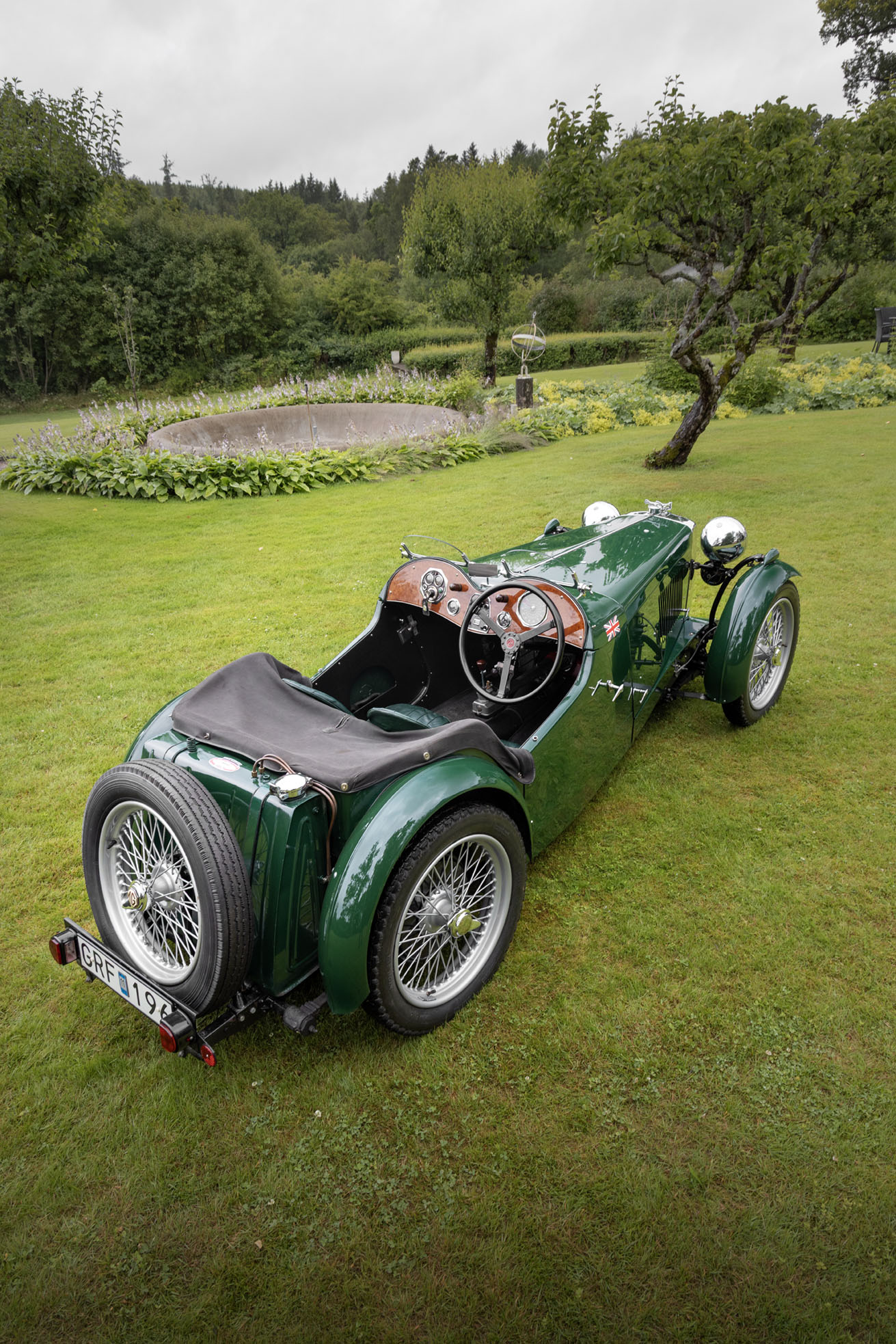
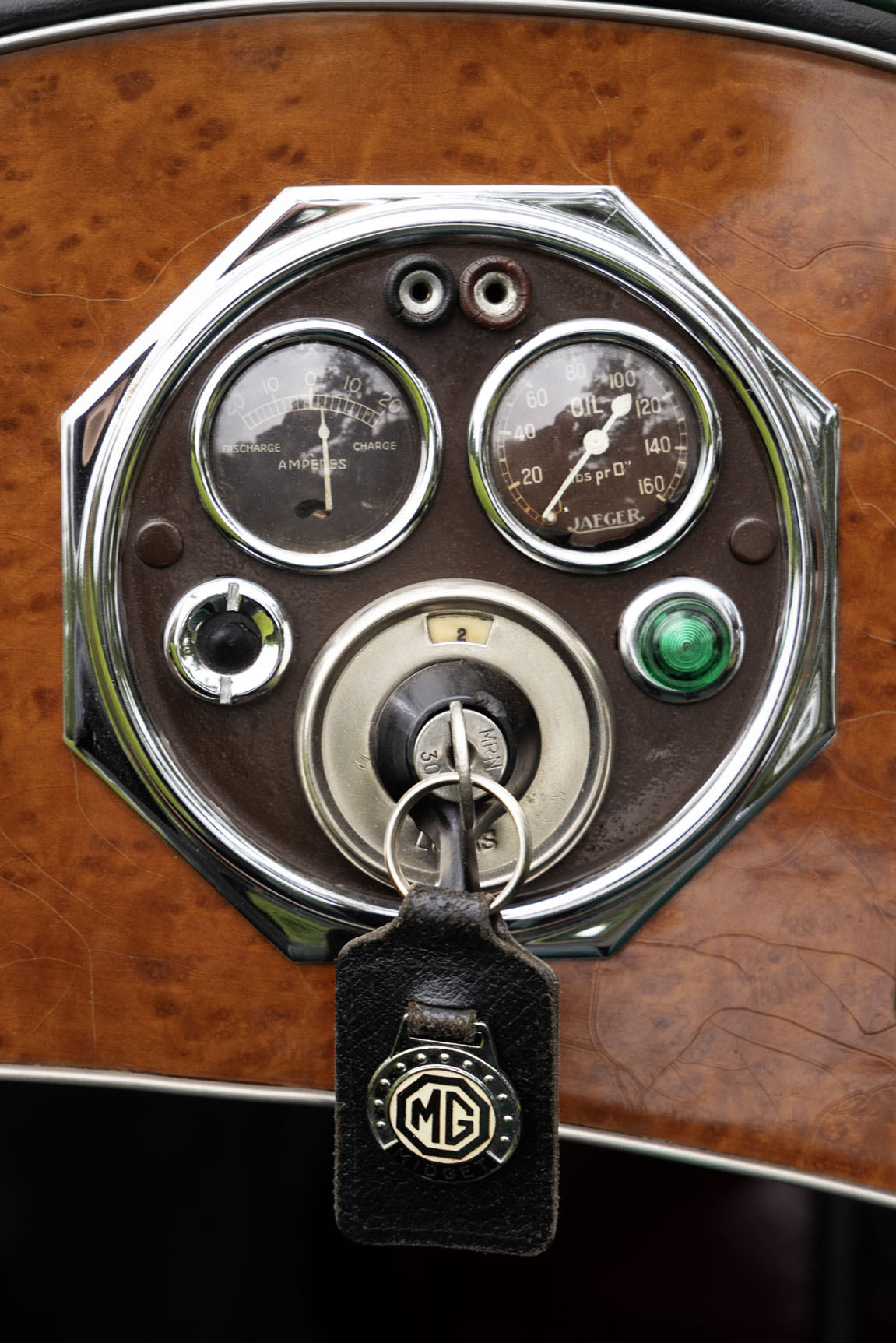
Once Carl-Einar had bought the car, he completed the renovation that had been started by the previous owner, Calle Silfverberg. A new dashboard was purchased. Through Colin Tieche, Carl-Einar managed to get hold of the last spare part veneer in redwood that an employee at the MG factory had saved already in the late 30s. In the middle of the production of the P-model, the USA introduced a ban on exporting redwood, so you can say that Carl-Einar was lucky to get hold of a NOS board. Carl-Einar also acquired a ready-made leather upholstery from England.
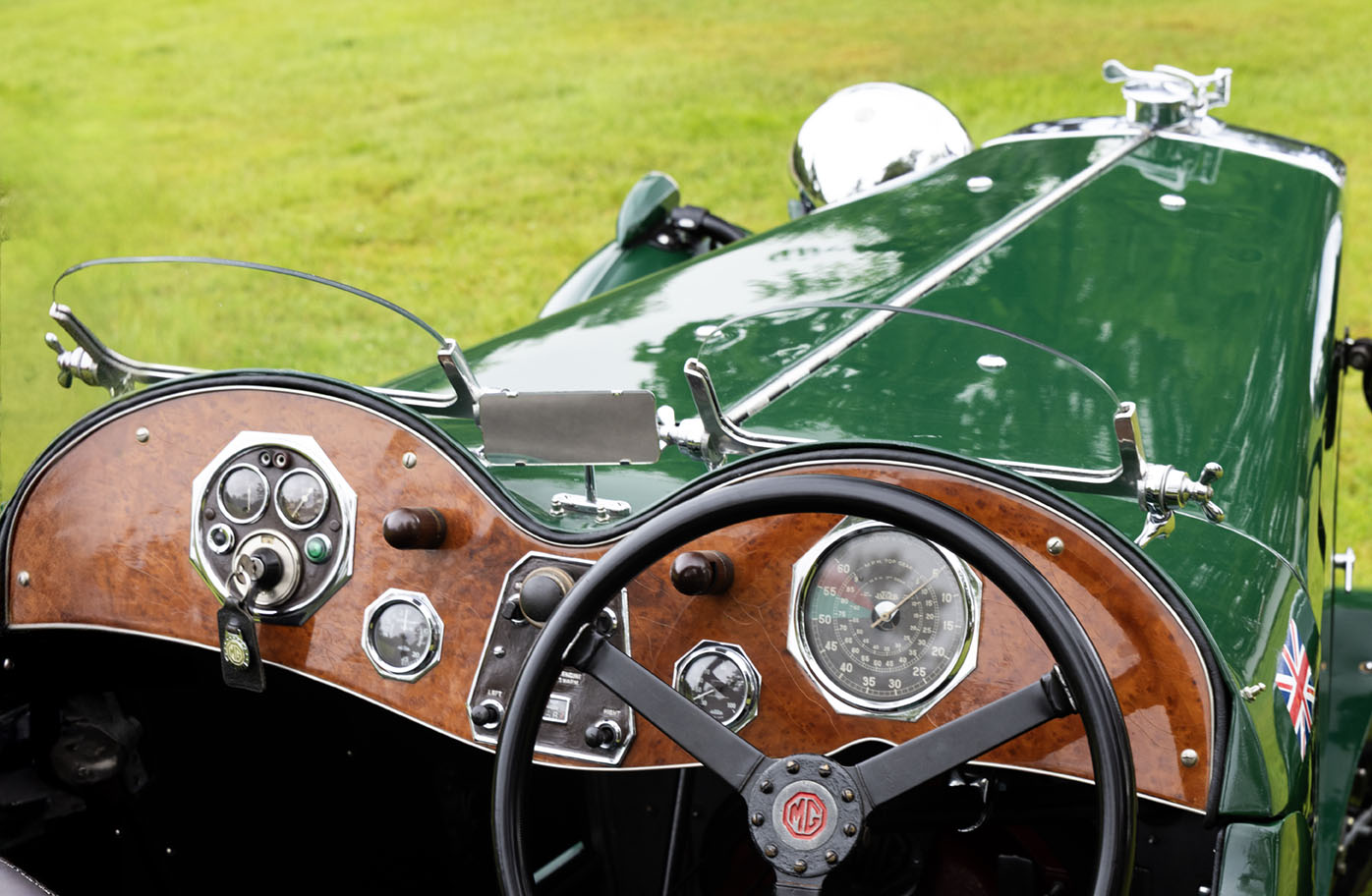
Since the engine was prepared, some updates have been made to the PA. Firstly, so-called brookland windows have been fitted instead of the usual and traditional windscreen. In addition, a compressor has also been fitted to the engine. The PA now has around 40 extra horses to utilise. How much the brookland windscreen affects the performance, I unfortunately have no information about. All in all, the MG PA that my father used and worked with for several years is now in an incredibly nice condition.
Now over to the new MG Cyberster that MG is celebrating 100 years with. MG doesn't really have much in common with the original company that built the MG PA. During the 1990s, the brand was awakened from its hibernation when Rover started manufacturing sports cars again under the MG name. During this time, several of the MG models were Rover-based. In 2005, the MG Rover Group went bankrupt and parts of the company were bought by the Chinese Nanjing Automobile Corporation (NAC). The purchase included the MG name and production resumed in China and the UK. In 2007, NAC was bought by the Shanghai Automotive Industry Corporation (SAIC), which meant that MG was now part of a new group. The UK company was renamed from NAC-MG to MG Motor UK. In 2016, production at the Longbridge plant was discontinued, and manufacturing has since taken place in China and Thailand.
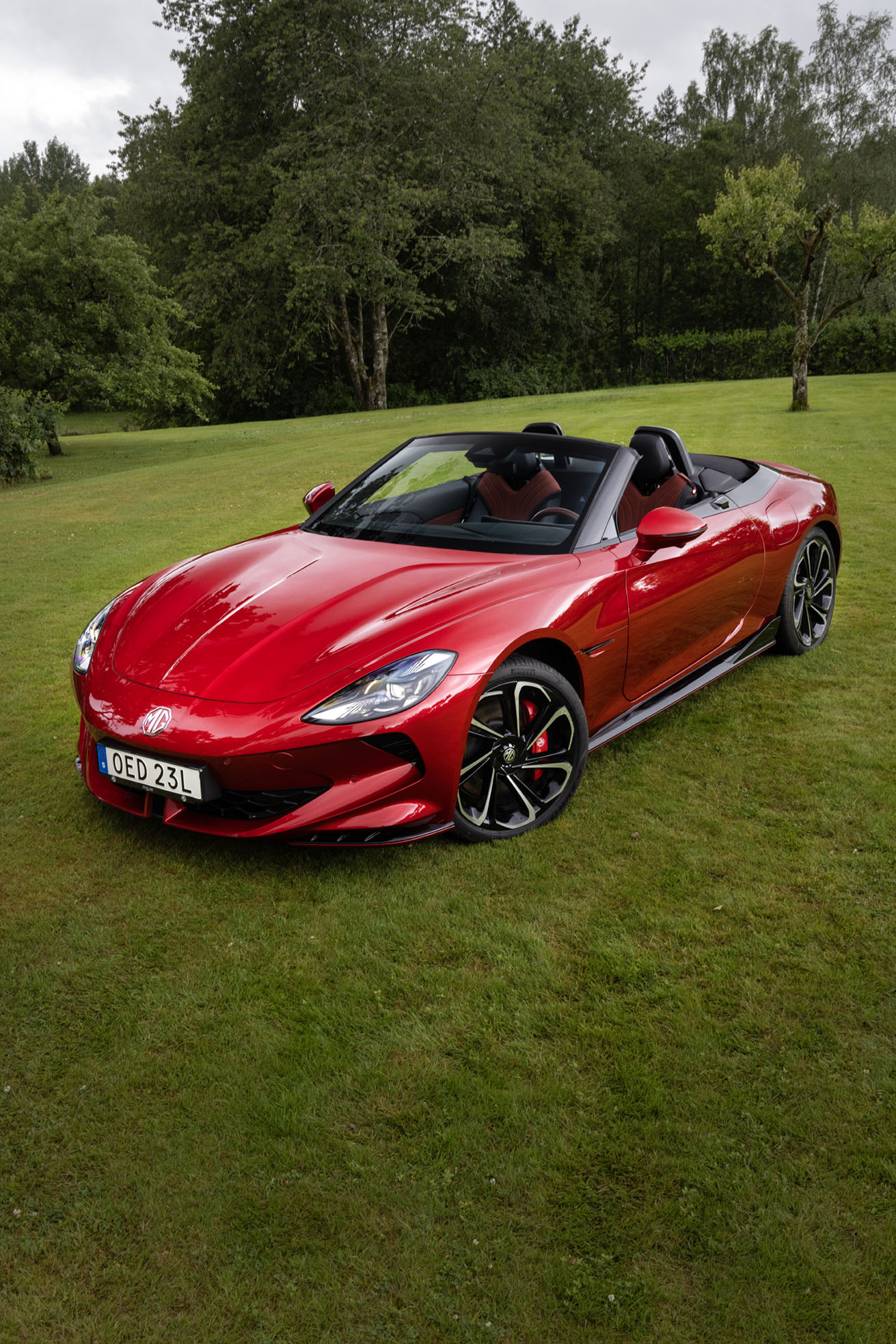
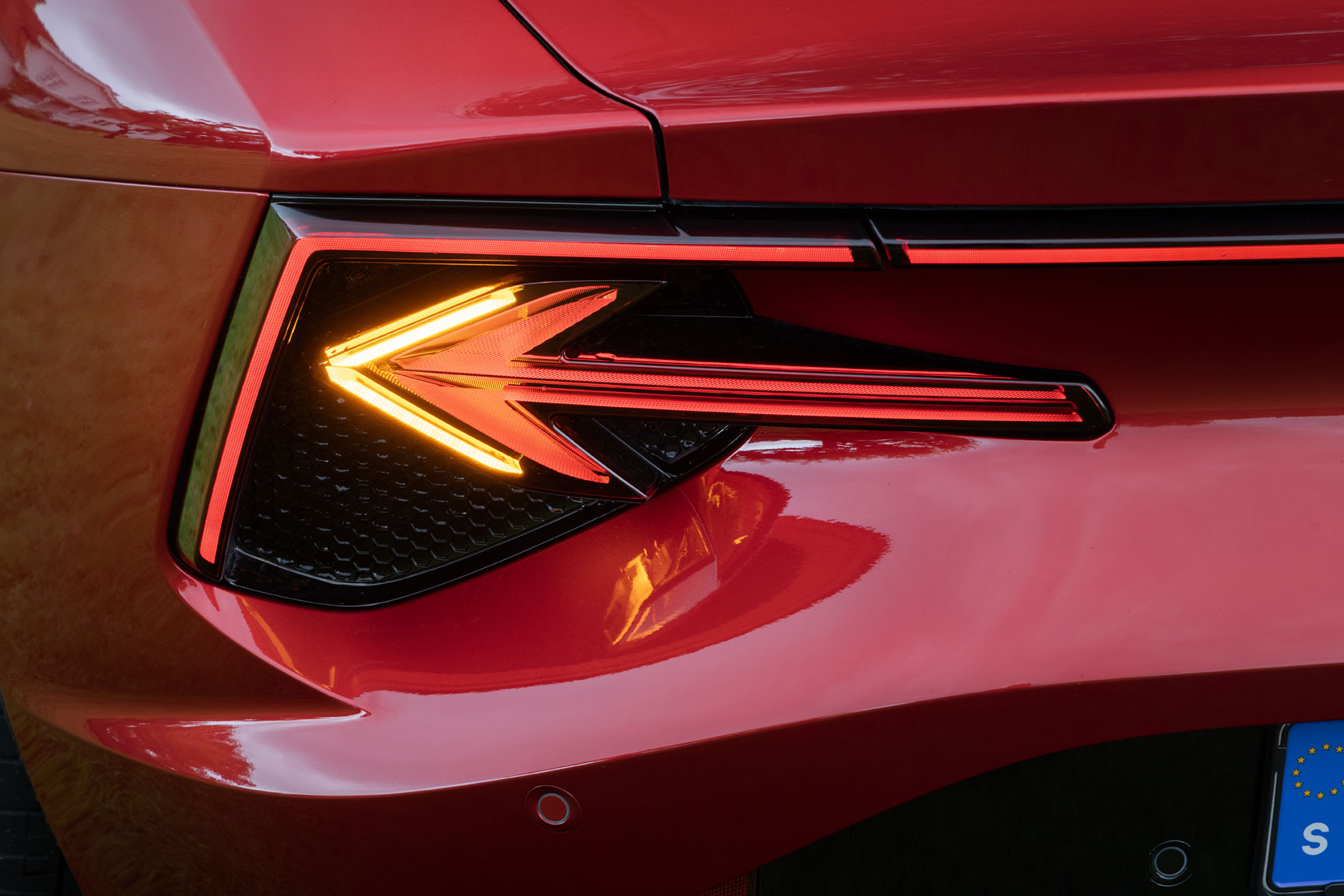
Without understatement, an MG Cyberster doesn't have much in common with the MG PA my father borrowed. That would be that it has four wheels, a steering wheel and only room for two. MG Cyberster is completely electric to start somewhere. Those of you who have followed me here on carscollection.com know that I actually like electric cars, unless you have to drive far. The MG Cyberster is a perfect car to actually enjoy. Not only to drive with the roof down, with the sun in your face, completely silent on a sunny day, but that it is actually very sporty. With its 510 electric horses, it can do the 0 to 100 kilometres per hour sprint in 3.2 seconds, and that's very fast indeed. There is no 0 to 100 time for the MG PA, unfortunately. To compare the MG Cyberster to a real sports car, we can compare it to the Ferrari Testarossa, which can do 0 to 100 kilometres per hour in 5.8 seconds, and the Testarossa can still be seen as a classic super sports car. So today's electric cars are very fast from a standstill. The range of the MG Cyberster with a fully charged battery according to WLTP should be 444 kilometres. I've driven electric cars with worse range, for sure. The top speed is around 200 kilometres per hour, which is more than enough for our Swedish roads.
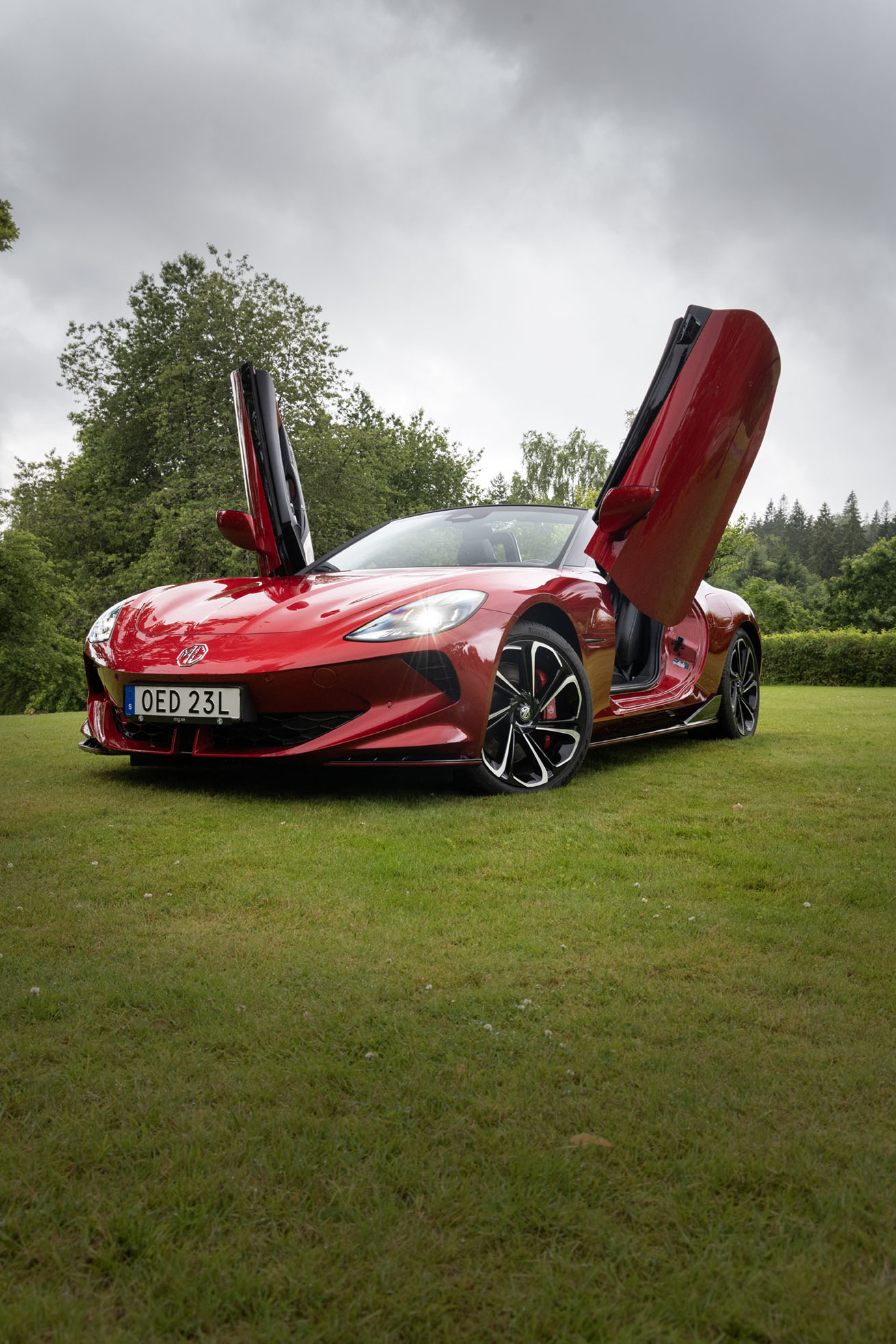
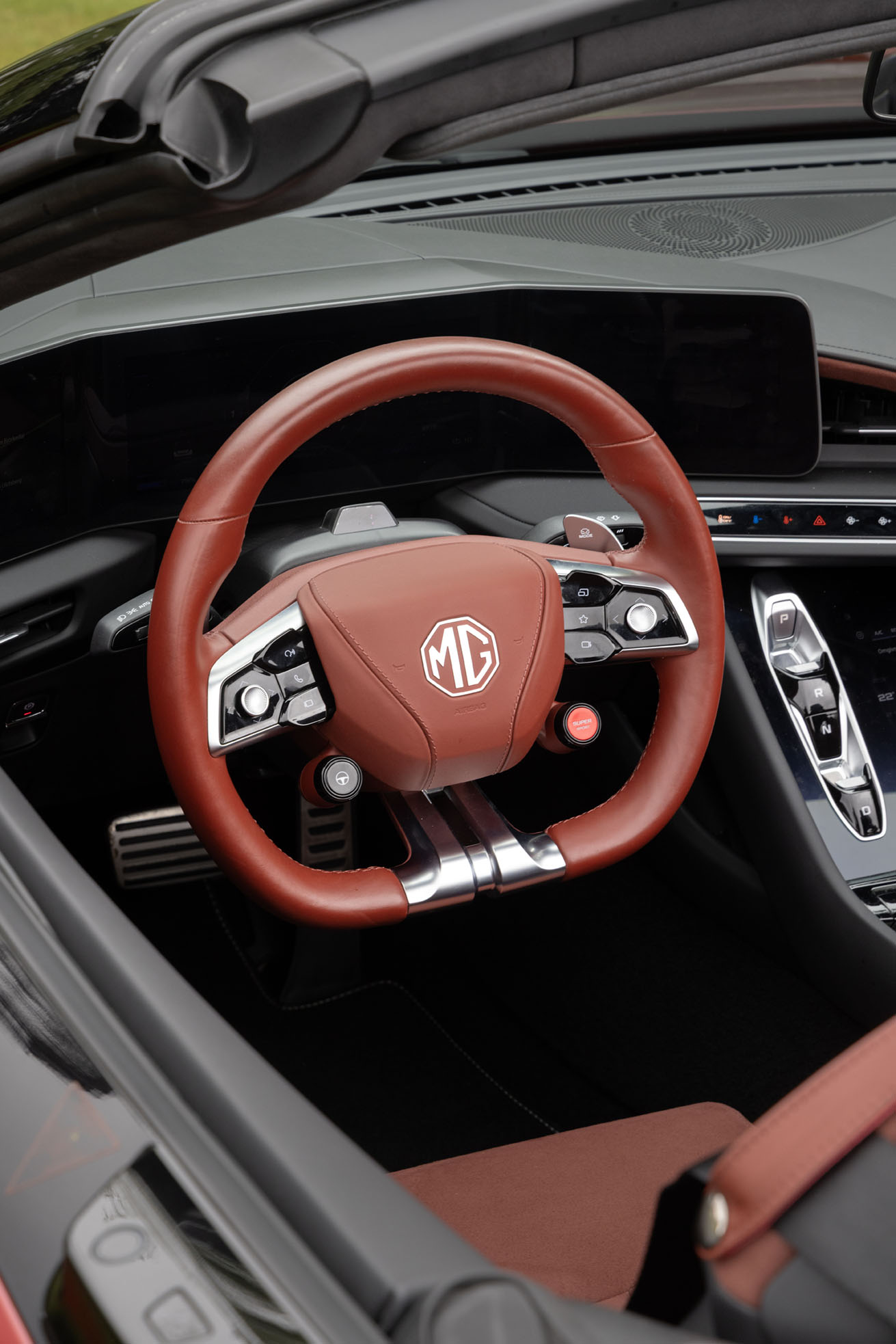
The doors, which open electrically outwards and upwards, may be very tough and practical to get in and out of the car with. But if it rains a little, as it almost always does in Gothenburg where I borrowed the car, they open very slowly and you can get wet. So not entirely practical. Another thing that is not quite optimal is that the car is originally built as right-hand drive. Therefore, the driver environment is designed accordingly. So the navigation screen is to the left of the steering wheel. In a right-hand drive car, that screen would have been in the centre console of the car. Now it's between the steering wheel and the door on the left. So it feels a bit wrong when you're used to looking to the right of the steering wheel to see the navigation, for example.
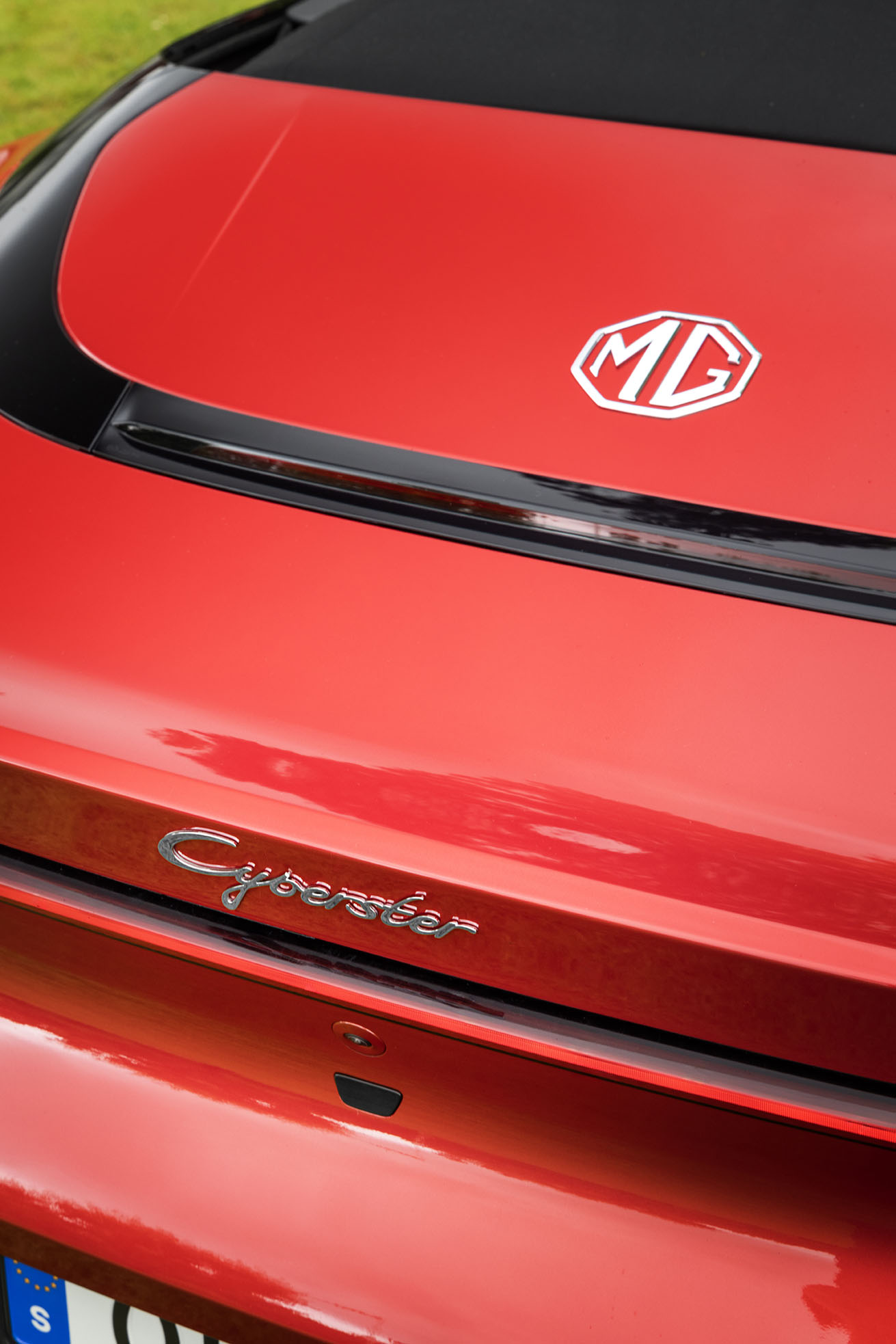
Having driven the MG Cyberster for a couple of days, I can actually say that it is quite a nice car to drive. When I was a kid and travelled with my father in the MG PA it was a great pleasure. My father could handle the PA with its unsynchronised gearbox. It is particularly complicated to change gear correctly when downshifting. Of course, you have no such problem in the MG Cyberstern. There you can calmly let your thoughts be entertained by the smooth ride, rather than how the car should be shifted. Unfortunately, my father is no longer alive, but he would have liked the MG Cyberster; he really loved the PA.
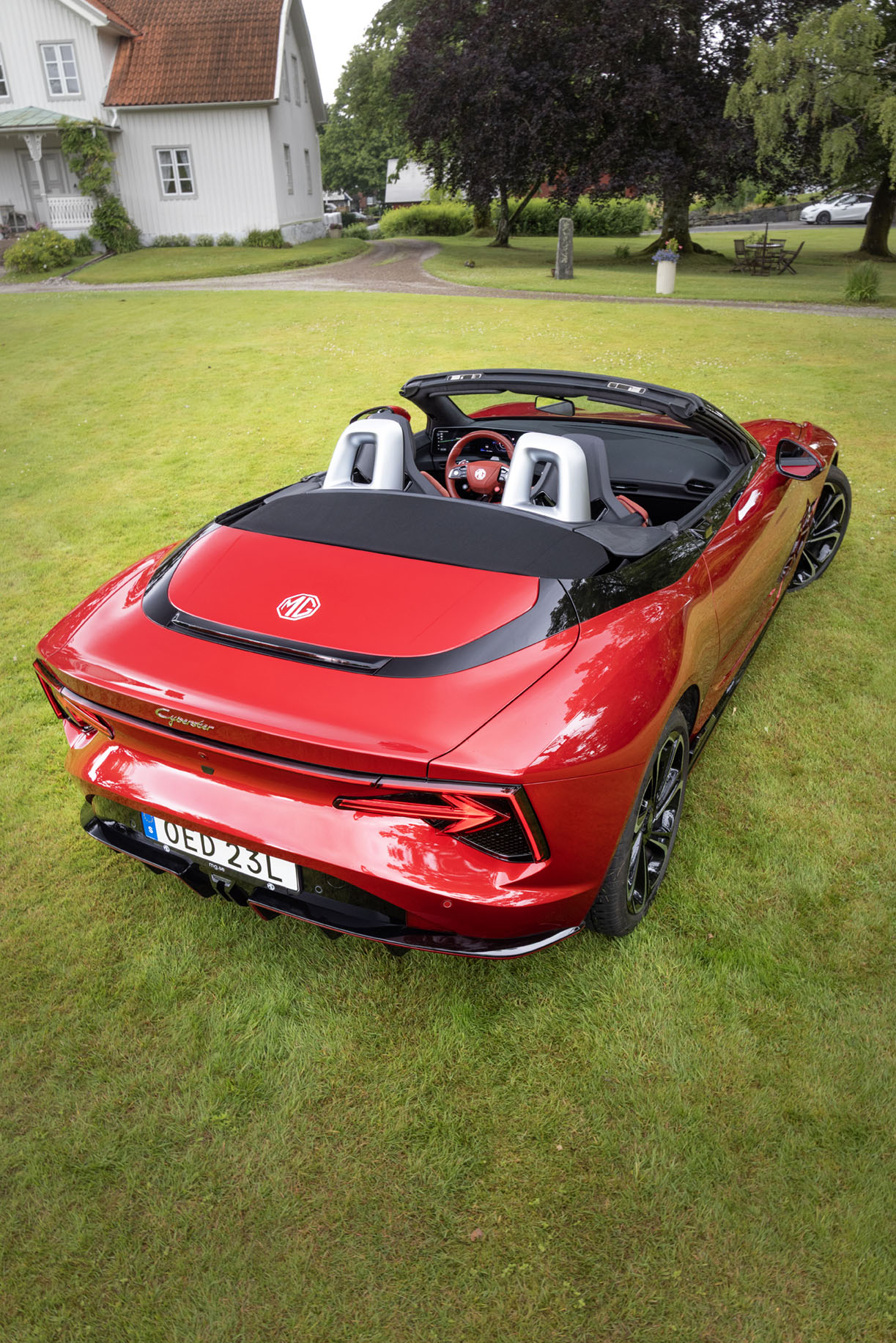
MG Cyberster
Price: from 849 990 SEK
Motor: Electric. Front electric motor, maximum power 204 hp (150 kW), torque 250 Nm. Rear electric motor, max power 340 hp (250 kW), torque 475 Nm. Max system power 510 hp (375 kW), total torque 725 Nm. Battery 77 kWh of which 74.4 kWh is usable. Charging power AC/DC 11 kW/144 kW.
Transmission: Front and rear engines, four-wheel drive. Reduction gearbox.
Acceleration: 0-100 km/h 3.2 s, top speed 200 km/h.
Consumption (WLTP): Mixed driving 1.68 kWh/mile. CO₂ 0 g/km. Range: 444 km.
Service weight: 2 075 kg
Dimensions: (length/width/height): 4540/1910/960 mm
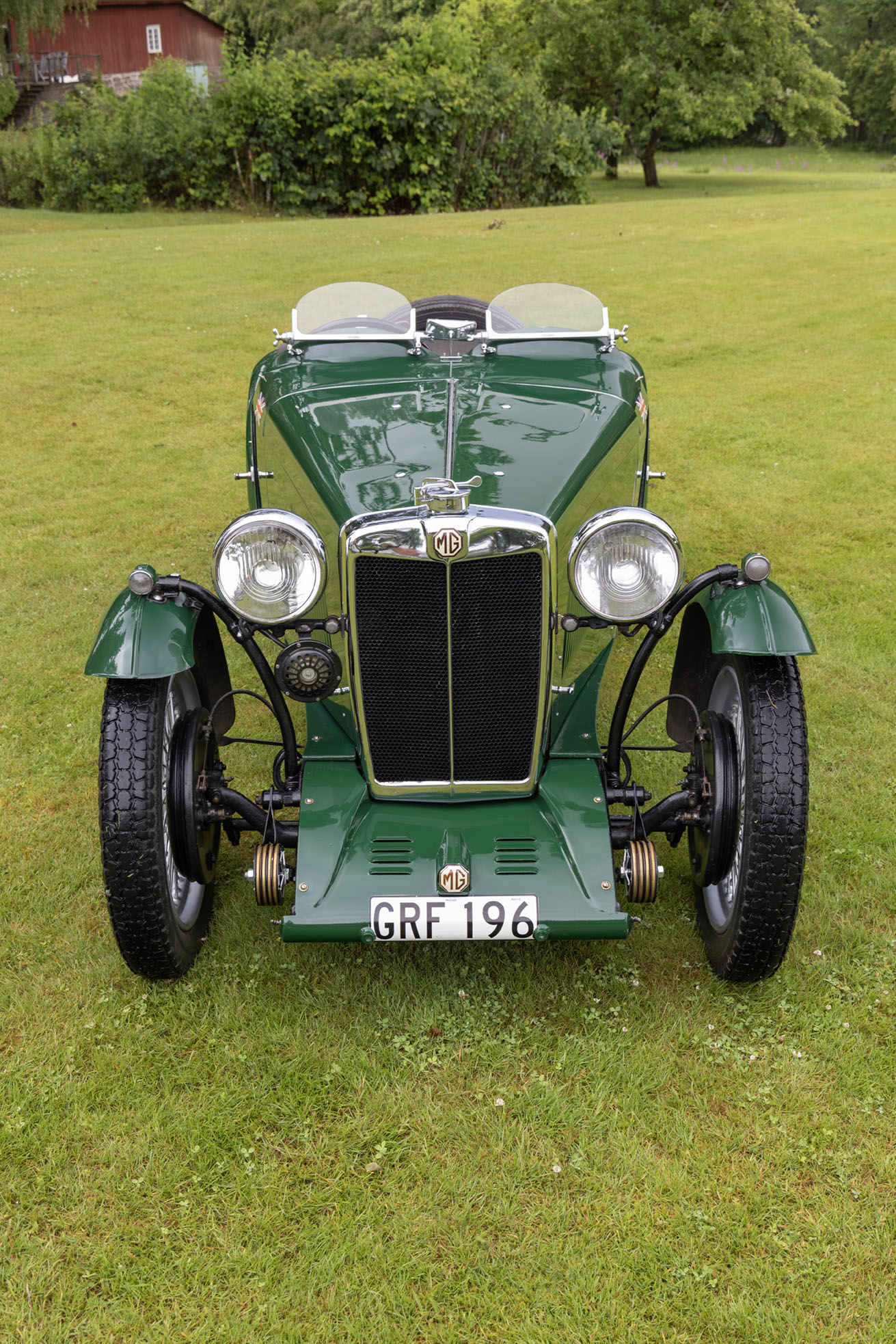
MG PA
Engine: Wolseley original 847 cubic metres, 4 cylinders, 36 horses, same engine as in MG Q-type and R-type. H-profile roofs. Race camshaft. 1 3/4" S.U. carburettor. Steel crankshaft.
Transmission: Front engine, rear wheel drive. Unsynchronised 4-speed.
Power: Original 36 horses. Now, after compressor upgrade, estimated 75-80 hp.
Acceleration: 0-100 km/h not available, top speed not available.
Consumption (WLTP): not available.
Range: not available.
Service weight: 740 kg
Dimensions: (length/width/height): 3330/1330/1330 mm
 English (UK)
  Svenska
Leave a Reply