
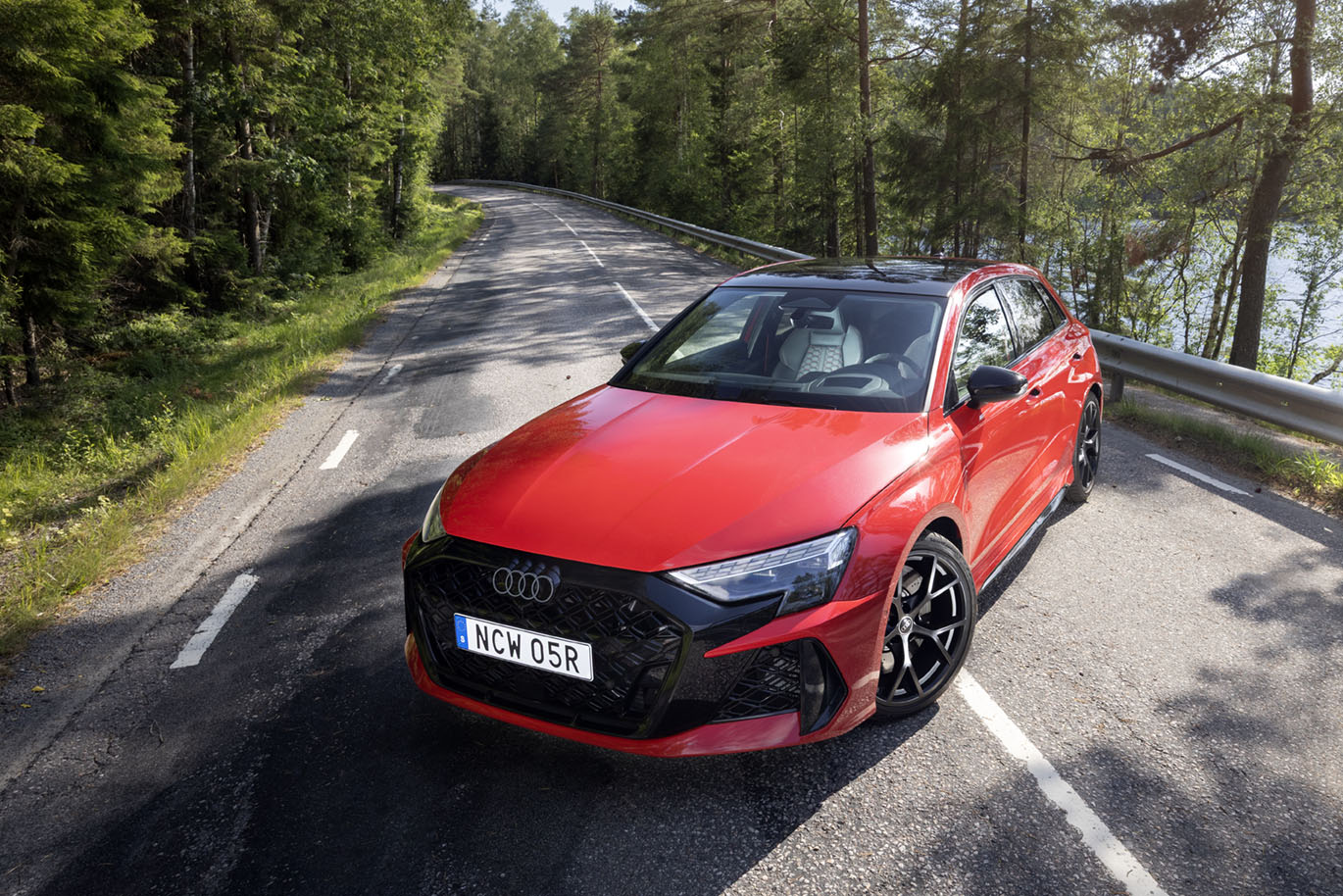
Audi RS 3
Some roads you never forget
For me, Härskogsvägen between Lerum and Landvetter is one of those roads. The Audi RS 3 gave me the perfect reason to return there. If I'm to compare it to some of Stockholm's classic driving roads, it actually reminds me more of Slingerbulten than Bogesundsvägen. Yet, I've always preferred Bogesund, and for me, Härskogsvägen has been Gothenburg's obvious equivalent. Härskogsvägen has been with me since I was young and is strongly associated with both my interest in cars and some of my finest motoring memories.
It was my dad, Bengt Ason Holm, who introduced Härskogsvägen to me and my old school friend Daniel. Daniel and I went to primary school together all the years and are still close friends. My dad told me that it was a stretch of road where many drove their sports cars and that there were even unofficial times that people compared with each other. Among other things, there were times set by cars like the Jaguar E-Type and other classic sports cars. Daniel and I later got to see some of those times and of course we tried to beat them when we were younger.
The first time I experienced Härskogsvägen with Daniel, he was driving his red 1971 Alfa Romeo 1750 Spider, which was also his first car. A little later, after I got my driving licence, Daniel let me drive his Porsche 986 Boxster, which was his second car at the time, on the same road. It became one of my first really strong memories behind the wheel of a sports car and is a large part of the reason why Härskogsvägen still means so much to me.
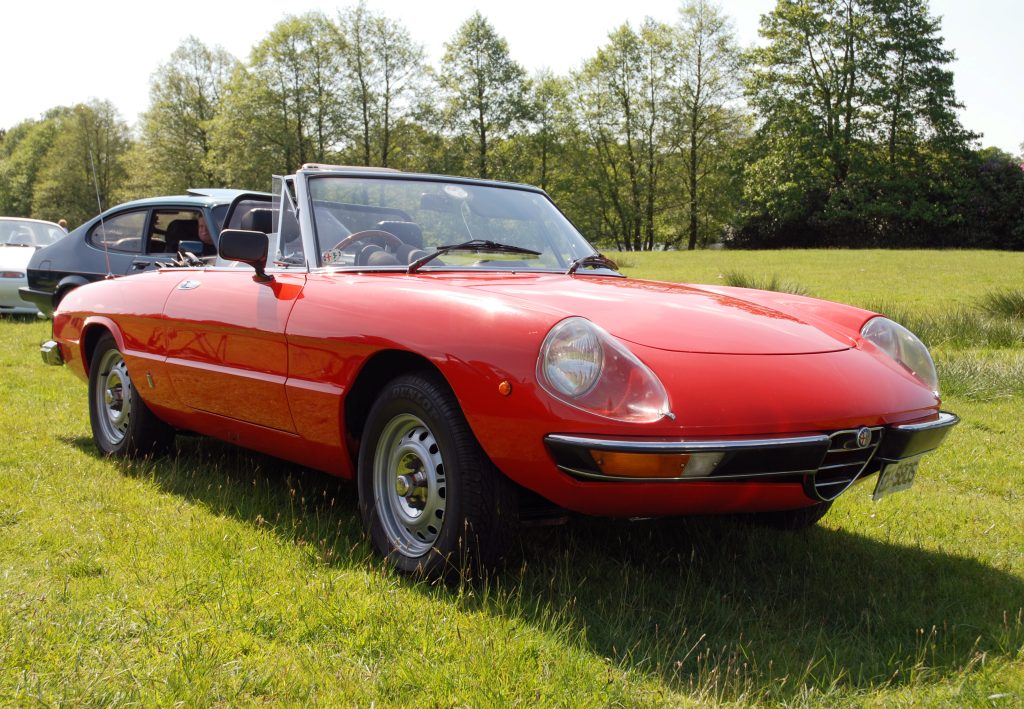
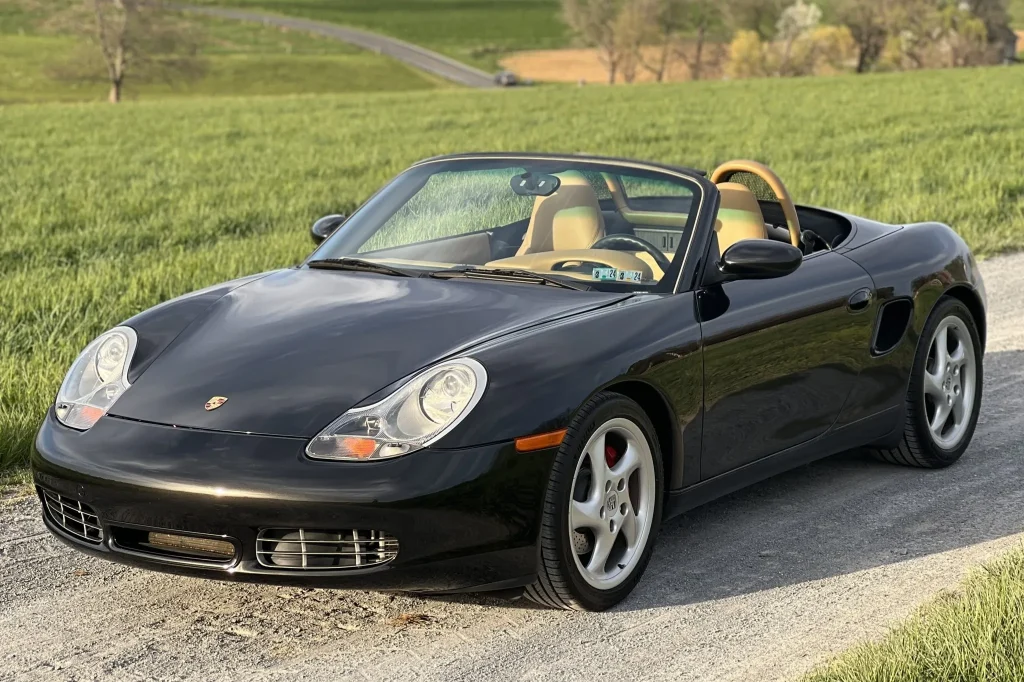
When I was planning the trip to Gothenburg with the Audi RS 3, there was never any real doubt about where I wanted to go. Härskogsvägen was an obvious choice. Daniel and I have known each other since primary school, and returning to the same road together so many years later, but this time with an Audi RS 3 that I had on loan, genuinely felt like coming full circle. For more information about the model, please visit Audi Sweden's official website.
The plan was to drive the classic route and at the same time photograph the car at some of the locations I remembered. However, when we arrived, we discovered that the beginning of Härskogsvägen from Lerum had changed. Perhaps the very finest part, which goes along the lake, had been replaced by a new section and the old part was closed off. At first, it felt very disappointing because it was precisely that part I had been looking forward to the most for taking some of the pictures.
However, it turned out that the closed road section, where regular traffic was now being diverted to the new stretch of road, was completely free of cars. It gave us a fantastic opportunity to work undisturbed. Suddenly, we had the most beautiful part of Härskogsvägen all to ourselves. What at first looked like it could ruin the photography instead became a perfect opportunity to work peacefully without having to move the car as soon as someone else approached.
I mounted my camera rig on the RS 3 and took some shots where the car appears to be moving significantly faster than it actually is. The rig photography technique involves the camera being fixed to the car while it rolls slowly, resulting in a sharp car image while the road and surroundings receive a clear motion blur. Afterwards, I was able to place the RS 3 in the middle of the road and take static shots from angles that would have been considerably more difficult to achieve if the road had still been open. When the photography was completed, we discovered that most of the remaining stretch was still drivable. That's where the Audi RS 3 really got to show what it's made of.
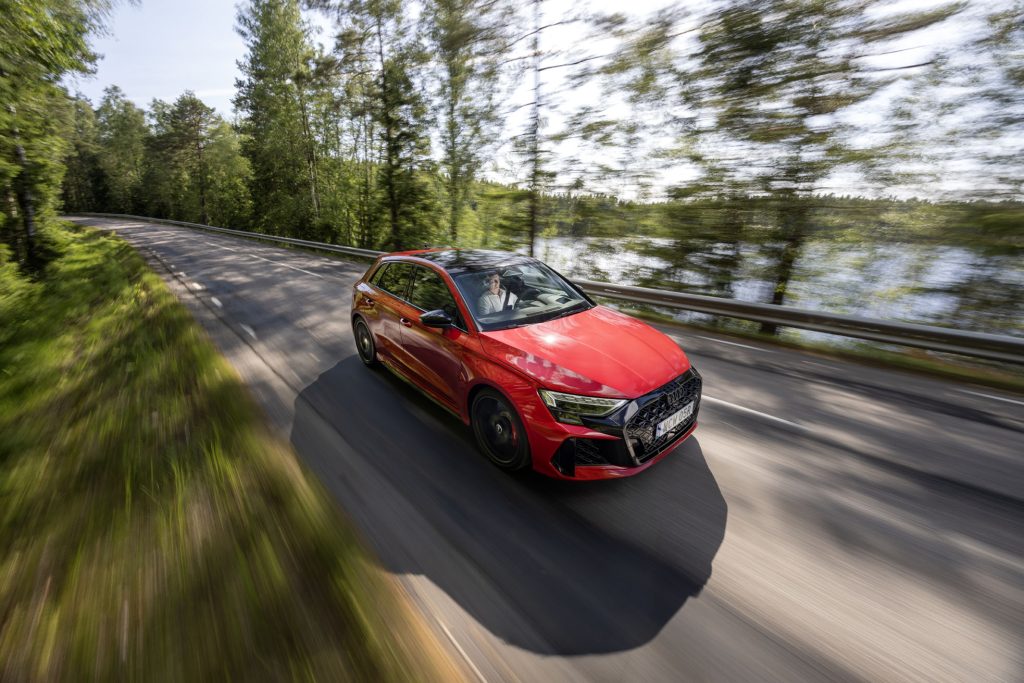
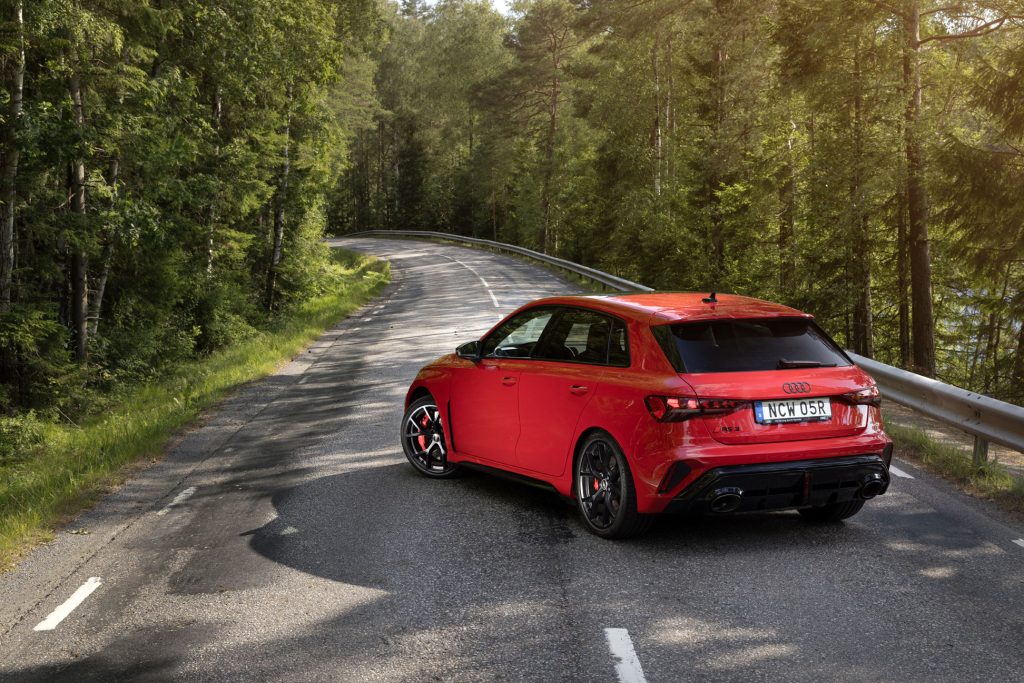
The Audi RS 3 will make you take detours.
My first impression of the Audi RS 3 was that it feels incredibly playful. It's the kind of car that brings out the little devil on your shoulder, making you feel a bit cheekier behind the wheel, without you needing to drive recklessly or break any traffic laws. It simply encourages you to drive for the sheer joy of it.
There are many cars that are fast and impress with their performance figures, but far from all of them feel fun in normal traffic. The Audi RS 3 doesn't need to be driven at extreme speeds to entertain. It feels alert even at lower speeds and makes you happily choose a twistier route or take an extra detour just to keep driving a little longer.
On Härskogsvägen, the size feels almost perfect. The car is compact and easy to place, while the four-wheel drive instils great confidence behind the wheel. It enters corners with a precision that makes you feel at home quickly, and it comes across as significantly more playful than I might have expected from a four-wheel-drive Audi.
The RS Torque Splitter can distribute drive power fully variably between the rear wheels. When the car corners, more power is sent to the outer rear wheel while the inner wheel is lightly braked, helping the RS 3 to rotate into the corner and reducing the front-heavy feeling that can otherwise affect powerful all-wheel-drive cars.
This does not mean the car feels nervous or difficult. On the contrary, it feels very secure, but at the same time more willing to change direction and work with the driver. It is precisely the combination of safety and playfulness that makes the RS 3 work so well on a road like Härskogsvägen.
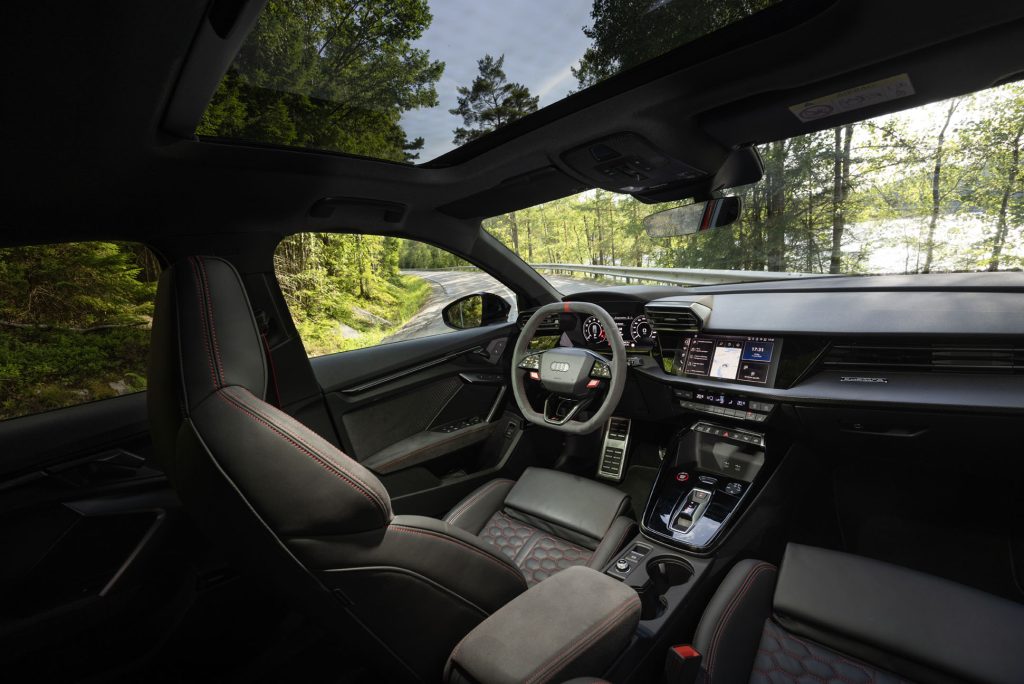
RS 3 har tFour different characters
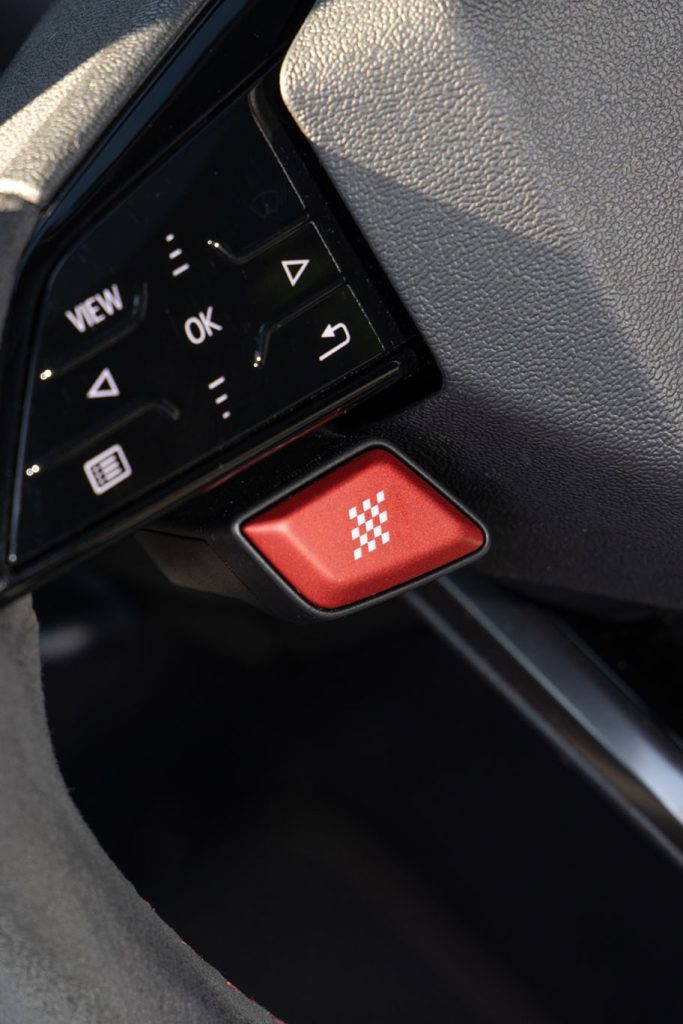
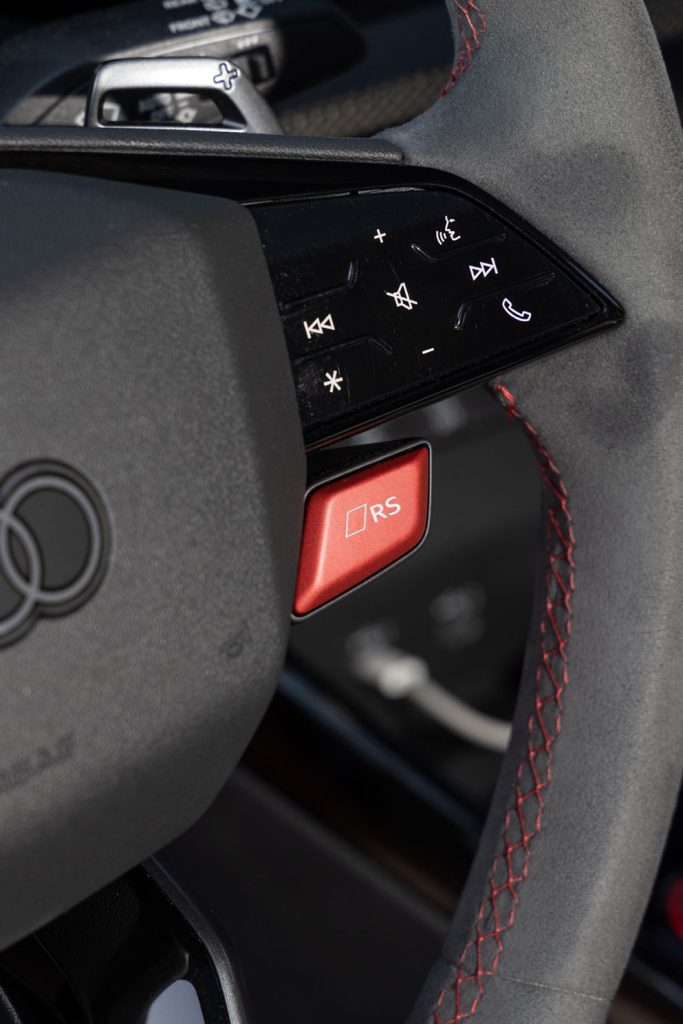
One of the things I appreciate most is how easily the car's character can be changed. With the Performance button, marked with a chequered flag on the steering wheel and adapted for track driving, the RS 3 instantly becomes significantly more focused. Throttle response sharpens, the gearbox works more aggressively, and the whole car feels more ready for active driving.
It's a funny contrast to how relaxed it can be in its calmer driving modes. When you no longer want to drive actively, a further press of a button is enough for the car to revert to a considerably quieter and more fuel-efficient character. The RS 3 then functions without problems as a practical everyday car and is comfortable enough for long journeys.
It's almost like having two cars in one. A compact and relatively discreet Audi when you want to get around comfortably, and a significantly more race-inspired car when the road opens up and starts to bend. It doesn't have to be extreme all the time, but the capability is there immediately when you want to use it.
It is also a key reason why I enjoyed it so much over the weekend. The RS 3 demands nothing of its driver, yet still rewards one who actively seeks out a good line. I found myself multiple times choosing a longer route than necessary, not because I had to, but simply because the car was such a joy to drive.
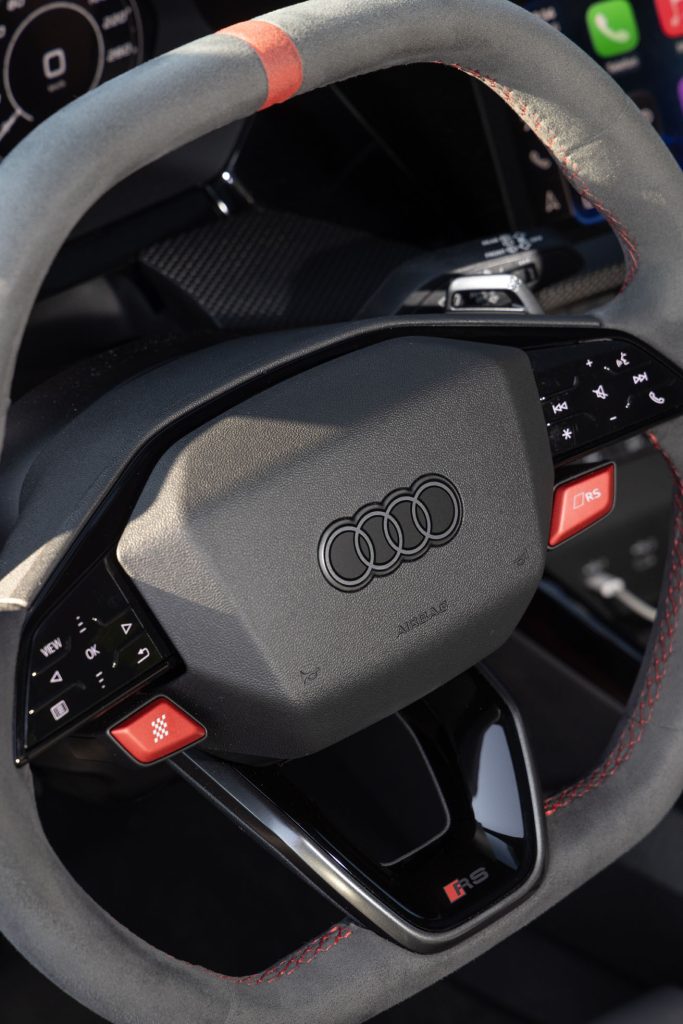
Five cylinders and fifty years of history
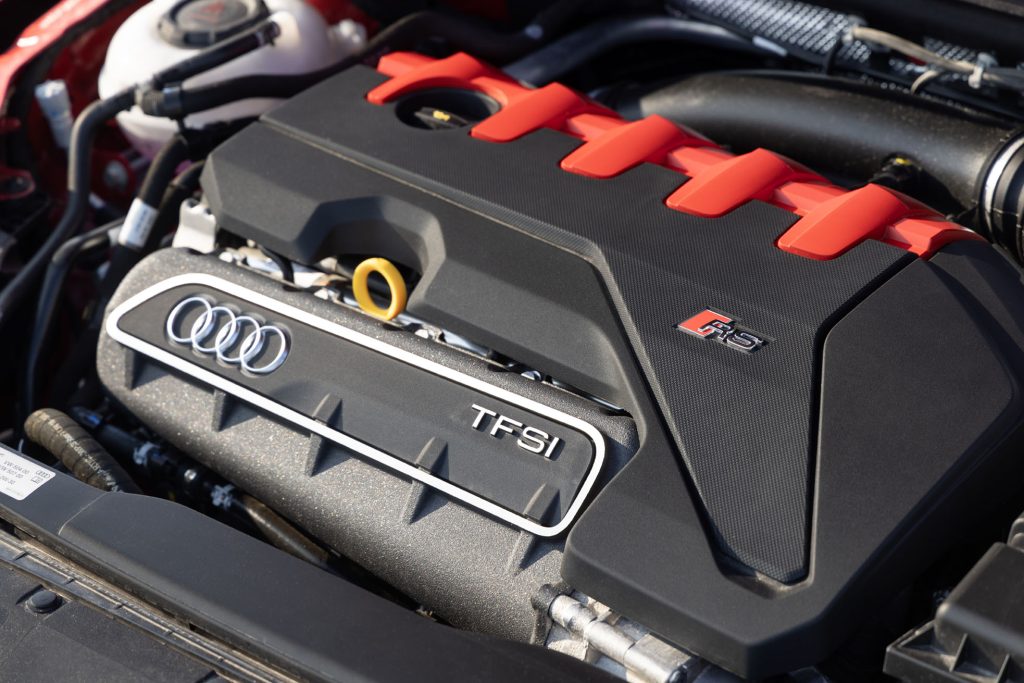
It’s impossible to write about the Audi RS 3 without dedicating an entire section to its five-cylinder engine. In 2026, Audi will celebrate fifty years since the brand’s first five-cylinder petrol engine was introduced in the second generation of the Audi 100 in 1976. The design was created to provide more power than a four-cylinder engine, without taking up the space and weight of a traditional six-cylinder engine.
The five-cylinder engine became an important part of Audi's identity. Combined with Audi's quattro all-wheel drive, it laid the foundation for many of the brand's greatest rally successes and most legendary performance models. As early as 1983, the Audi Sport quattro produced 306 horsepower and 350 Nm from a 2.1-litre five-cylinder engine, figures that are still impressive when you consider when the car was built.
In today's RS 3, the engine has grown to 2.5 litres and produces 400 horsepower and 500 Nm. It is linked to a seven-speed S tronic gearbox and quattro all-wheel drive with RS Torque Splitter. Acceleration from 0 to 100 km/h takes 3.8 seconds, but as is so often the case with cars, the numbers only tell part of the story.
It is above all the engine's character and sound that make it special. The 1-2-4-5-3 firing order creates a sound that immediately sets it apart from both four-cylinder and six-cylinder engines. The cylinders fire alternately with different intervals between them, which gives an uneven and very characteristic rhythmic sound.
It's a deep, mechanical, and almost rally-like sound that accompanies the car throughout the entire rev range. As the pace increases, it transforms into a significantly rougher roar, but without sounding artificial. In Dynamic, RS Performance, and RS Torque Rear driving modes, the exhaust system's flaps open earlier, allowing the five-cylinder character to be heard more clearly in the cabin.
On Härskogsvägen, the sound is a huge part of the experience. The engine echoes between the trees, reinforcing the feeling that the car carries significantly more history than its modern appearance might suggest. It’s easy to understand why Audi has chosen to continue developing this particular engine when so many competitors have switched to more conventional four-cylinder designs.
The RS 3 is currently unique in its segment with its five-cylinder engine, and it's hard to imagine the car without it. The engine provides it with a clear identity and makes the experience more than just efficient acceleration. There's a personality here that many modern performance cars lack.
Audi is marking its fiftieth anniversary with the RS 3 competition limited, a special model to be built in 750 units. It features, among other things, adjustable coilovers, stiffer rear anti-roll bars, ceramic brakes, additional carbon fibre details, and a top speed of 290 km/h. That car is, of course, even more extreme than the standard RS 3 I drove, but the anniversary model shows how important the five-cylinder engine still is to Audi Sport.
Audi RS 3 is itA practical car with a large dose of driving pleasure
The nice thing about the Audi RS 3 is that it doesn't let the engine or performance make the car unnecessarily difficult to live with. Despite 400 horsepower, it's easy to drive in city traffic and also works well when you just want to take it easy. The gearbox works smoothly in the normal driving modes and the car never feels like it's constantly demanding attention.
At the same time, there's a clear sense that this isn't a standard A3. The steering, responsiveness and sound create a presence that makes even a mundane journey feel more interesting. It feels special without having to shout about it, and that's a balance Audi has managed very well.
For me, this is the very core of the RS 3. It's not just a car for the track or for special weekends. It can be used every day, loaded with camera equipment, and driven through Sweden without feeling strenuous. When you then reach the right road, the RS 3 quickly shows what it's truly capable of.
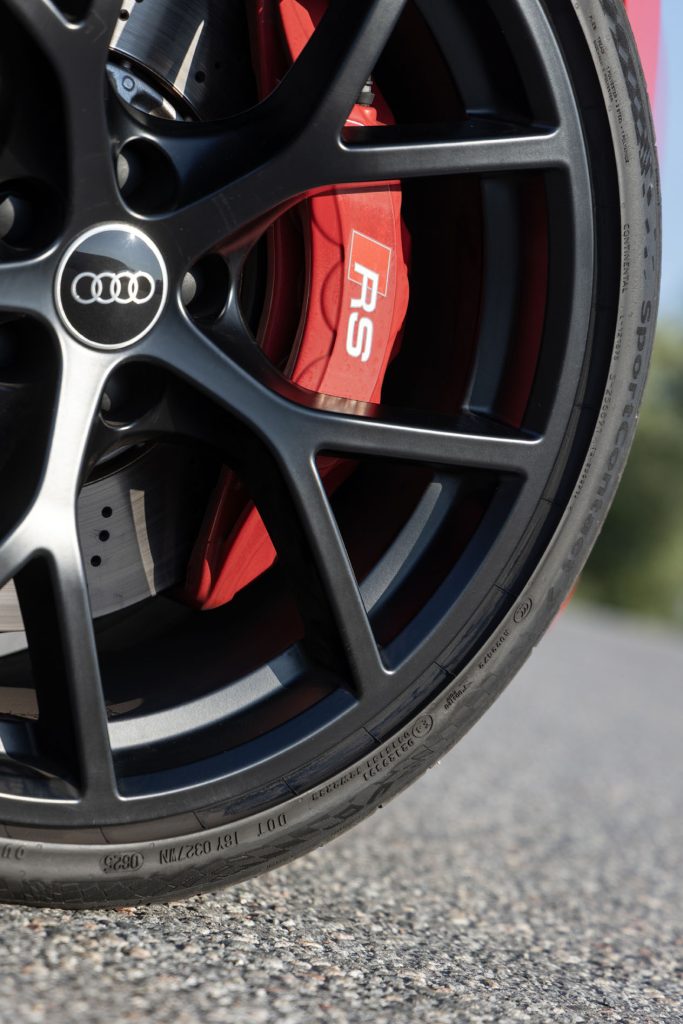
The car I drove was a Sportback, which is also the body style I personally feel best suits the model's personality. The compact hatchback shape makes it practical, while the wider wheel arches, large grille, and clear RS details give the car an aggressive yet still relatively discreet look. The Swedish Audi website also highlights the RS seats, contoured steering wheel, and large RS sports exhaust system as central elements of the car's character.
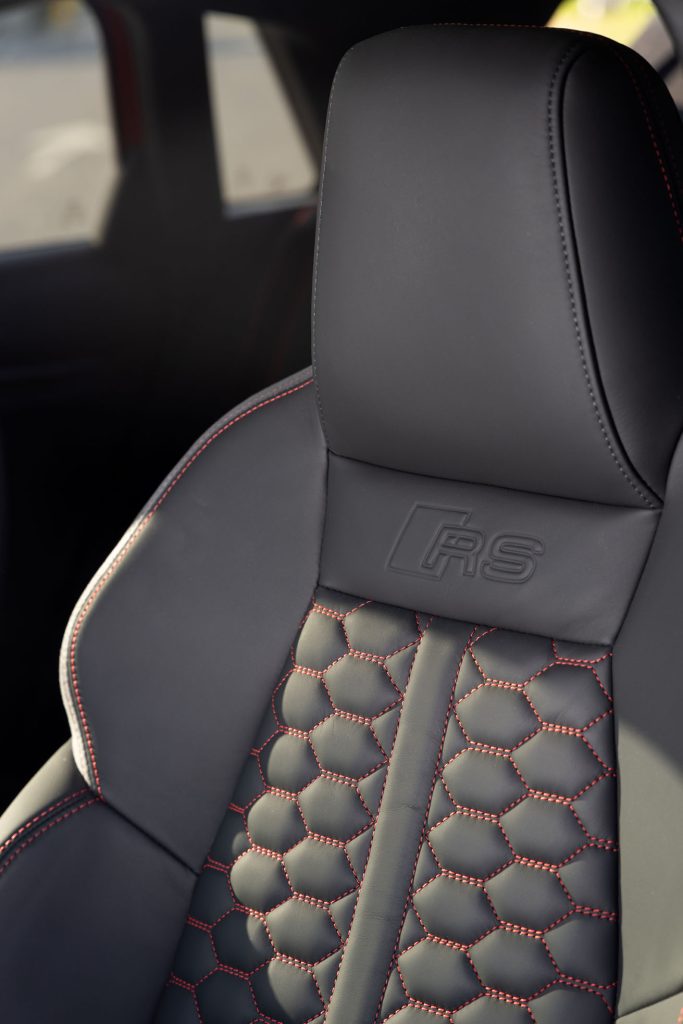
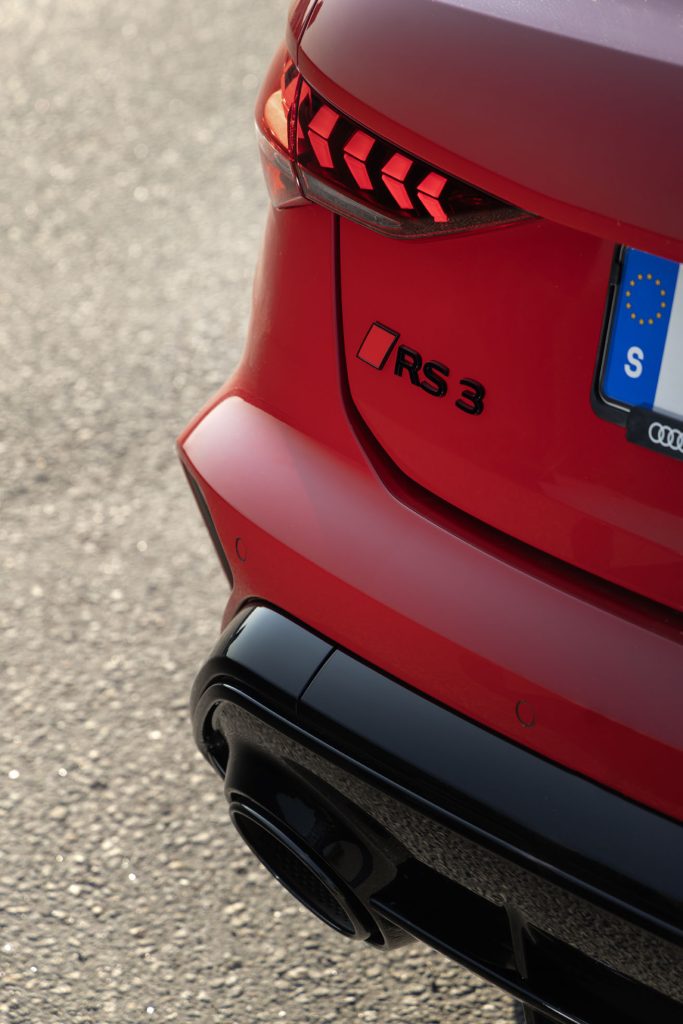
It's a car that works for almost everything. It's small enough to be agile in town, practical enough for everyday life, and comfortable enough for long journeys. At the same time, it has performance that, not so many years ago, would have placed it among significantly more exotic sports cars.
The official consumption for the RS 3 Sportback is 9.0 to 9.4 litres per 100 kilometres and the emissions are 205 to 214 grams of carbon dioxide per kilometre, depending on the equipment. It is of course not an economy car, but despite that, the car feels usable in significantly more situations than the performance initially suggests.
Over twenty years with Audi
Over the weekend, I also started thinking back to how many great memories Audi has given me over the years. My own history with the brand's performance models stretches back to 2003 when, together with Martin Westerstrand, I picked up an Audi RS 6 for a feature for Slitz. Even then, I was impressed by the combination of a practical car and performance that had previously been reserved for significantly more purist sports cars.
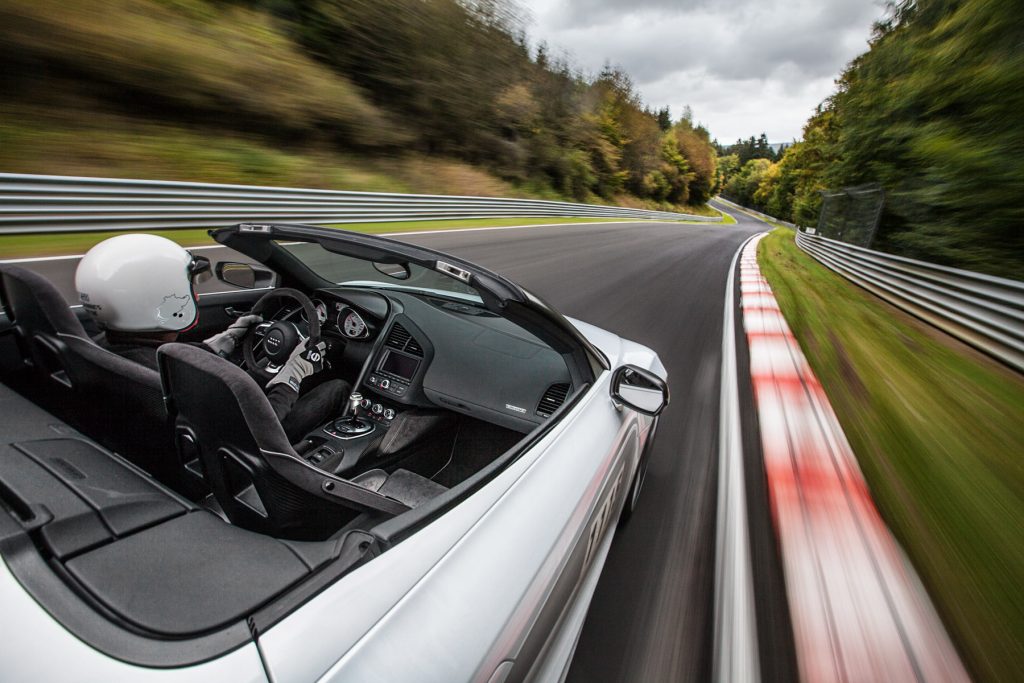
Since then, the four rings have reappeared many times throughout my career. On one occasion, I got to borrow both an Audi RS 6 and an RS 6 Performance at the same time. That says a lot about how much Audi it's become over the years. I have driven the Audi Alpen Tour across several countries and over a large number of alpine passes, taken a Audi R8 V10 Spyder on a journey through Italy to Viareggio and driven one R8 GTSpyder to the Nürburgring for Scuderia Hanseat.
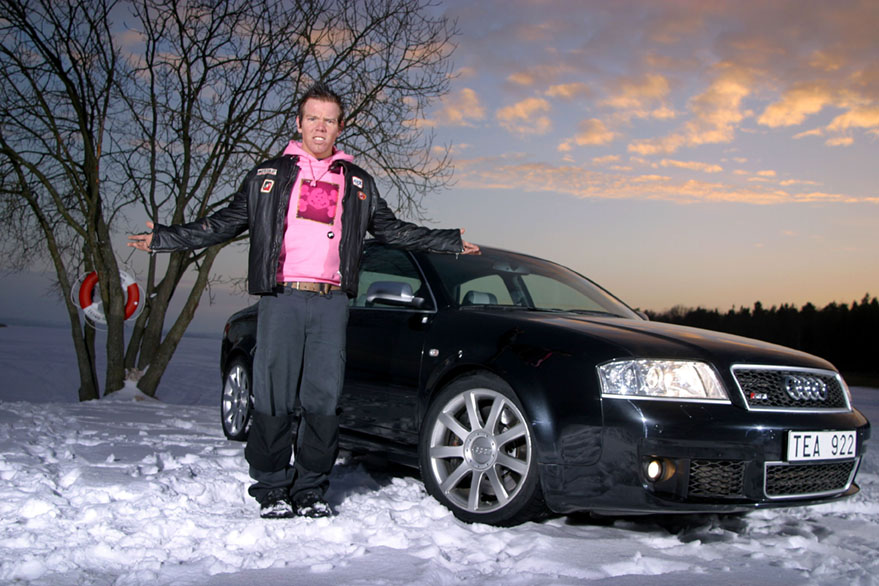
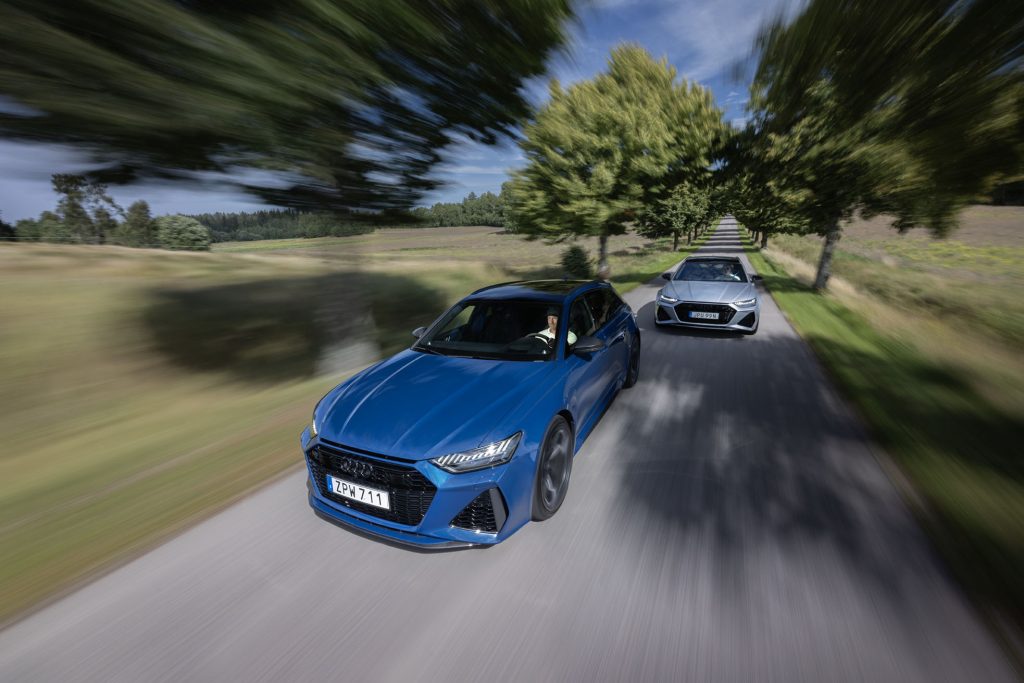
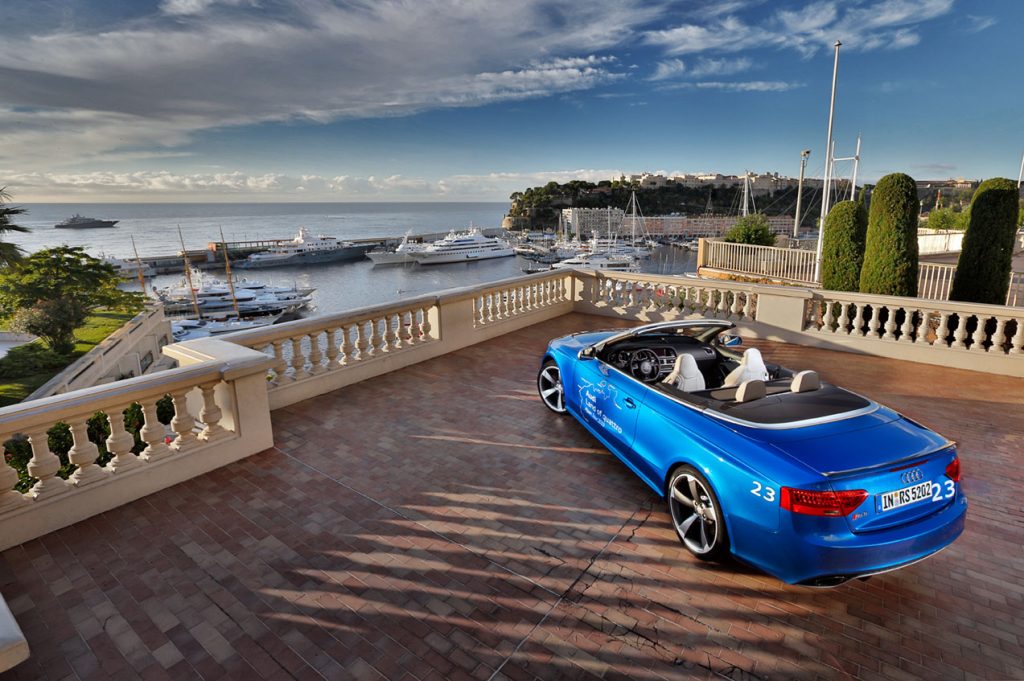
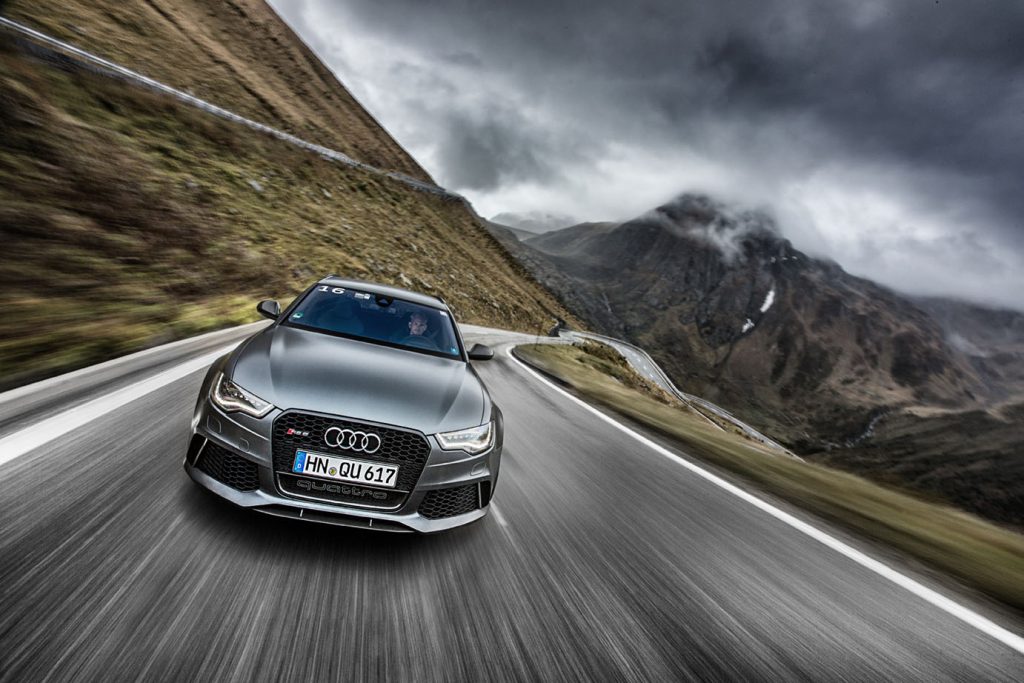
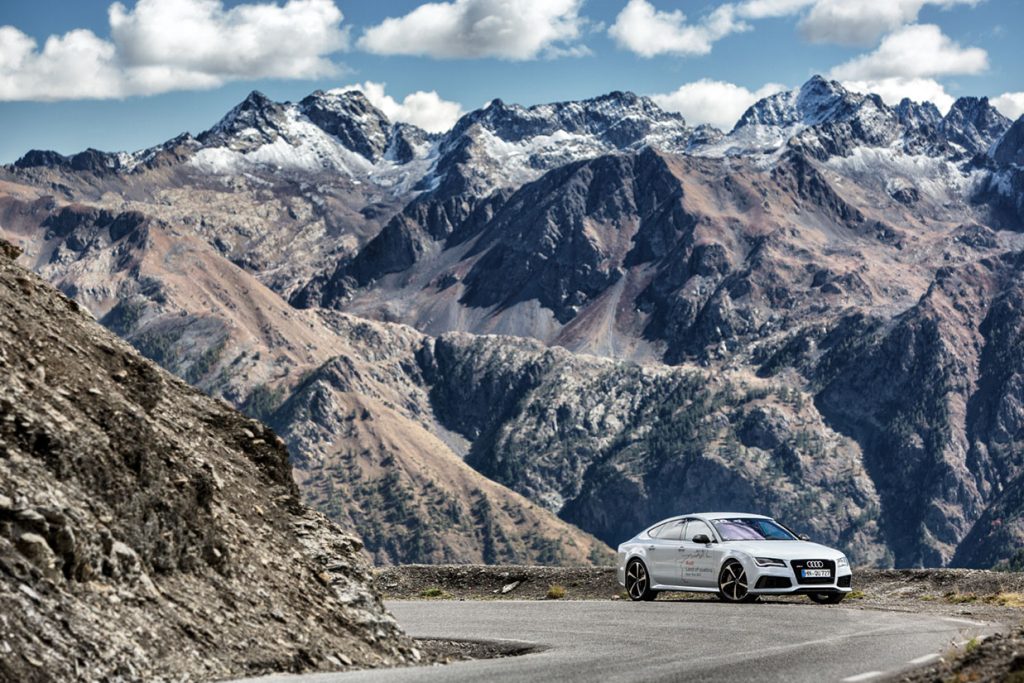
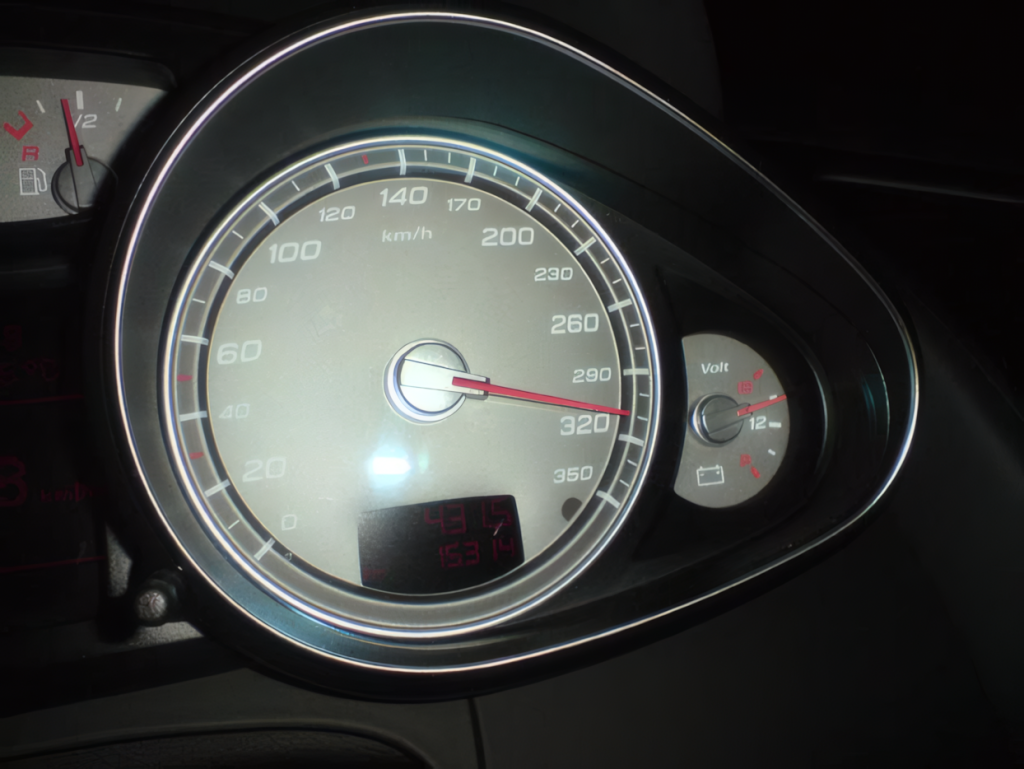
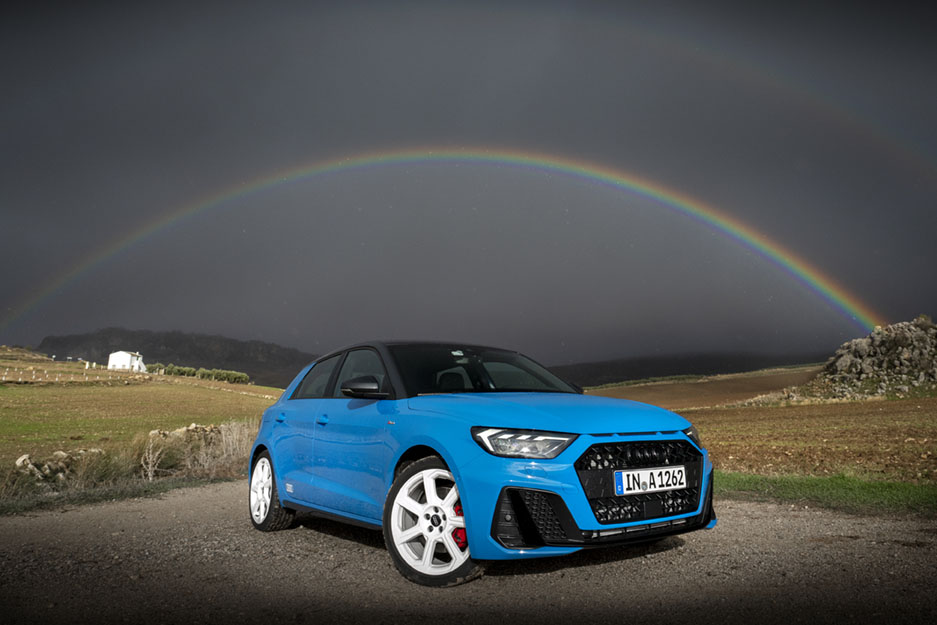
The first Audi R8 V8 also became the first car I drove over 300 km/h. Of course, this did not happen on a Swedish public road, but I will never forget the feeling of crossing that magical boundary for the first time. During the same trip to Ascari, I attended the press drive of both Audi A1 and Audi R8 V10 Performance, and also got to ride with Tom Kristensen in an R8 LMS, an experience that gave a completely different picture of what the car is capable of in the hands of one of the world's foremost drivers.
Another strong memory is the press run of Audi RS Q8 in Tenerife, where I met Frank Stippler and got to ride with him. Looking back, I realise how many of my strongest automotive memories actually had four rings on the grille. It's more than twenty years of test drives, photo shoots, press launches, and trips that have, in various ways, shaped me as both a photographer and a motoring journalist.
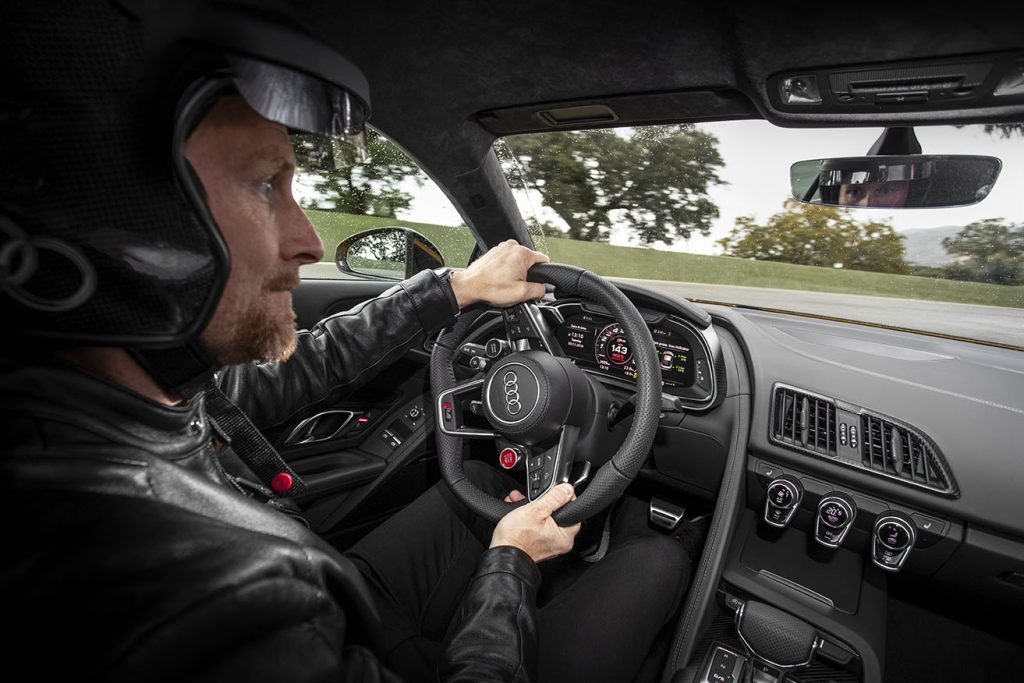
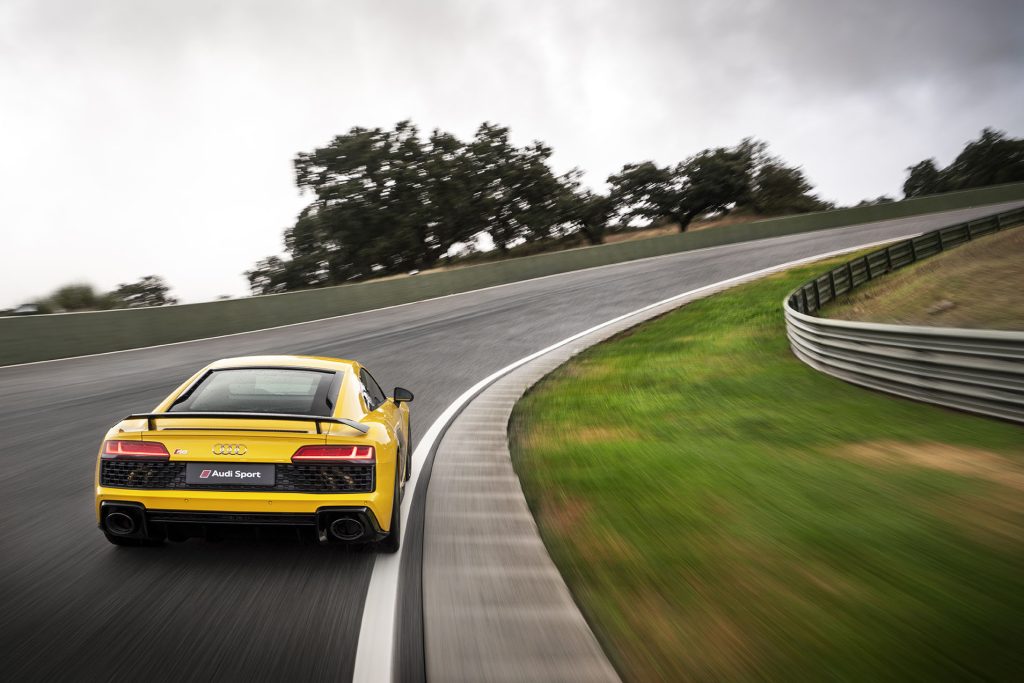
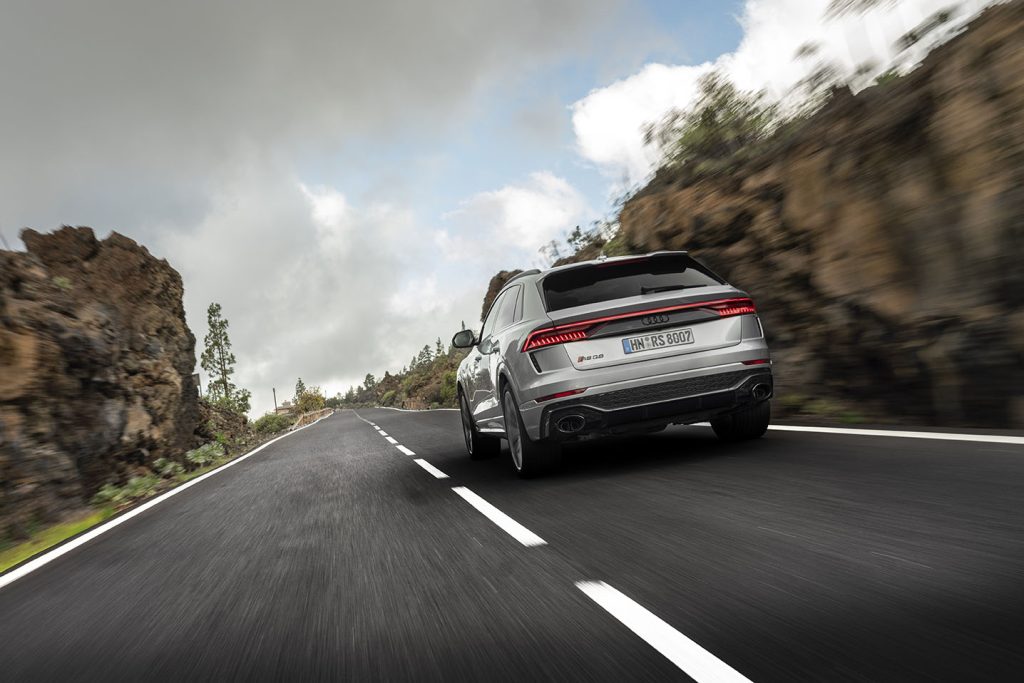
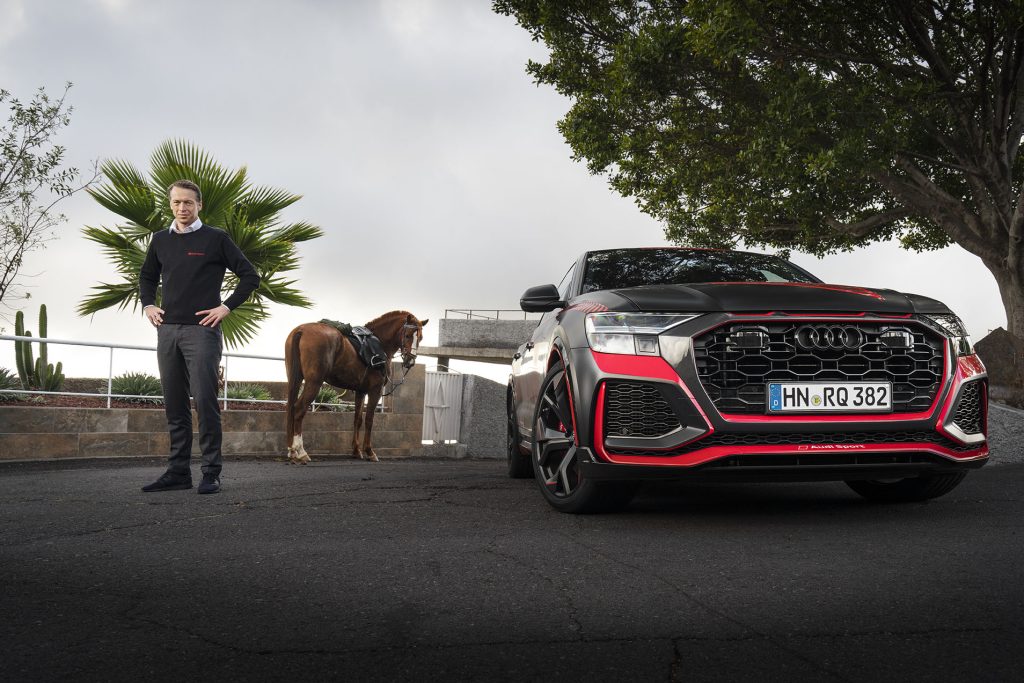
This is also why the RS 3 feels like an important new chapter. It's not the fastest Audi I've driven, nor the most expensive, but it is undoubtedly one of the most fun. It has a simple and direct driving pleasure that means you don't need to be on a racetrack or driving at extreme speeds to appreciate it.
Audi RS 3 gavenew memory from an old road
When Daniel and I returned to Härskogsvägen, it was primarily about driving and photographing the Audi RS 3. But somewhere during the day, it also became a revisit to a period in life when my interest in cars was still new and every drive in a fun car felt like a grand adventure.
Standing there together on the closed section of the road, many years after drives in his Alfa Romeo 1750 Spider and Porsche Boxster, made the photography significantly more personal than I had anticipated. The cars have changed, we have grown older, and the road no longer looks quite as it did, but the passion for cars and the friendship remain.
The Audi RS 3 fit perfectly into that narrative. It has modern technology, all-wheel drive and performance that would have been almost unthinkable in a compact car when Daniel and I started driving on Härskogsvägen. At the same time, it conveys the same basic feeling as back then. The joy of a fun car, a good road and the opportunity to share the experience with an old friend.
After the weekend, it's therefore not primarily the acceleration to 100 km/h or the top speed that I will remember. What I'll take away is the sound of the five-cylinder engine through the forest, the car's playful character, and the feeling of always wanting to drive a little bit further.
Of course, I will also remember the photoshoot. That what initially looked like a problem, a closed and reconstructed road, instead gave me the opportunity to create some of my favourite pictures of the car. The entire stretch of road lay empty before us, and we could work in an environment that had meant a lot to me long before I started photographing cars professionally.
The Audi RS 3 reminded me that a really good driver's car doesn't need to be the most extreme or exclusive. Sometimes it's enough that it feels alive, makes you smile and makes you look for a reason to take a detour.
Some roads you never forget. And some cars are better suited than others when it’s time to return.
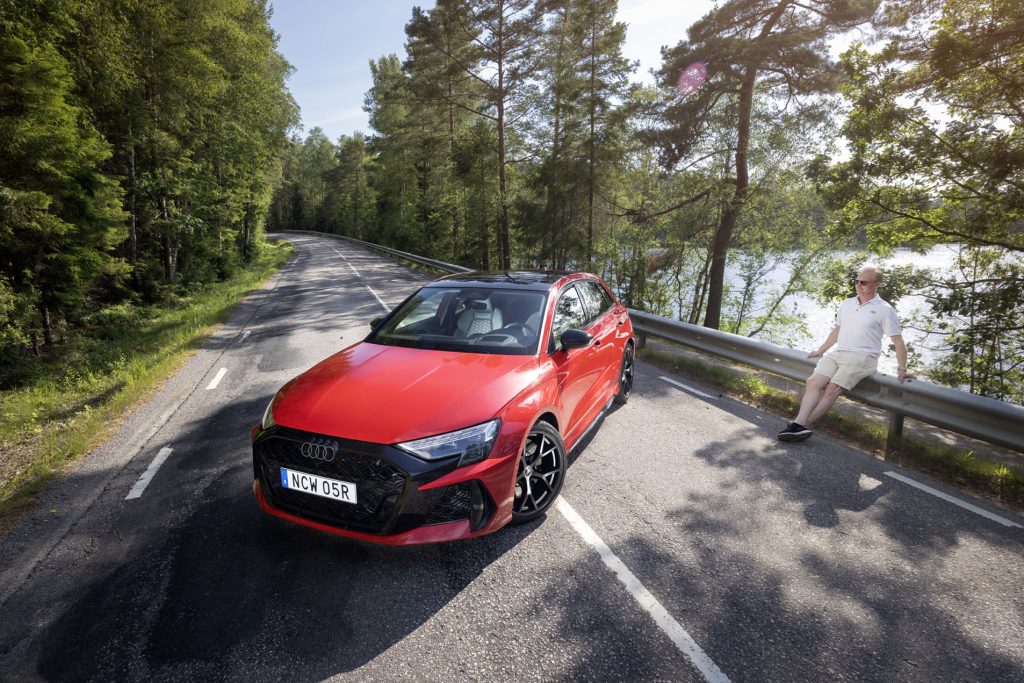
Audi RS 3 Sportback
Price: From approximately 750-800 SEK.
Engine: 2.5-litre turbocharged five-cylinder petrol engine (TFSI).
Power: 400 horsepower. Torque 500 Nm.
Power transmission: quattro all-wheel drive with RS Torque Splitter. 7-speed S tronic dual-clutch transmission.
Top speed: 250 km/h. Up to 290 km/h depending on selected dynamics package and version.
0–100 km/h: 3.8 seconds.
Fuel consumption: 9.0 to 9.4 l/100 km according to WLTP.
Carbon dioxide emissions: 205 to 214 g/km according to WLTP.
Engine displacement: 2,480 cm³.
Firing order: 1-2-4-5-3.
Body: five-door Sportback.
Fuel: petrol.

 English (UK)
  Svenska
Leave a Reply