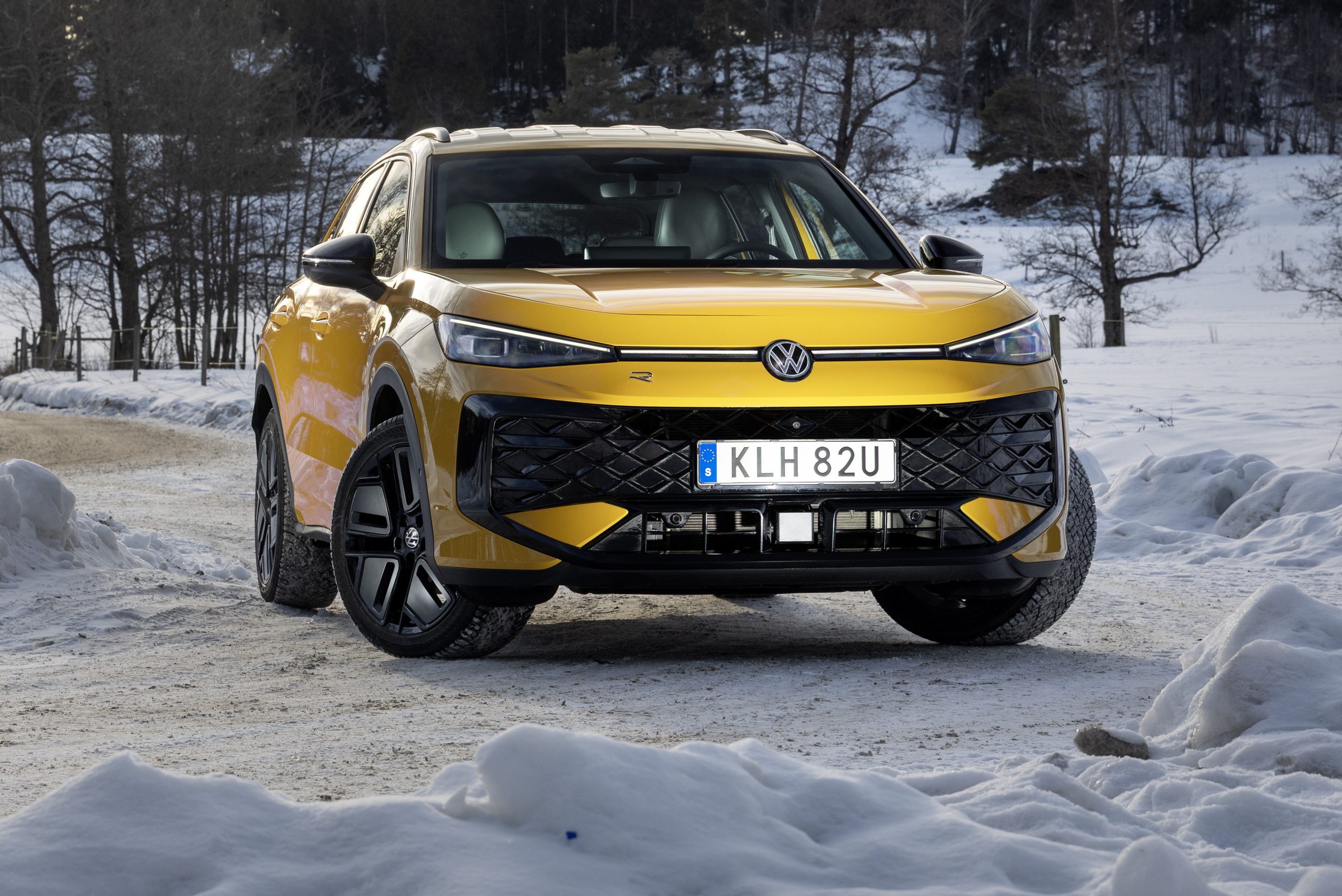
In this Volkswagen T-Roc test preview, I take a closer look at how the model continues to position itself as a more emotional option in Volkswagen's compact SUV segment. Where many models in the class prioritise function and rationality, the T-Roc has always had a clearer focus on design, driving feel and positioning. The model has served as a bridge between the brand's traditional passenger cars and the more lifestyle-oriented SUV world.
Since its introduction, the T-Roc has become an important part of Volkswagen's model range, attracting buyers who want something more expressive than, say, the Tiguan, but still in a manageable format.
A model I have followed since the first generation
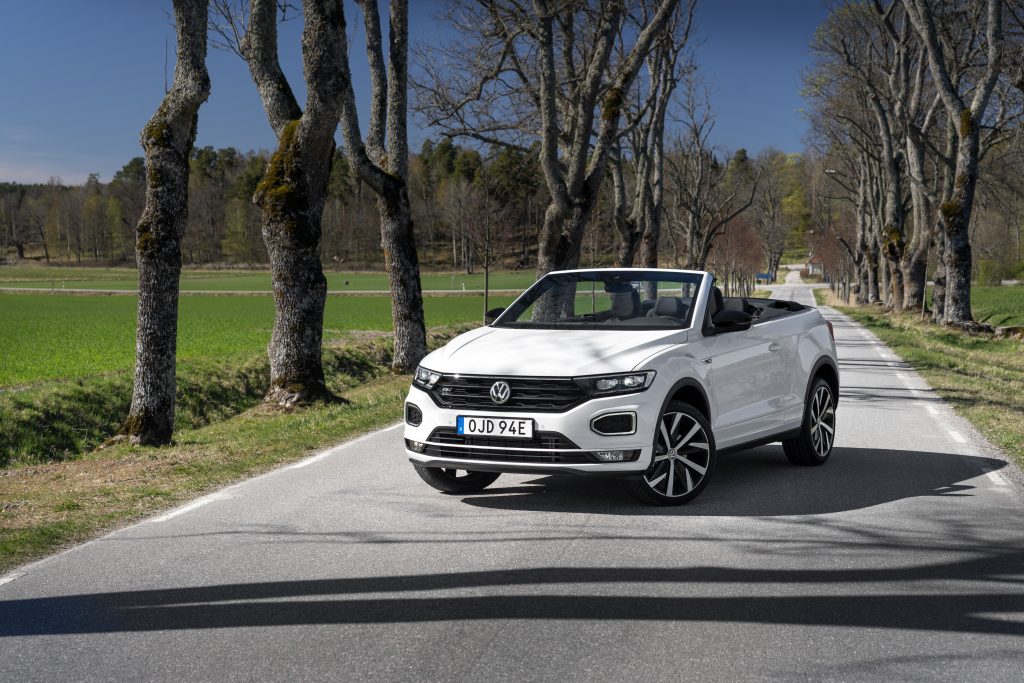
My own relationship with T-Roc goes back to the first generation, when I test drove and wrote an article about the T-Roc Cabriolet. An unusual and bold interpretation of the SUV segment, where the focus was more on experience and character than on practical compromises. The convertible version clearly showed that the T-Roc was not meant to be an anonymous volume model, but a car with a clear identity and a more emotional appeal.
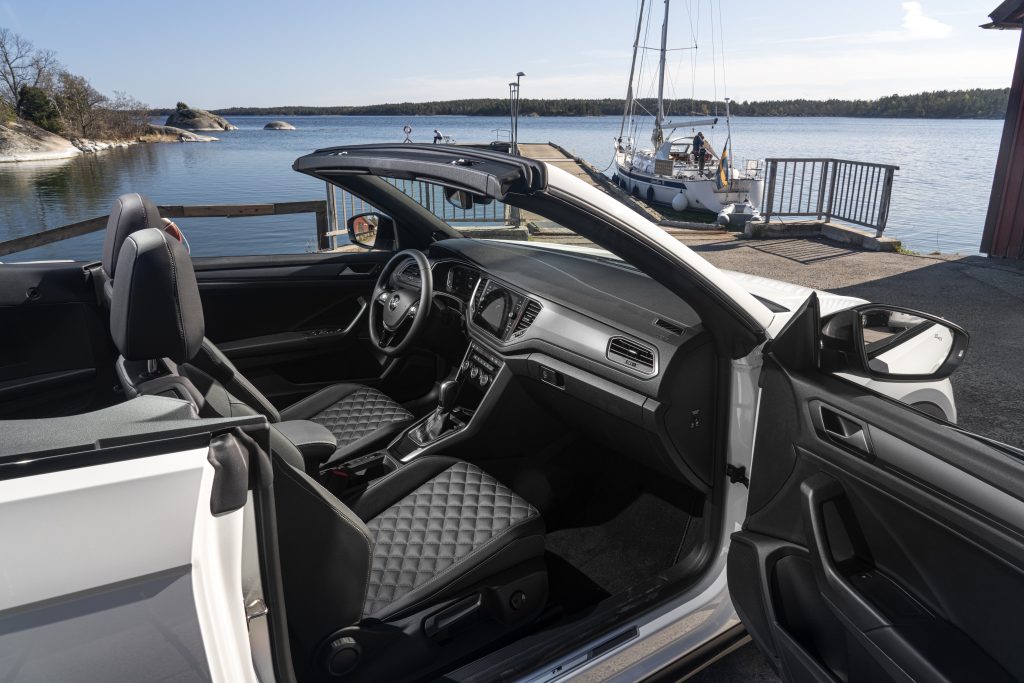
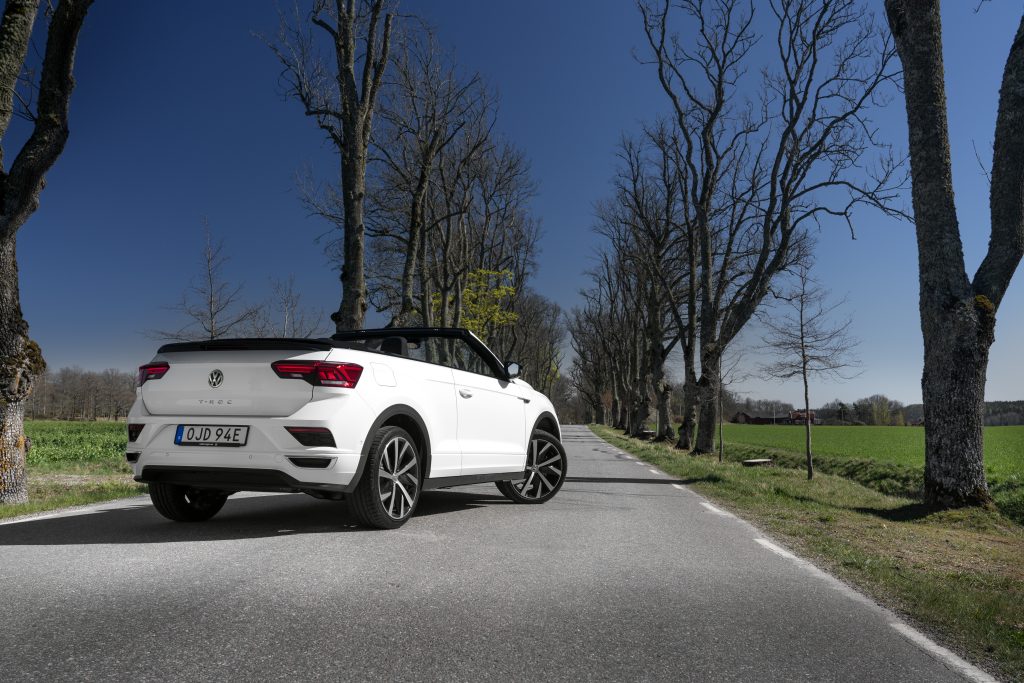
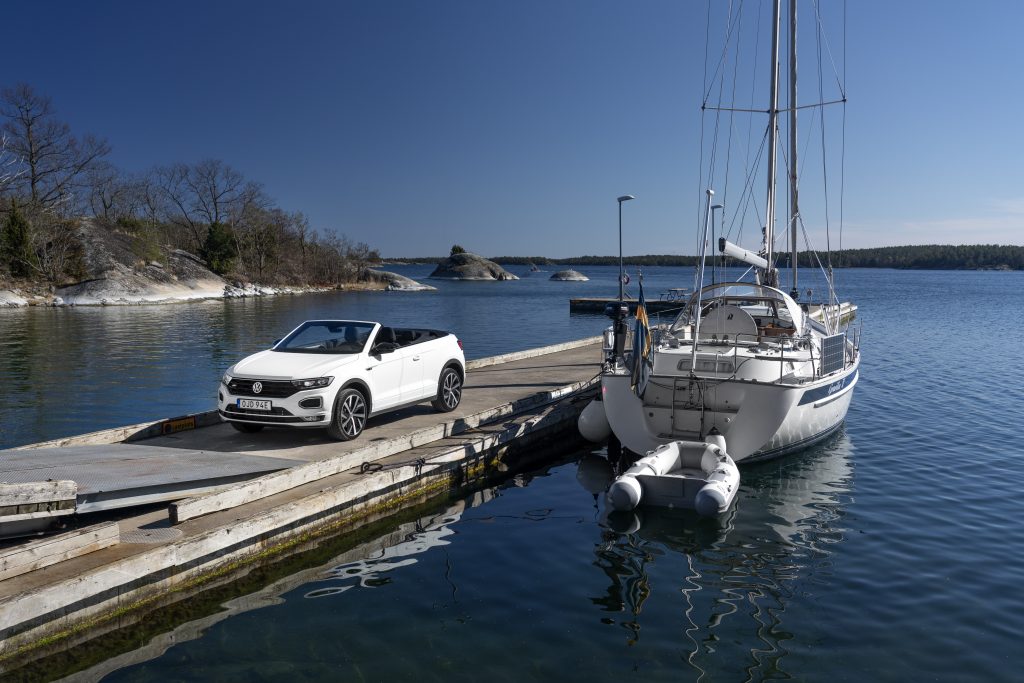
That experience serves as an interesting reference as I get behind the wheel of the latest version of the T-Roc. Although today's model is more traditional in its design, the same basic idea remains: a car that should be easy to live with, but that should also feel a little more fun than you first expect.
Design and R-Line finishes
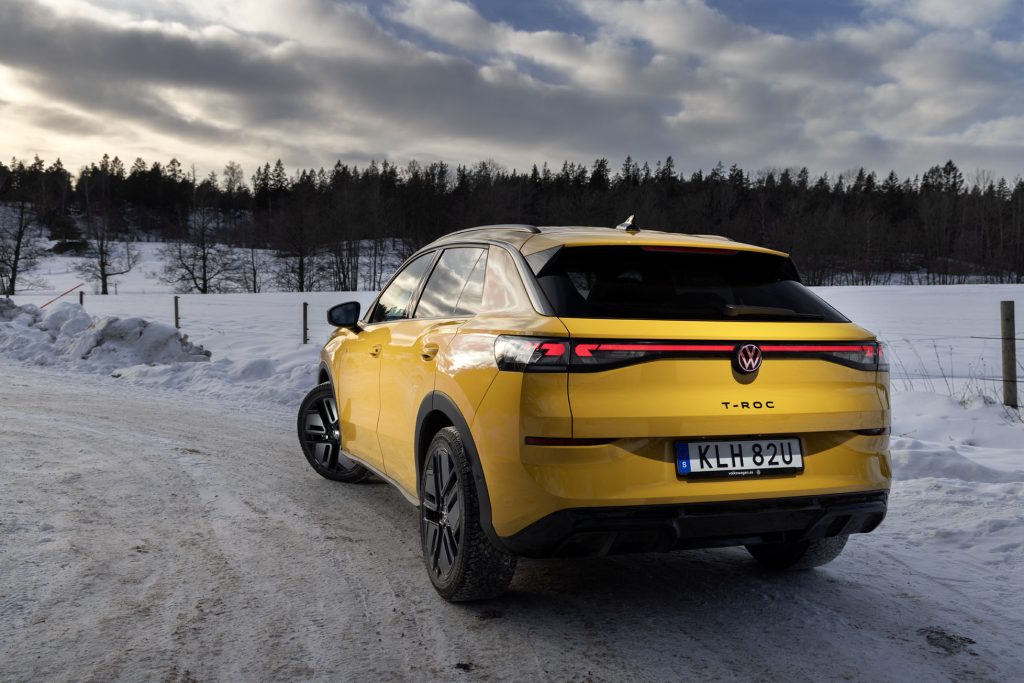
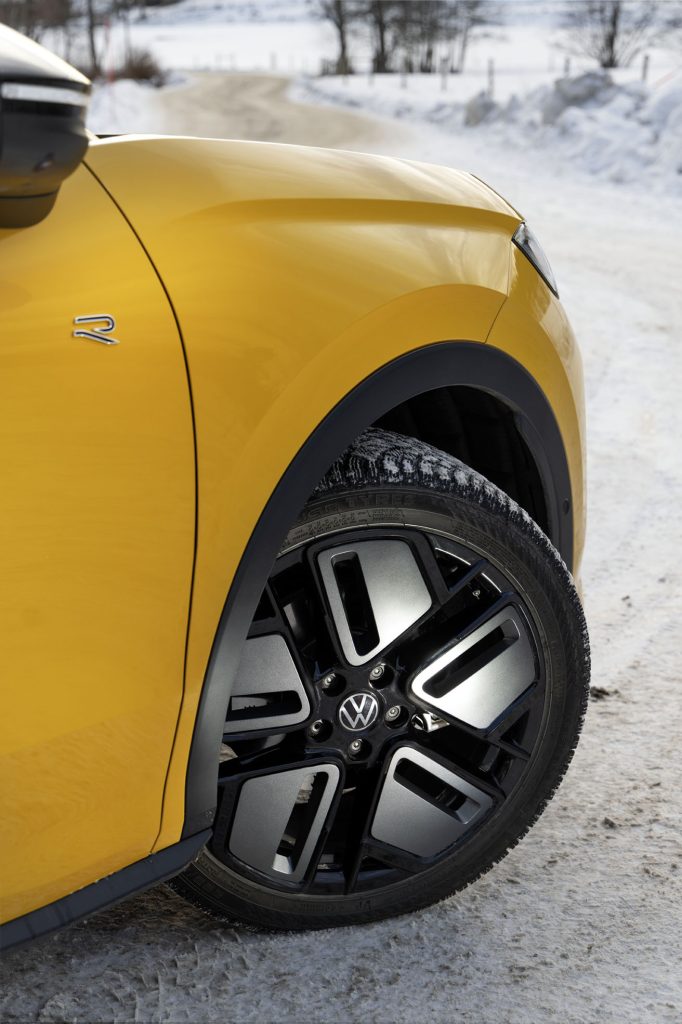
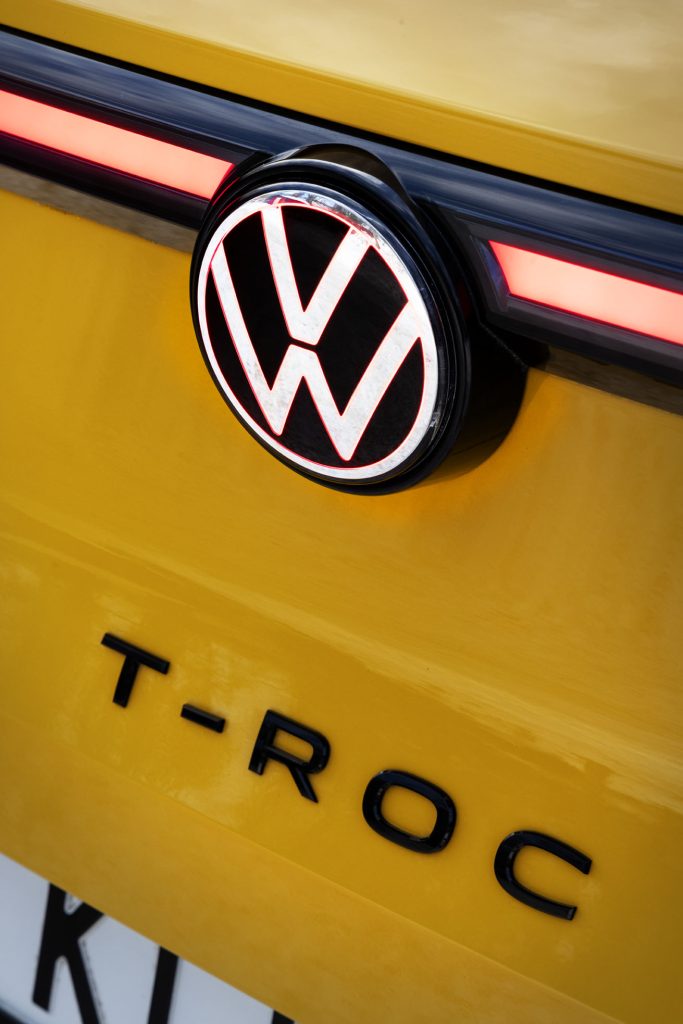
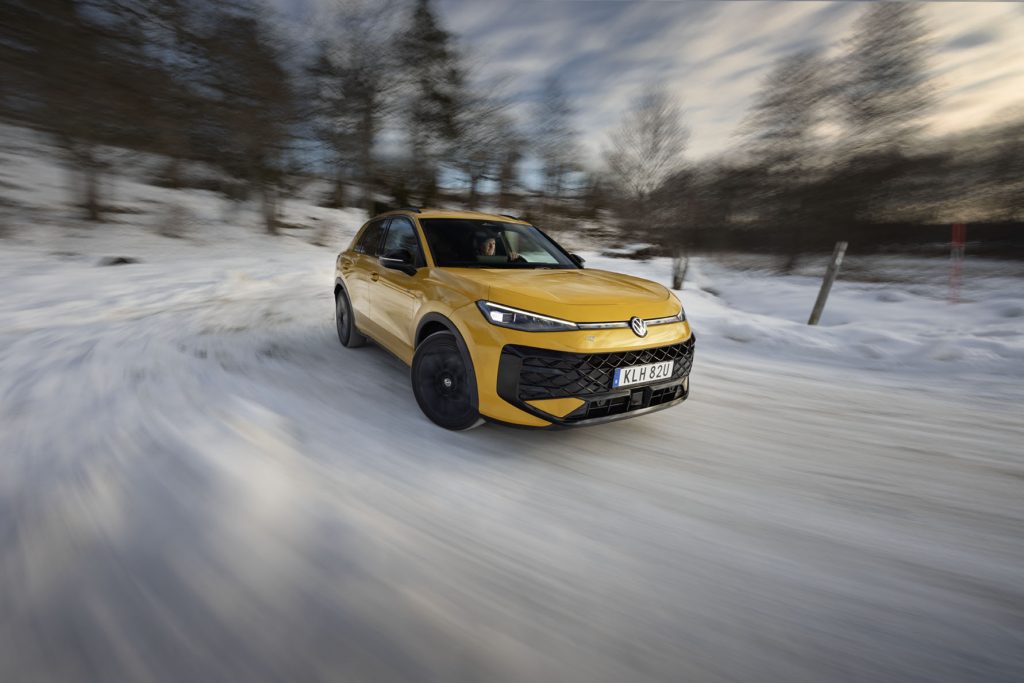
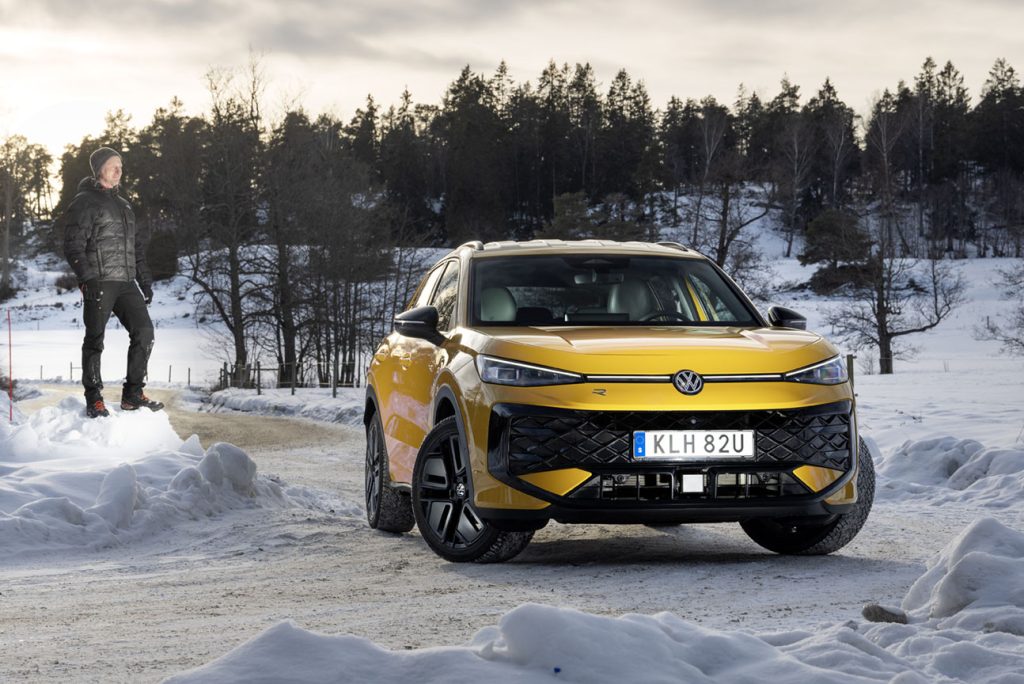
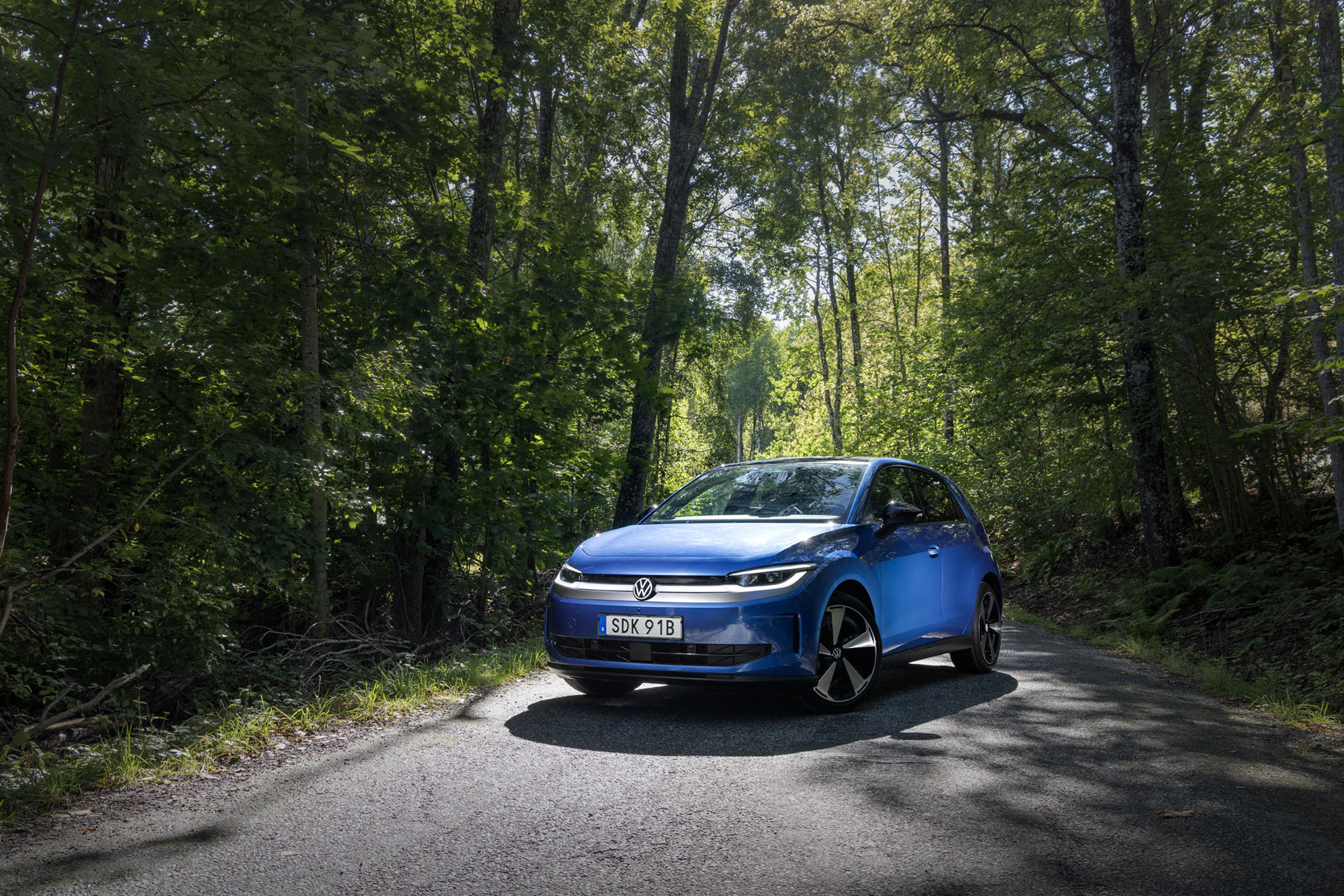
The updated T-Roc builds on a familiar design language, but with clearer lines and a more cohesive whole. The front end is more pronounced, the light signature more modern and the proportions slightly more confident than before. In R-Line guise, the sporty look is further enhanced by specific bumpers, larger rims and details that give the car a more dynamic appearance.
The R-Line works well with the T-Roc's basic character and visually lifts the model without being over the top. It's a version that's clearly aimed at drivers who value design and driving feel as much as function.
Technology and powertrain
Technically, the T-Roc is based on Volkswagen's proven MQB platform, providing access to modern driver assistance systems, efficient powertrains and a chassis that is customised for both comfort and stability. Depending on the engine choice, it offers a balance between everyday-friendly fuel economy and sufficient performance for more active driving.
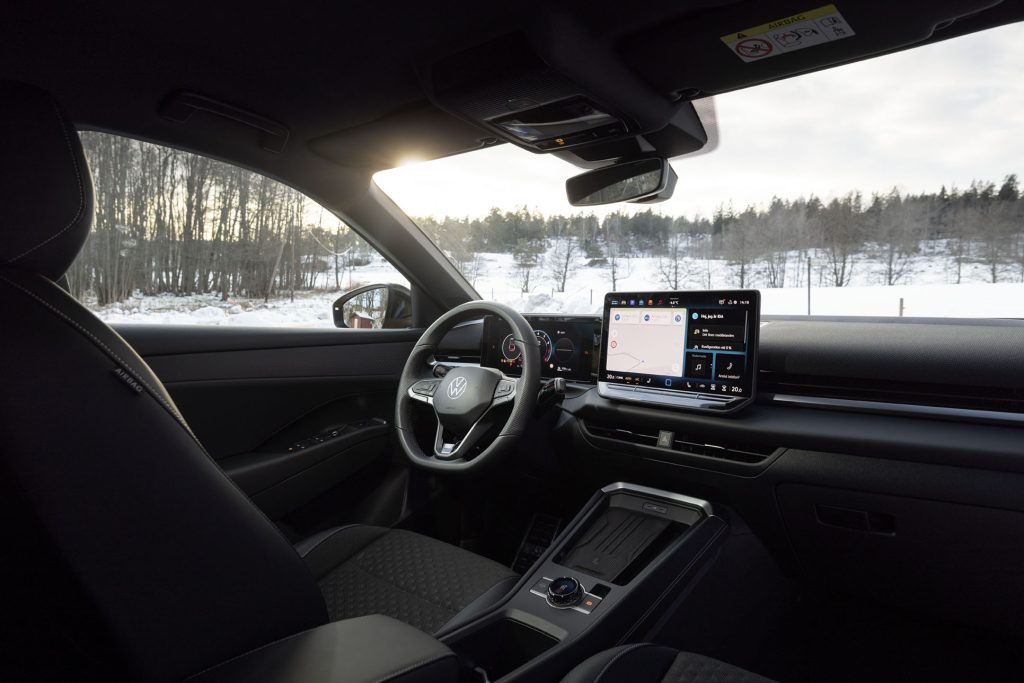
The infotainment system is updated with improved graphics, faster response and support for wireless Apple CarPlay and Android Auto. The digital driver environment contributes to a more modern overall feel and can be customised to the driver's preferences.
Body impressions, first meeting
Behind the wheel of the Volkswagen T-Roc, a sense of calm and security quickly sets in. No oddities, everything feels natural. The car is easy to drive without being boring. Visibility is good and you always feel in control, just as it should feel behind the wheel of a good car.
The version of the T-Roc I borrowed was front-wheel drive, and with snow on the ground here in Stockholm, four-wheel drive would have been preferable. However, for everyday driving, without higher demands than that, front-wheel drive is more than enough.
At present, the model is not yet offered with four-wheel drive, but the plan is to introduce a mild hybrid with 4MOTION this summer. It is expected to have 204 hp. At the same time, an all-new full hybrid will be launched.
T-Roc in a wider context
From a wider perspective, the T-Roc has emerged as one of Volkswagen's most personalised models. From the convertible experiment of the first generation to today's more technically mature and balanced design, the model has retained its distinctive character. It is a car that shows how Volkswagen has gradually moved towards a more emotional design language, without letting go of its core values of quality and usability.
A Volkswagen perspective from everyday life
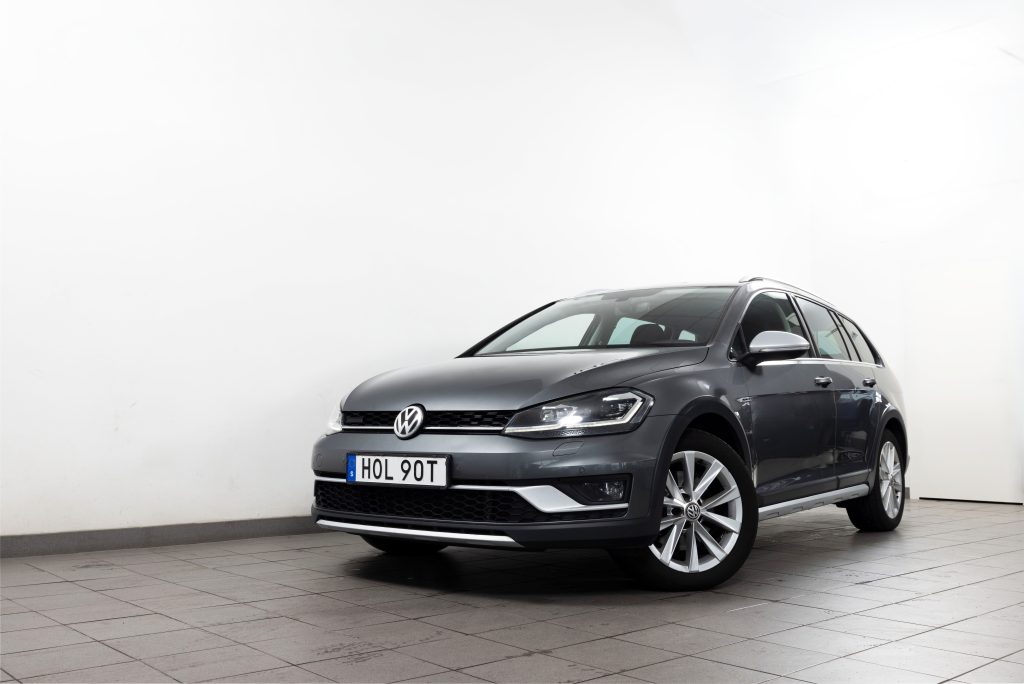
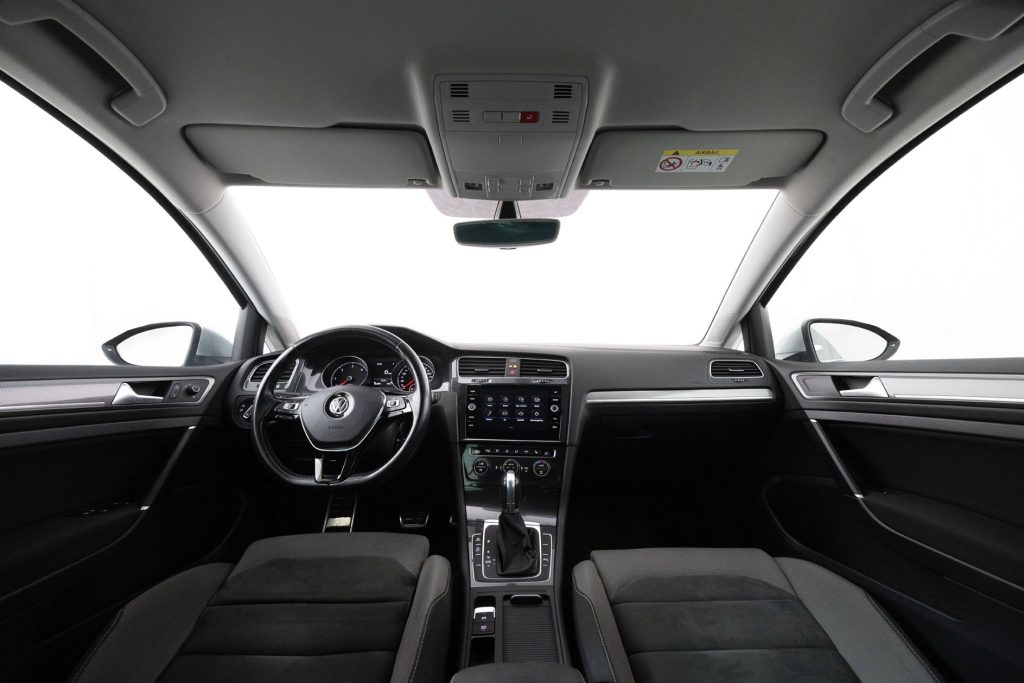
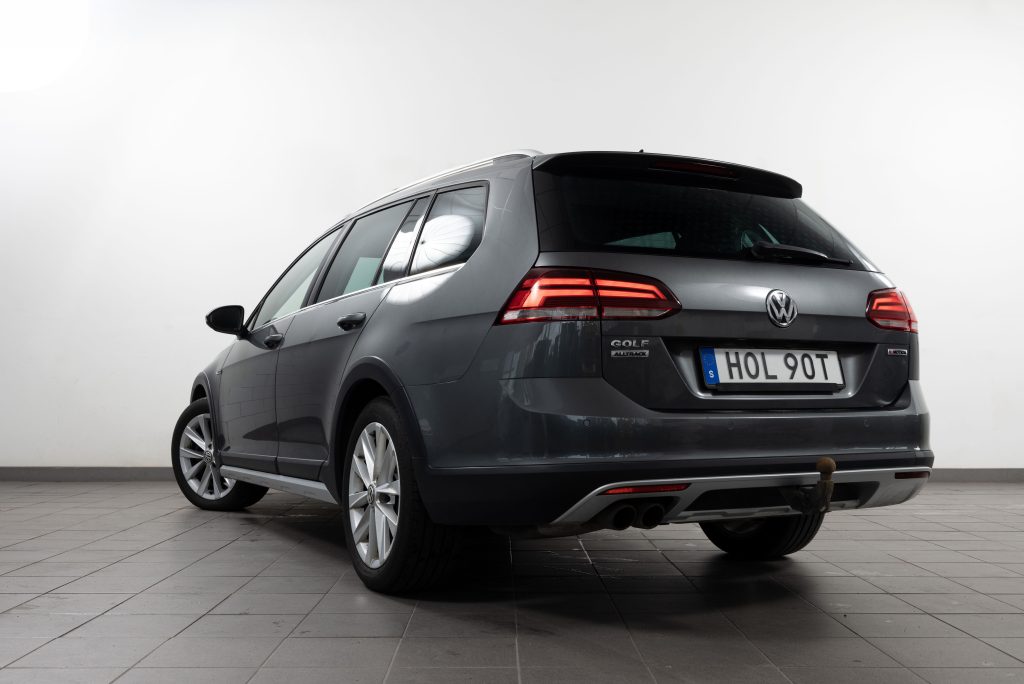
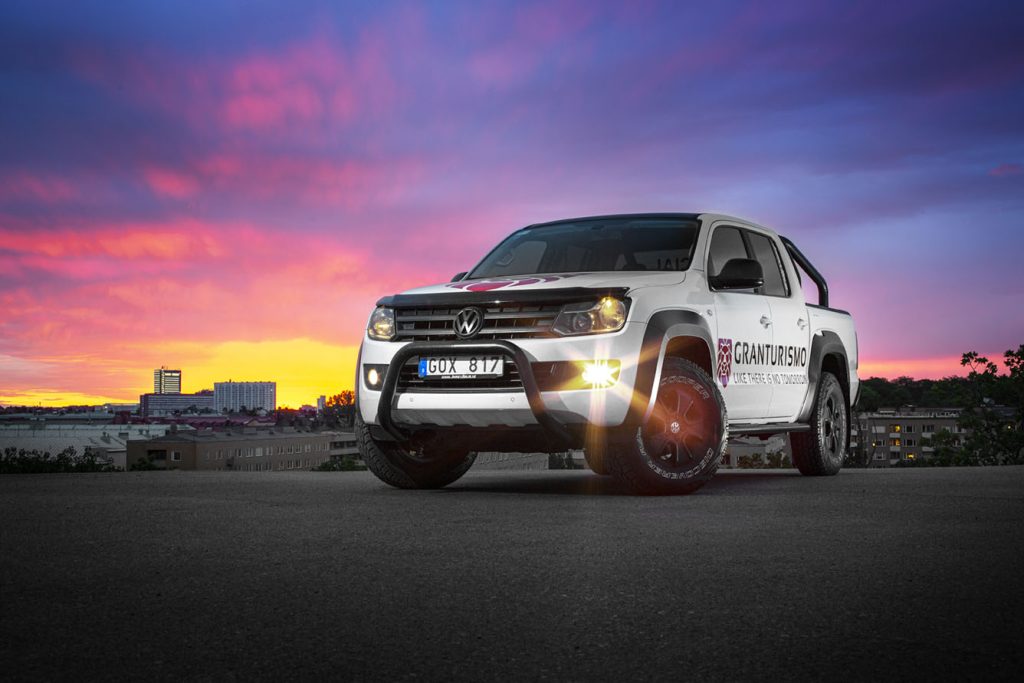
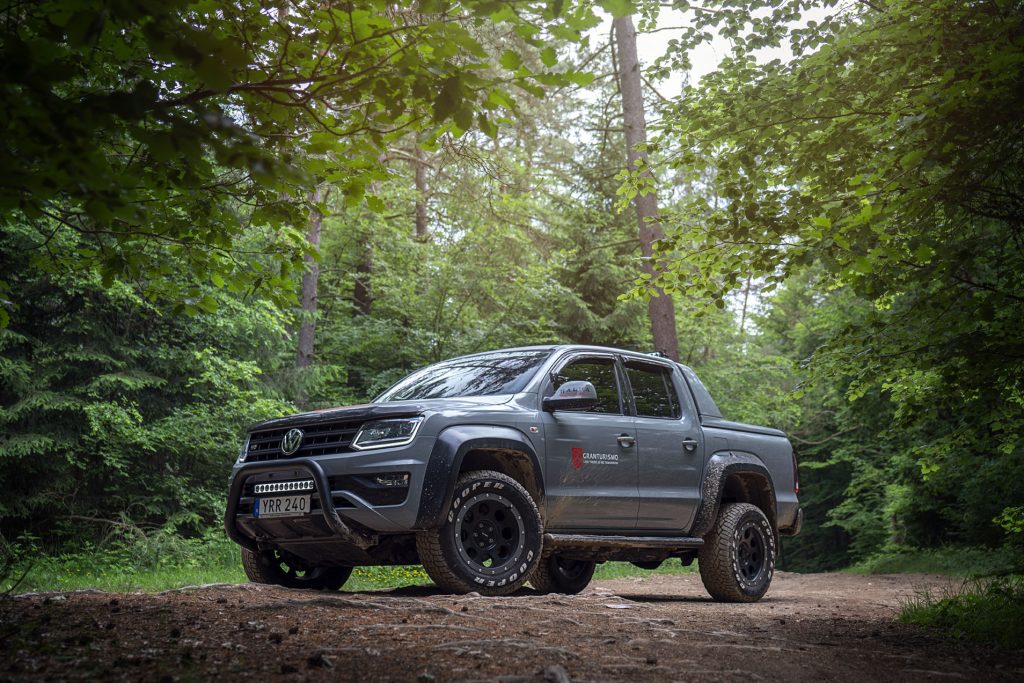
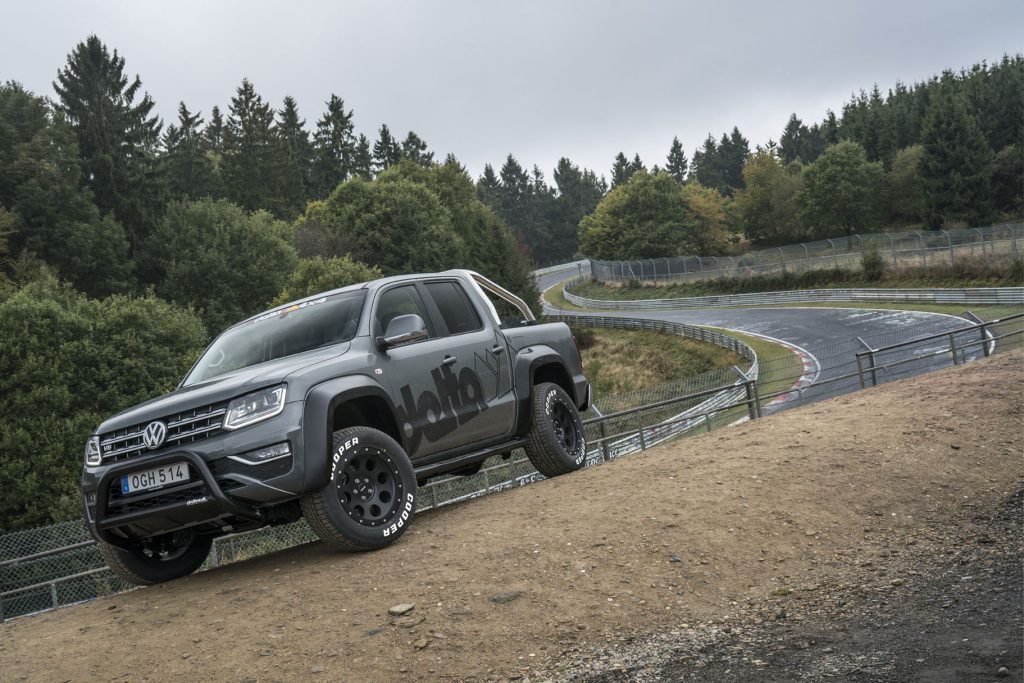
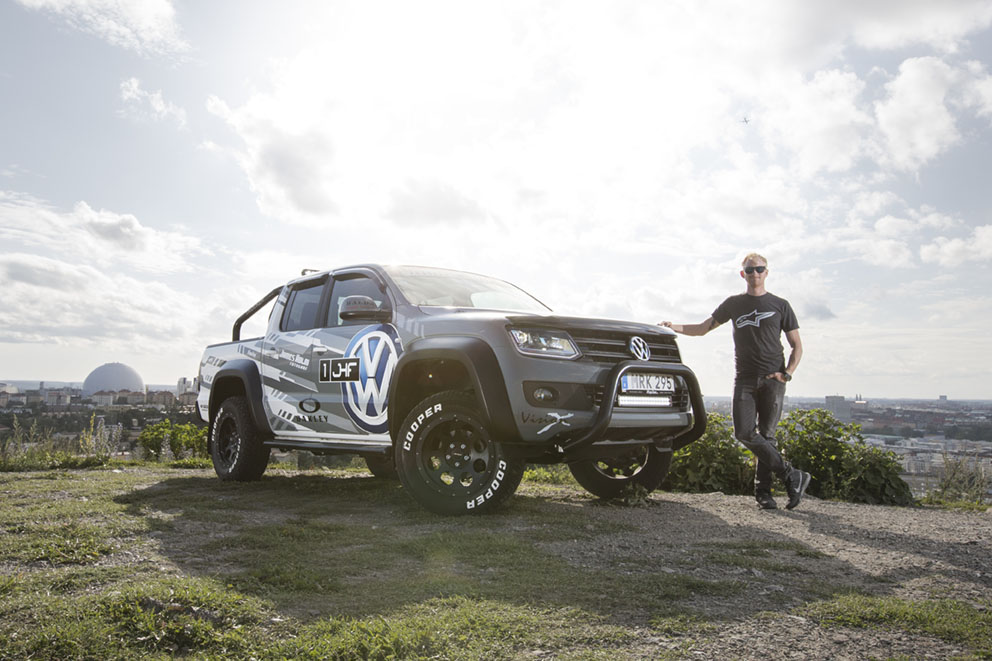
I currently drive a 2019 Volkswagen Golf Alltrack, a car I am very happy with in everyday life. Previously I have also owned a Volkswagen Passat Alltrack and had four different generations of Volkswagen Amarok in different versions. It has given me a broad frame of reference on how Volkswagen models work to live with over time, from everyday driving to longer journeys and more demanding use.
Design and driving feel in this Volkswagen T-Roc preview
Against this background, the Volkswagen T-Roc R-Line feels like an unusually well-balanced car. It is agile and easy to drive in everyday life, but at the same time has a clear sense of quality and a design language that makes it pleasant to both drive and own. The T-Roc R-Line feels like a natural step for those who want something more compact and design-focused, without sacrificing the safety and usability that I associate with Volkswagen. In conclusion, this Volkswagen T-Roc preview shows that the model still has a clear identity in the segment.
Technology and facts
Volkswagen T-Roc
Price: from around 430 000 SEK
Engine: 1.5 litre four-cylinder petrol engine (eTSI mild hybrid)
Power: 150 horsepower. Torque: 250 Nm.
Transmission: front-wheel drive. 7-speed DSG.
Top speed: 205 km/h
0-100 km/h: 8.4 seconds
Weight: approximately 1 420 kg
Dimensions (length/width/height): 4 234 / 1 819 / 1 573 mm

 English (UK)
  Svenska
Leave a Reply