
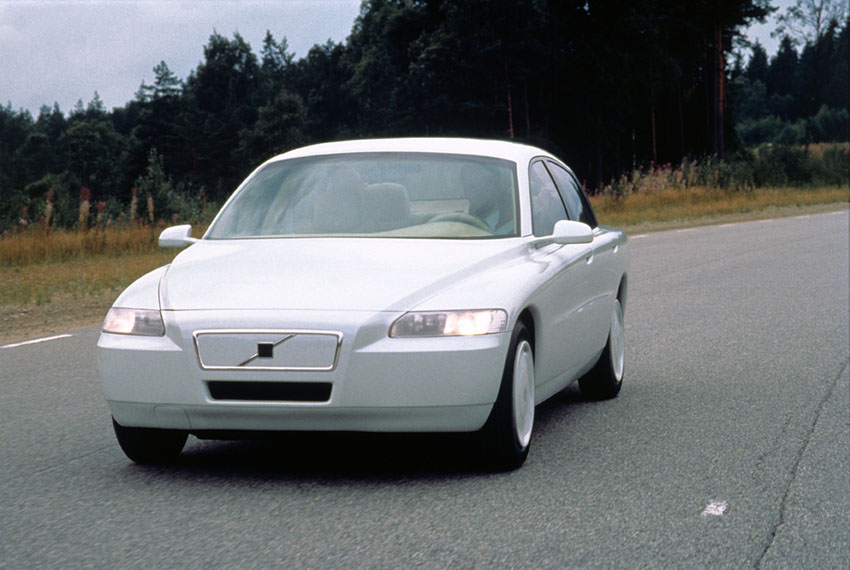
Volvo ECC
The Volvo ECC Concept is one of the most visionary concept cars Volvo has ever created.
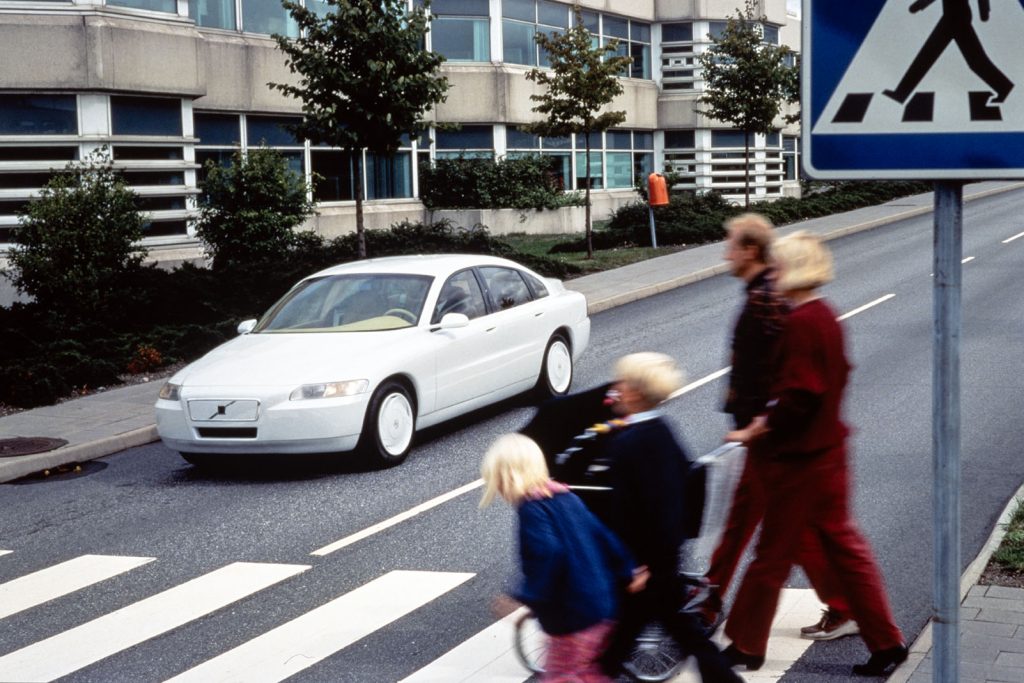
Photo: Bengt Ason Holm
Volvo ECC
Volvo ECC Concept is one of the most visionary concept cars Volvo has ever created. When the car was unveiled in 1992, the Volvo ECC Concept presented ideas about hybrid technology, Scandinavian design and the luxury saloon of the future that would later influence the Volvo S80.
In the early 1990s, Volvo unveiled what seemed like science fiction at the time. The Volvo ECC, Environmental Concept Car, was not just a concept car. It was a clear vision of how the family car of the future could look and function.
The shapes and proportions would later be recognised in the Volvo S80 production model. But the technology and holistic thinking in the ECC was way ahead of its time. Even then, the Volvo ECC Concept showed how Volvo was thinking about future safety, technology and sustainability.
For me, the encounter with the Volvo ECC Concept was also something completely different. Experiencing the Volvo ECC Concept up close during the photo shoot made a strong impression on me.
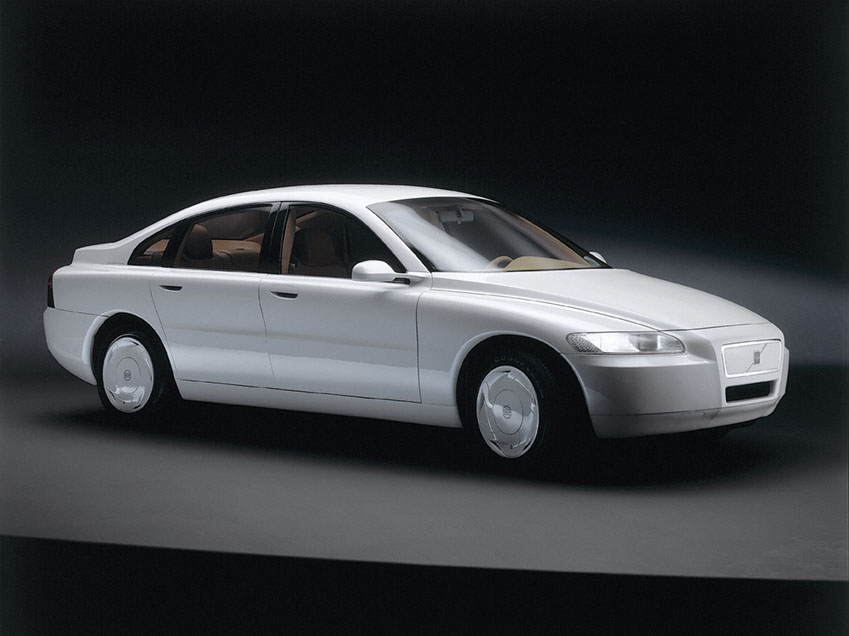
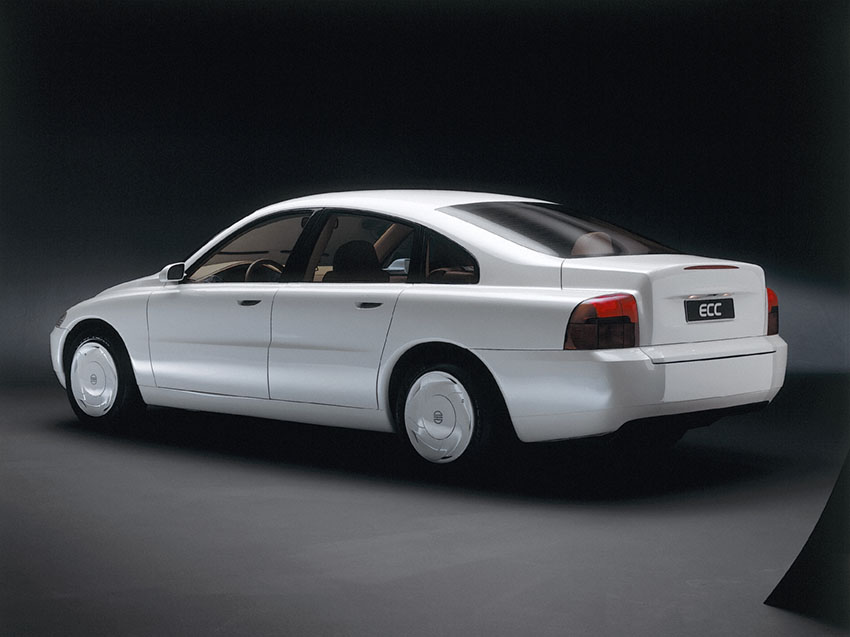
Photo: Volvo
Behind the scenes in Torslanda
I got to see the Volvo ECC up close with my father, Bengt Ason Holm, who had been commissioned to photograph the car for the press material that was later sent out to the international media.
The photo shoot took place at Volvo's headquarters in Torslanda. Being able to go behind the scenes of this world as a teenager made a huge impression. I also got to borrow one of my father's cameras and take pictures myself during the days.
After the shoot, Volvo took care of all the film rolls for development. At the time, the Volvo ECC Concept was a strictly classified project and no images were allowed to leak out before the official world premiere at Paris Motor Show 1992.
When the press pack was later sent out, it turned out that one of the pictures from the shoot in Torslanda was actually taken by me. It was the first time a picture I had taken was published in an official international press release for a new car model. A moment that meant more than I perhaps realised at the time.
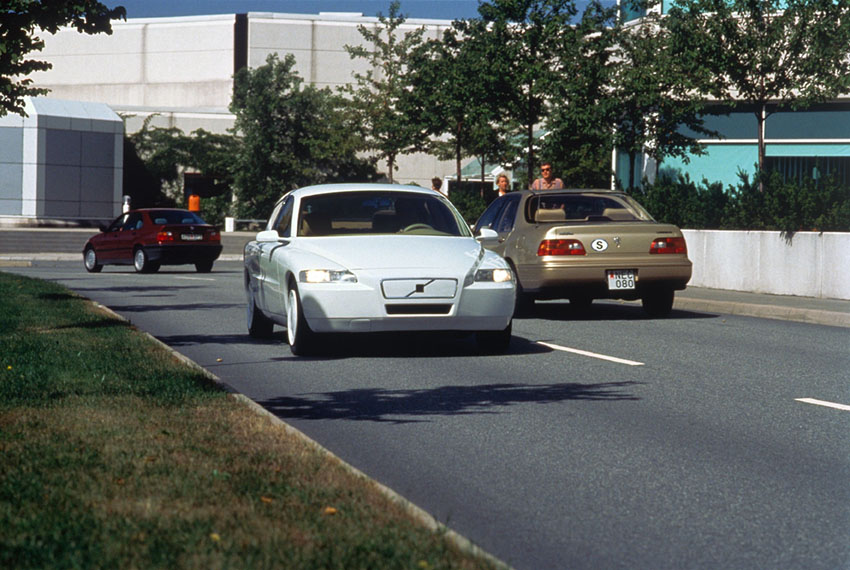
Photo: James Holm
The press pack that preserved history
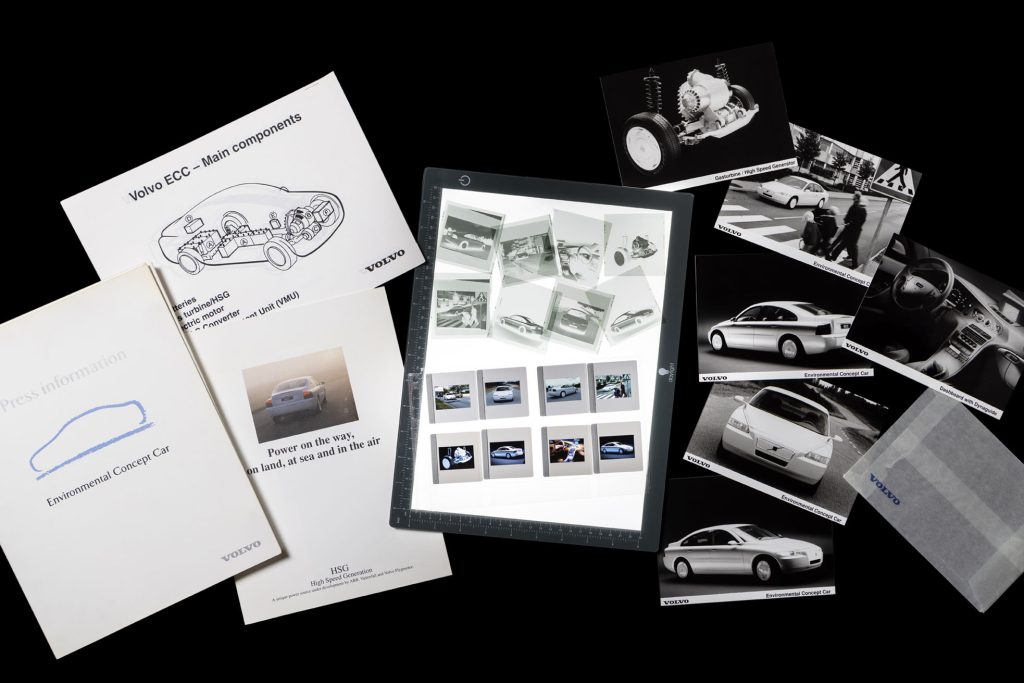
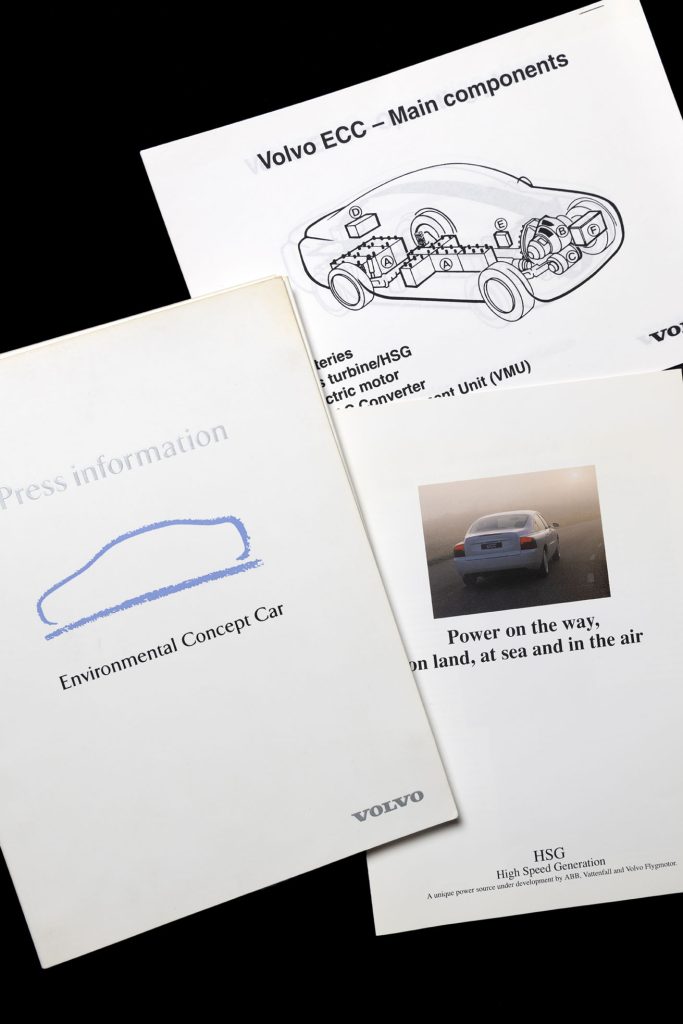
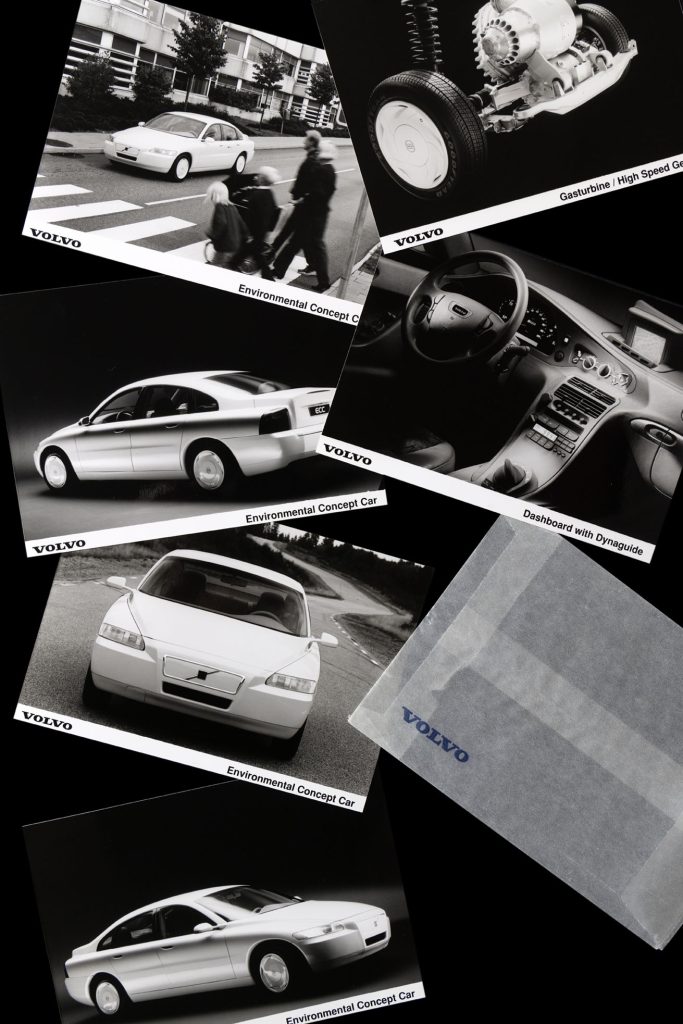
In connection with the launch, Volvo compiled extensive press material on the Environmental Concept Car. The white press folder, labelled Press information - Environmental Concept Car, contained technical texts, sketches and black and white press photos together with negatives and colour slides that were sent to editorial offices around the world.
The material gave journalists a deep insight into the technology and vision of the concept car. There were studio images, interior photographs and documentation of the powertrain structure. Among the slides were also two photographs that I took myself during the days with my father in Torslanda and on the test track in Hällered.
Seeing these images again long afterwards as part of Volvo's official press release was an early acknowledgement that my own photographic expression had already begun to take shape
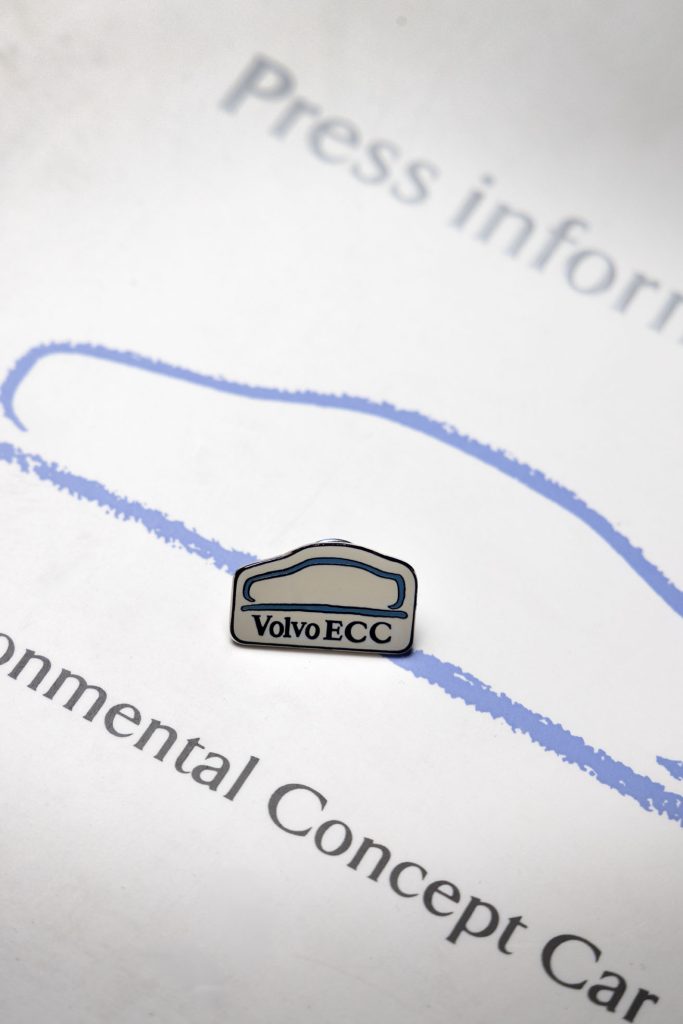
As a small detail, a discreet Volvo ECC pin was also sent in the folder. A symbol of a car that in many ways pointed straight to the future.
On the move in Hällered
The next day, work continued at Volvo's test facility in Hällered. There I got to experience the car in motion, in the environment where it was developed and tested.
Seeing the Volvo ECC Concept at work in its true context gave a completely different understanding of what the concept was really about. It was not just a design study. It was a technical manifesto.
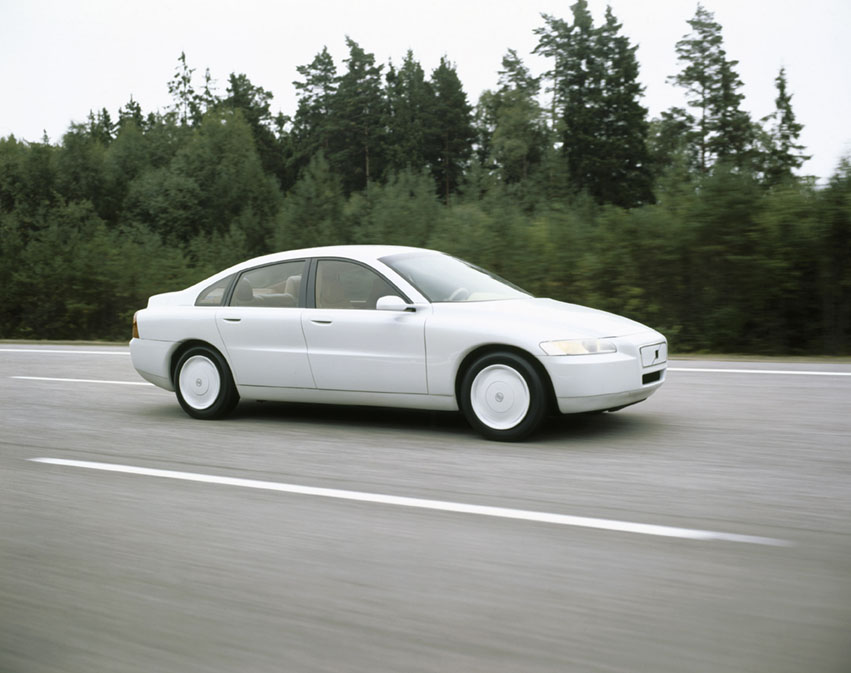
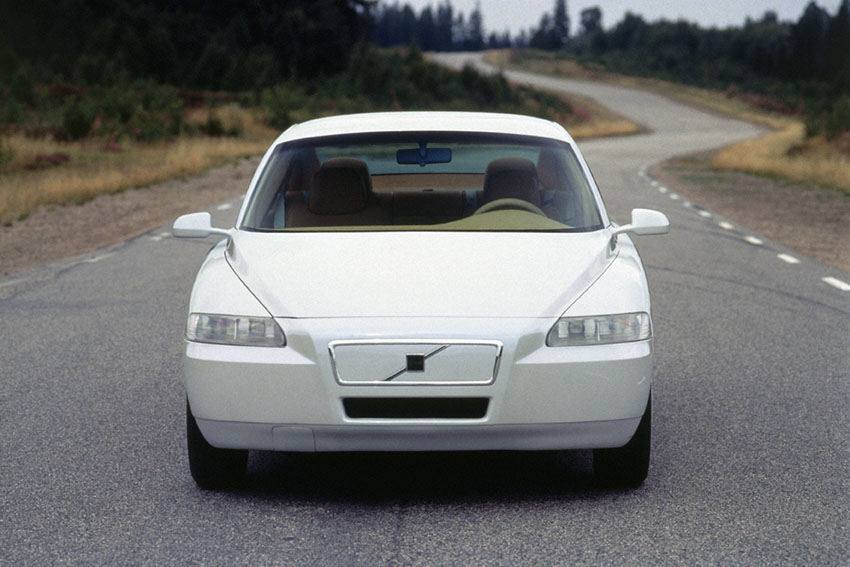
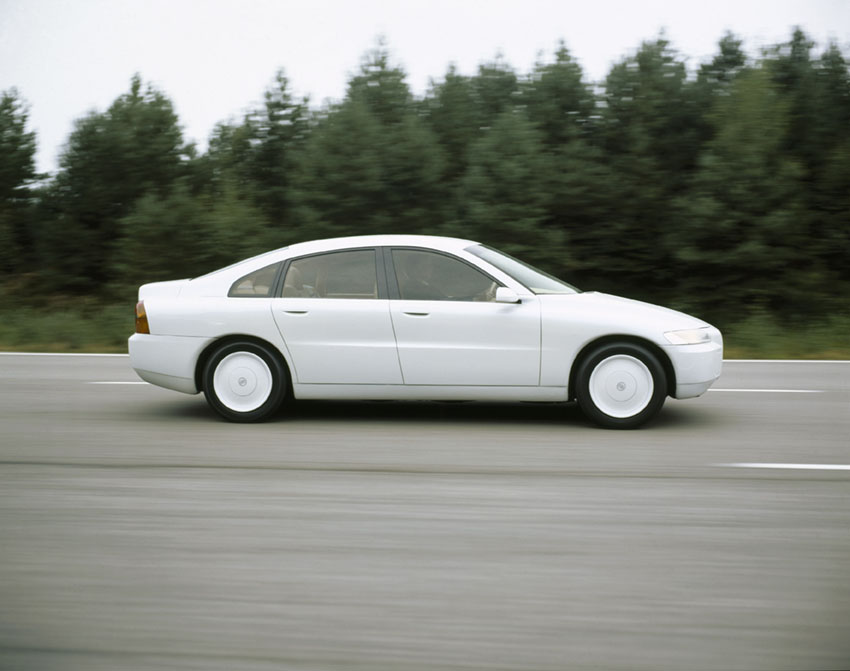
When I returned to my own archive while working on this article, I was reminded once again that one of the pictures from the photo shoot in Hällered was also taken by me. I already knew that then, but only today do I fully realise what it meant to be able to contribute images from both days of photography.
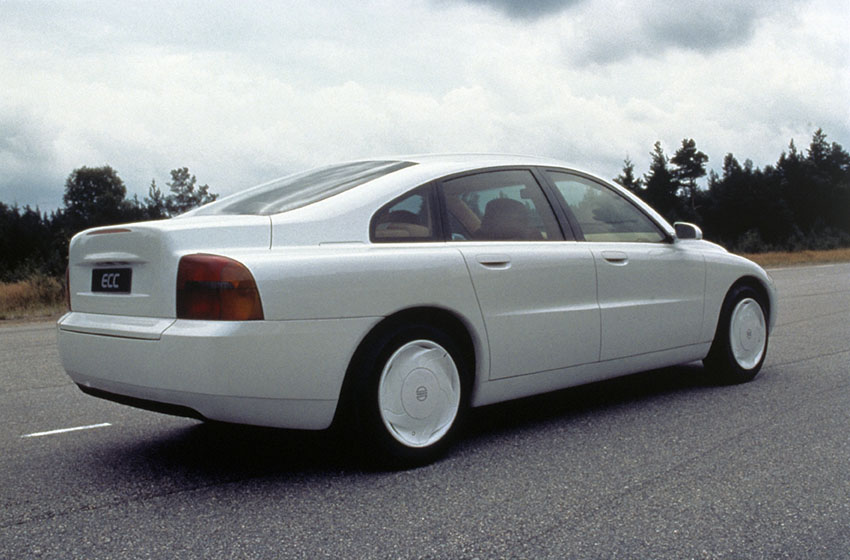
Photo: James Holm
From Volvo ECC Concept to S60 Polestar - on your own
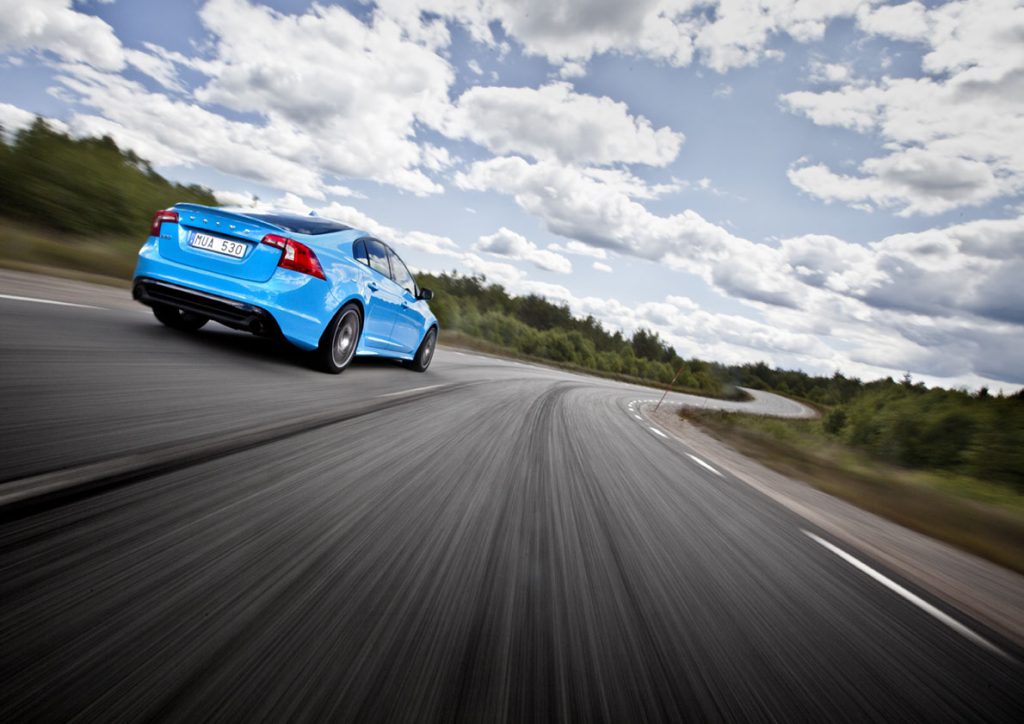
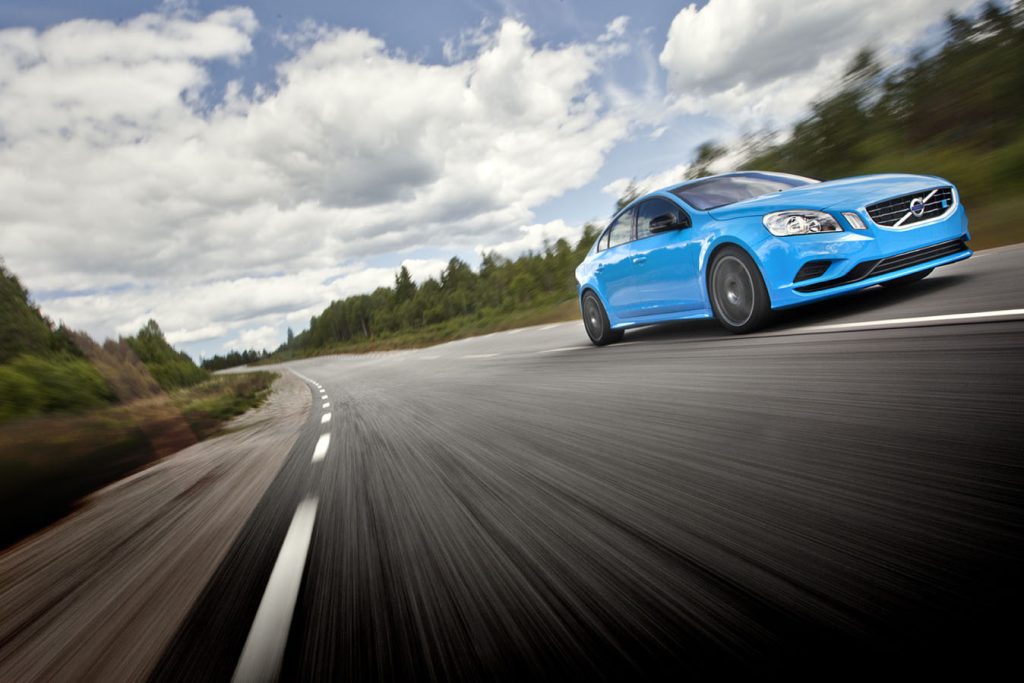
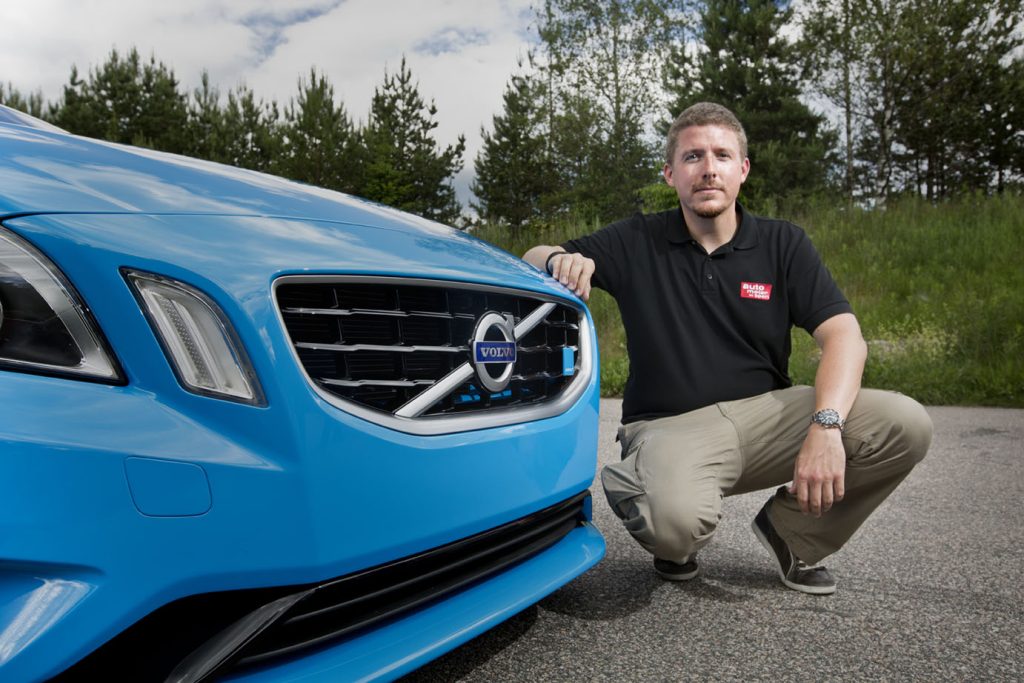
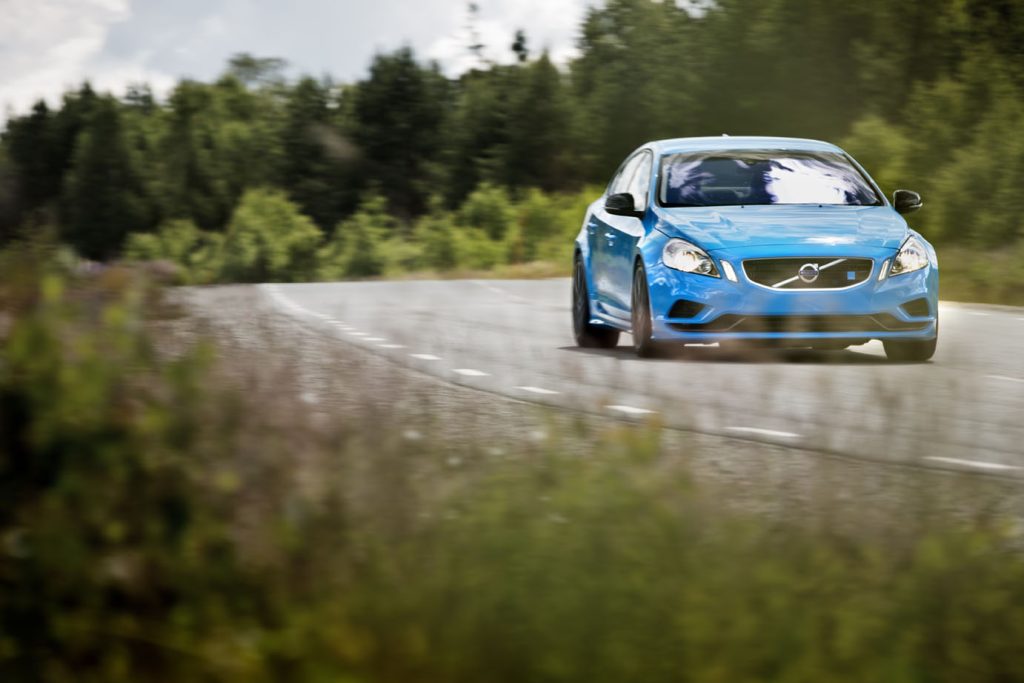
The memory of the Volvo ECC Concept was still strong when I returned to the test track, this time on my own as an established car photographer.
The assignment was to photograph the Volvo S60 Polestar Concept. A car that represented a completely different kind of future vision from Volvo, more performance orientated but still clearly technically driven.
Standing in the same testing ground, now with my own assignments and experience, was a stark reminder of how the circle had somehow been closed.
Today, the Volvo ECC Concept stands out as one of the most significant concept cars Volvo has ever shown.
From following my father behind the scenes in Torslanda to working professionally in Volvo's most advanced development environments.
The photography was carried out, among others, for German Auto Motor & Sports, where the images were later published in their report on the concept car. The experiences and material from the photo shoot also formed the basis for a article which can be read today here on CarsCollection.com.
A hybrid long before the age of hybrids
When Volvo presented the Volvo ECC Concept, it was about much more than design. The car was a holistic concept around energy efficiency, environment and systems thinking.
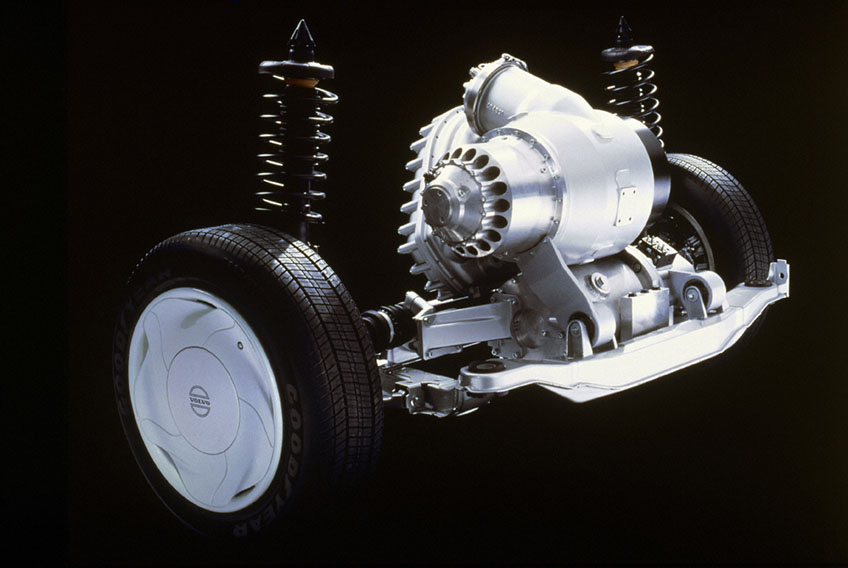
The powertrain consisted of an electric drive motor combined with a gas turbine-based generator system, the so-called HSG (High Speed Generation) system. The technology was developed in co-operation between Volvo Flygmotor, ABB and Vattenfall.
The Volvo ECC could be driven fully electrically at low loads and in sensitive environments. At the same time, the gas turbine gave the car a practical range that made the concept realistic even for longer journeys.
The electric drive motor delivered up to around 70 kW and the top speed was claimed to be around 175 km/h.
The gas turbine operated at constant load and generated electricity while running. When braking, energy was recovered through regenerative braking. With a 35-litre diesel tank, the system could produce energy for up to about 650 kilometres of driving.
An eco-car in every detail
Environmental thinking permeated the whole car. Aerodynamics were advanced, with a Cd value of around 0.23. Lightweight and energy-efficient design were key objectives.
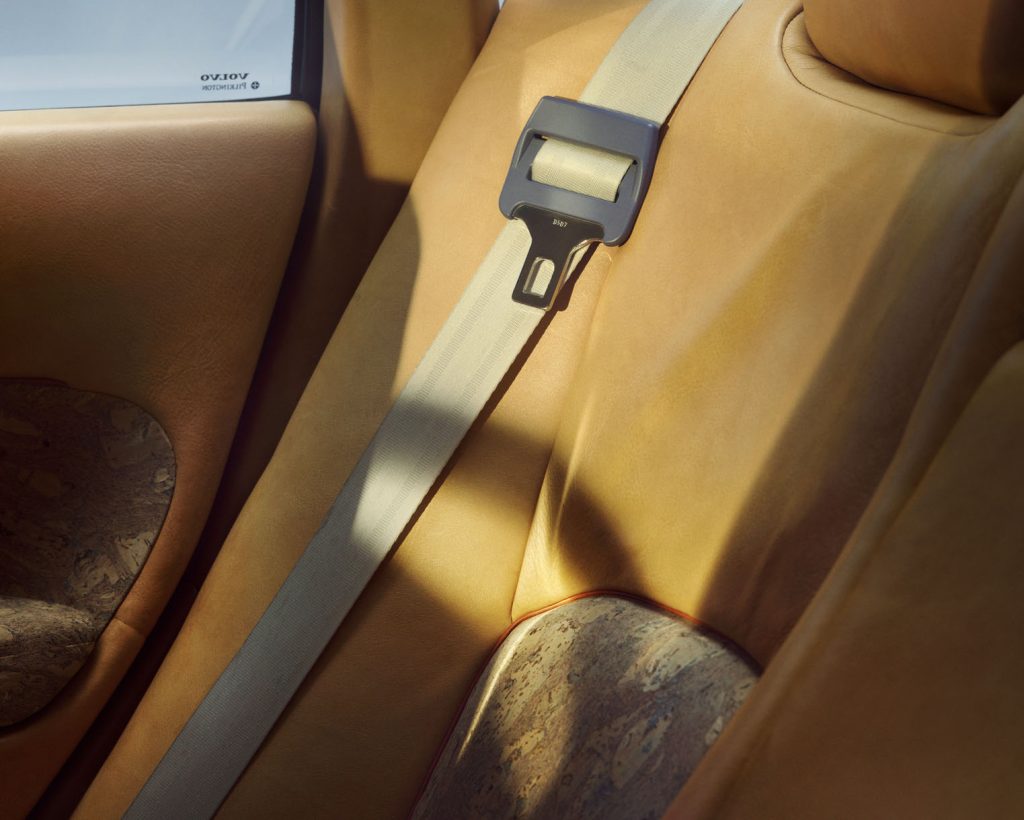
One detail I remember particularly clearly from the interior was the seating surfaces of the chairs. They were upholstered in sliced and laminated cork. Something I had never seen before in a car and actually not even afterwards.
https://www.citroen.comPrior to working on this article, I had a conversation with Hans Hedberg, currently working at Volvo but previously a journalist at The world of technology. When we got to this particular detail, he reminded us that Citroën also experimented with similar sustainability ideas around interior materials much later in connection with the Cactus concept. However, as in the case of the ECC, the most radical solutions were never fully realised in series production.
Unfortunately, I don't have a better picture than this one that shows the cork detail more clearly, but it is visible both at the bottom of the chair and on the inside of the door.
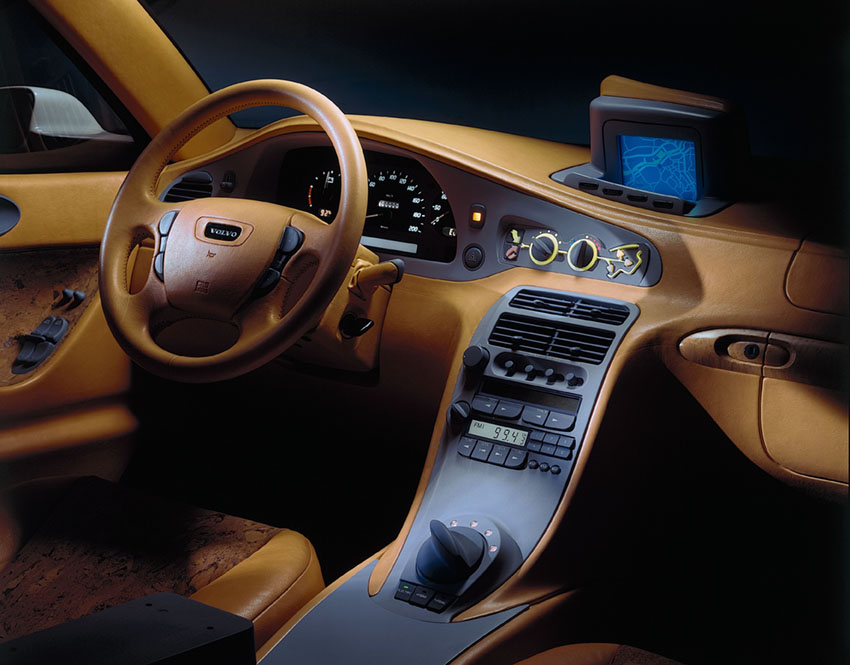
The cabin was characterised by bright colours, soft shapes and a clear sense of the future. The instrumentation was minimalist and ergonomically well thought out. Experimental but at the same time very Swedish in its functionalism.
Before its time
The Volvo ECC Concept was never intended to be a production car. But as a vision, it was hugely important.
For me personally, the encounter with the car was also the beginning of a lifelong fascination with car photography, technology and the stories behind the cars.
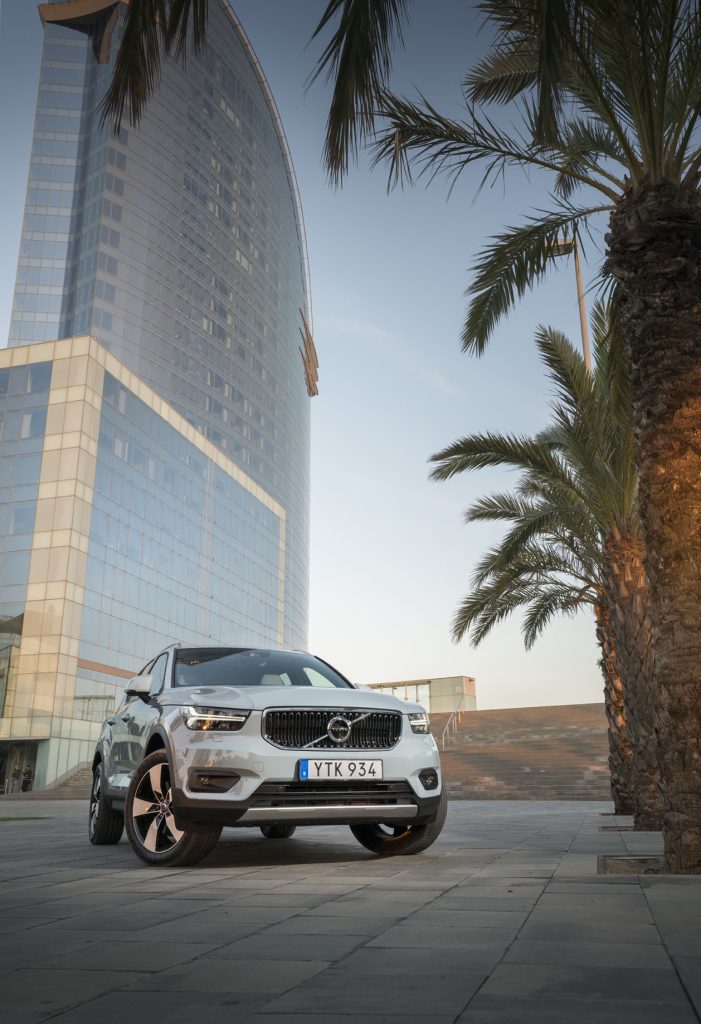
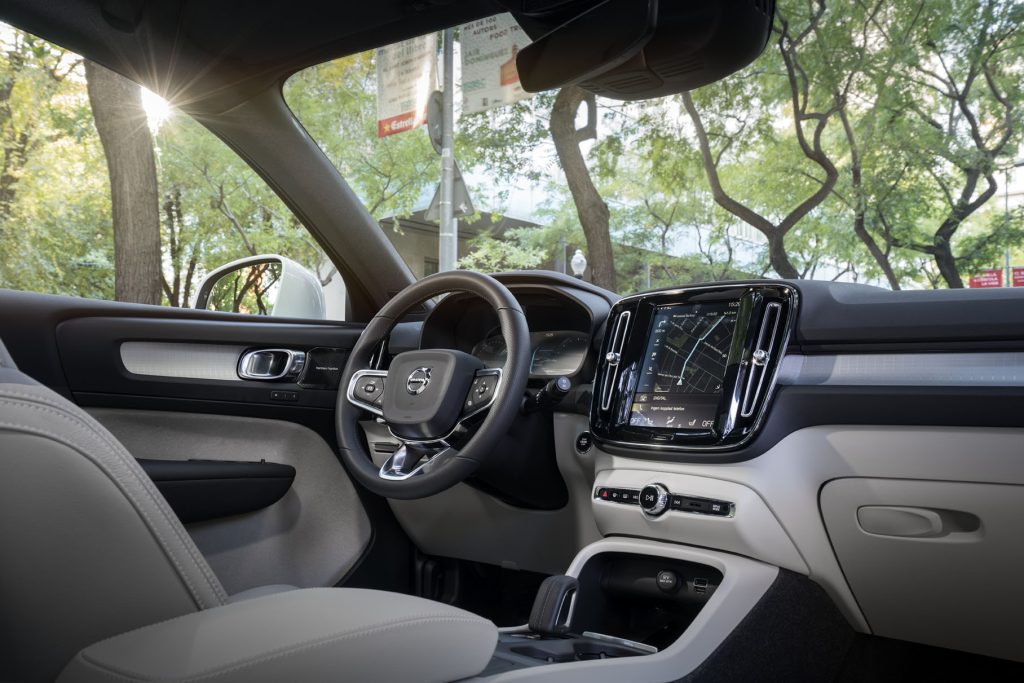
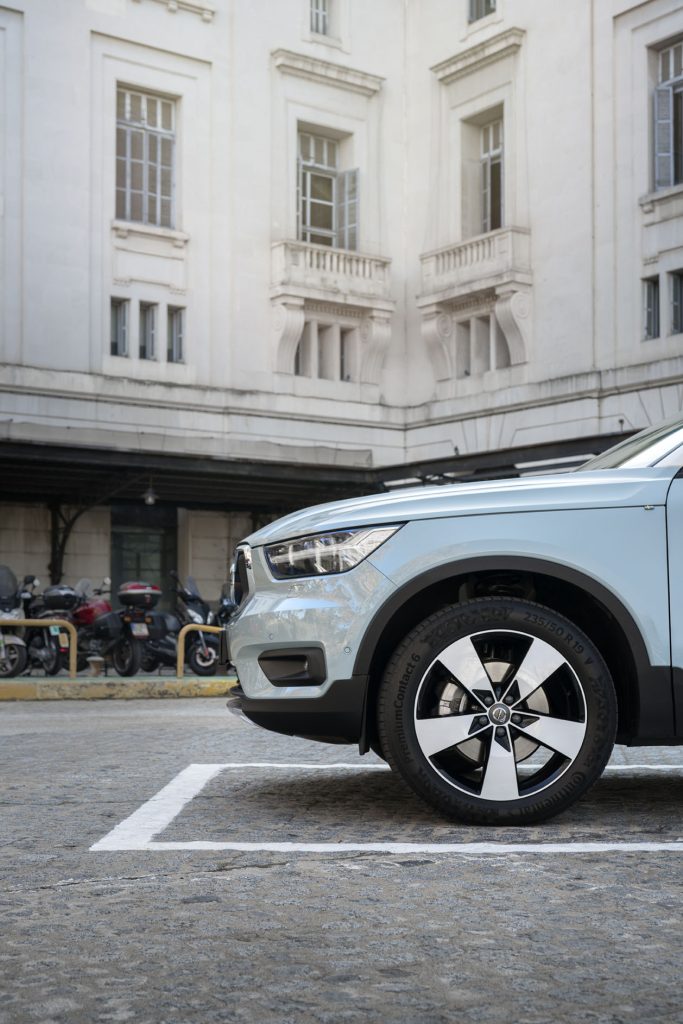
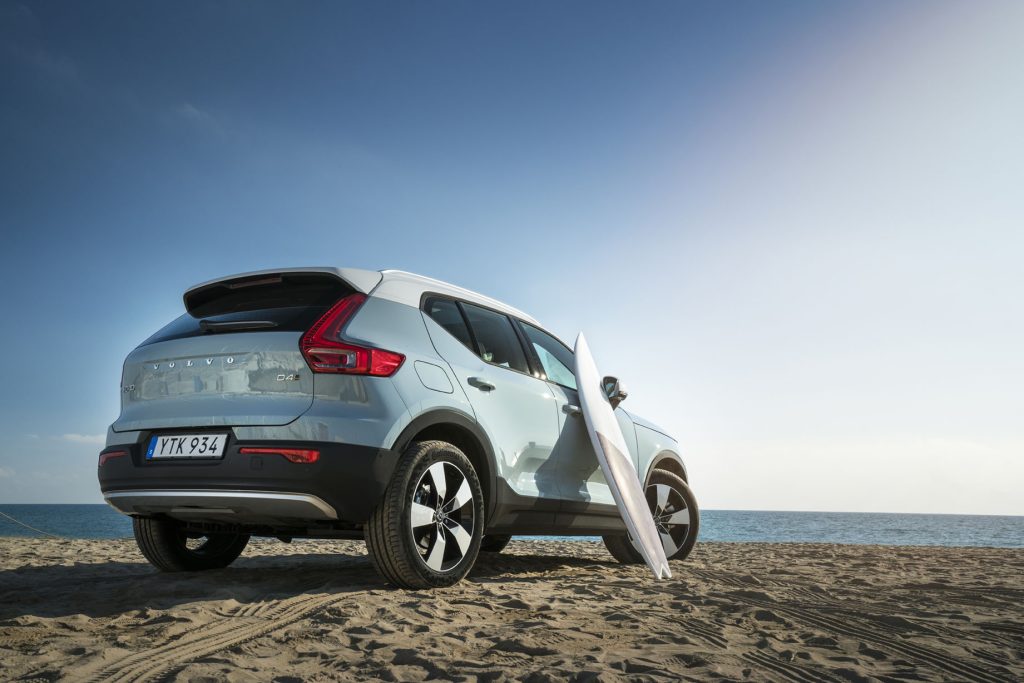
The story continues to write itself, car by car and journey by journey. In early May, I am invited to Volvo's international press drive of the new Volvo EX60 in Barcelona. It feels extra special because Barcelona is a city I previously associated with Volvo launches. It was there that I participated in the press run of the Volvo XC40, a journey that is still vividly remembered. Returning there now for yet another important model in Volvo's history feels like somehow coming full circle.
Today, the Volvo ECC Concept is recognised as one of the most important concept cars in modern Volvo history.
Volvo ECC (Environmental Concept Car)
Price: Concept car, never intended for production or sale
Engine: Electric drive motor combined with gas turbine and high-speed generator (HSG system), nickel-cadmium battery approximately 120 V
Effect: approximately 70 kW (≈ 95 hp)
Drifting: Front-wheel drive via electric motor, gas turbine as range extender
Top speed: approximately 175 km/h
0-100 km/h: approximately 11-13 seconds depending on the operating mode
Electrical range: up to approximately 80-100 km
Overall scope: approximately 650 km with 35 litre diesel tank
Weight: approximately 1 580 kg
Cd value: approximately 0.23
Dimensions (L/W/H): approximately 4 487 / 1 804 / 1 390 mm

 English (UK)
  Svenska
Leave a Reply