
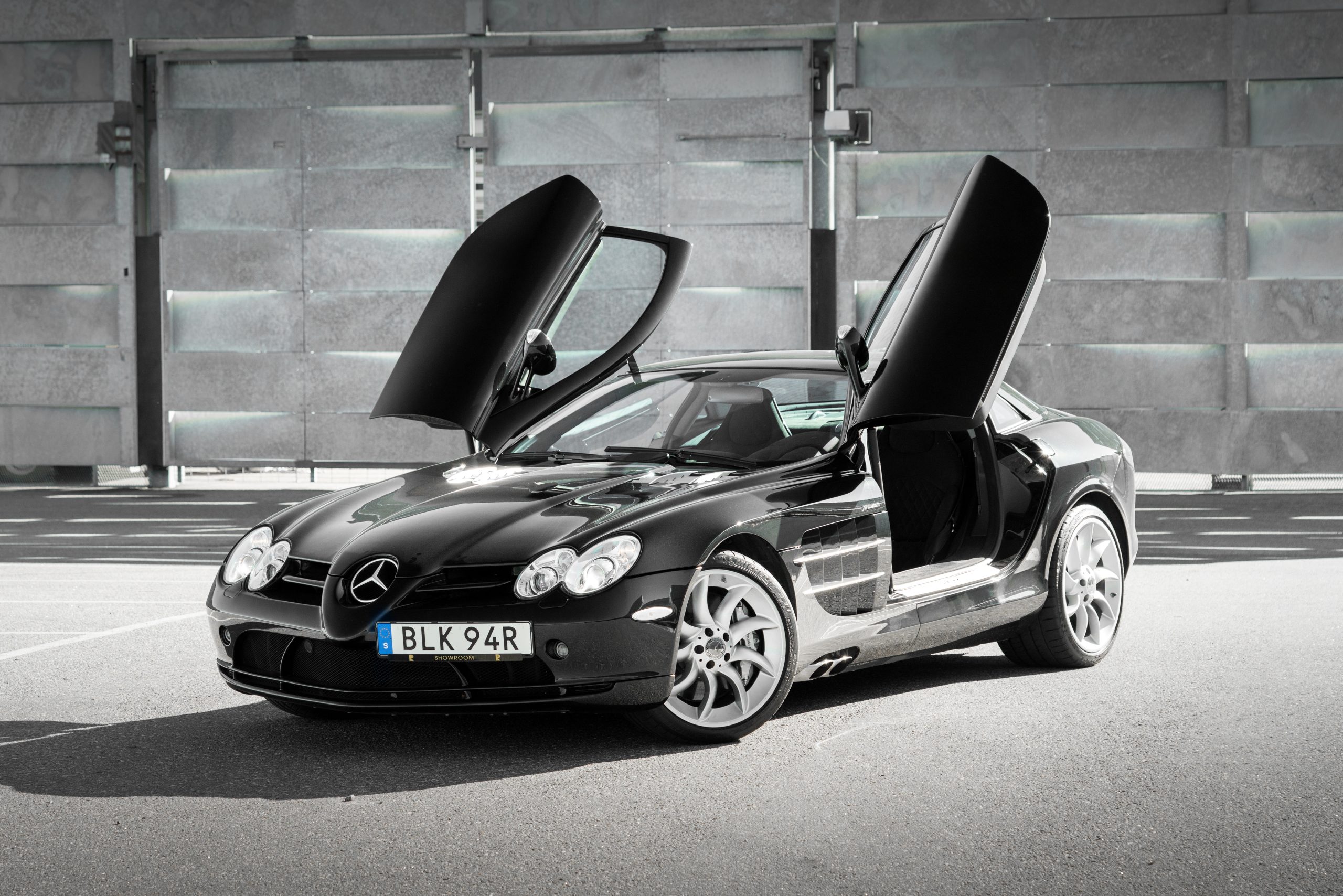
Mercedes-Benz SLR McLaren
Mercedes-Benz SLR McLaren – an unexpected opportunity
Getting the opportunity to drive a Mercedes-Benz SLR McLaren isn't an everyday occurrence. But one day in June 2019, I had exactly that chance.
The car was at Showroom by Riddermark Bil where my friend Erik Cederberg worked at the time. When the opportunity arose to borrow the car for a day, I naturally said yes without hesitation.
Receiving the keys to a car like this means more than just an encounter with extreme performance. It's also an encounter with a car that represents a special chapter in modern automotive history.
When photography took centre stage
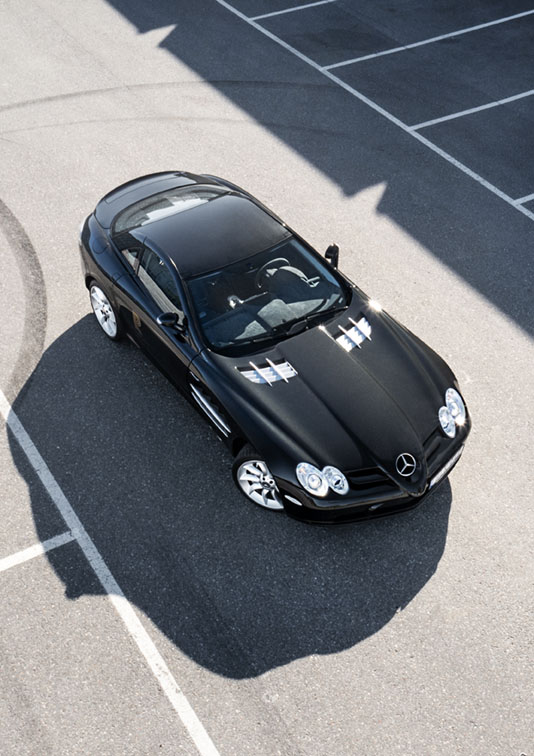
During this period, much of my work revolved around photographing cars outside of traditional press loans. The photos on my then Instagram account, JamesHolmFotograf, began to gain significant traction, which in turn opened doors to cars that would otherwise rarely leave garages or showrooms for that type of photoshoot.
This created opportunities to document everything from modern supercars to more unusual collector's cars in environments far removed from exhibition halls and studio lights. One of those cars was the Mercedes-Benz SLR McLaren.
When the opportunity arose through Showroom by Riddermark Bil and Erik Cederberg, I said yes straight away. Partly for the experience behind the wheel, but also for the chance to work with the car through the camera for a whole day in Stockholm.
At this time, much of it was about just that. Finding the right settings, the right light, and trying to capture the cars in a way that felt more alive than traditional press photos. The images were then shared by both owners and dealers, which often led to new contacts and new photoshoots.
The account around which much of this was built later disappeared in a phishing attack, but for a few intense years, it created opportunities to get close to cars like the Mercedes-Benz SLR McLaren in a way I still look back on with great appreciation.
Behind the wheel
There are cars that feel fast. And then there are cars that feel special even before you've started the engine. The Mercedes-Benz SLR McLaren definitely belongs to the latter category.
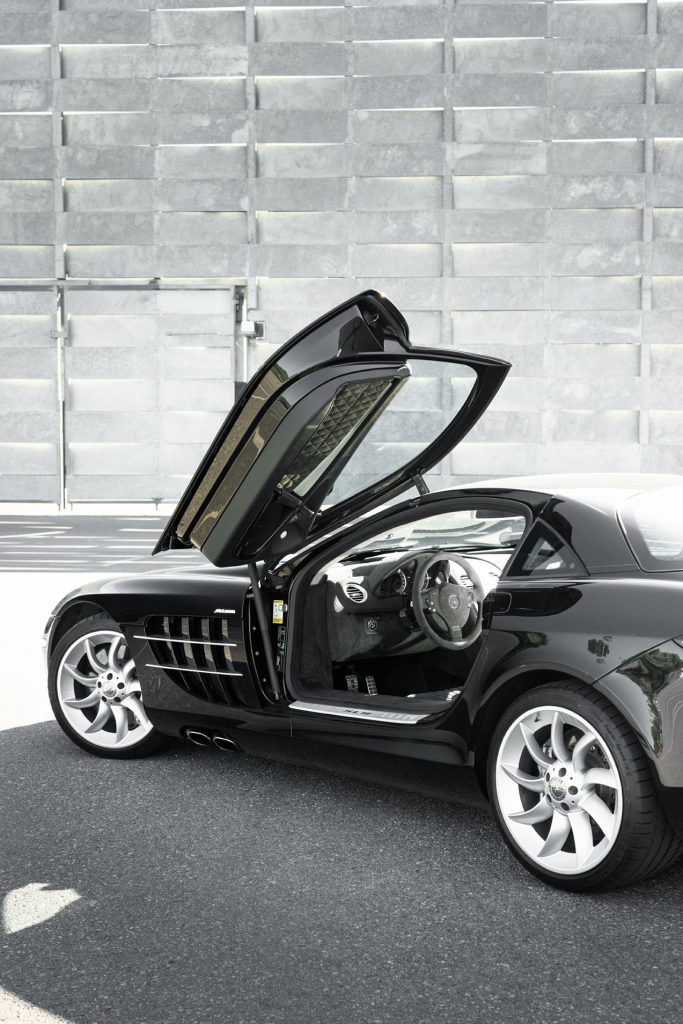
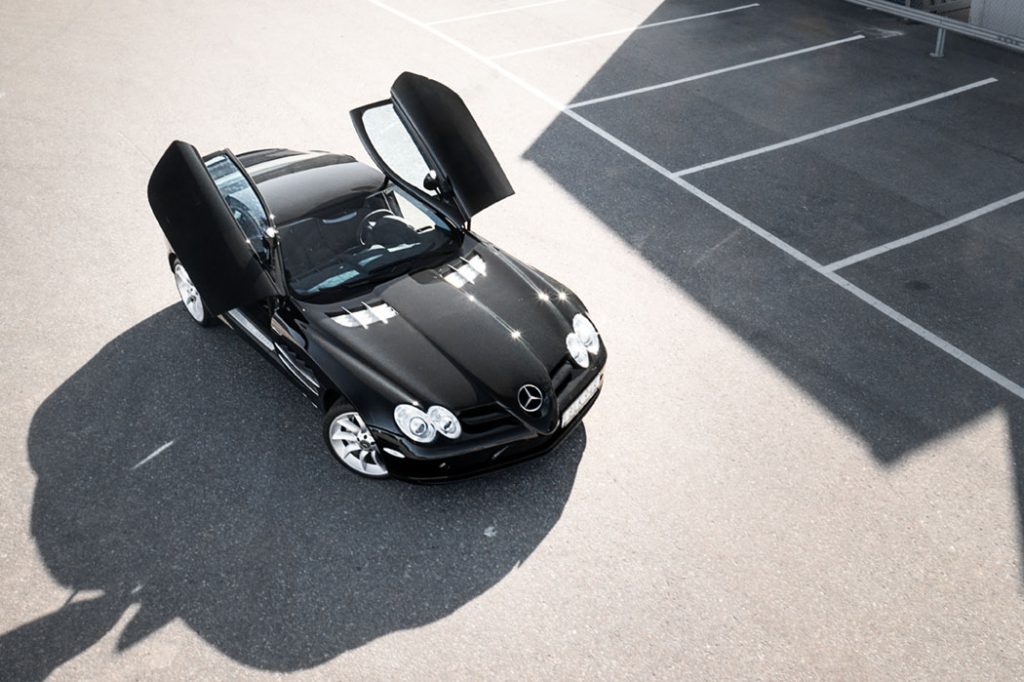
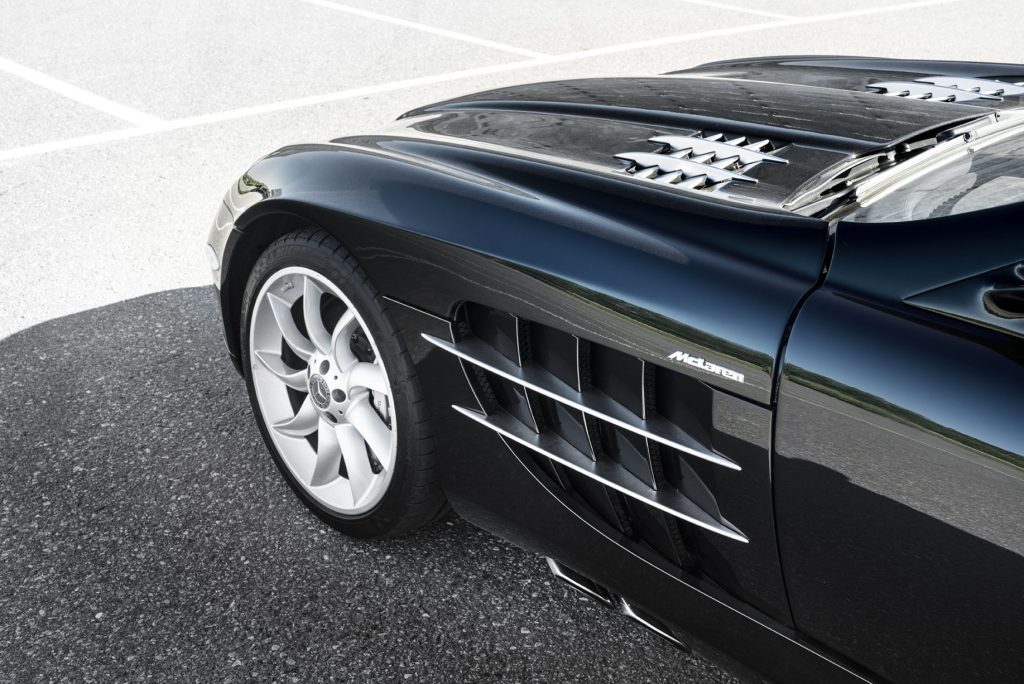
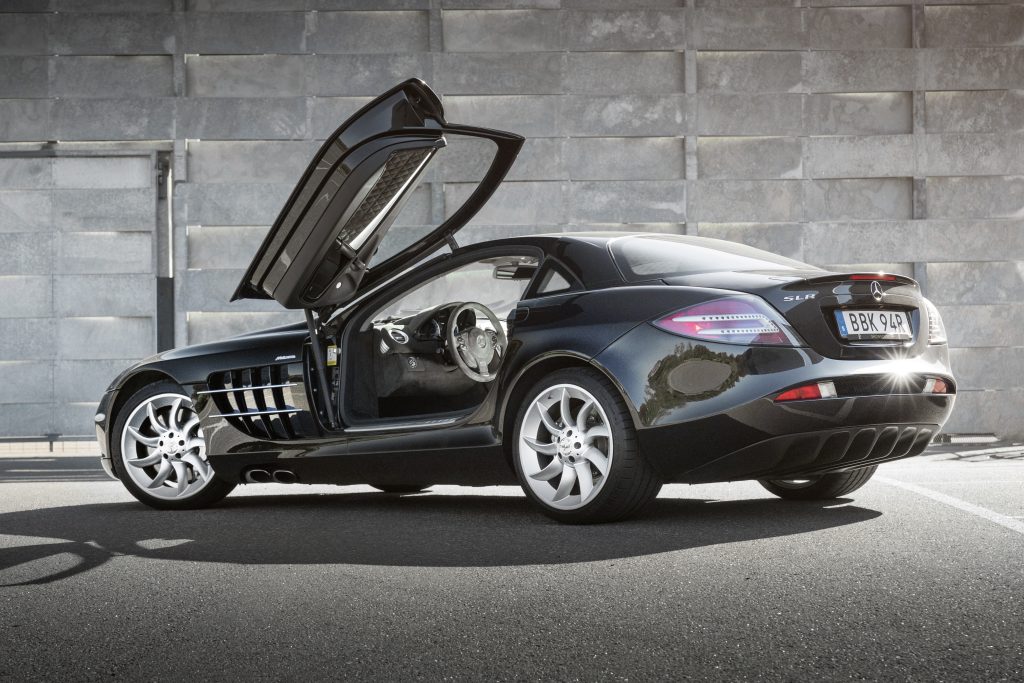
Even opening the door is part of the experience. The characteristic gullwing doors, which open both upwards and forwards, make the SLR McLaren feel theatrical even before you've sat behind the wheel. It's a detail that is almost part of the car's identity as much as the long bonnet and side vents.
Even out on the streets of Stockholm, the car felt almost unreal in its surroundings. The long bonnet, the low-mounted side vents, and the proportions made the car stand out in a way few modern cars do today. At red lights and pedestrian crossings, it was immediately noticeable how people reacted. Heads turned towards the car long before one had even pressed the accelerator.
And once you did, there was no mistaking what lay under the bonnet.
The supercharged AMG V8 delivered its characteristic sound with a raw, mechanical tone that echoed between the buildings. It wasn't just loud, but with a sound that felt physically present in the cabin.
Bogesund and roads that are perfect for SLR
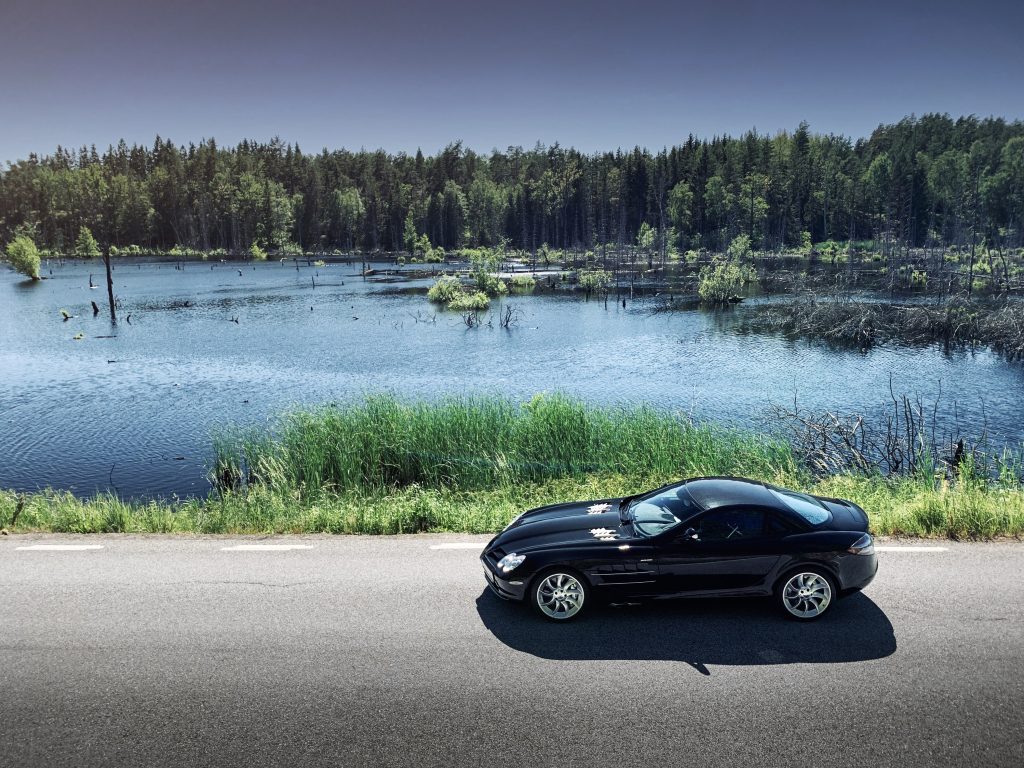
Of course, I also took the car out to the classic road at Bogesund, a road where I've driven countless different cars over the years. Partly because the scenery out there is incredibly beautiful, but also because the road actually demands focus behind the wheel and says a lot about how a car functions in reality.
The stretch of road that passes the small marsh in the middle of the woods is still one of my favourite places for photography. The combination of the scenery, the light, and the low road through the landscape created a perfect environment for the SLR McLaren.
But the road isn't just about pictures. It contains fast sections, bumps and bends that really let you feel what the car is capable of. And the Mercedes-Benz SLR McLaren very quickly showed that this type of road suits it perfectly.
Despite its size and brutal effect, the car felt stable, precise, and unexpectedly natural to drive at higher speeds. It was clear that the car had been developed with high speeds and long-distance driving in mind.
I also took the opportunity to drive through several tunnels around Stockholm to truly experience the sound of the supercharged V8. The exhaust pipes, placed on the sides in front of the front doors, created a sound that bounced between the tunnel walls in a way that is still hard to forget.
Even though the SLR McLaren is now over two decades old, it still feels special behind the wheel. Perhaps precisely because it comes from a time when super sports cars could be a bit brutal, a bit uncompromising, and not as filtered as many modern performance cars have become.
At the same time, there's also something unexpectedly civilised about the car. It's fast in an almost absurd way, yet still built to cover long distances in comfort. The combination of gran turismo and pure supercar is still quite unique.
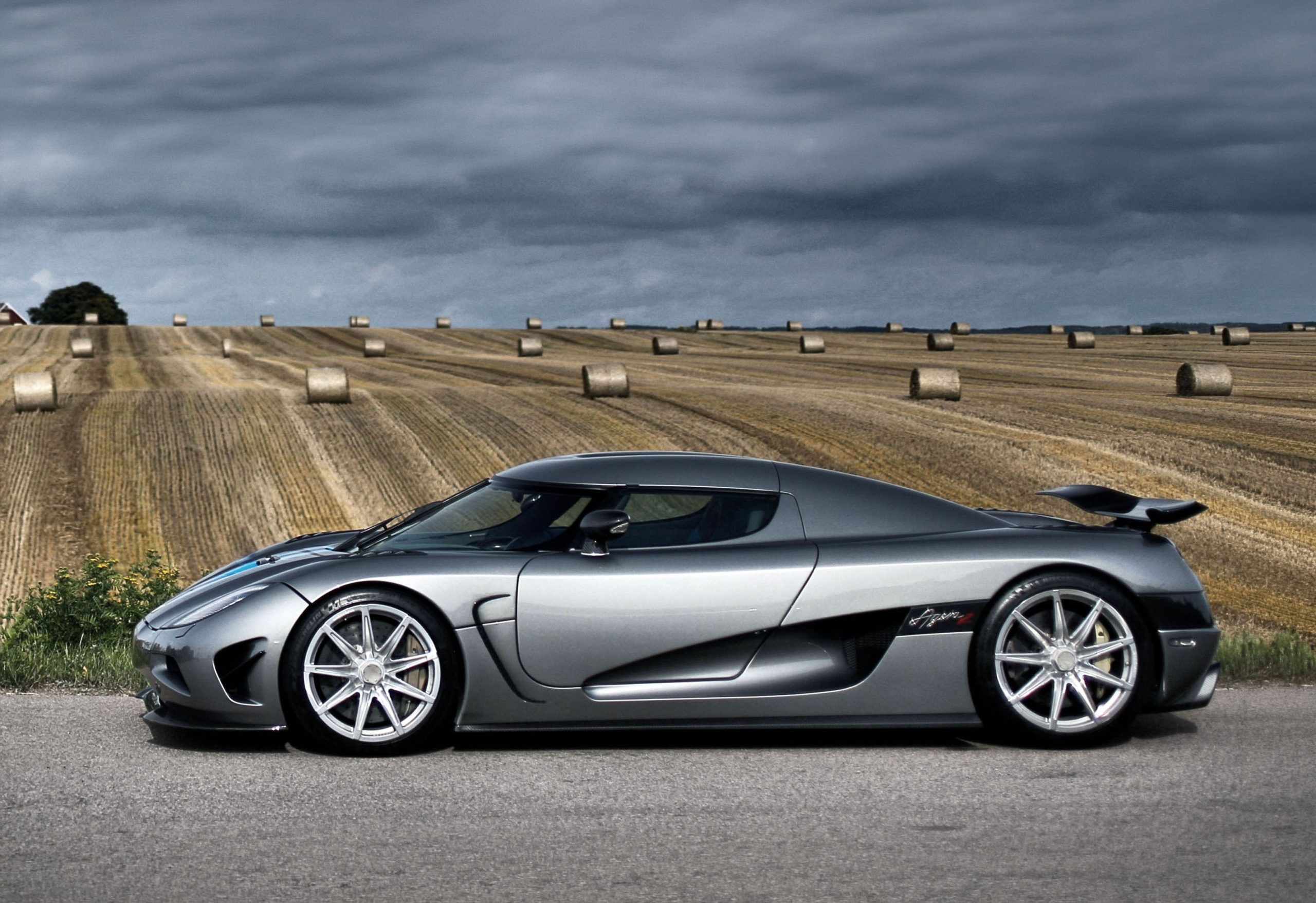
On CarsCollection.com, there are also reports about Aston Martin DB11 Volante, Koenigsegg Agera R and Lexus RC F, three cars with completely different personalities but the same focus on driving experience, sound, and character behind the wheel.
Legacy of the 300 SLR
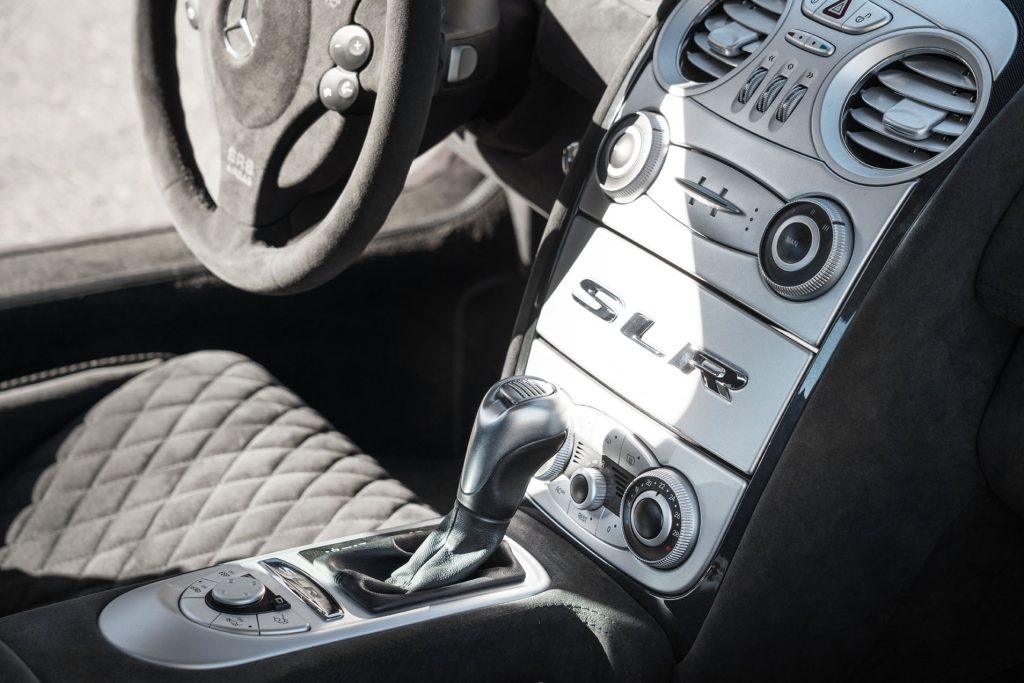
The SLR name carries a heritage stretching back a long way. The abbreviation stands for Sport Leicht Rennsport and immediately brings to mind the legendary Mercedes-Benz 300 SLR racing car from the mid-1950s.
The original car was written into motorsport history through spectacular successes in endurance racing, with drivers such as Stirling Moss and Juan Manuel Fangio behind the wheel.
When Mercedes chose to revive the name many decades later, it was about more than just nostalgia. The ambition was to create a modern car that carried on the legacy of the brand's racing history.
The collaboration between Mercedes and McLaren
The modern Mercedes-Benz SLR McLaren was developed during a period when Mercedes-Benz and McLaren collaborated closely in Formula 1. The project therefore became an unusual meeting of German engineering and British racing expertise.
The car was largely built from carbon fibre and assembled at McLaren's facility in Woking, England. The construction was characterised by a clear focus on low weight, high stiffness, and advanced aerodynamics, while the car was also intended to function as a fast and comfortable grand tourer.
The result was a car with a design language that still feels distinctive. The long bonnet, the set-back cabin and the characteristic side vents give the SLR McLaren a silhouette that clearly sets it apart from many other super sports cars of the same era.
Supercharged power from AMG
Under the long bonnet sits a supercharged 5.4-litre V8 developed by AMG. The engine delivers over 600 horsepower and drives the rear wheels through a five-speed automatic gearbox.
The combination of its powerful engine, advanced carbon fibre construction and a chassis developed for high speeds made the SLR McLaren one of the most extreme road cars of the early 2000s.
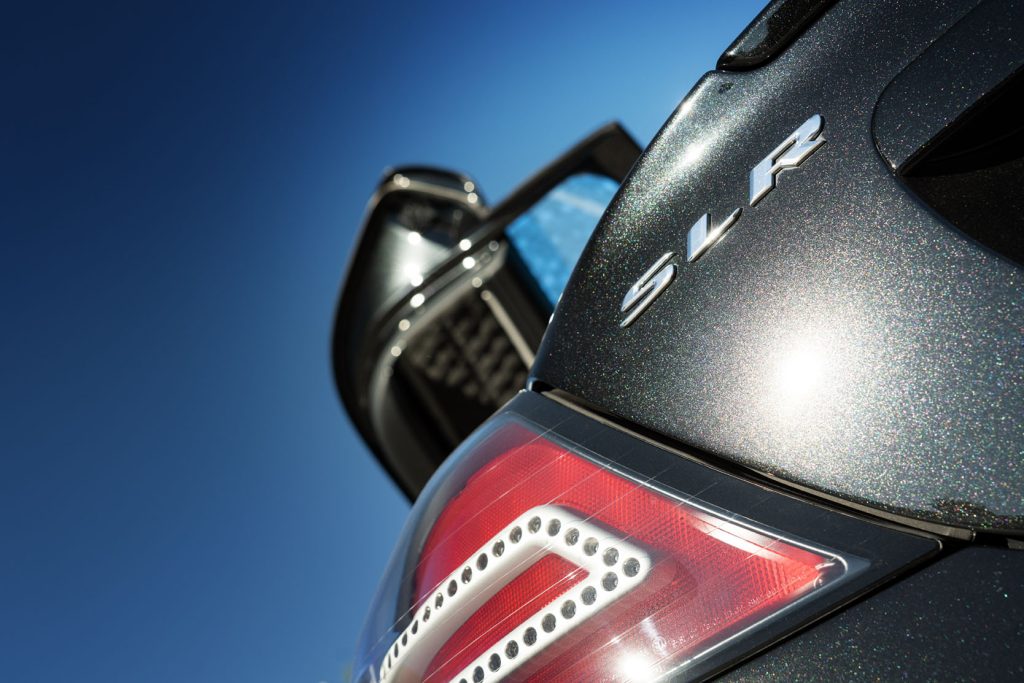
A modern icon of the 21st century
When the SLR McLaren was launched, it occupied a segment where few cars existed. It combined exclusivity, advanced technology and a clear motorsport heritage in a way that made it more than just another supercar.
With its carbon fibre structure, its distinctive doors that open upwards and forwards, and its brutal supercharged V8, the model has over time become one of the most iconic performance cars of its generation.
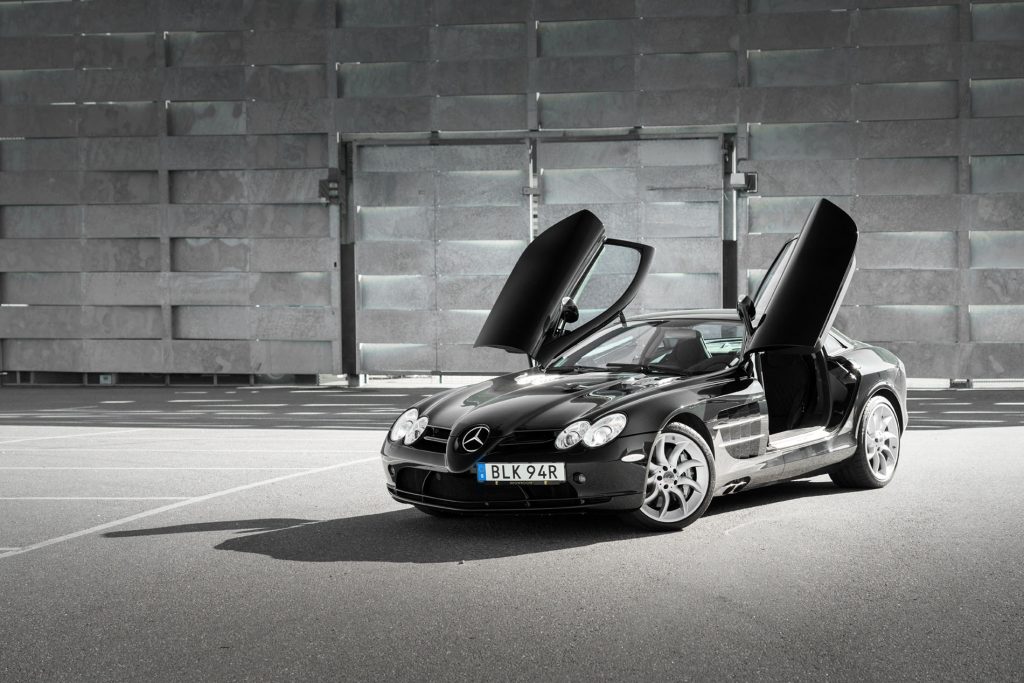
Technical information and facts
Mercedes-Benz SLR McLaren
Price: approximately 452,750 euros at launch in 2003 (equivalent to about 4.2–4.5 million Swedish kronor then, often significantly higher on the collector's market today).
Engine: 5.4-litre supercharged V8 (M155) developed by Mercedes-AMG.
Power: 626 hp. Torque 780 Nm.
Power transmission: Rear-wheel drive via 5-speed automatic transmission (AMG Speedshift R).
Top speed: approximately 334 km/h.
0–100 km/h: approximately 3.8 seconds.
Chassis: Carbon fibre monocoque developed in collaboration between Mercedes-Benz and McLaren.
Weight (dry weight): approx. 1,724 kg.
Dimensions (length/width/height): approx. 4,656 / 1,908 / 1,261 mm.

 English (UK)
  Svenska
Leave a Reply