
Legends Racing
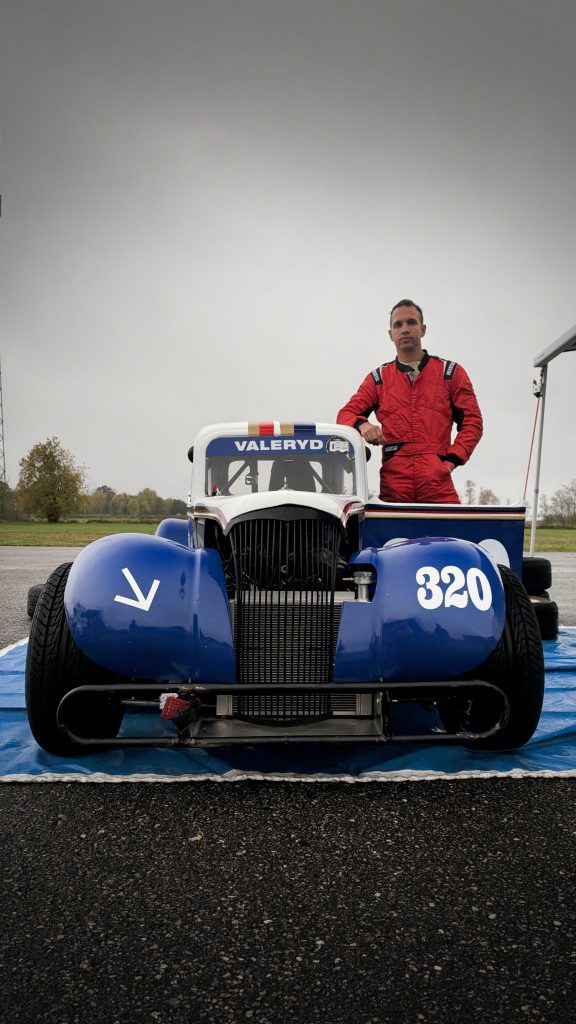
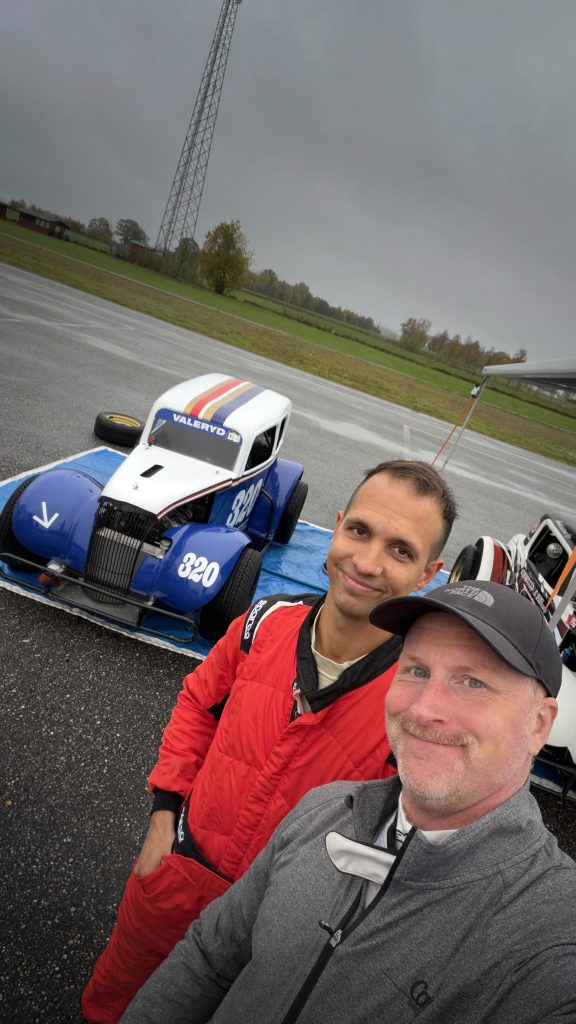
Sometimes things happen that you haven’t planned for, and sometimes they lead to something really fun. After my motorcycle accident in 2022, I decided to stop riding a motorcycle. That also meant that I started selling my motorcycle equipment. Among other things, I put up a pair of motorcycle boots from Alpinestars on Blocket. One of those who contacted me was Daniel Yasdani. He bought them and we started talking. It turned out that Daniel competes in Legends Racing, a racing class with small, lightweight and quite special racing cars. One thing led to another and suddenly Daniel invited me to Gelleråsen to try out his racing car. On October 11 it was time.
Gelleråsen, a track with roots
Gelleråsen is one of Sweden's most prestigious racing tracks and was opened in 1950. For me, it is also a track that evokes many memories from the time when I worked as a team photographer for Polestar under STCC competitions. I feel the same way. Richard Göransson Very well since many years back. And what an incredible track record he has! Richard is Sweden's most successful STCC driver of all time with five championship titles, 43 heat wins and 82 podium finishes. Furthermore, he has become European champion in both Formula Ford and standard car racing, having been a factory driver for BMW Motorsport and Volvo Polestar and finishing second overall in the legendary 24-hour-race on Nürburgring 2013. In 2018 he took over the operations at Gelleråsen Arena.
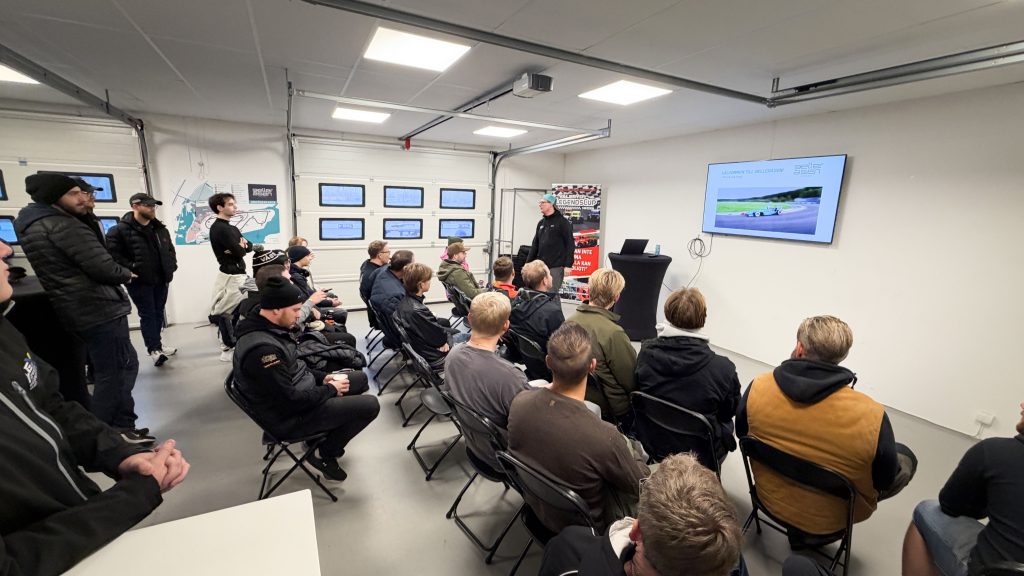
Before today's run, Richard gave a briefing and told something that perhaps not everyone knows. In fact, it has been run Formula 1 at Gelleråsen! For three years, between 1961 and 1963, Formula 1 races were held here with some of the world's top drivers on the starting grid. Stirling Moss and Jim Clark He belongs to those who have won on the track. Admittedly, these were competitions outside the Formula 1 World Championship, but that still says a lot about the importance Gelleråsen has had for Swedish motorsport.
Legends Racing, sMay cars with great ambitions
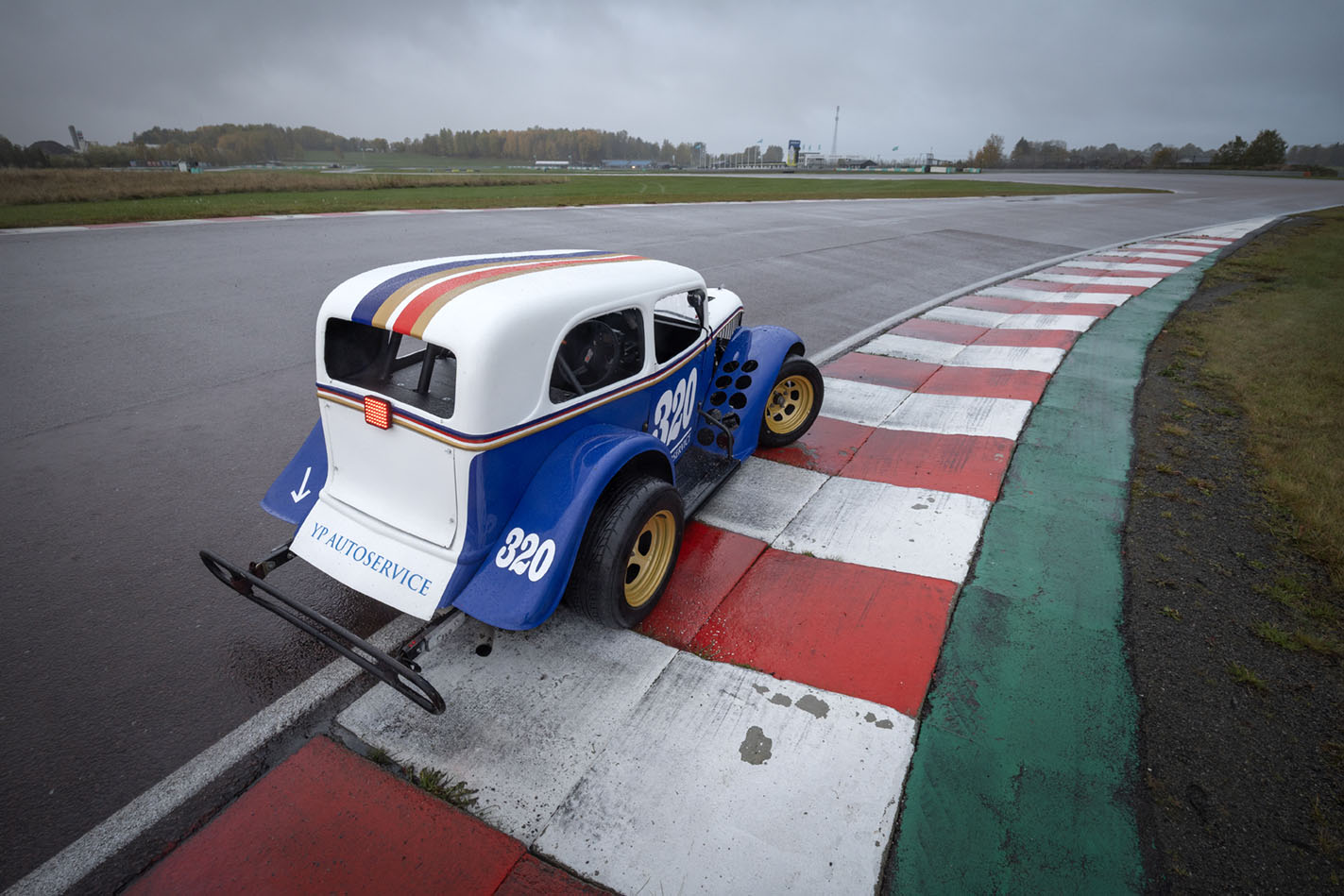
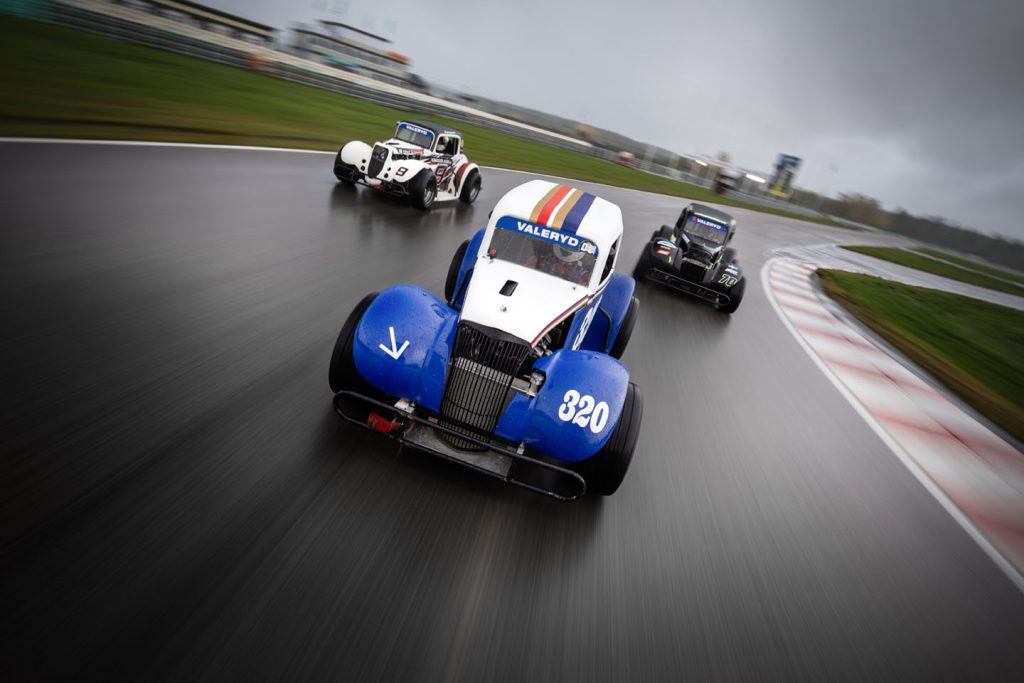
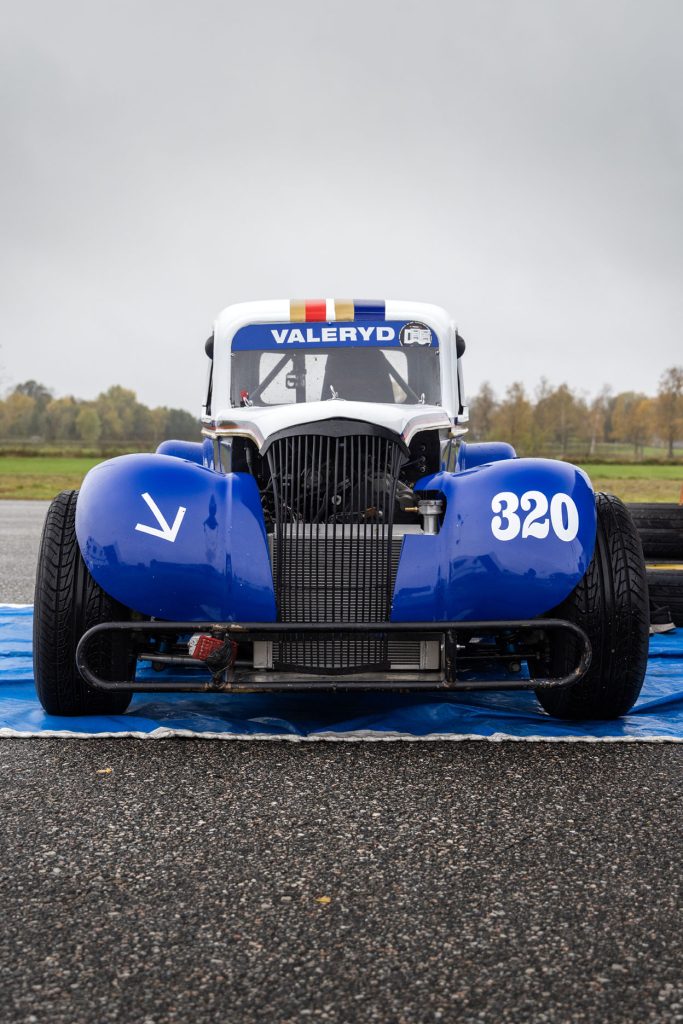
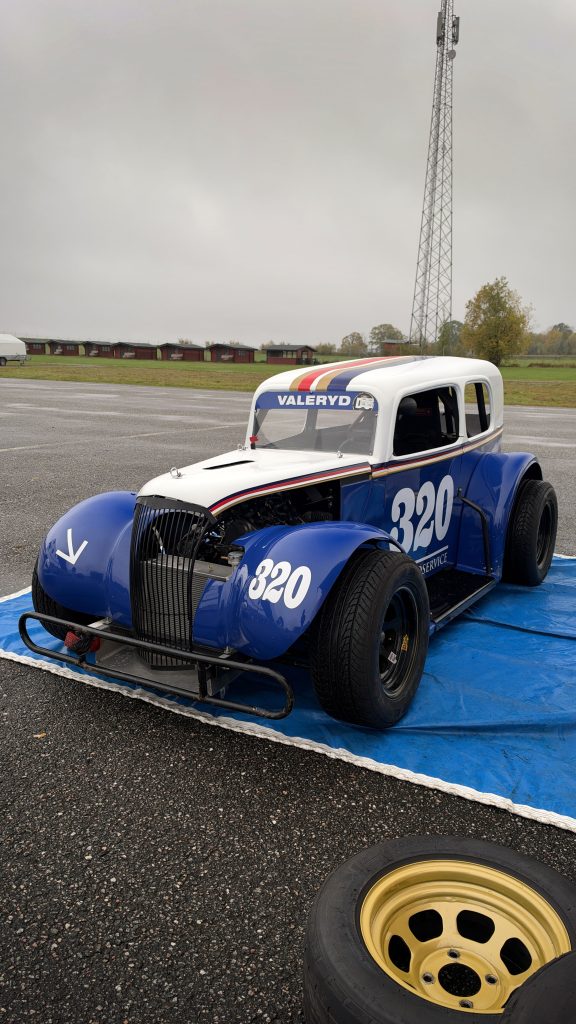
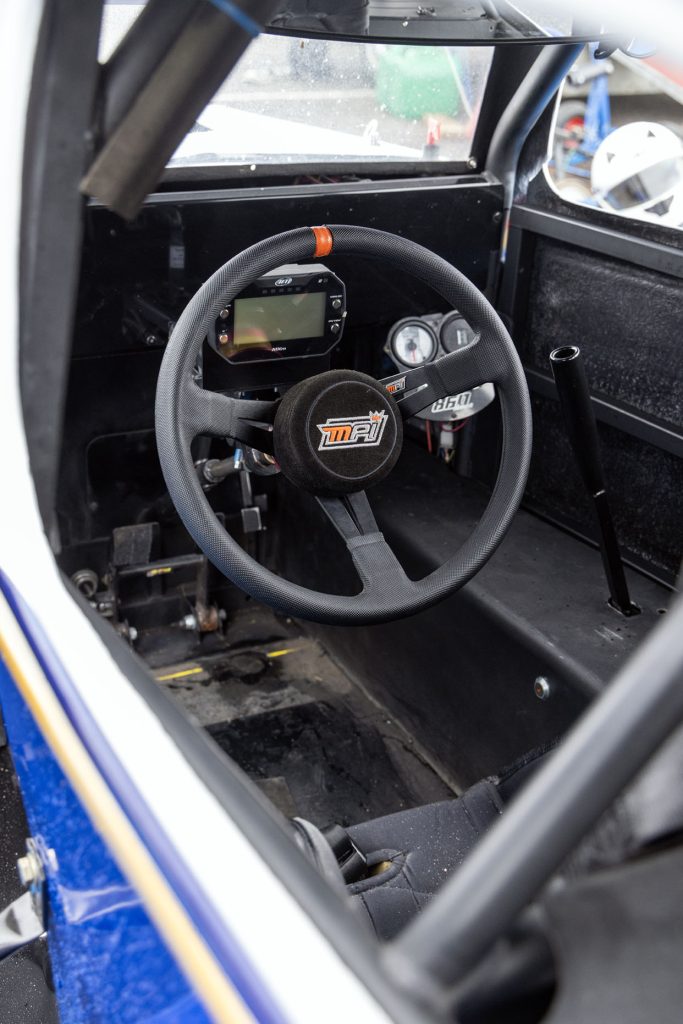
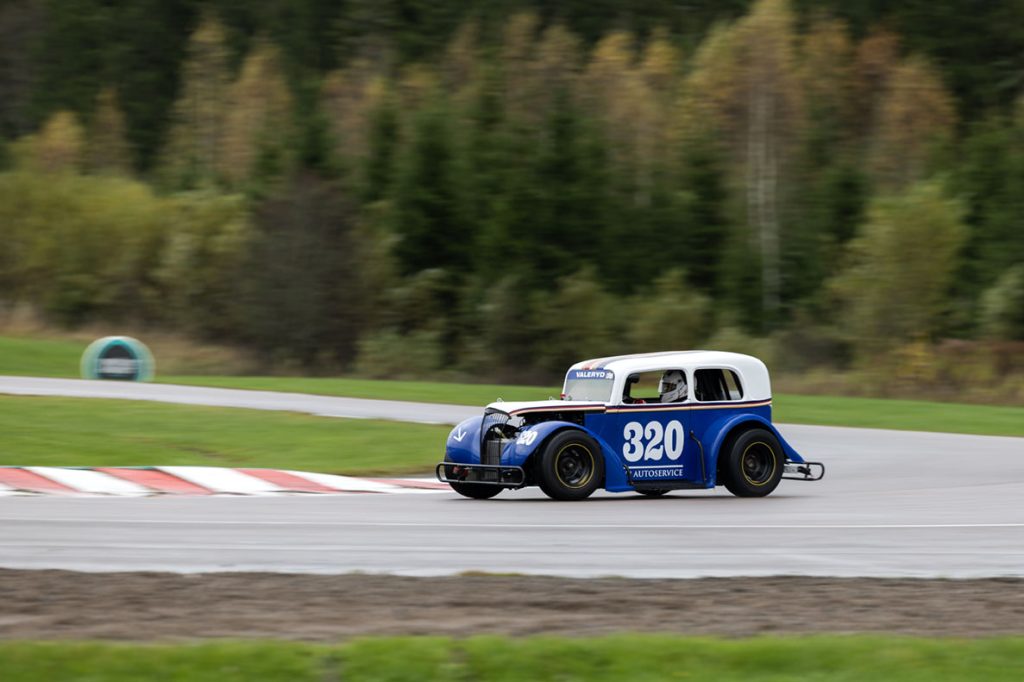
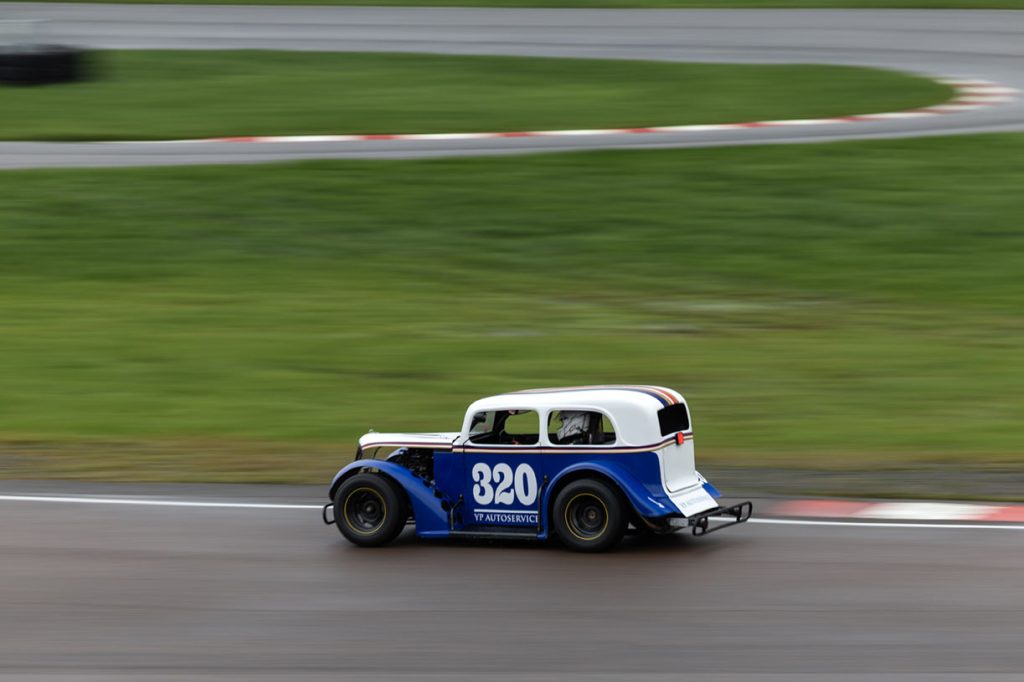
Legends Racing is a racing class with roots in the USA. The cars are inspired by American models from the 1930s and 1940s, but beneath the classic bodies lies pure racing technology. The cars are small, lightweight and built around a tubular chassis. The engine comes from Yamaha And it is originally designed for motorcycles. The gearbox is a six-speed sequential transmission. You shift up by moving the lever forward and then pulling it back to shift up. When shifting up, you do not need to use the clutch; when shifting down, you do. There are no modern electronic aids. No ABS, no anti-lock system and no traction control. The driver has to do the work.
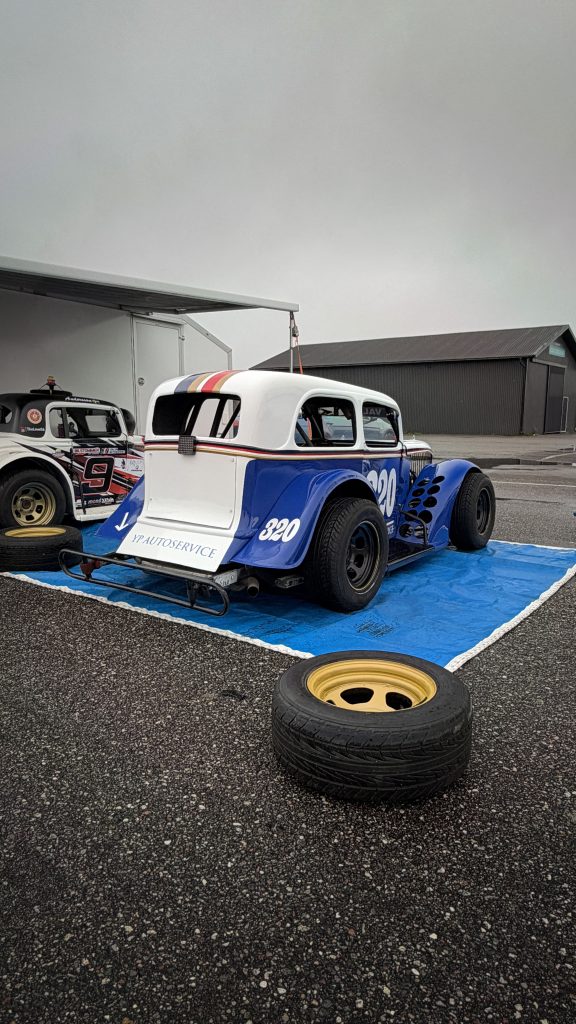
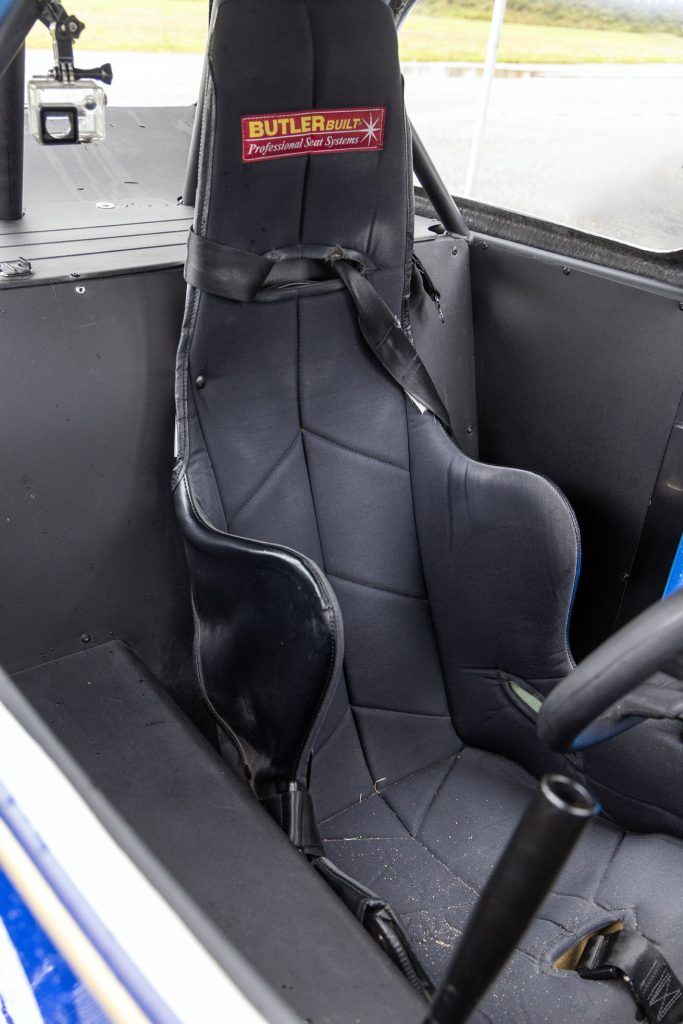
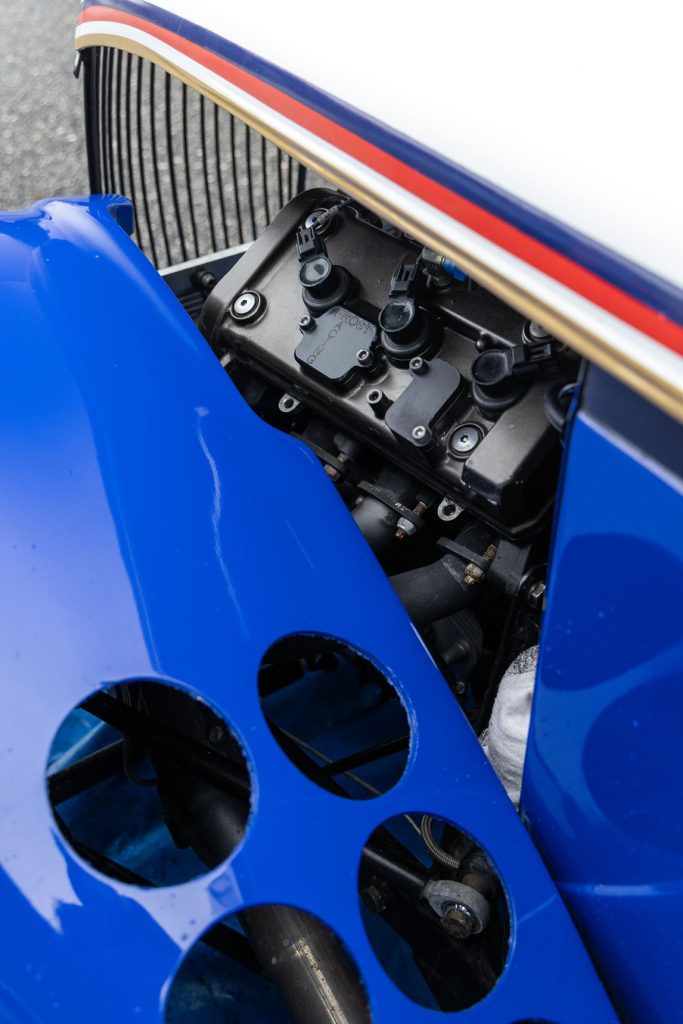
My first test drive of a Legends car
The weather could hardly have been more challenging. The rain poured down over Gelleråsen and the track was thoroughly wet. I would have to do two runs of 15 minutes each. Getting into a Legends car is an experience in itself. Everything is small, compact, and built with one purpose: to race fast on the track. But before I could even start, a problem arose. The clutch! Unlike a regular car, there is basically no traction mode to work with. Either it is in or it is out. This made the start significantly more difficult than I had imagined. The first time it ended with the car having to be pushed forward. Not exactly the most impressive start of my Legends career.
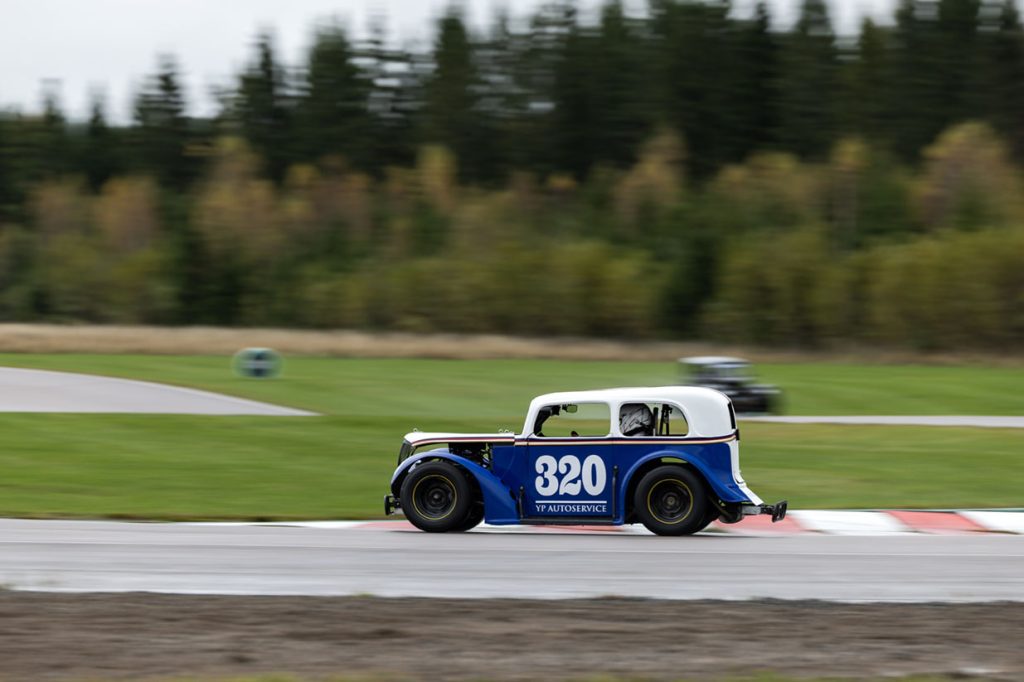
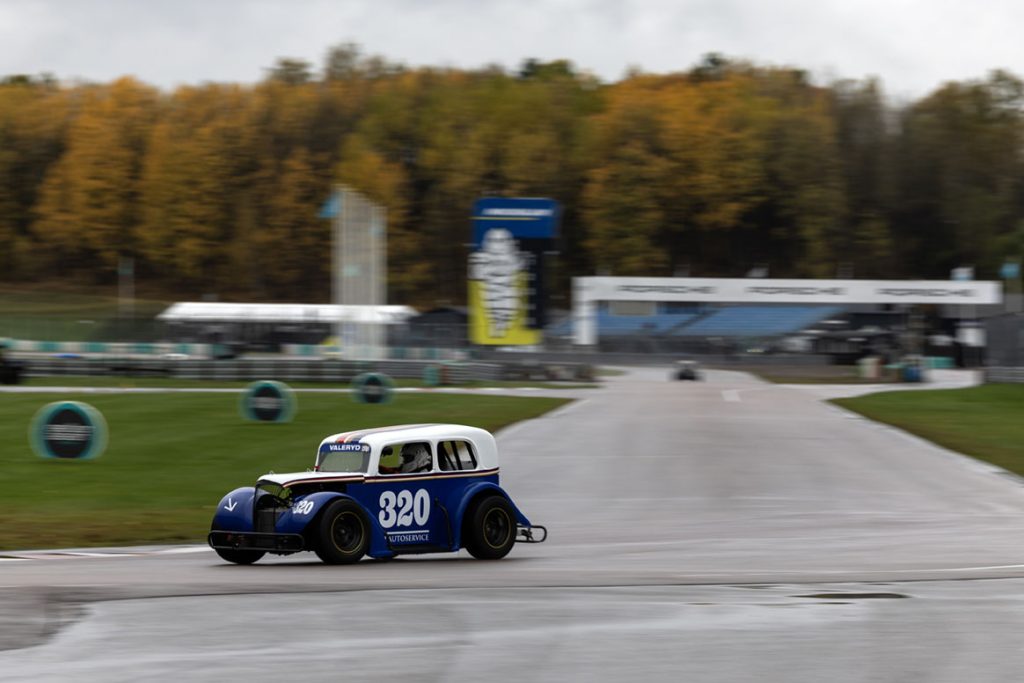
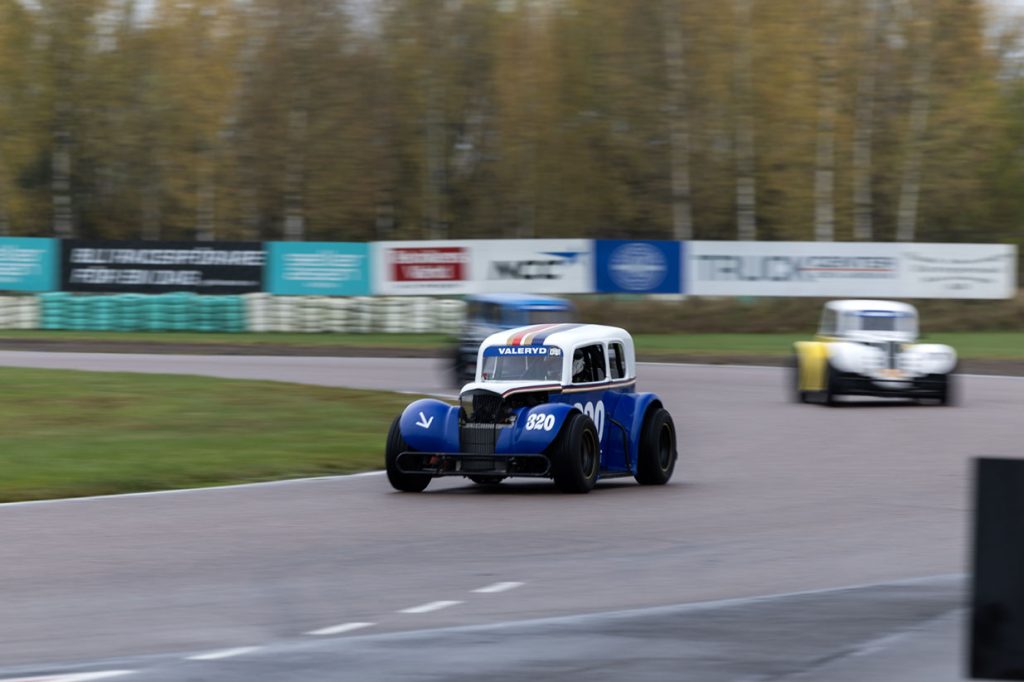
Legends Racing requires full concentration
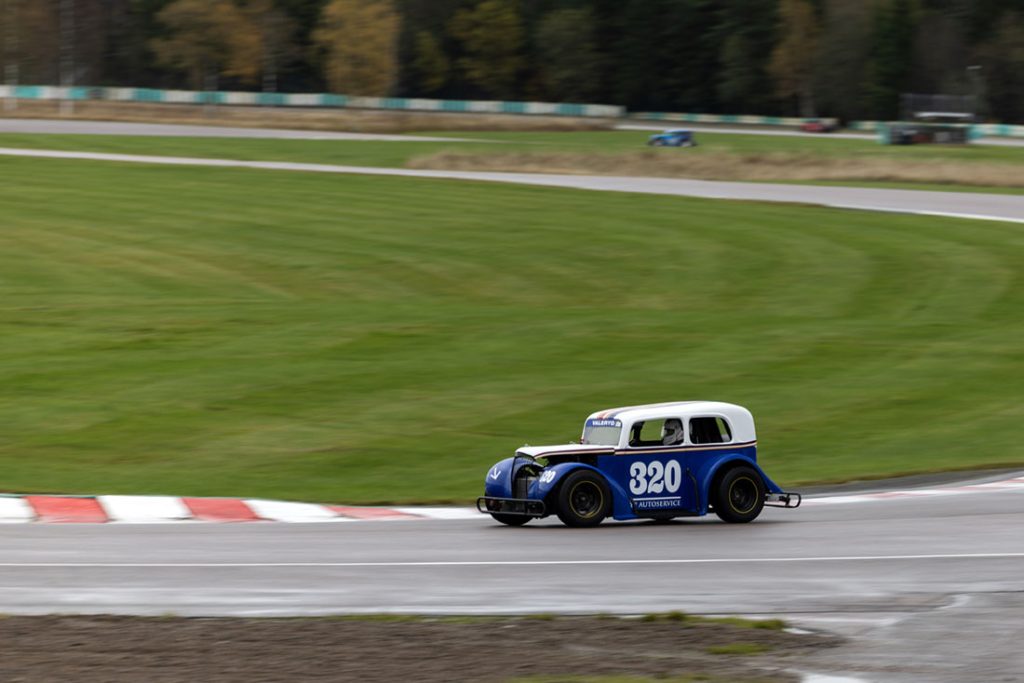
Once out on the track, I started to understand what Legends Racing is about. The short wheelbase, the low weight and the lack of electronic aids make the car react immediately to everything you do. On a wet track, this becomes especially clear. If you brake too hard, the wheels lock up. If you’re too eager with the throttle or choose the wrong gear, the rear end can quickly start to move. It’s all about being smooth, focused and constantly feeling how much grip there actually is. At the same time, it was incredibly fun.
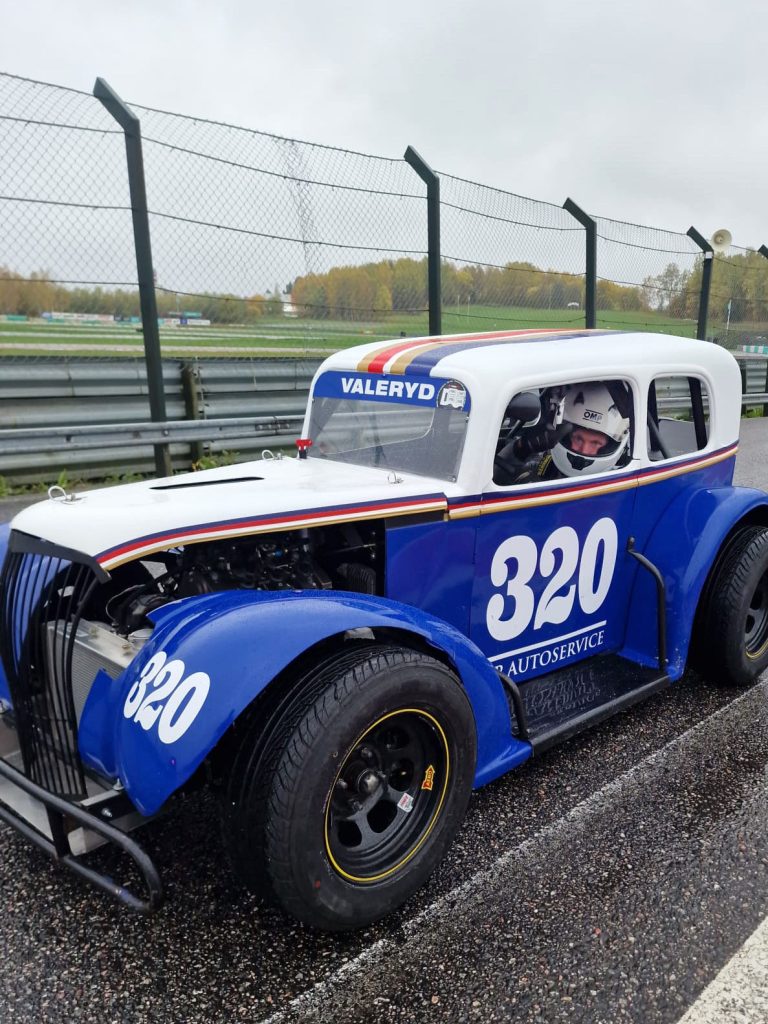
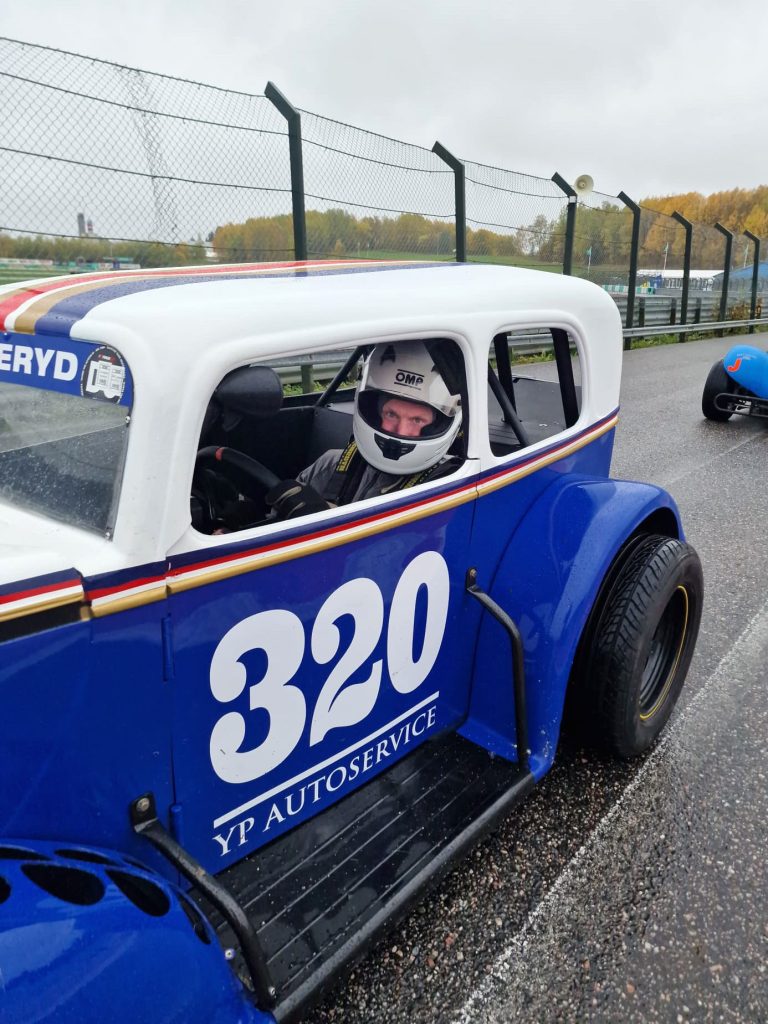
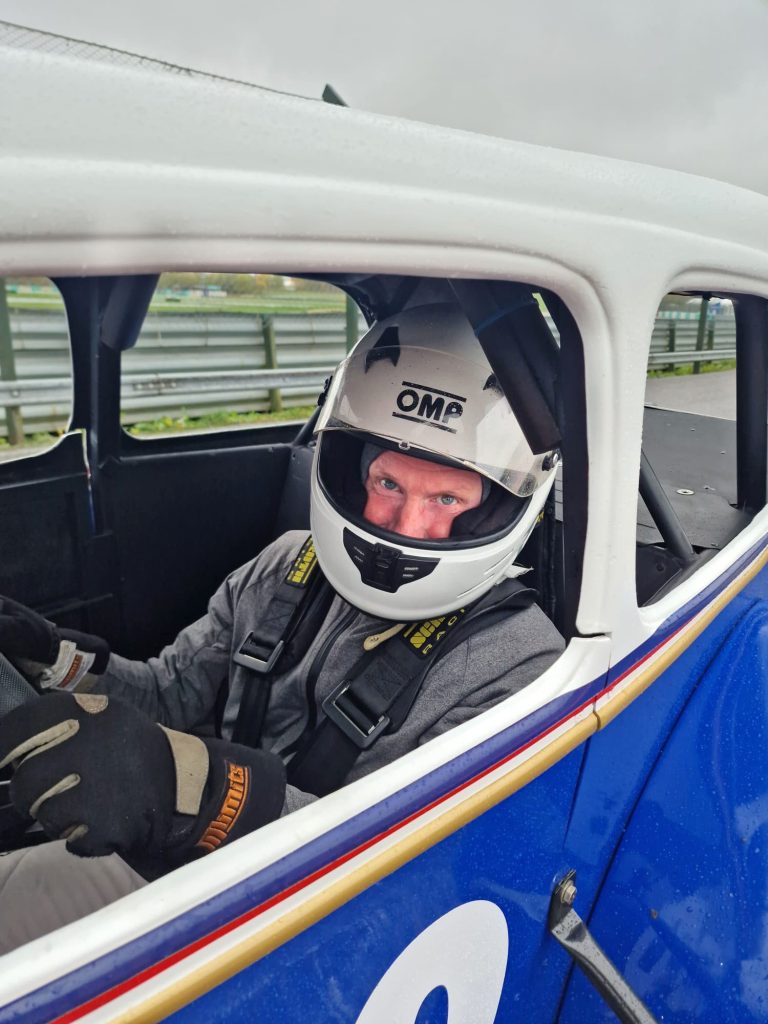
Before I set off on the track, I had also received an important instruction from Daniel. If I were to turn and the car started rolling backwards, I had to immediately engage the clutch. The reason is that, as I was told, the starter motor is always mechanically connected. Therefore, if the car starts rolling backwards with the gearbox engaged, you risk destroying it. Then all you have to do is replace the starter motor, and I really didn’t want to be the reason for that to have to be replaced on Daniel’s car.
During a large part of my first driving lesson, there was also a yellow flag, which limited my ability to truly explore the car's capabilities. But it also made it possible for me to concentrate on getting to know the car. The rear view mirrors were small and not very well adjusted for me, which made it difficult to keep an eye out in the rear.
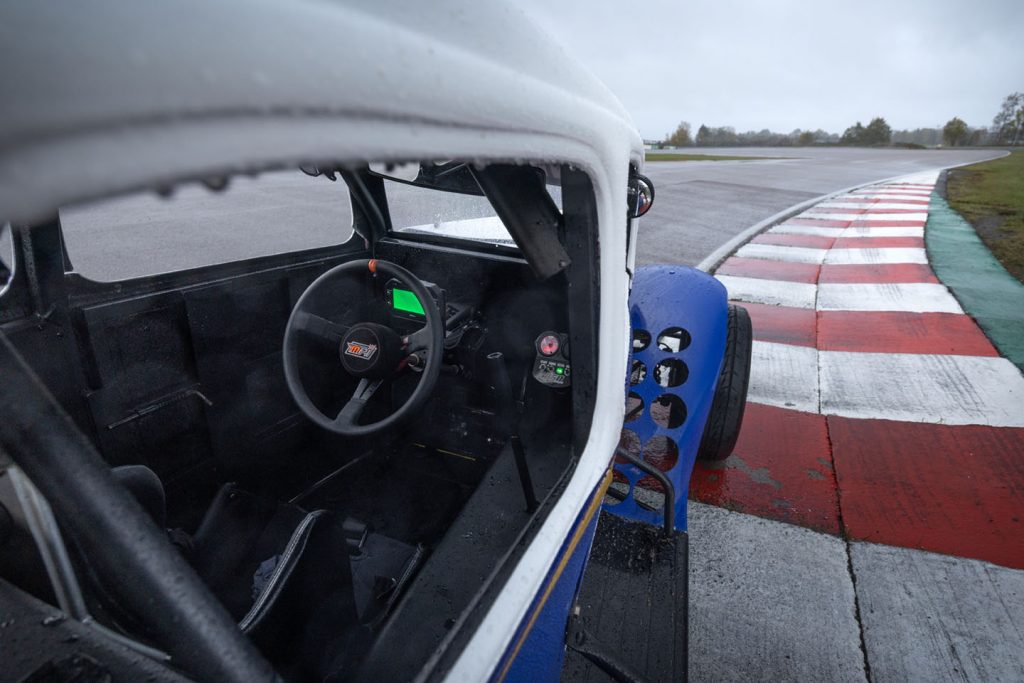
The second pass in the Legends car, now it's starting to loosen
By the second lap, I had at least started to understand how the connection worked. And this time, I actually managed to start the car myself. Not just once, but several times. It might sound like a small thing, but after the problems during the first lap, it felt like a real victory. I also started to become more comfortable with the gearbox and the car’s reactions. There’s something quite special about driving such a stripped-down racer. Here, there’s nothing to hide what’s happening between the tires and the asphalt. You feel everything. And despite the difficult conditions, I managed to complete both laps without spinning or skidding off the track.
From Blocket to the race track
It’s quite fascinating how things can develop. A motorcycle accident made me decide to sell my gear. A pair of motorcycle boots from Alpinestars ended up on Blocket. Daniel bought them and just a few weeks later I was behind the wheel of his Legends race car on Gelleråsen. It was an experience I had not anticipated. A big thank you to Daniel Yasdani for the trust to drive his car and for a fantastic day at Gelleråsen.
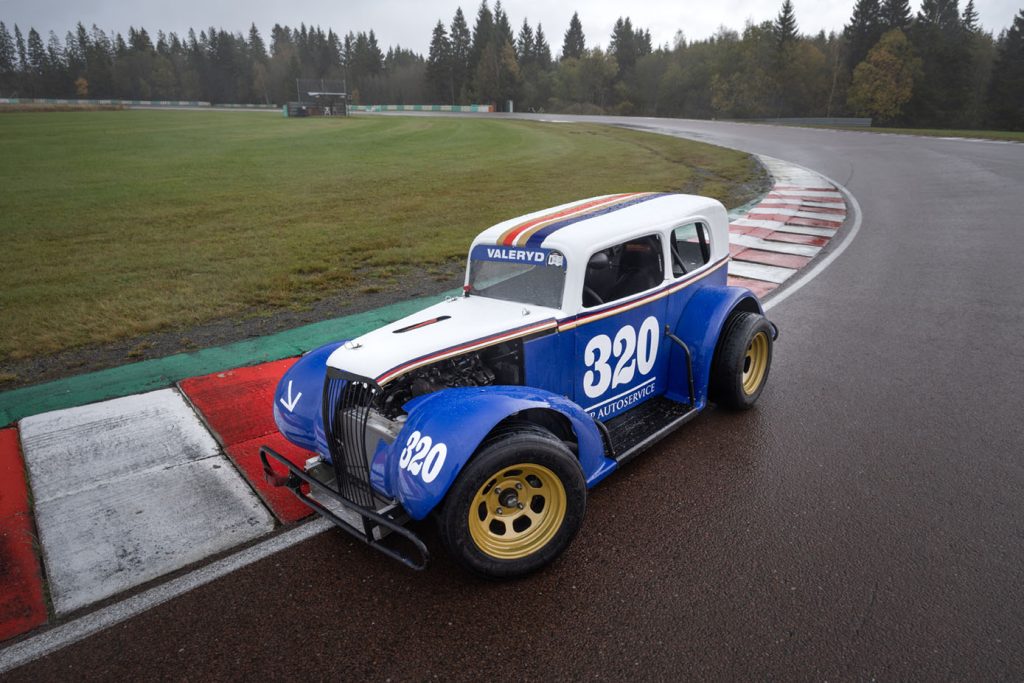
Technical specification
Legends Racing
Manufacturer: U.S. Legend Cars International
Chassis: Steel frame
Kaross Glass fiber, 5/8 scale American cars from the 1930s and 1940s
Engine: Yamaha, 3- or 4-cylinder motorcycle engine
Volume of the cylinder: 847–1,250 cm³ depending on engine version
Effect: Approximately 125–140 hp depending on engine version
Gearbox 5- or 6-speed sequential
Drifting: Rear-wheel drive
Acceleration: 0–100 km/h in about 4–5 seconds
Top speed: Over 200 km/h depending on the gear ratio
Weight: Approximately 470 kg without driver
Length: Approximately 3,200 mm
Width: Approximately 1,500 mm
Height: Approximately 1,200 mm
Wheel base: 1 854 mm
Brakes: Disc brakes front, drum brakes rear
Electronic aids: No ABS, anti-lock brakes or traction control
 English (UK)
 Svenska
Leave a Reply