
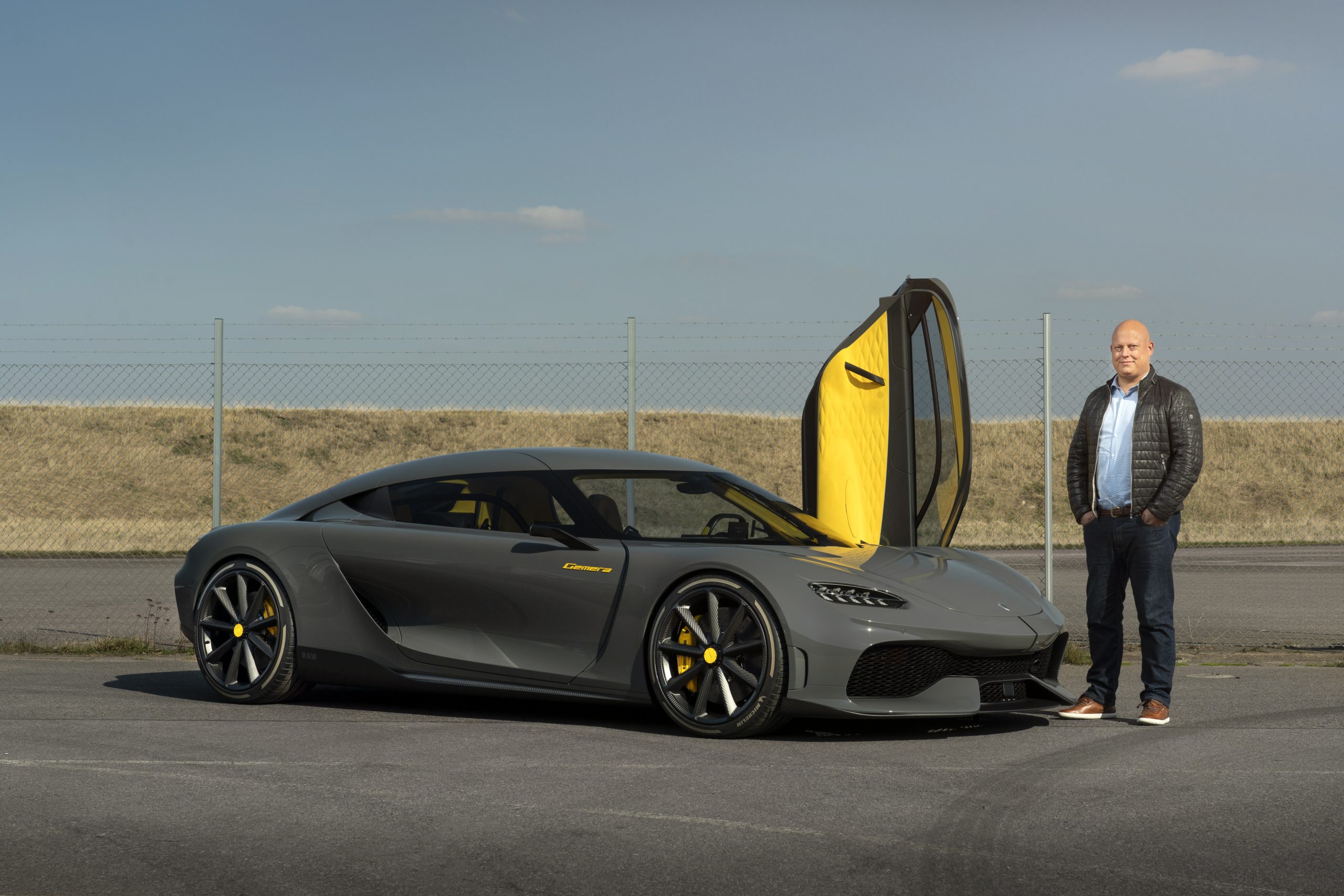
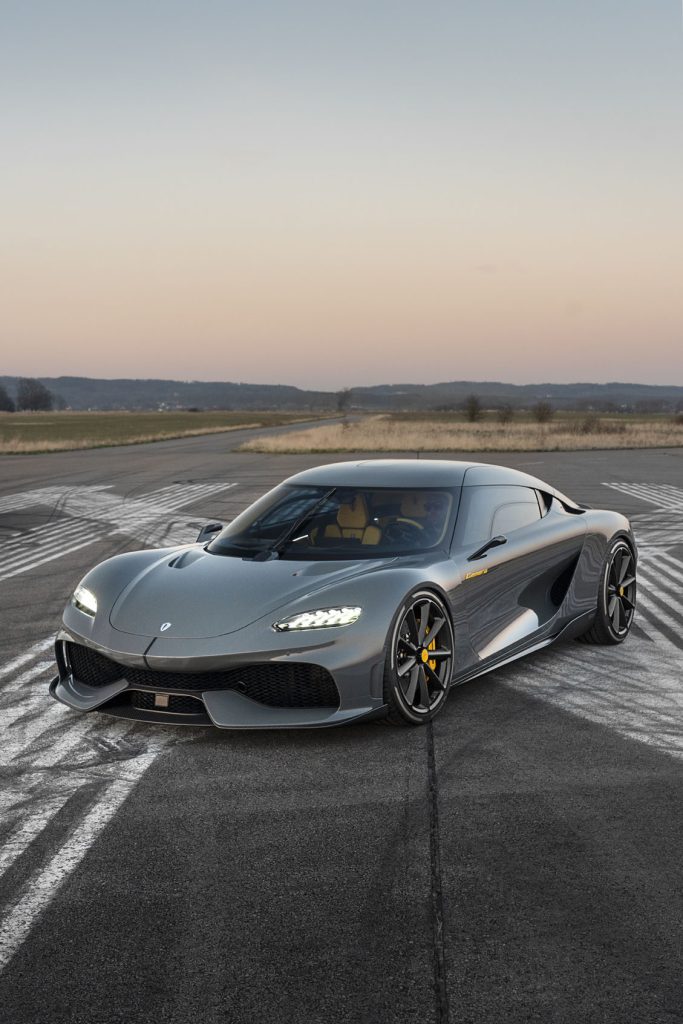
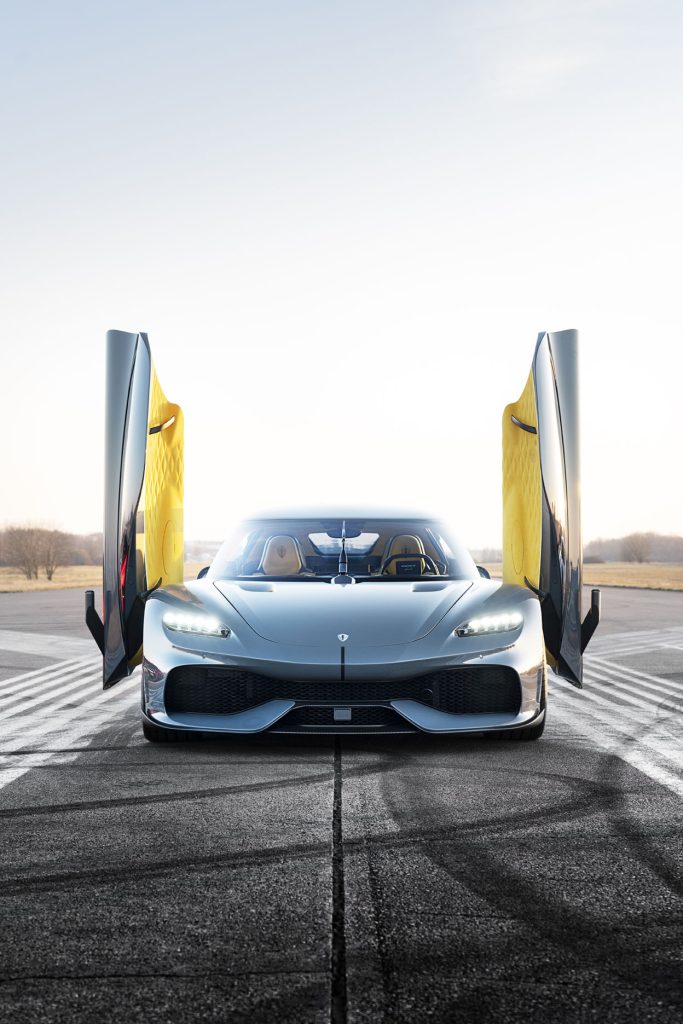
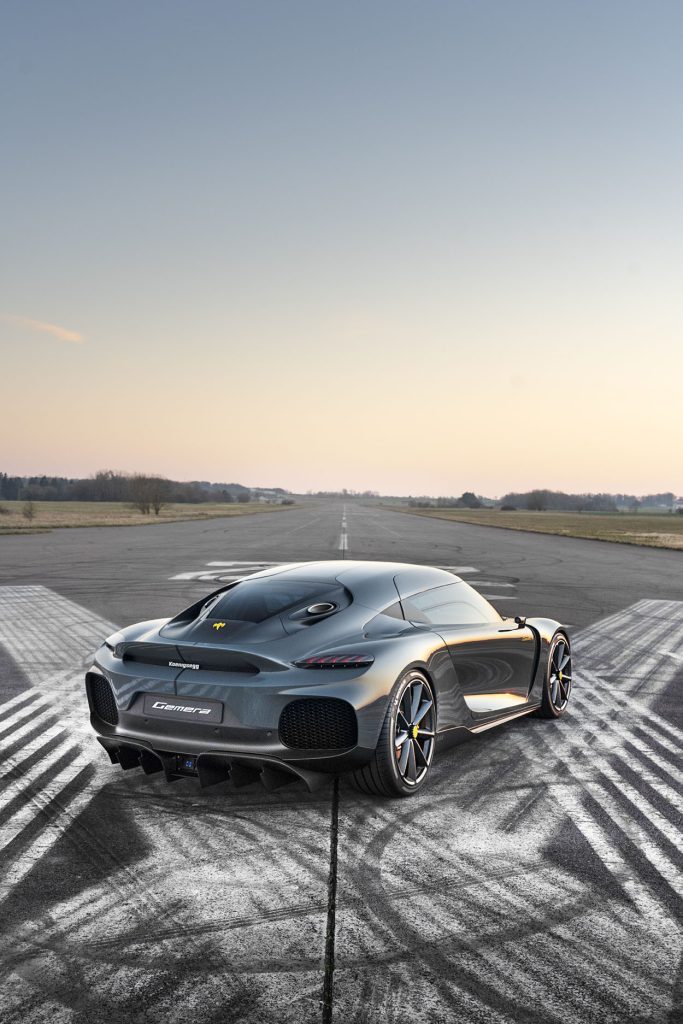
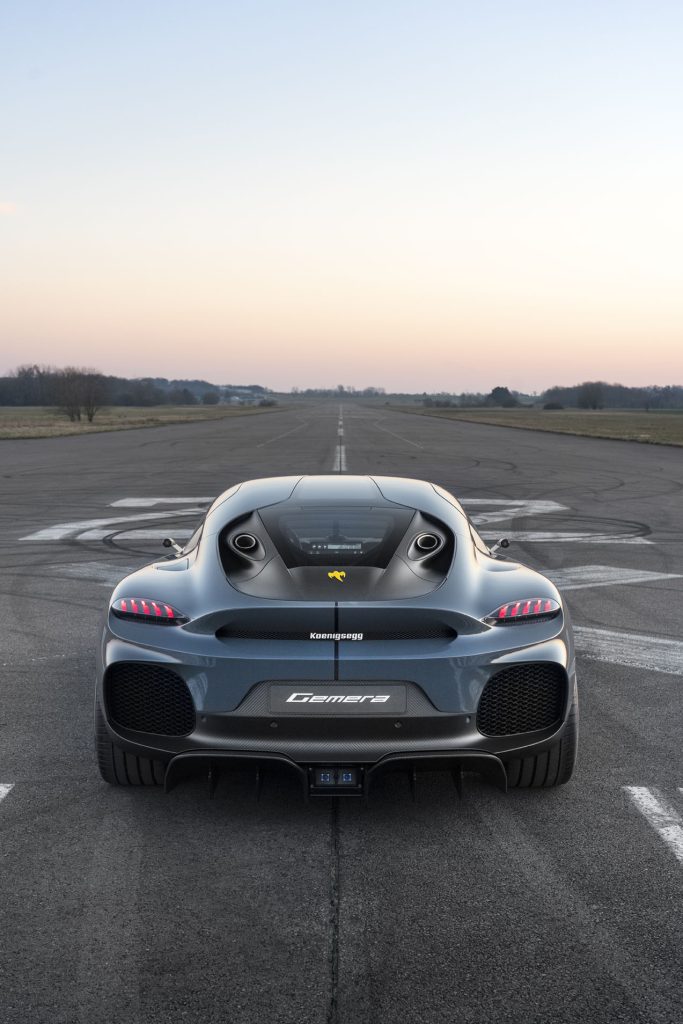
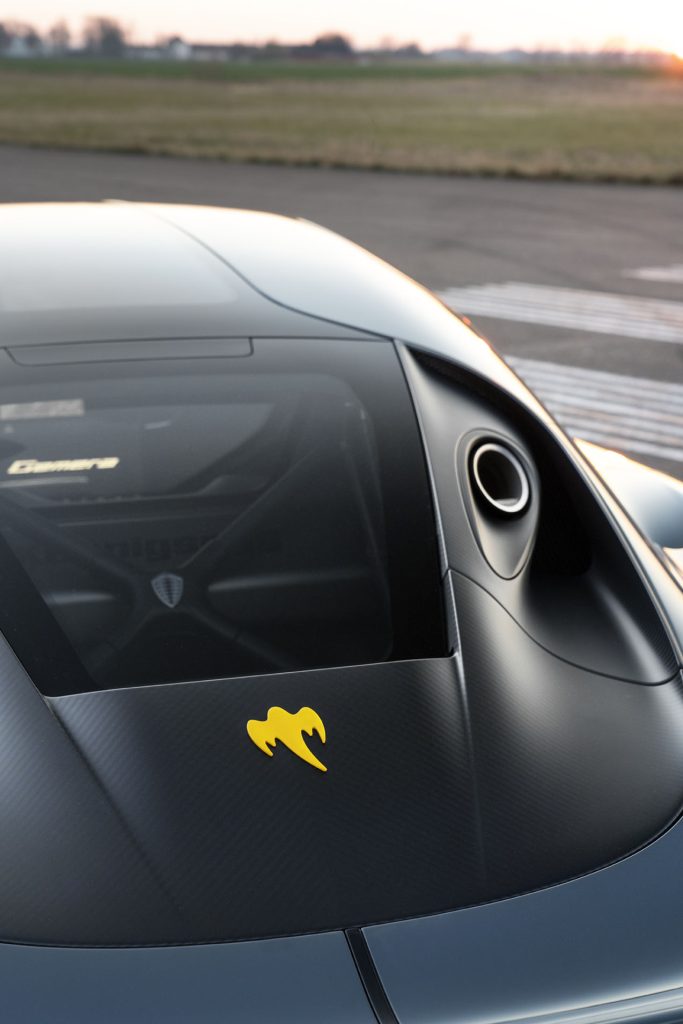
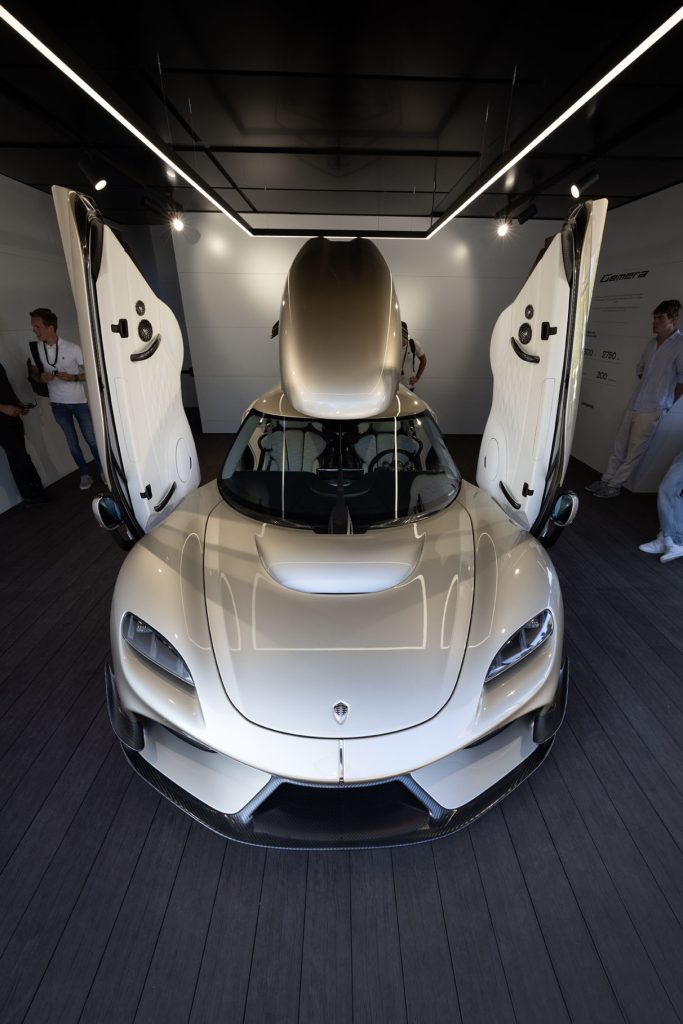
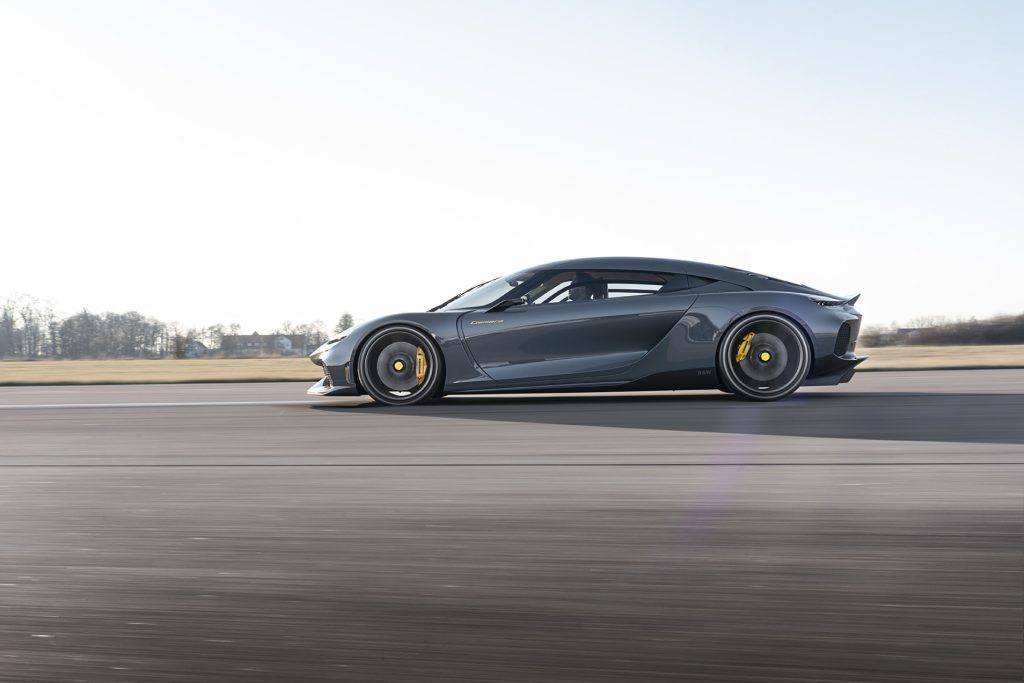
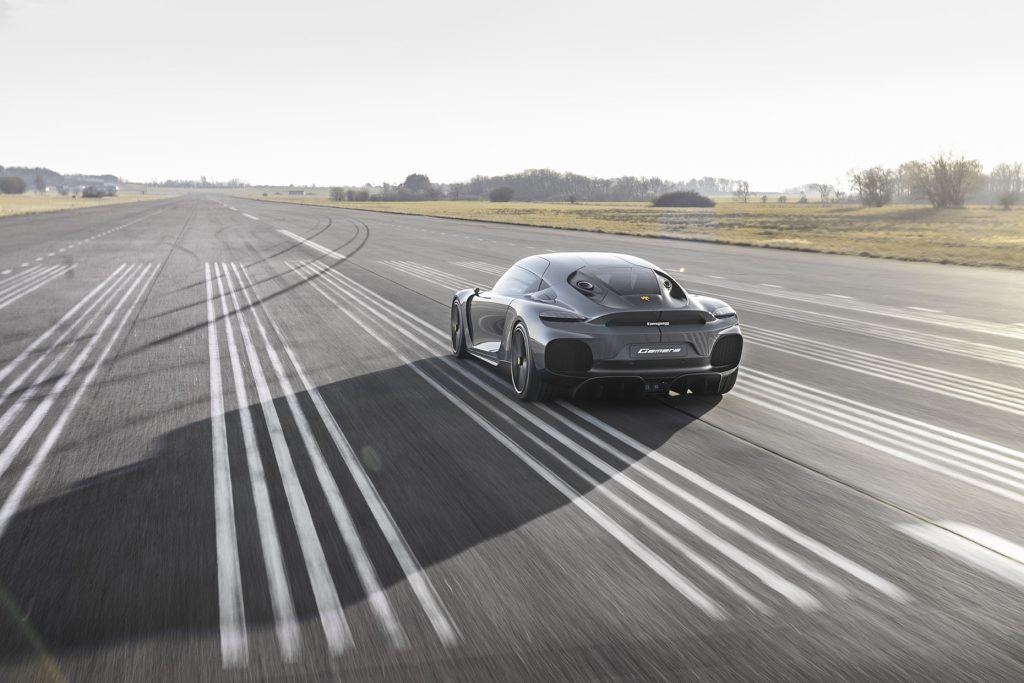
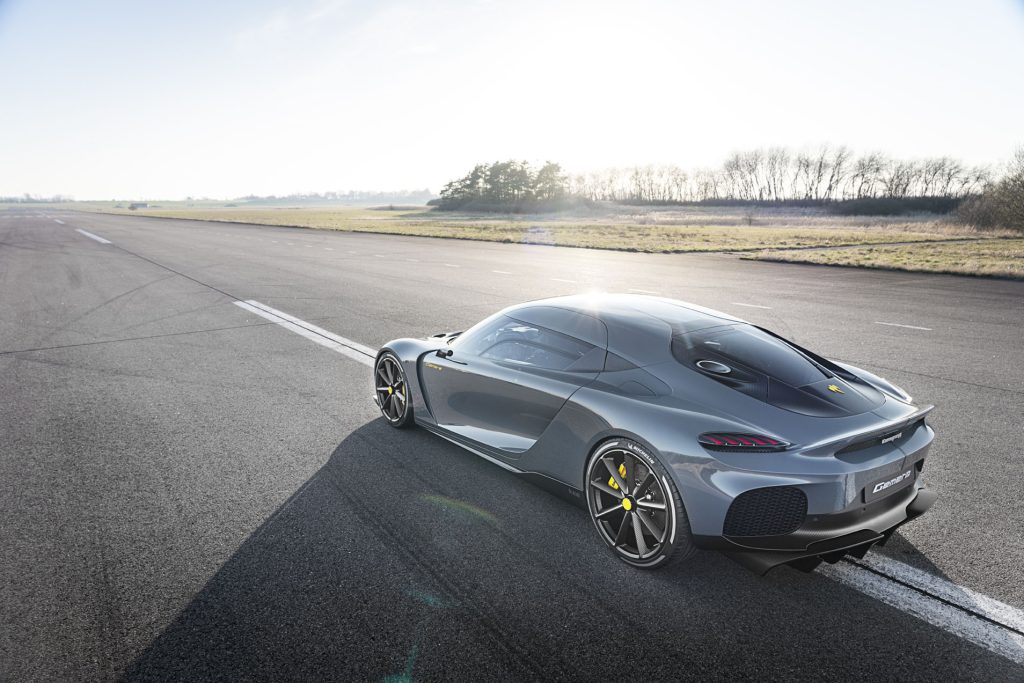
The Koenigsegg Gemera is one of the most unique hypercars ever created. A four-seater megacar that combines extreme performance with a completely new type of usability.
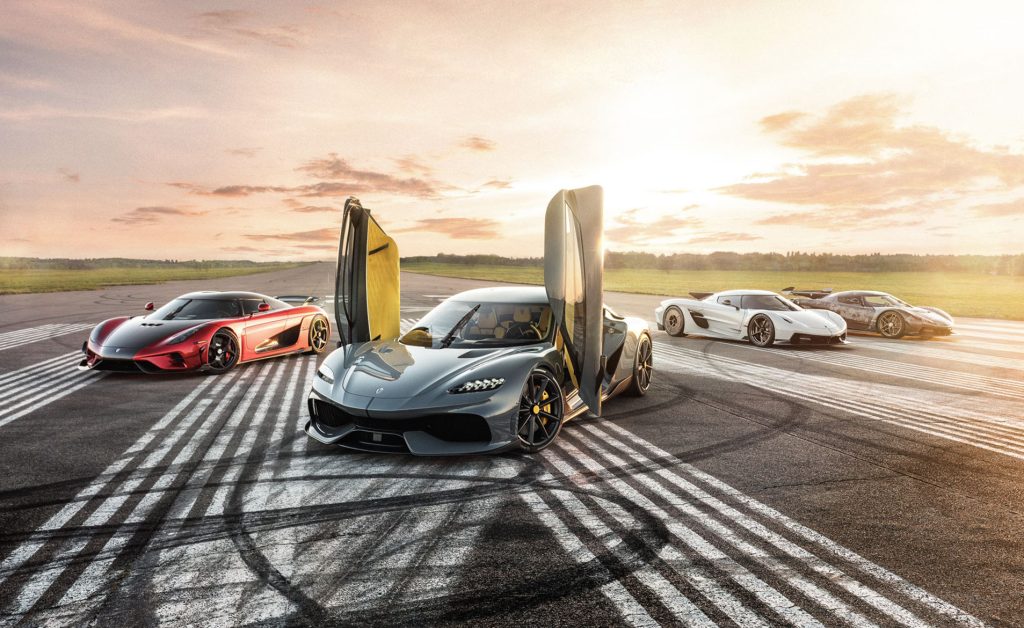
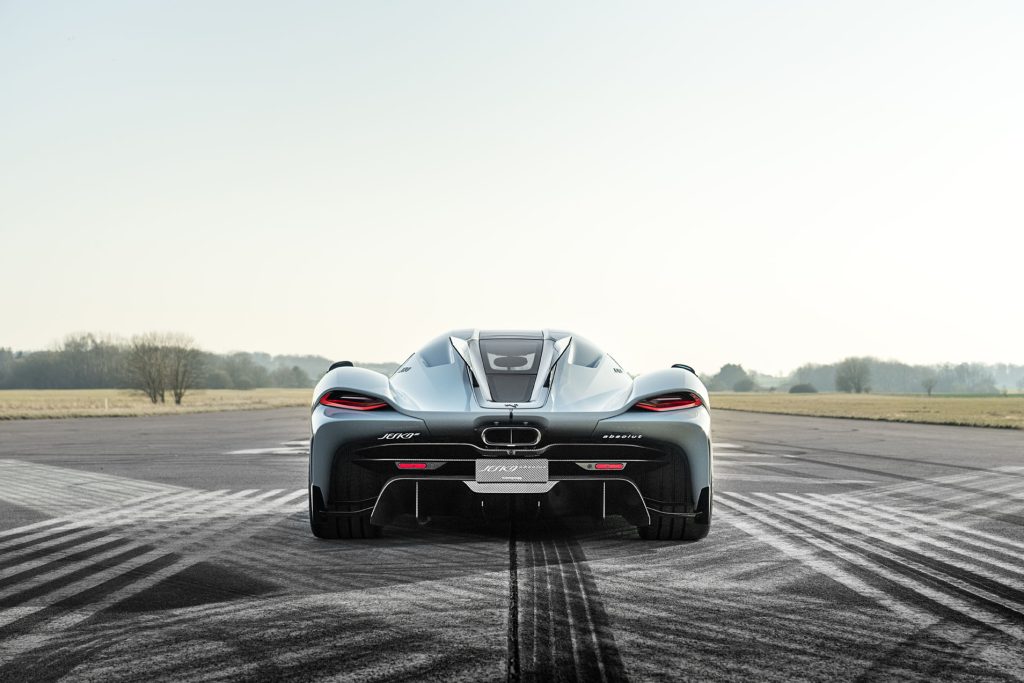
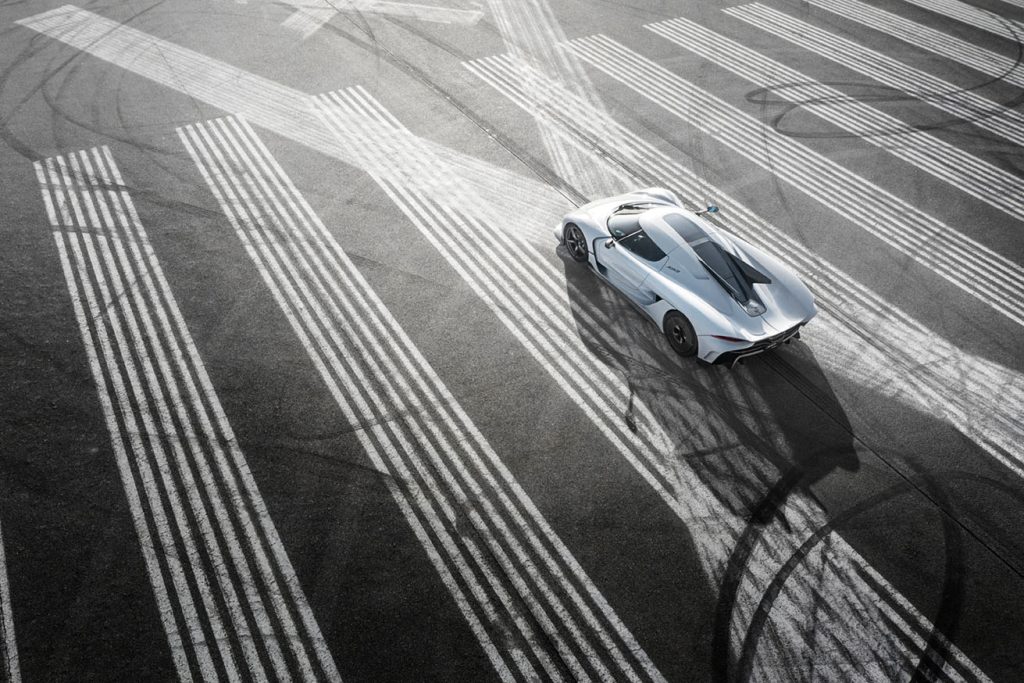
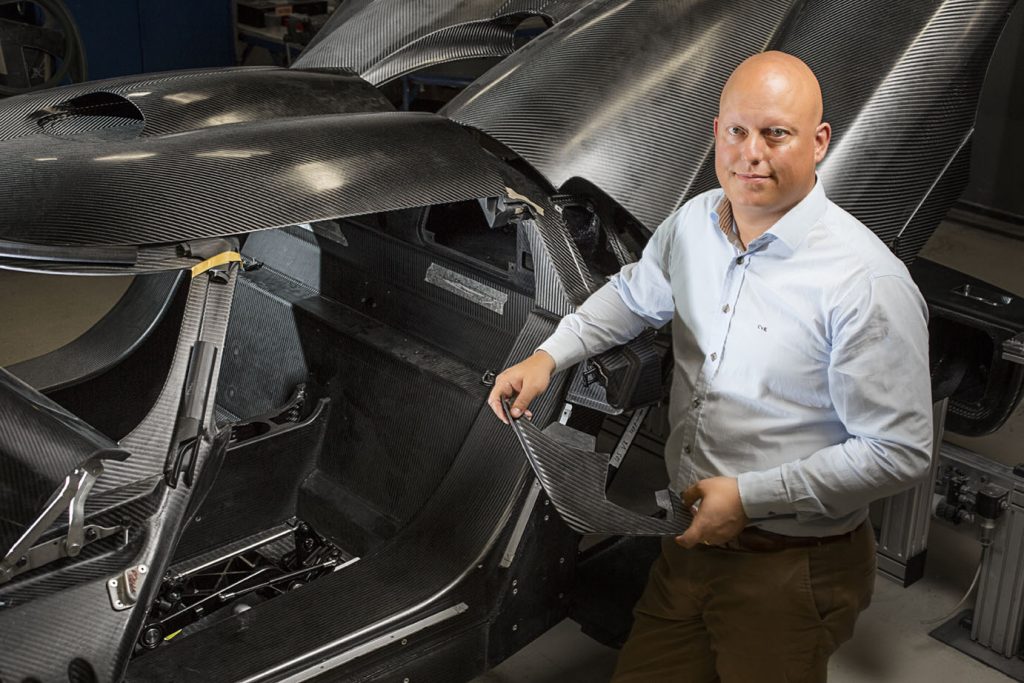
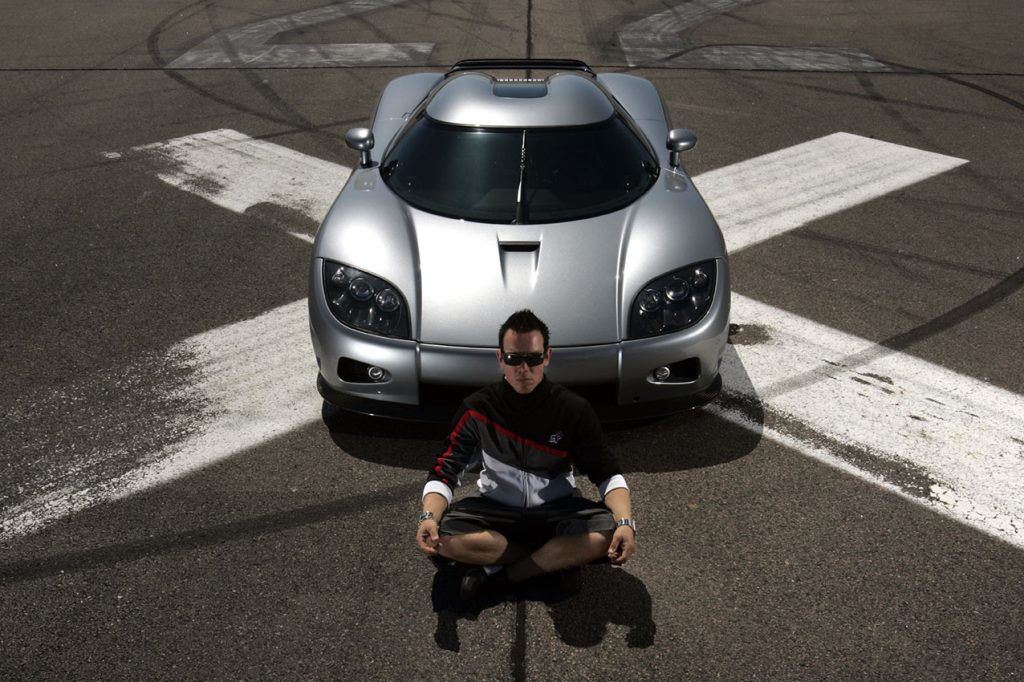
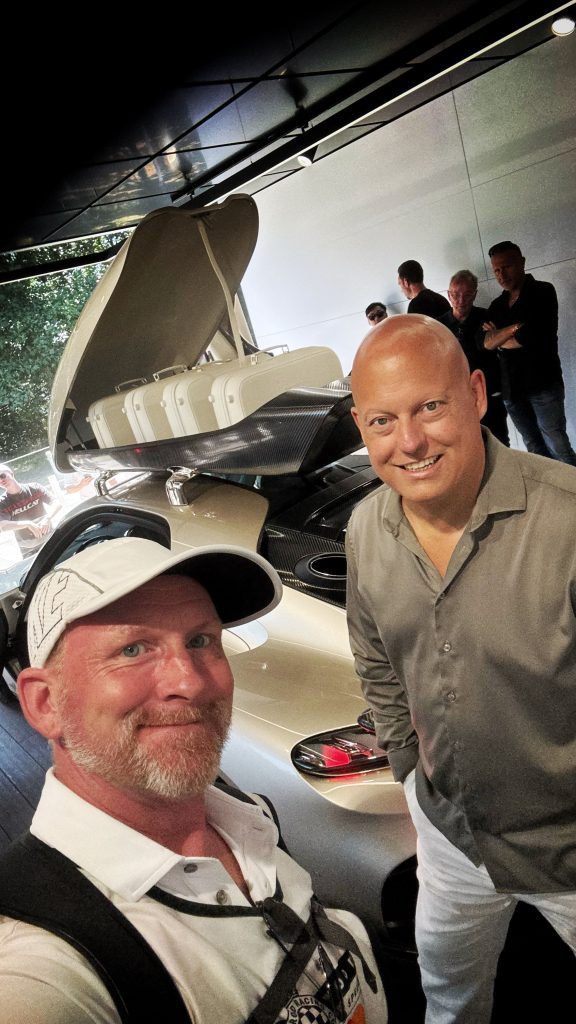
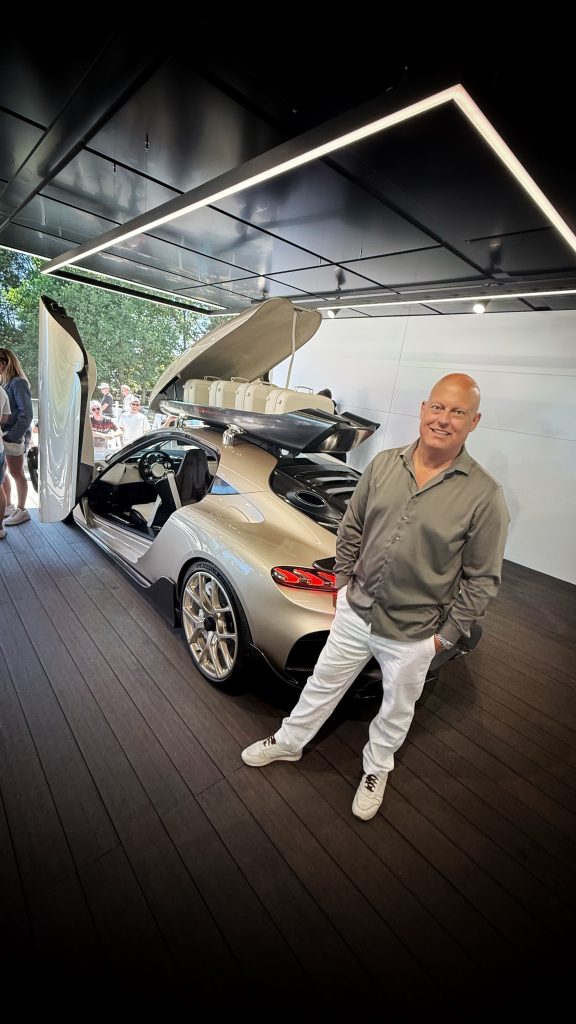
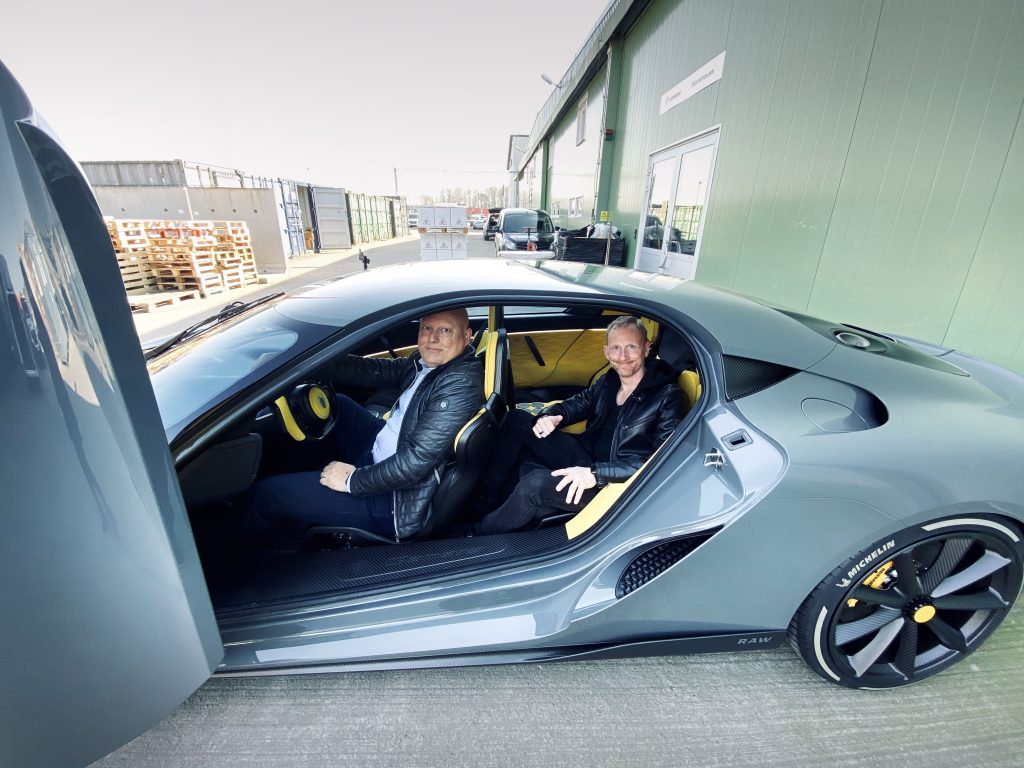
I photographed Koenigsegg Gemera, already in 2020, before the model had even been unveiled. Now, six years later, as the car enters series production, it feels natural to revisit the meeting with Christian von Koenigsegg and the photoshoot of the Gemera.
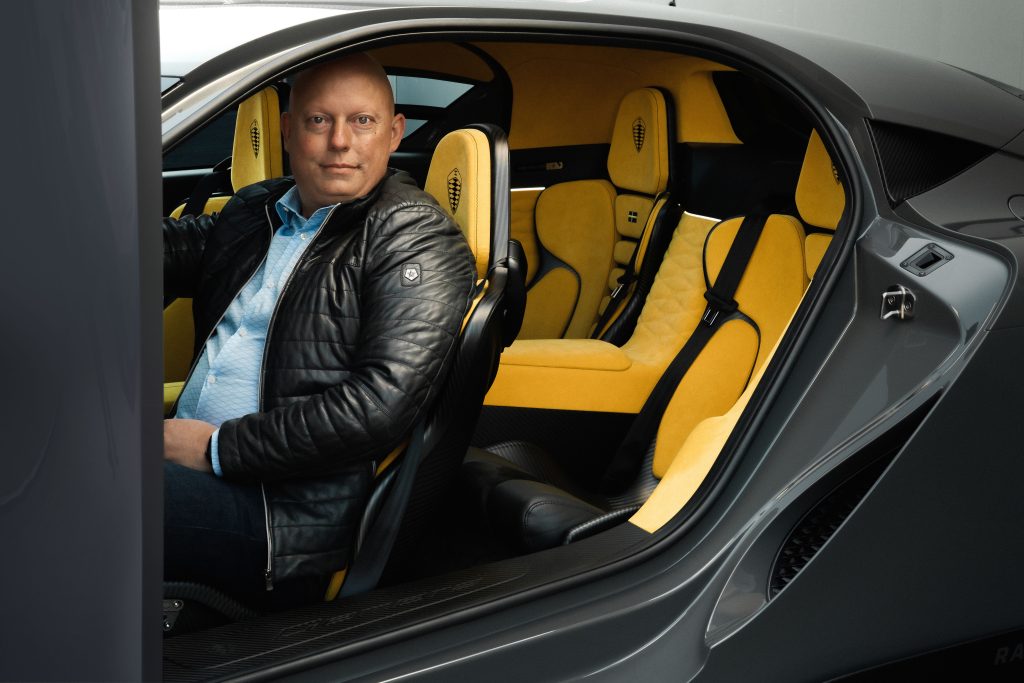
Since then, I have continued to follow the company's journey, most recently in my Article about Koenigsegg Automotive 30 years, a milestone that clearly shows how far the company has come since its inception in 1994.
This article is based on an interview and photoshoot from 2020, and has now been updated with more images from the photoshoot and thoroughly revised in its entirety.
This means that certain statements and information reflect the situation at that time.
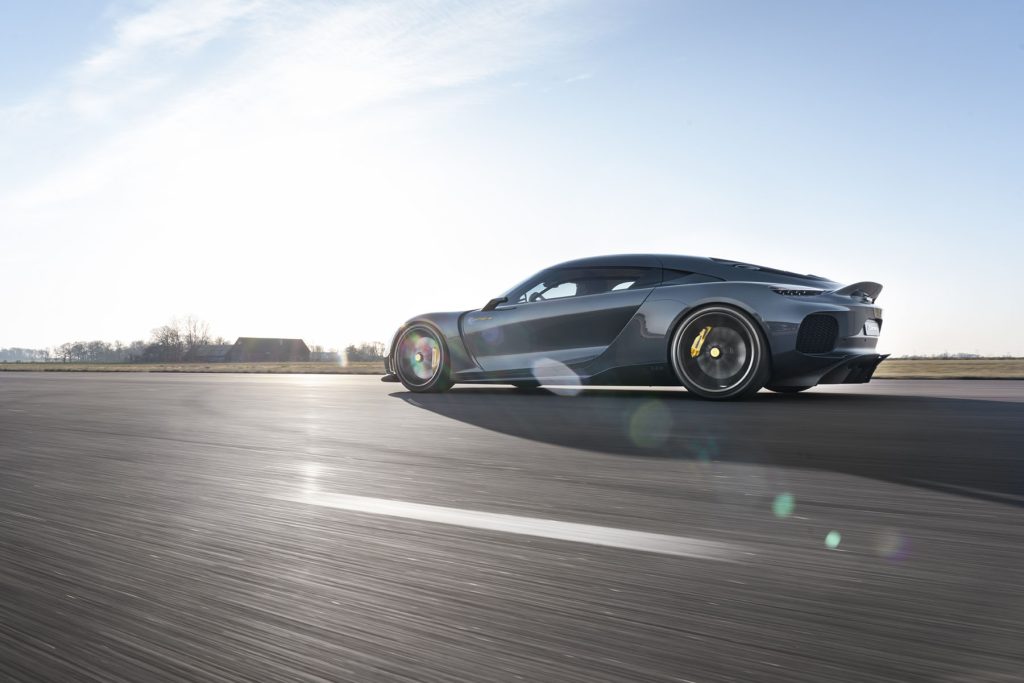
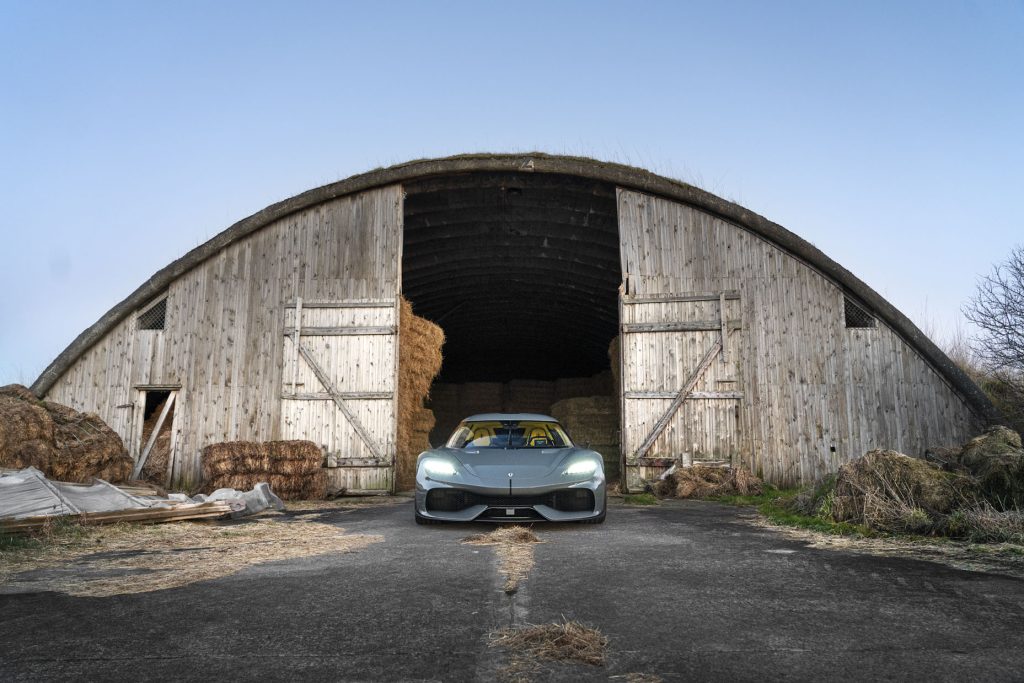
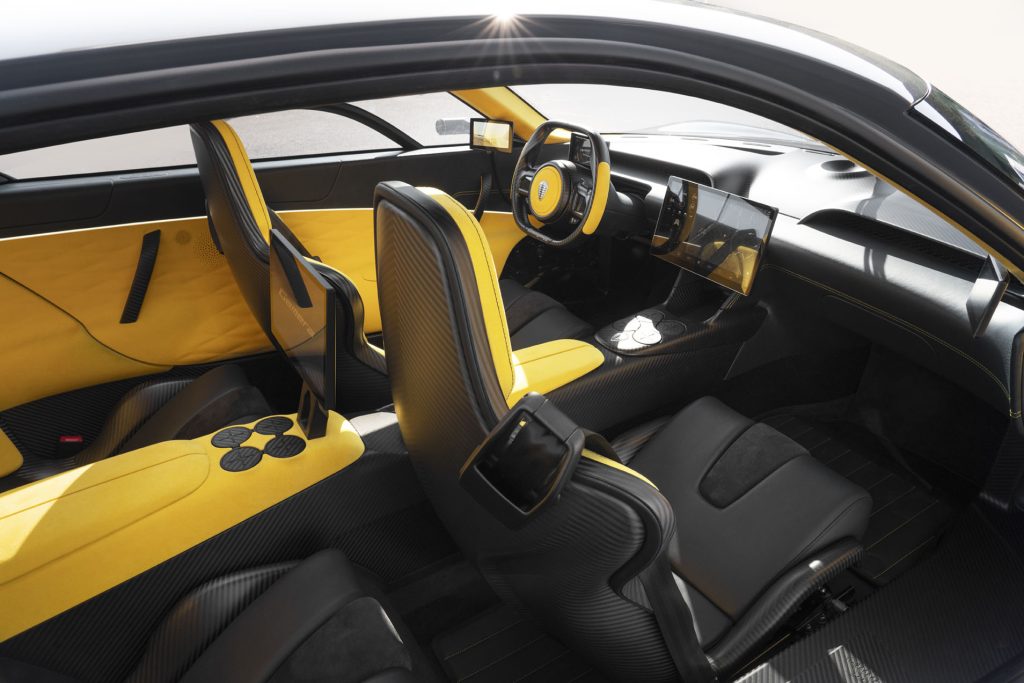
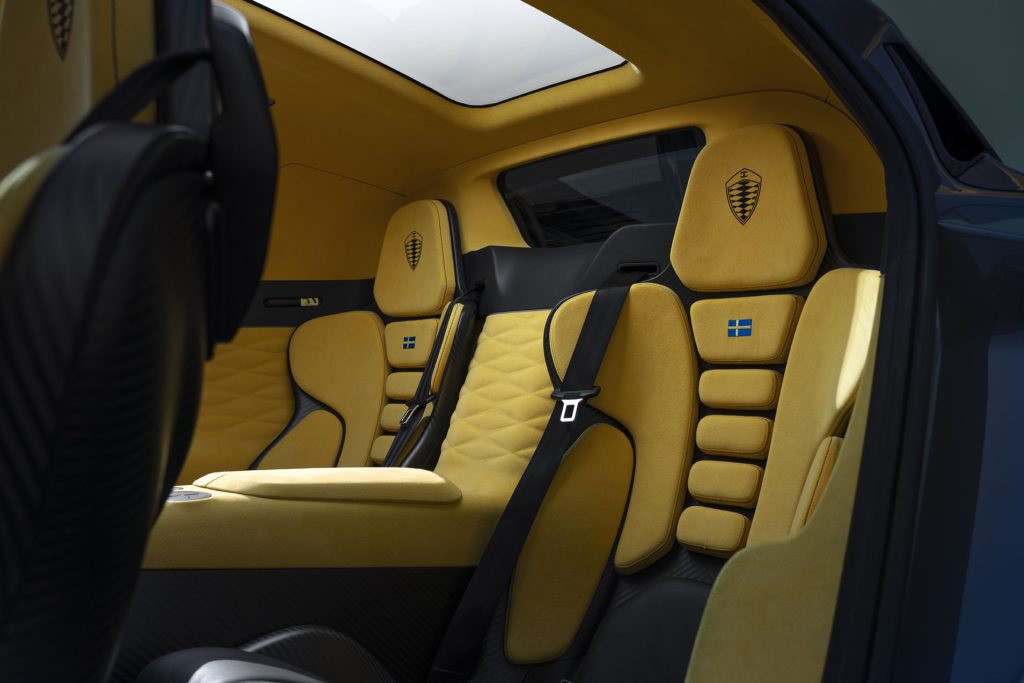
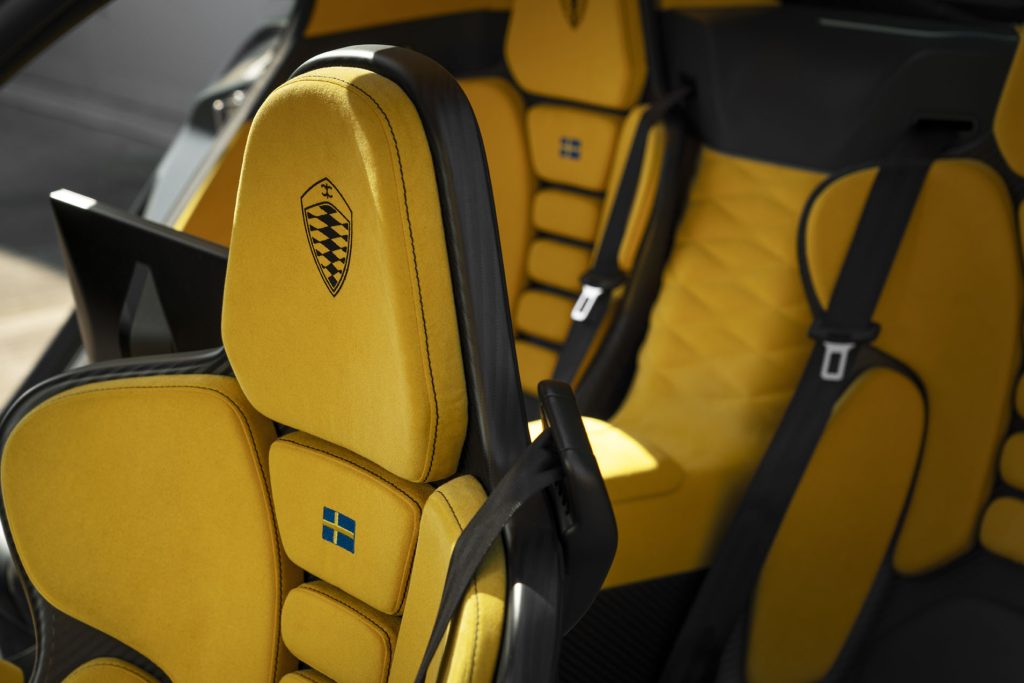
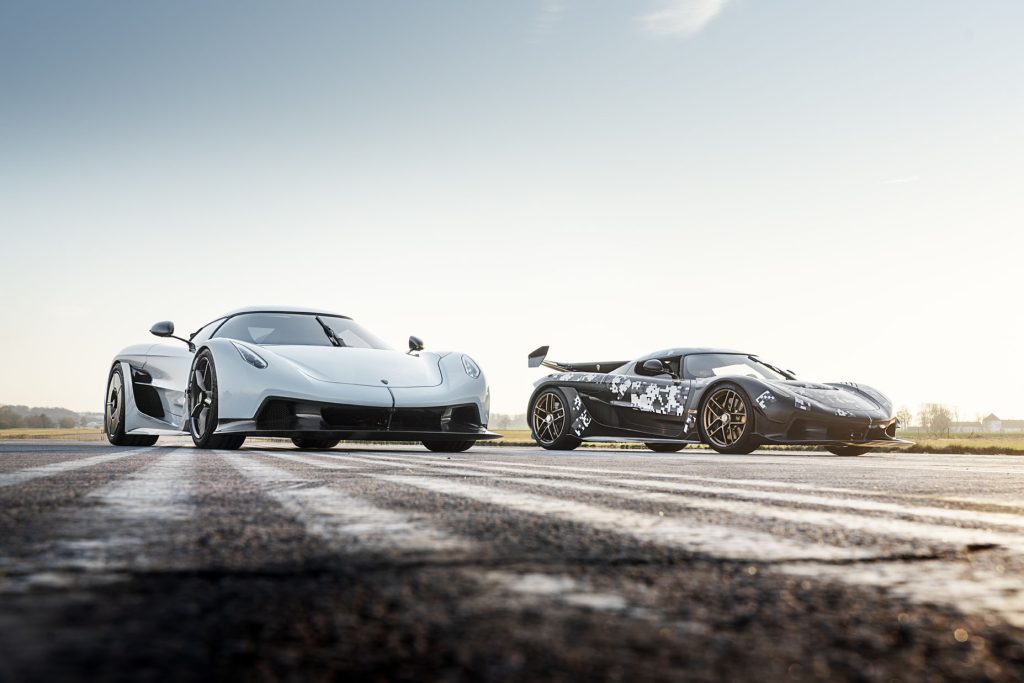
At the same time, I also photographed the Koenigsegg Jesko before its Geneva premiere – a completely different interpretation of what a Koenigsegg can be. I tell that story in my report on the Koenigsegg Jesko here on CarsCollection.
A family business with global weight
The family business that, after having gone through setbacks and trials, shines today brighter than many other stars in the automotive sky.
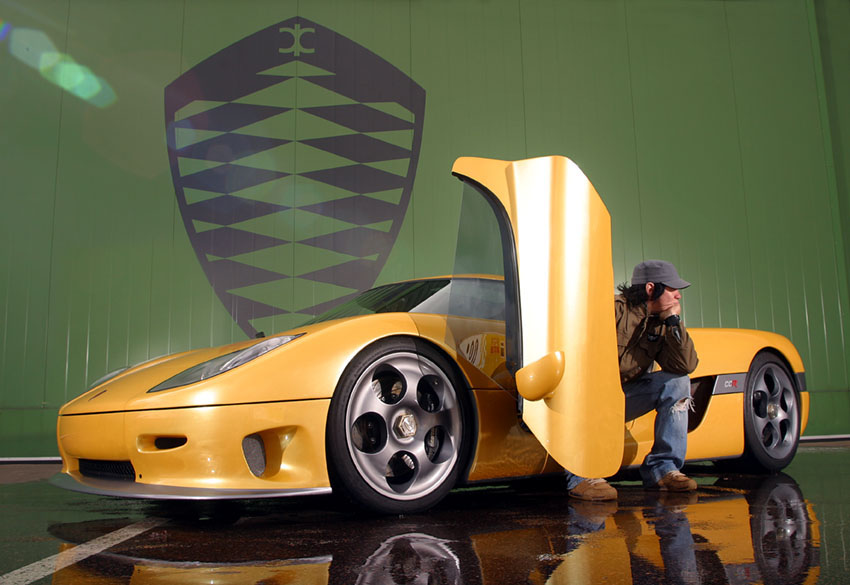
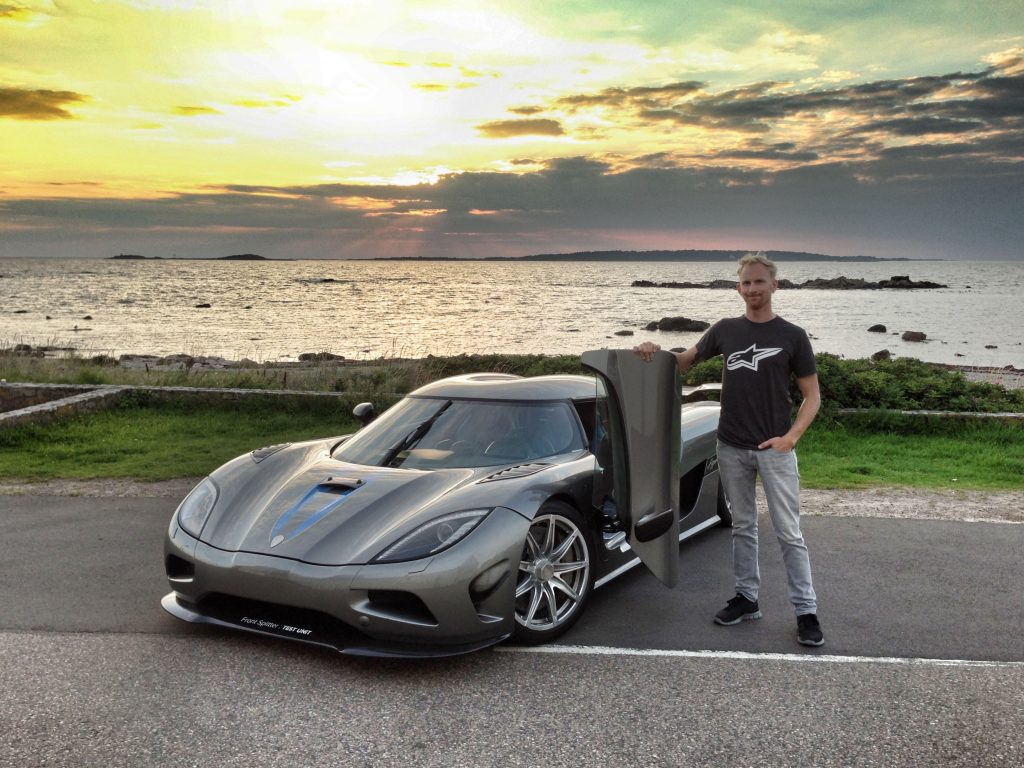
For over fifteen years, I've had a close relationship with the family business from Ängelholm. At the time of the interview, six years ago, Koenigsegg was celebrating its 25th anniversary. Over the years, there have been many visits, test drives, and photo shoots at the factory – including in connection with my test drive of Koenigsegg Agera R.
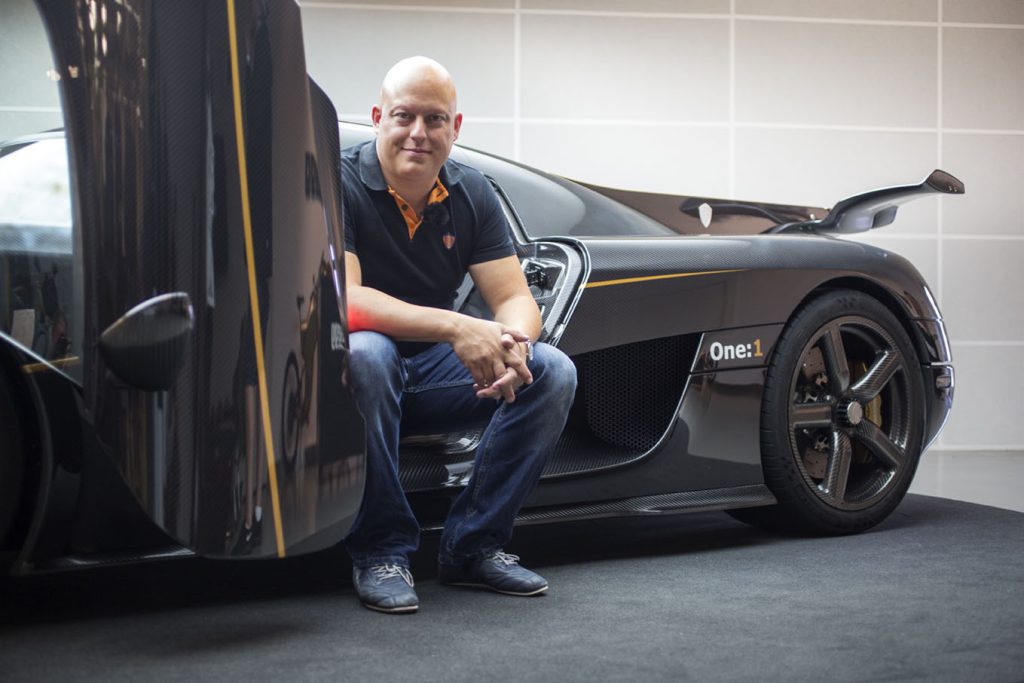
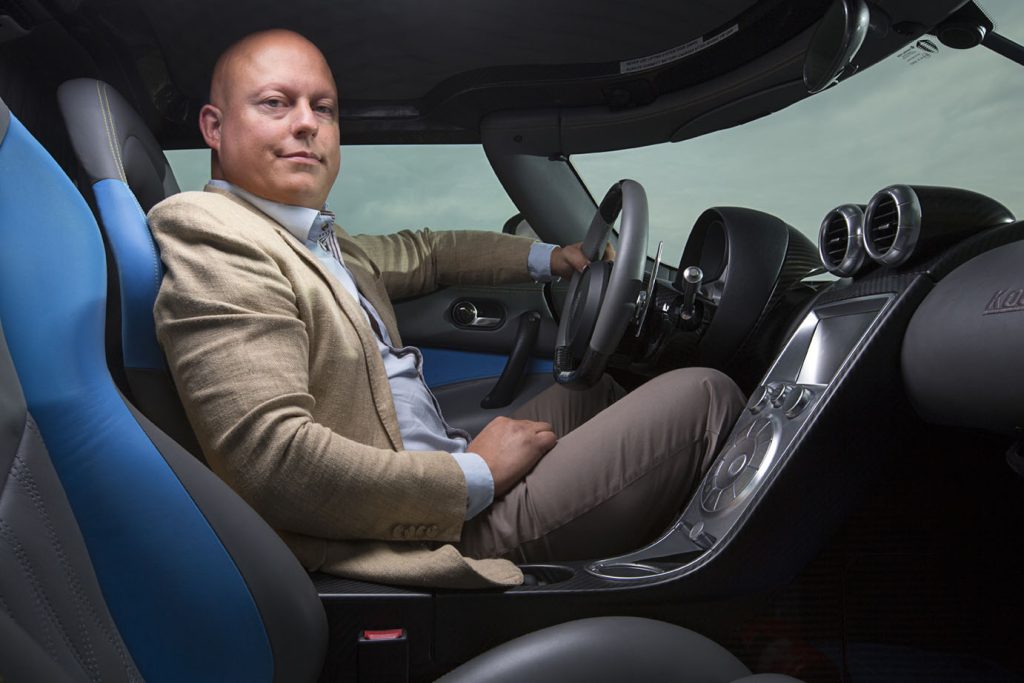
”Koenigsegg is in good condition!”
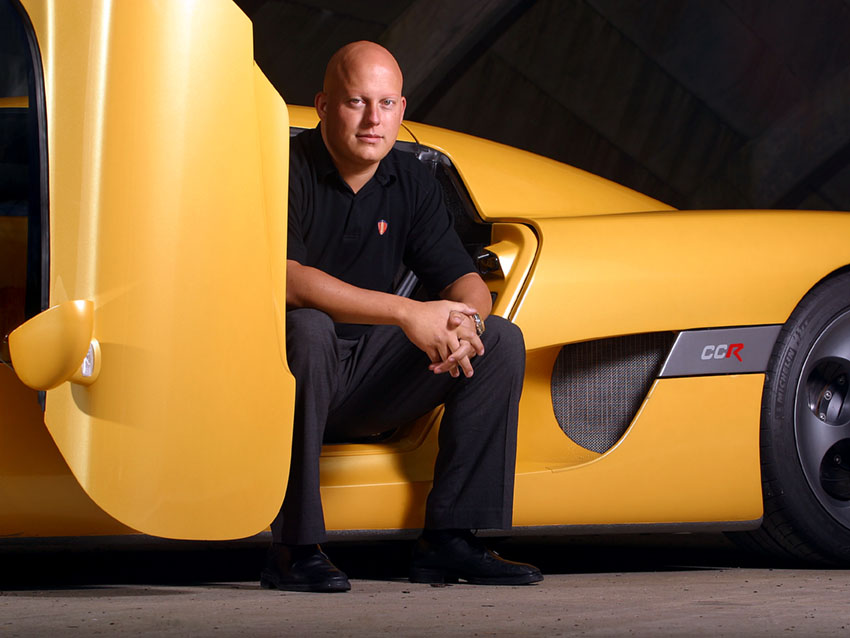
To build a brand from scratch as successfully as Christian and his family have done is a fantasy for most and a reality for a select few. Christian has realised his vision of creating hypercars that push the boundaries, stronger, faster and more advanced than anything else.
- Koenigsegg is in great shape! We have produced about half of the Regera, and in less than a year, production of the Jesko will begin. We have also recently unveiled two new models: Gemera and Jesko Absolut.
Koenigsegg Gemera – a new type of megacar
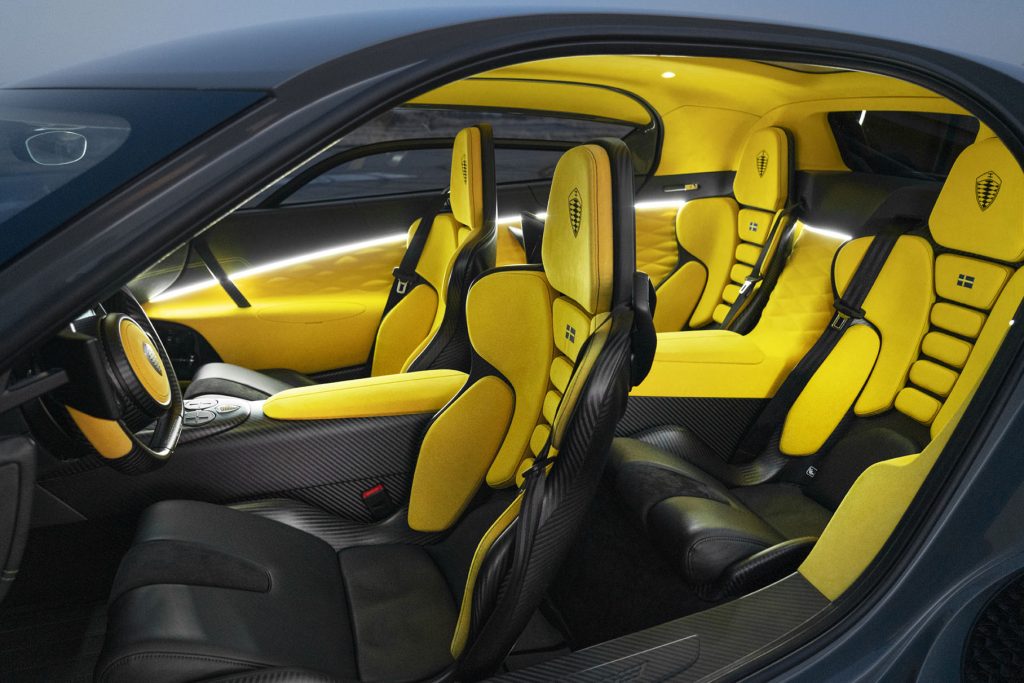
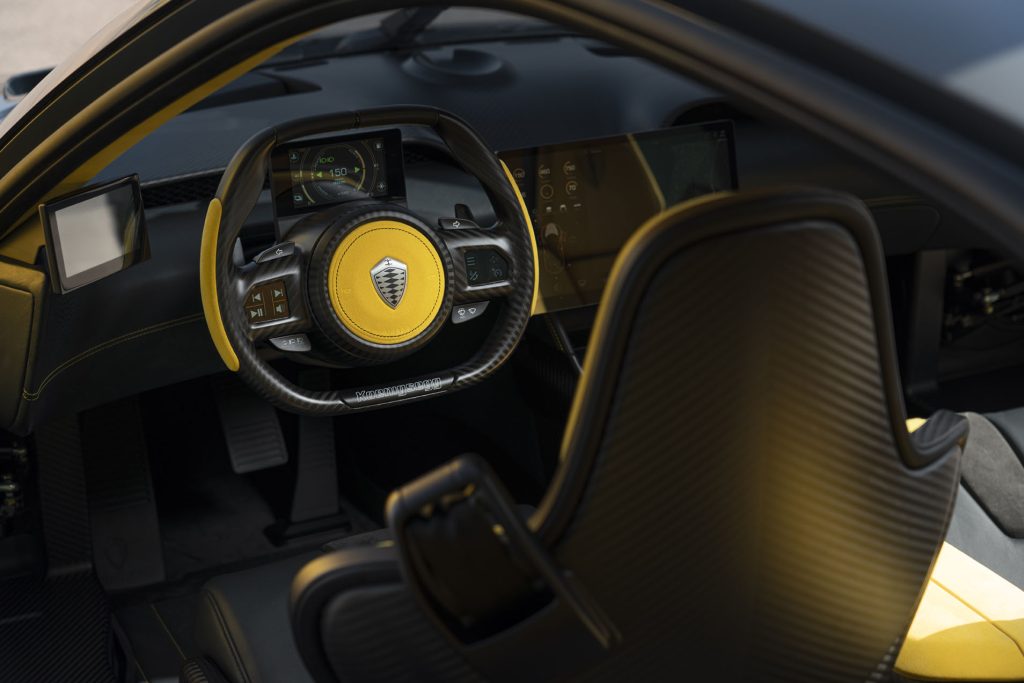
The big news was the Gemera, a four-seater model classified as a Mega-GT. It's built for four adults, with plenty of space and an experience that combines comfort with extreme performance. Self-driving features and modern amenities were part of the package, while still being fast enough to challenge traditional two-seater hypercars.
The response from customers, traders, and the media was strong from the outset, and orders began to pour in early.
Freevalve and the engine behind the vision
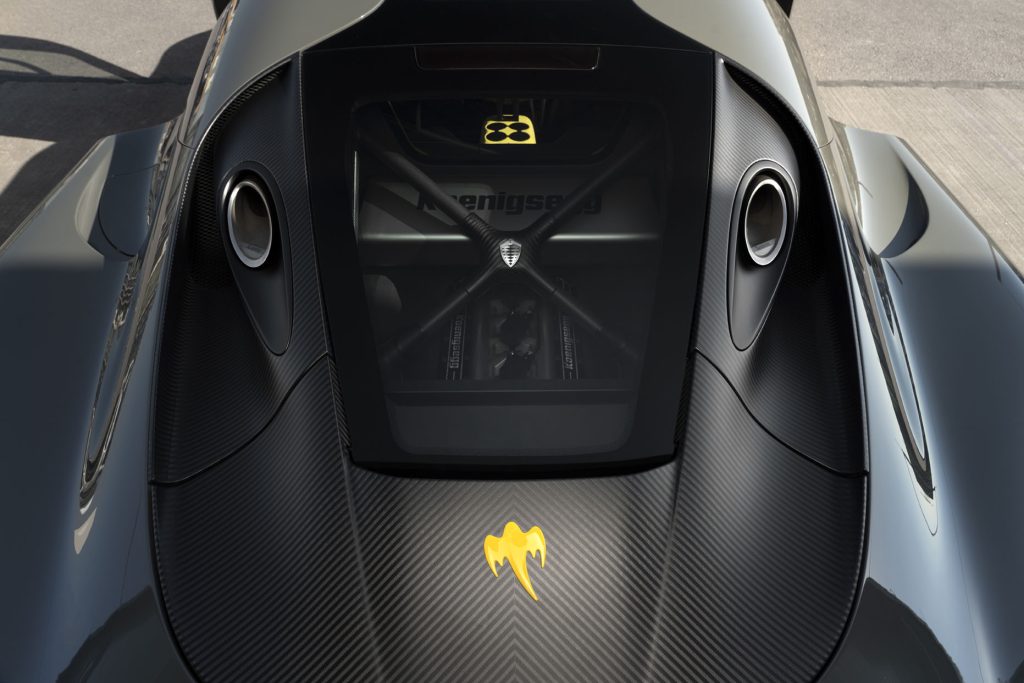
The name Gemera is a combination of the Swedish words ”ge” and ”mera”, meaning "to give more". This summarises the philosophy behind the car. One of the biggest innovations is the engine, developed with Freevalve technology, something Christian and the company have been working on for over 20 years.
I remember one of my early visits to the factory, when Christian showed me a special room where the Freevalve experiments were taking place. Even then, it was clear that this was something bigger than just a technical solution.
Freevalve enables lower emissions, increased efficiency, and the potential for CO2-neutral operation, while the technology can use existing infrastructure in the form of today's filling stations.
The engine has been nicknamed ”Tiny Friendly Giant”, a fitting description of its character. A total of 300 examples of the Gemera were to be built in the new production facilities in Ängelholm.
Record, reality and relevance
”Koenigsegg still holds the record for the fastest production road-legal car model.”
When I asked Christian if any customer would actually test the top speed of the Jesko Absolut, there was no obvious answer. But when Koenigsegg set the record in 2017, at 447 km/h, it was a customer car that was used, with factory test driver Niklas Lilja behind the wheel.
Since then, the discussion about top speed has continued to evolve, not least with the Jesko Absolut, which according to Koenigsegg is designed to reach significantly higher speeds. However, no officially verified top speed above the previous record has yet been achieved.
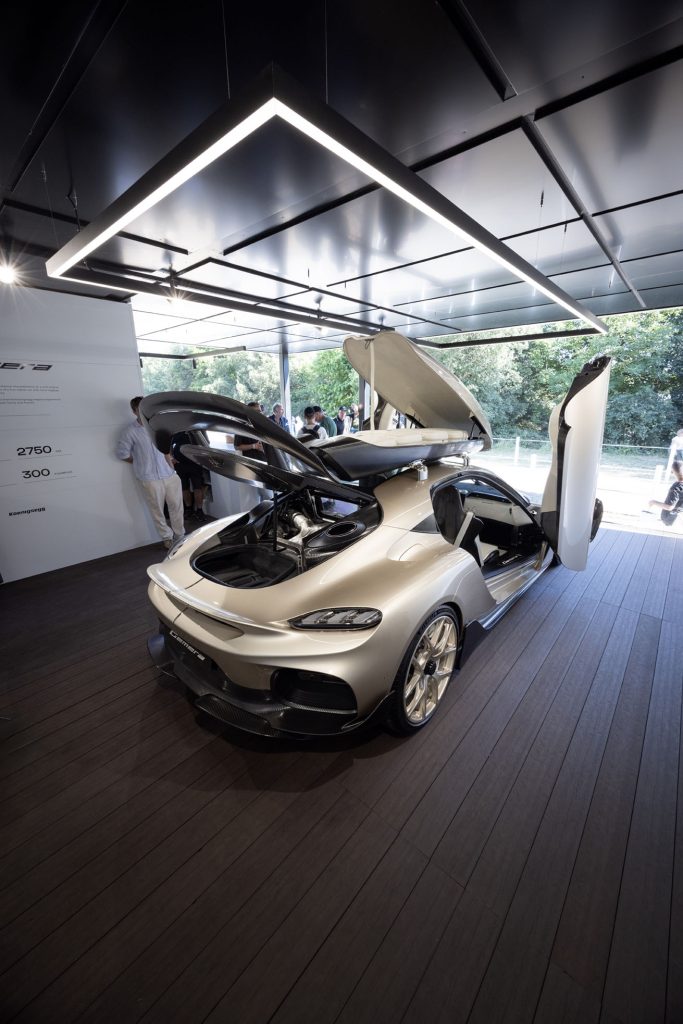
Christian von Koenigsegg was present at the festival himself, showcasing the Gemera to the public and customers, which provided a clear picture of how the model has now transitioned from concept to reality.
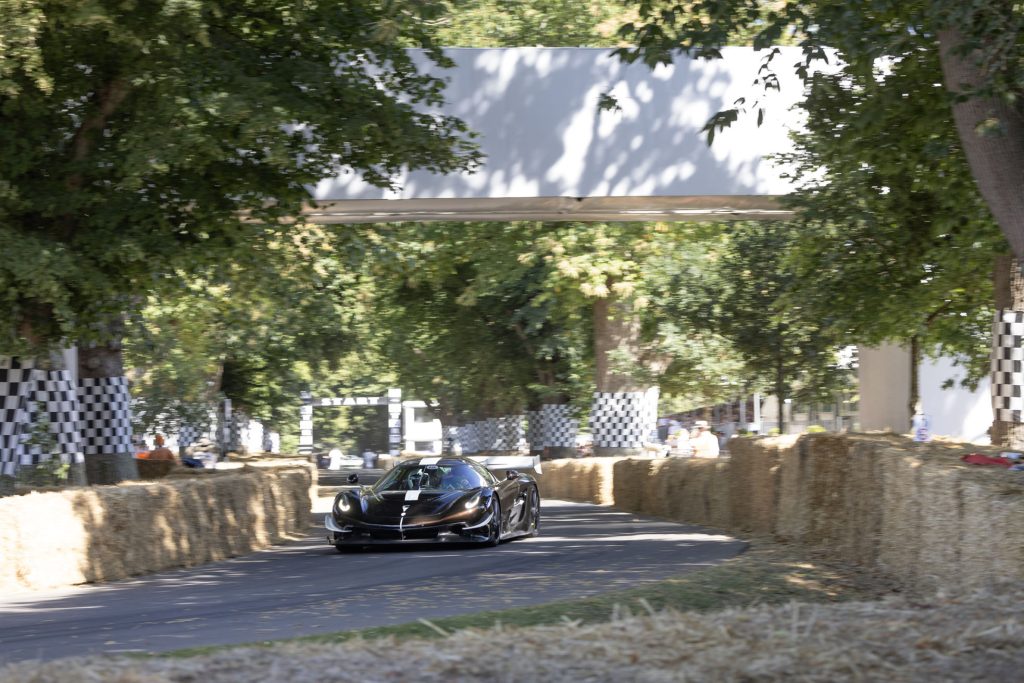
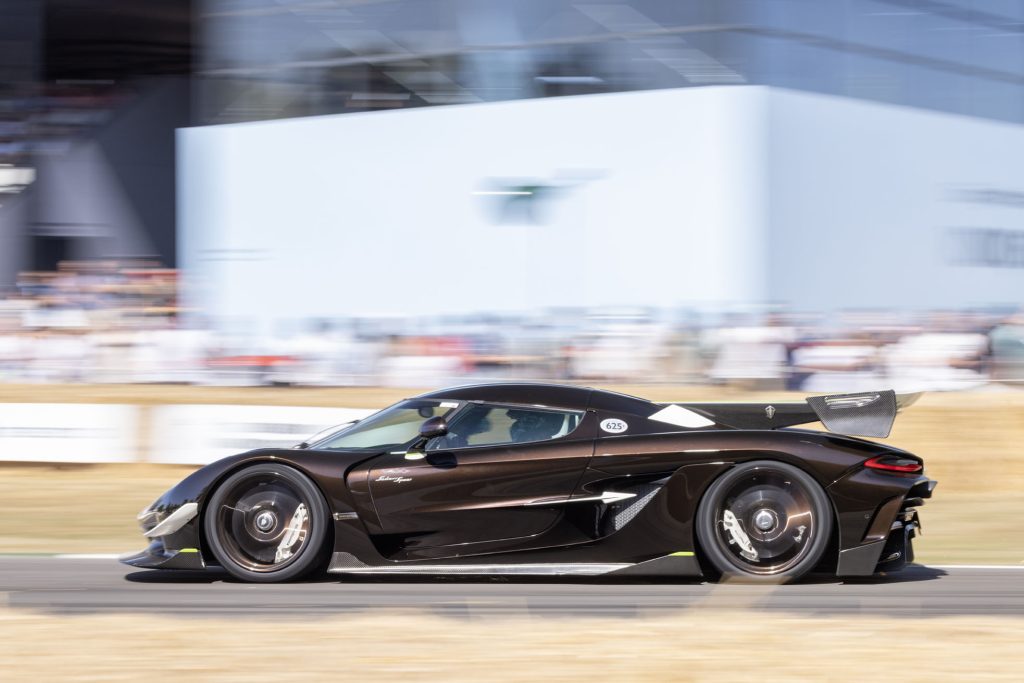
At the same time, Koenigsegg has continued to demonstrate its capabilities in other contexts. At Goodwood Festival of Speed the Koenigsegg Jesko Sadair’s Spear set a record in the hill climb race, which I witnessed in person.
Read more about the Goodwood Festival of Speed here.
The pursuit of speed continues to fascinate, but Christian was clear that there is a limit to how relevant that pursuit is in practice. Bugatti's attempt to exceed 300 mph was carried out with a specially adapted prototype, not a series-produced car.
Today, development is as much about experience as it is about numbers.
The future of the sports car
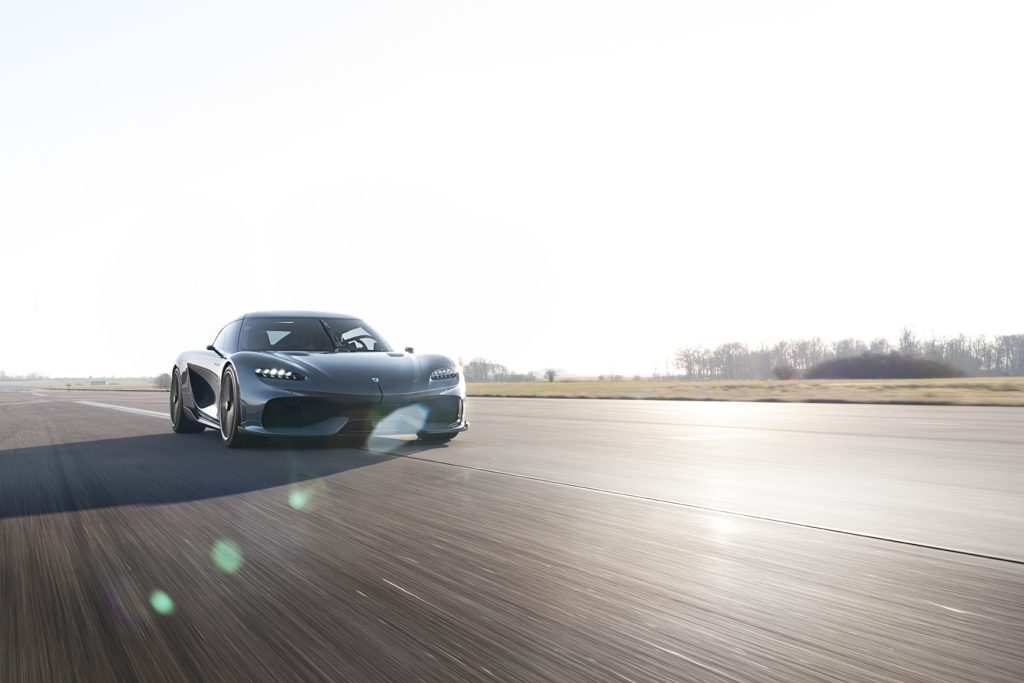
Christian described the sports cars of the future with a simple yet apt analogy. Just as horses have gone from a means of transport to a leisure pursuit, sports cars will become something one experiences rather than uses on a daily basis.
When everyday transport becomes self-driving and shared, sports cars will live on, but in a different role.
A shift in the automotive industry
The automotive industry is facing one of its greatest shifts ever. Traditional strengths such as production and quality are no longer sufficient. Today, technology, connectivity, and user experience are key.
For longer journeys, Christian saw challenges with pure electric cars, primarily linked to weight and energy storage. His view was that the future lies in a combination of electrification and carbon-neutral fuels.
Gemera becomes a clear example of this very approach.
Family, responsibility and leadership
As a family business, there's a special dynamic. Commitment runs deep, but the line between work and private life can be hard to draw. Together with his wife Halldóra, Christian is actively working to create an organisation that functions independently.
The goal is to build something that lasts over time, even without their daily presence.
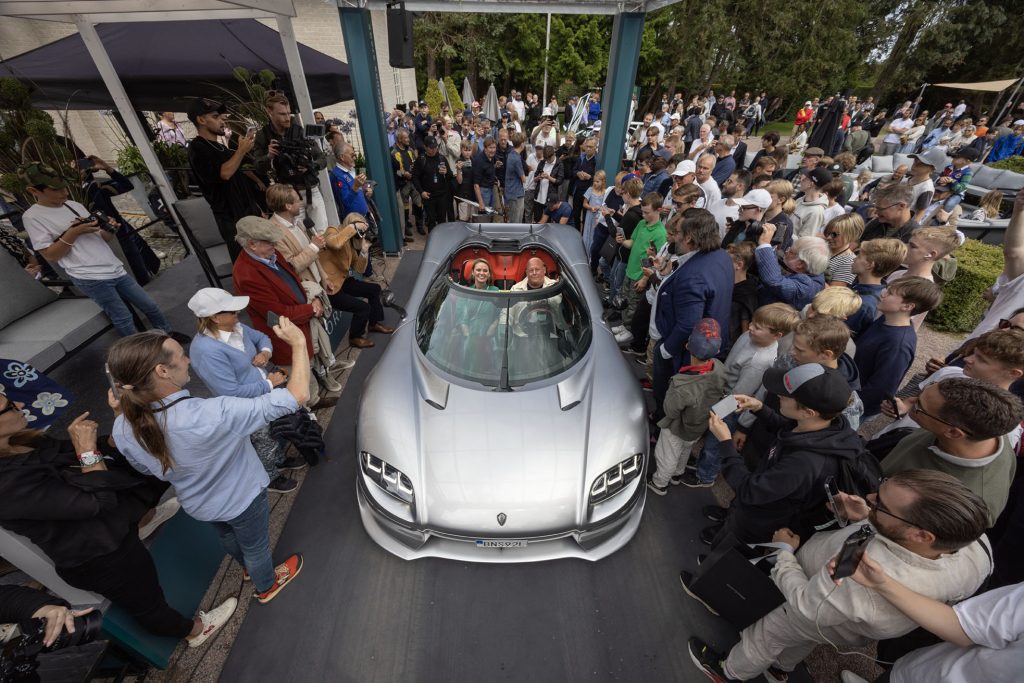
The image below of Halldóra Christian in a CC8S was taken at Aurora 2024.
The philosophy behind the success
- Through ups and downs, my motto has been to keep my feet on the ground and my head in the clouds. To be realistic, but at the same time dare to dream and make it happen.
Flexibility has been crucial to the company's journey. The experiences from the early years remain, allowing challenges to be handled with a different level of confidence today.
The future of the Koenigsegg Gemera
When asked if Koenigsegg could one day be bigger than Volvo, Christian chose not to make a comparison.
”I would rather see our solutions and technologies contribute to the entire automotive industry; that's where we can truly make a difference.”
With the Gemera, Koenigsegg takes another step, both technically and strategically. Volumes are increasing, but the philosophy remains the same.
For my part, it feels clear that this is just the beginning of the next chapter, and that more visits, test drives and photo sessions await us going forward.
Koenigsegg Gemera – technical information and facts
Price: Around €1.7 million (at launch, excluding taxes and optional extras).
Engine: 5.0-litre V8 biturbo (Koenigsegg “Hot V8”) in combination with electric motors.
Effect: total of approximately 2,300 hp (with the V8 version).
Torque over 2,700 Nm (system).
Transmission: Four-wheel drive via Koenigsegg's own system (Koenigsegg Direct Drive combined with Light Speed Transmission).
Top speed: estimated to be over 400 km/h.
0-100 km/h: around 1.9 seconds.
Electrical range: up to approximately 50 km (depending on configuration).
Battery: around 14 kWh.
Weight (dry weight): Approximately 1,850 kg.
Dimensions (length/width/height): circa 4,975 / 1,988 / 1,295 mm.

 English (UK)
  Svenska