
Modena Design is a fundamental part of Paganis DNA. A name that doesn't always appear on the surface, but in practice is behind every machined detail, every control and every mechanical component in cars like Pagani Zonda, Huayra and Pagani Utopia. For me, Modena Design is more than a technological hub. It's a place I strongly associate with my own history with Pagani, a journey that began back in 2005.
My first encounter with Pagani Automobili
In 2005, I visited the factory in San Cesario sul Panaro for the very first time. It was my first meeting with Horacio Pagani, and I still remember the feeling when he talked about cars in a way that was closer to art than industry. Even then, it was clear that Pagani did not build cars according to traditional templates. It was about philosophy, passion and an uncompromising attention to detail.
That philosophy is directly intertwined with Modena Design.
What is Modena Design?
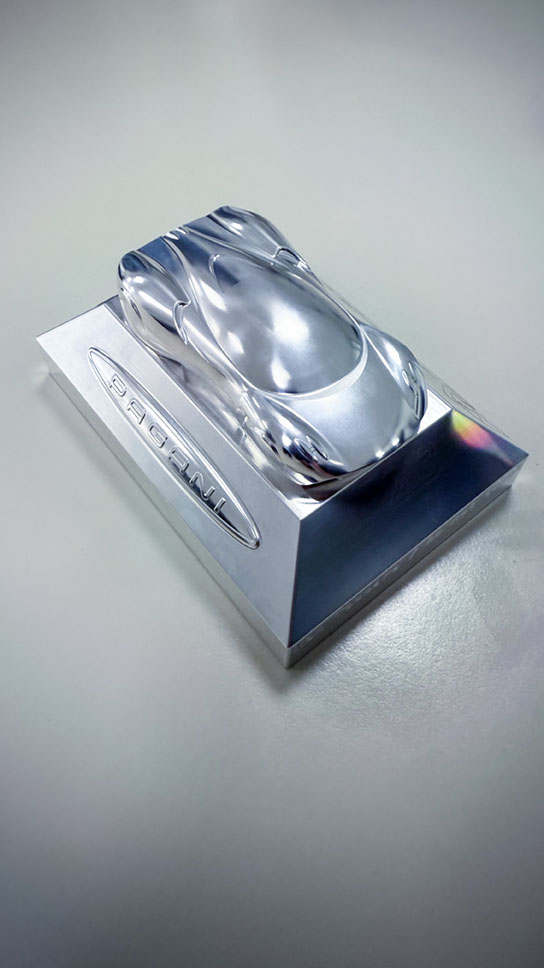
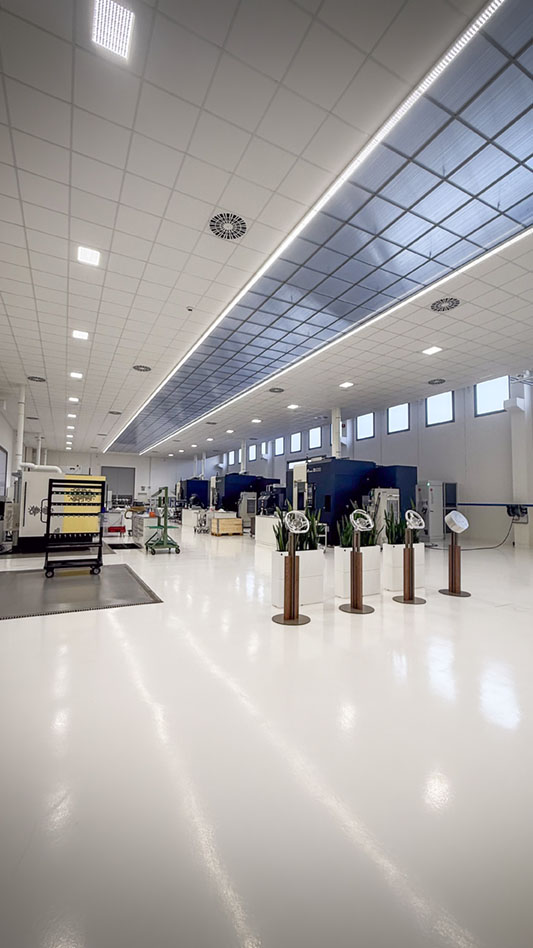
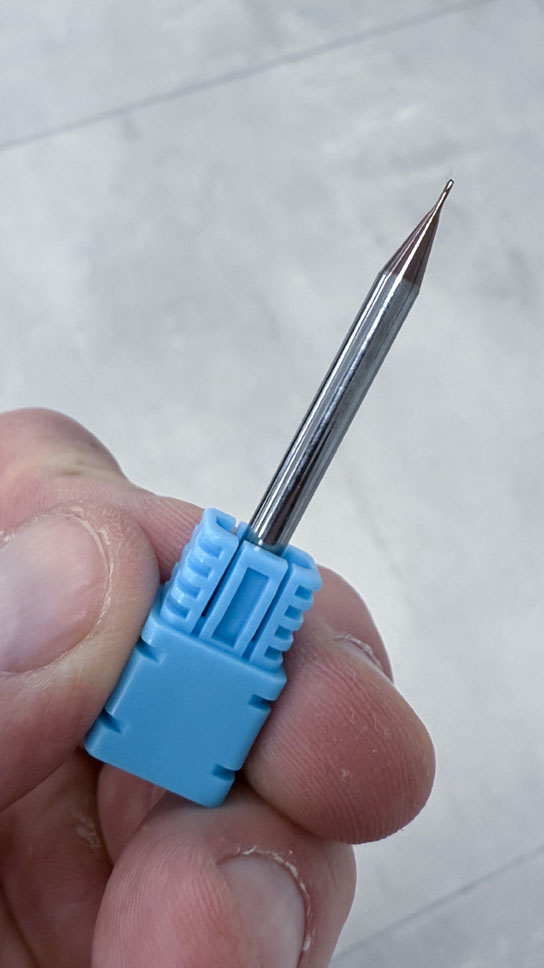
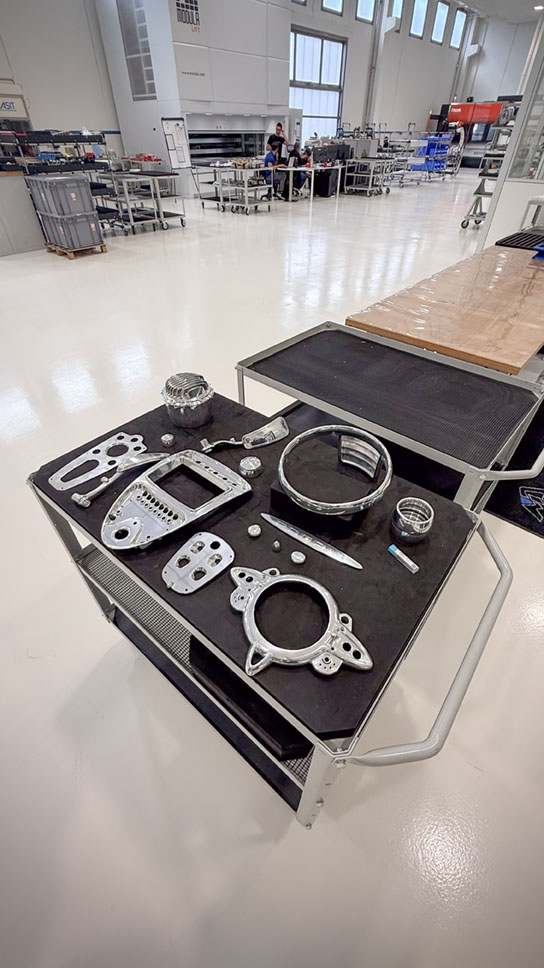
Modena Design was founded in 1991 by Horacio Pagani with a clear goal: to create the technical and aesthetic basis for the world's most beautiful car. The company specialises in ultra-high precision CNC machining and manufactures components mainly for the automotive industry, but also for aerospace and medical technology.
The name Modena carries a responsibility to the region's deep-rooted automotive culture, while Design signals a pioneering spirit. Modena Design became the first company in the Motor Valley to have an in-house design centre where design and engineering develop side by side, inspired by Leonardo da Vinci's ideal of uniting art and science.
A difficult start in a challenging time
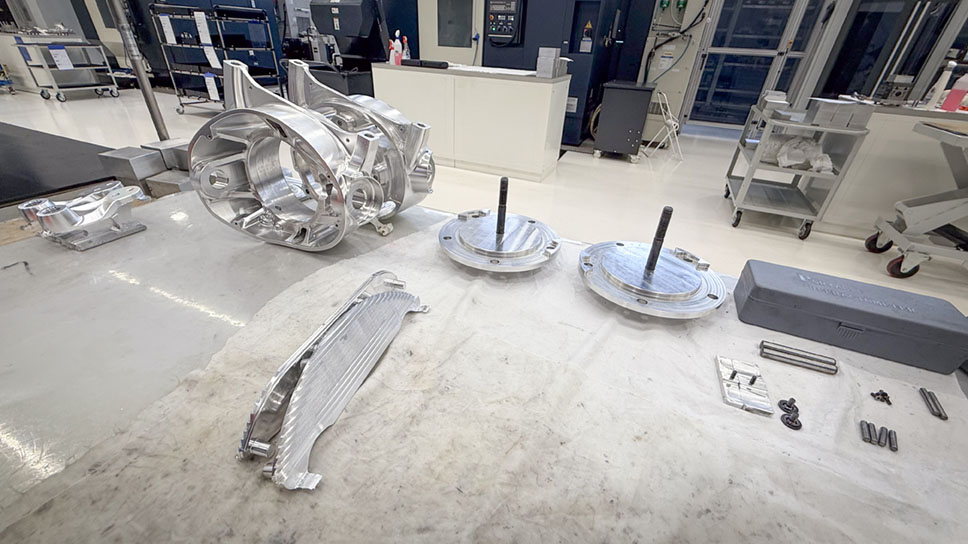
The company was born in the late 1990s, a period when many ambitious car projects failed. Scepticism from suppliers was rife, but Horacio Pagani stuck to his vision. The project required expertise in aerospace materials, Formula 1-inspired components, advanced anodising processes and extreme precision at every stage.
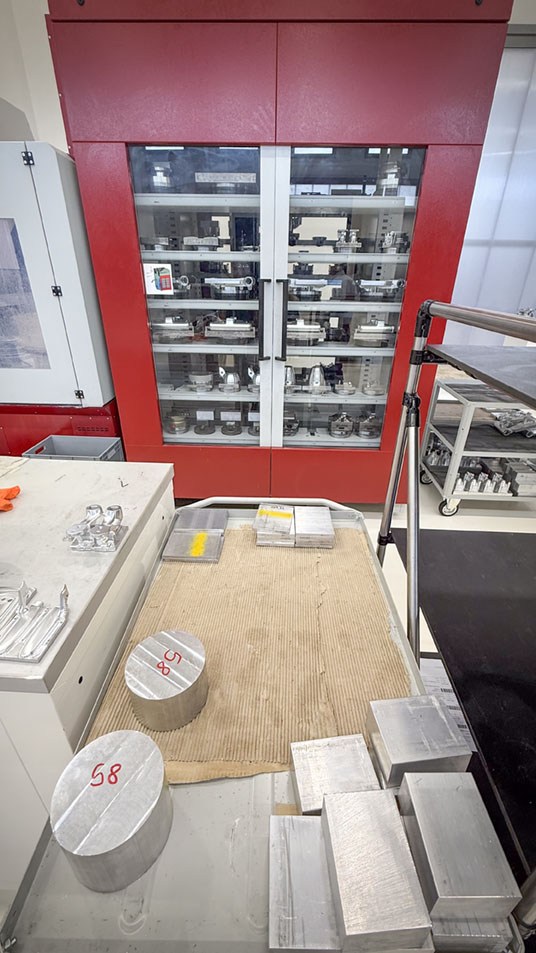
A decisive breakthrough came through the collaboration with ASPA, a company with deep expertise in hydraulics and mechanical precision. Together they developed processes where machining from solid blocks of aluminium and titanium became the core of Modena Design's production.
From Modena Design to Pagani Automobili
The year 1998 marked a turning point. Modena Design received CUNA certification and in the same year Pagani Automobili was founded. In the early years, Modena Design operated as an independent company with projects outside the automotive world, which explains why the company's logo appears on early Pagani Zonda models such as the Zonda S and Zonda F.
As hypercar production increased, Modena Design's functions were gradually integrated into Pagani Automobili, with the focus shifting entirely to developing extremely advanced components exclusively for Pagani's own cars. Within ASPA there was a department that worked exclusively on Pagani projects, and in 2024 Pagani acquired this department.
Titanium, craftsmanship and haute horlogerie
Technical developments continued without compromise. Titanium, previously used mainly in Formula 1 and the aerospace industry, became a key material in Pagani's hypercars. The result was structures that were lighter, stronger and more sophisticated.
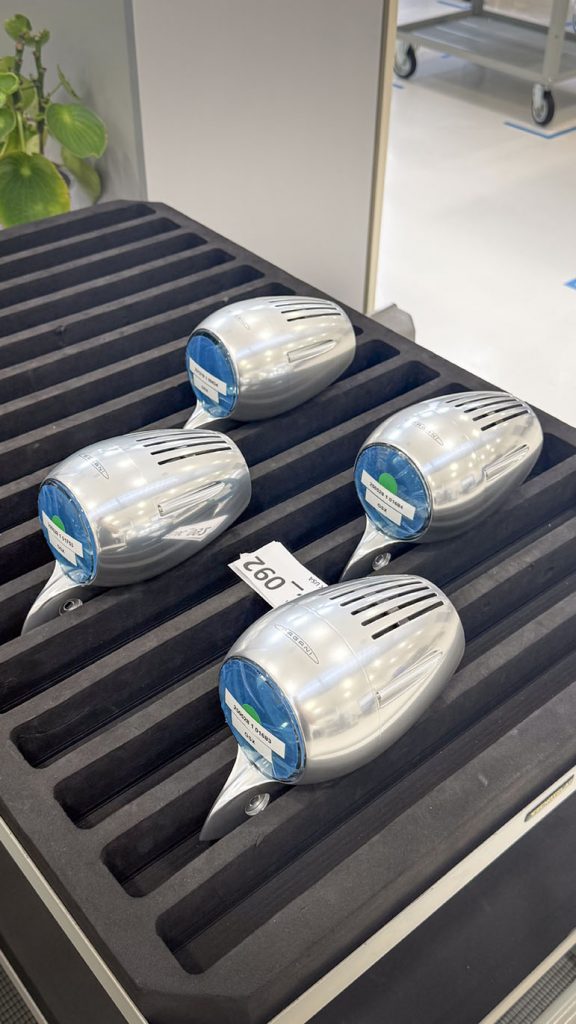
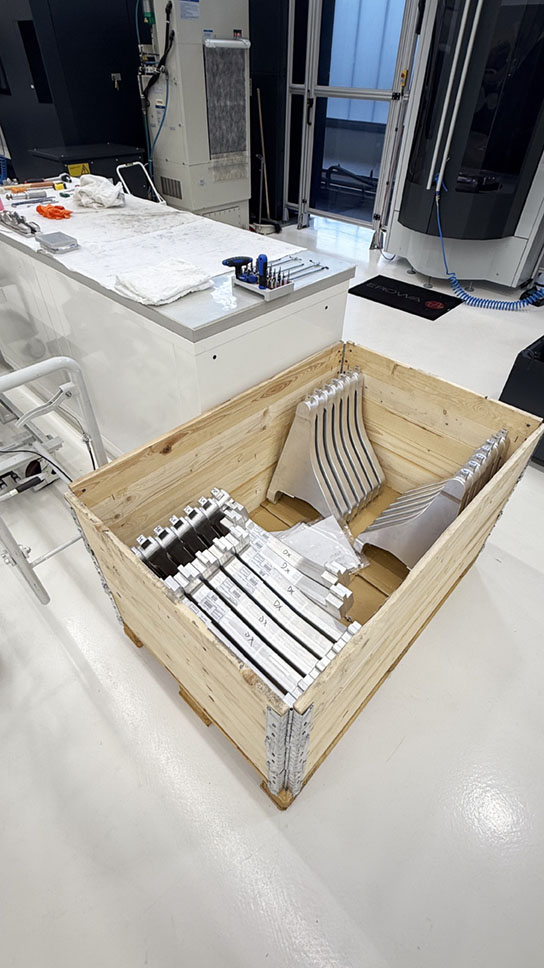
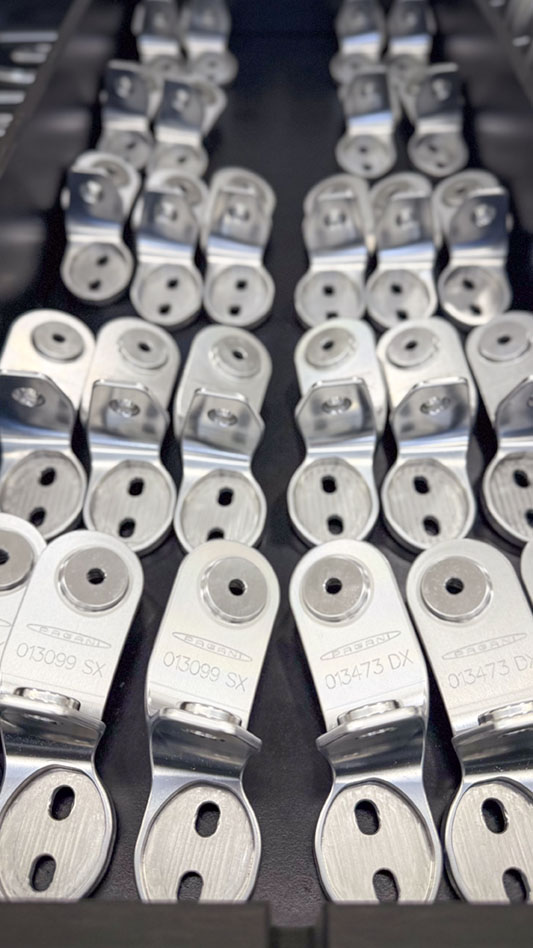
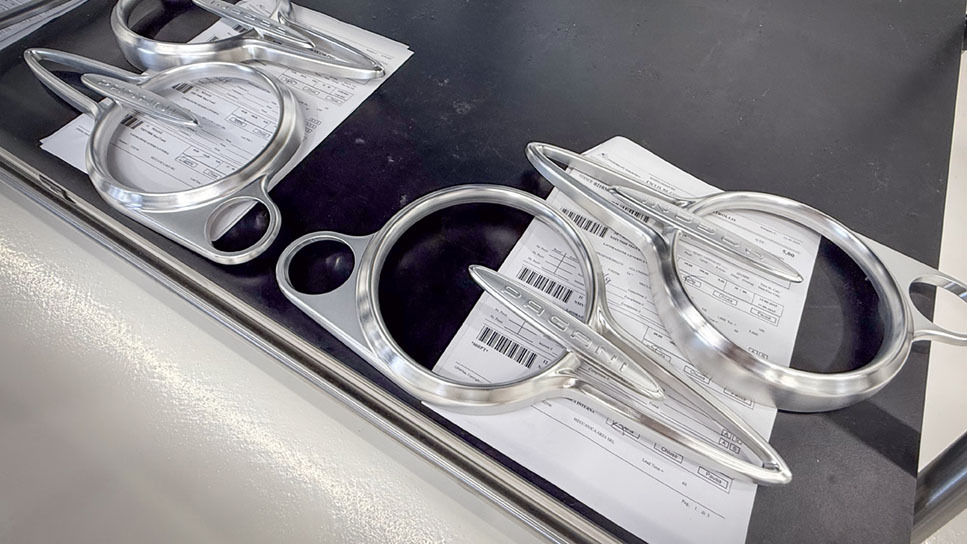
Despite advanced CNC machines and robotised production flows, the human factor has always been central. Modena Design does not follow the logic of mass production. Each component is unique. Every detail is finalised and controlled by skilled craftsmen, guided by a philosophy that is closer to haute horlogerie than traditional car manufacturing.
Modena Design today - technology at the highest level
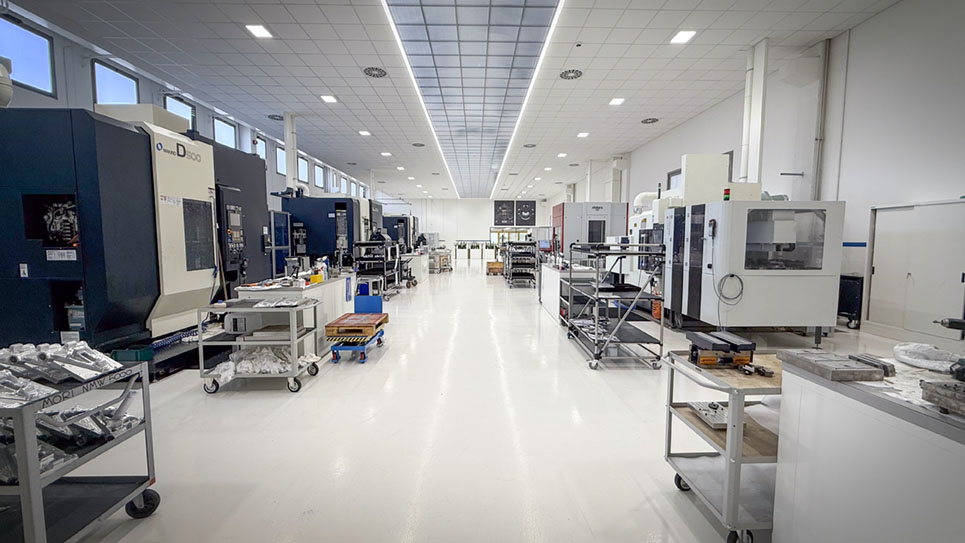
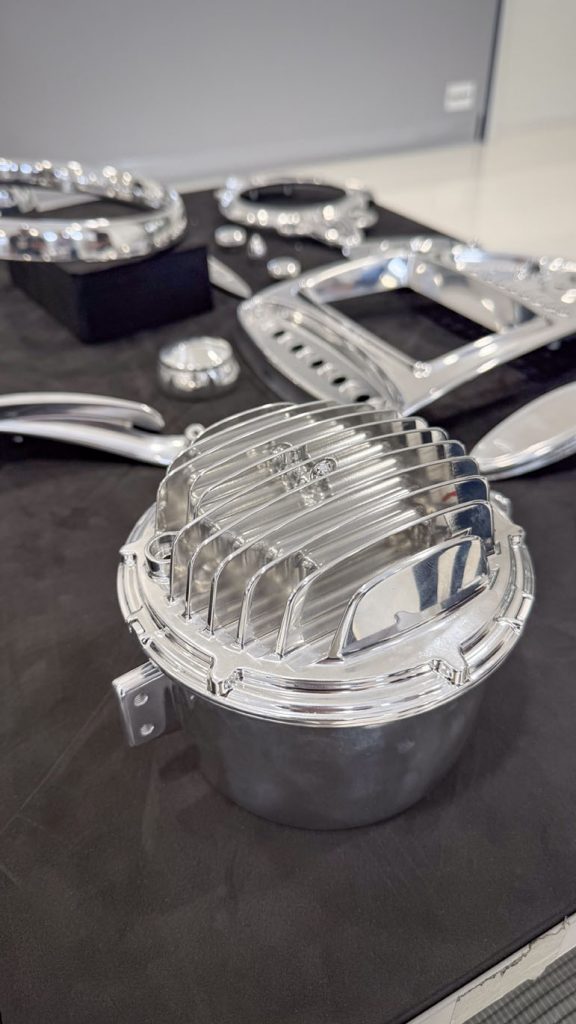
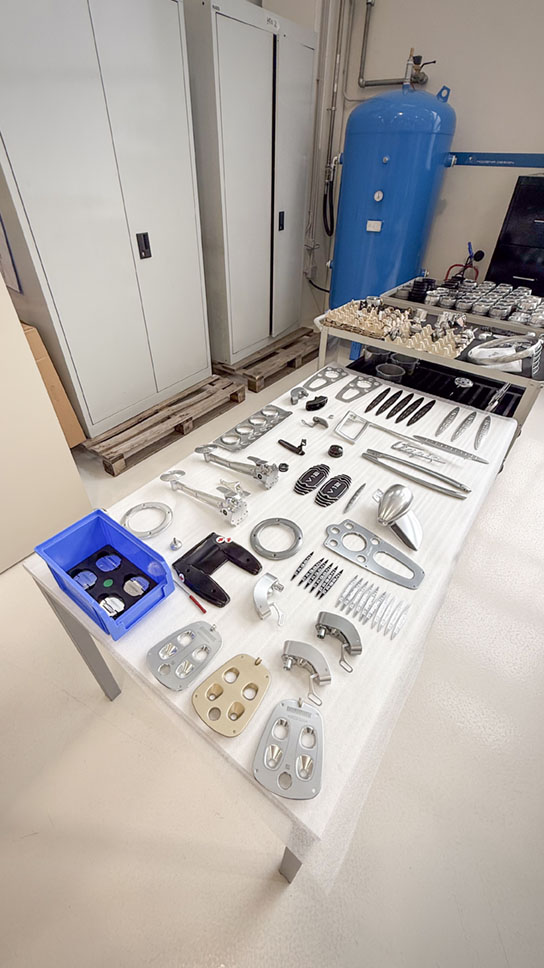
After operating in the background since 2008, Modena Design was formally relaunched in 2024, when Pagani acquired ASPA's automotive division. Today, the operation consists of five- and six-axis CNC machines with robotised infeed, running up to 20 hours a day, seven days a week. All production takes place in climate-controlled environments to ensure maximum dimensional stability.
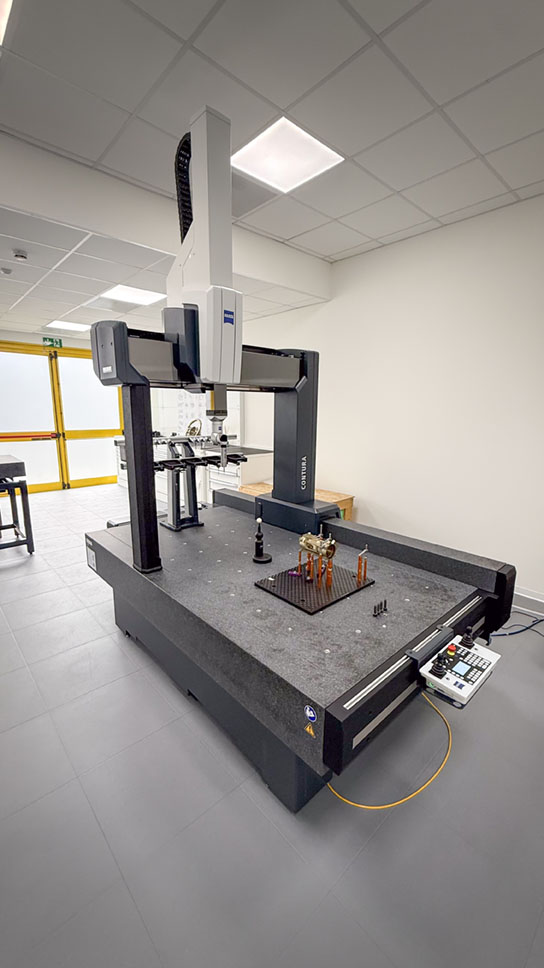
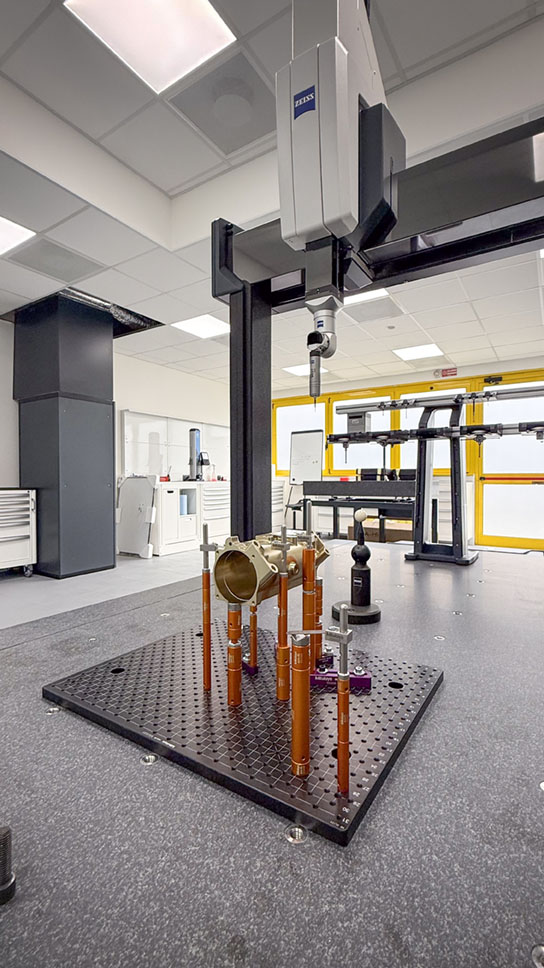
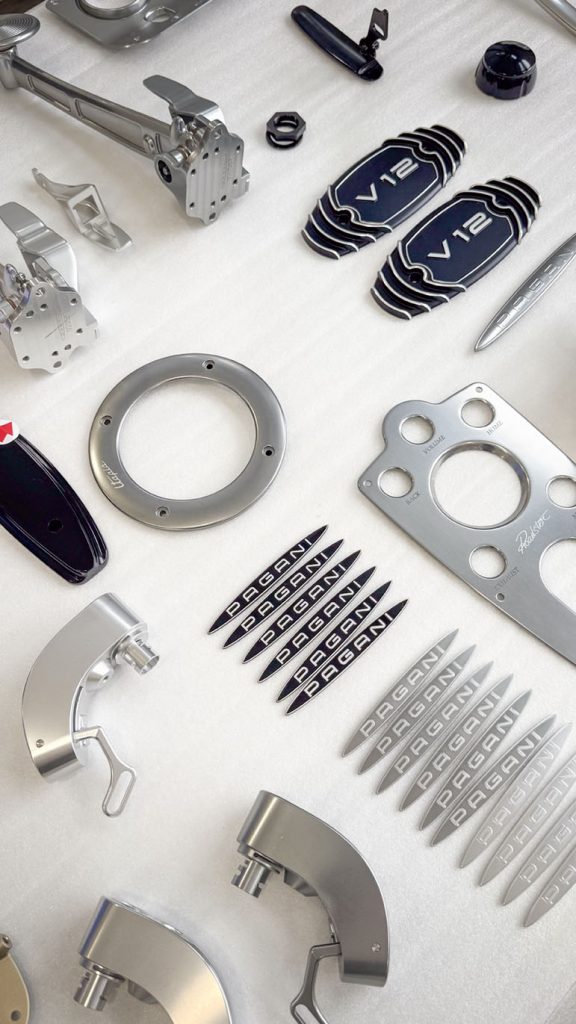
The process always starts with a request from Pagani's technical department. Each component is modelled according to the Class A surface standard and machined in three stages: roughing, semi-finishing and finishing. This is followed by cleaning, laser marking, surface treatment and rigorous quality control, both technical and aesthetic.
Figures that speak for themselves
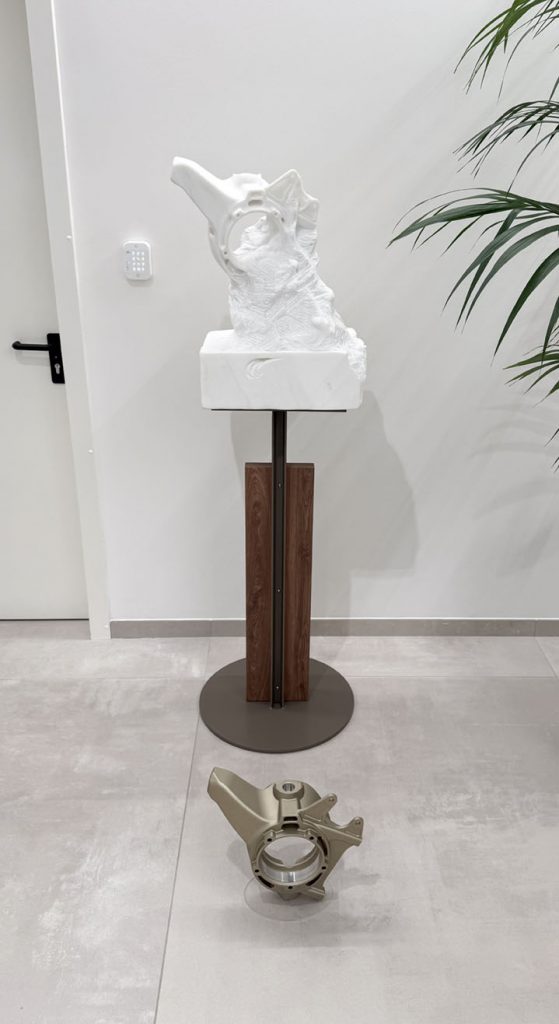
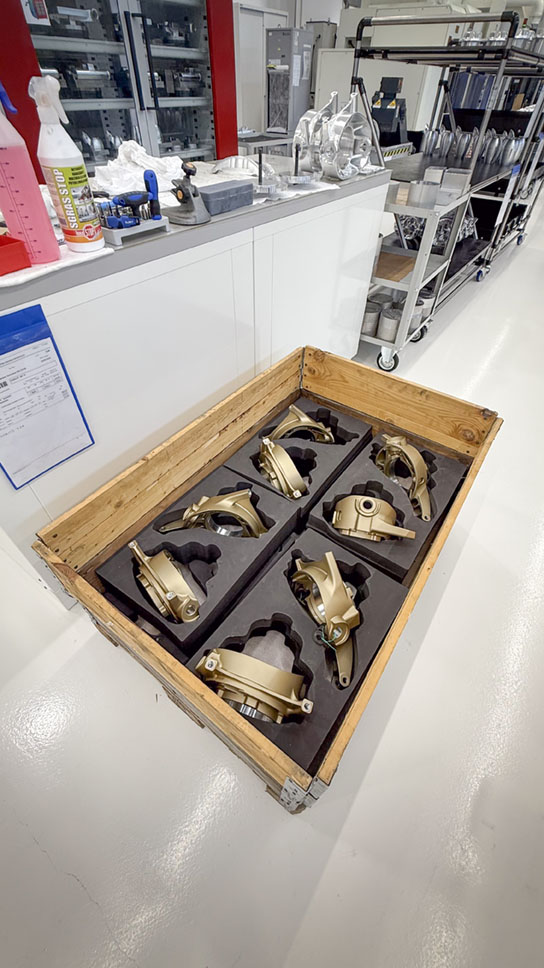
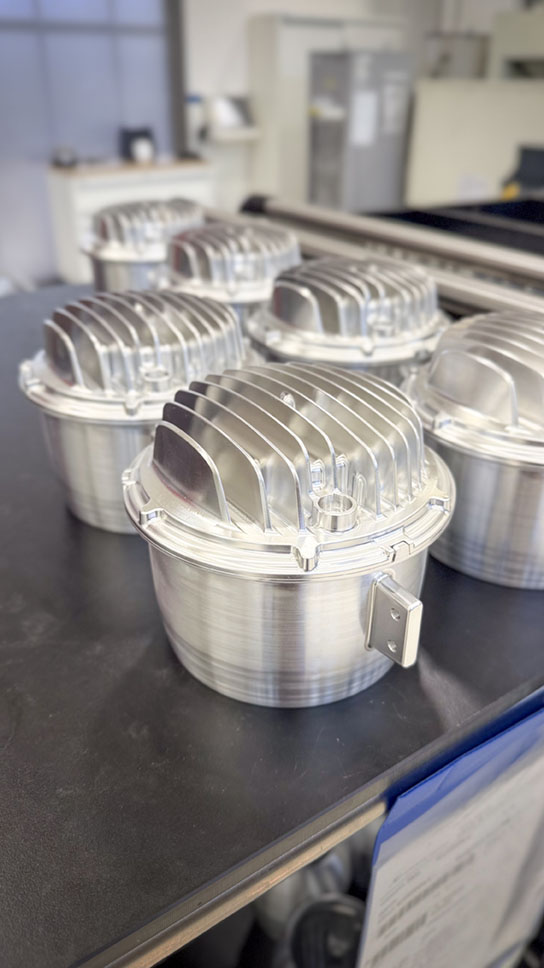
Each Pagani Utopia requires over 600 hours of milling. The automatic version consists of 782 individual components, while the manual version comprises 777 parts. A front wheel spindle starts life as a 12.8 kg block of aluminium and, after about 10 hours of machining, weighs only 3 kg. All leftover material is recycled.
From production hall to highway
This brings me full circle to my own experiences behind the wheel of the Pagani Huayra Roadster BC. Driving a Pagani on the road, it becomes immediately clear that this is not about numbers or performance for its own sake. Every control, every machined detail in aluminium and titanium, carries the same philosophy that defines Modena Design.
Modena Design is therefore more than a name from Pagani's history. It is the very foundation that makes cars like the Huayra Roadster BC and Utopia possible. Cars that are built not just to be driven, but to be experienced. Machines can measure tolerances, but it's the people, the craftsmanship and the passion that give each Pagani its soul.

 English (UK)
  Svenska
Leave a Reply