
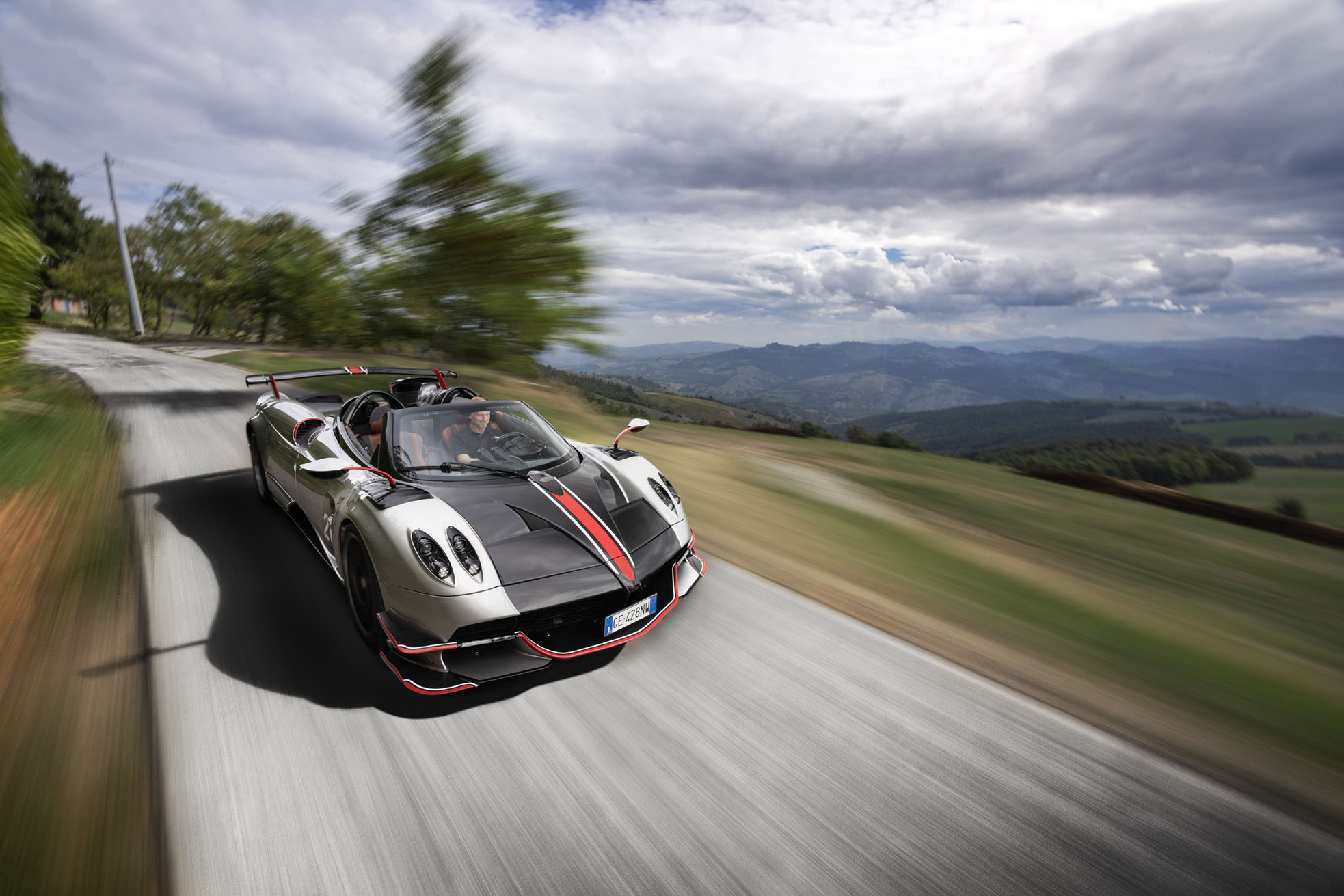
The Pagani Huayra Roadster BC is more than a hypercar. It's a hand-built masterpiece where extreme engineering, brutal performance and artistic detailing merge to create a driving experience that feels as exclusive as it is unforgettable.
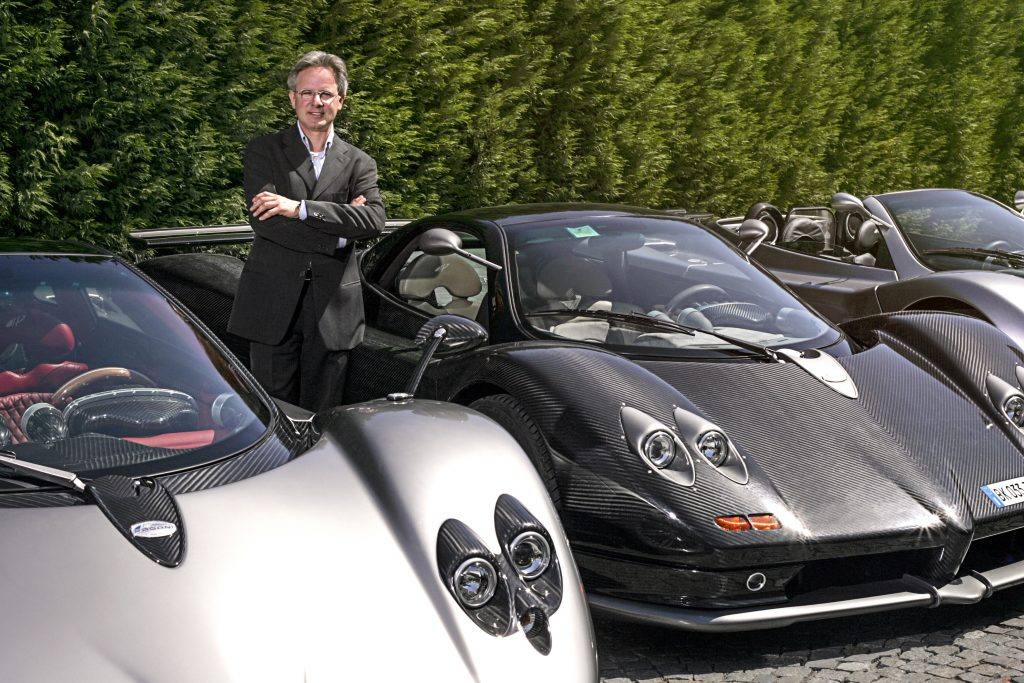
Pagani Automobili was founded in 1992 by Argentinian-Italian engineer Horacio Pagani, known for his unique ability to combine advanced technology with artistic design. The result is some of the world's most iconic hypercars, such as the Zonda, Huayra and Utopia, the latest model from Pagani.
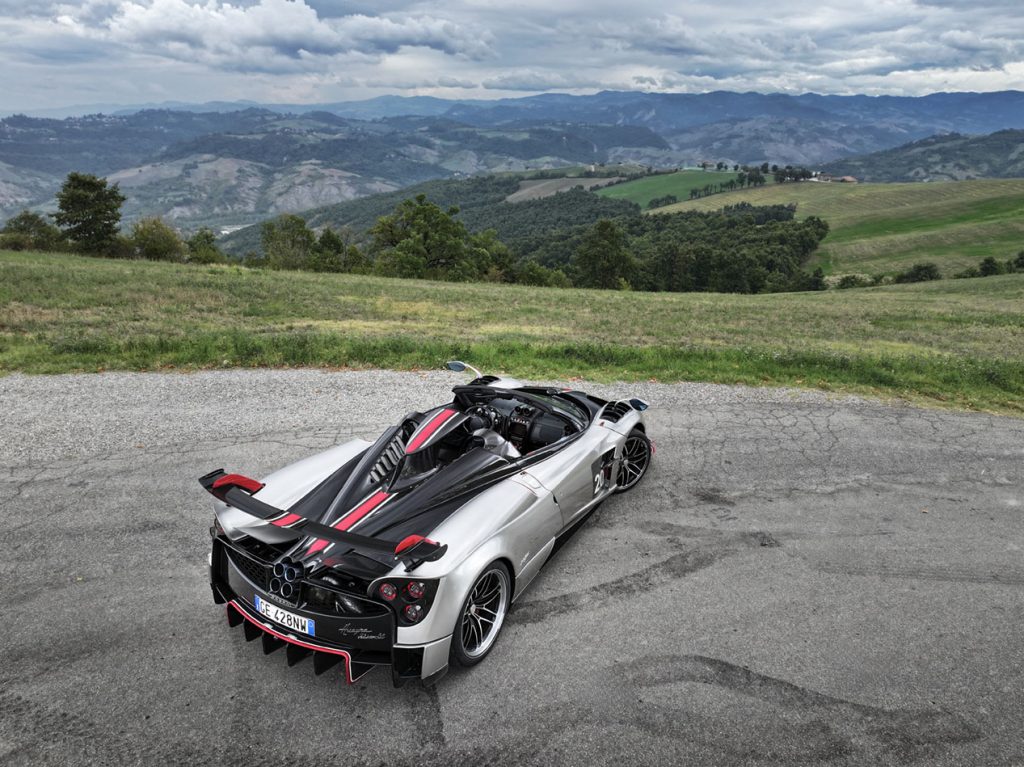
This article is about the Huayra. But not just any Huayra, but the Huayra Roadster BC. The BC stands for Benny Caiola, Horacio Pagani's first customer and close friend. The BC versions are tributes to him and are built with extra focus on performance, low weight and exclusivity.
My relationship with Pagani
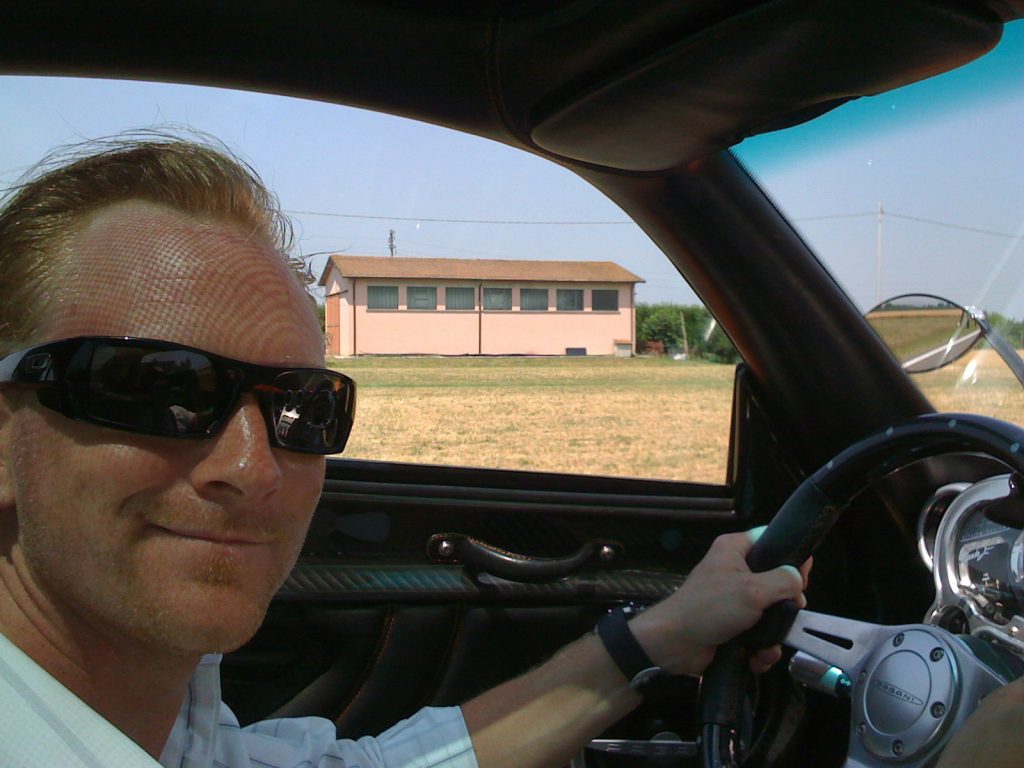
My history with Pagani goes back to 2005, when I went down to test-drive a Zonda for the first time and also met Horacio Pagani in person. Since then, there have been several trips, and this was my fourth visit to the factory. In addition to my first visit in 2005, I have test driven and written articles on Zonda F 2009 and a Huayra 2019.
On this day, I was greeted by a small but telling gesture. The Swedish flag had been placed amidst the flagpoles by the Pagani logo in the grass outside the factory. A detail that says a lot about how personal and familiar this company is.
A different kind of reception
Before the car drove up, there was a short tour of the factory but also a visit to Modena Design which manufactures all aluminium parts for Pagani. Article about Modena Design will be here shortly. At most car factories, a loan agreement is signed, the key is handed over and then you just drive. Here it works a little differently.

With a new price tag of around €4.5 million, despite my long relationship with Pagani and an injury-free record, I'm not allowed to take the car out myself. Instead, Pagani's factory driver, Alberto Scilla, joins me and starts the tour behind the wheel. During the first few kilometres, he goes through the car's functions and things that are good to know before switching roles.
Huayra and Pagani's technical philosophy
When Pagani launched the Huayra in the early 2010s, it marked the start of a new era after the iconic Zonda. The car was built around a hand-assembled 6.0-litre twin-turbocharged V12 from Mercedes-AMG, developed exclusively for Pagani and capable of extreme performance from the outset.
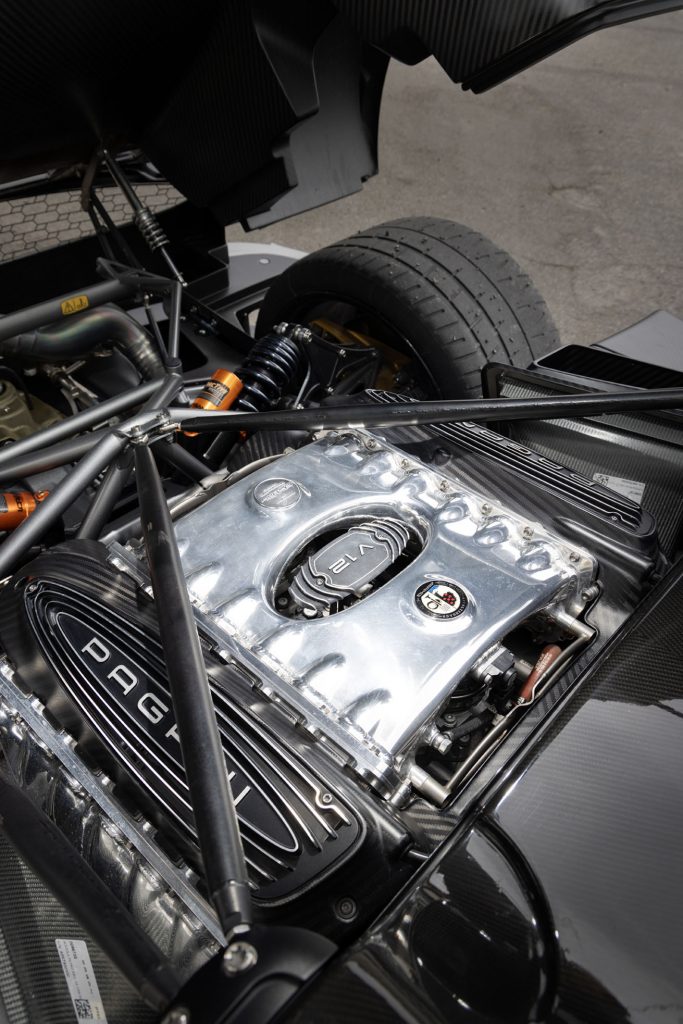
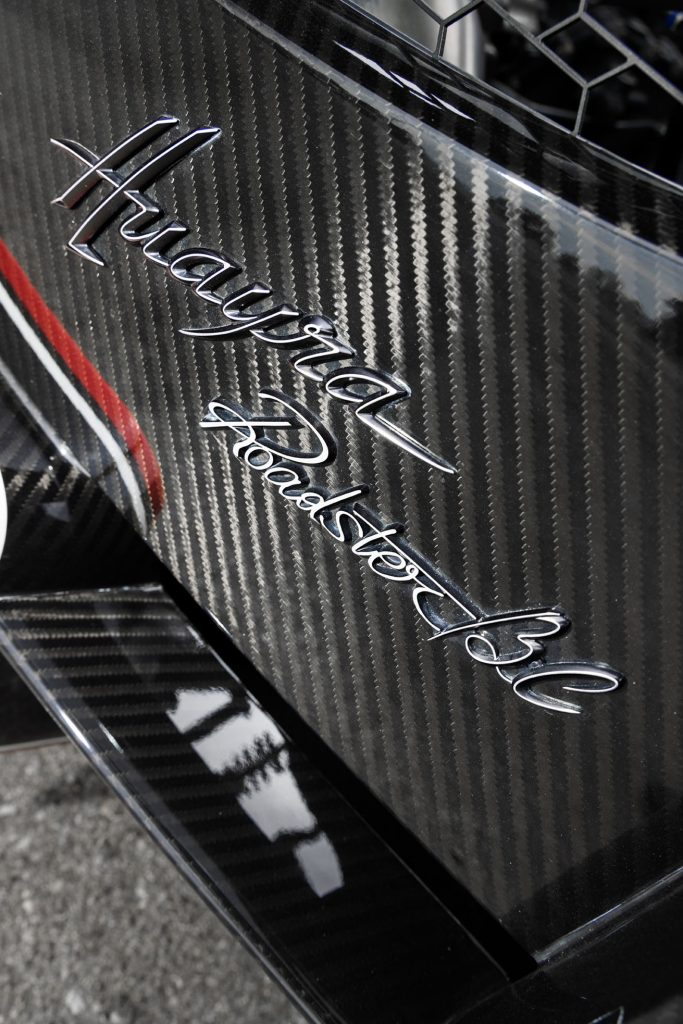
The body is constructed from Pagani's own composite material carbo-titanium, a combination of carbon fibre and titanium that provides low weight and extreme rigidity. It is a clear expression of Horacio Pagani's philosophy that technology and art should meet in every detail.
Active aerodynamics in real time
Aerodynamics was one of Huayran's major milestones. The model became the first hypercar to feature active aerodynamics in the form of four moving flaps, two at the front and two at the rear. These are controlled by sensors that read steering wheel deflection, acceleration and lateral acceleration.
The system adjusts the car's ground pressure and air resistance in real time, providing both greater stability and better control when cornering and braking. The front flaps are particularly clear and something I noticed right away, already from the passenger seat.
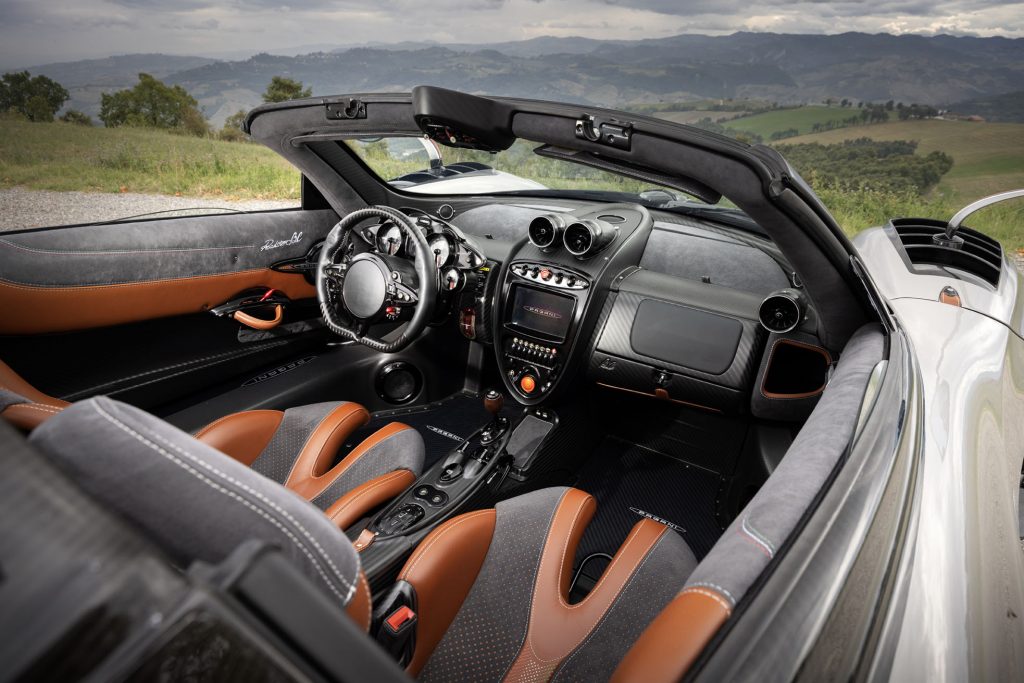
Behind the wheel of the Huayra Roadster BC
When it's my turn to drive, there's that special feeling that always comes when you get behind the wheel of something extraordinary. I've driven more super sports cars than I can count in my years as a motoring journalist, including several Pagani models and even our Swedish counterpart Koenigsegg. Yet there is something special about this particular moment.
I start calmly, with all systems activated and the driving mode set to C, Comfort, where traction control and traction control are working fully. After a while, I switch to S, Sport, where the systems allow more movement and some wheel spin.
That's as far as I dare go at first. In R, Race, the electronics are reduced to about 25 per cent, before everything in the last mode, ESC Off, is turned off completely. After a while, Alberto Scilla urges me to put in Race. He says that he feels safe with me behind the wheel, partly thanks to my calm pace and my firm quarter to three grip on the wheel.
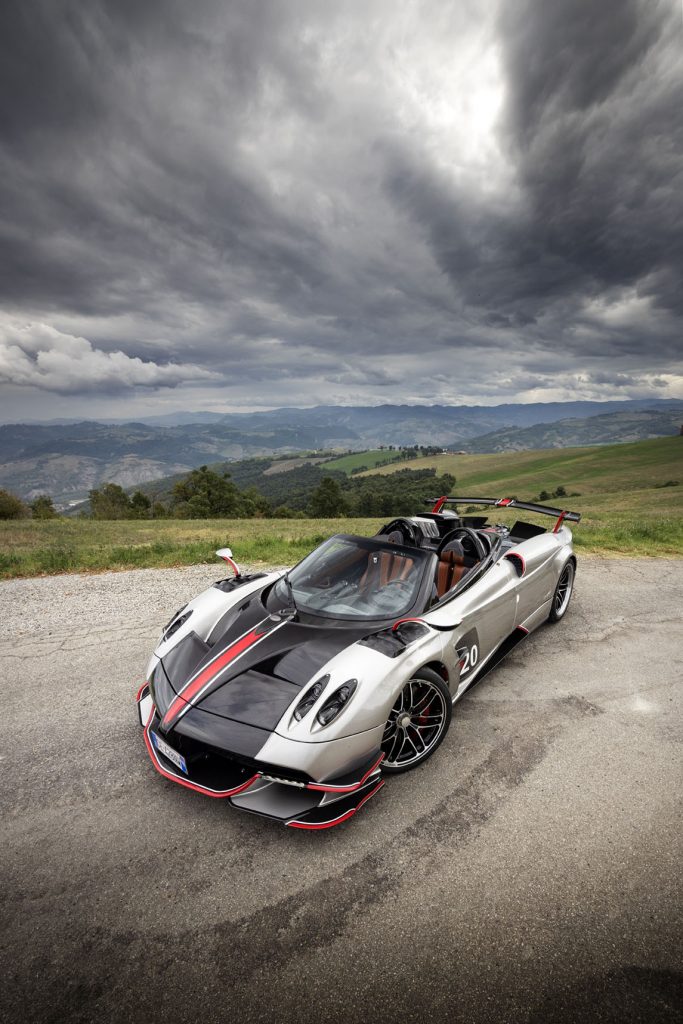
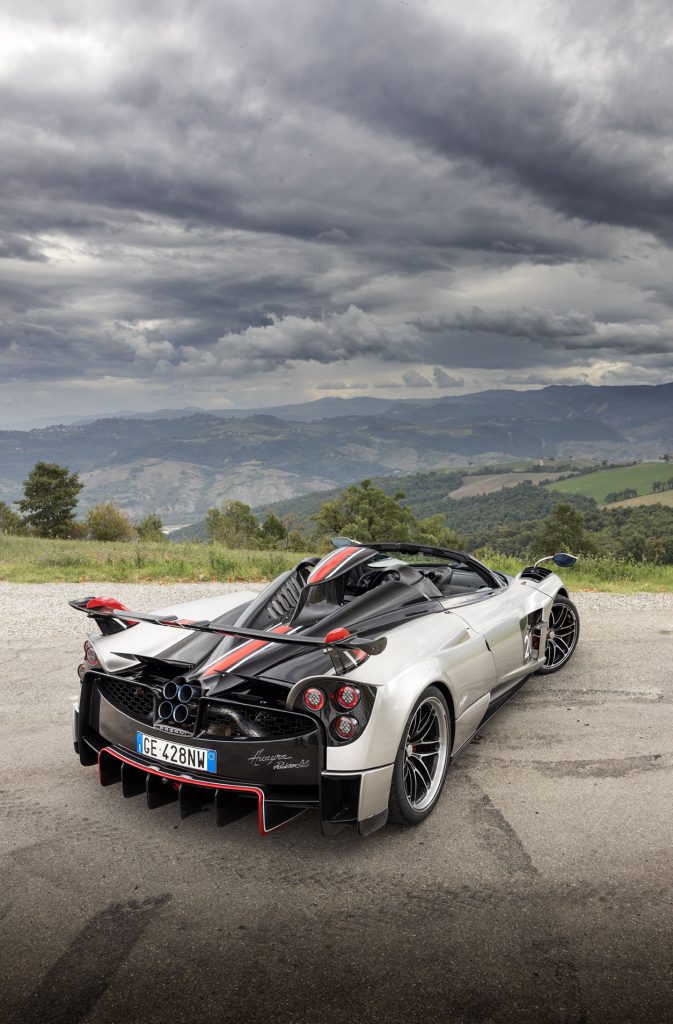
When Race mode wakes up
I turn the mode selector knob on the steering wheel. Already the step from Comfort to Sport clearly changes the car, but in Race mode the Huayra Roadster BC really comes to life.
The throttle response is immediate and brutal. When I let off the accelerator, there is a loud bang behind my back from unburnt fuel residue igniting in the exhaust system. From a V12 like this, those bangs are magical to listen to.
Huayra BC - even more extreme
In 2016, the Huayra BC was unveiled, an even more stripped-down and uncompromising version named after Benny Caiola. The twin-turbocharged V12 engine delivers around 764 horsepower and up to 1000 Nm of torque. Together with a dry weight of around 1218 kilograms, this makes for an extreme power-to-weight ratio.
Weight has been further reduced by using the carbon-triax composite material, which Pagani claims is up to 50% lighter and 20% stronger than traditional carbon fibre. The gearbox is a seven-speed sequential unit from Xtrac, and Pagani has deliberately chosen a single clutch to save weight and preserve the mechanical feel.
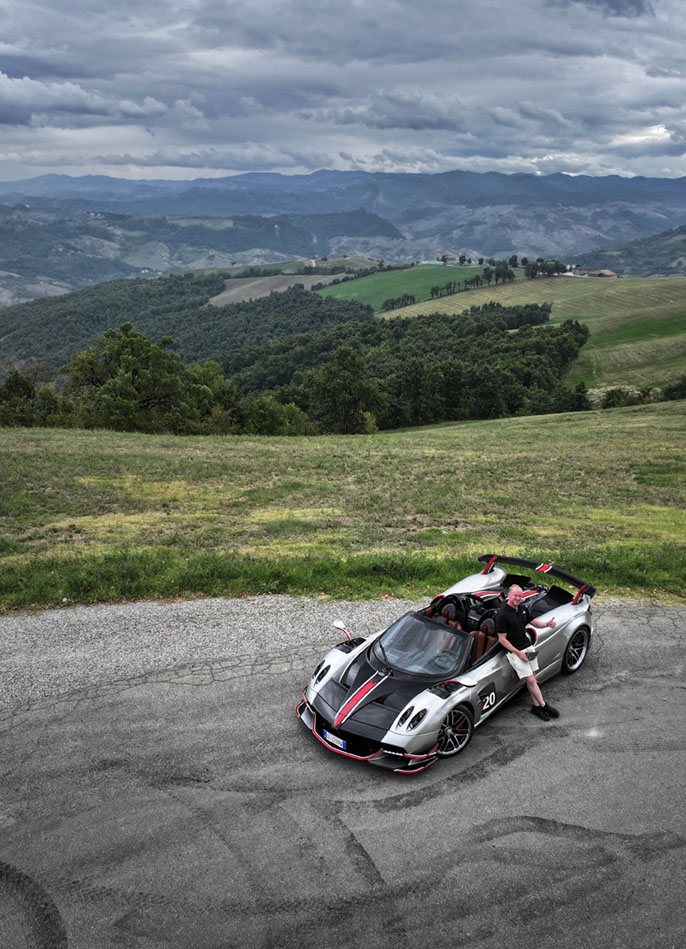
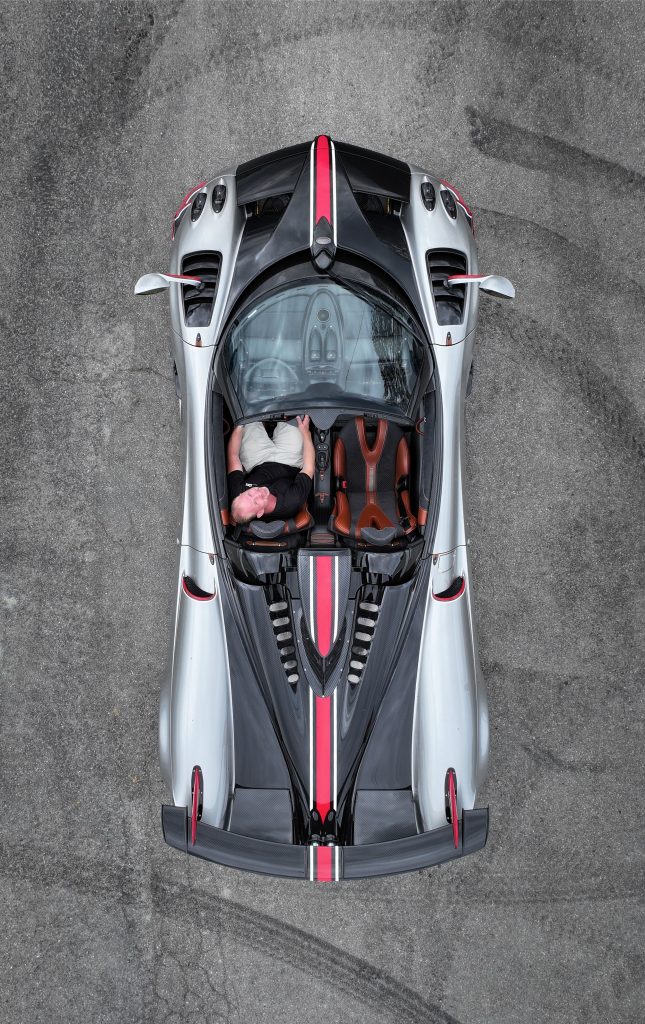
A rolling laboratory
The aerodynamics of the BC version are heavily reworked. A new front splitter, deeper side skirts, fixed rear wing and a massive diffuser create significantly more ground pressure. The exhaust is also actively used to influence the airflow under the car.
The result is a car that is not only visually striking and uncompromisingly built, but also a rolling laboratory of materials engineering and design.
Lunch in the mountains and an honest rating
After a short drive up to the Abetone pass, we stop for lunch. In a quieter environment, I have the opportunity to talk through my impressions with Alberto Scilla. Once again, he flatters me by saying that he enjoyed the passenger seat.
He says that there were times when he asked journalists to switch seats out of concern for both the car and his own life. With me behind the wheel, he felt safe enough to focus instead on how the car worked technically. That says a lot, especially given that this is not a mass-produced, robot-built car, even if the engine comes from Mercedes-AMG.
This run also resulted in a separate article published in Travel Magazine and their latest issue, based on the same day behind the wheel of the Pagani Huayra Roadster BC.
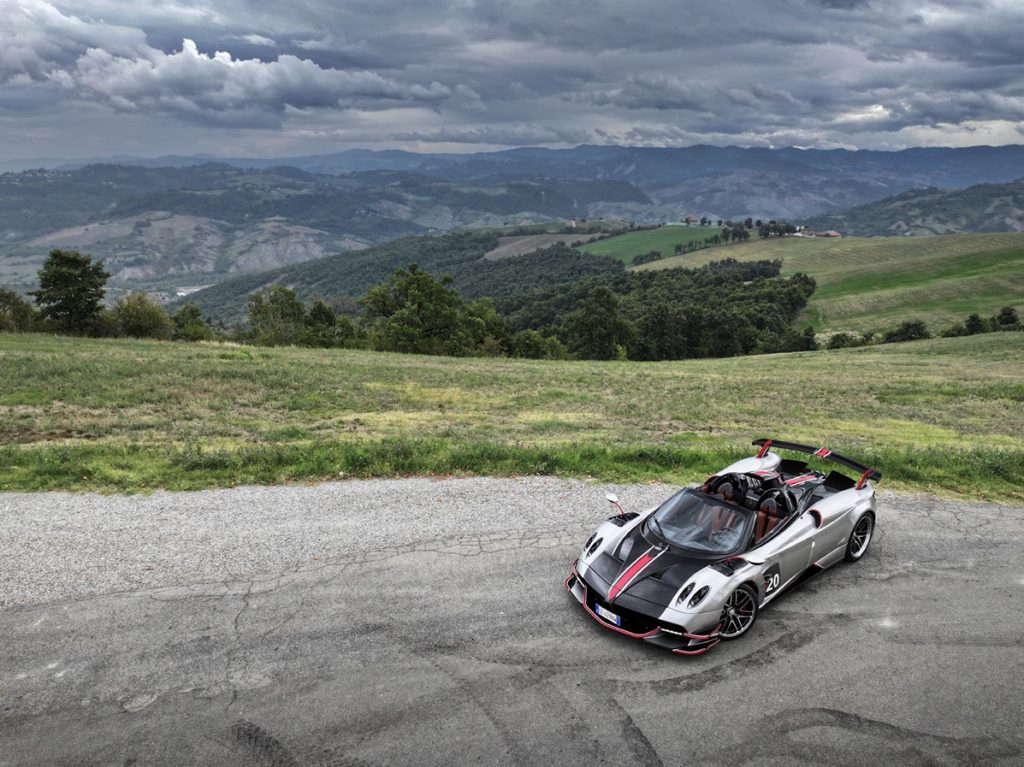
A dream car without compromise
The Pagani Huayra Roadster BC is a car that stays with you long after the engine stops. The combination of brutal performance, uncompromising craftsmanship and an extraordinary driving experience makes it more than just a hypercar. If I had €4.5 million lying around somewhere, I wouldn't hesitate for a second what to do with it.
Technical specifications
Pagani Huayra Roadster BC
Price: About 4.5 million euros
Engine: 6.0-litre AMG V12 biturbo
Power: 802 hp / 1 050 Nm
Drivetrain: Rear-wheel drive, 7-speed sequential gearbox (Xtrac)
Acceleration (0-100 km/h): Not official
Top speed: 350 km/h (electronically limited)
Service weight: approximately 1 250 kg
Dimensions (length/width/height): 4 605 / 2 036 / 1 169 mm

 English (UK)
  Svenska
Leave a Reply