
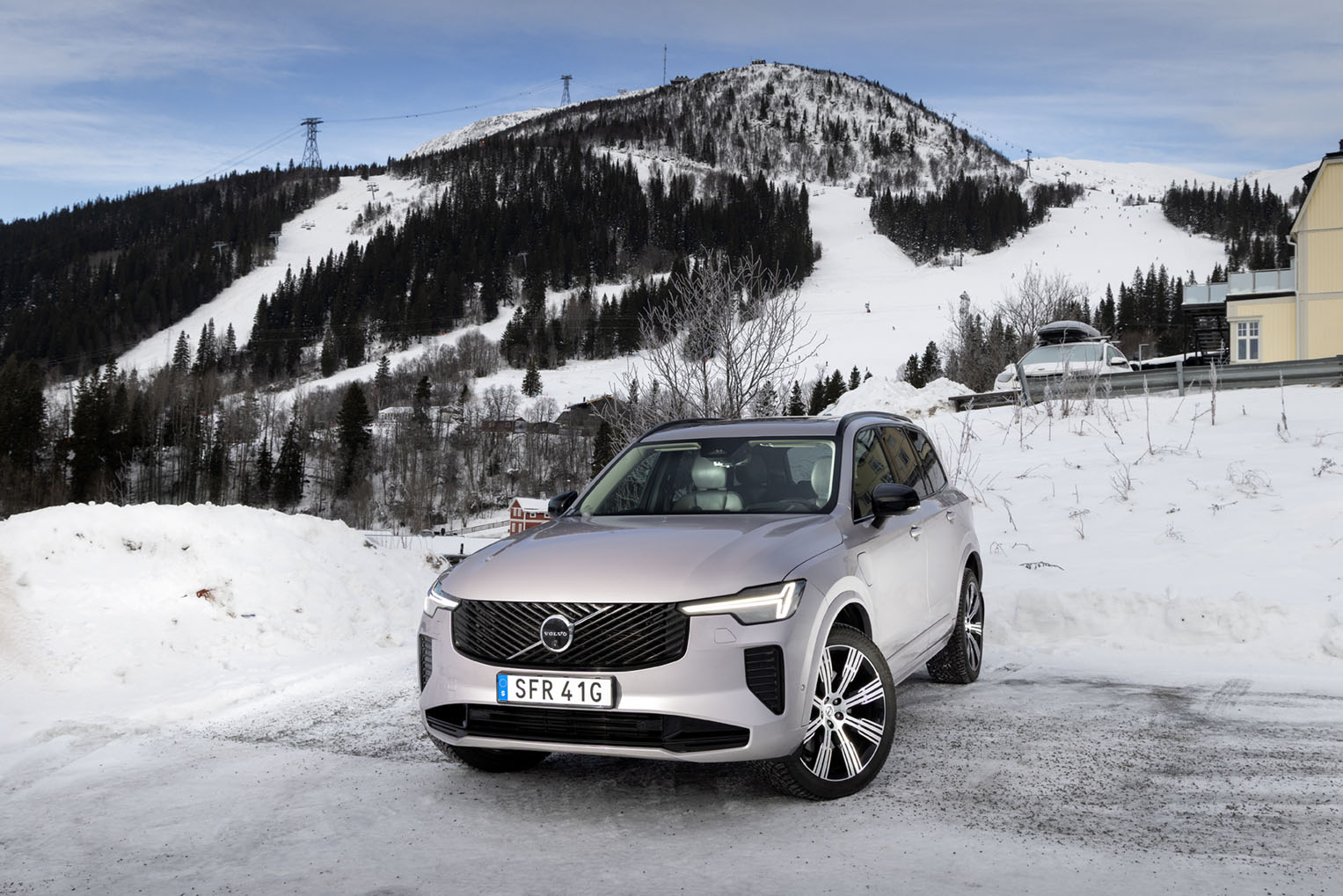
Volvo has recently unveiled its all-new EX60 model. Of course, I will be back with a test drive of it as soon as possible, but this article focuses on the Volvo XC90 and how it works in practice as a long-distance car in real-life conditions.
For more than two decades, the Volvo XC90 has established itself as one of the most complete large SUVs on the market. It is a car built for long distances, family life and Nordic conditions, with a clear focus on comfort, safety and predictability rather than sporty ambitions. Whatever the powertrain, the XC90 has always played the role of Volvo's long-distance car of choice.
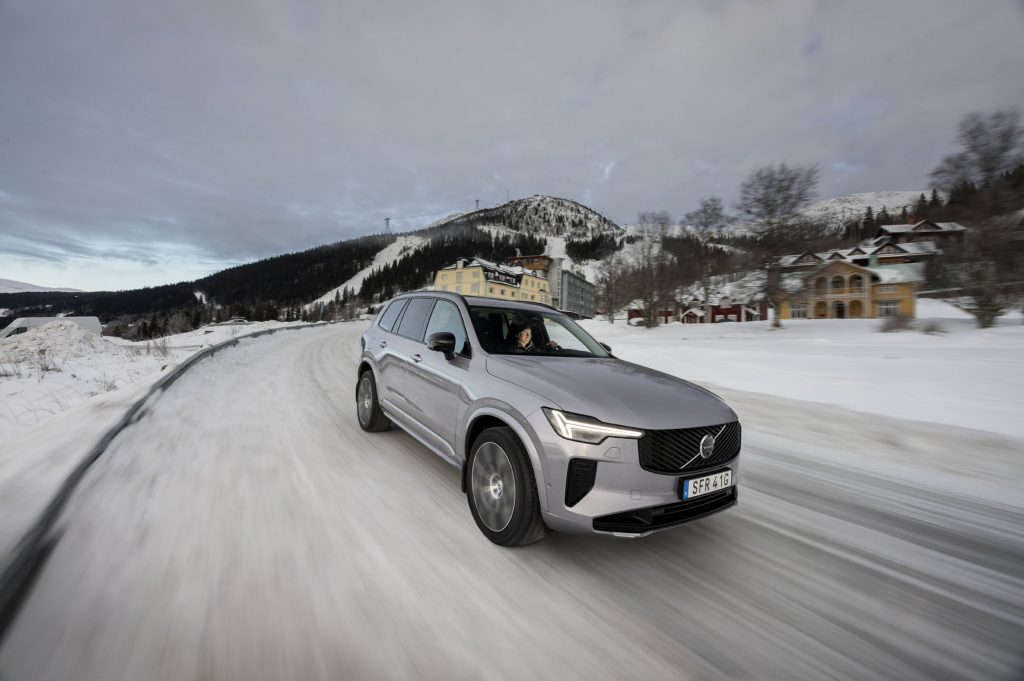
In its latest generation, the model has been refined rather than fundamentally changed. The platform, proportions and basic character are familiar, but under the surface the technology has matured. Not least electrification, which has effectively changed the way the XC90 is used in everyday life and on longer journeys. The electric sibling You could read about the EX90 here on carscollection.com.
XC90 in real use
It is only when a car is used outside its ideal environment that the whole is really put to the test. Long distances in winter make demands on the powertrain, energy management and the driver's peace of mind. This is where the XC90's fundamental philosophy becomes clear. It's a car that should work without requiring constant attention or planning.
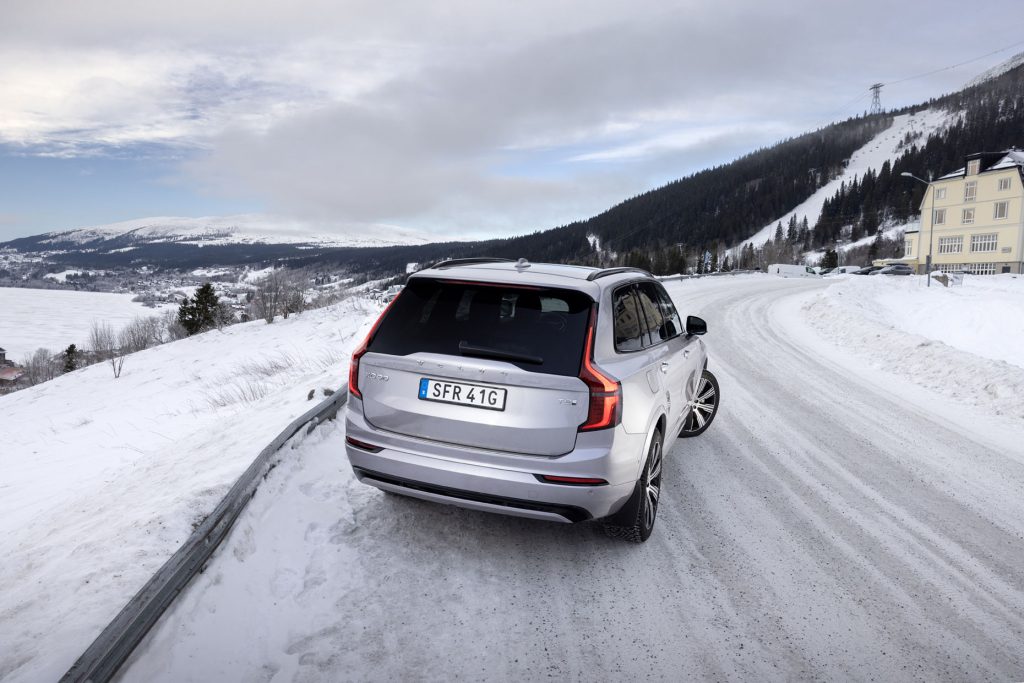
Already during my trip to Norrland last year, I actually got a first contact with this updated version of the XC90. The trip was made in connection with my test drive of the Volvo EX30 Cross Country, even before it was officially unveiled. At the same time, I also had the opportunity for a short test drive of the XC90. The impression was already positive then, but due to a lot happening in my life during that period, there was neither the time nor the right conditions for a longer evaluation or a coherent article. It is only now, when the car has been used in its true element and over longer distances, that the XC90 has really shown what it can do.
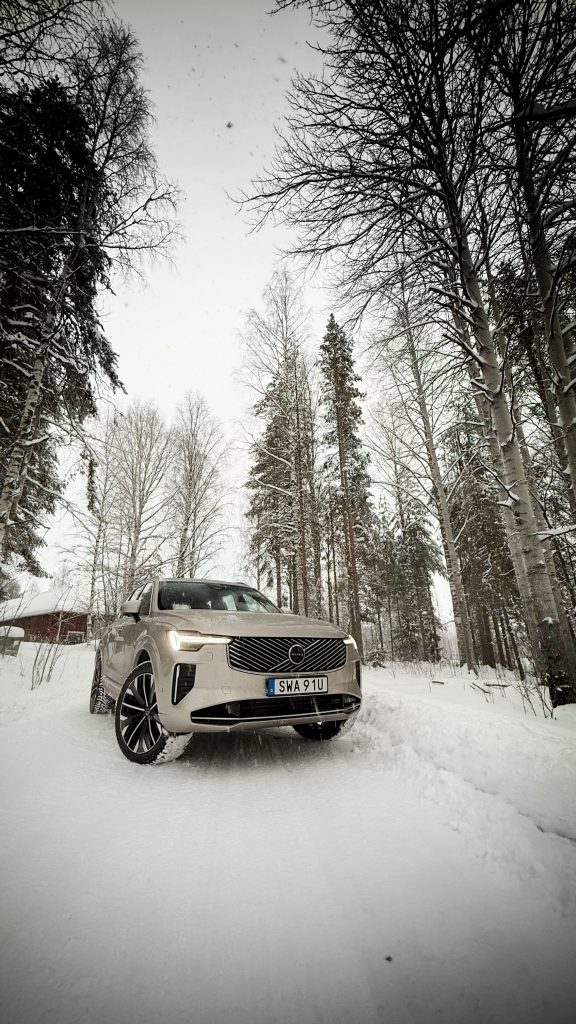
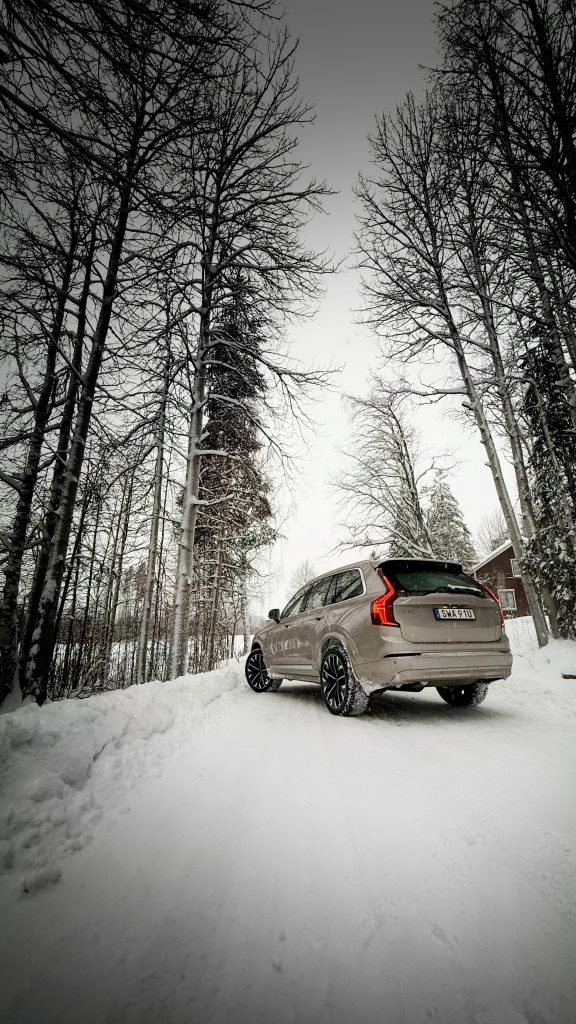
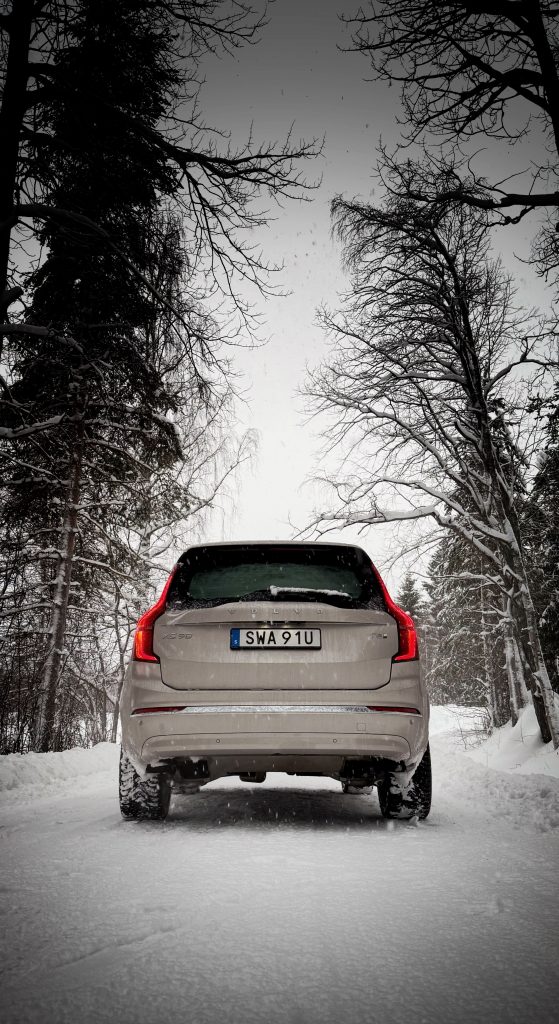
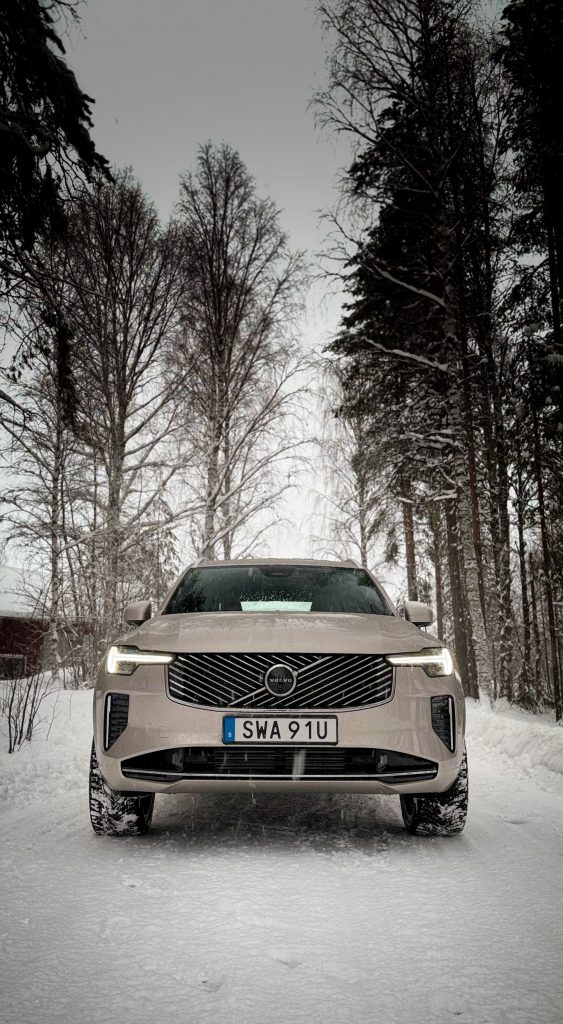
For those of you who don't know, I snowboard, and for many years I worked as a professional snowboard photographer. During that time, I got to experience the best winter has to offer together with some of the world's best riders. Since my motorbike accident in 2022, I haven't been snowboarding as much as I used to, but the connection to the mountains is still there.
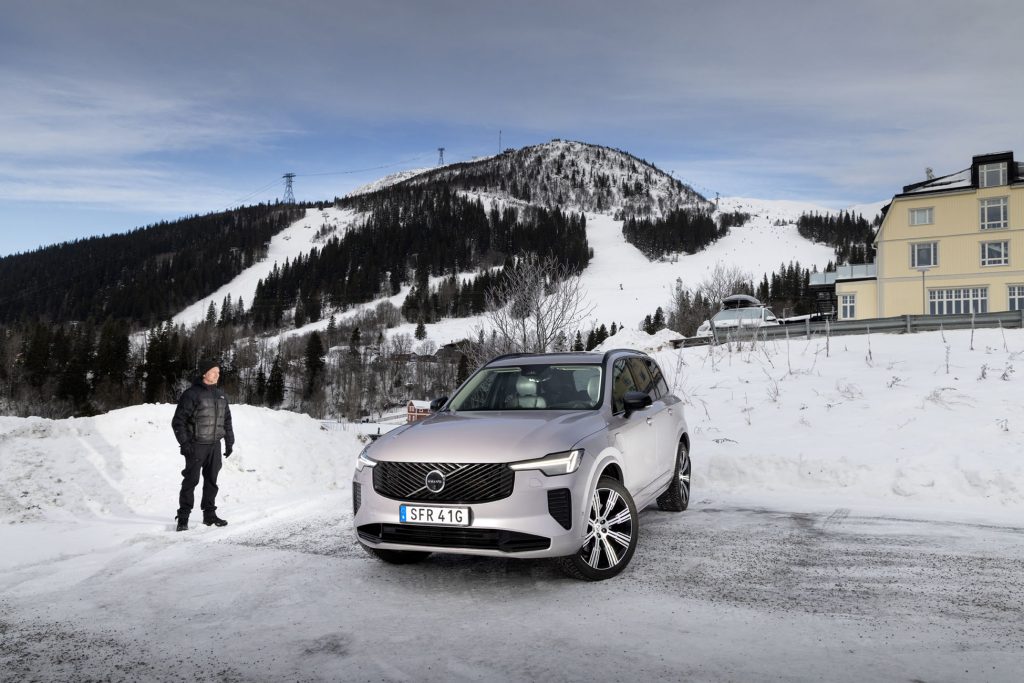
A good friend of mine has built a fantastic house in Tegefjäll, just outside Åre. The house is right next to the slope and makes it possible to ski straight out onto the piste from the terrace and back again. What makes the house extra thoughtful is that he has saved almost all the trees in front of the house, creating an unusual sense of privacy, not least after the sauna. He has also built a sloping roof over the stairs up from the car park, which means that you never have to shovel the stairs when the snow falls. A simple but extremely smart solution.


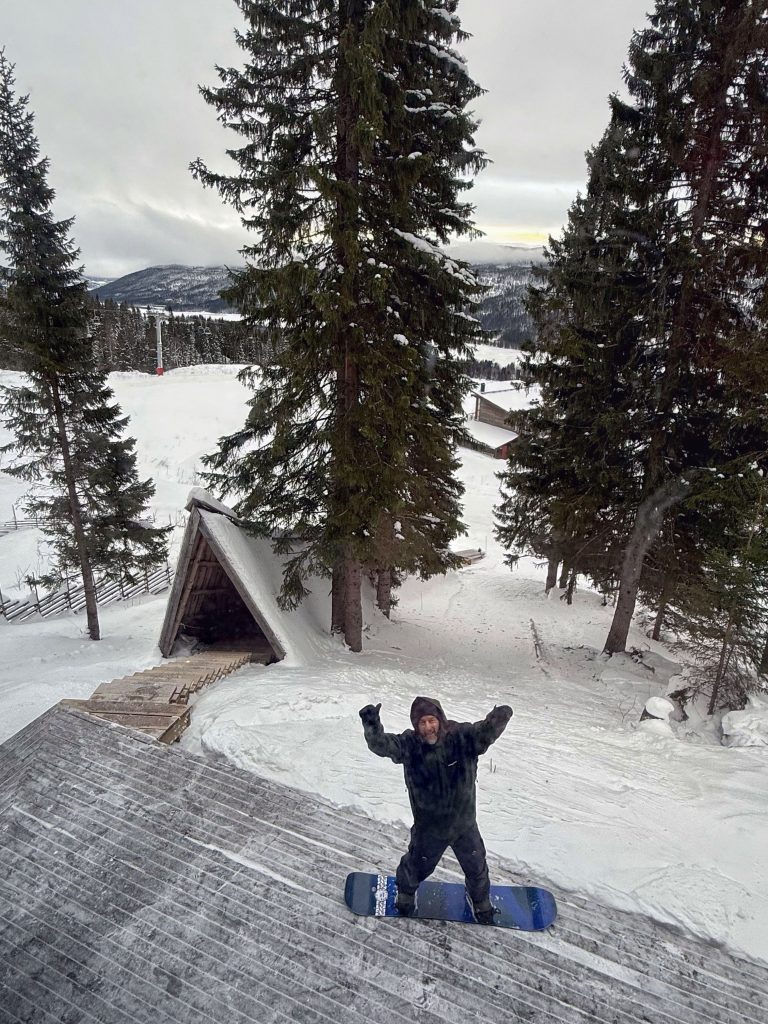
For me, the house has become a perfect base. Partly for recovery and winter environment, but also to be able to bring up test cars in similar conditions year after year. It provides an unusually good opportunity to compare different powertrains and concepts, even if the cars are not part of the same test or article.
During a winter trip to Åre, the Volvo XC90 was used exactly as it was intended to be used. Departure was in the morning from Upplands Motors in Akalla with a full tank and charged battery. The route was chosen according to weather conditions rather than range, which meant driving via Sundsvall. It is a longer distance than the inland road via Ånge, but with more motorway and smoother traffic flow.
Despite the longer distance, the journey time was kept to a minimum. Arrival in Åre was at 18:46, including stops for food and shopping. The drive required no charging stops, no adjustment of pace and no mental planning. The XC90 simply performed as a long-distance car should, regardless of the season.
Practical comparison and conclusion
When the same journey was made the year before with Audi Q8 e-tron Dakar the outcome was quite different. Despite the shorter distance and slower pace, five recharging stops were required, the journey time was around eleven hours and the driving was characterised by constant planning and energy awareness.
The longer route via Sundsvall was thus considerably faster with the XC90, with significantly less mental strain behind the wheel. For long-distance winter journeys, the plug-in hybrid solution still appears to be more flexible and useful in practice.
Comfort, sound and a sense of place
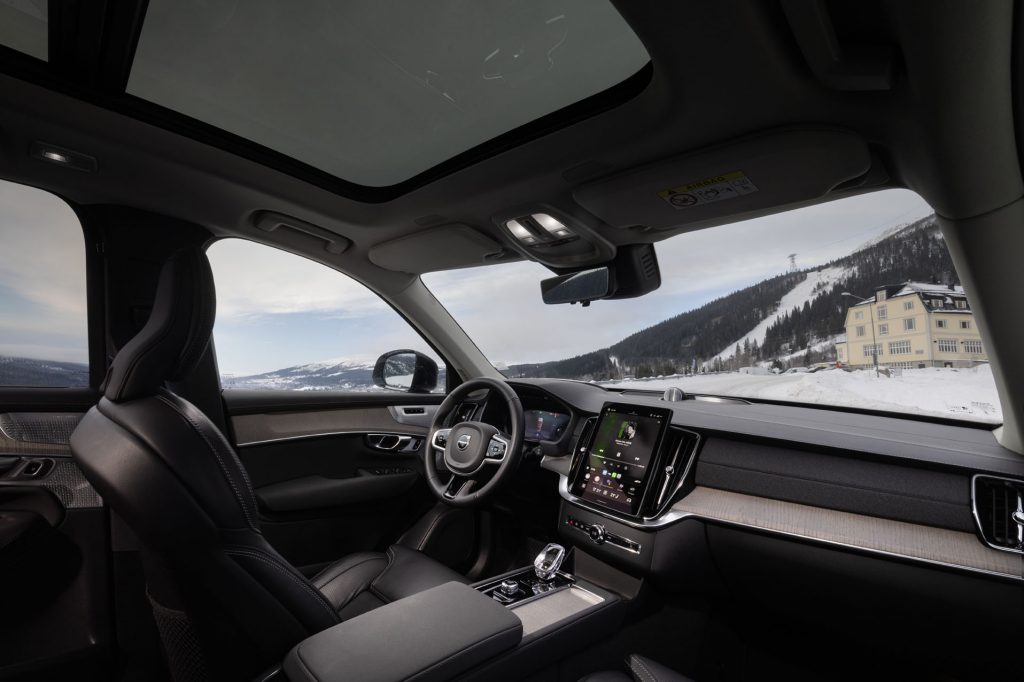
Perhaps the most impressive thing about the Volvo XC90 is how relaxed it is to drive. Whatever the pace or road conditions, there's a calmness that means long journeys never feel exhausting. The seats, the soundproofing and the basic character of the chassis all work together in a way that few competitors can match.
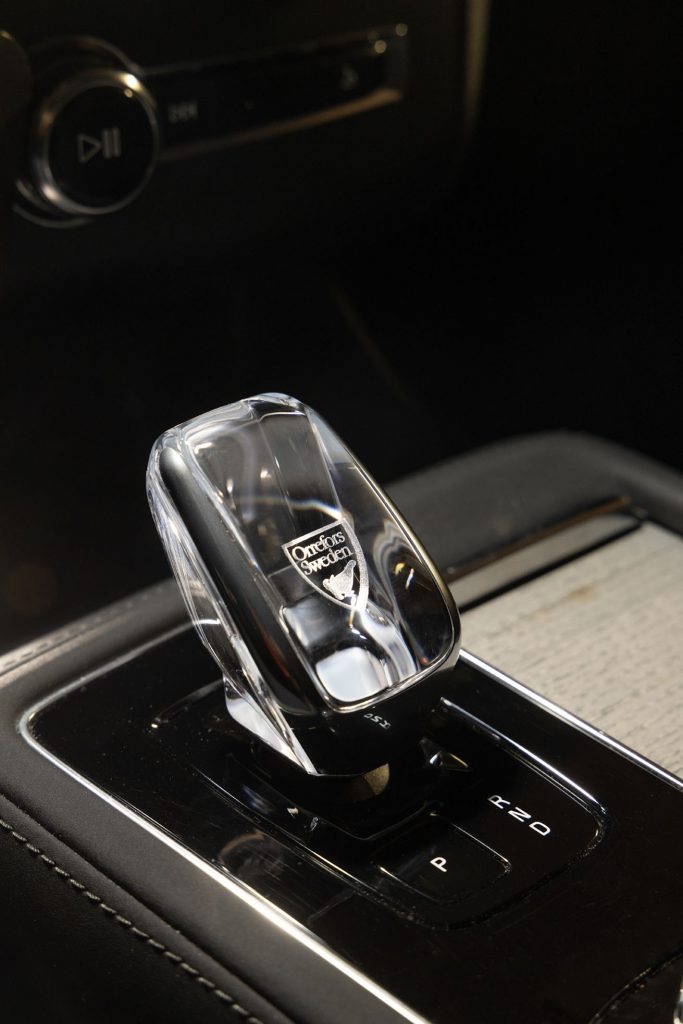
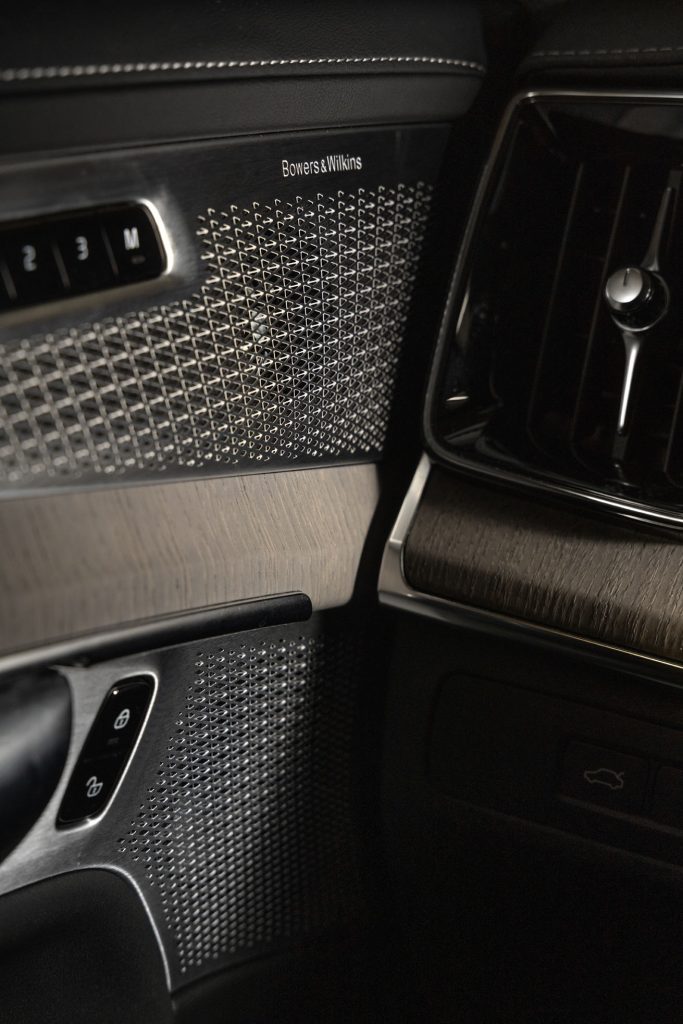
Volvo has not skimped on the sound system either. The Bowers and Wilkins system is top of the range and turns the cabin into a rolling listening room. It's the perfect environment for enjoying music during long journeys, or why not any of the my own DJ mixes available to listen to via SoundCloud.
The Volvo XC90 is ultimately not the car that shouts loudest on paper. It's the car that delivers when it's used as intended, for real, in real conditions.
Technical specifications
Volvo XC90 Hybrid T8
Price: from around SEK 995,000
Engine: Electric and petrol. Two electric motors, totalling 145 hp. 18.8 kWh battery pack. 2.0 litre four-cylinder petrol engine with turbo.
Power: 310 horsepower. Total power 455 bhp. Torque: 709 Nm.
Transmission: Front engine, four-wheel drive. 8-speed automatic gearbox.
Top speed: 180 km/h
0-100 km/h: 5.4 seconds
Electric range: up to 70 km
Weight: approximately 2 300 kg
Dimensions (length/width/height): 4 953 / 1 931 / 1 773 mm

 English (UK)
  Svenska
Leave a Reply