
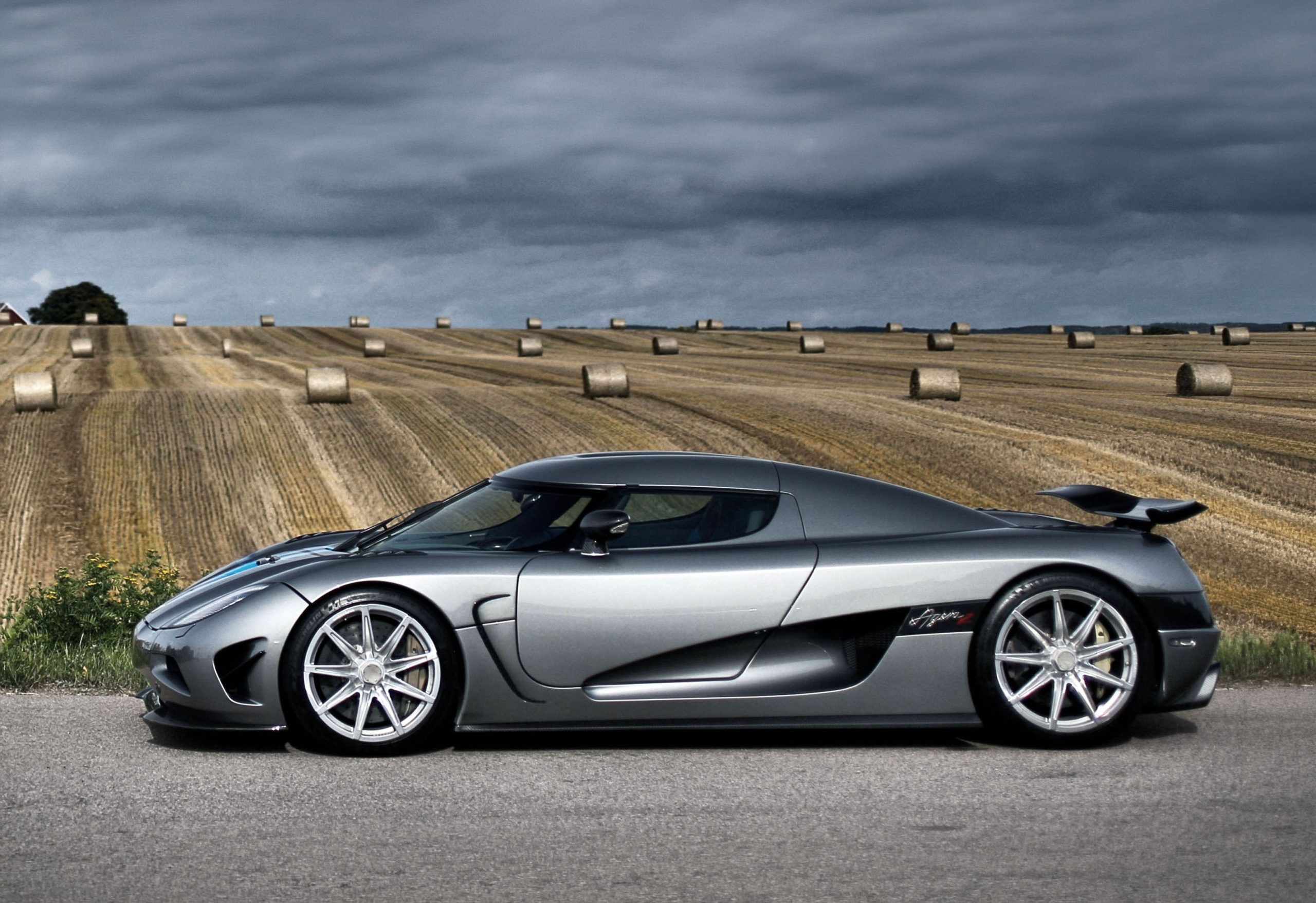
Koenigsegg Agera R
Article 350! The Hulk in ballet shoes
Describing the Koenigsegg Agera R must be done with a certain melancholy between the superlatives.
I still remember a documentary on Discovery Channel about volcanoes and seismologists. A young researcher was interviewed after a powerful volcanic eruption and was asked how he felt. His answer surprised me. He felt downcast. Not because of the devastation around him, but because he realised that already at the age of 21 he might have experienced the most spectacular thing he would ever see. How could anything surpass what he had just witnessed?
That feeling has stayed with me ever since I stepped out of a Koenigsegg Agera R for the very first time.
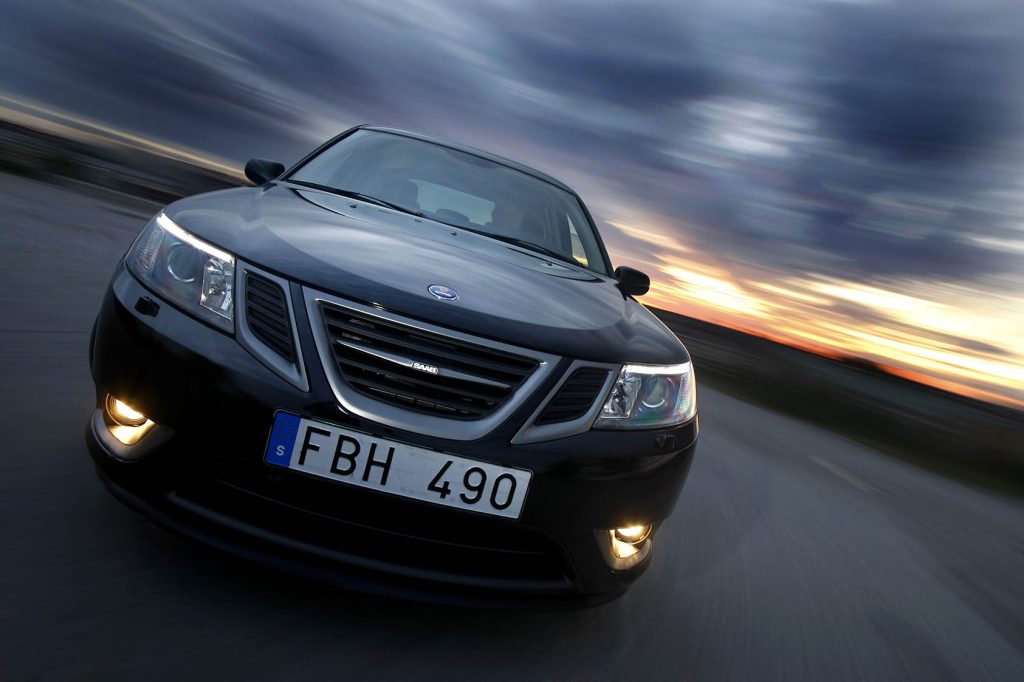
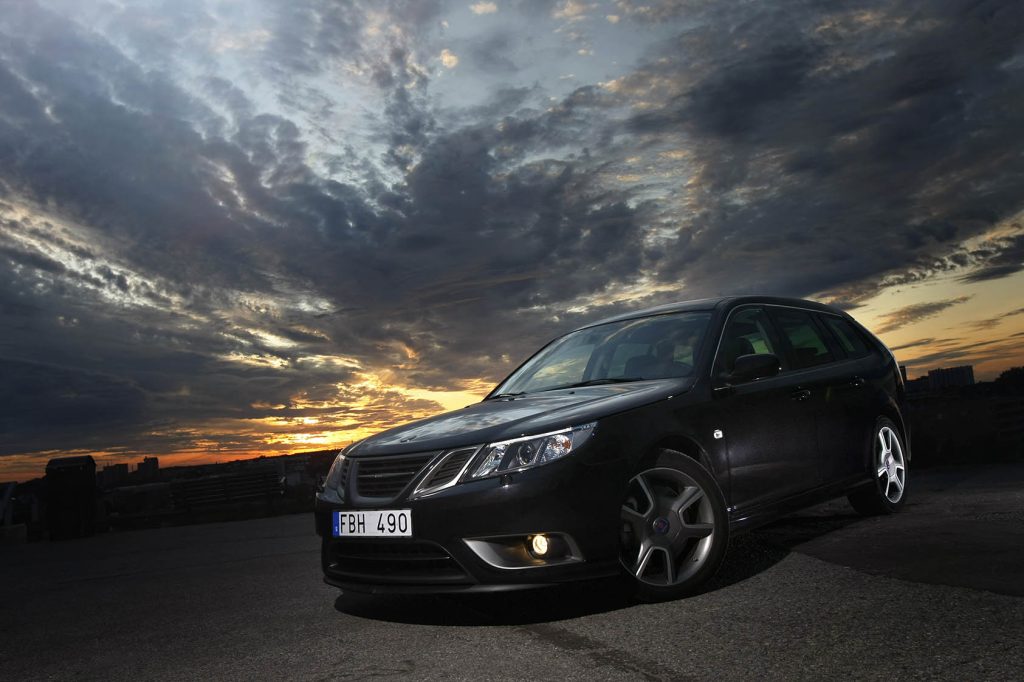
When this test drive was carried out in August 2012, I had only been working as an automotive journalist for a few years. My first car article of my own was in 2008, when I test drove Saab 9-3 Turbo X. Even back then, photography was just as important a part of the job as the driving itself, and among the pictures was one of my early rig shots.
Today it has been eighteen years since then. During that time, I have had the privilege of driving hundreds of cars, visiting the factories of some of the world's most legendary manufacturers, and experiencing international press launches that I could then only dream of. Yet it is still the Agera R that most often comes to mind first when someone asks which car has made the strongest impression on me.
It is not just about performance. Since the Agera R was unveiled, development has moved at a furious pace. Today, there are cars with higher power outputs, faster acceleration and even more advanced technology. But very few have changed my view of what a car can actually be. Koenigsegg managed to create something that was far more than a hyper sports car. It showed that a small Swedish company, even back then, could challenge the world's largest manufacturers with its own ideas, its own solutions and an uncompromising drive to constantly push the boundaries.
When CarsCollection.com as I am now publishing article number 350, it therefore feels natural to return to the Agera R. Not to rewrite history, but to tell it again with the experience that eighteen years as a motoring journalist has given me. Because some experiences deserve to be seen with fresh eyes.
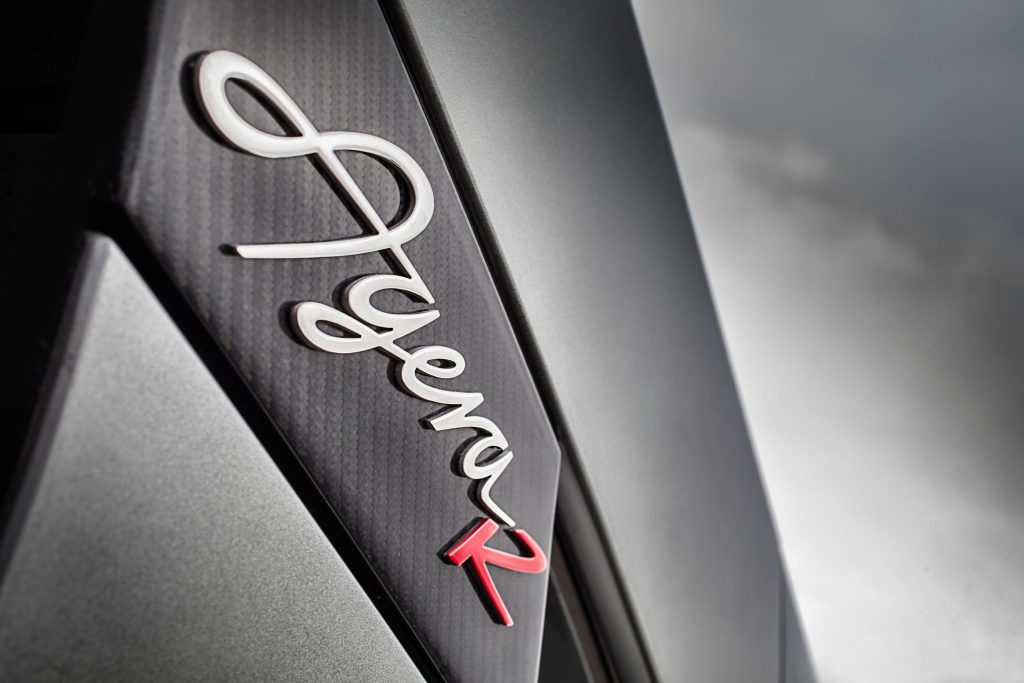
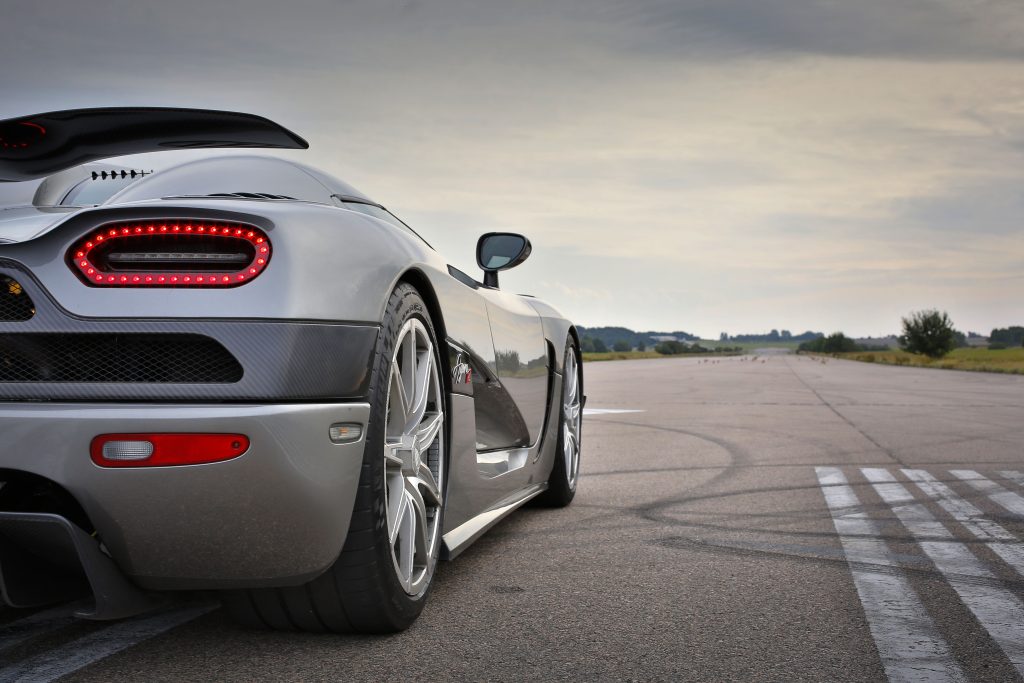
And despite all the cars I've had the privilege of driving since then, there is still one question that crops up every time I think back to that day in Ängelholm.
How do you actually top out a Koenigsegg Agera R? Perhaps the answer is a Koenigsegg Jesko Sadair's Spear. It remains to be seen. I still hope that day comes. Until then, the Agera R is still the car I compare all others to.
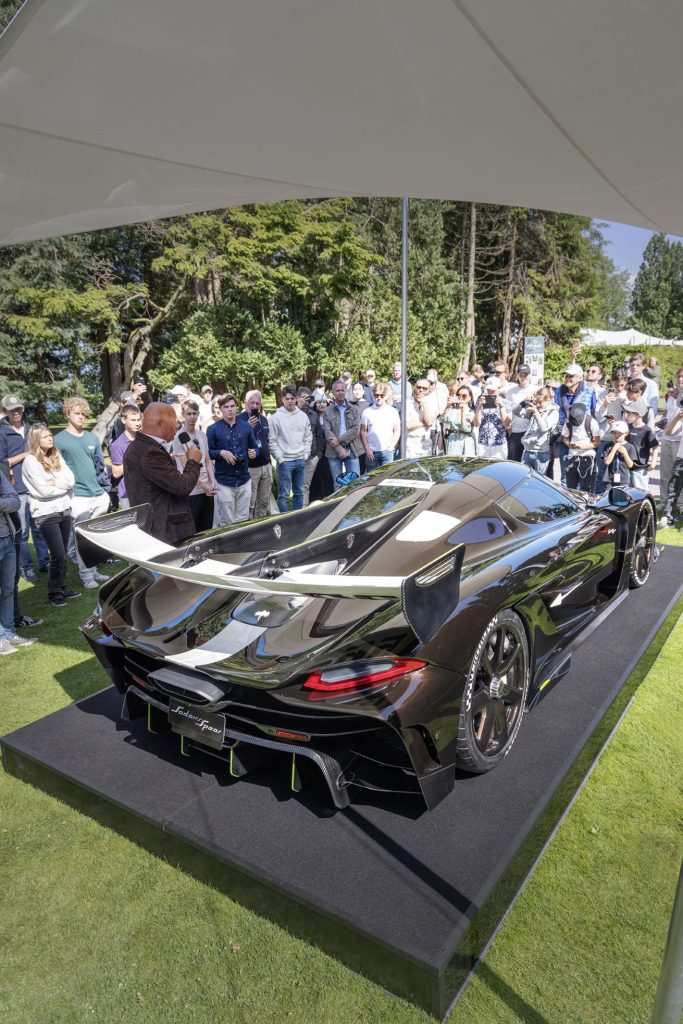
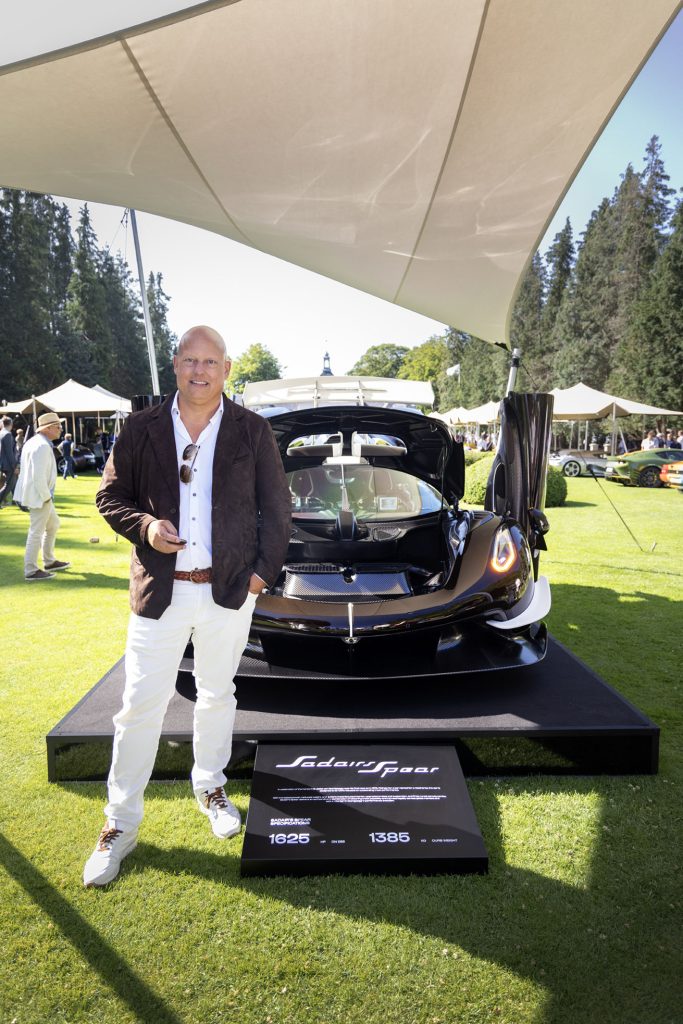
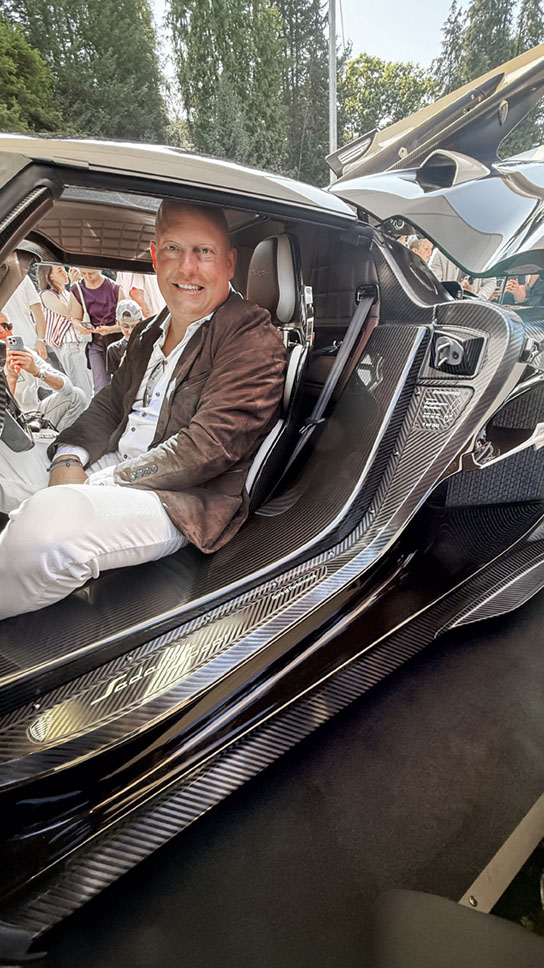
A Swedish miracle
In Ängelholm, on the Scanian west coast, Koenigsegg has been building hyper sports cars for over three decades. In connection with the company's 30th anniversary, I wrote an article about the journey from a bold idea to one of the world's most respected hypercar brands. But when this test drive was carried out in August 2012, that history was still a long way from being fully written. Back then, the Agera R was the centre of attention and Koenigsegg was on the verge of taking the step from upstart to a manufacturer that the entire automotive world was forced to reckon with.
Over the years, the company has survived factory fires, financial crises and setbacks that would have made most people give up. Yet Christian has kept going with the same stubbornness as when the company was founded in 1994. Perhaps that is precisely why Koenigsegg today is not just a car manufacturer, but also a testament to what conviction and determination can actually achieve.
When Saab Automobile ended up in a deep crisis, Christian saw an opportunity to rescue one of Sweden's most historic car brands. Together with the Norwegian entrepreneur Bård Eker a bid was placed, but the deal never went through. For many, it would have been a bitter defeat. For Koenigsegg, it was instead the start of a new chapter. The company chose to focus all its energy on its own development, and the result was the Agera. Christian explains that the model name comes from the Swedish word ”agera” [to act]. After the failed Saab deal, there was really only one option. To act. And that is what they did.
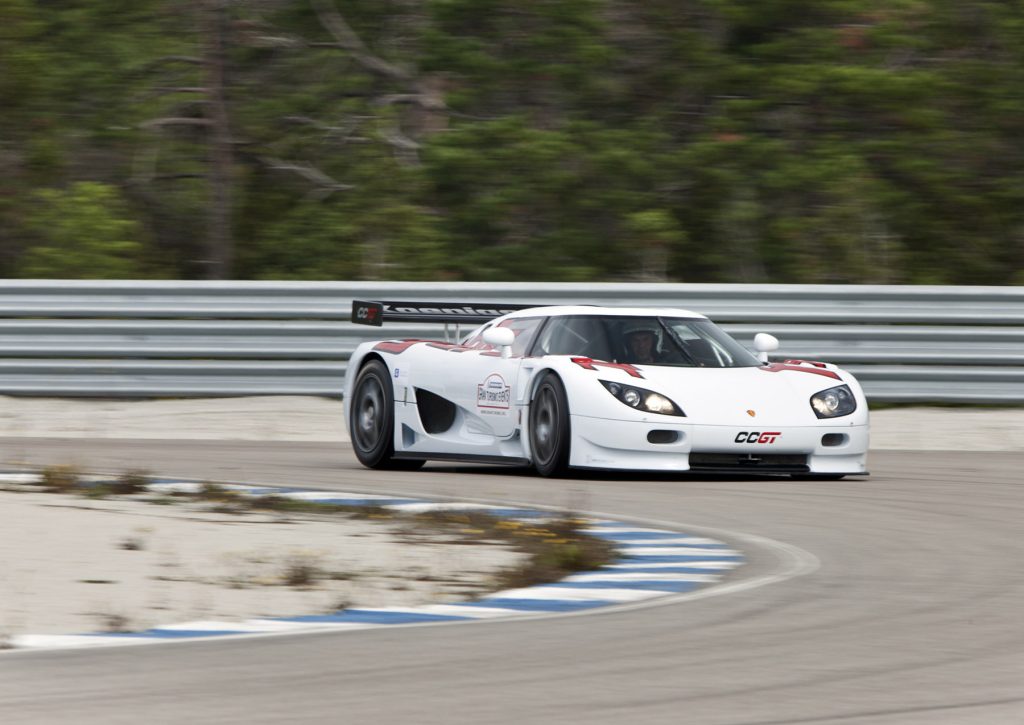
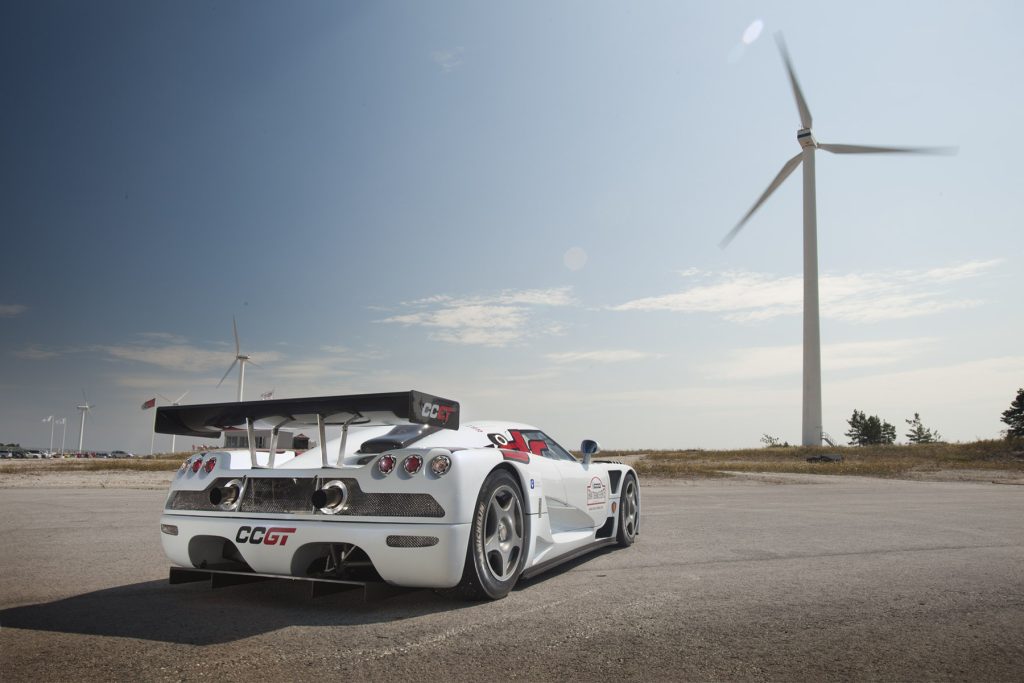
Two years later, during Gran Turismo Gotland 2011 on Gotland Ring, I met Bård Eker again. He participated with his Koenigsegg CCX and I also took the opportunity to photograph the unique CCGT at the track. When we later visited Visby harbour, I took portraits of Bård together with his CCX. A funny detail is that a Hydroliftboat is visible in the background of the image. Bård founded the Norwegian boat manufacturer Hydrolift back in 1985 and the company is still an important part of his business.
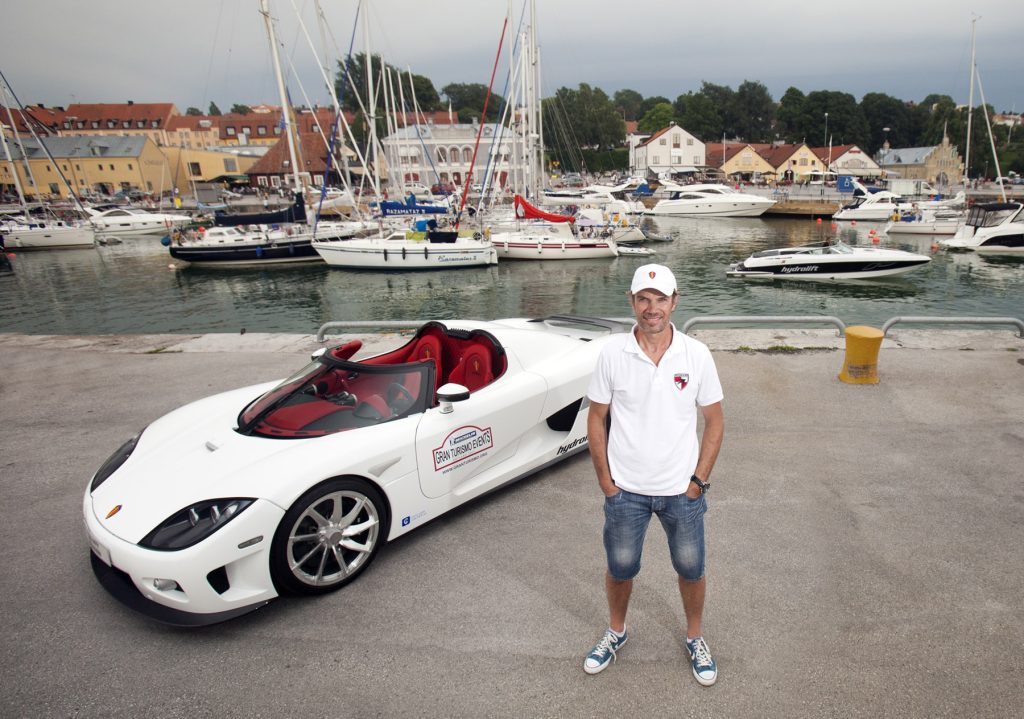
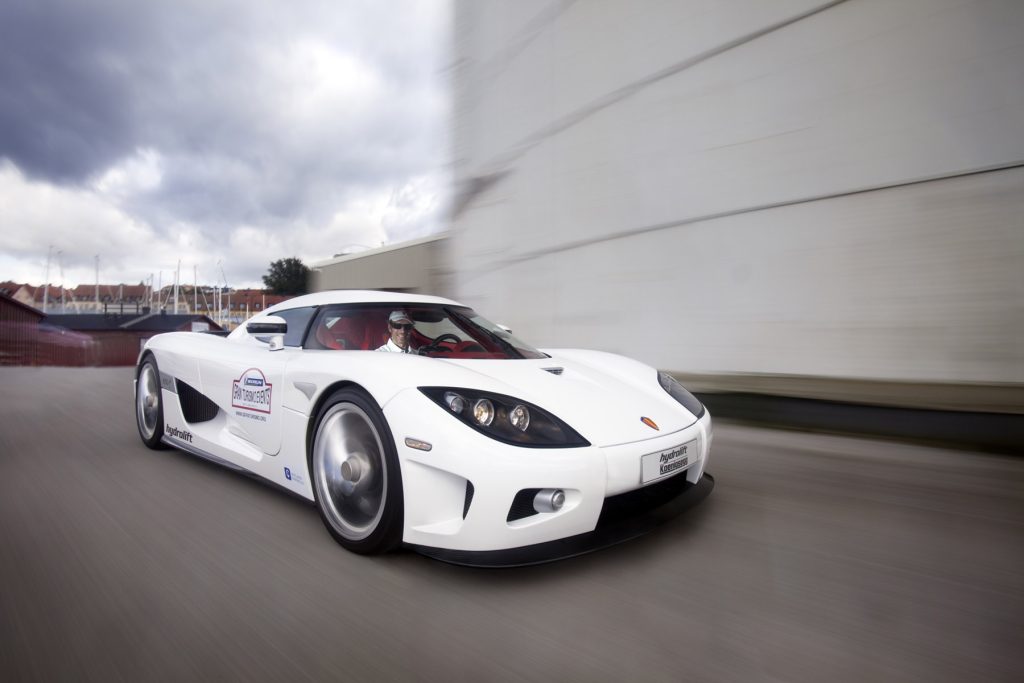
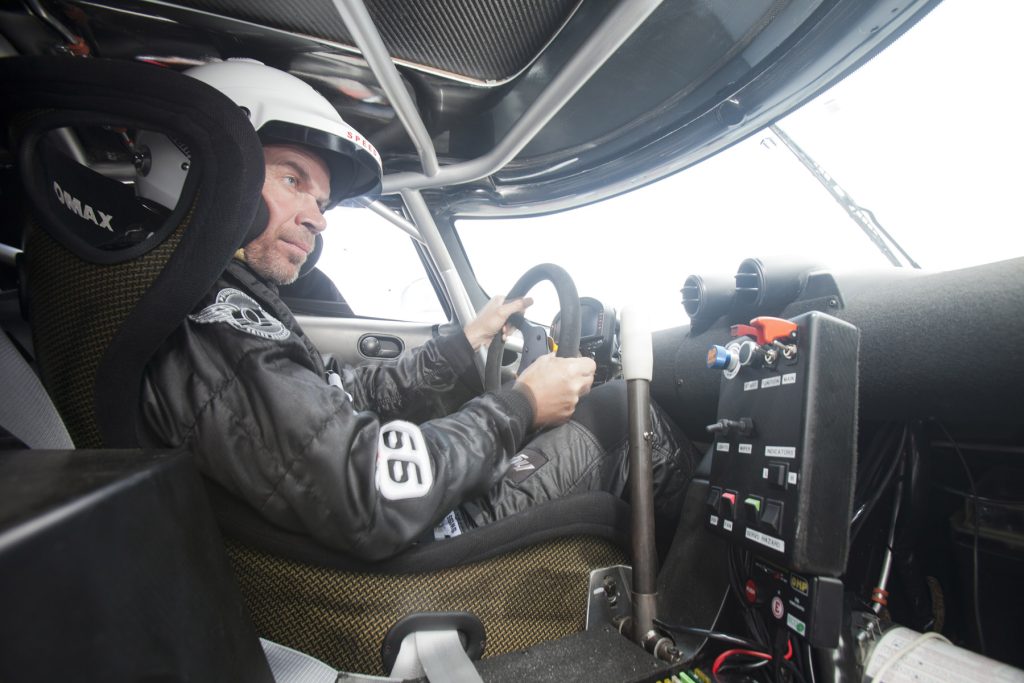
When I arrive at the factory, it is immediately apparent that the schedule is packed. Christian has just returned from a meeting in Malmö and will soon be heading off to the next one. Despite this, I am not met with any stress. On the contrary. He shows me around with a calm and an enthusiasm that is infectious. It is clear that the factory is not just a workplace, but the result of a lifelong dream.
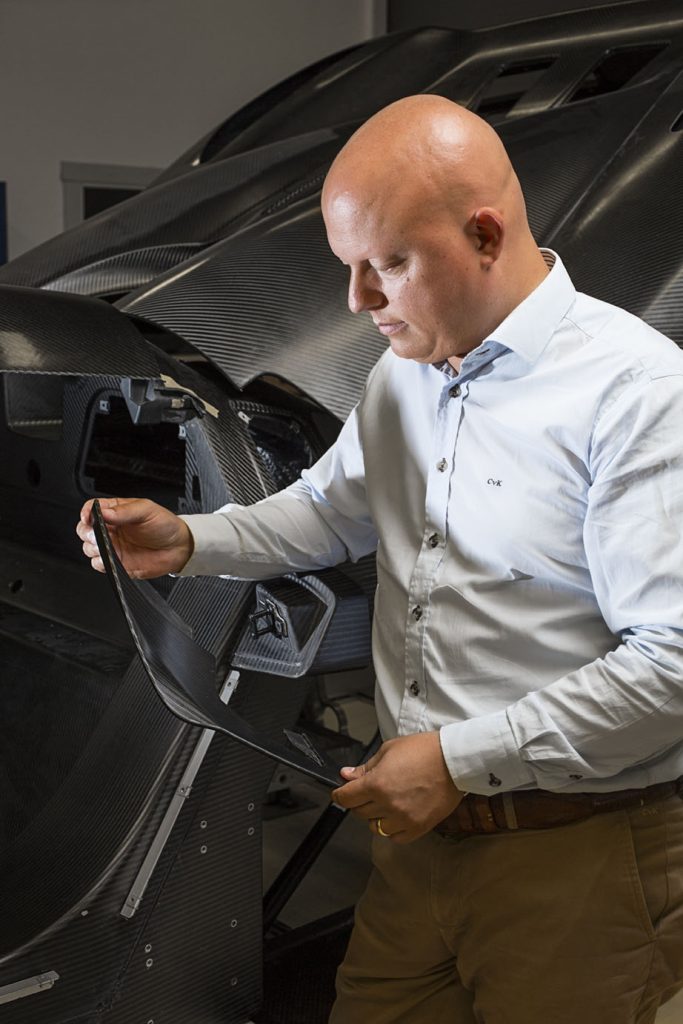
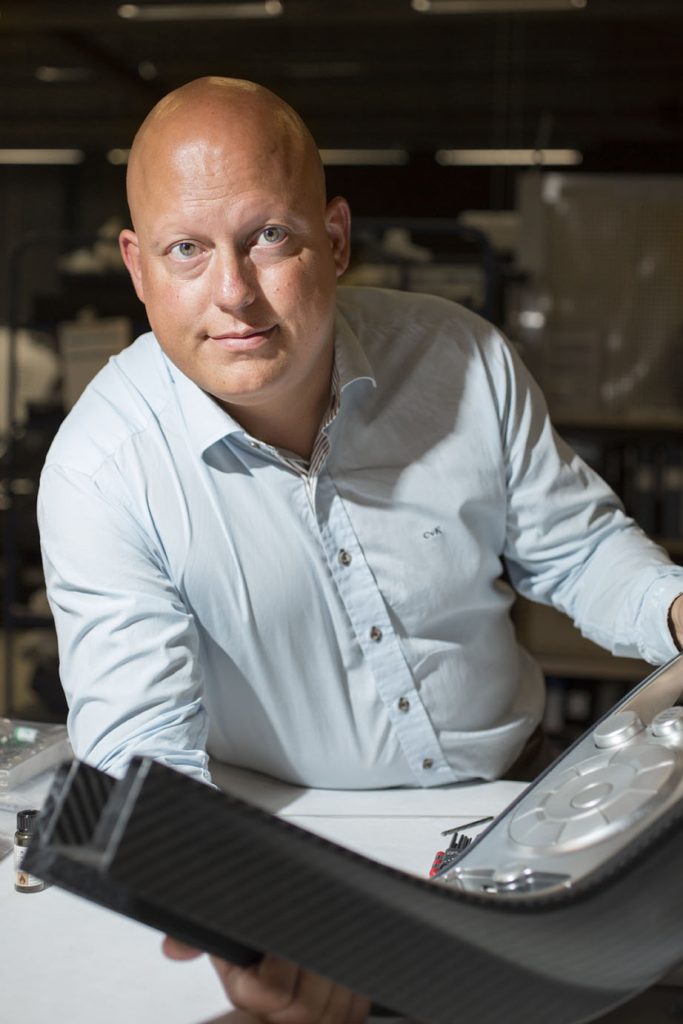
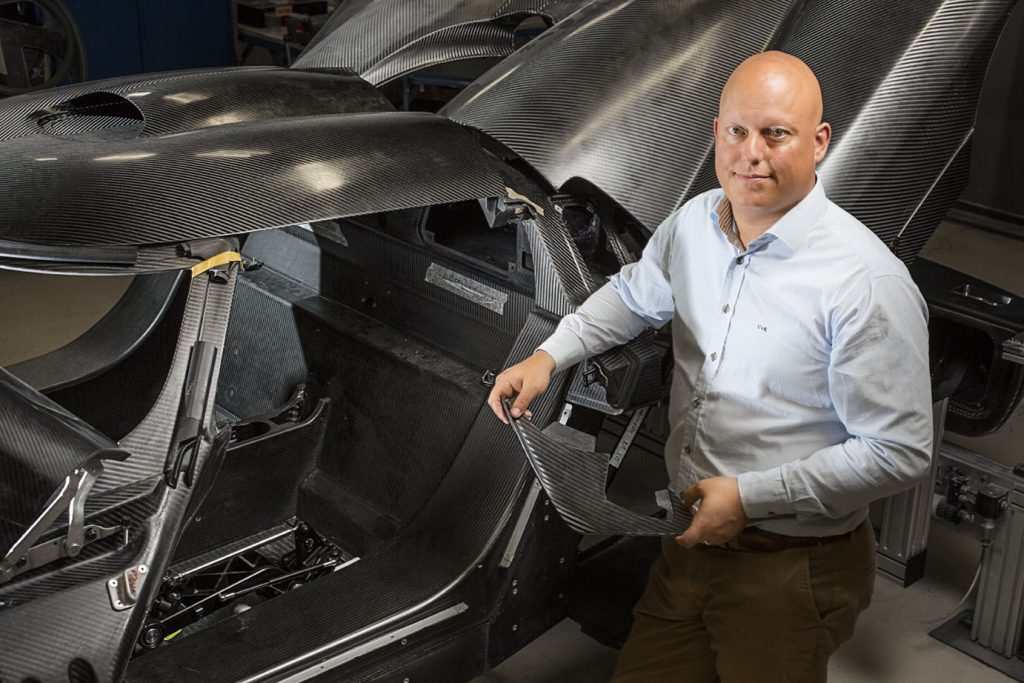
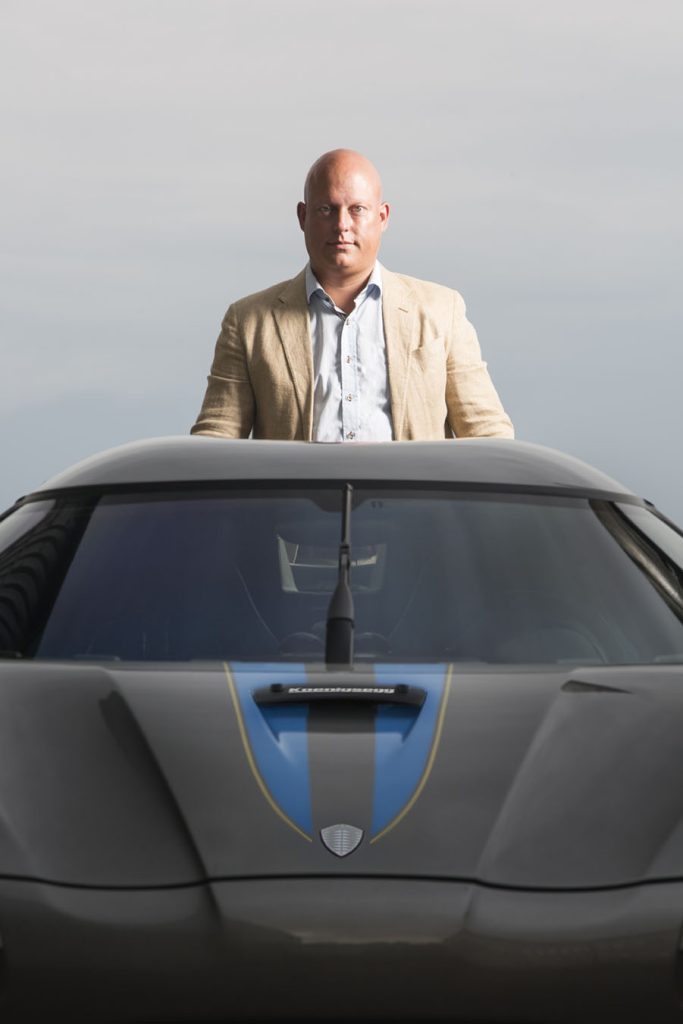
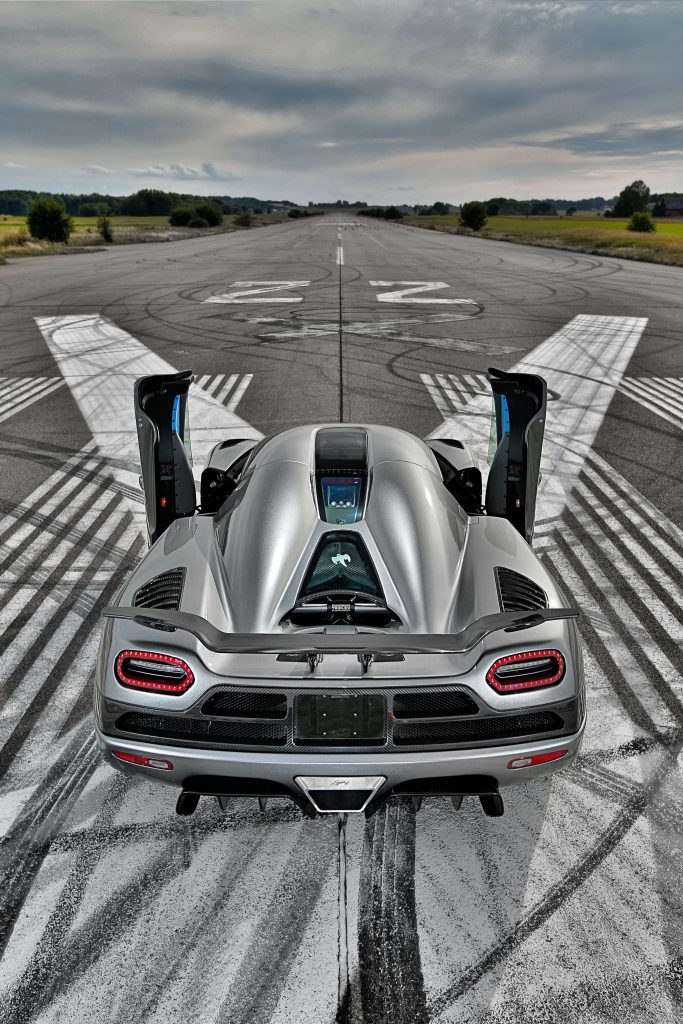
During the tour, Christian shows us several of the components used in the Agera and talks enthusiastically about the development, the materials and the thinking behind the design. It’s clear that every detail serves a purpose and that nothing is left to chance. Before it’s time to hit the road, we also take the opportunity to snap a few portrait shots out on Koenigsegg’s test track alongside the Agera R.
Much has changed since the early years. What used to be manufactured by external suppliers is now largely produced within the factory's own walls. In this way, Koenigsegg has gained full control over both quality and development. This is noticeable in everything from the carbon fibre structure to the smallest details of the interior. Nothing feels left to chance.
The engine that silenced the critics
We stop in front of an engine that still commands respect just by standing there. Christian smiles when one of the most persistent rumours about Koenigsegg comes up. ”It has often been said by the ignorant that we use a Ford- block for our engine,” he says and shakes his head slightly. ”That's not correct.”
For many years that very rumour has lived on, but the truth is entirely different. The Agera R is powered by a five-litre twin-turbocharged V8 developed by Koenigsegg themselves. With E85 in the tank, the engine delivers 1,140 horsepower and a torque of 1,200 Nm. If the car is fueled with regular petrol, the output drops to 960 horsepower, which is still more than enough to command respect from most things on four wheels. The power is sent to the rear wheels via a seven-speed dual-clutch gearbox that shifts lightning fast without disturbing the car's balance.
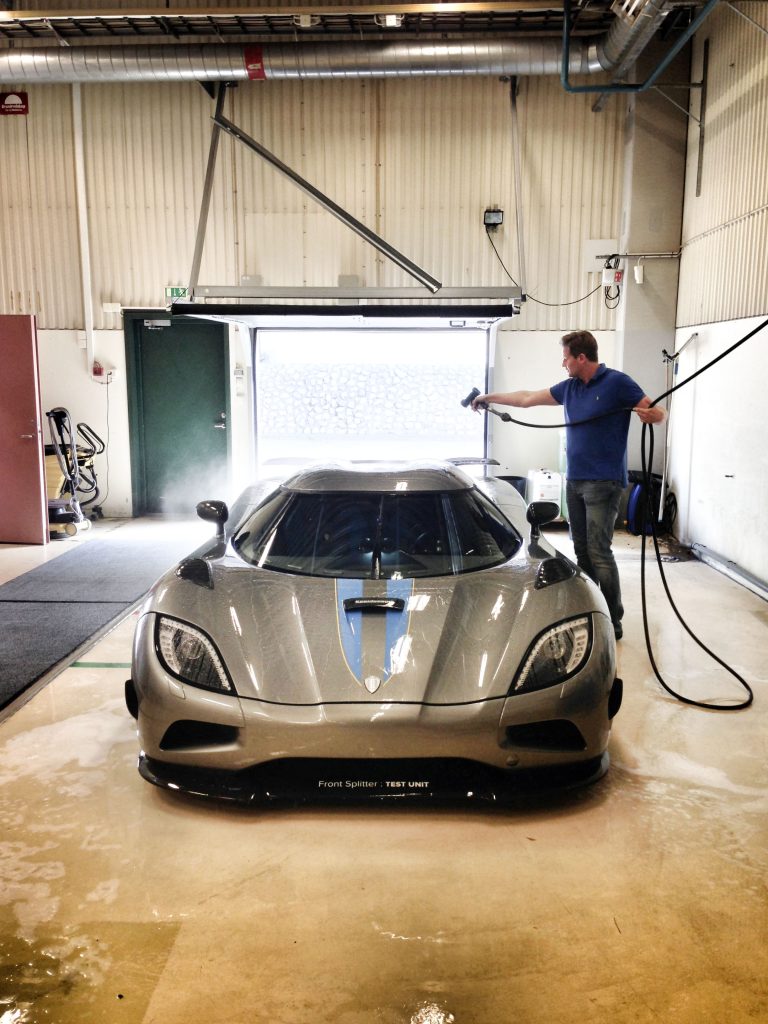
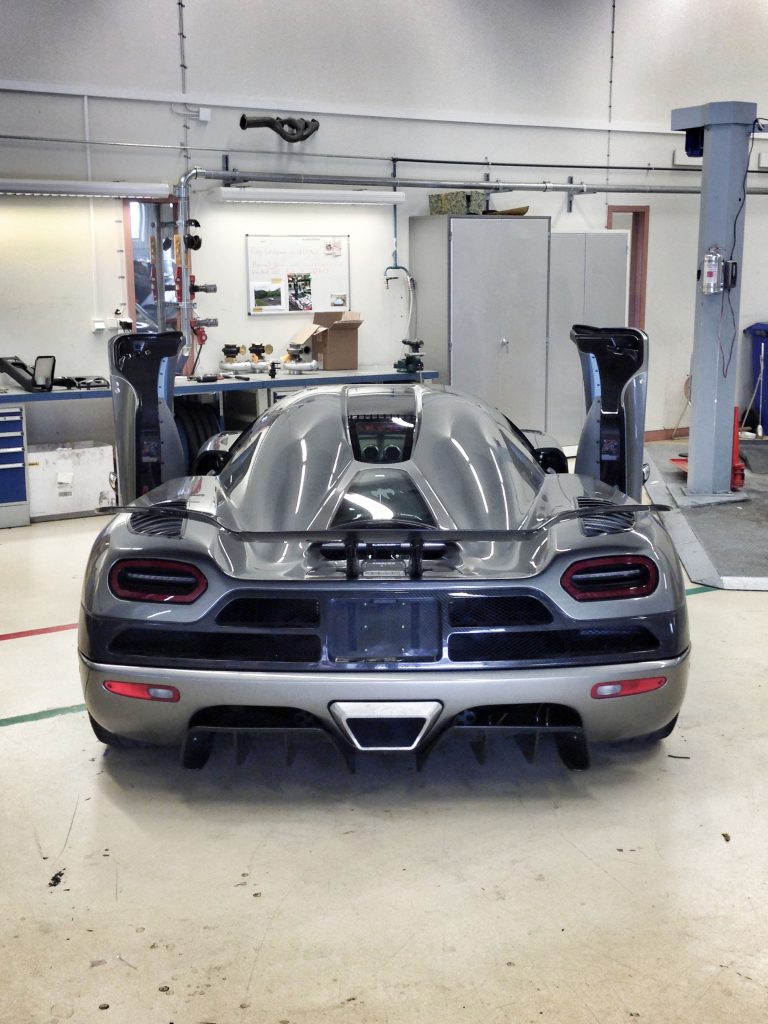
On paper, the figures are almost hard to take in. The acceleration from 0 to 100 km/h takes 2.9 seconds and 200 km/h is passed after 7.8 seconds. What is really interesting, however, only begins after that. 300 km/h is reached in a mere 12.6 seconds, a time which, when the Agera R was presented, was faster than even Bugatti Veyron Super Sport. Even more impressive was the record from 0 to 300 km/h and back to a standstill in 21.19 seconds. This proved that Koenigsegg could not only build a car with enormous engine power, but also a chassis and a braking system capable of handling the forces.
At the same time, it is easy to get bogged down in the specifications. When standing in front of the car, the figures suddenly feel rather unimportant. The gaze is instead caught by the exposed carbon fibre, the enormous carbon-ceramic brakes and all the details that reveal just how uncompromisingly engineered the car is. Nothing seems to have been drawn just for show. Every air intake, every line and every component has a purpose. It is only then that one begins to understand why Koenigsegg has managed to challenge manufacturers that have been established for nearly a hundred years.
When Christian finally hands over the key, all thoughts of horsepower, records and technical specifications vanish. Now only one question remains.
The Hulk wakes up
The respect that comes over you when a Koenigsegg is standing in front of you is special. It does not matter how many Ferraris, Lamborghinis or McLarens you have seen before. This is something completely different. Every Koenigsegg is built to the customer's wishes and no two cars are alike. Either the customer chooses a paint finish that is most reminiscent of porcelain, or the exposed carbon fibre is allowed to take centre stage beneath a layer of clear coat. Regardless of the finish, there is no doubt that the Agera R looks like a car built with a single purpose. To be as fast and efficient as possible.
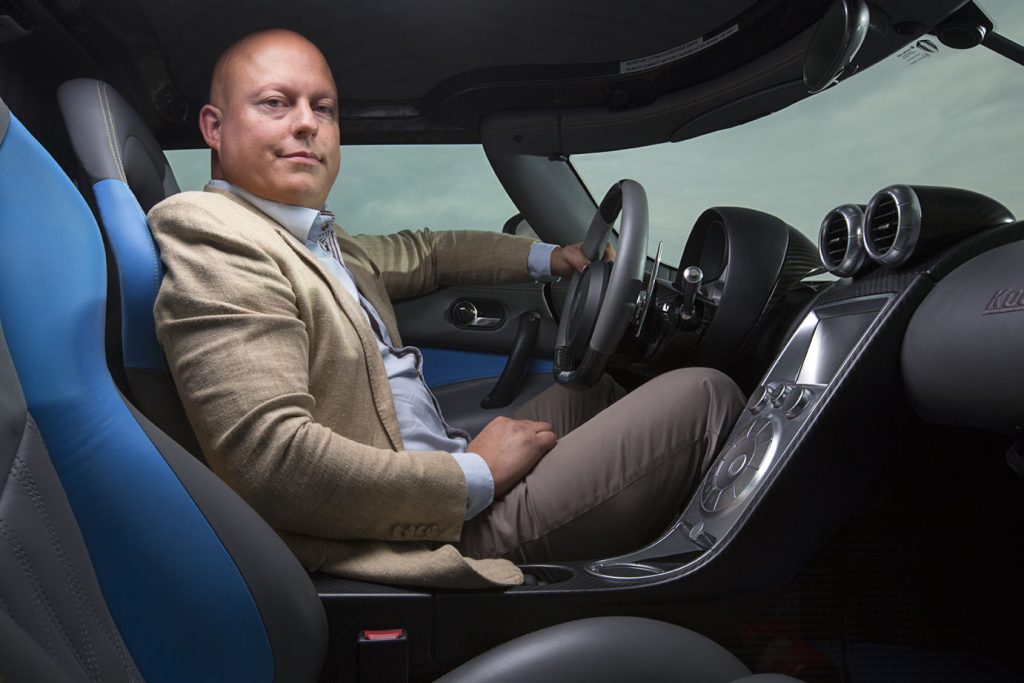
When the door is opened, the sensory experience continues. The cabin is considerably more cosy than the car's extreme performance suggests, yet at the same time there is no doubt that this is a car where the driver is the focus. The digital instrumentation still feels futuristic and the centre console in milled aluminium is as much a design object as a collection of controls. Right in the middle of the buttons sits the start button. A press is all that is needed.
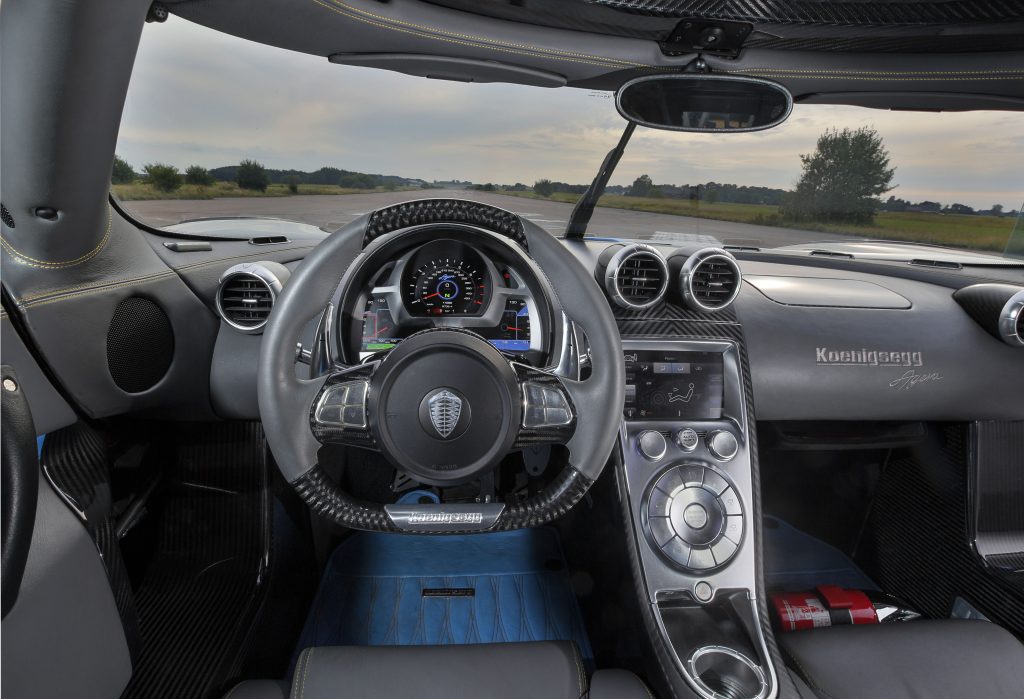
The V8 roars into life immediately behind your back. The sound from the centrally positioned exhaust fills the factory with a dark, metallic rumble that is felt in your chest just as much as it is heard with your ears. At idle, the engine sounds almost impatient, as though it is wondering why it is still standing still. It is a sound that makes the hairs on your arms stand on end while at the same time reminding you that you are sitting just a few decimetres in front of 1,140 horsepower.
The paddle shifters behind the steering wheel feel precise and first gear engages with a light click. The first few metres are almost surprisingly undramatic. The clutch works smoothly, the steering is light and visibility is considerably better than one expects from a hypercar. If someone were blindfolded, they would probably think they were sitting in a much tamer GT car. But just touching the accelerator a little deeper is enough to understand that appearances are deceptive. The Agera R is just waiting to show what it is actually built for.
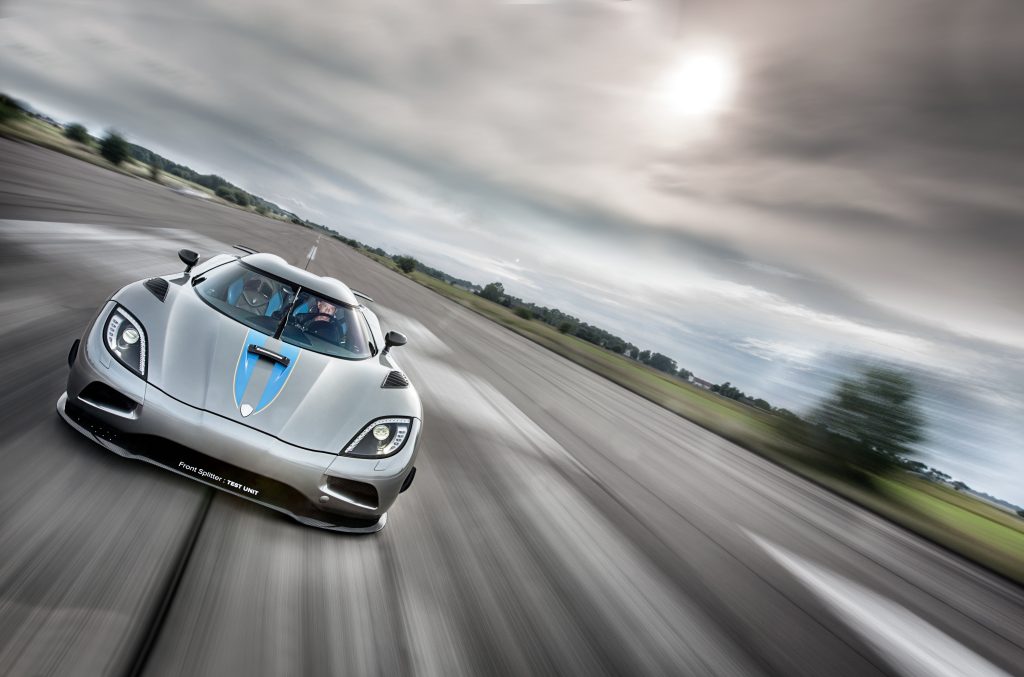
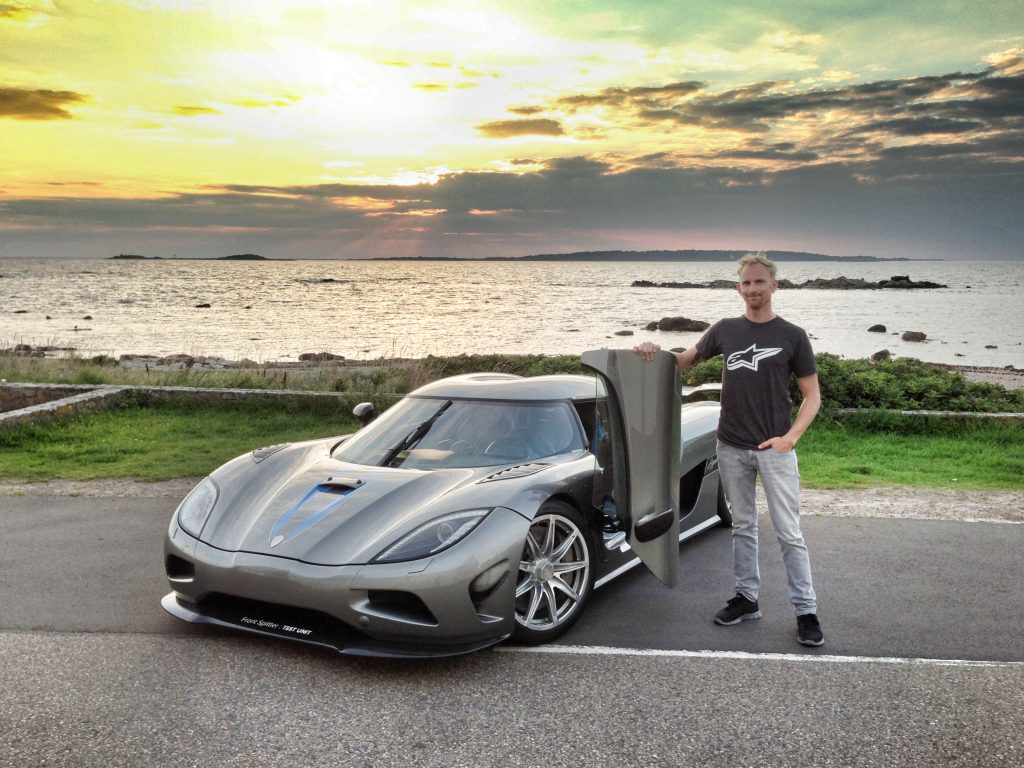
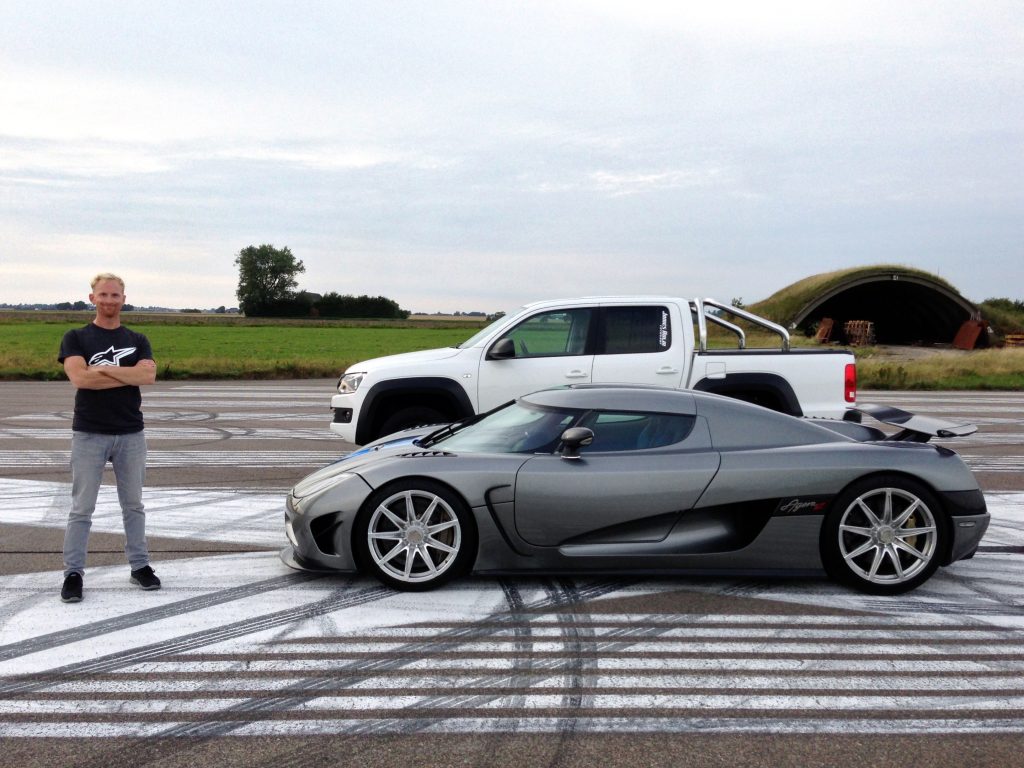
Before we return to Koenigsegg's test track, Jens and I get the opportunity to take the Agera R out onto the country roads of Skåne. We steer south towards Båstad and during the short drive I have time to get to know the car at a calmer pace. Despite its 1,140 horsepower, the Agera R never feels nervous or difficult to drive. On the contrary. It is surprisingly compliant and instils a confidence that grows with every kilometre. During a stop down by the sea, I take the opportunity to photograph the Agera R, while Jens helps me take a few portraits with the car. Afterwards, we turn back towards the factory. Now awaits the experience that will forever be etched in my memory.
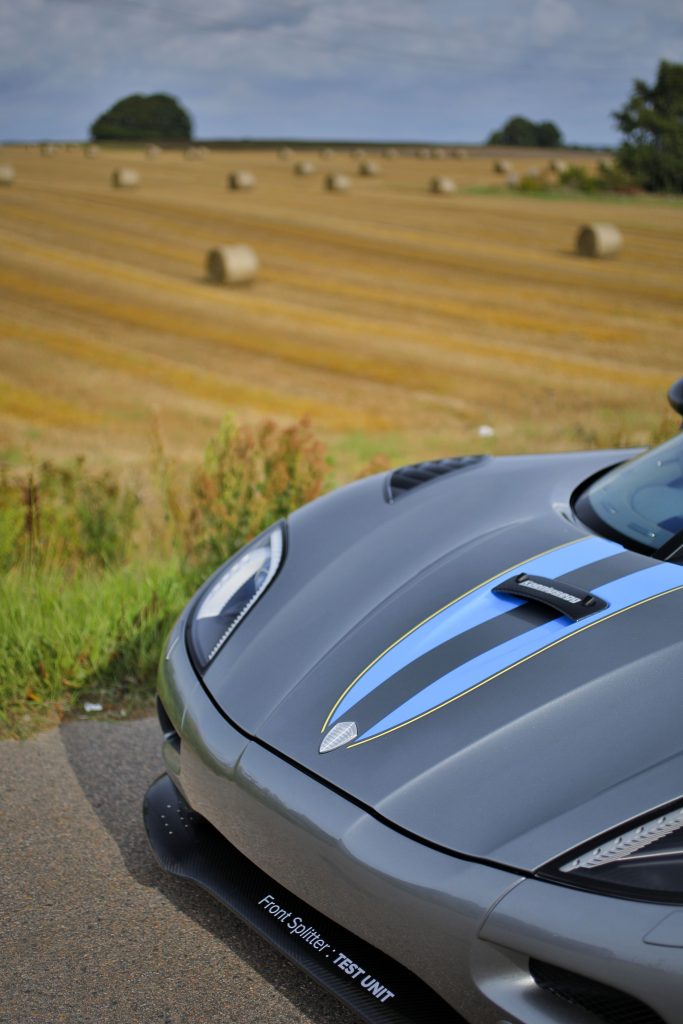
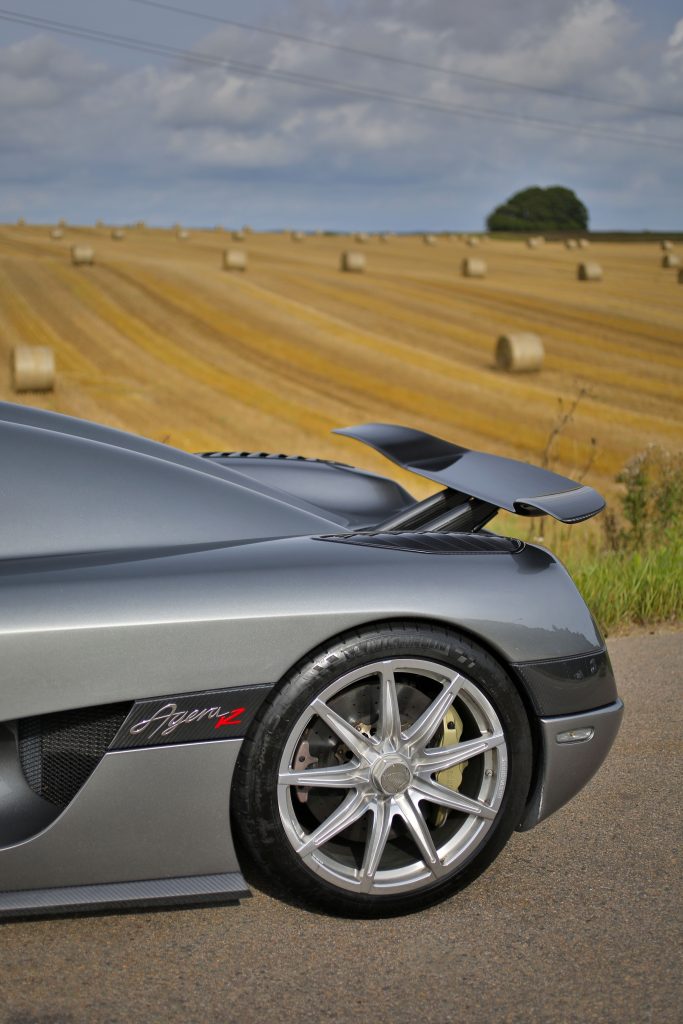
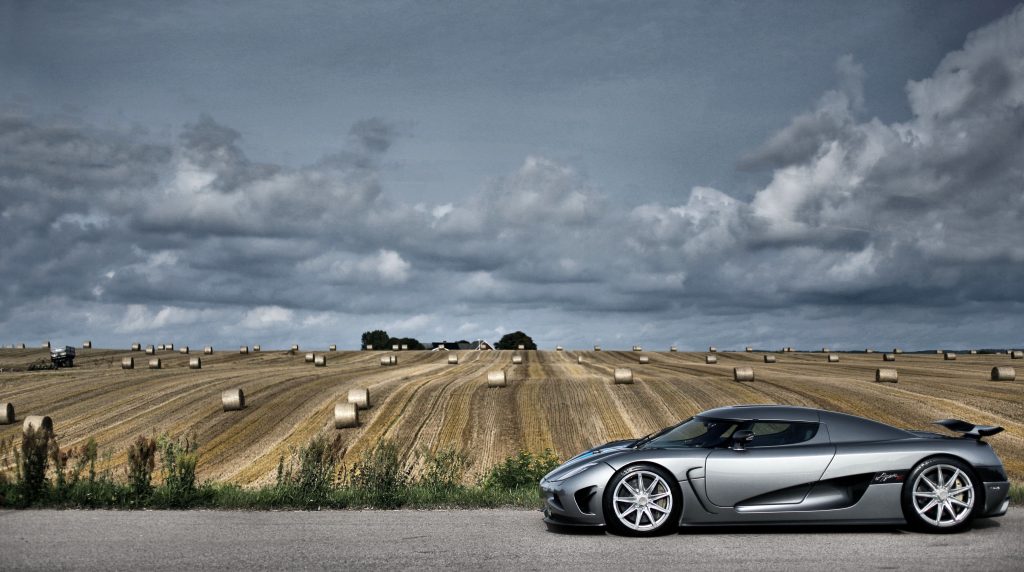
300 kilometres an hour in a Koenigsegg Agera R
The first few kilometres serve mostly as an introduction. I'm getting a feel for how the car responds to steering inputs, how the accelerator reacts and how the dual-clutch gearbox works. Despite the extreme power, the Agera R never feels difficult to drive. Quite the opposite. It instils a calm that makes confidence grow with every metre. But I also know that I have so far only scratched the surface of what the car is actually capable of.
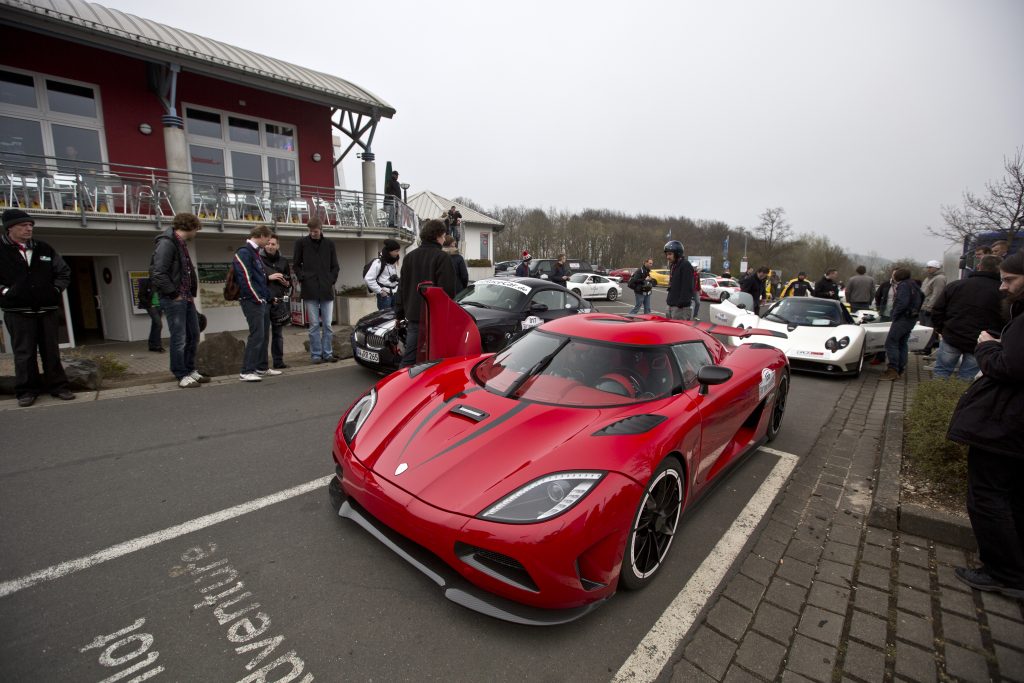
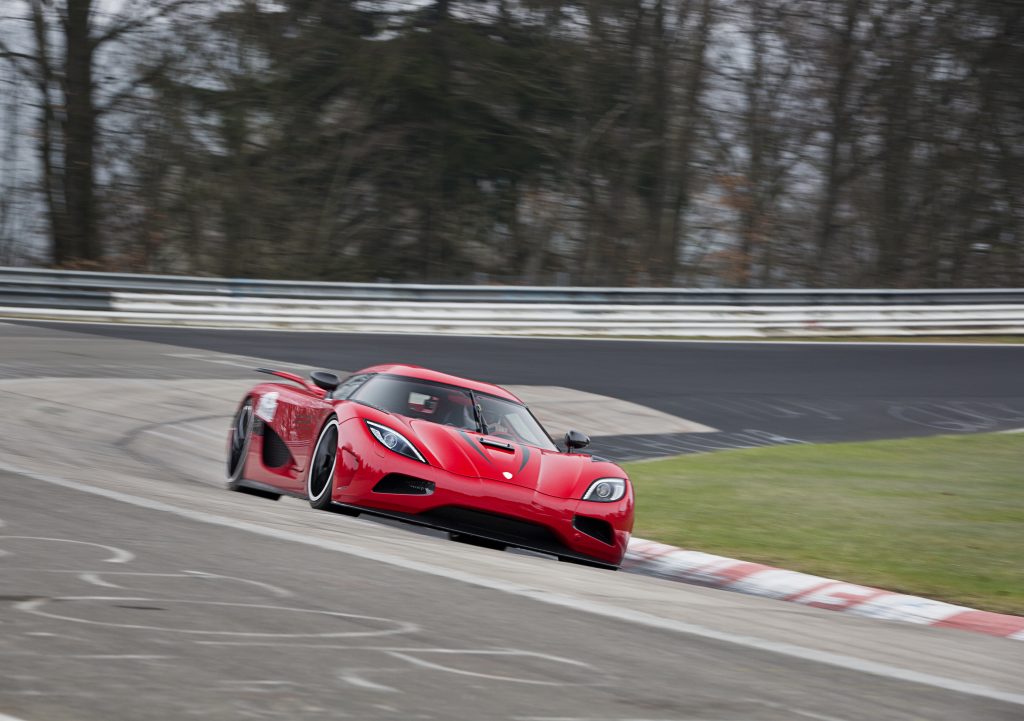
With me in the passenger seat sits Koenigsegg’s then head of PR, Jens Svedrup, who was responsible for the entire test drive. It is he who guides me out onto the test track and sits beside me when I get to experience the somewhat surreal acceleration from 0 to 300 km/h.” I had actually got to know Jens even before he started at Koenigsegg, when he worked for Gran Turismo Events. Shortly after moving to Koenigsegg, he turned up at Gran Turismo Nürburgring 2012 with a red Agera R. It became one of those moments you never forget. Since then, Jens has continued his own journey in the hypercar world. After a period at Rimac is he today one of the leading figures at Zenvo.
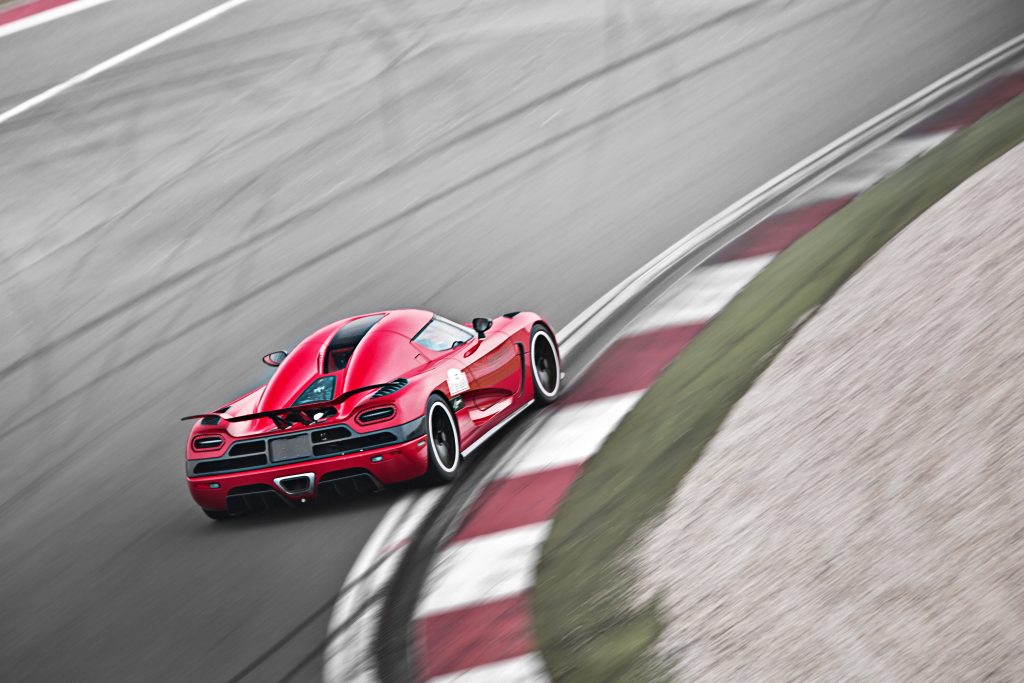
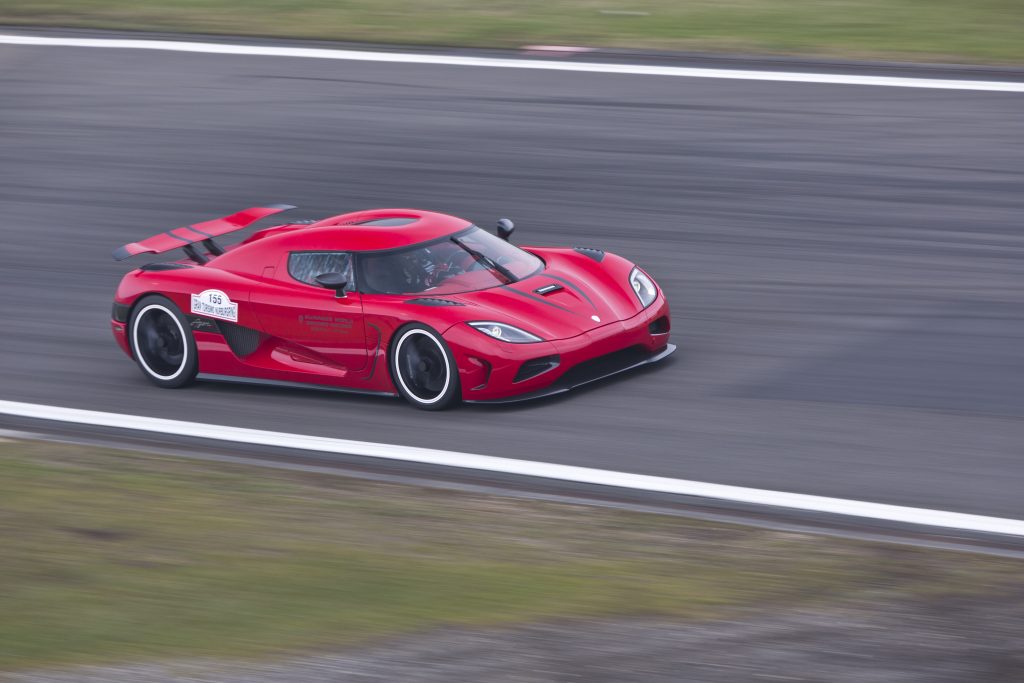
We roll out onto Koenigsegg's test track and line up for a 0 to 300 km/h acceleration run. Ahead of me lies a long straight. The engine revs up and the moment the brake is released the car is catapulted away like Ben Johnson when he was most pumped full of steroids. The acceleration is so brutal that the stomach reacts in the same way as on a free fall on a roller coaster. The gears follow one another at a furious pace and before the brain has really registered what is happening the speedometer is already showing triple-digit speeds.
200 km/h is passed with an assurance that feels unreal and shortly after, the instrumentation shows 300 km/h. What surprises the most is not the acceleration, but the calm. The Agera R feels completely stable. It does not wander across the road, the steering feels steady and the car never gives the impression of being close to its limit. On the contrary, it almost feels as if it still has considerably more to give.
Then it's time to brake. I firmly press the brake pedal and the enormous carbon-ceramic brakes bite with a force that is almost harder to comprehend than the acceleration. The body is thrown forward into the seatbelt and it feels as though the brain continues forward for a fraction of a second before the rest of the body catches up. In just a few moments, the speed has dropped dramatically.
It is only when the silence descends that I realise what I have just experienced. During my years as a motoring journalist, I have experienced many cars with impressive performance, but very few have affected me in the same way as the Agera R. It is not just about how fast it goes. It is about how effortlessly it does something that really shouldn't be possible.
More than just brute strength
It is easy to think that a car with over 1,100 horsepower is solely about acceleration and top speed. The Agera R proves the opposite. Once the initial adrenaline rushes have subsided, you instead begin to appreciate how thoroughly engineered the car actually is. The steering is precise, the chassis constantly communicates what is happening beneath the wheels, and the balance inspires a confidence that allows you to gradually increase the pace. The car never feels nervous or unpredictable. On the contrary, it comes across as strangely easy to drive given the forces it has to handle.
Aerodynamics plays a crucial role. The higher the speed, the harder the car is pressed against the asphalt. At speeds where an ordinary passenger car would long since have begun to feel unsettled, the Agera R remains stable and secure. Christian explains that the car can easily handle sharp evasive manoeuvres at speeds approaching 250 km/h, something that would be outright life-threatening in an ordinary passenger car at already half that speed. That says a great deal about the work that has gone into the car's aerodynamics and chassis.
After a few hours behind the wheel, it is clear that the Agera R is not a car that tries to scare its driver. Instead, it builds a confidence that makes you constantly want to drive a little better, a little faster and a little more precisely. It is a trait that only the very best sports cars have in common. They do not feel like beasts waiting to bite you. They feel like tools that reward those who learn to understand them.
It is also here that I realise the Agera R is not really about records. The records simply became proof that Koenigsegg had succeeded in their goal. The car's true strength lies in how all the parts interact. Engine, gearbox, brakes, aerodynamics and chassis work together in a way that makes the car feel considerably less dramatic behind the wheel than the specifications suggest. That is perhaps the greatest achievement of all.
Still a benchmark
Many years have passed since I left the factory in Ängelholm with the sound of the twin-turbocharged V8 still ringing in my ears. Since then, I have had the privilege of driving hundreds of cars. Some have been faster from 0 to 100 km/h, others have had a higher top speed, and several have offered technology that did not even exist when the Agera R was unveiled. Yet I constantly return to the same car when someone asks which test drive has made the strongest impression.
Perhaps it is about timing. The Agera R arrived at a time when Koenigsegg was transitioning from the small Swedish upstart to a manufacturer that the entire automotive world was forced to take seriously. The records were naturally important, but even more important was that the car showed innovation could outweigh tradition. With a small organisation and a clear vision, Koenigsegg managed to challenge companies with considerably greater financial muscle and a much longer history.
That is also why the Agera R has aged so well. Many supercars a few years later mostly feel like a product of their time. The Agera R still feels modern. The construction, materials and technical solutions maintain a standard that still impresses, and much of what Koenigsegg developed back then has become an inspiration for the rest of the industry.
When I look back at today's test drive, it is not primarily the acceleration I remember, even though it was completely brutal. I remember instead how natural the car felt to drive. How calm it was at high speeds, how precise the steering was and how everything seemed to happen without effort. It is qualities like these that separate a truly great car from a car that just has a lot of horsepower.
There are cars that impress for a day and then slowly fade from memory. The Koenigsegg Agera R does not belong to that crowd. Instead, it has become the benchmark I, consciously or unconsciously, compare many other performance cars against. And that is perhaps the highest rating a car can receive.
An impression for life with the Koenigsegg Agera R
When I wrote the original article, I had no idea how many cars I would get the opportunity to drive over the next eighteen years. Since then, I have visited the factories of some of the world's most exclusive car manufacturers, test-driven hundreds of cars and experienced press launches that I could only dream of when I started out as a motoring journalist in 2008. Despite that, there are still a few test drives that stand in a class of their own. The Koenigsegg Agera R is undoubtedly one of them.
Since this test drive was carried out, Koenigsegg has continued to push the boundaries of what a hypercar can be. The One:1, Regera, Jesko and Gemera have all shown that Christian von Koenigsegg and his team are never satisfied. They continue to defy the laws of physics and develop solutions that the rest of the automotive world spends years trying to catch up with. But no matter how impressive the new models are, the Agera R will always hold a special place in the company's history. It was the car that truly established Koenigsegg as one of the world's most respected hypercar manufacturers.
Now that CarsCollection.com is publishing its 350th article, it therefore feels natural to return to this particular test drive. Not just to update an old article, but to give it the perspective that only time can provide. I concluded the original article by asking whether it would ever be possible to top the experience of the Agera R. After eighteen years as a motoring journalist, I still have no obvious answer. I’ve had the privilege of driving many fantastic cars since then, but none of them have made me forget the day I left Koenigsegg’s factory in Ängelholm with a smile that lingered far longer than the sound of the twin-turbocharged V8.
Perhaps that is the finest rating a car can receive. That it not only impresses for the moment, but continues to live on in the memory long after the engine has fallen silent. And precisely for that reason, the Koenigsegg Agera R will always be one of the most significant cars I have had the privilege of driving.
Technical specification
Koenigsegg Agera R
Base price Approximately 10 million kronor plus VAT (at launch)
Engine: 5.0-litre aluminium V8 with twin turbochargers
Effect: 1,140 hp on E85, 960 hp on petrol
Torque 1,200 Nm
Transmission: Mid-mounted V8, 7-speed dual-clutch transmission, rear-wheel drive
Chassis: Carbon fibre monocoque
Kaross Carbon fibre with a removable targa top
Acceleration:
0-100 km/h: 2.9 sec
0-200 km/h: 7.8 secs
0-300 km/h: 12.6 secs
0-300-0 km/h: 21.19 seconds (world record 2012)
Top speed: About 440 km/h
Fuel consumption: 1.47 l/mil according to the manufacturer
Weight: 1,435 kg

 English (UK)
  Svenska
Leave a Reply