
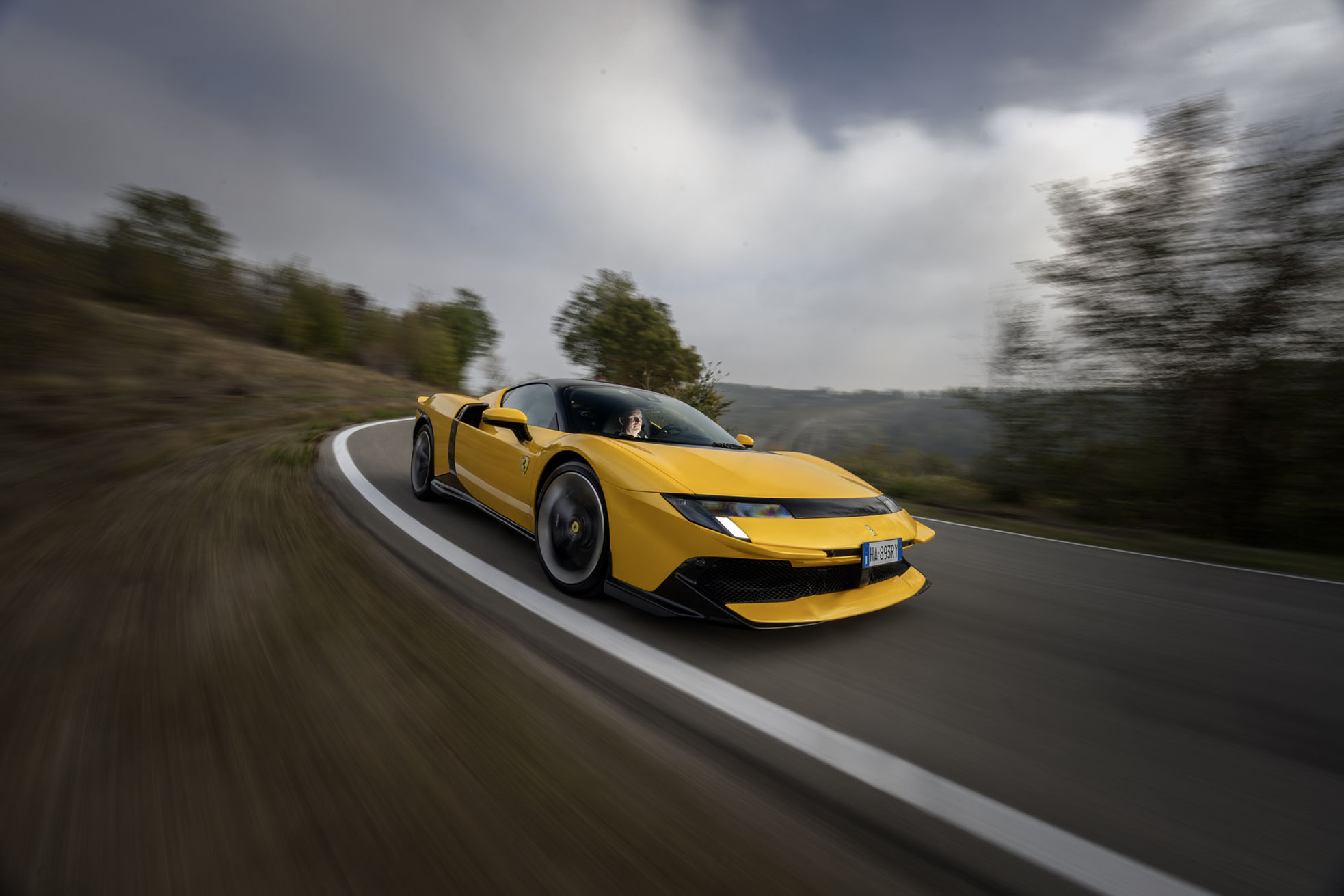
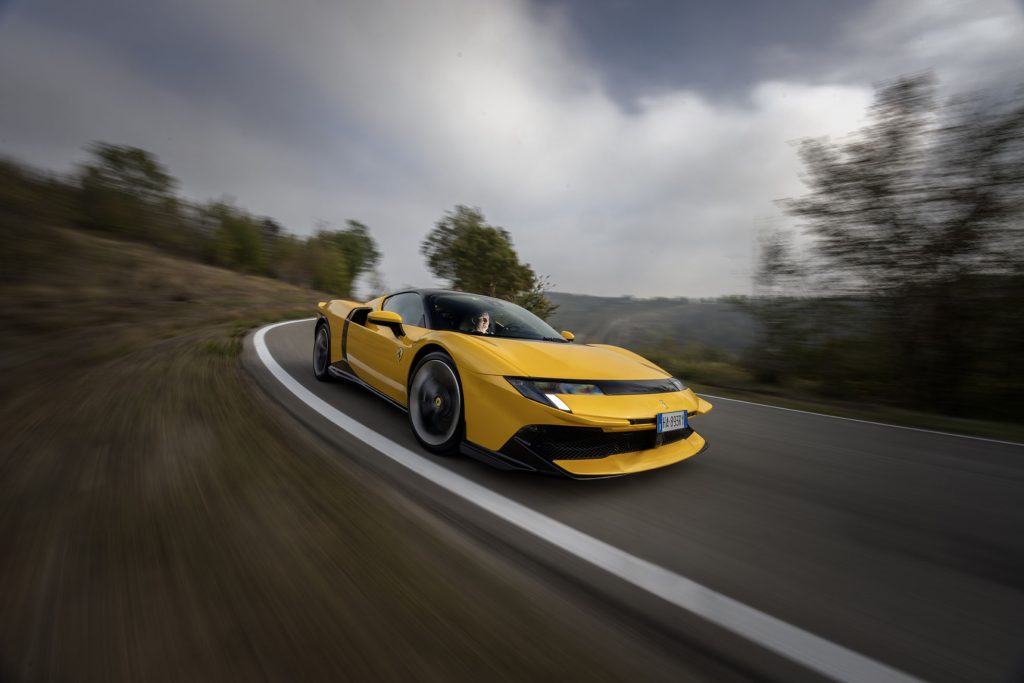
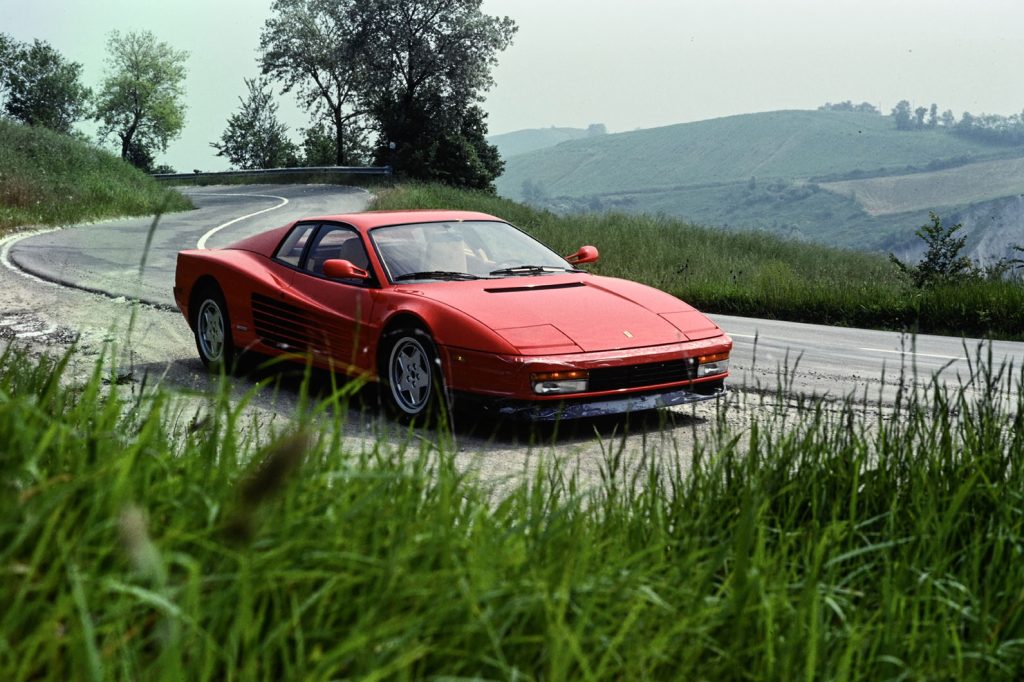
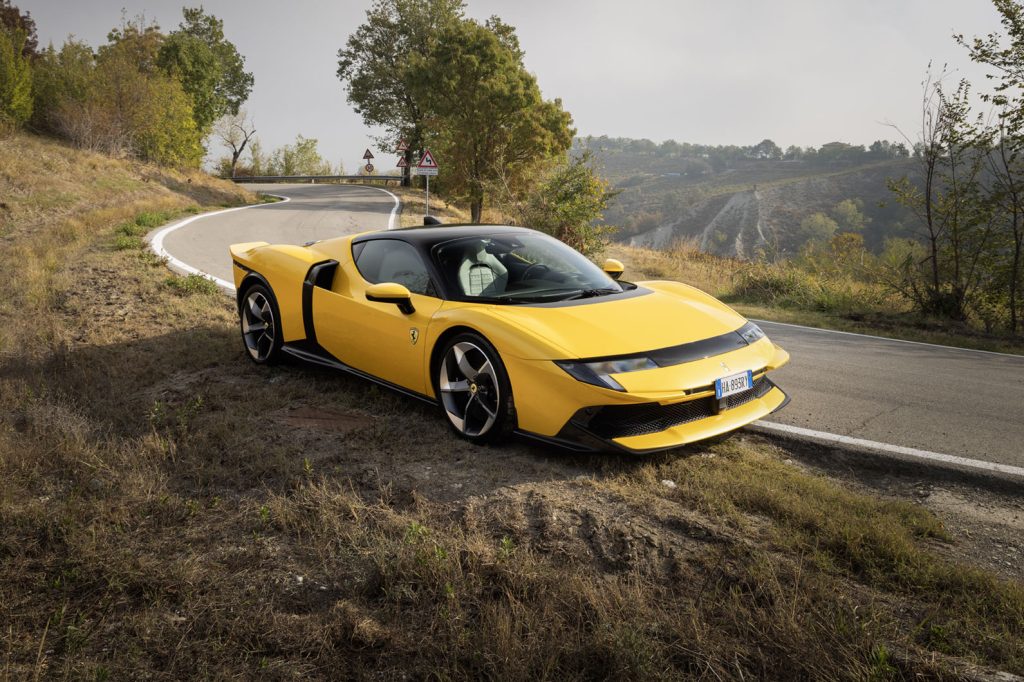
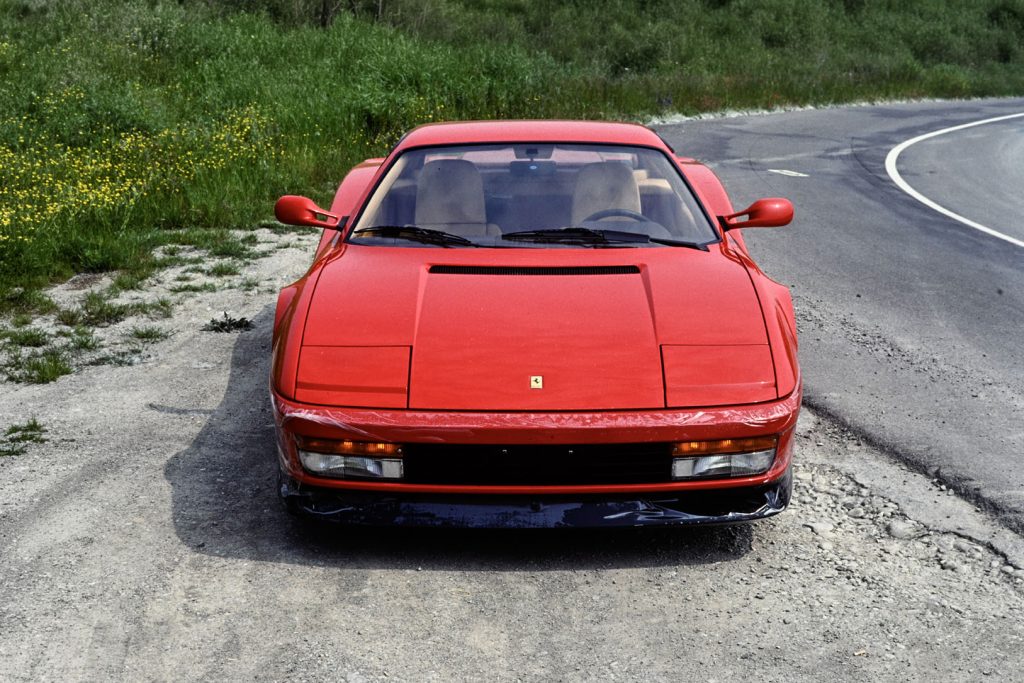
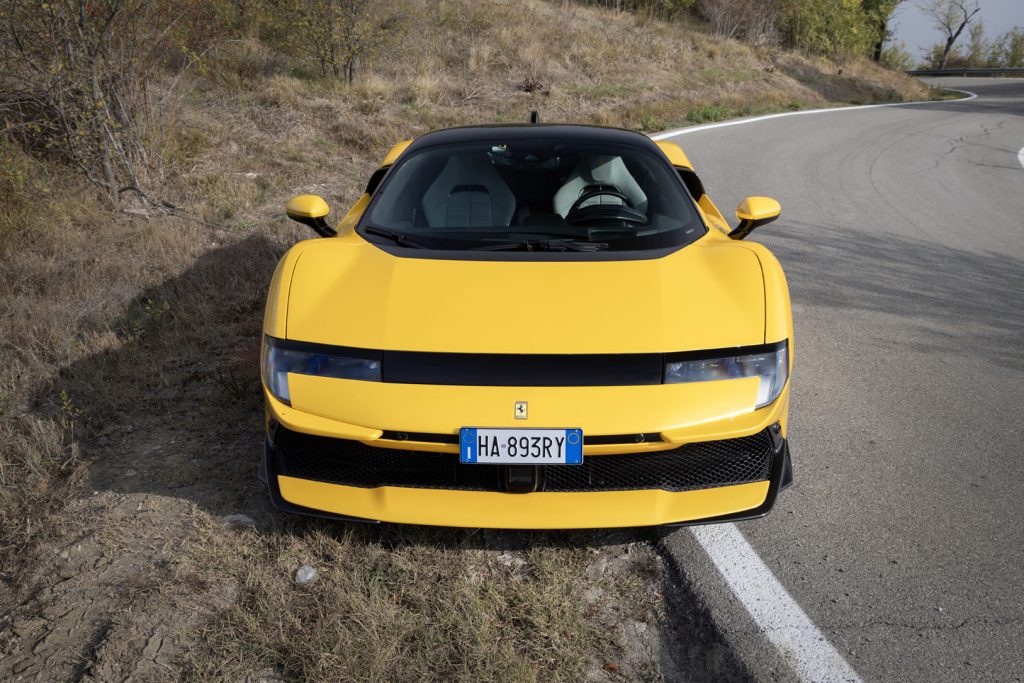
In 1984, my father, the motoring journalist and photographer Bengt Ason Holm, photographed a Ferrari Testarossa on a road outside Maranello. On October 19, 2026, I stood in the same place with Ferrari’s new 849 Testarossa. 42 years had passed, but for me it was much more than just another test drive of a new Ferrari.
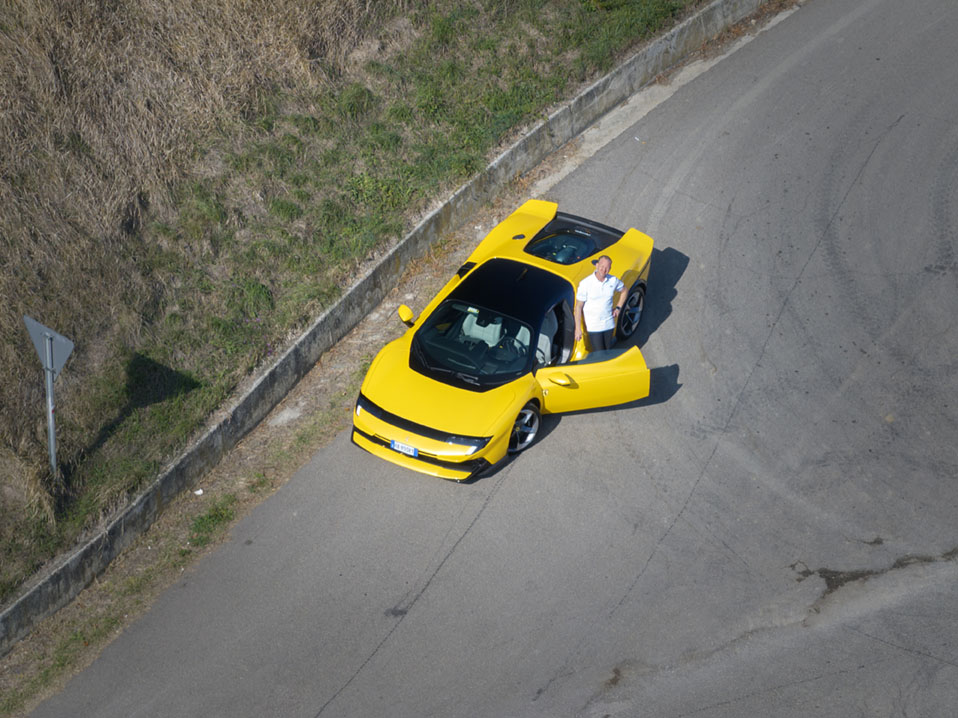
There are some experiences that mean more than others. Over my many years as a photographer and motor journalist, I have had the privilege of driving and photographing a variety of fantastic cars. Ferrari has on several previous occasions given me the opportunity to pick up cars directly from the factory in Maranello, among other things. 812 Superfast, 12Cilindri Spider and Purosangue. But this time it was something completely different. I had the opportunity to borrow Ferrari’s new 849 Testarossa and decided to do something I had been thinking about for a long time. I wanted to return to a place where my father photographed the original Ferrari Testarossa in 1984 and try to recreate his images with the new car.
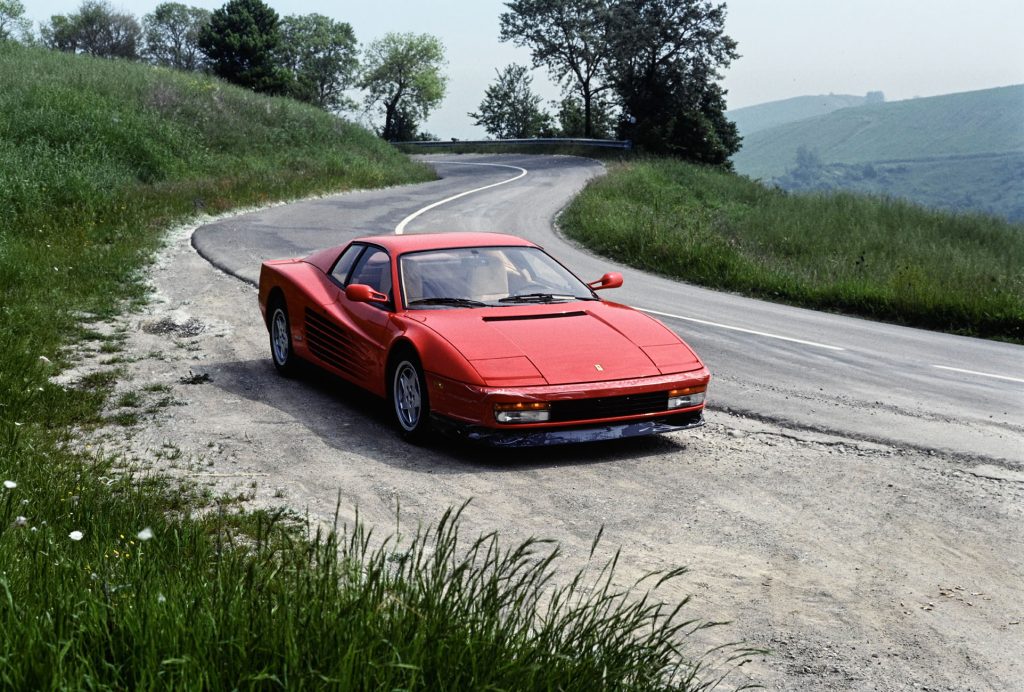
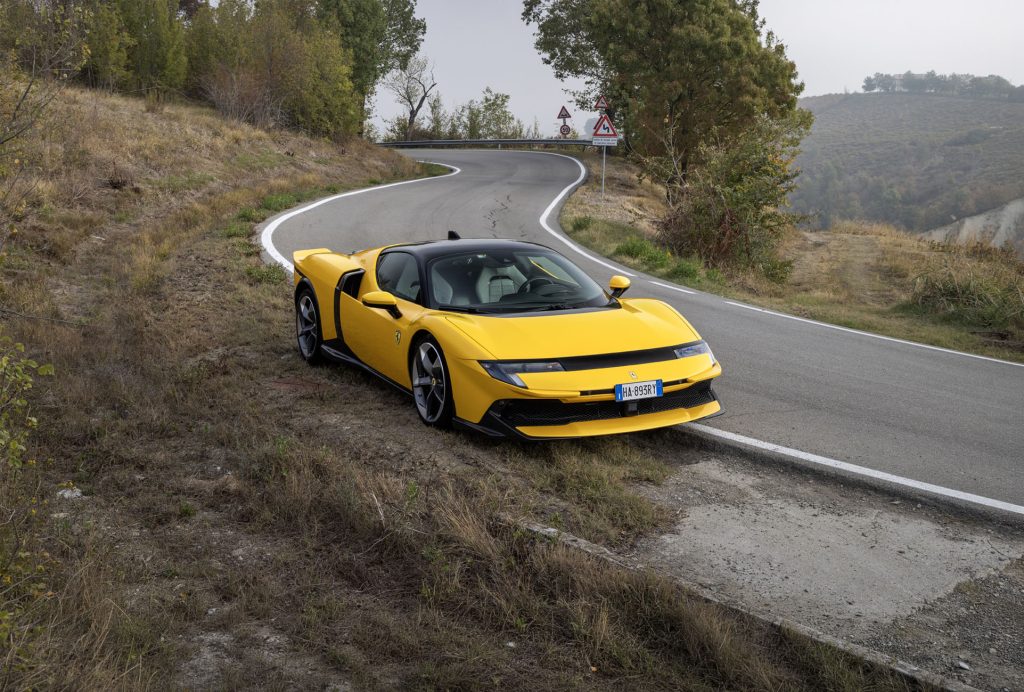
Photo: Bengt Ason Holm
My father, Bengt Ason Holm, worked for many years as a motor journalist and photographer and ran the book project Cars Collection, where among others Gunnar Elmgren contributed with lyrics. Through his work, my father had a close relationship with the Italian automotive industry. I grew up with his stories, his photographs, and all the amazing cars he had the opportunity to experience. His work also became an important part of my own upbringing and my interest in both cars and photography. Now that I myself am working on the same things and running CarsCollection.com, it’s hard not to think about how much of what I do actually has its origins in his work.
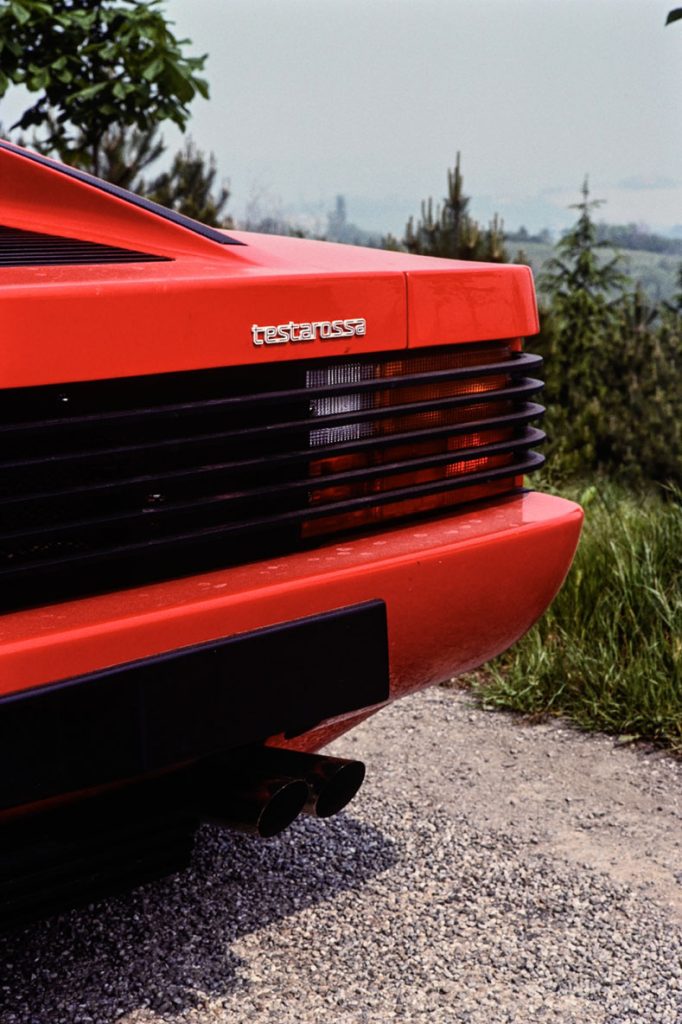
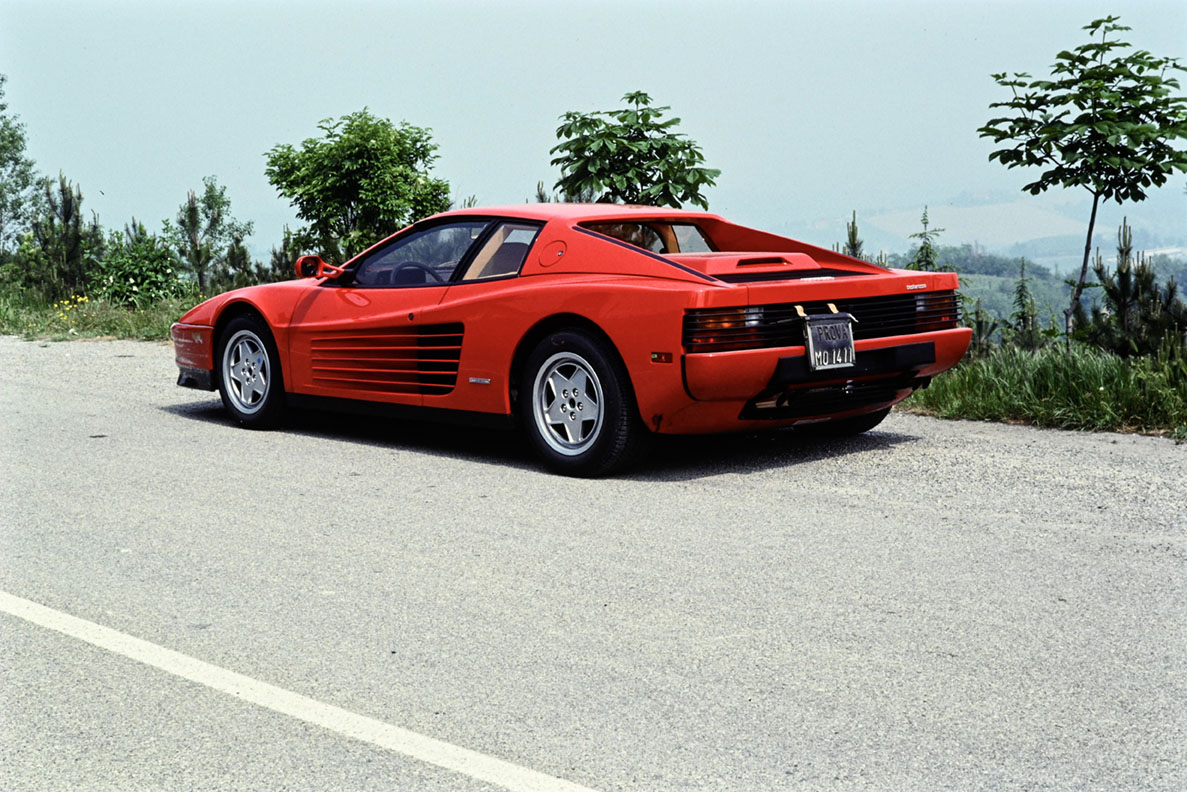
When Ferrari presented the Testarossa in 1984, it was a car that would become one of the most iconic models of the entire 1980s, with its wide body, its characteristic side air intakes and the twelve-cylinder engine placed behind the driver. During one of Dad’s visits to Ferrari that same year, he had the opportunity to photograph the car on the roads in the mountains outside Maranello, together with one of the factory’s own test drivers.
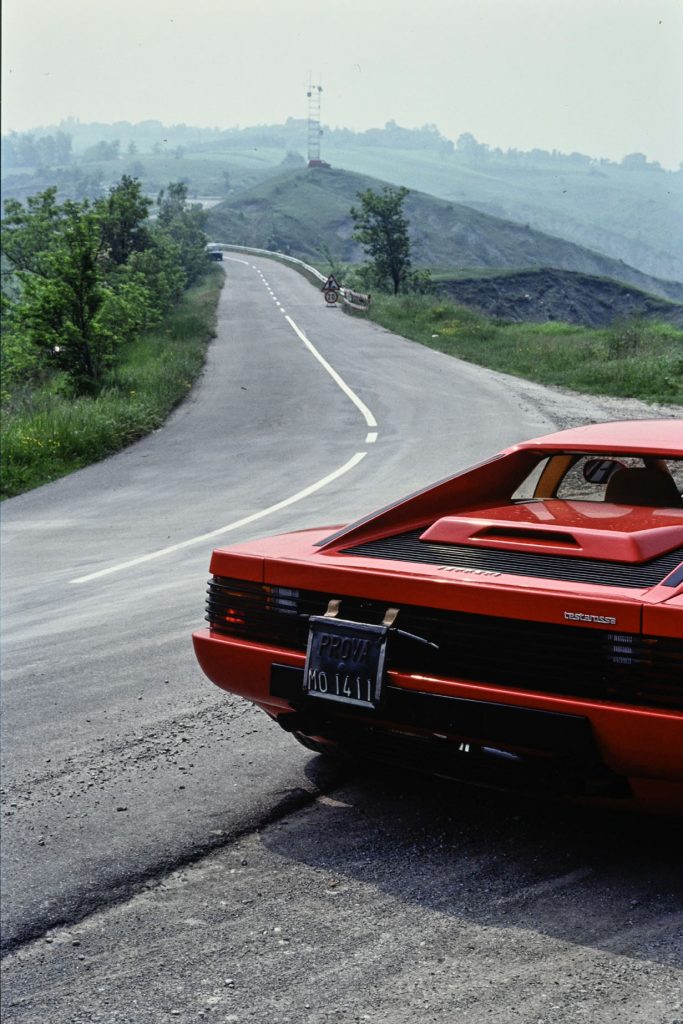
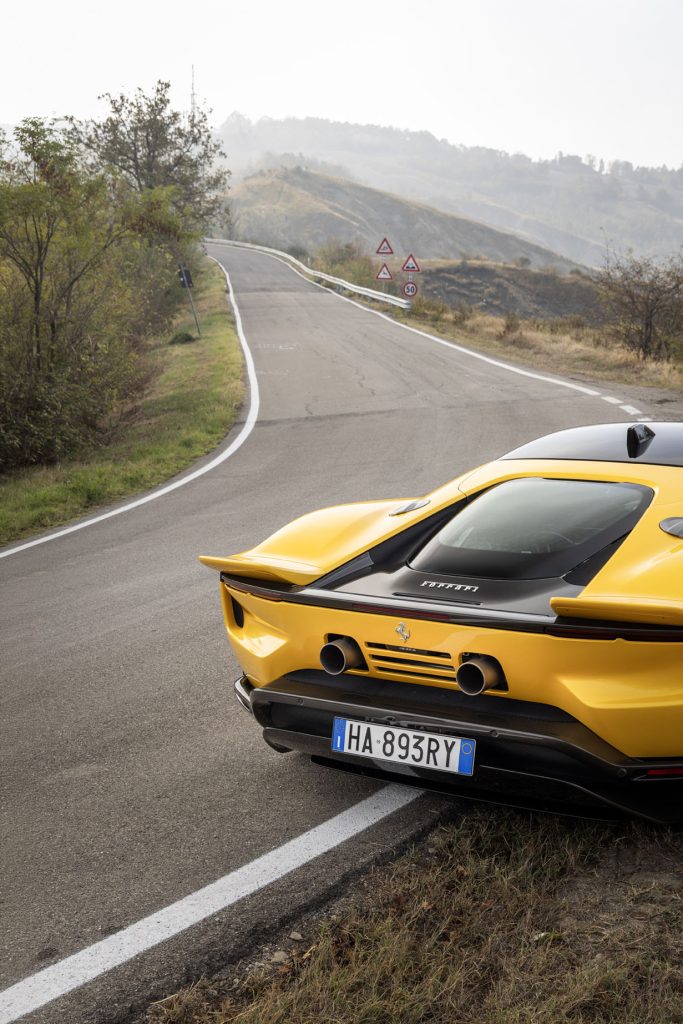
Before my trip to Italy, I contacted Ferrari and told them about the photographs and my idea. Ferrari helped me identify the location where the photos were taken. It was almost impossible to believe that, 42 years later, I would be able to return to the same road in a completely new Ferrari that also bore the same legendary model name.
When Dad got to drive with Ferrari's test drivers
The story behind the photographs from 1984 is actually at least as fascinating as the car itself. When Dad visited Ferrari, he had actually asked to photograph the car on Ferrari’s own test track. Fiorano. But there another Ferrari was photographed for the American motoring magazine Road & Track. Instead, his contact at Ferrari, Riccardo Andreoni, had arranged for something completely different. One of the factory test drivers was going to take him out in a Testarossa for an hour.
In his own account, published in Cars Collection, he describes a drive that would hardly have been possible today. Already inside Maranello, they reached 170 km/h and just outside the city the speedometer passed 200. After that, the journey continued up towards the mountains and Serramazzoni, where the test driver treated the large twelve-cylinder Ferrari like a go-kart. The car went on wide tracks through the hairpin bends and Dad told how he sat beside it, sweating profusely and with the cameras at full power.
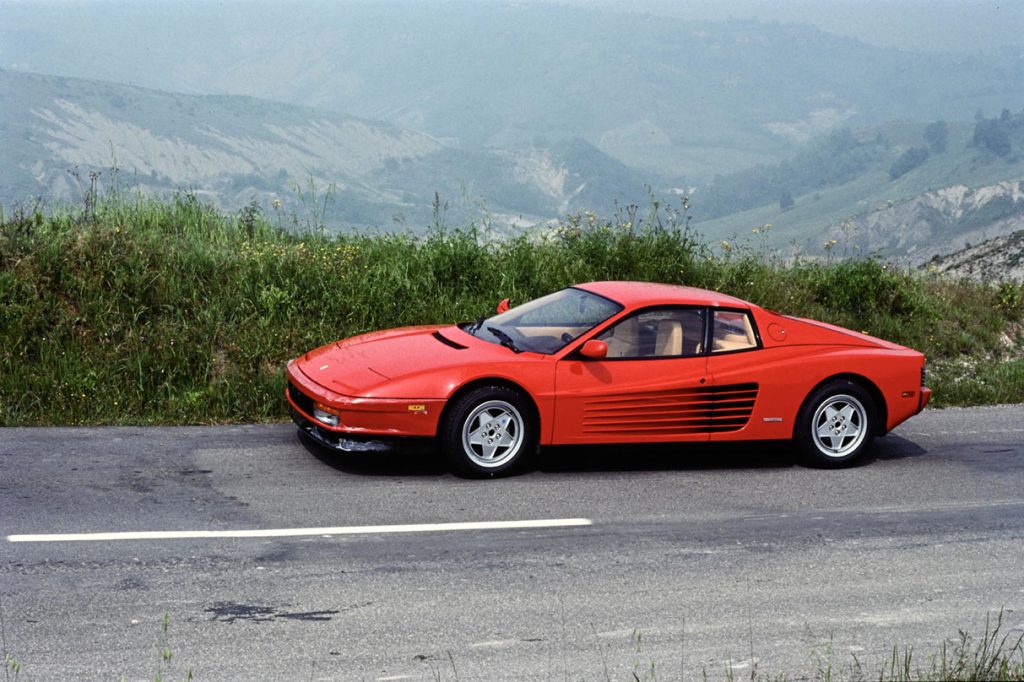
One of the most unlikely events occurred when they approached a road construction site. Despite the signs, the driver barely braked and according to his father’s account, the road workers passed at 160 km/h. Instead of reacting with anger, the workers stood at the roadside applauding while waving their shovels. That might say something about both Italy and the perception of Ferrari at the time.
After the photo shoot, they returned to the factory and Dad went across the street to Ristorante Cavallino for lunch. After that, he sat in his Opel Kadett and continued on his journey. The contrast between it and the Ferrari he had just driven must have been quite noticeable.
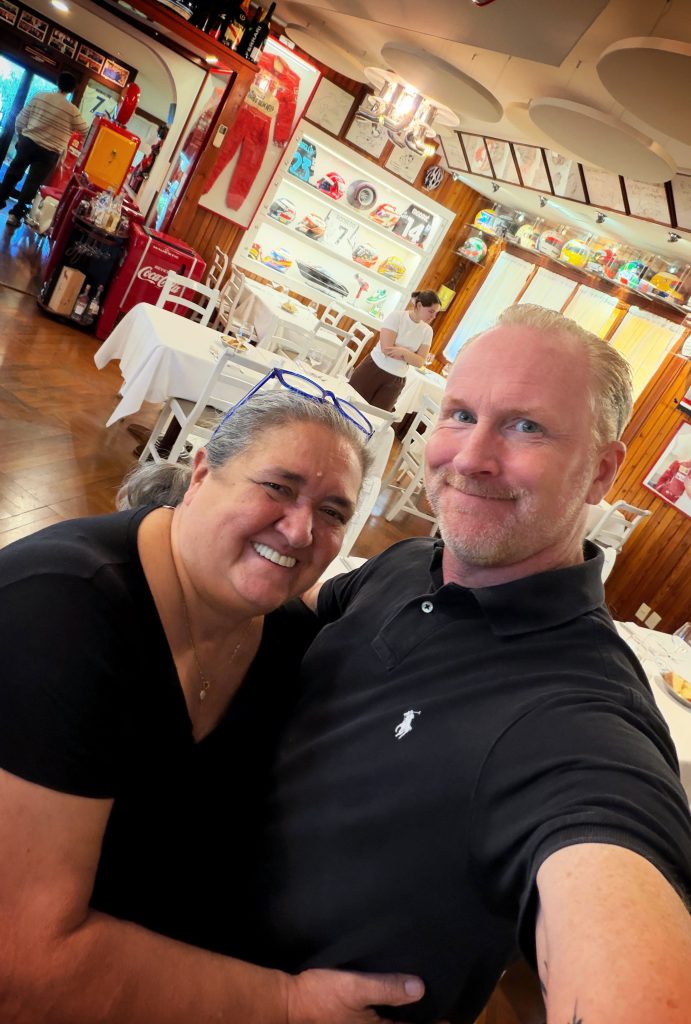
42 years later, it also became a lunch for me in Maranello, but instead of Cavallino, I chose Ristorante Montana, a restaurant that over the years has become an obvious meeting place for people connected to Ferrari and motorsport. The walls are filled with photographs and memories from some of the greatest personalities in racing history. And of course, there was a traditional selfie together with Mother Rossella, which for many years has welcomed both Ferrari Formula 1 drivers and other guests to the restaurant.
There was yet another small parallel between my father's visit in 1984 and my own in 2026. Two different restaurants, two different Ferraris, and 42 years between the lunches.
Now, 42 years later, when I had the opportunity to drive the new Ferrari 849 Testarossa myself and return to the place where my father took his photos, it was exactly this story that came to mind. The difference was, of course, that this time I was sitting behind the wheel myself. I didn’t have to experience the same crazy speeds or wide curves to feel the pulse of history. Being able to stand on the same road with my camera and a new Ferrari Testarossa in front of me was a powerful enough experience in itself.
Back to the same path
When I arrived at the location with the new 849 Testarossa, there was a strange feeling. Before the trip, I had sat at home and studied my father's photographs from 1984 and then used them to create a new image. Google Maps And Street View to explore what the road looks like today. I had compared the road distance, the surroundings, and the details of the landscape to try to find exactly the same camera angles that Dad used 42 years ago. Now I was suddenly standing there myself, with the camera in my hand and a Ferrari in front of me. The same road, the same manufacturer, and the same model name, but two completely different eras in Ferrari's history.
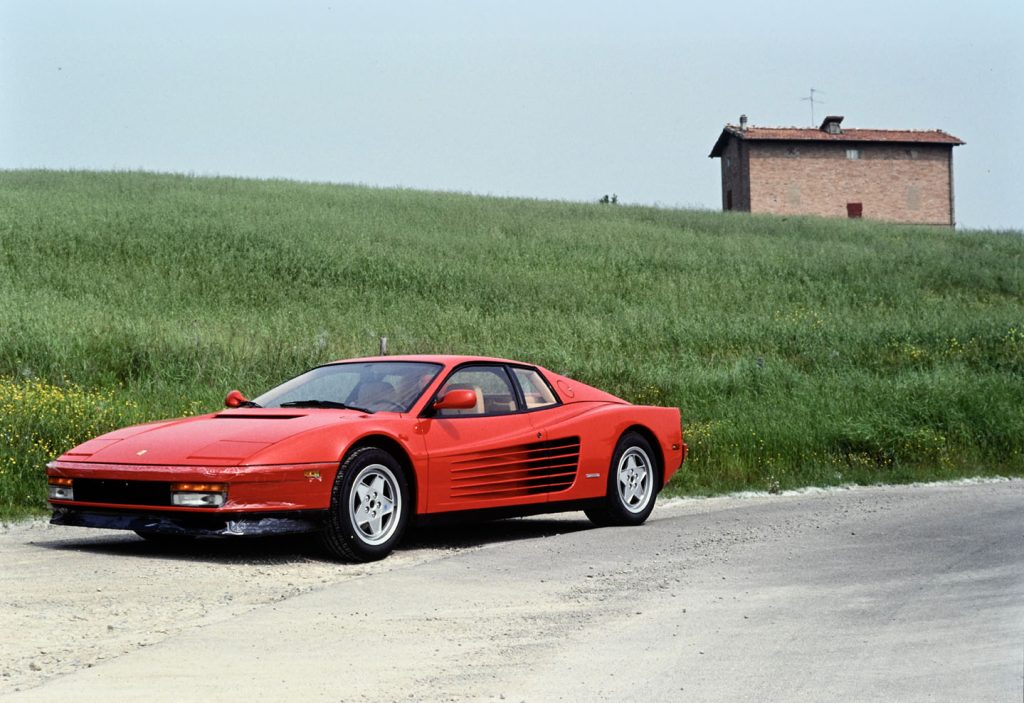
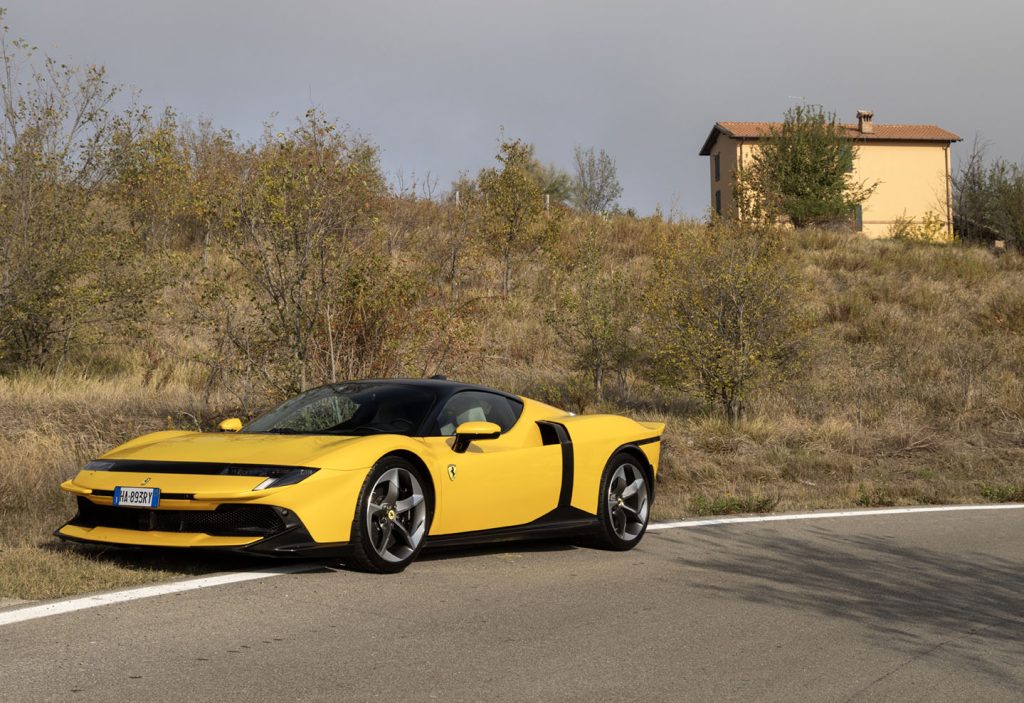
It was a much more emotional moment than I had imagined. Dad passed away in 2020, and returning to a place where he had worked 42 years earlier meant an immense amount to me. It felt in a way like we were working together again, even though it had been so many years since his photos were taken.
I tried to recreate the photographs as close to the originals as possible. The same angles, the same perspective, and the same path. It was fascinating to see how much had changed over the years, while still being able to recognize the location from his photographs. For me, it wasn’t just about photographing a new Ferrari; it was about bringing together the work of two generations of car enthusiasts and photographers.
A name with a fantastic history
The name Testarossa has a much longer history than the iconic sports car from 1984. Already in the 1950s, Ferrari used the name Testa Rossa on its racing cars. It roughly means red head and refers to the red painted camshaft housings on the engines. Among the most famous models are the Ferrari 500 TR and the legendary 250 Testa Rossa, which became one of Ferrari’s most successful racing cars.
When Ferrari revived the name in 1984, it was already a name with an impressive history. The new road car was designed by Pininfarina and had a design that was radically different from much else on the market. The characteristic air intakes along the sides were not just a design feature but had an important technical function. By placing the coolers in front of the rear wheels, Ferrari was able to improve cooling and reduce the heat problems that had been a concern in the predecessor Berlinetta Boxer.
The 5-liter twelve-cylinder engine developed 390 horsepower and the car had a top speed of about 290 km/h. Those were extreme figures for its time. Testarossa was also more useful and had a significantly more elaborate interior than several of its competitors, not least the Lamborghini Countach.
When Cars Collection wrote about the Ferrari Testarossa in the 1980s, Gunnar Elmgren was responsible for the historical and technical part of the report, while my father, Bengt Ason Holm, photographed the car and told about his rather dramatic experience together with Ferrari test drivers on the roads outside Maranello.
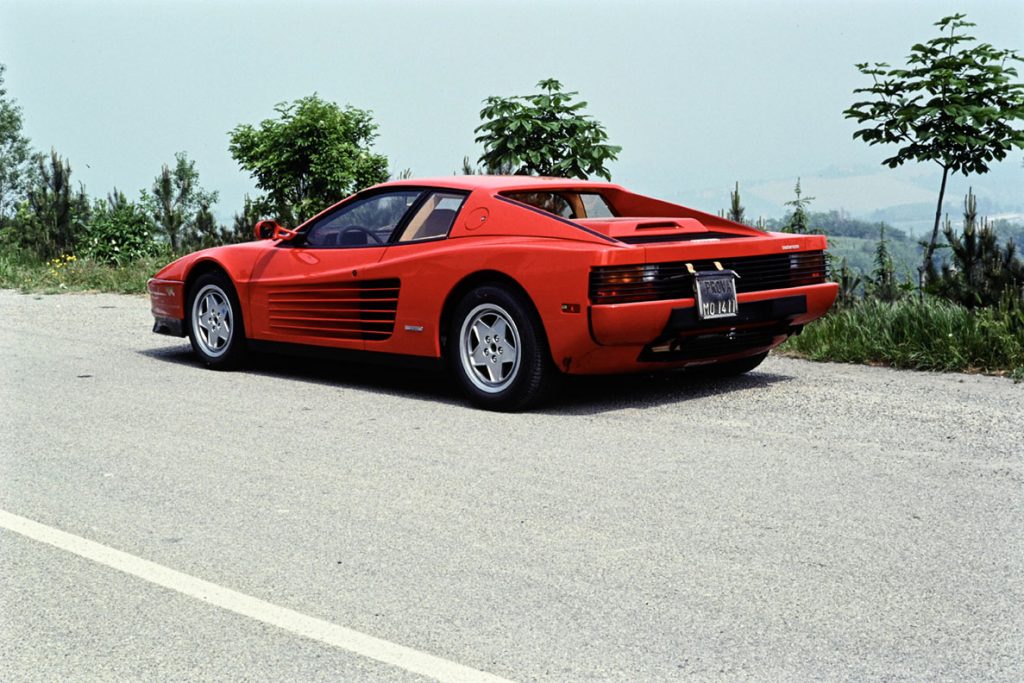
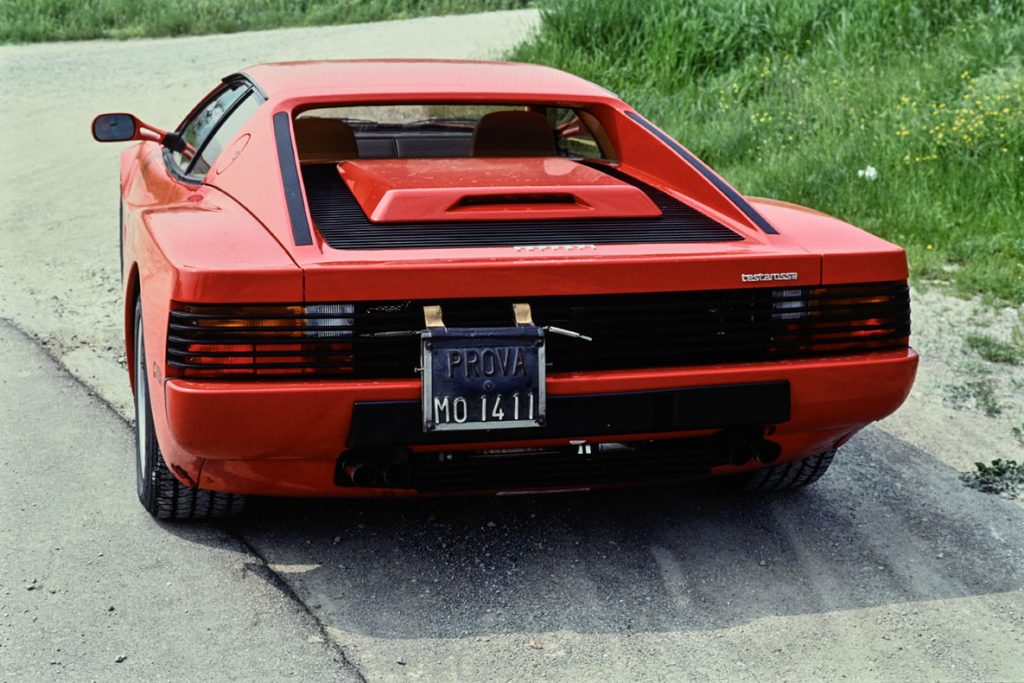
Now, 42 years later, to be able to drive and photograph a completely new Testarossa in the same place feels especially special. It’s not just a glimpse back at one of Ferrari’s most iconic models, but also a continuation of a story that Gunnar and my father once told together in the Cars Collection.
Ferrari 849 Testarossa – a completely different Testarossa
The decision by Ferrari to revive the name Testarossa is of course something that evokes emotions. The original from 1984 is one of the cars that truly defined an entire decade. It was a car that adorned posters in boys' bedrooms around the world and became a symbol of the 1980s dreams of speed, luxury and success.
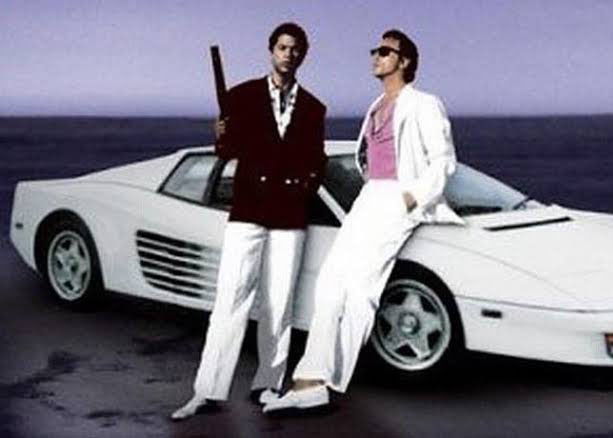
Testarossa gained an almost legendary status thanks to the American TV series, not least. Miami Vice. When Sonny Crockett, played by Don Johnson, began driving a white Ferrari Testarossa during the third season of the series, the car became an equally obvious part of the series’ identity as pastel-colored jackets, palm trees, and Miami’s neon-lit streets. The white Testarossa replaced the black Ferrari Daytona Spyder replica that Crockett had previously driven and quickly became one of the most famous cars in television history.
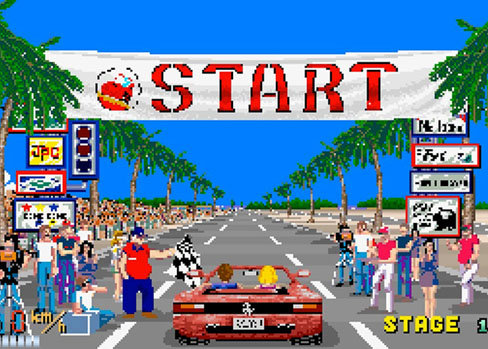
Testarossa also got a starring role in the gaming world through Sega's classic arcade game OutRun from 1986. There, the player drove a red, open Ferrari Testarossa Spider with a blonde passenger beside him, along winding coastal roads lined with palm trees. Although Ferrari was not officially named in the game, there is no doubt about which car it is. For a whole generation, OutRun became the first encounter with the dream of driving a Testarossa for themselves.
The new Ferrari 849 Testarossa is undoubtedly a stunningly beautiful car. I really think Ferrari has succeeded with the proportions and the modern design language. At the same time, I can’t help but feel a certain disappointment that it doesn’t have more clear design connections to the original. When reusing such an iconic name, I think there should be something more that visually ties the two generations together.
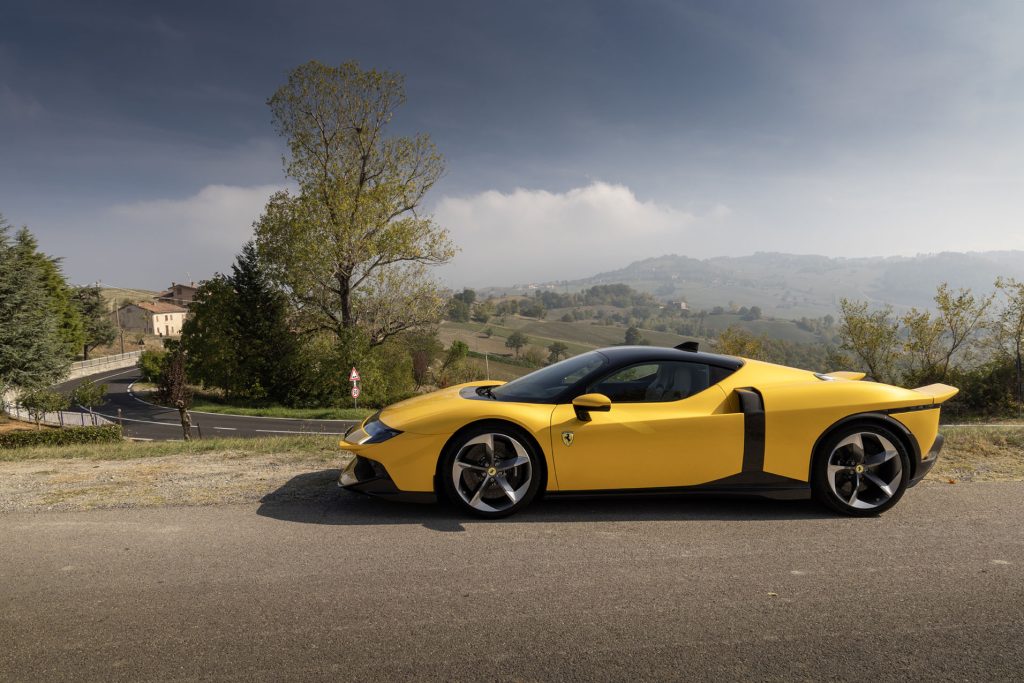
The original Testarossa was immediately recognizable, not least by its characteristic air intakes along the doors and the extremely wide rear end. The new car has a completely different design philosophy. That is of course natural because technology and aerodynamics have developed enormously, but I would have liked to see Ferrari dare to bring a little more of the original’s identity with it.
But a Ferrari isn't just judged by how it looks. It's only behind the wheel that you really get to know what it's capable of. And although I miss some of the design similarities to the original, those thoughts disappear quite quickly as soon as I start driving.
Because this is where the new 849 Testarossa really impresses.
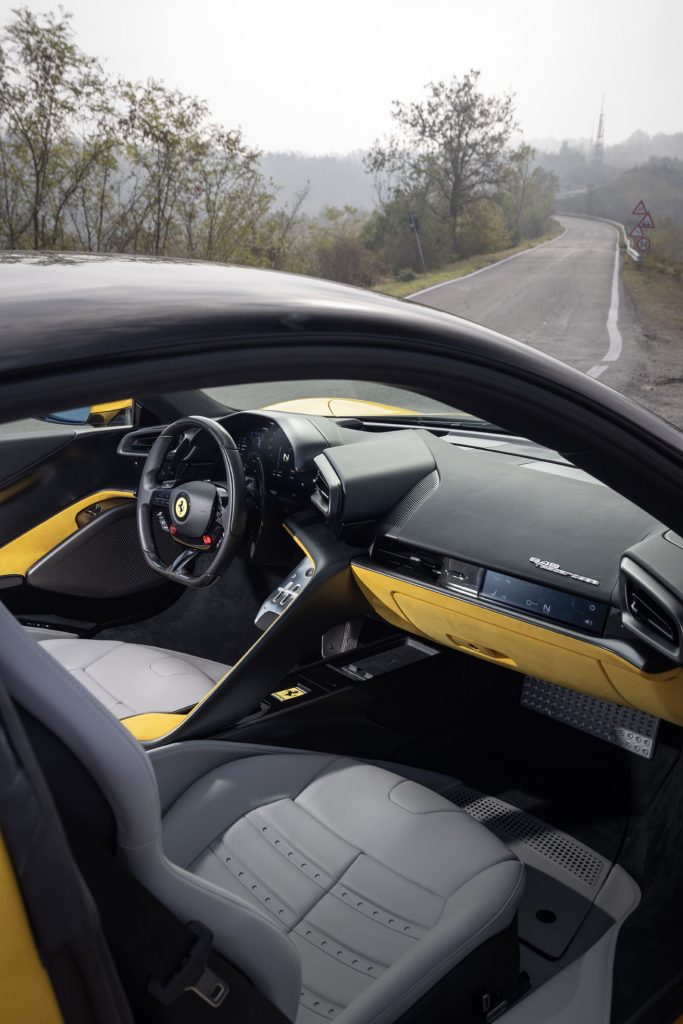
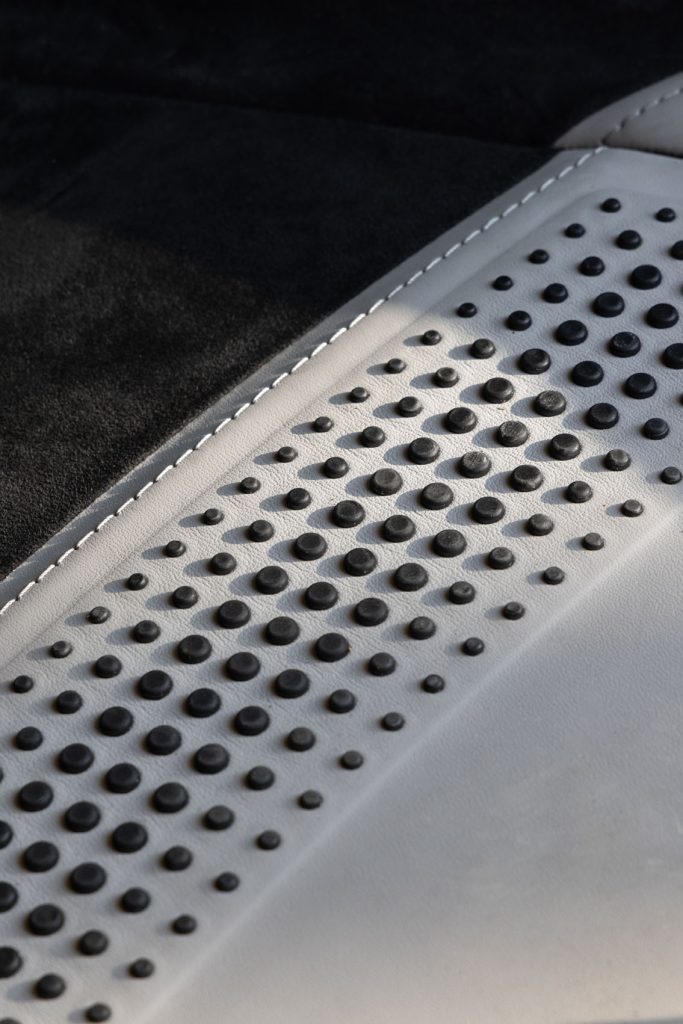
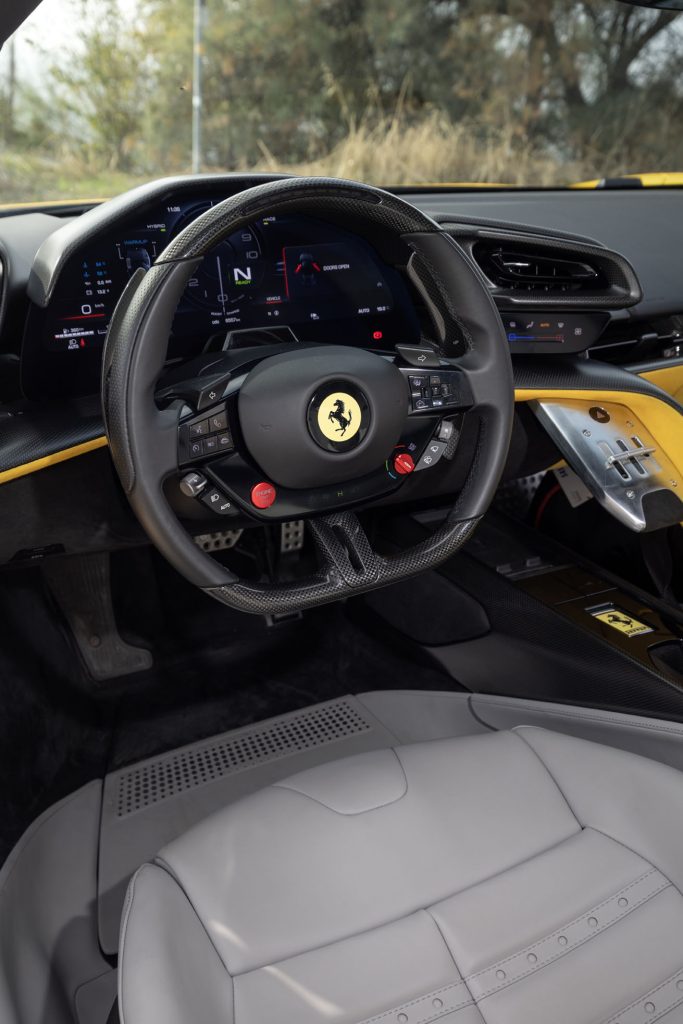
Ferrari 849 Testarossa – silky smooth and stable as a rock
Over the years, I have had the opportunity to drive many different Ferrari models, and it is fascinating to witness how the manufacturer constantly manages to push the boundaries. With the 849 Testarossa, Ferrari has taken another step forward.
The Ferrari 849 Testarossa feels incredibly well-built and cohesive. Everything works together in a way that makes you almost forget how advanced the technology behind it actually is.
The 849 Testarossa is simply silky smooth. It’s hard to find a better word to describe the feeling. The car is incredibly stable and sits like a rock on the road. The steering is incredibly precise and the entire car feels almost solid, no matter how you drive. It’s that kind of feeling that’s hard to convey in words, but becomes immediately apparent when you sit behind the wheel.
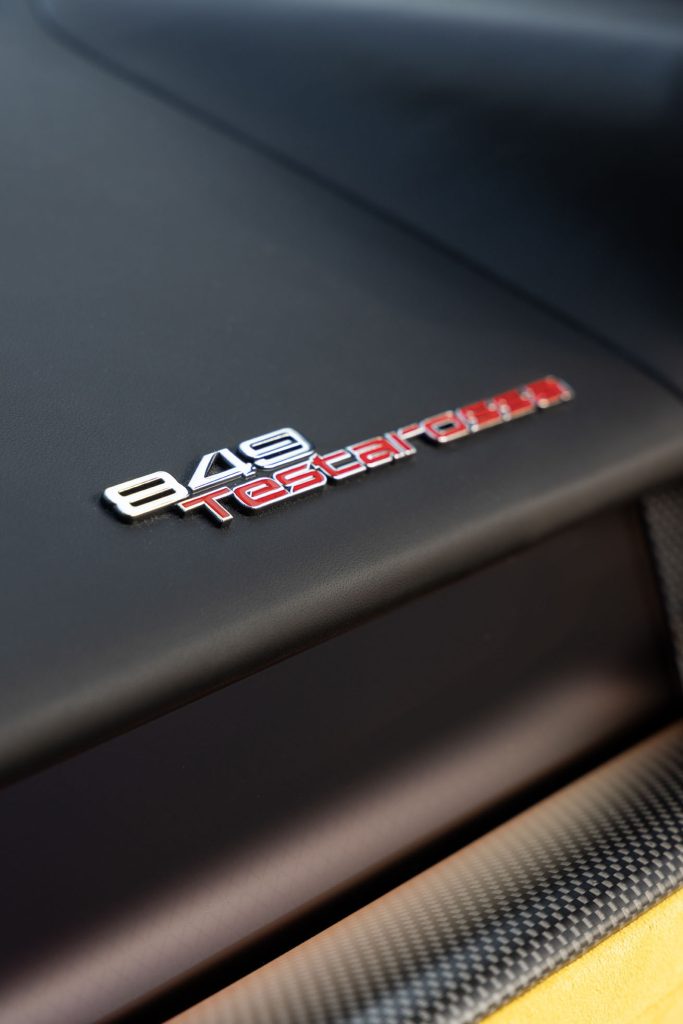
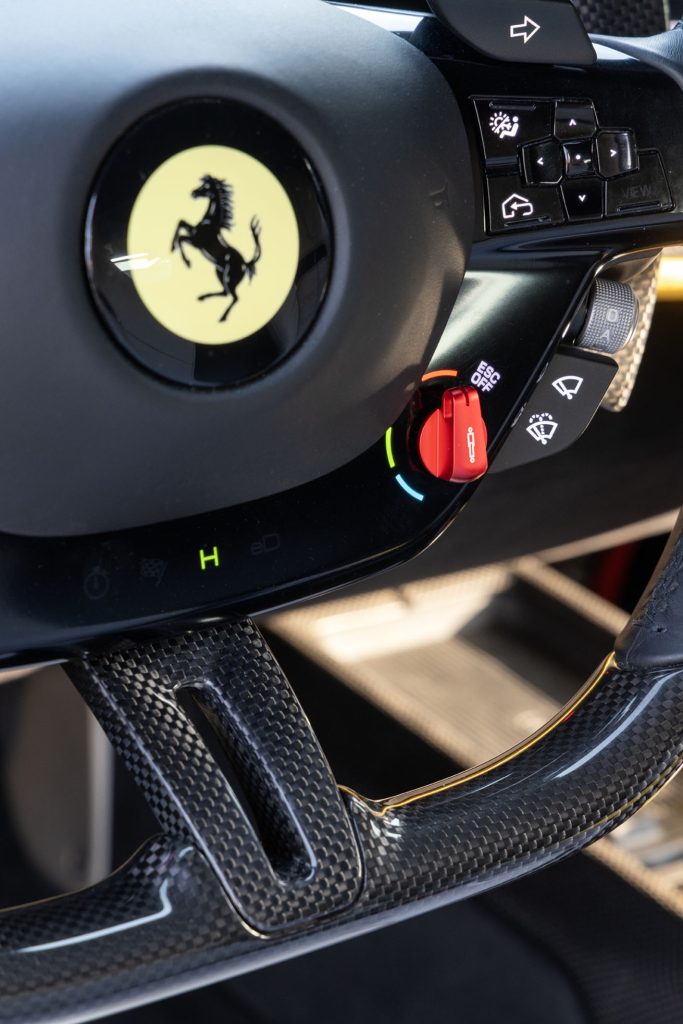
I had the opportunity to drive the car properly on the Italian roads and feel how it behaves when the pace increases. Of course, it’s not about approaching the limits that Ferrari’s own professional drivers can explore, but that’s not necessary either to understand how impressive the car is. Even at normal driving, you can feel how well balanced and well-engineered it is.
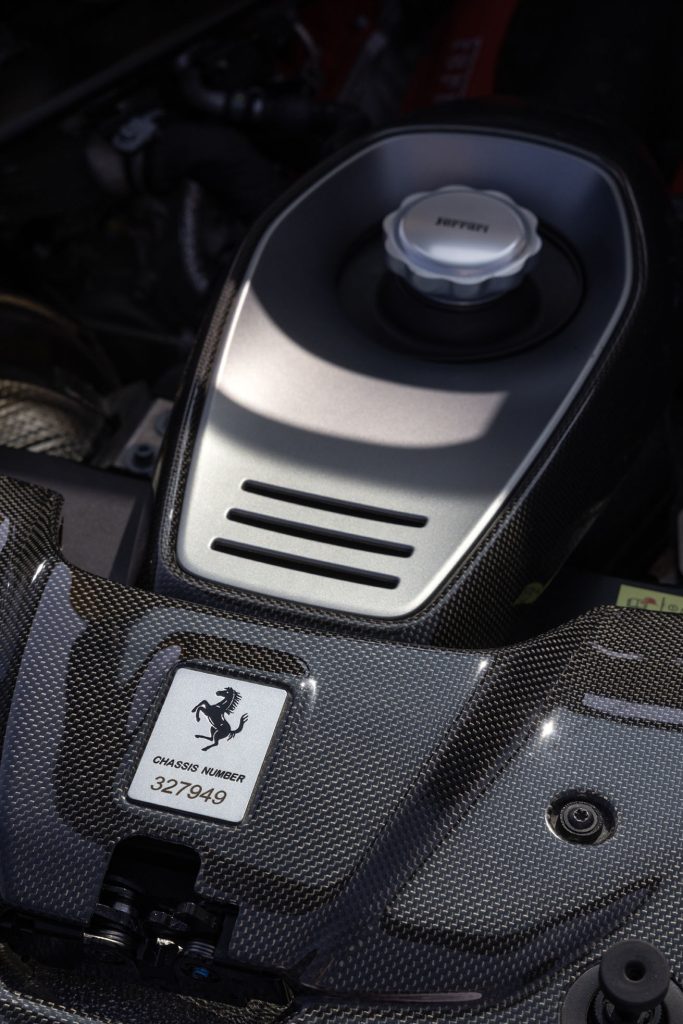
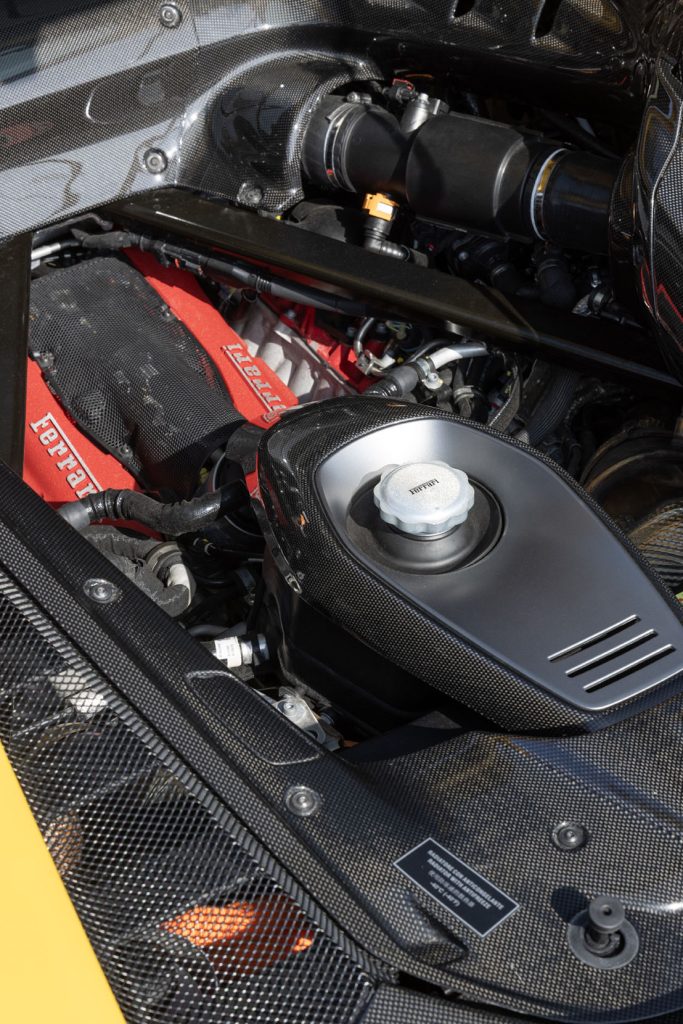
It is also fascinating how Ferrari has managed to combine the combustion engine with electric propulsion. At lower speeds, the transitions between electric drive and combustion engine are noticeable, but the overall performance works very well. The technology helps to make the car both extremely fast and surprisingly sophisticated.
What perhaps impresses me most is precisely the combination of all these qualities. A Ferrari should of course be fast, but it should also convey emotion. With the 849 Testarossa, Ferrari has created a car that feels incredibly capable, while at the same time having that special feeling that makes you actually want to keep driving.
The technology that disrupts driving pleasure
However, there is one thing that really annoys me and that I have also encountered in other modern cars. All those electronic warnings and reminders that constantly sound during driving.
Sitting behind the wheel of a Ferrari and getting sound warnings as soon as you exceed a speed limit isn’t exactly something that enhances the driving experience. Some of the systems can certainly be turned off, but the problem is that the settings need to be reset when the car is started the next time.
Of course, I understand that there are regulations that manufacturers must adhere to, but it still feels quite absurd in a car built to deliver one of the most advanced driving experiences in the world. When you drive a Ferrari, you want to be able to concentrate on the car, the road, and the experience, not on navigating through menus to avoid unnecessary audio alerts.
It's a shame because the car otherwise feels incredibly well-crafted.
42 years of development
Driving the Ferrari 849 Testarossa is a fantastic experience in itself, but for me this day will be associated above all with the photographs from 1984.
When Dad stood on that road with his camera, he could hardly imagine how Ferrari would evolve over the next 42 years. The original Testarossa represented the pinnacle of Italian sports car engineering at the time. Today, Ferrari has taken the leap into a completely different world with advanced electronics, electrification, and performance that would have been almost unthinkable in the 1980s.
But despite all the technological advancements, there is still something that unites the cars. Ferrari has always been about much more than just numbers and performance. It is about emotion, history, and the special experience of driving a car from Maranello.
When I finally finished photographing and drove away, I thought again of my father. I had been asked to do something that in a very personal way connected his work with my own. Two photographers, two Ferrari cars and the same route, with 42 years between the photos.
And this time, it wasn’t really the car’s performance that made the biggest impression on me. It was the sense of continuing a story that my father and Gunnar Elmgren once told in Cars Collection.
Specifications
Ferrari 849 Testarossa (2026)
Price: From 5,100,000 kr
Engine: 4.0-liter V8 biturbo + three electric motors
Volume: 3,990 cm³
Max power: 1,050 hp
Combustion engine: 830 hp
Electric motors: 220 hp
Maximum torque: 842 Nm (petrol engine)
Transmission: 8-speed dual clutch gearbox
Drive: Four-wheel drive
0–100 km/h: Under 2.3 seconds
0–200 km/h: 6.35 seconds
Top speed: Over 330 km/h
Battery capacity: 7.45 kWh
Electric range: 25 km
Dry weight: 1,570 kg
Length: 4,718 mm
Width: 2,304 mm (including mirrors)
Height: 1,225 mm
Ferrari Testarossa (1984)
Price as new 1984: Not verified
Engine: 4.9-liter 180° V12, supercharged engine
Volume of the cylinder: 4,943 cm³
Max power: 390 hp at 6,300 rpm
Maximum torque: 490 Nm at 4,500 rpm
Gearbox: 5-speed manual
Drive: Rear-wheel drive
0–100 km/h: 5.8 seconds
0–200 km/h: 20.2 seconds
Top speed: 293 km/h
Dry weight: 1,506 kg
Length: 4,485 mm
Width: 1,976 mm
Height: 1,130 mm
Thank you Mika Laurio and Diary Rosenberg for all the help 🙏🏻
 English (UK)
 Svenska
Leave a Reply