
Auto e Moto d’Epoca in Bologna, where automotive history becomes personal
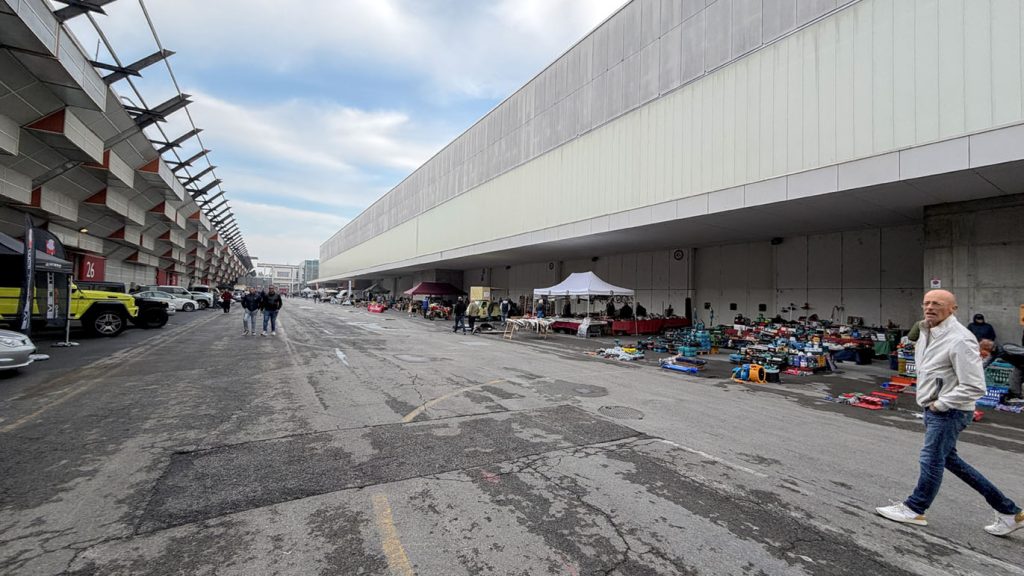
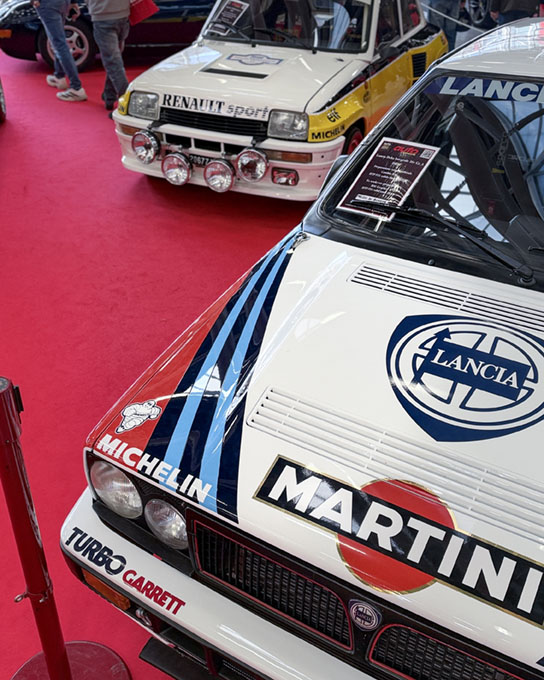
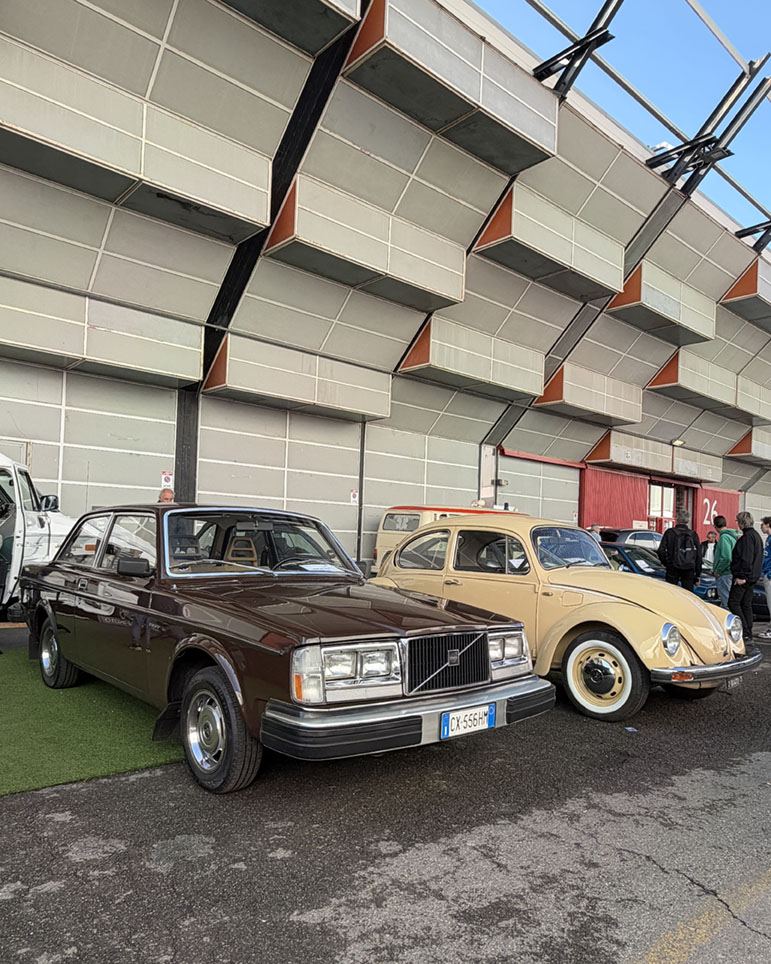
To step in Auto e Moto d’Epoca in Bologna It is almost overwhelming. Over four days, from October 22 to 25, 2026, over 5,000 cars and motorcycles gathered in an exhibition area covering a total of 235,000 square meters, divided into 14 exhibition halls. The fair has a history that dates back to 1983, when it was founded in Padua. Over the following four decades, it grew into one of Europe’s most important meeting places for historic vehicles. In 2023, the event moved to Bologna, where the significantly larger exhibition areas created new opportunities. This year’s edition was the 43rd in the series and attracted visitors from 34 countries. Ferrari Testarossa and Lamborghini Countach They appeared almost everywhere, but they were just two examples of the enormous range of exclusive, rare, and historically significant cars. Here, models that are normally hard to spot were displayed side by side, and wherever you turned there was something new to discover.
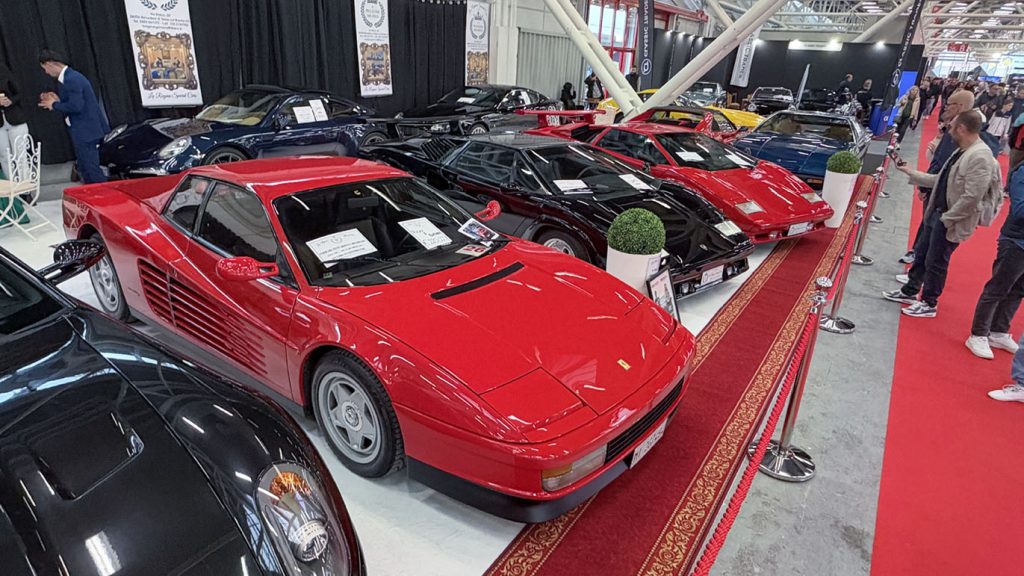
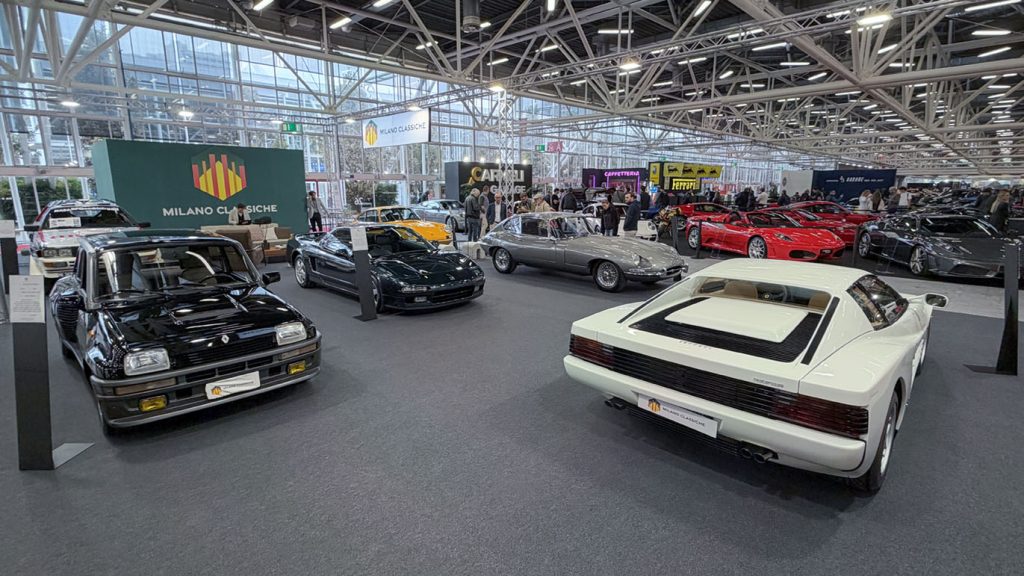
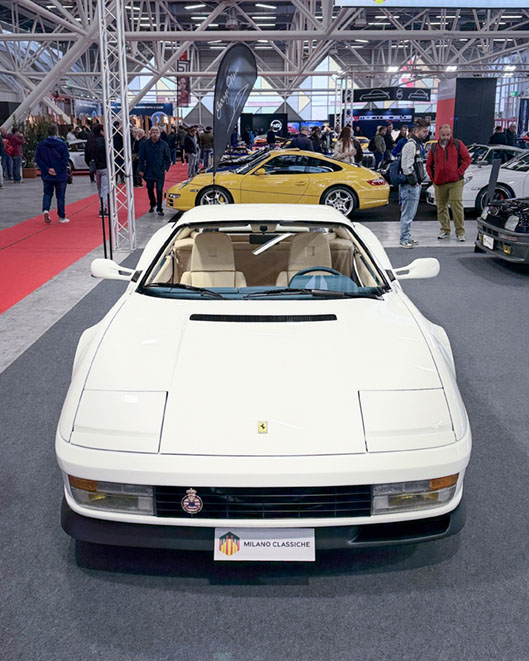
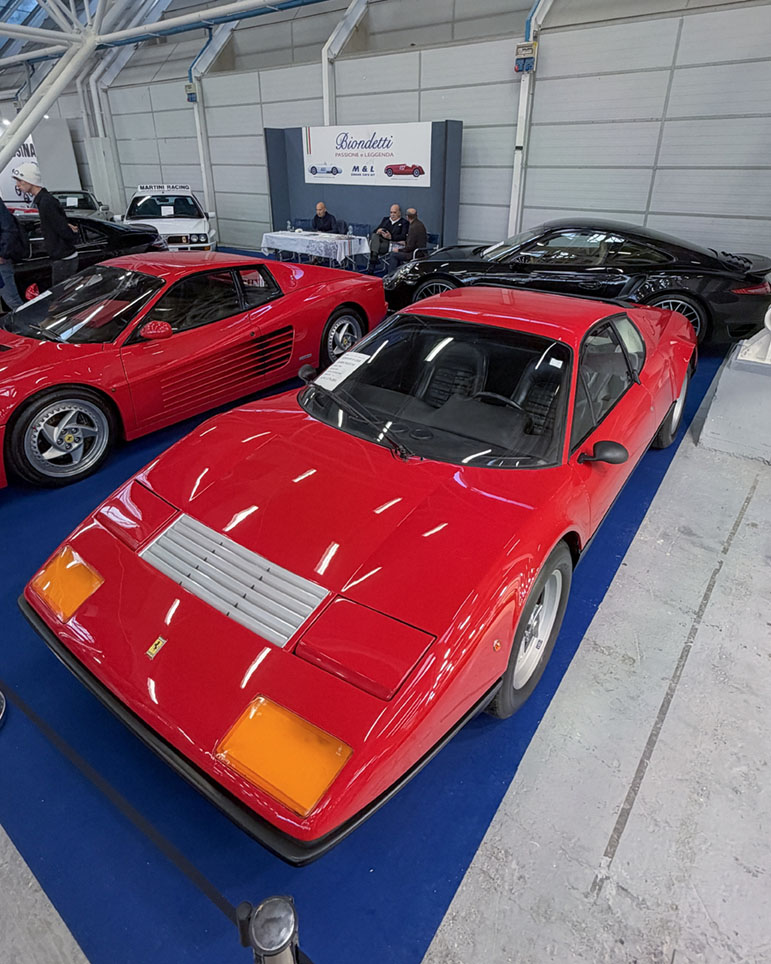
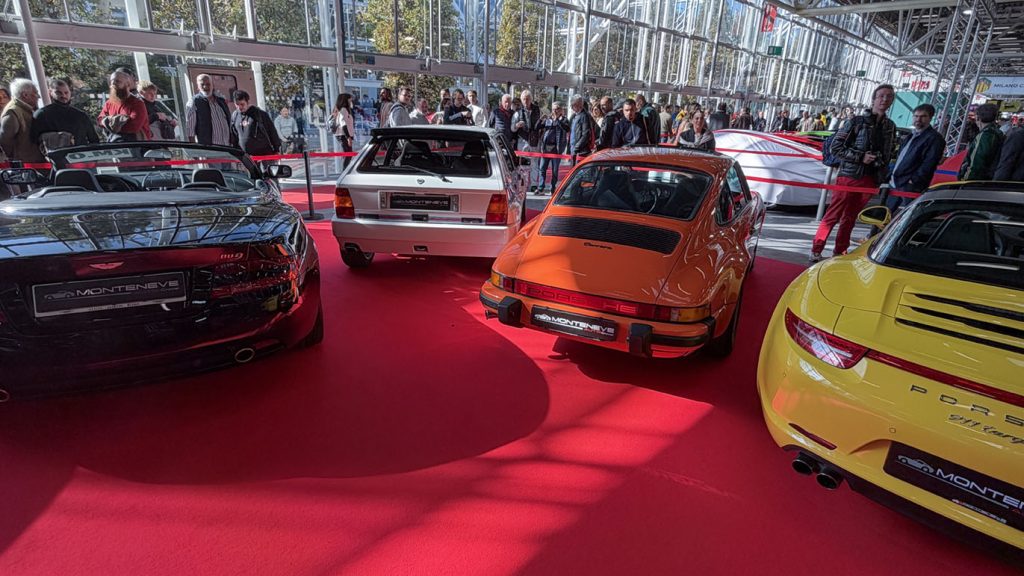
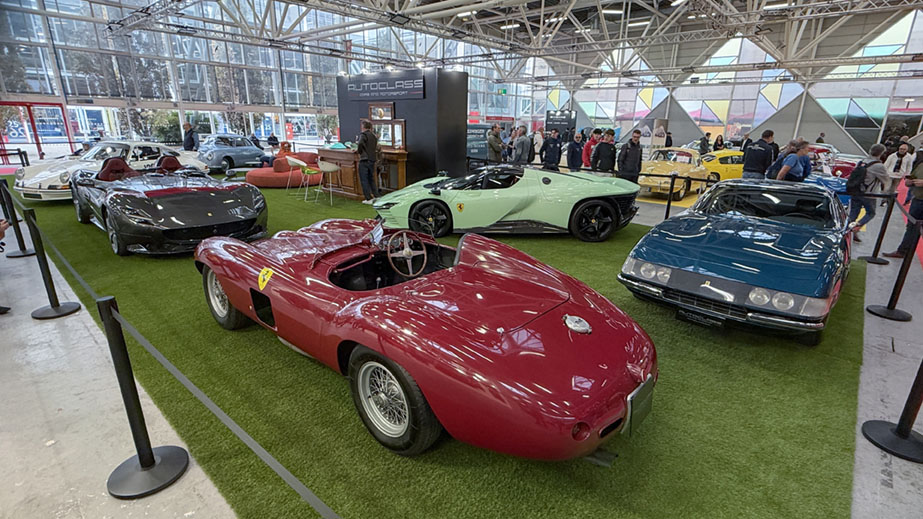
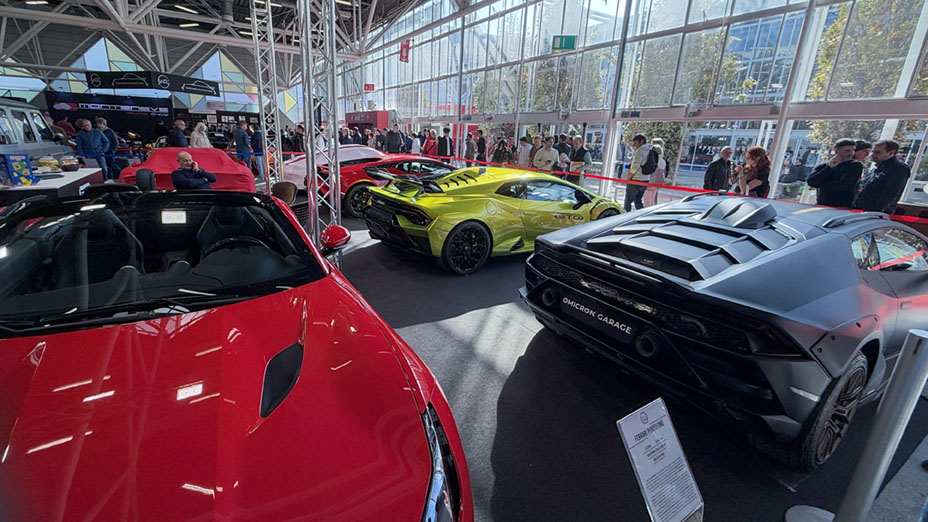
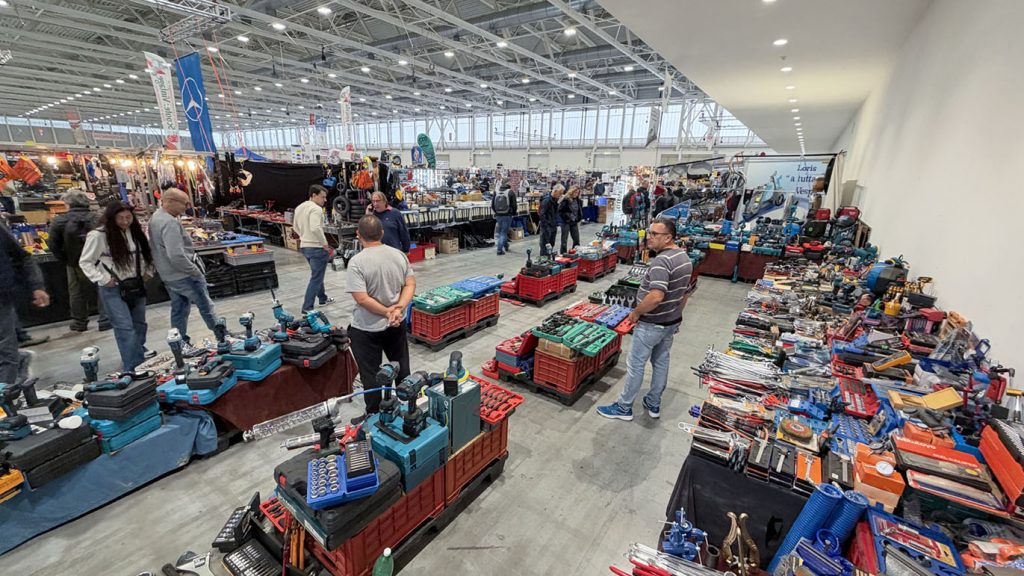
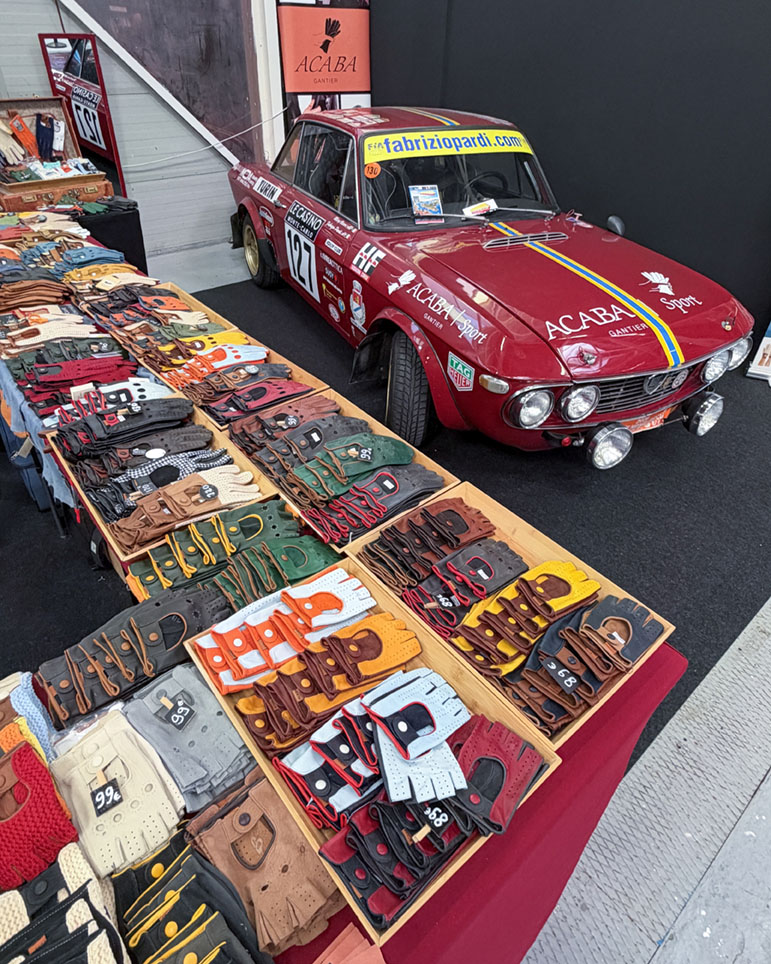
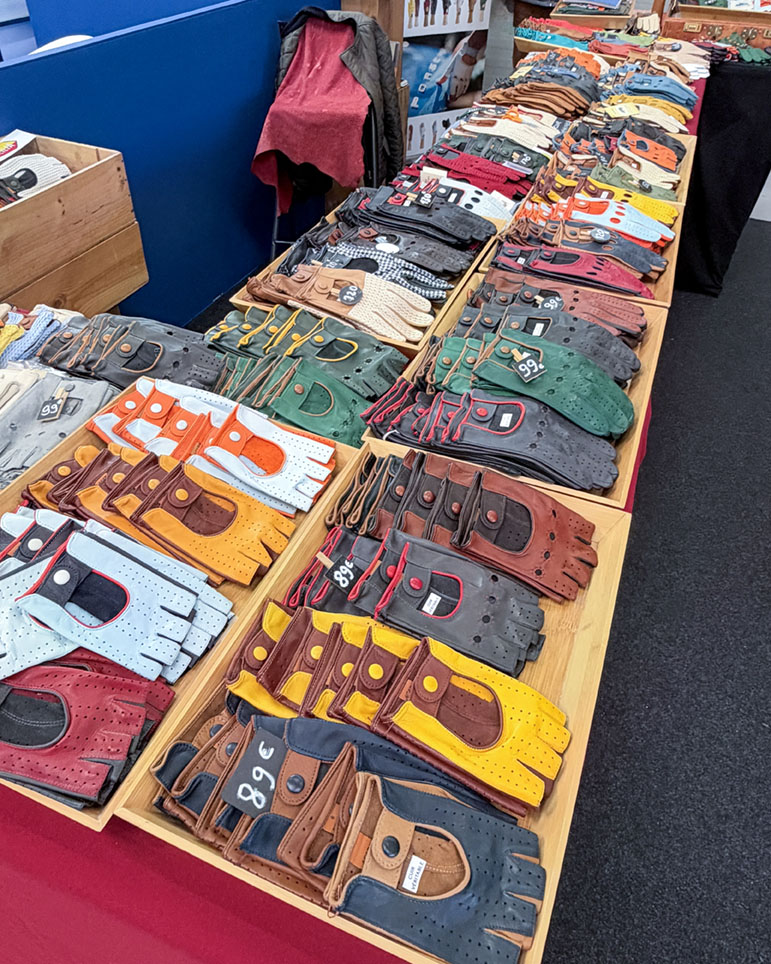
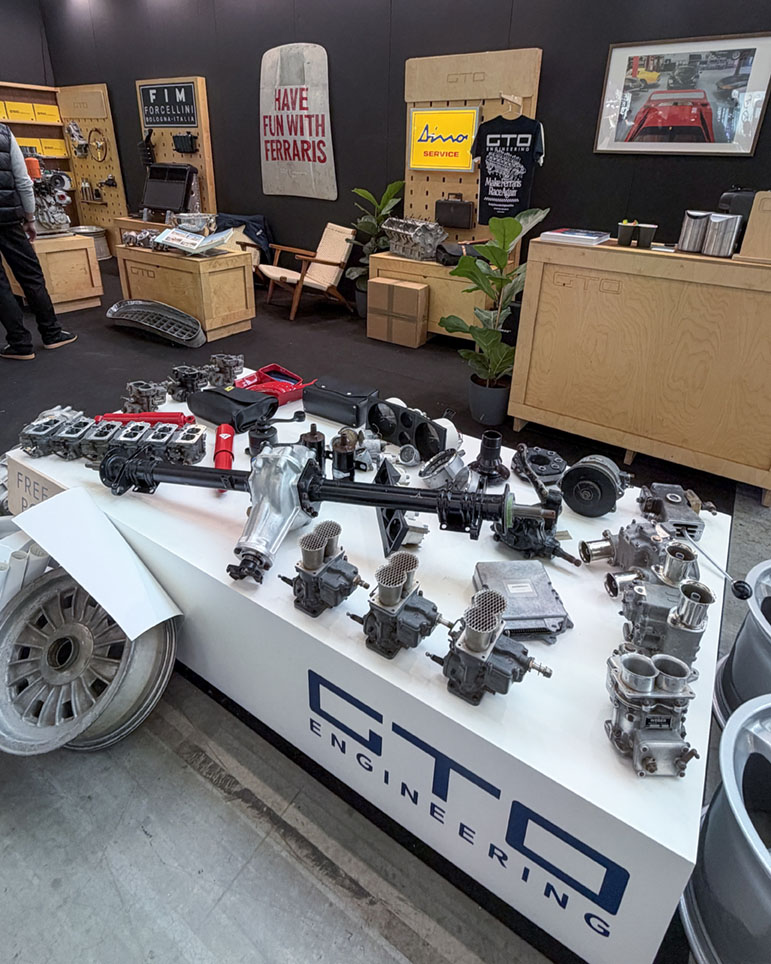
But it is precisely the mix that makes the fair so special. Here, Italian super sports cars co-exist with classic racing cars, everyday classics, motorcycles, and dealers selling everything from old instruments, model cars, and books to the most elusive spare parts. Auto e Moto d’Epoca is therefore much more than a traditional car exhibition. It is a meeting place for collectors, enthusiasts, restorers, manufacturers, and people who in various ways have dedicated large parts of their lives to the history of cars.
From Riva to automotive art at Auto e Moto d’Epoca
It wasn't just cars that filled the exhibition halls. There were also two classic motorboats from the Italian company "Marini". Riva, a brand that has been associated with exclusive boatbuilding and timeless Italian design since 1842. Another example of the enormous variety that makes Auto e Moto d’Epoca so special.
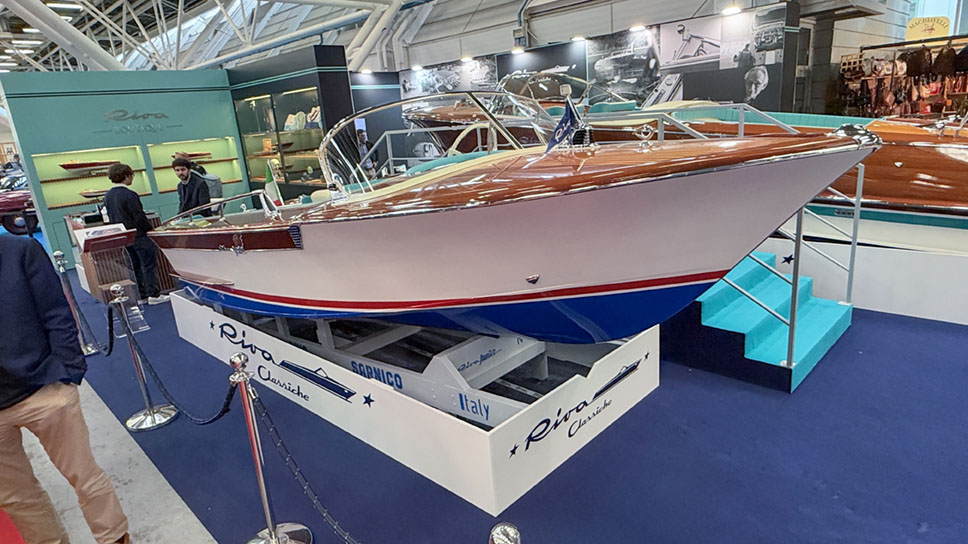
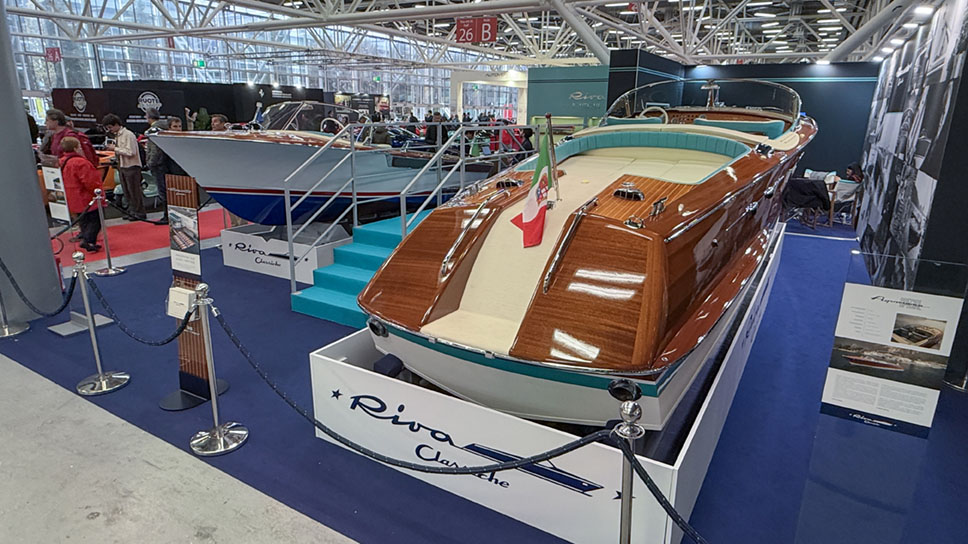
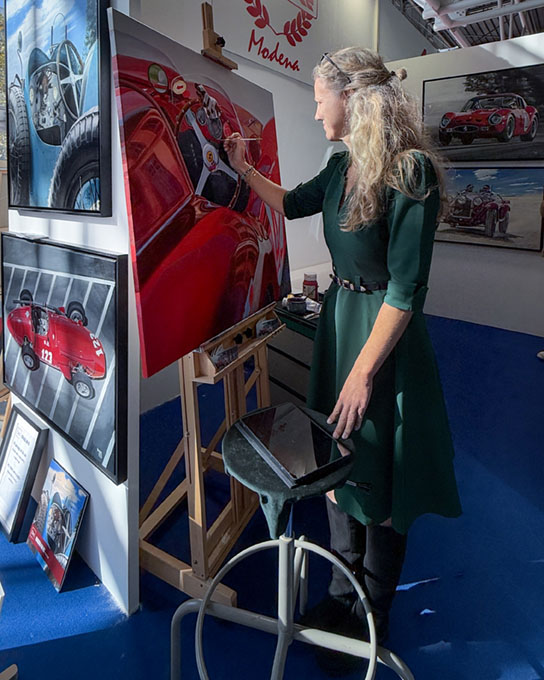
Among all the classic cars and spare parts were also artists who captured the beauty of automotive history on canvas. One of the exhibitors was Painting by Hes, who through his Automotive Fine Art Studio creates hand-painted paintings and drawings of classic cars and horses, also on order. A fine example of how the passion for historical vehicles also lives on through art.
An MG that evoked childhood memories
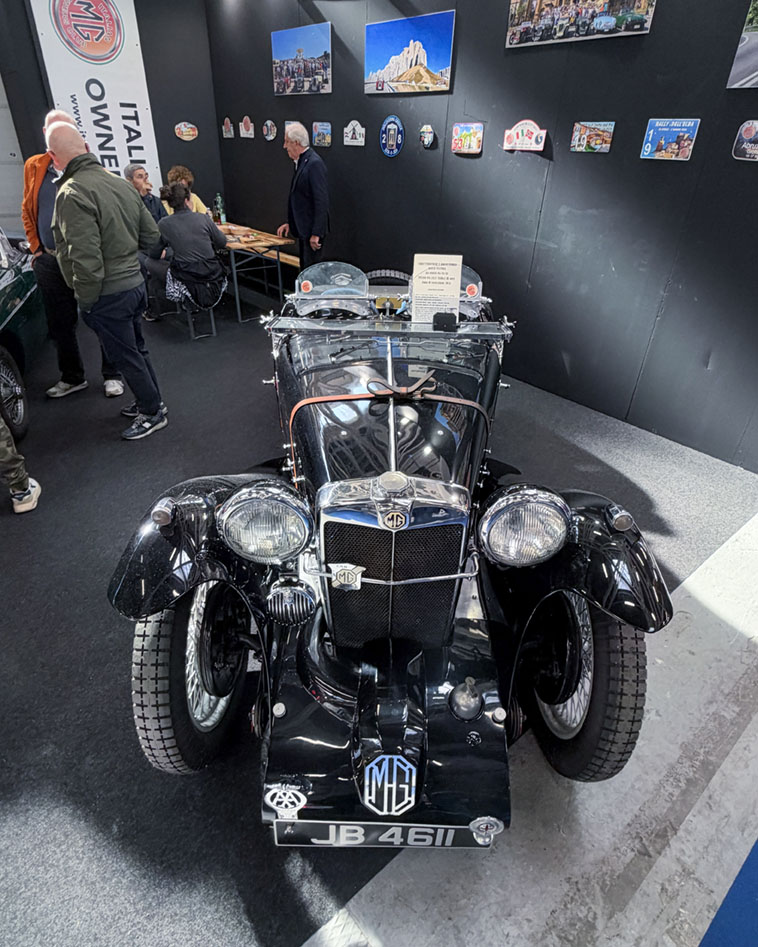
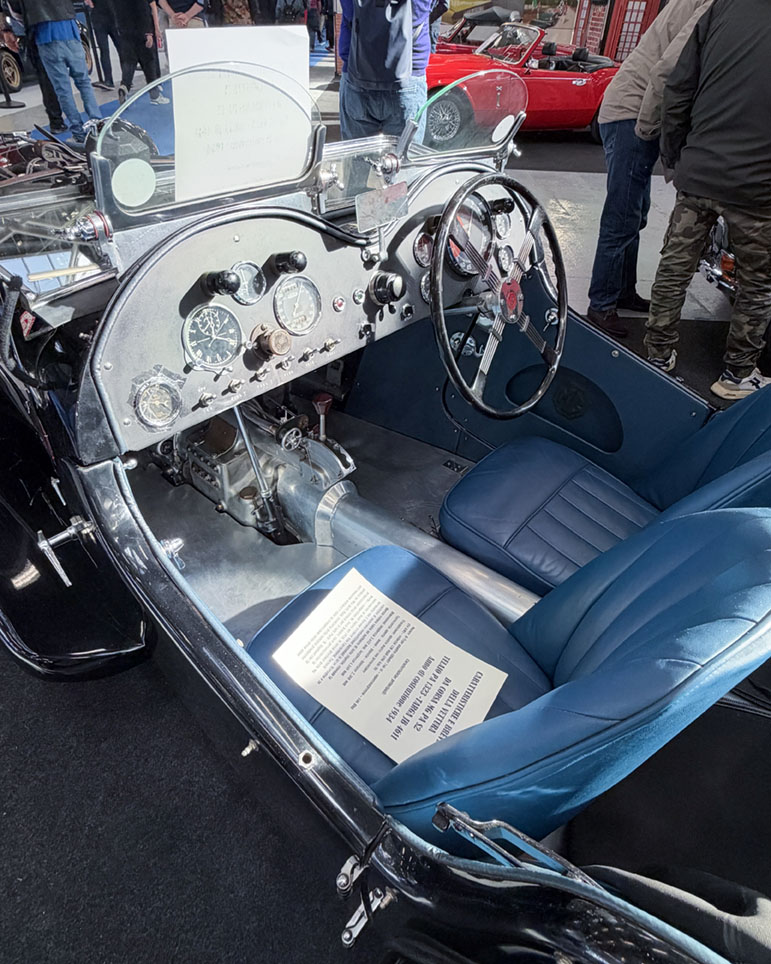
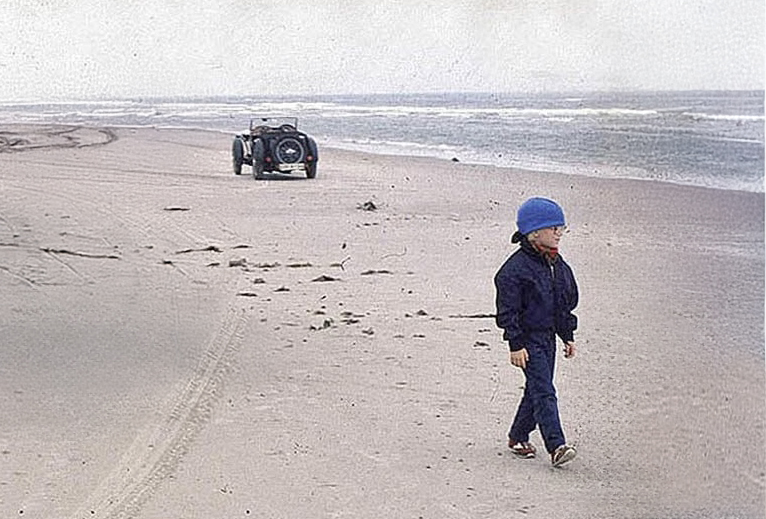
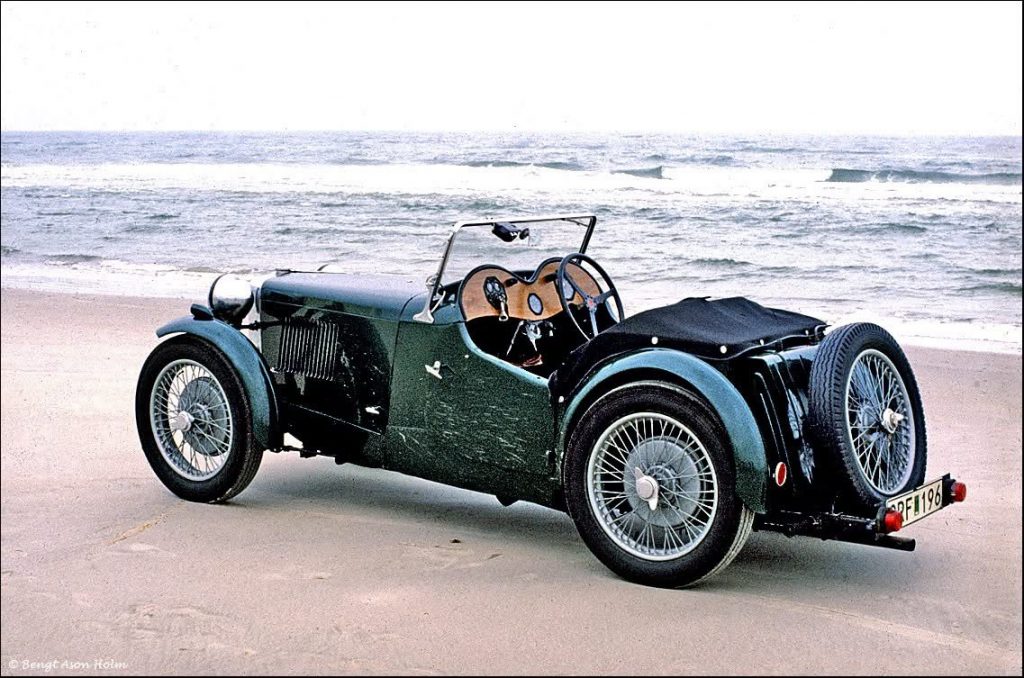
But it was far from just Italian cars at the fair. Among all the classic cars, I came across a British MG PA from 1934, a car that immediately brought back memories of my childhood and my father. My father already bought an MG TC in 1967, which he dedicated many years to restoring, but it was never finished. Later, he had to borrow an MG PA from his good friend Carl-Einar Mellander for several years. In that car, I spent many hours with my father, including during a trip to Denmark when I was just five or six years old.
Standing in front of another MG PA in Bologna almost fifty years later evoked many fond memories. I have previously recounted the story of my father’s MG cars here on Cars Collection, in connection with my test drive of the modern MG Cyberster.
Bertone's bold design
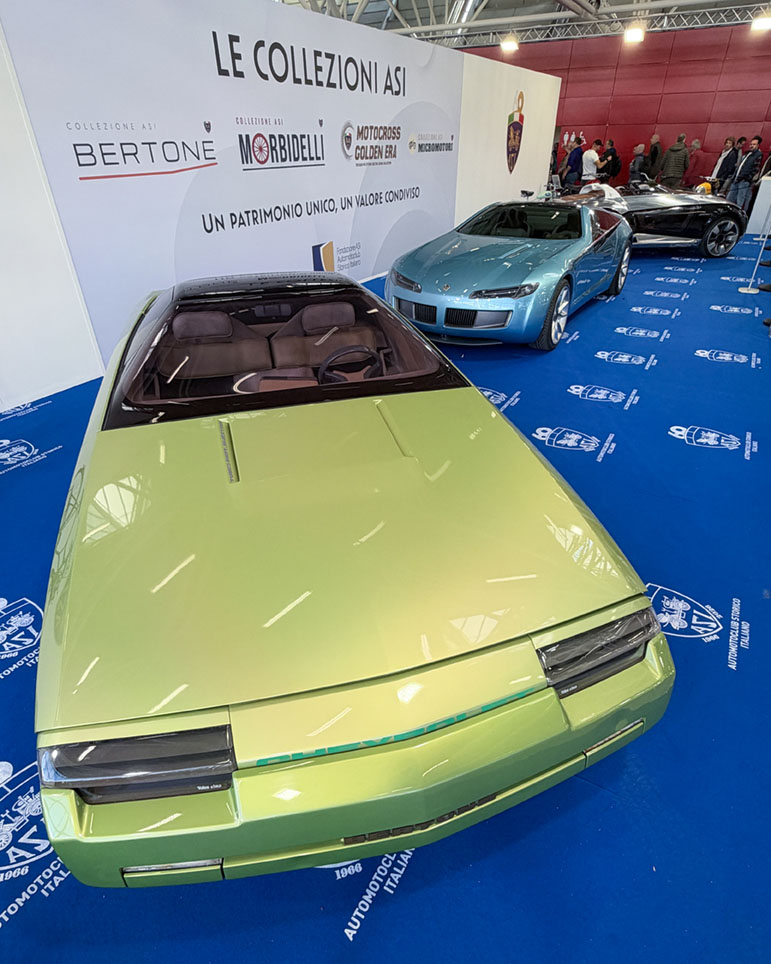
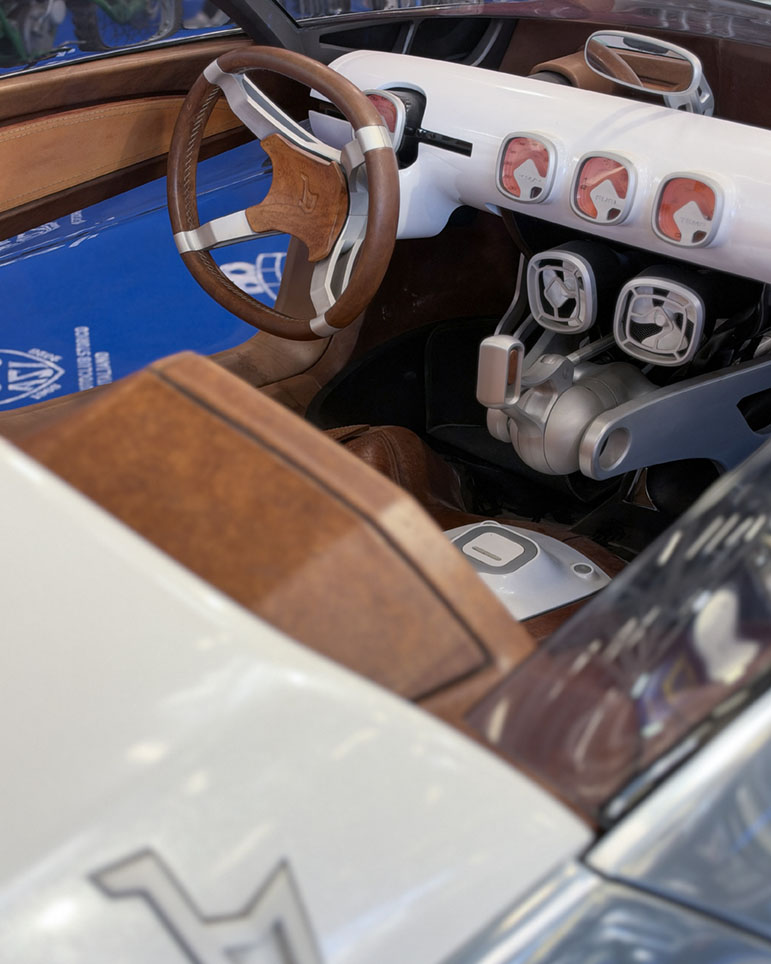
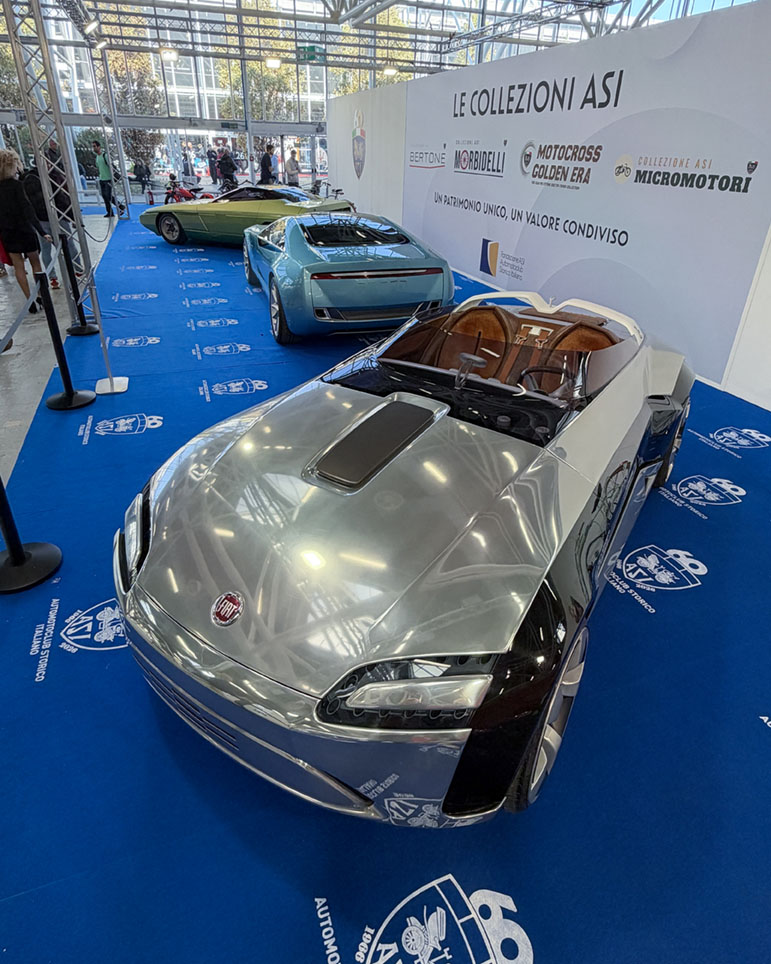
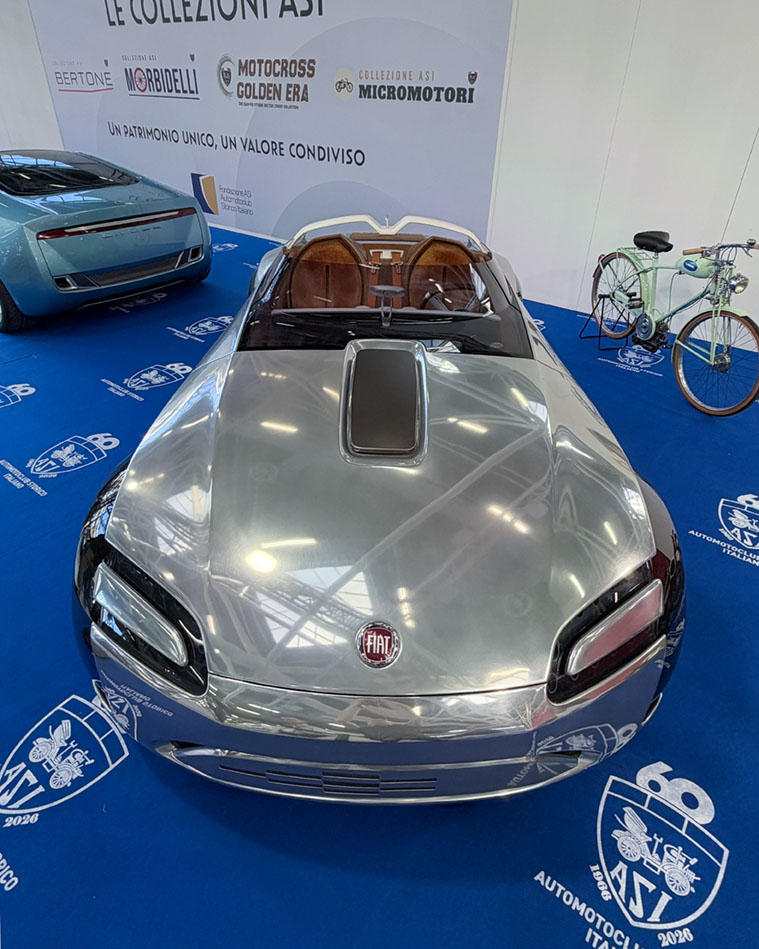
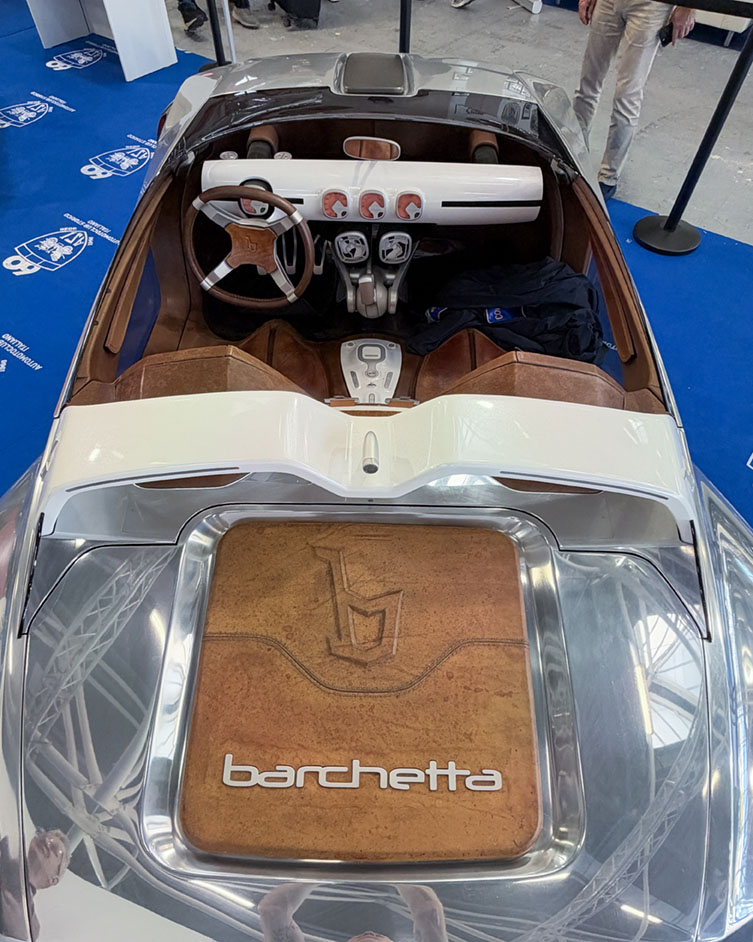
The Italian design studio Bertone There was also a representation of Bertone cars. Here we saw the Chevrolet Corvette Ramarro from 1984, the Bertone Birusa from 2003 and the Bertone Barchetta from 2007. The Barchetta in particular attracted attention with its open body, silver finish and futuristic interior with brown leather details. Three cars from completely different decades showed together the importance Bertone had on the development of Italian automotive design.
Motor sports history gathered in Bologna
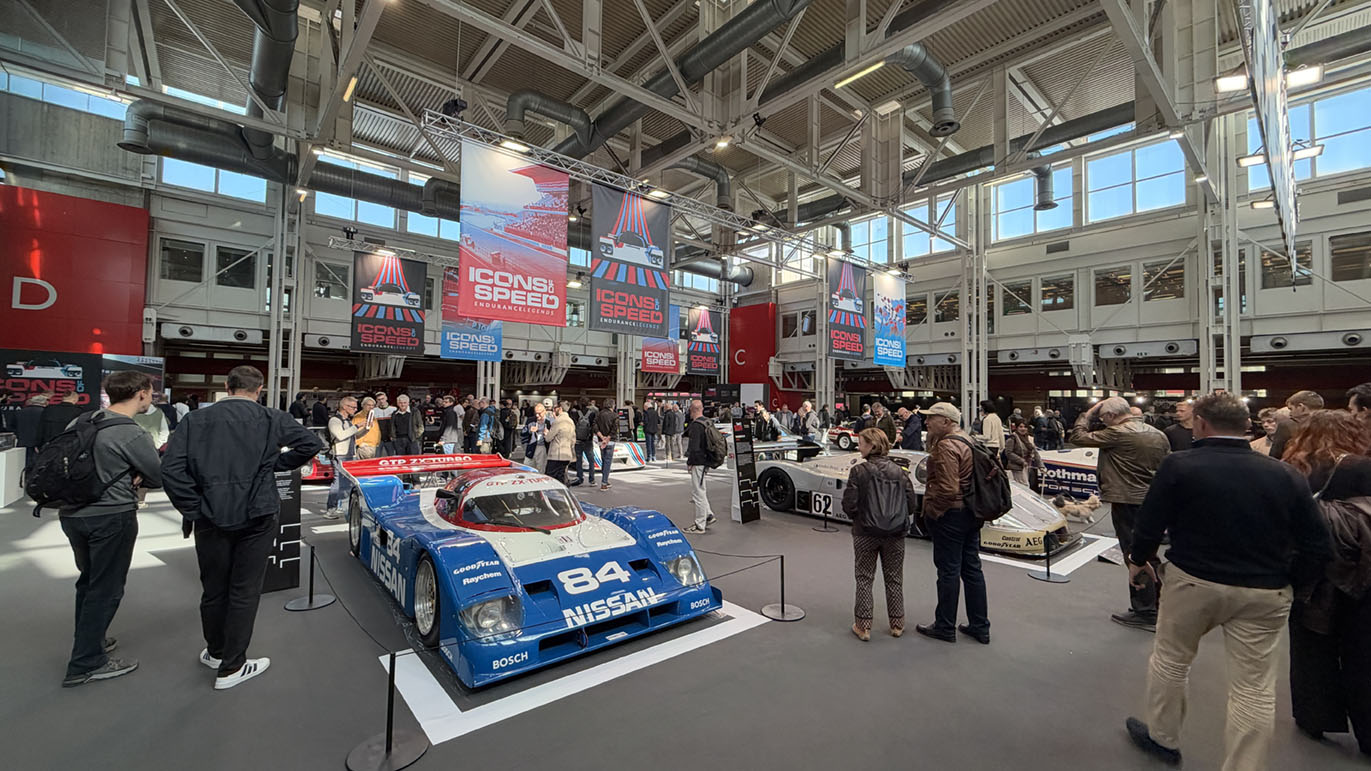
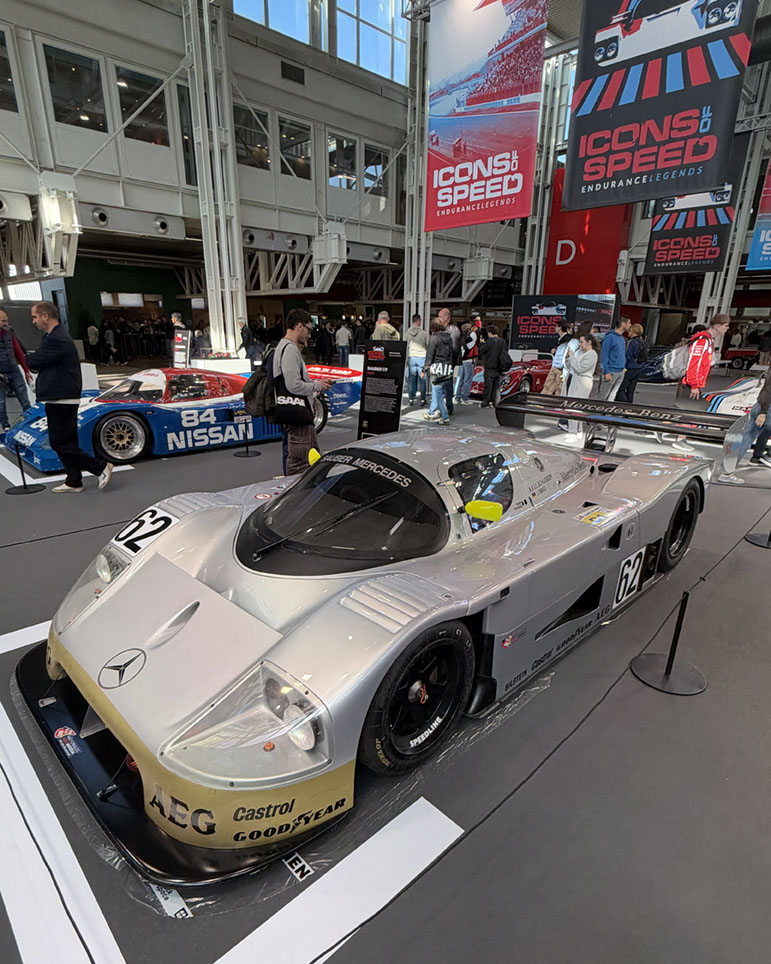
One of the real highlights of Auto e Moto d’Epoca was the special exhibition Icons of Speed: Endurance Legends. Here, some of the most fascinating racing cars in motorsports history were gathered, from classic long-distance race cars to significantly more modern GT cars. Among them were several cars from National Museum of Automata, The Loh Collection, In Dietzhölztal in Germany. A museum with an impressive collection of historical cars that I definitely plan to visit in 2027.
Here there was, among other things, a Porsche 956 in classic Rothmans decor, one of the most successful sports car designs of all time. Porsche 956 dominated the long-distance racing during the 1980s and became synonymous with the successes on the track. Le Mans. Another impressive car was Nissan R90CK From 1990, with its distinctive blue-and-white decor and a 3.5-liter twin-turbocharged V8. The model wrote motor racing history when Mark Blundell took pole position at Le Mans 1990 with a qualifying time that was six seconds faster than the nearest competitor.
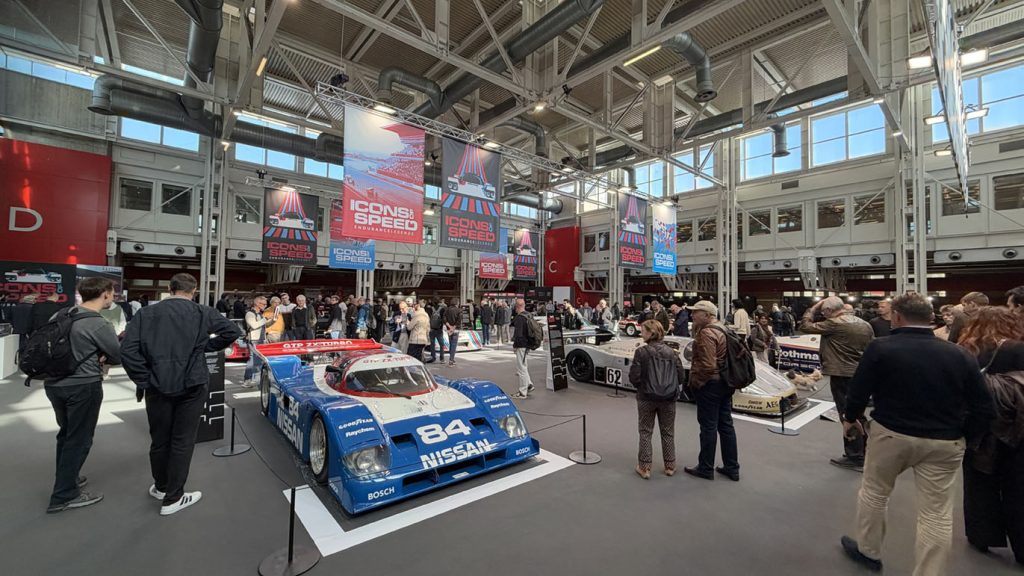
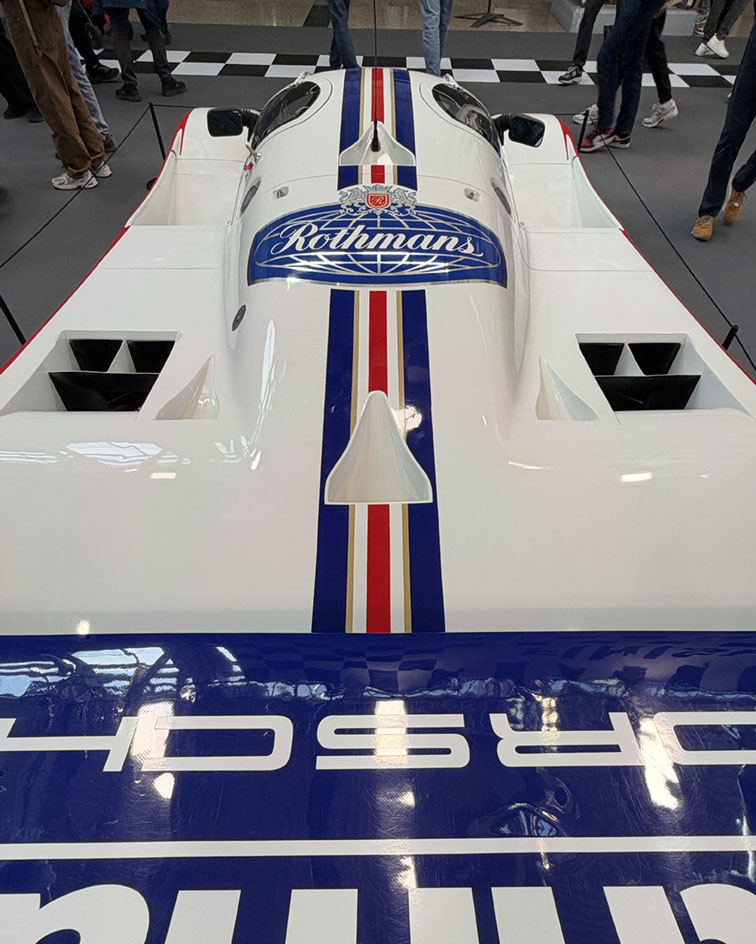
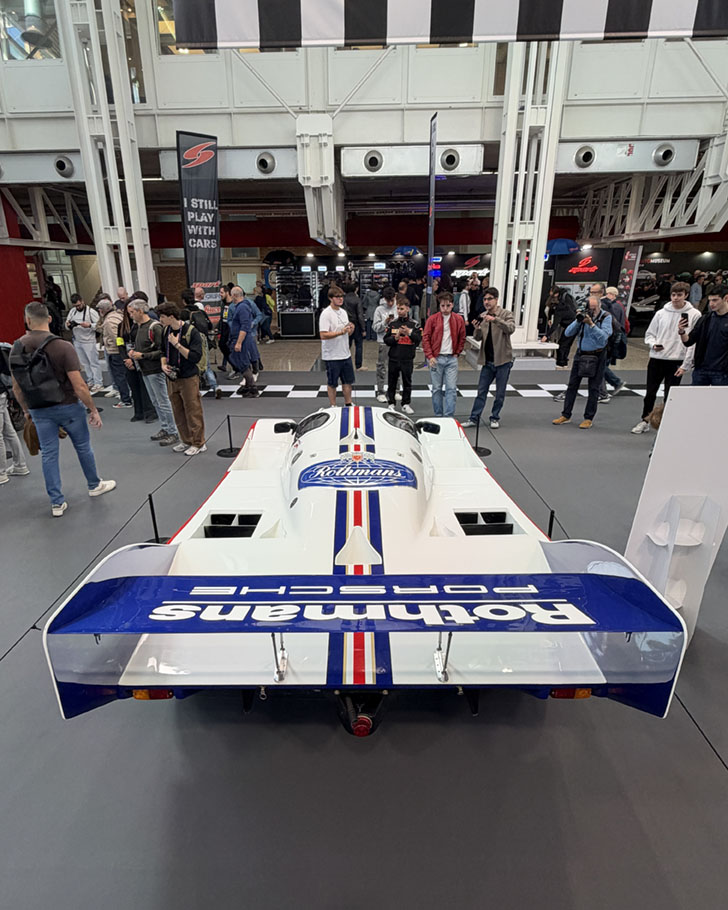
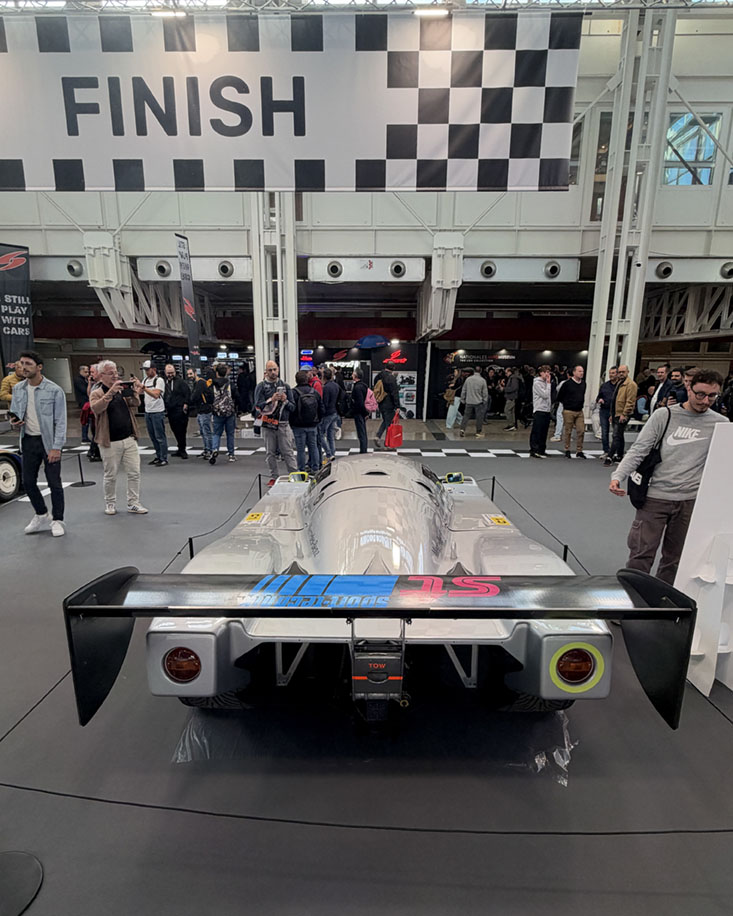
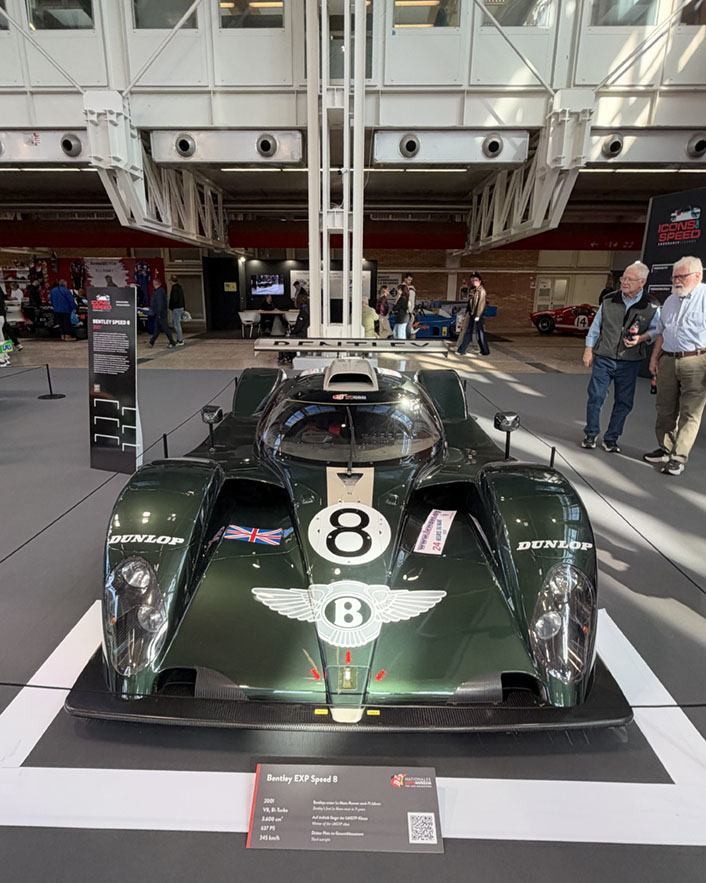
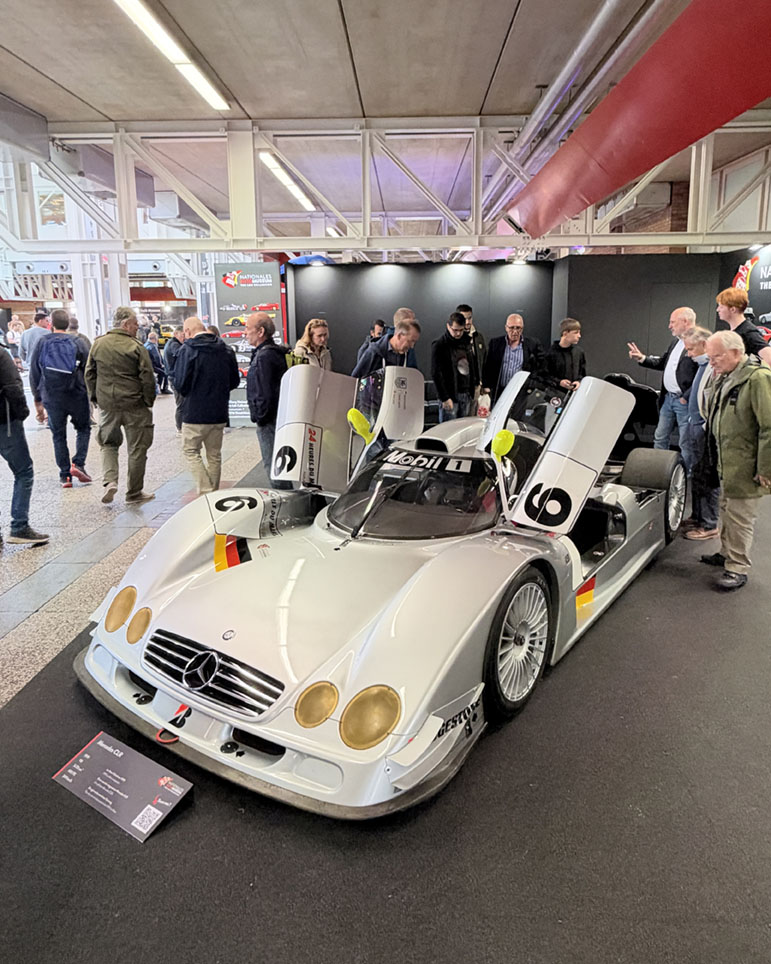
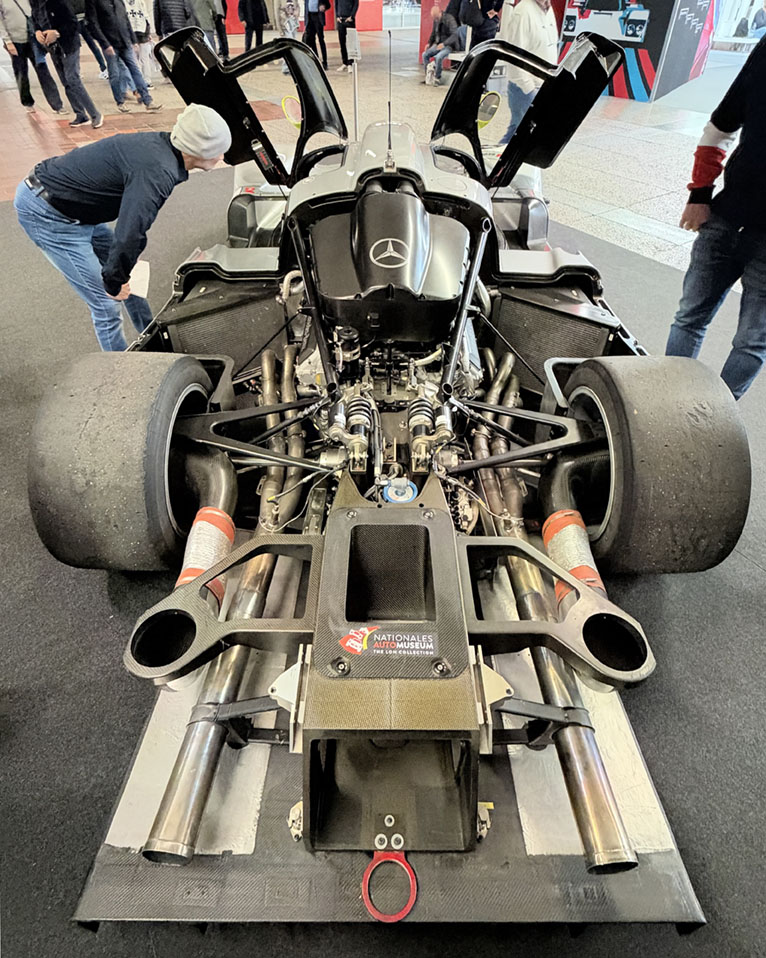
Another highlight was the Sauber-Mercedes C9, one of the Group C cars most iconic racing cars. The model is primarily associated with Mercedes' return to international sports car racing and the double victory at Le Mans in 1989. The significantly more modern Bentley EXP Speed 8 represented another era. With its distinctive green body and advanced aerodynamics, the model marked Bentley's return to Le Mans in the early 2000s, an effort that ultimately resulted in a total victory in 2003. Among the other cars that caught my interest was Mercedes-Benz The CLK-LM, a spectacular racing car from the late 1990s, and a Porsche 917 in classic Gulf livery.
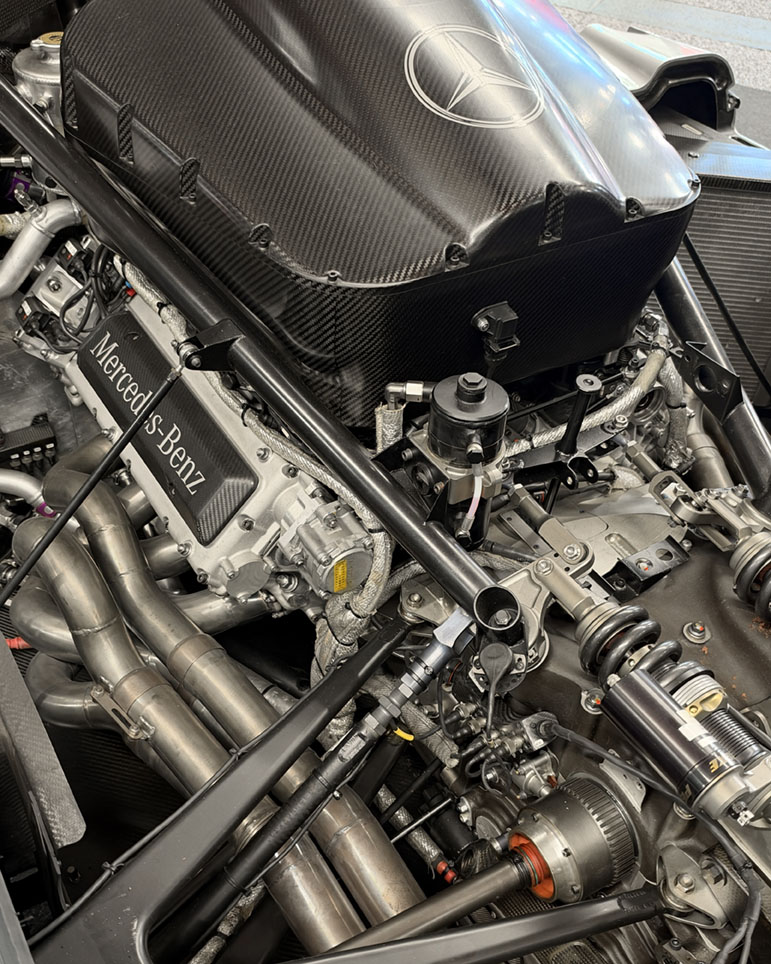
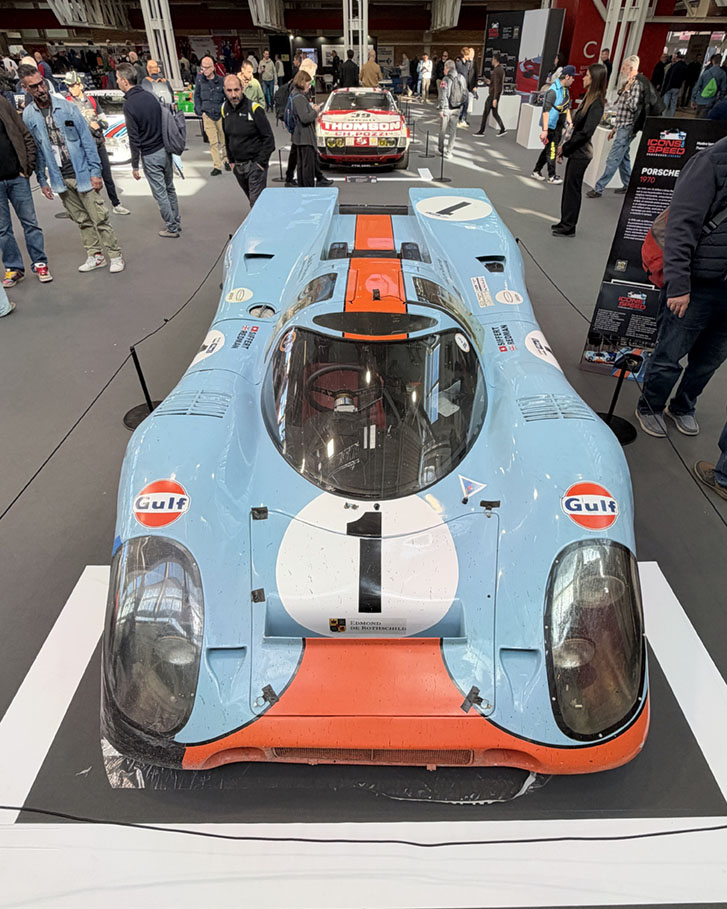
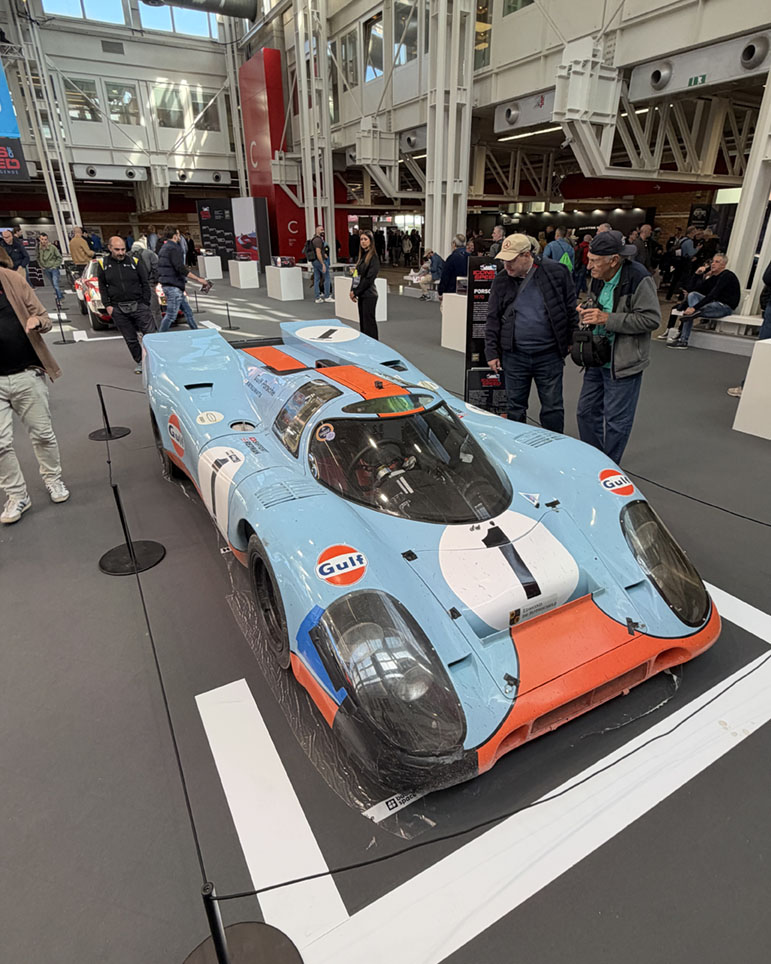
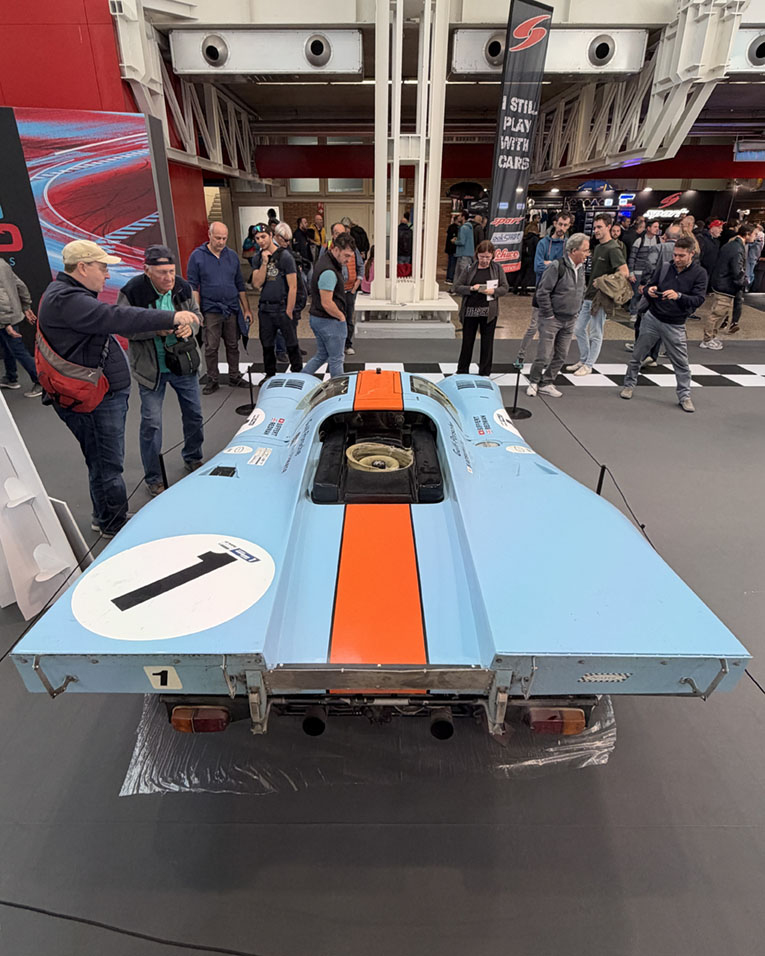
Another car that really deserved attention was the Lancia Beta Montecarlo Turbo in Martini Racing Well-known colors. The extreme Group 5 version had little in common with the ordinary street car, except for parts of the bodywork. With its wide front, enormous rear wing, and turbocharged four-cylinder engine, it evolved into one of the most successful racing cars of its time. Lancia won the class for cars up to two liters in 1979 and then took home the brand world championship overall in 1980 and 1981, in fierce competition with, above all, Porsche. Standing in front of the car in Bologna and studying its uncompromising design up close was a meeting with an important part of Lancia's racing history.
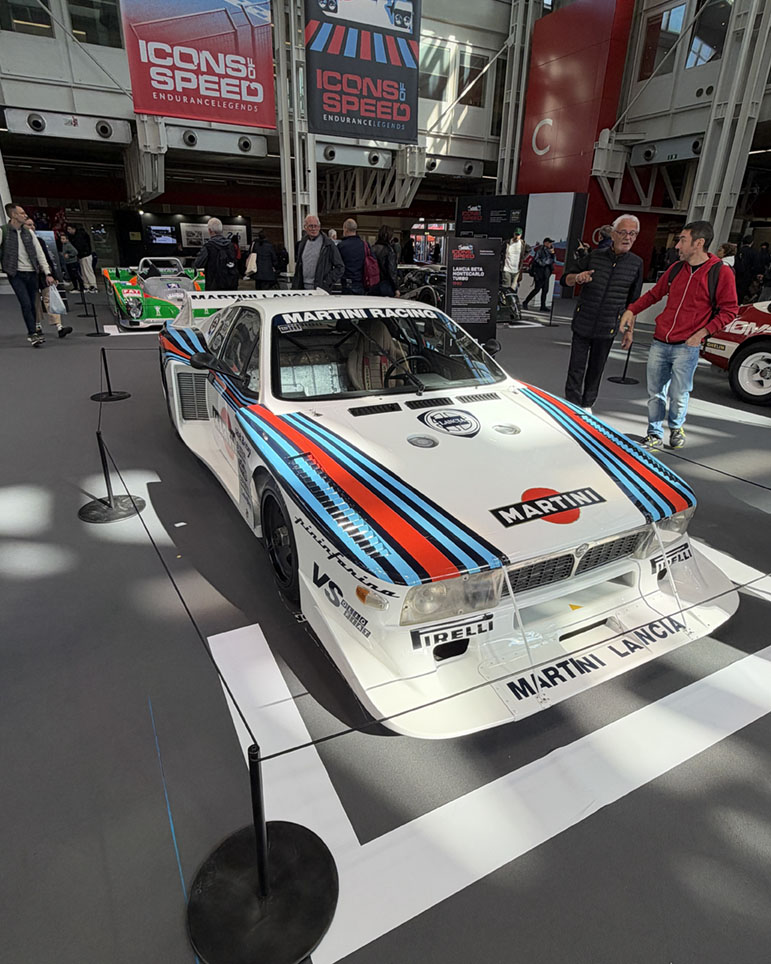
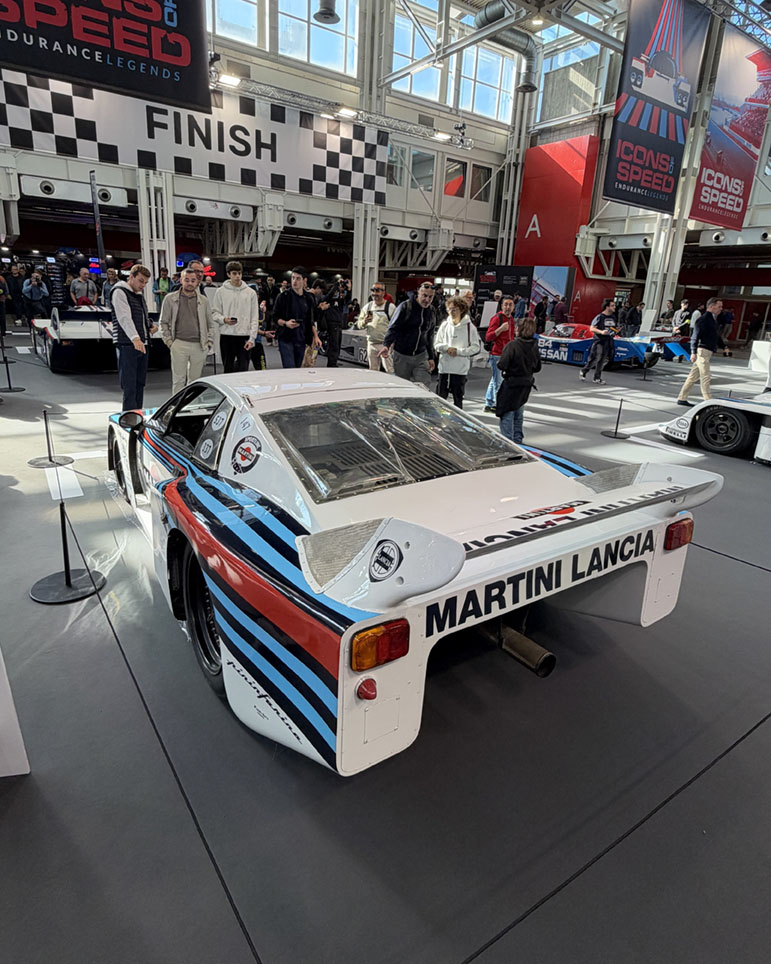
What made the exhibition so special was not just the individual cars, but the opportunity to see so many legendary racing machines together. They represent different generations, technological solutions, and some of the most memorable eras in motorsport. The visit also sparked my curiosity about the Nationales Automuseum, The Loh Collection. In 2027, I plan to travel to Germany to discover the museum’s collection in person.
Maserati MC12, a photograph that became a tattoo
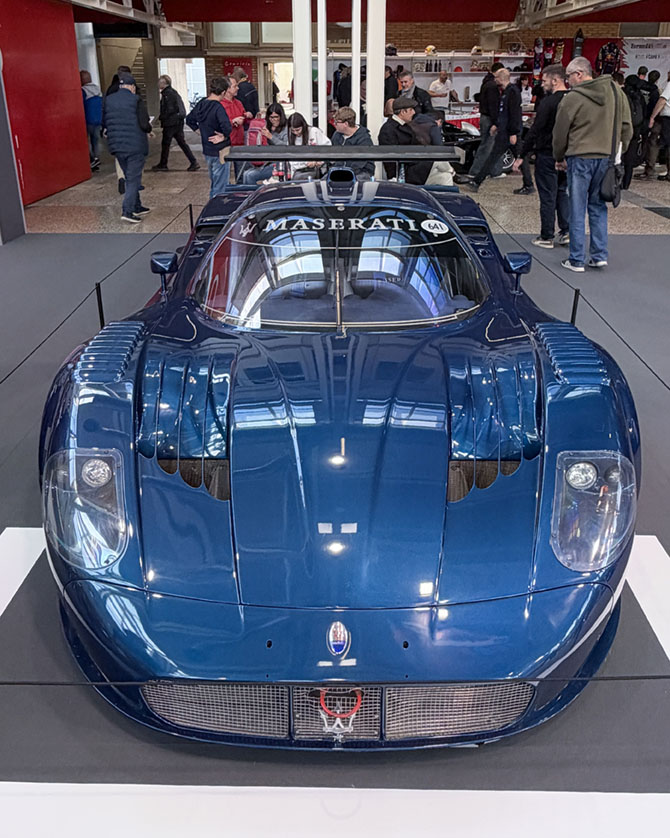
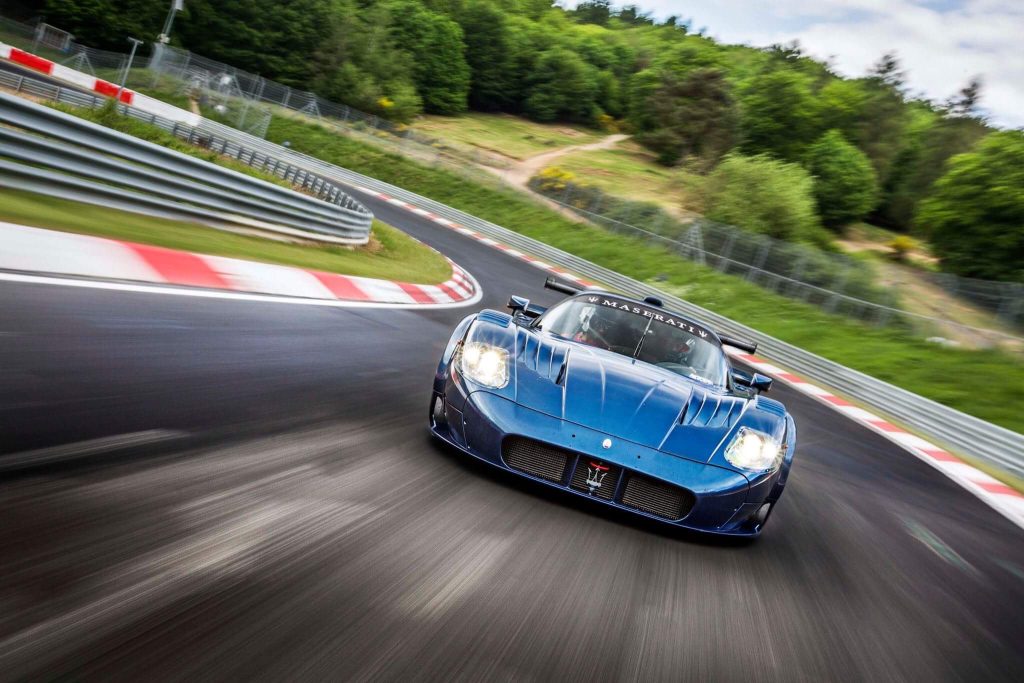
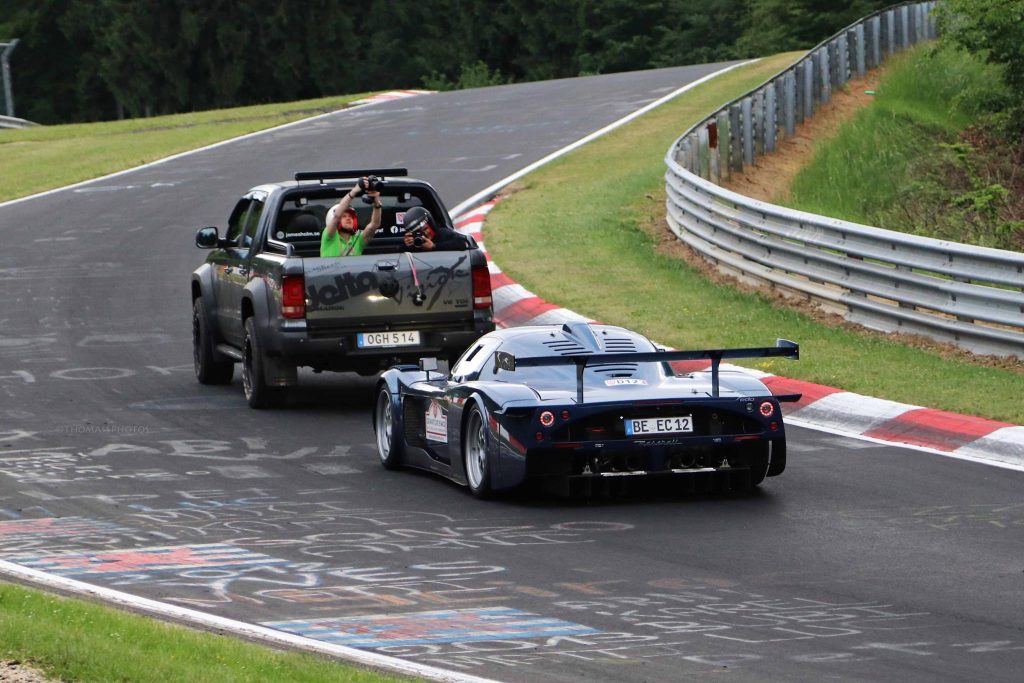
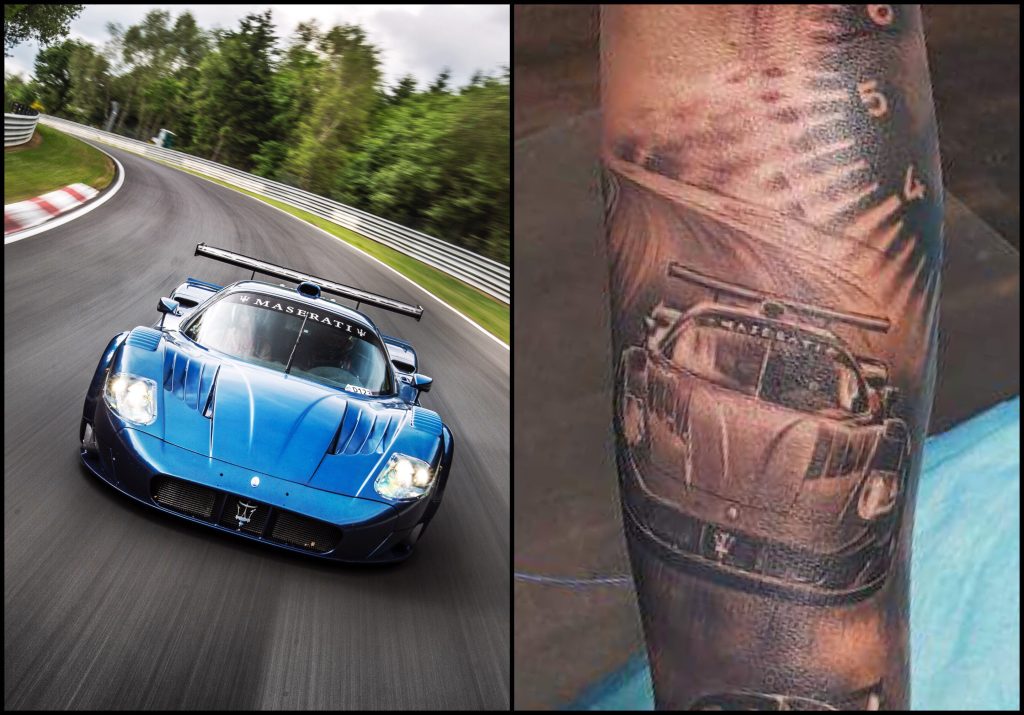
Among the historic racing cars in Bologna was also a Maserati MC12 GT1, a car that evoked a very special memory in me. Many years ago I photographed a Maserati MC12 during the Gran Turismo Nürburgring on the legendary Nordslingan. That was Edo Karabegovic, the founder of the German company Edo Competition, who had brought the car to the event. I sat on the front seat of my own car. Volkswagen Amarok While Maseratin followed behind us. From there, I photographed so-called Car to Car photos, where the photographer works from another moving vehicle. The result was one of my favorite photos from that shoot. But the story doesn’t end there. One person was so impressed with my photography that he had the image of Maseratin tattooed on his body.
The fact that many years later I was once again standing in front of a Maserati MC12 in Bologna made me think back to that photograph and to how a photograph can sometimes mean much more to someone else than one could ever have imagined.
An unexpected meeting at Auto e Moto d’Epoca
Sometimes the most fascinating encounters happen when you least expect them. Earlier that same week, I had picked up a Maserati The GT2 Stradale from the factory in Modena, a car that I will soon tell you much more about in a separate article here on Cars Collection. Shortly after I and Mika Laurino When we approached a roundabout, we saw something that really caught our attention. Right inside the roundabout, an orange car was driving. Giamaro The Krafla, a prototype from the new Italian supercar manufacturer Giamaro Automobili. The model name was clearly written on the side of the car. It was driving in the same direction as me, and the driver seemed to quickly understand that I had discovered the car. Instead of leaving the roundabout, he continued to drive around, not just one but three extra laps, almost as if he wanted to make sure that I would manage to catch up.
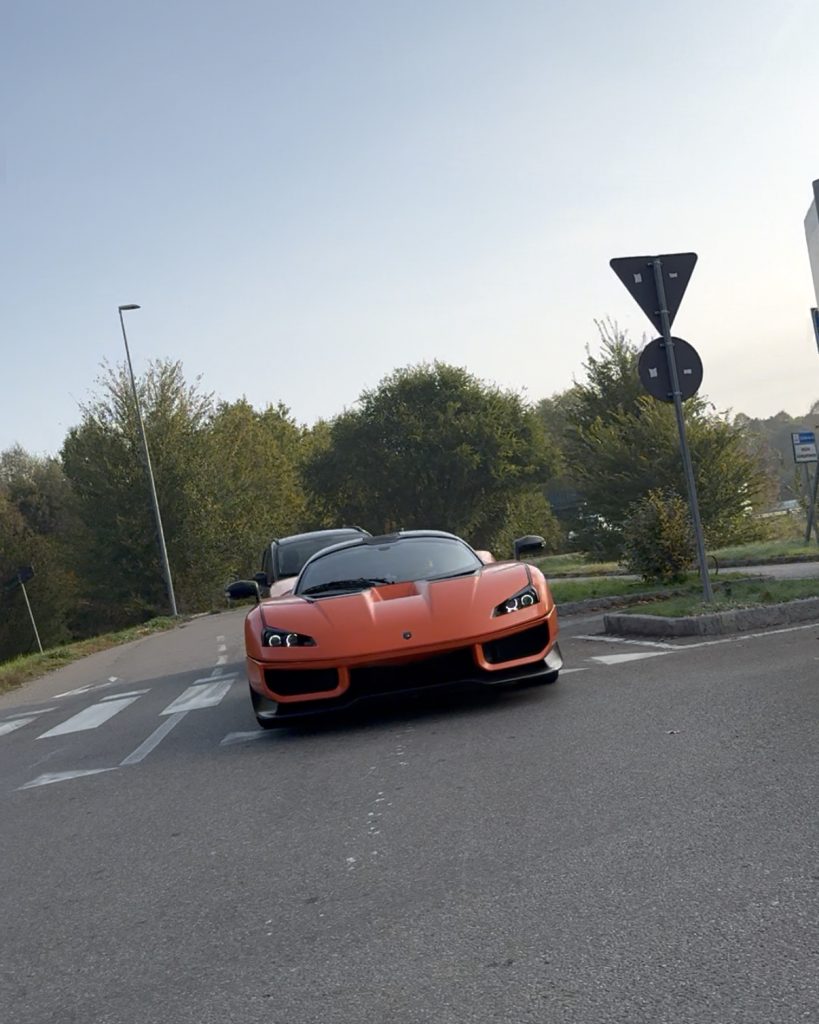
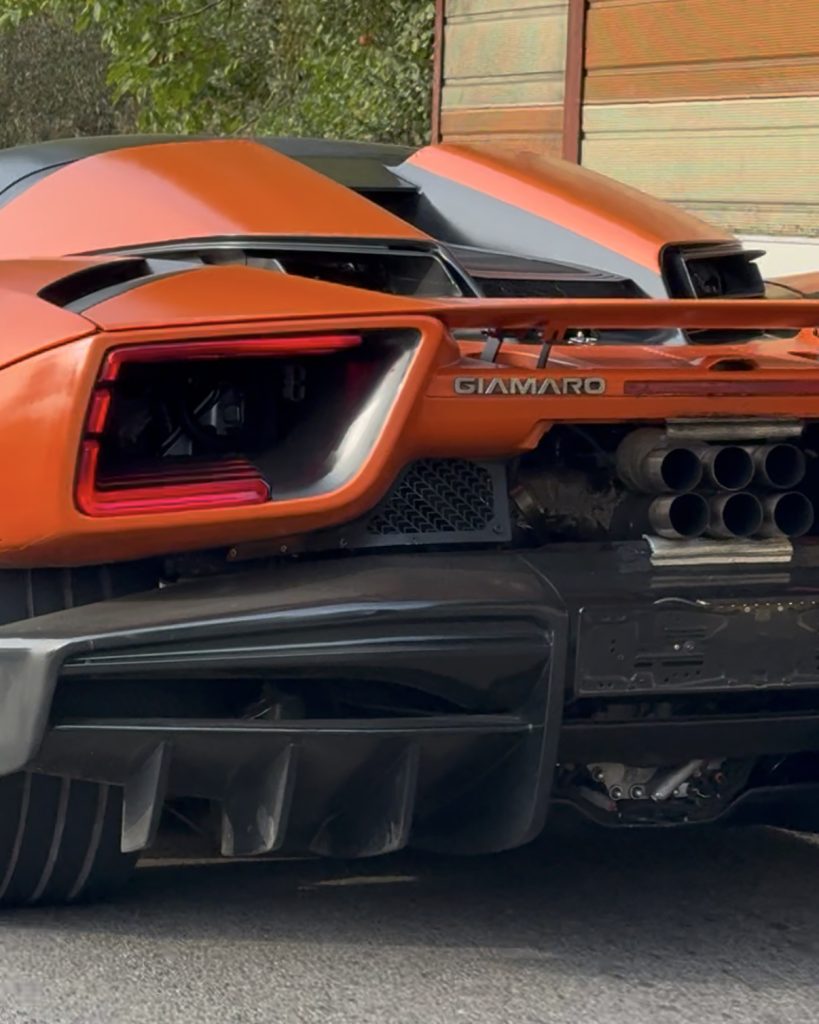
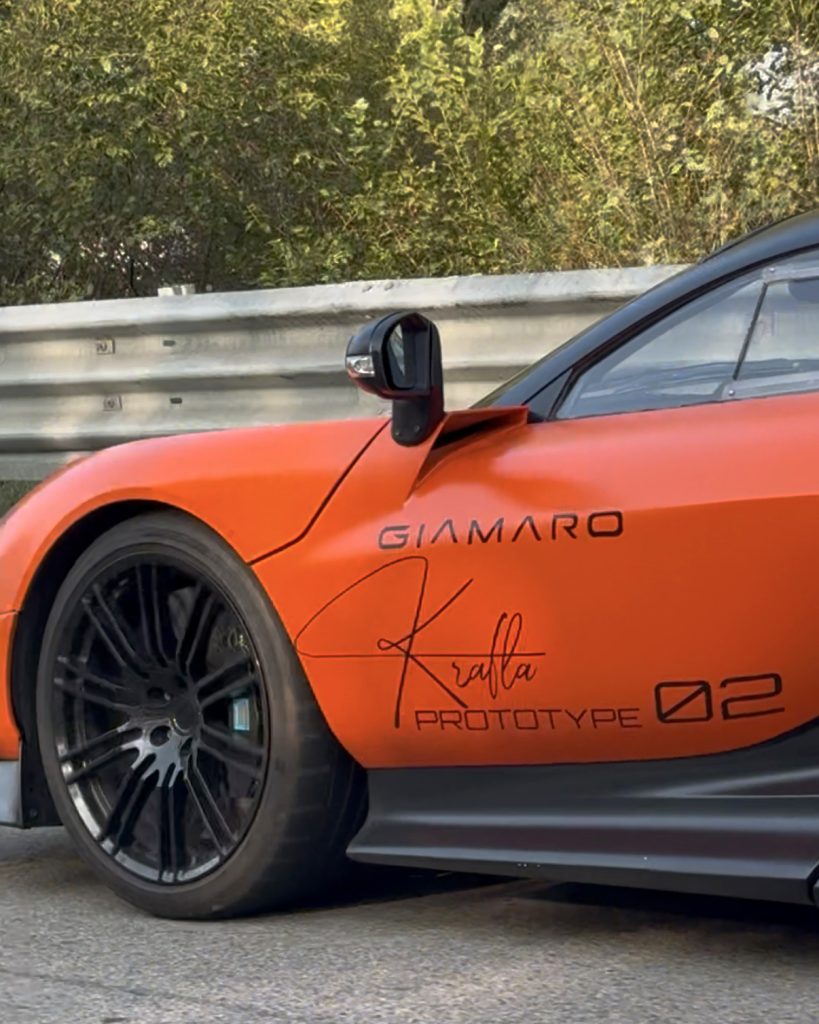
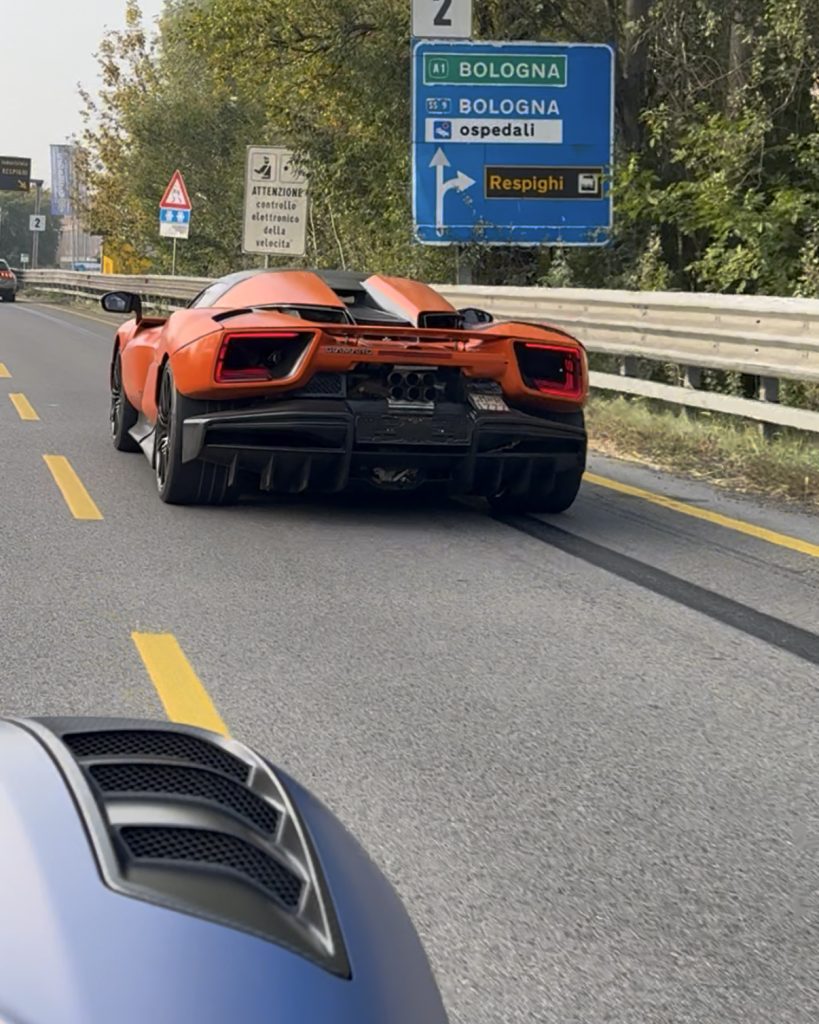
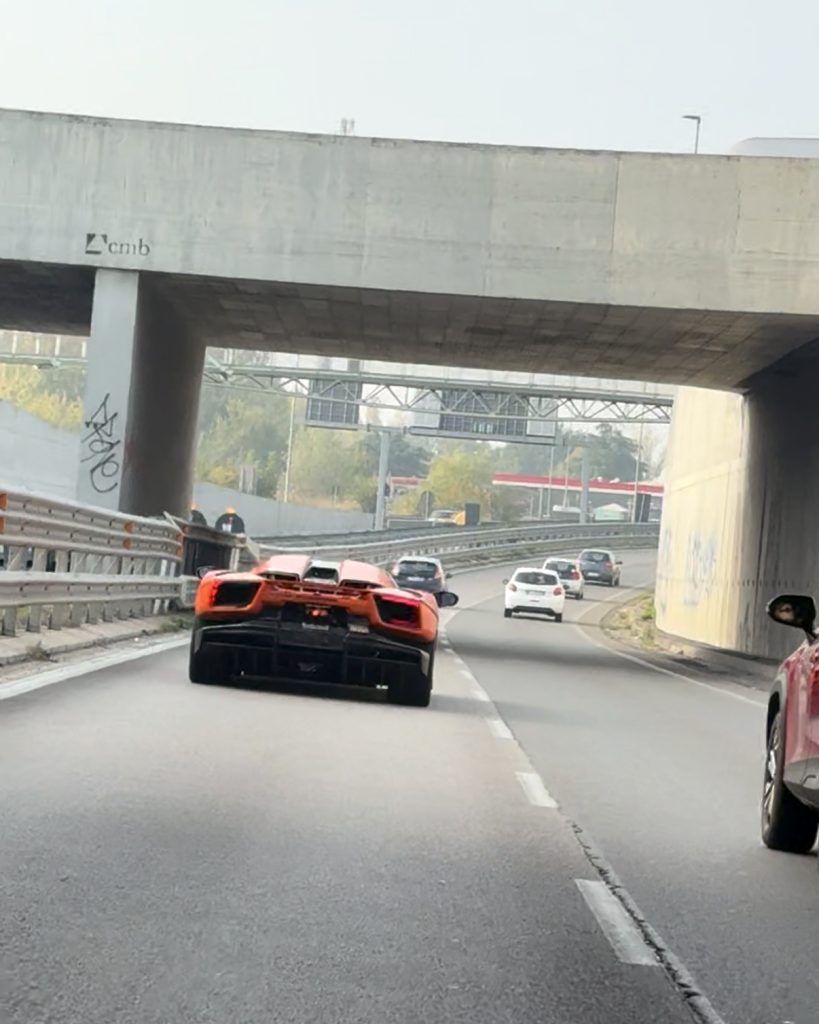
Personally, I sat behind the wheel of the Maserati and of course I couldn’t take photos. Luckily, Mika sat next to me and managed to capture the unusual situation in both photo and video. It’s not every day you encounter a prototype from a completely new Italian hypercar manufacturer in traffic. The unexpected encounter naturally made me curious, and I decided to contact Giamaro. It turned out that the company would be exhibiting at Auto e Moto d’Epoca in Bologna later that same week. Once at the fair, I not only had the opportunity to study their cars up close, but also to meet the father and son behind Giamaro Automobili and talk to them about their ambitious project.
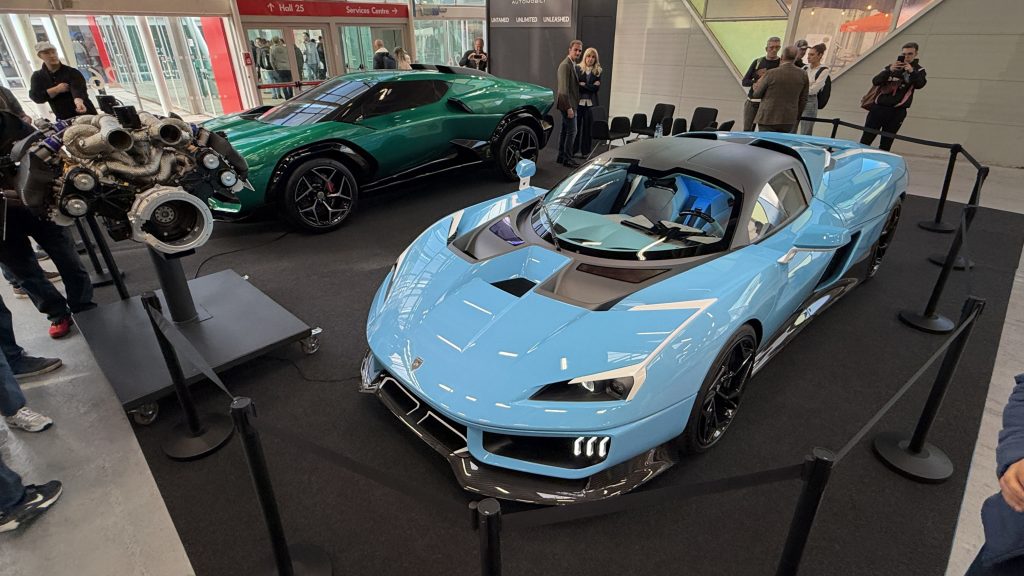
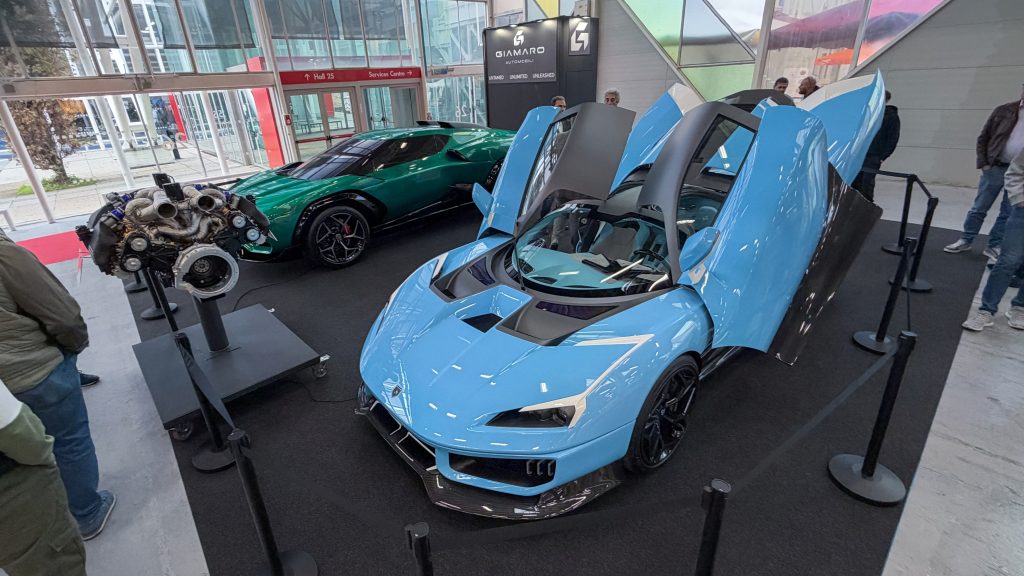
Giamaro is a new player in Italy’s famous Motor Valley, where manufacturers such as Ferrari, Lamborghini, Maserati and Pagani have already written automotive history. But despite being a newcomer, the ambitions are nothing short of extraordinary. At the heart of Giamaro’s project is a proprietary 6.7-liter V12 engine with four turbochargers, a design that is said to develop a total of 2,157 horsepower in its most extreme configuration. Those are almost staggering figures, especially at a time when much of the automotive industry is moving towards electrification. Giamaro has instead chosen to develop an entirely new combustion engine and push the boundaries of what a modern V12 can achieve.
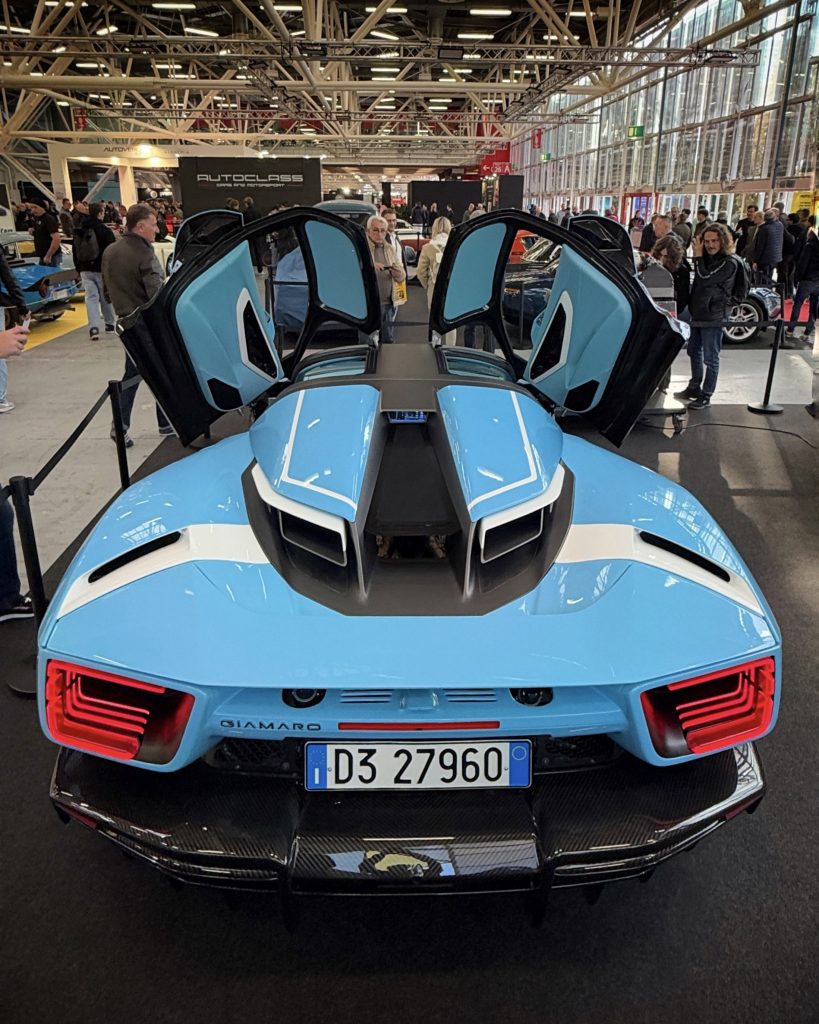
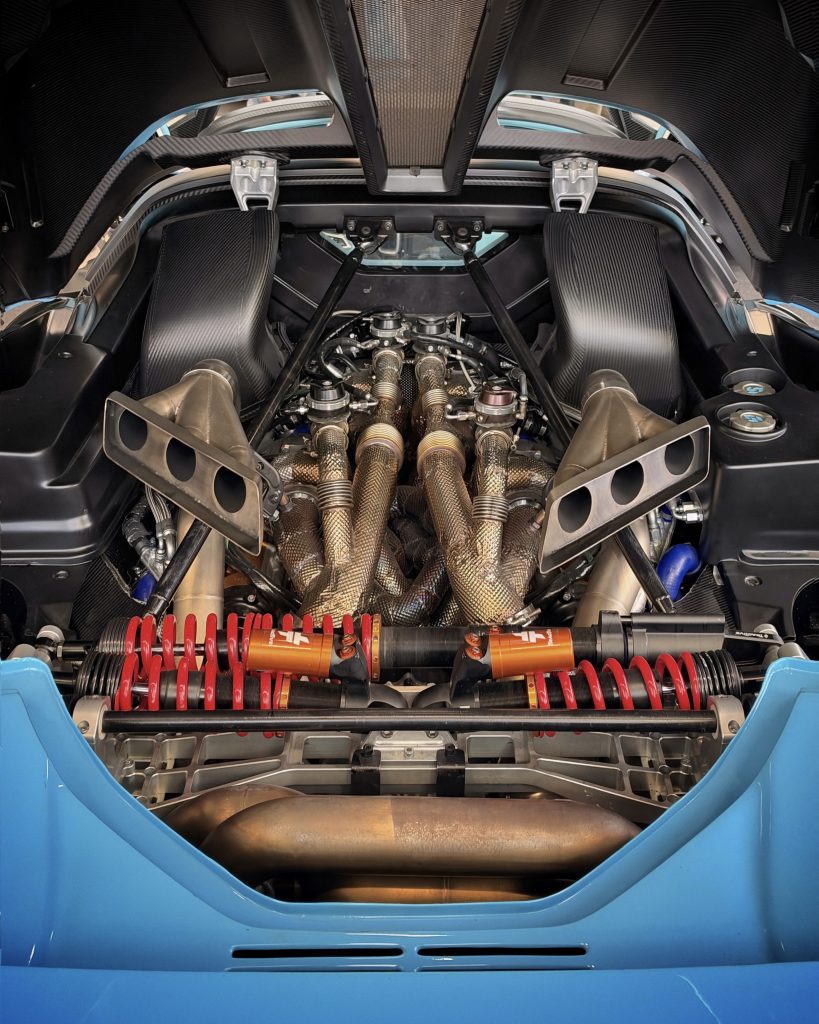
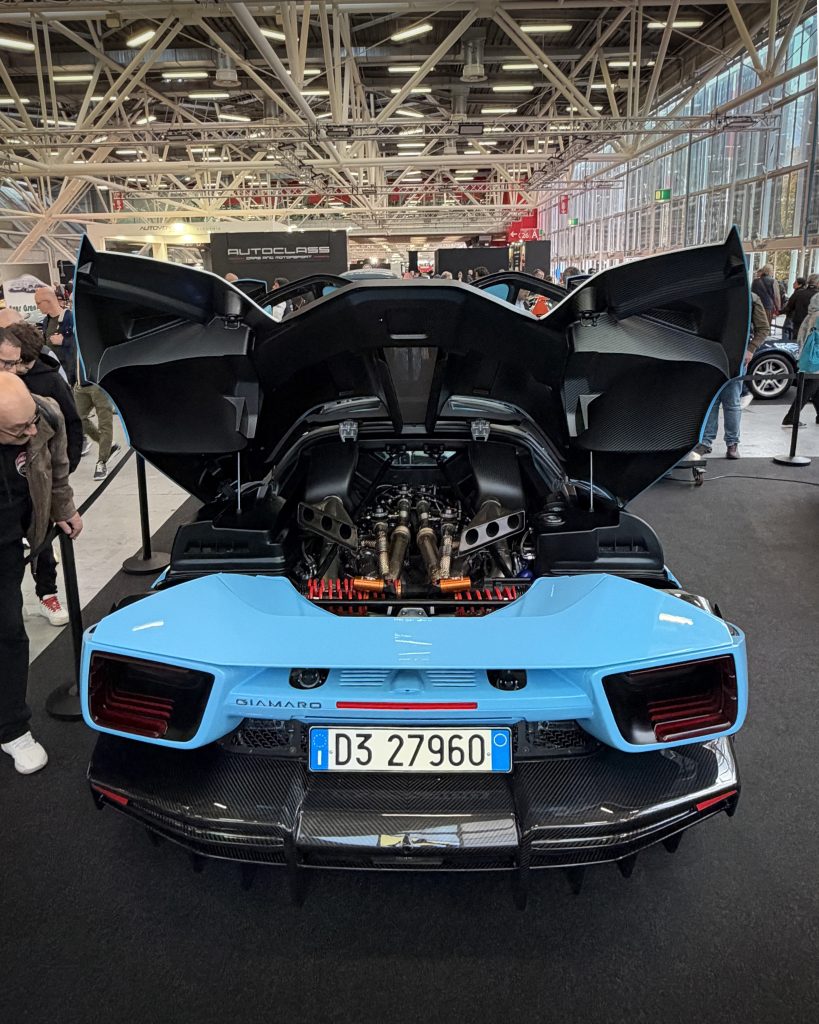
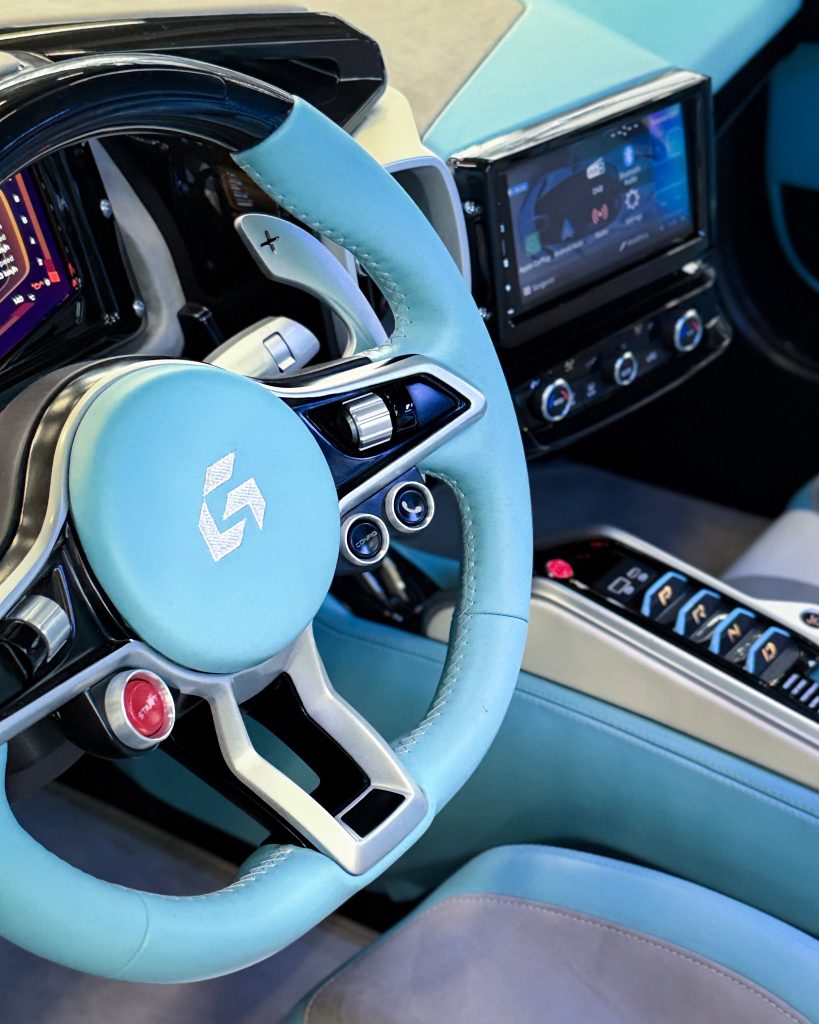
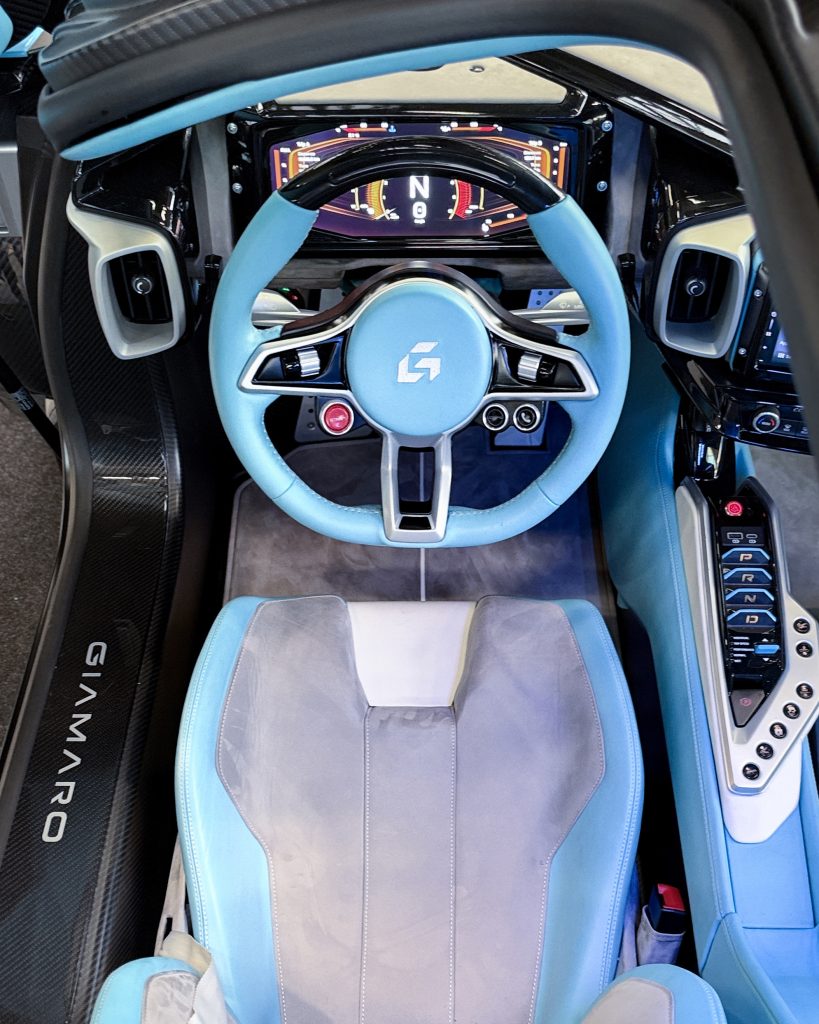
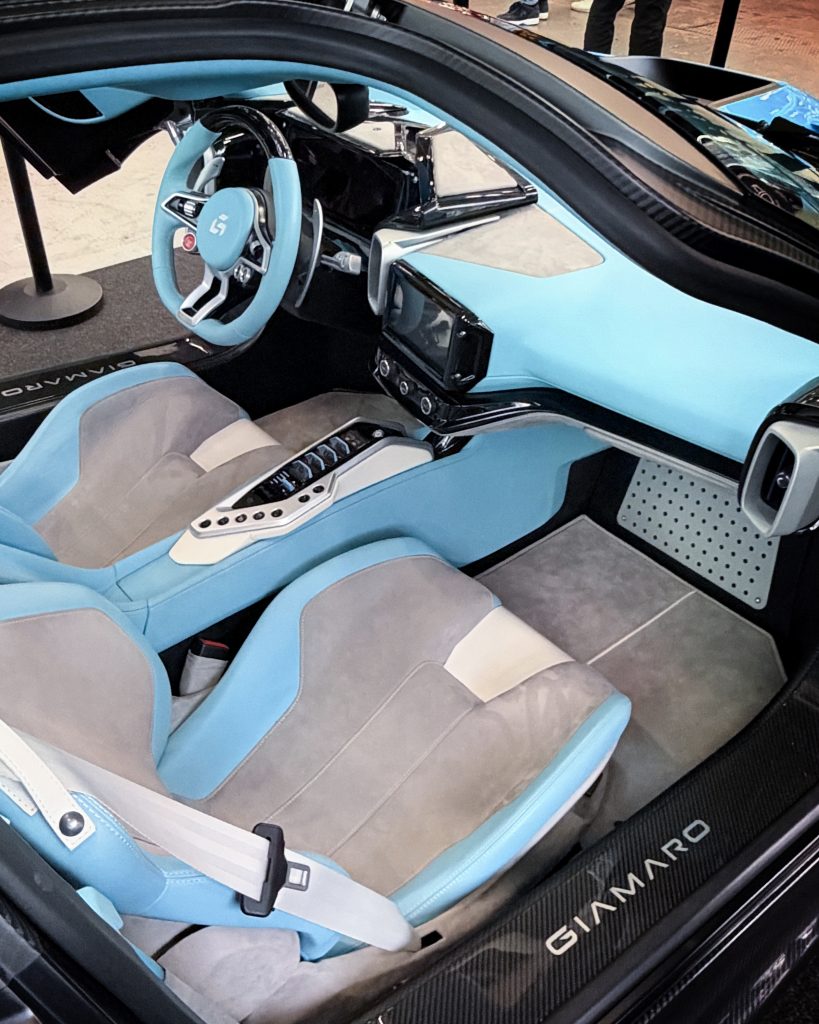
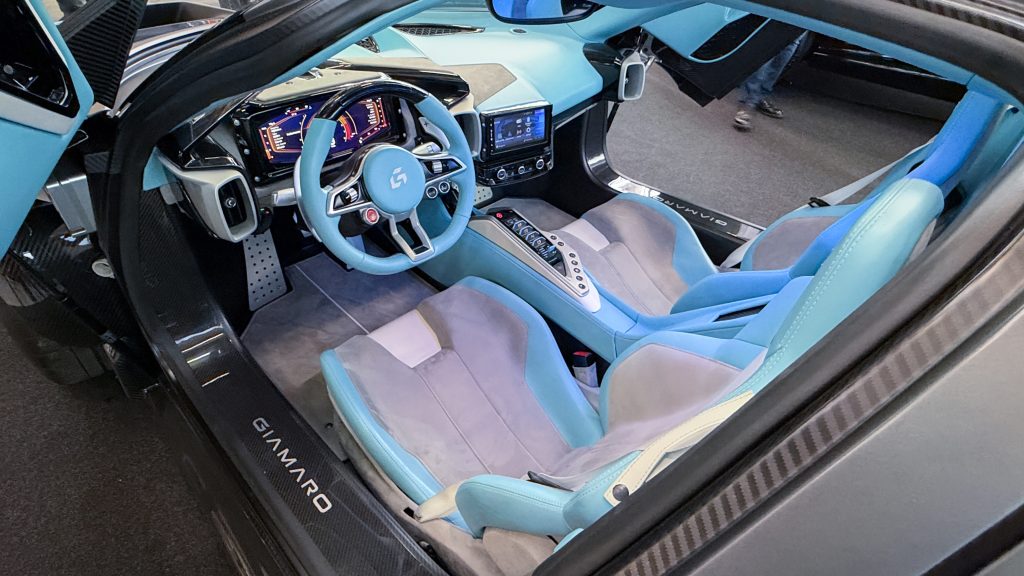
In Bologna, two models were shown: the blue Krafla and the green SUV concept Albor. Krafla is a low, aggressively designed hypercar, while Albor represents a significantly taller and different interpretation of the same extreme philosophy. Perhaps most fascinating is that even Albor uses the same 6.7-liter V12 with four turbo units. The idea of an SUV with such an engine and a potential power output of over 2,000 horsepower says a lot about how far Giamaro is prepared to go. Getting to study the cars up close and, moreover, meeting the people behind the brand made the experience extra special. What began with an orange prototype outside Modena thus evolved into a personal connection with yet another Italian car manufacturer.
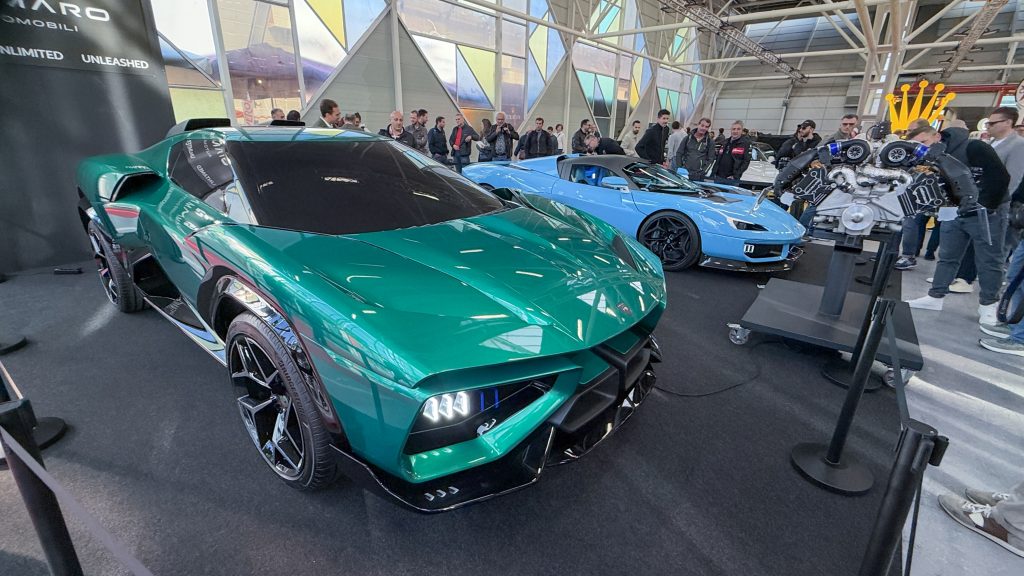
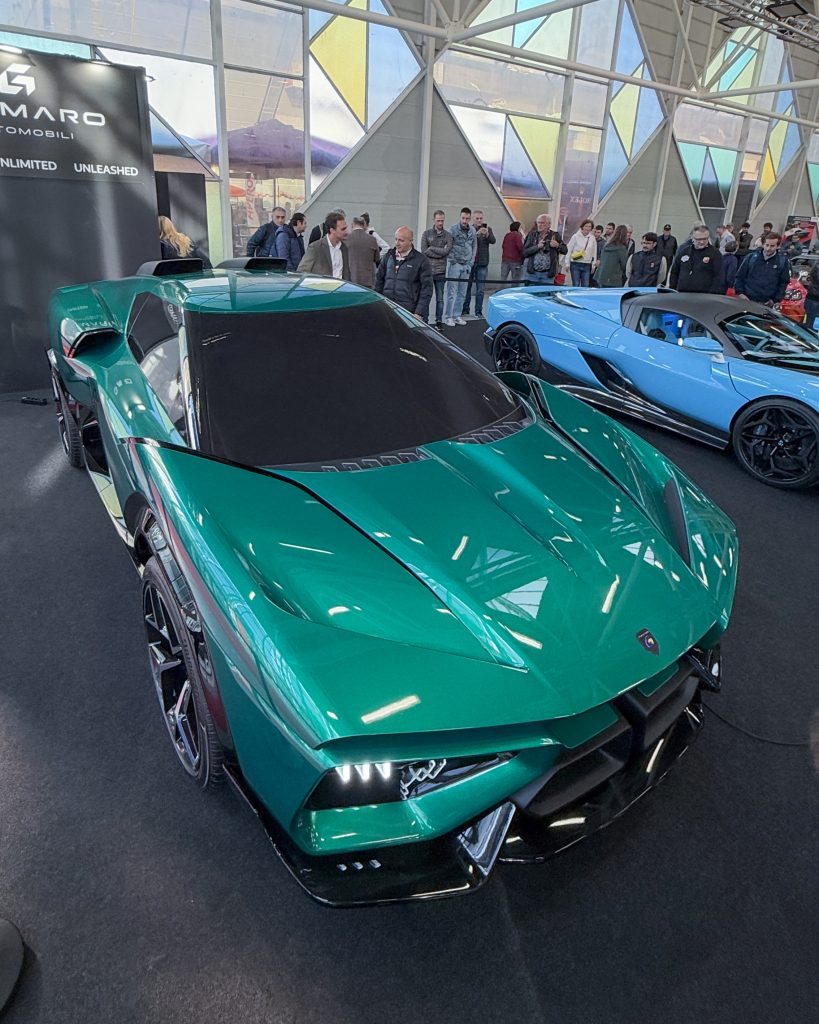
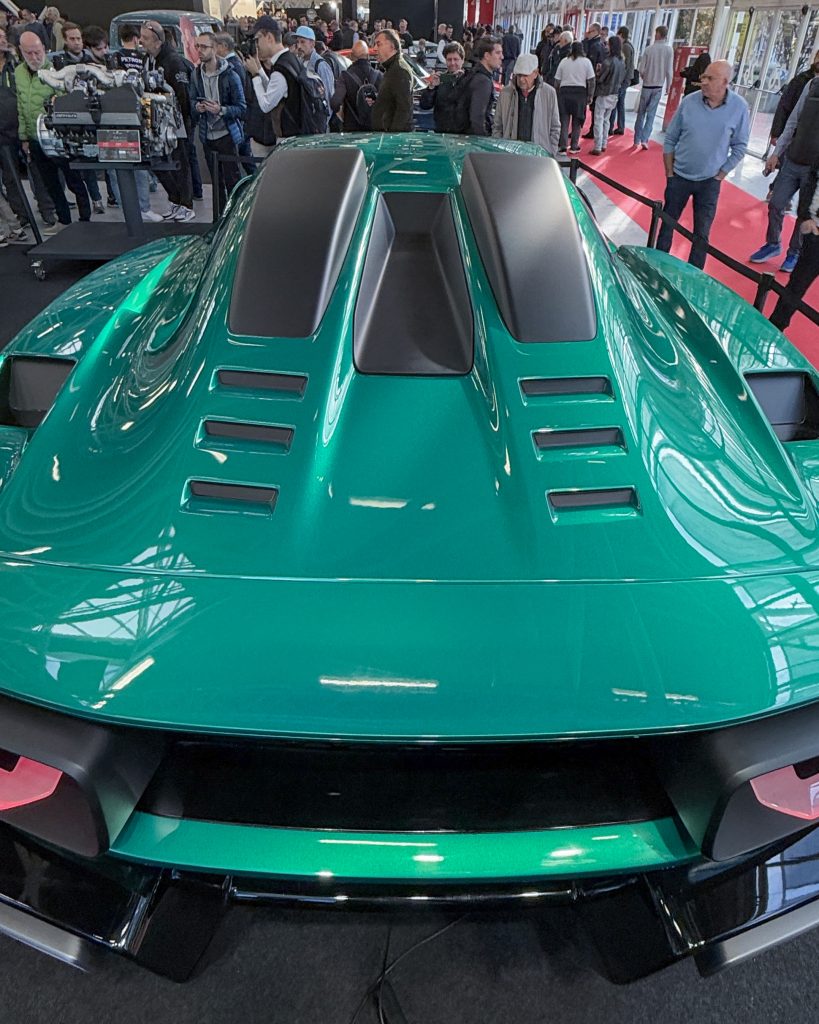
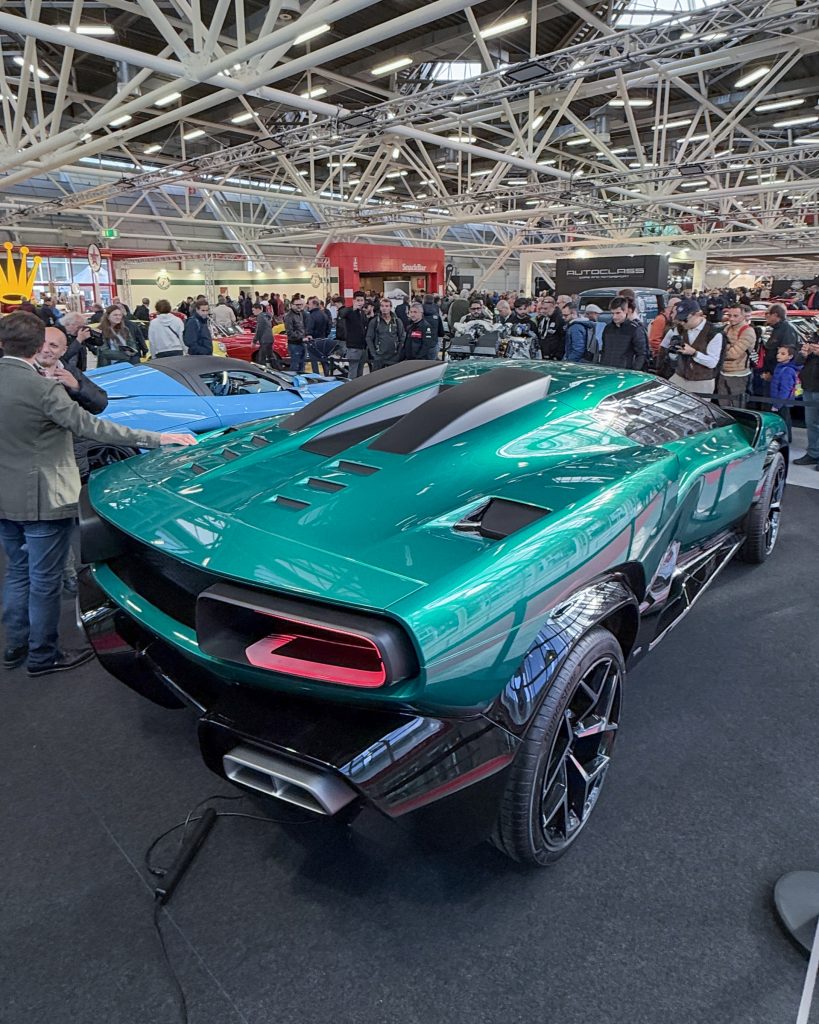
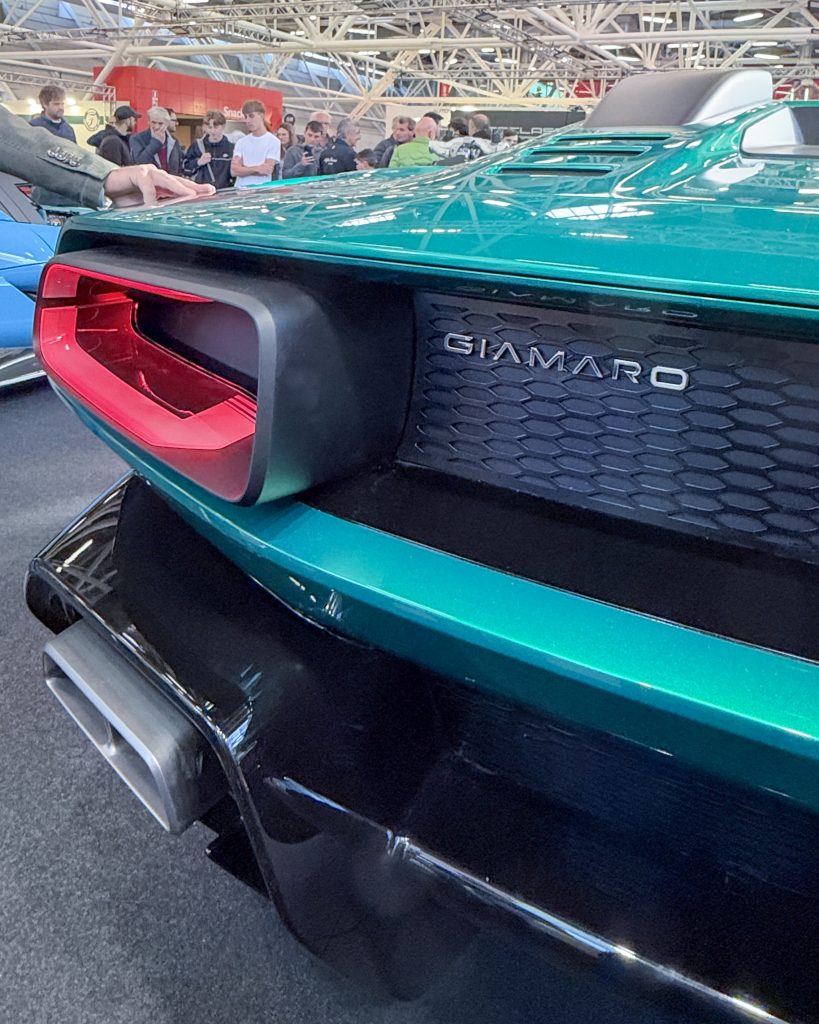
The next step will hopefully be even more exciting. In 2027 I plan to visit Giamaro’s factory and, if everything goes as I hope, even have the opportunity to test drive one of their cars. That would be a pretty amazing continuation of a meeting that began with three extra laps in a roundabout.
Lamborghini The Countach, a very special story
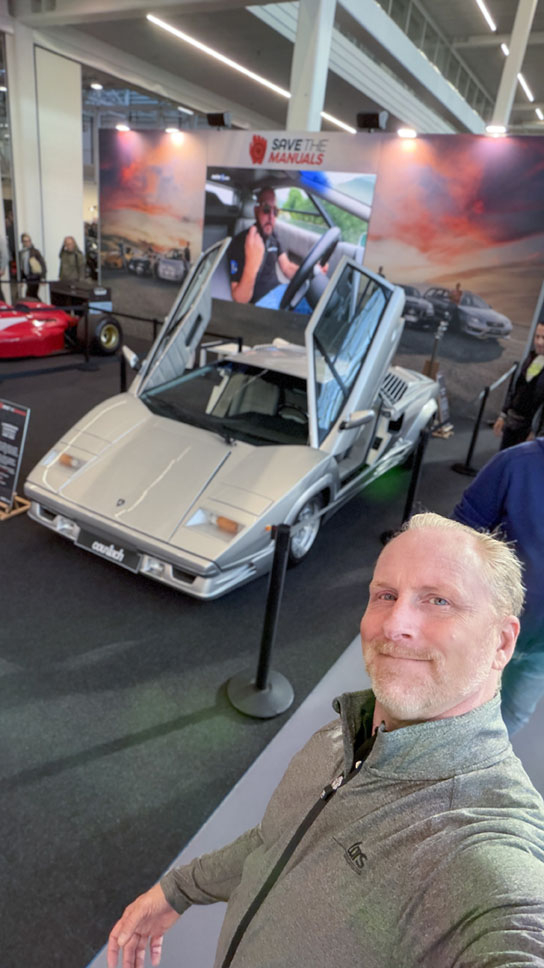
Among all the amazing cars at Auto e Moto d’Epoca in Bologna, there was one that touched me especially. A Lamborghini Countach 25th Anniversary from 1990, the very last car produced by the original Countach generation. For me, it was much more than just a rare Lamborghini. It was a car that I had actually seen being built.
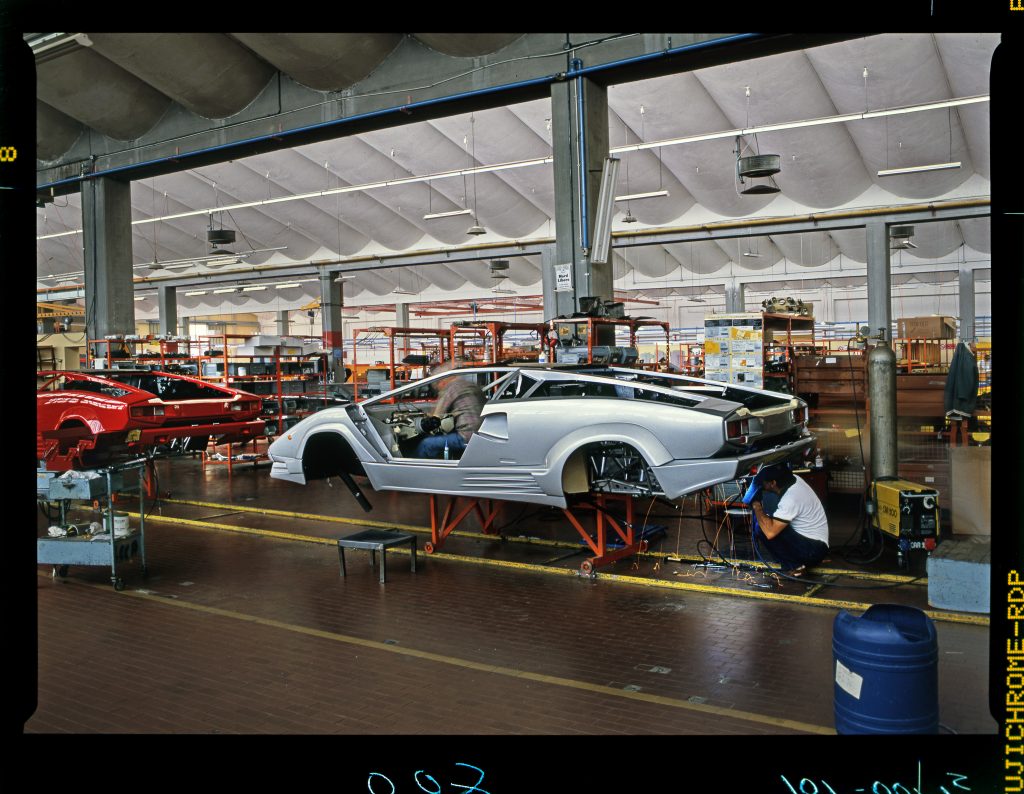
Photo: Bengt Ason Holm
In 1990, I visited Lamborghini’s factory in Sant’Agata Bolognese together with my father, Bengt Ason Holm. There I got to see just this car during the production process. A memory that has accompanied me throughout my life. Since then, I have seen the car on numerous occasions, including at Lamborghini’s own museum. As recently as last year, when I was down in Italy to test drive the Lamborghini Revuelto, it was actually parked outside the factory during some kind of production. The Countach 25th Anniversary was the final evolution of a model that had become one of the automotive world’s biggest icons. With its 5.2-liter V12 producing around 455 horsepower, a five-speed manual transmission and a top speed of around 295 km/h, it represented the culmination of a fantastic era in Lamborghini’s history.
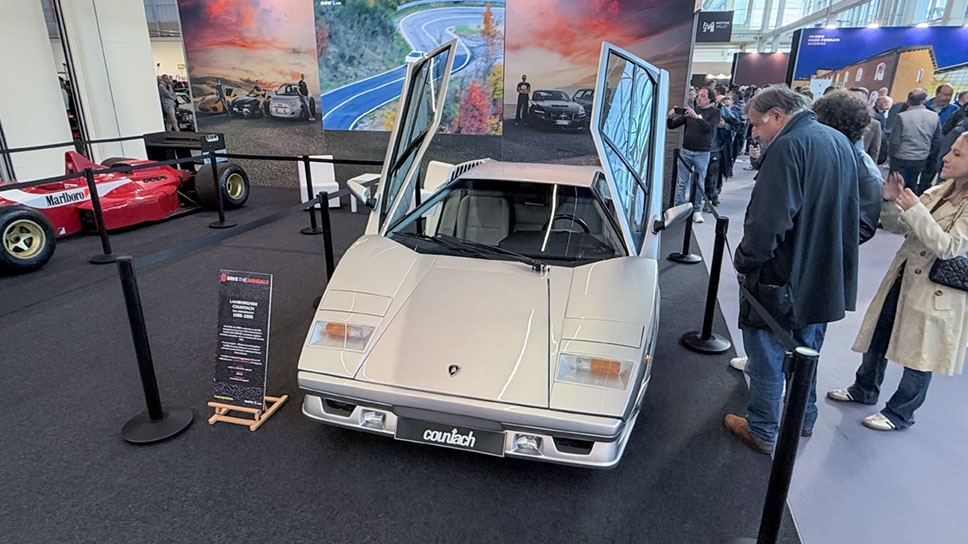
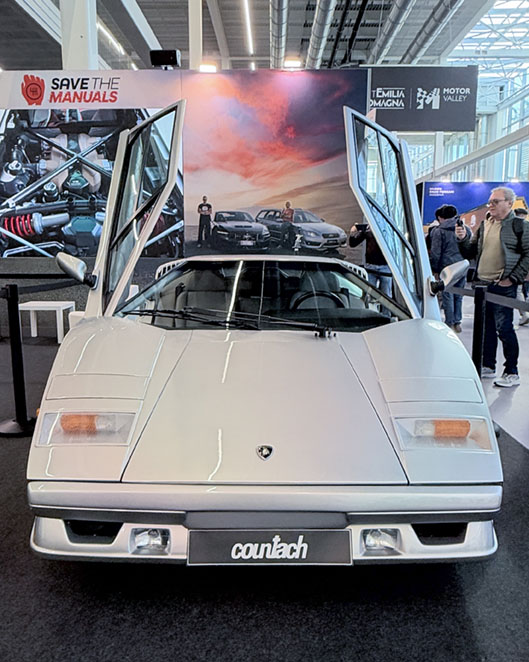
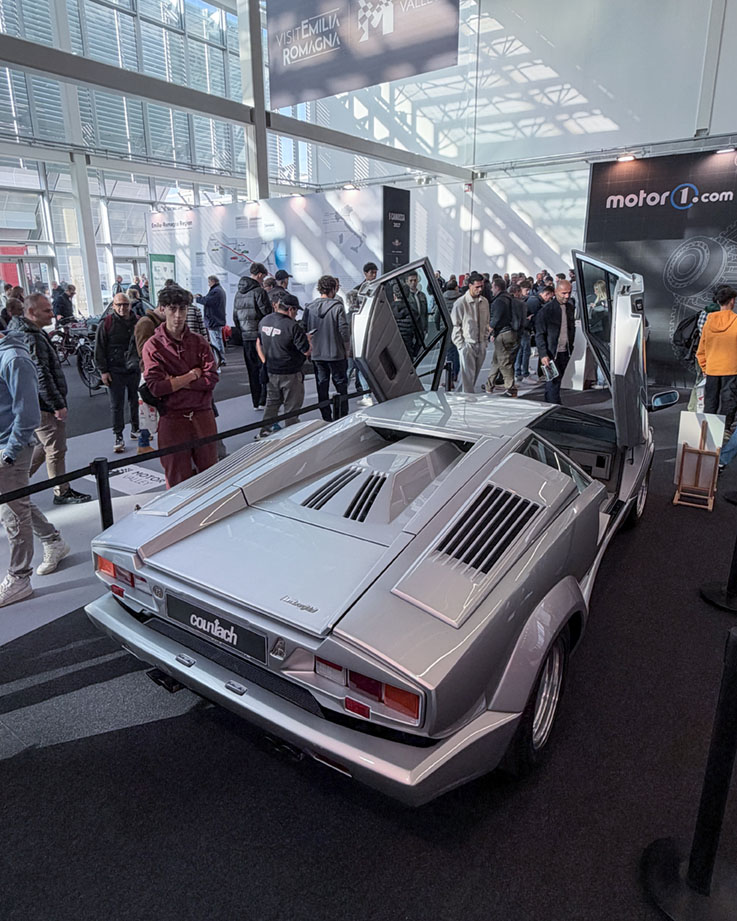
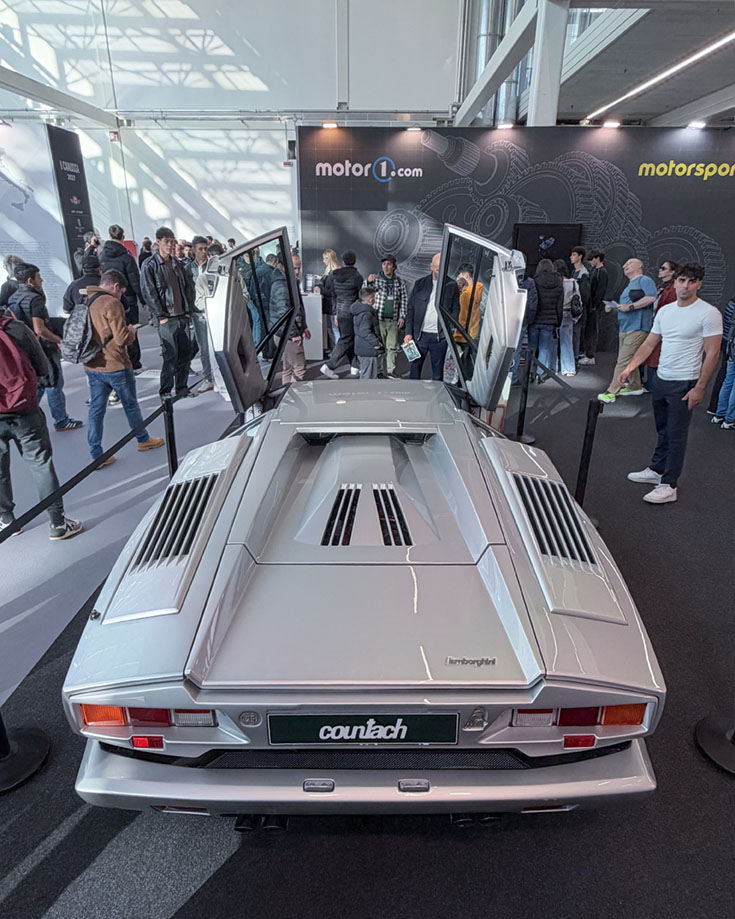
But when I stood in front of the car in Bologna, it wasn’t the performance figures I was thinking about. Although I’ve seen it many times over the years, it still evokes strong emotions. The thoughts go back to the factory visit in 1990, to my father and to all the wonderful experiences we shared through our shared interest in cars. Standing in front of this particular Countach at the fair really moved me. After all, it’s not just any Lamborghini for me. It carries a personal memory from a time that will never return. It’s moments like these that remind me that cars can be so much more than technology, design, and horsepower. Sometimes they become a link between different periods in life.
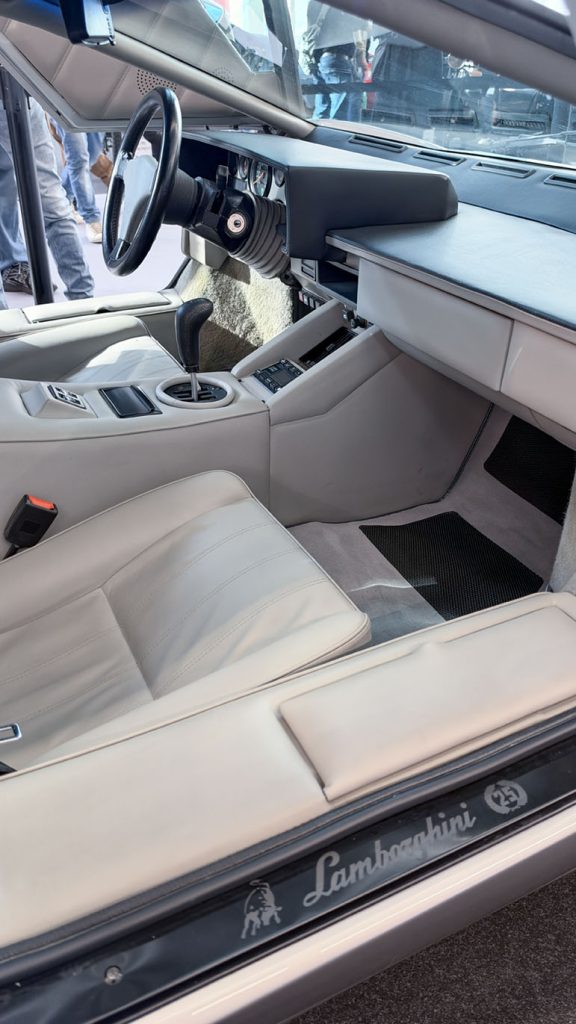
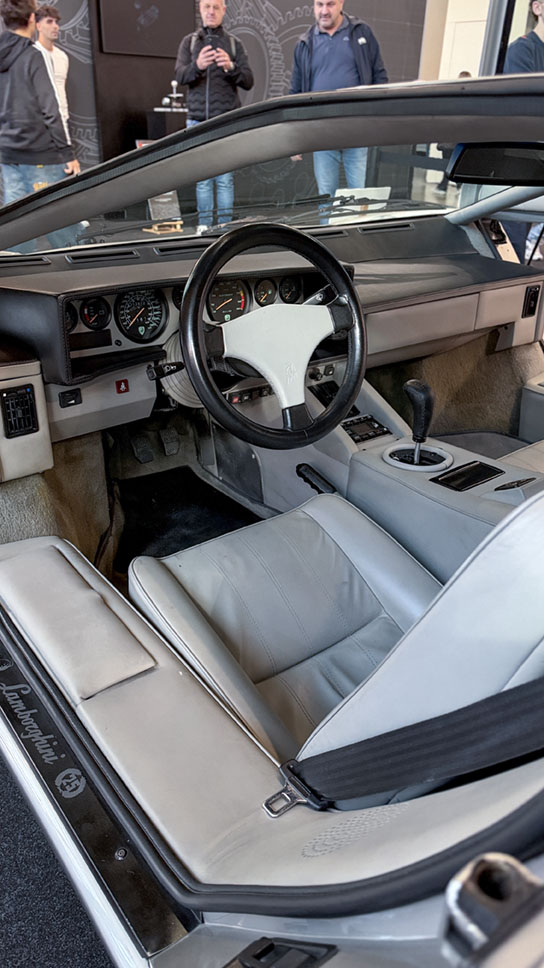
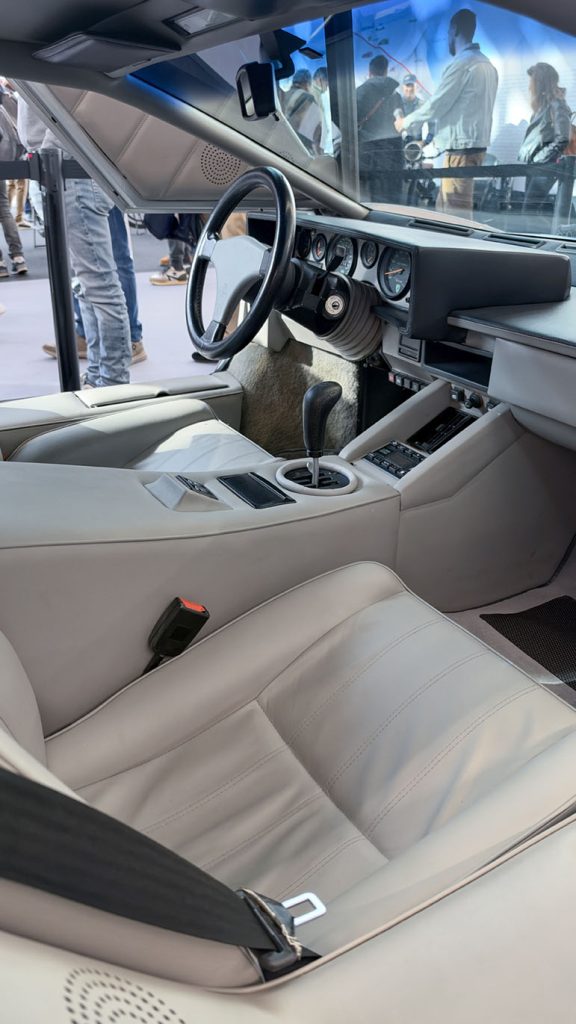
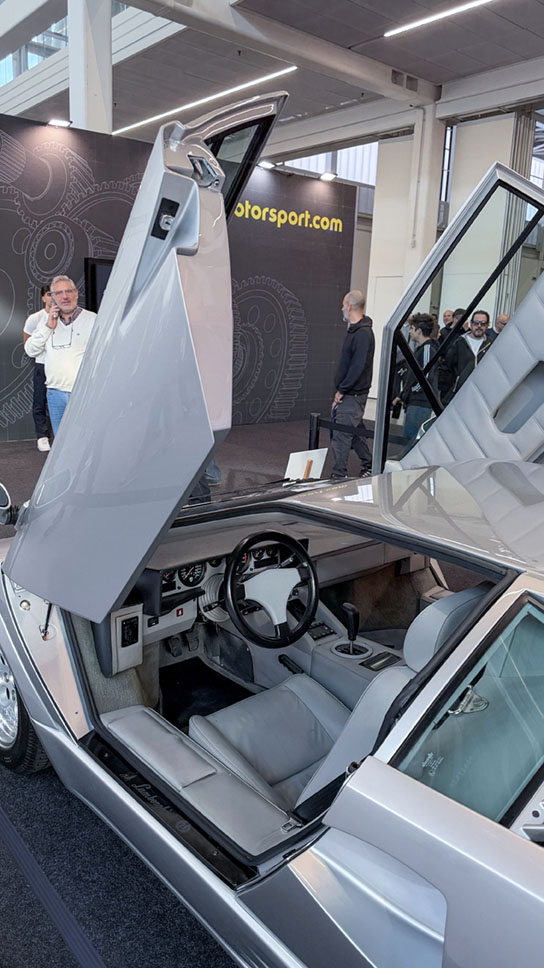
And maybe the story isn't over yet. My hope is that in the future I will have the opportunity to test drive just this Countach. To get behind the wheel of the same Lamborghini that I saw being built with my father in 1990 would be something truly extraordinary.
Sandro Munari and the history of Rally Lancias
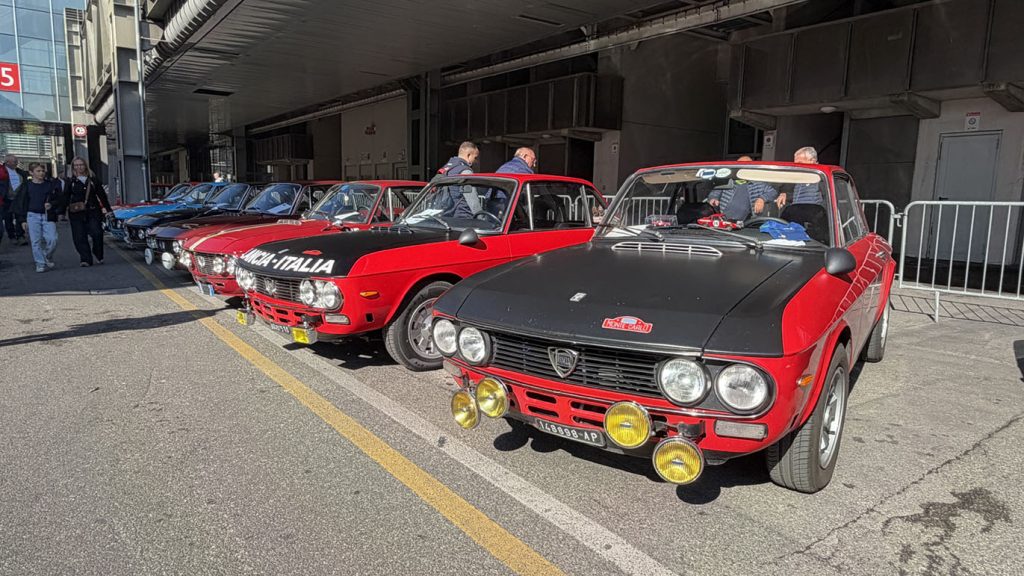
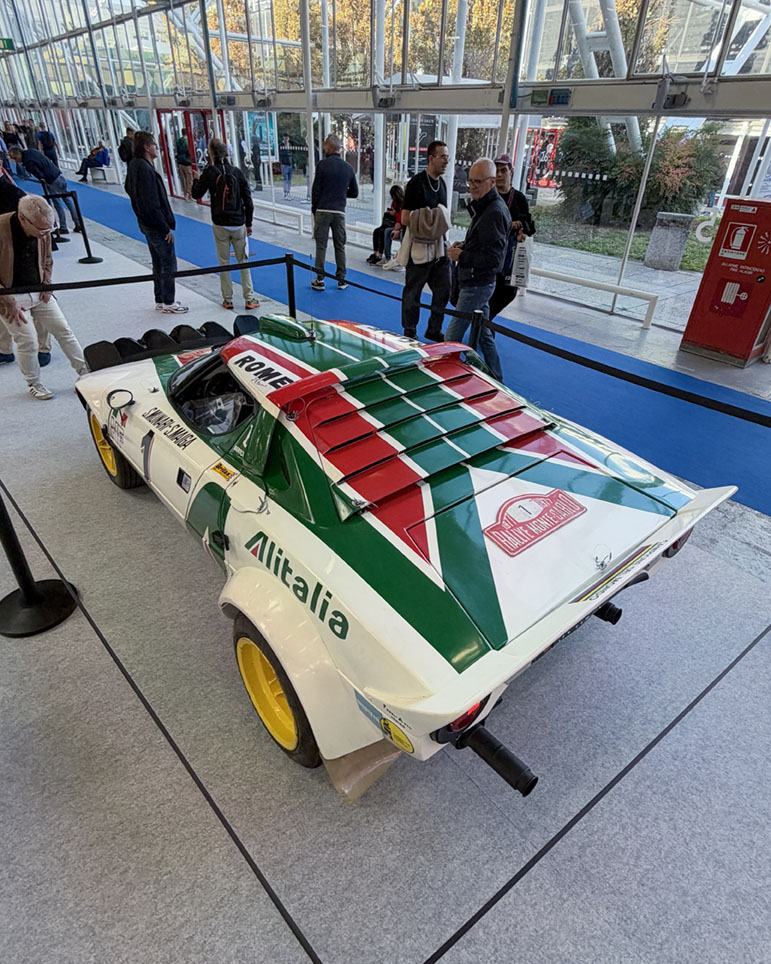
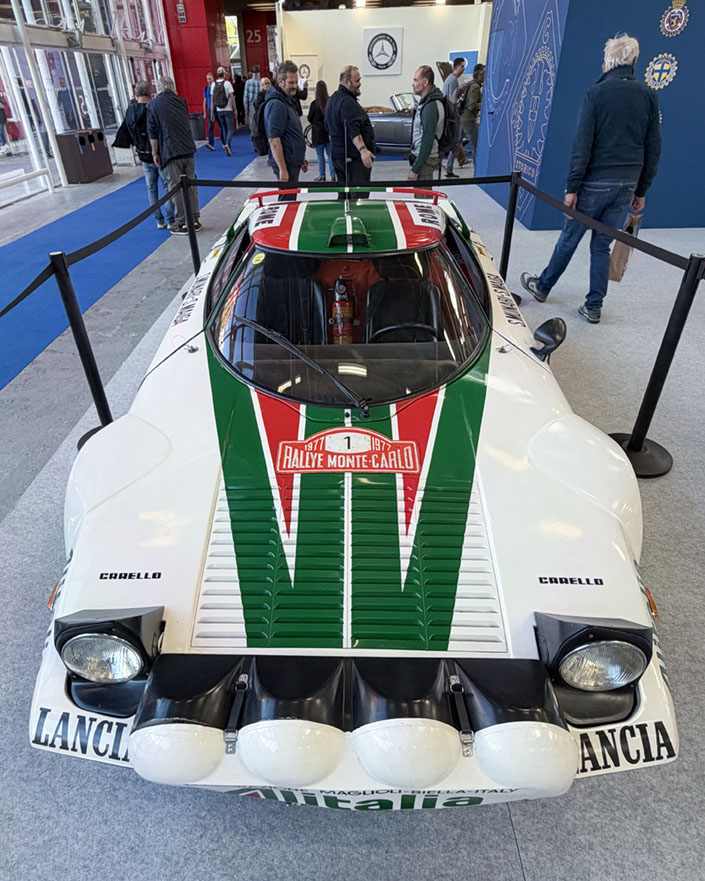
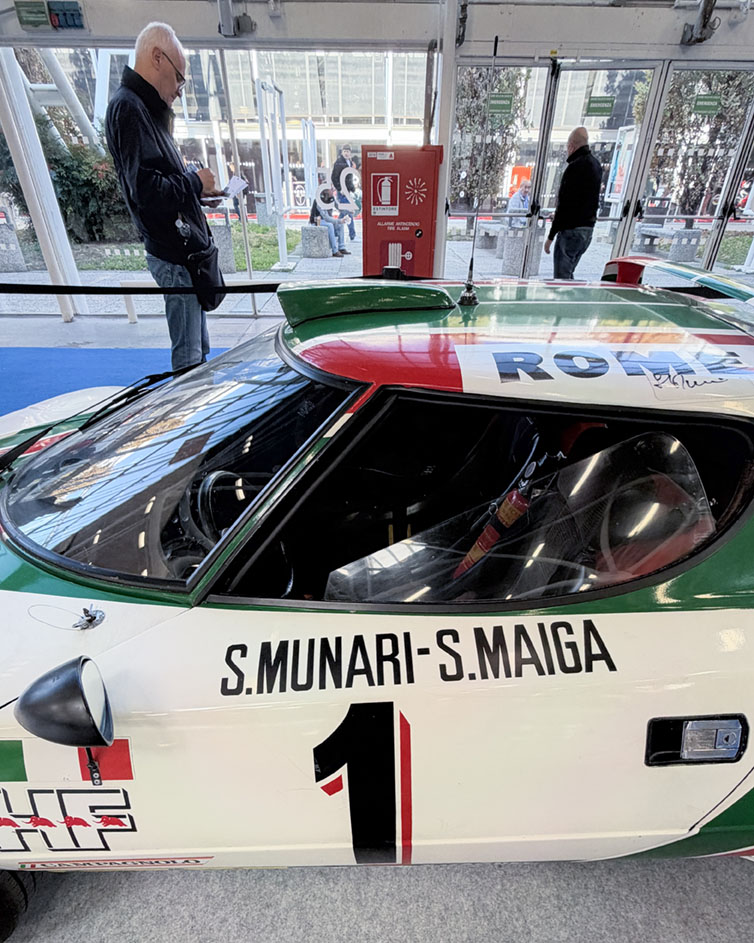
Among the cars at Auto e Moto d’Epoca in Bologna were two historic Lancia rally cars with a special connection to my family. The red Lancia Fulvia 1600 HF with start number 14 was driven by Sandro Munari and the navigator Mario Mannucci to victory in the Rallye Monte-Carlo 1972. Next to it stood a Lancia Stratos HF in Alitalia’s classic white, green and red colors. With start number 1, Munari and navigator Silvio Maiga won Monte-Carlo 1977. The Stratos had a mid-mounted Ferrari V6 and was developed specifically for rally racing.
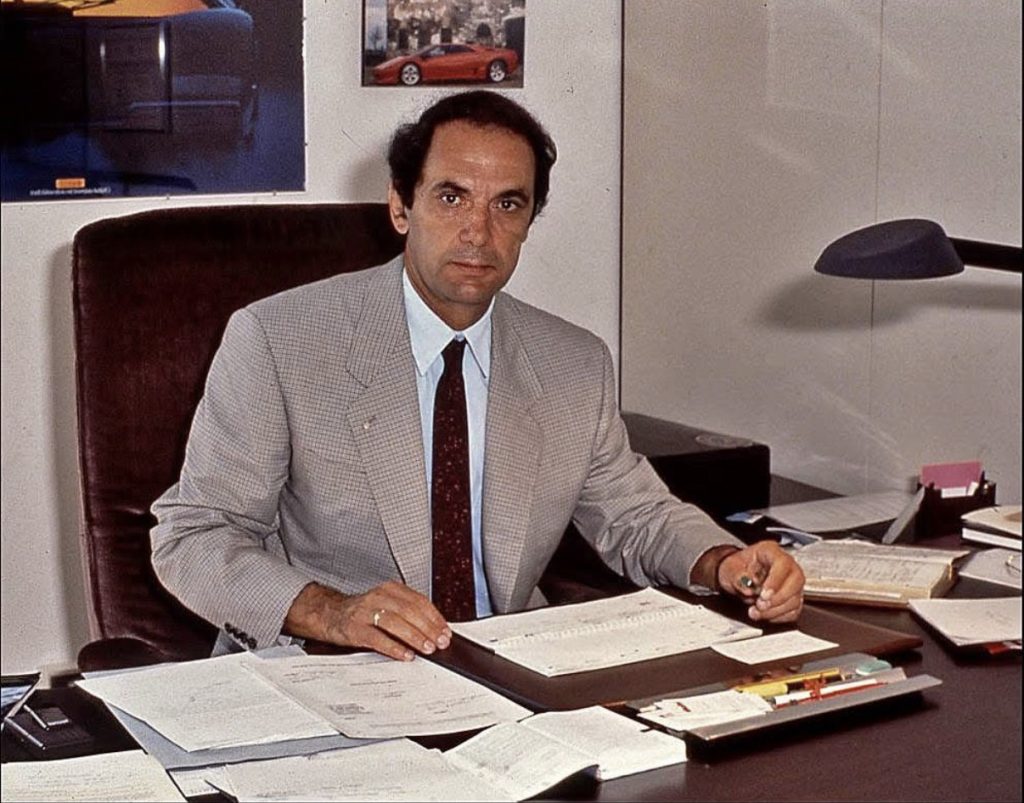
Photo: Bengt Ason Holm
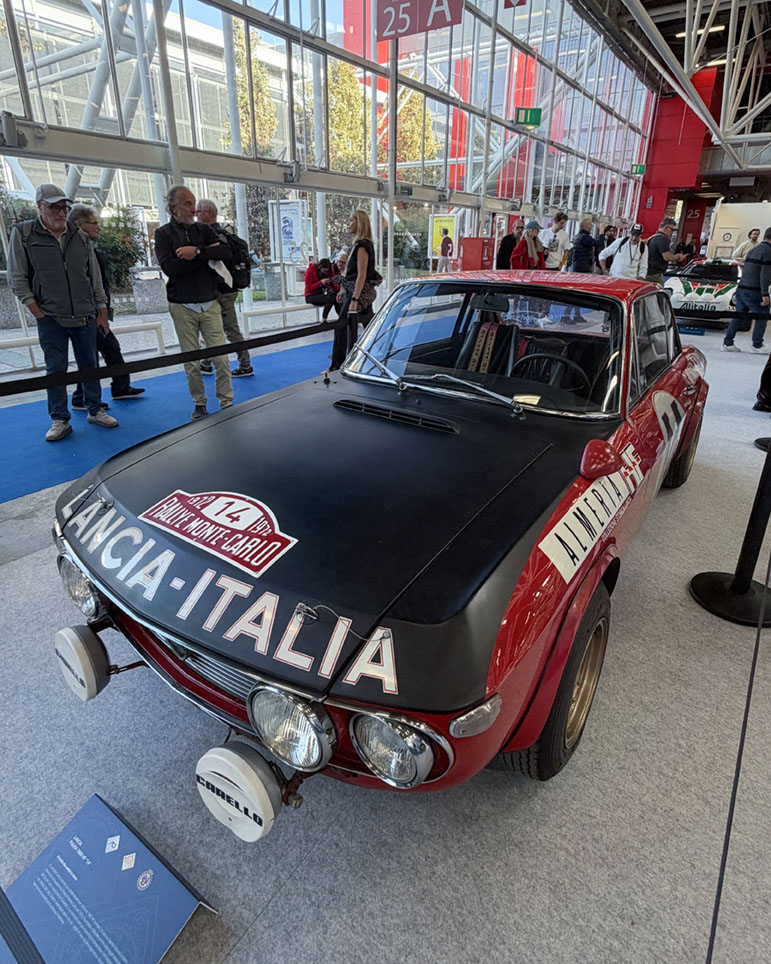
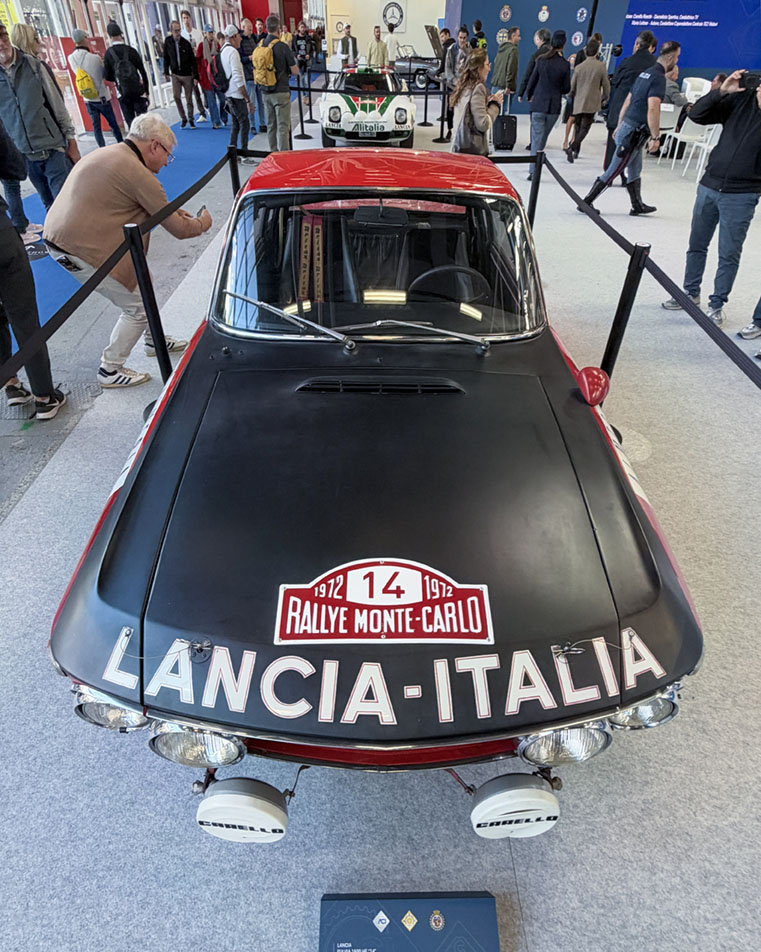
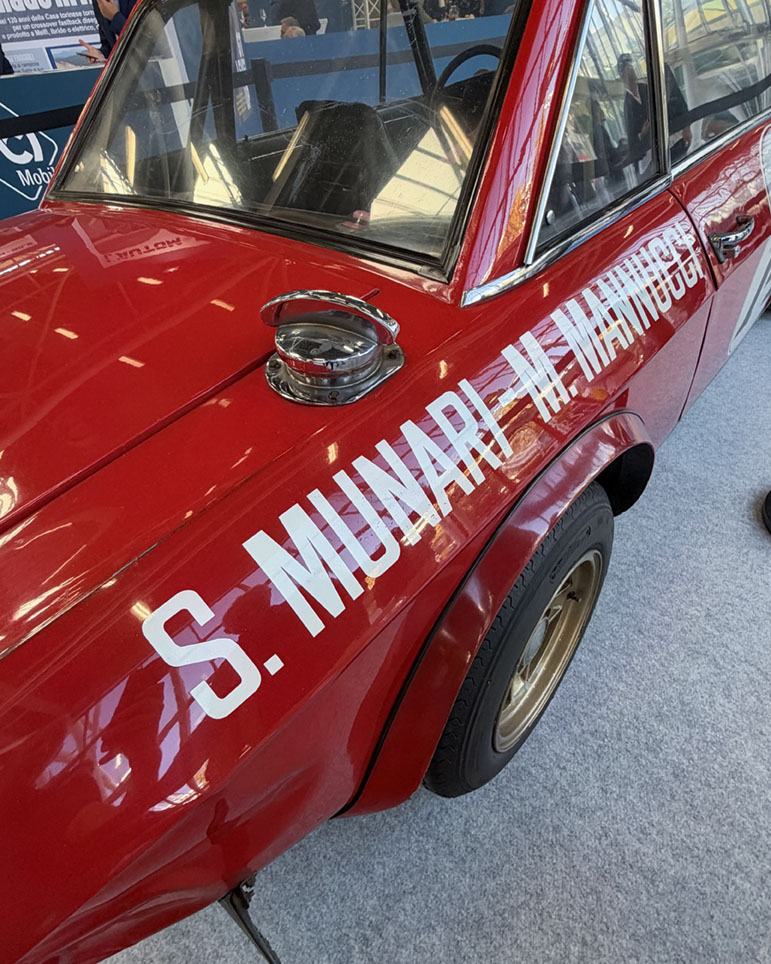
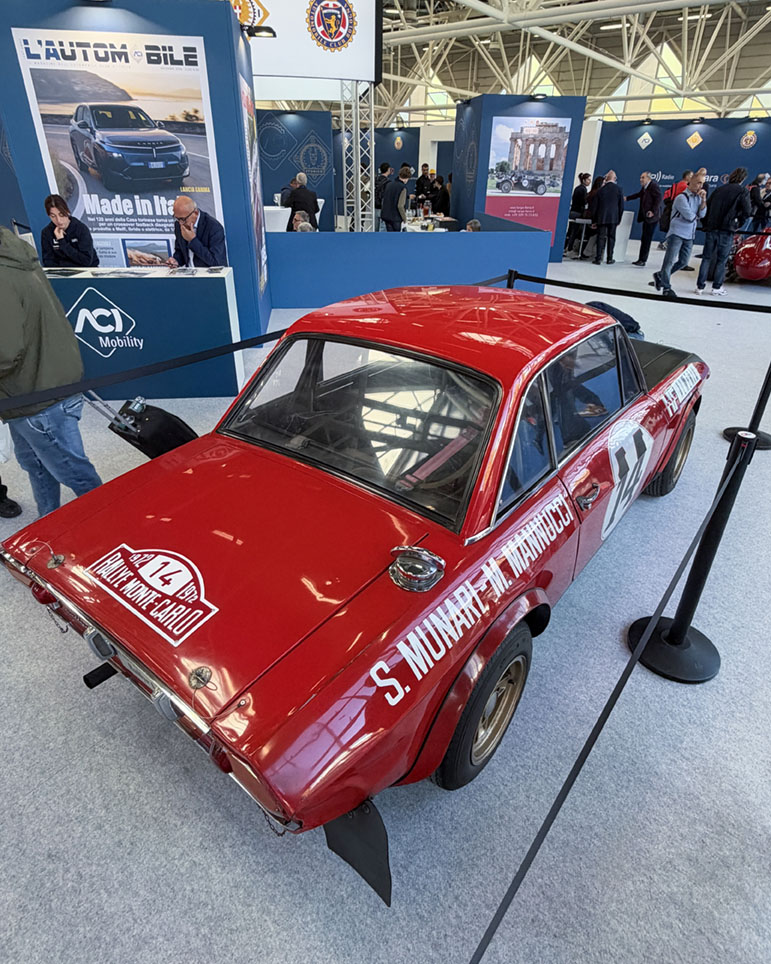
Sandro Munari is one of Italy's most legendary rally drivers. He won Monte-Carlo four times and became European Rally Champion in 1973. In 1977 he also won the FIA Cup for Rally Drivers, the precursor to the drivers' world championship. For me there is also a more personal connection. During the years when my father, Bengt Ason Holm, was in contact with Lamborghini, Sandro Munari worked with press relations there, in a role that is reminiscent of the one Tim Bravo Today. Seeing Munari's two historic rally cars in Bologna was therefore not just a meeting with Italian motor racing history, but also yet another reminder of my father's many connections in the automotive world.
Pagani, A meeting with history and a glance towards the future
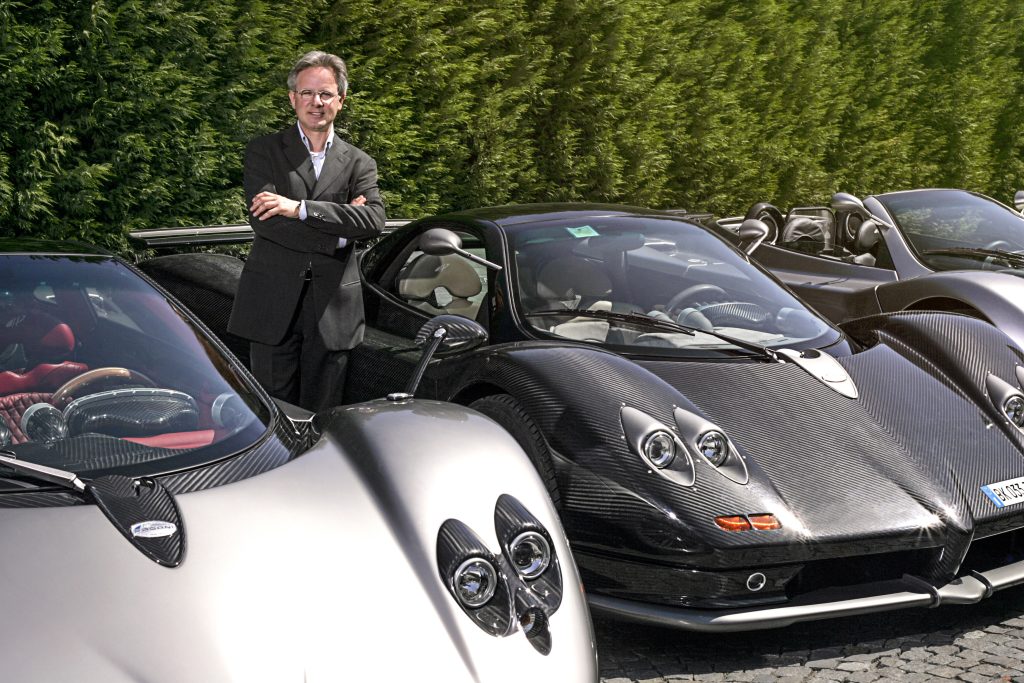
Another car that evoked many memories at Auto e Moto d’Epoca in Bologna was a Pagani Zonda F. It was not the first time I stood in front of this particular model. In 2005, I visited the then-factory in Modena where I had the opportunity to test drive a Pagani Zonda. Outside the factory, I photographed three Zondas together. The one farthest to the left was Zonda F As I now recall in Bologna, in the middle is the black carbon-fiber Zonda and farthest to the right is a silver Zonda Roadster. Next to the Zonda F was Horacio Pagani himself. Now, 21 years later, seeing the same Zonda F at the Bologna show was a special experience. My photographs from 2005 also allow me to connect the two events and show how a car can become part of one's own history.
But my story with Pagani hopefully continues into the future as well. Recently I had a very pleasant conversation with Eleonora Annovi, Pagani’s new Press Assistant. We discussed the possibilities of a new factory visit during the third quarter of 2027. The hope is to then get to meet and interview Horacio Pagani, the man behind some of the world’s most fascinating super sports cars, and also to have the opportunity to test drive the Pagani Utopia Coupé. Eleonora also suggested that we do something together with Pagani Grandi Complicazioni, The company's exclusive division for special projects and unique, custom-made cars, which could add an exciting dimension to the visit.
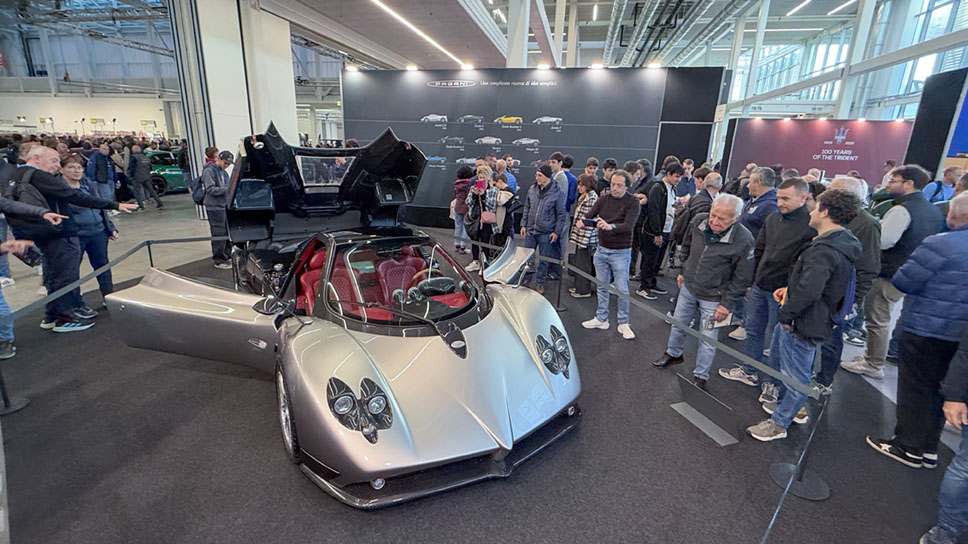
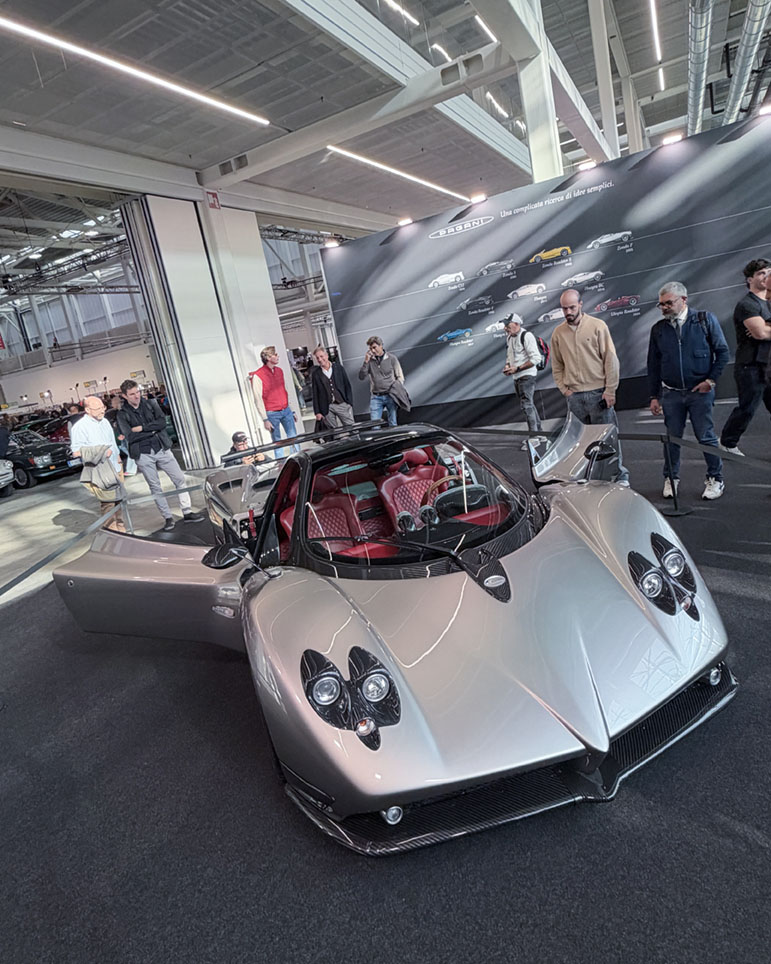
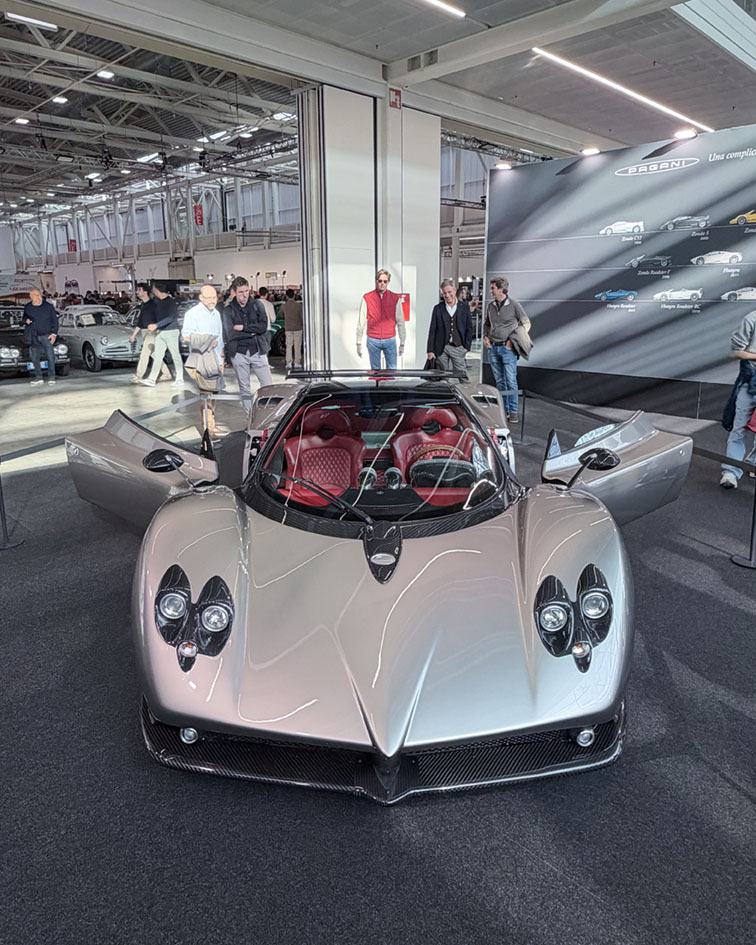
To be able to return to Pagani more than two decades after my first visit, this time with the opportunity to interview Horacio and drive their latest creation, would be something truly special. When I left Bologna I not only brought new photographs and many wonderful memories with me. I also gained new ideas and opportunities for future reports. That is perhaps what makes Auto e Moto d’Epoca so special to me. Among thousands of historical cars there are not only stories about the past, but also unexpected encounters that can be the beginning of the next chapter.
 English (UK)
 Svenska
Leave a Reply