
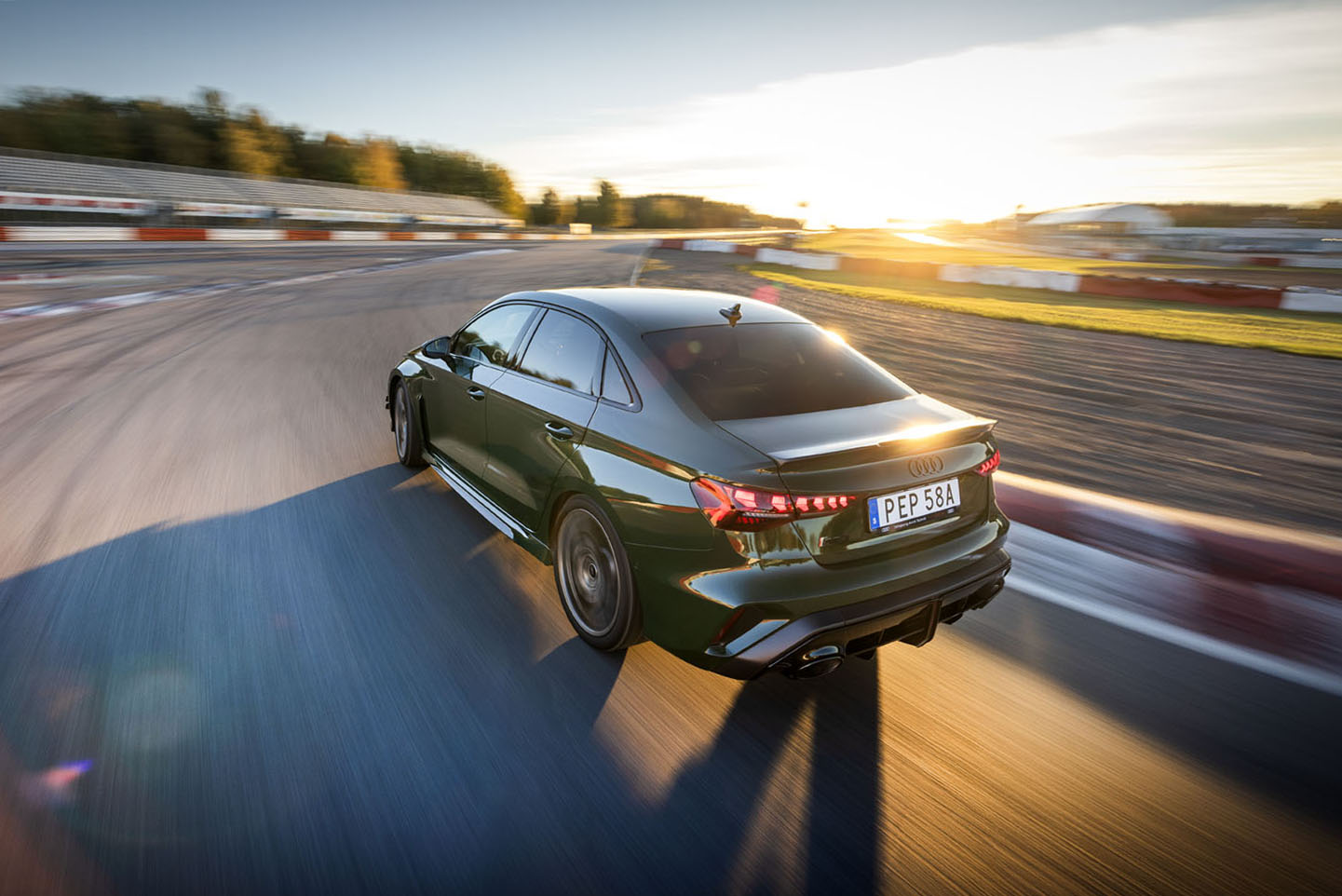
Audi RS 3 Competition Limited: When everything comes together
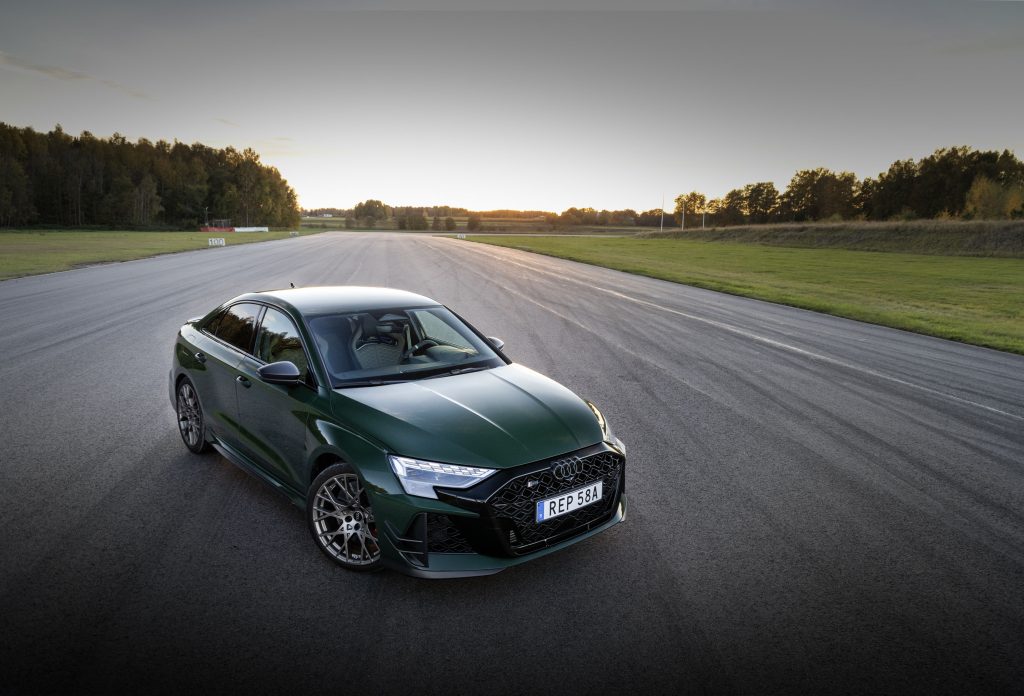
Sometimes things almost coincide a bit too well.
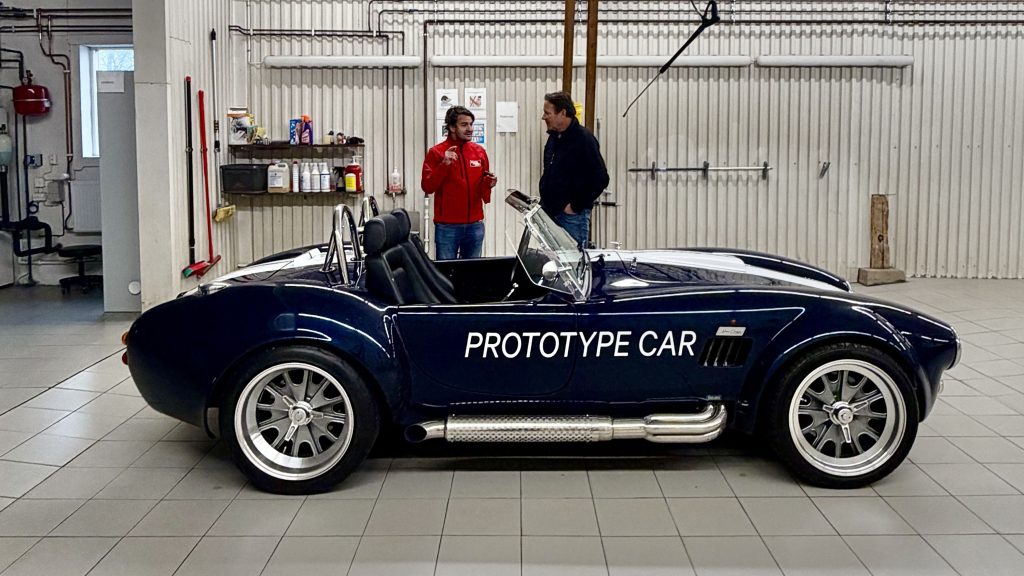
The Audi RS 3 Competition Limited is one of the most uncompromising RS models I have driven. I had booked the car for a week, while my German colleague Clemens Hirschfeld from Auto Motor und Sport I was going to come to Sweden. The plan was that I would pick him up at the airport. Arlanda and that we would go together to Vadstena, where I had arranged a test drive of HMC Classic at Thomas Kümmerling, the man behind the car brand HMC.
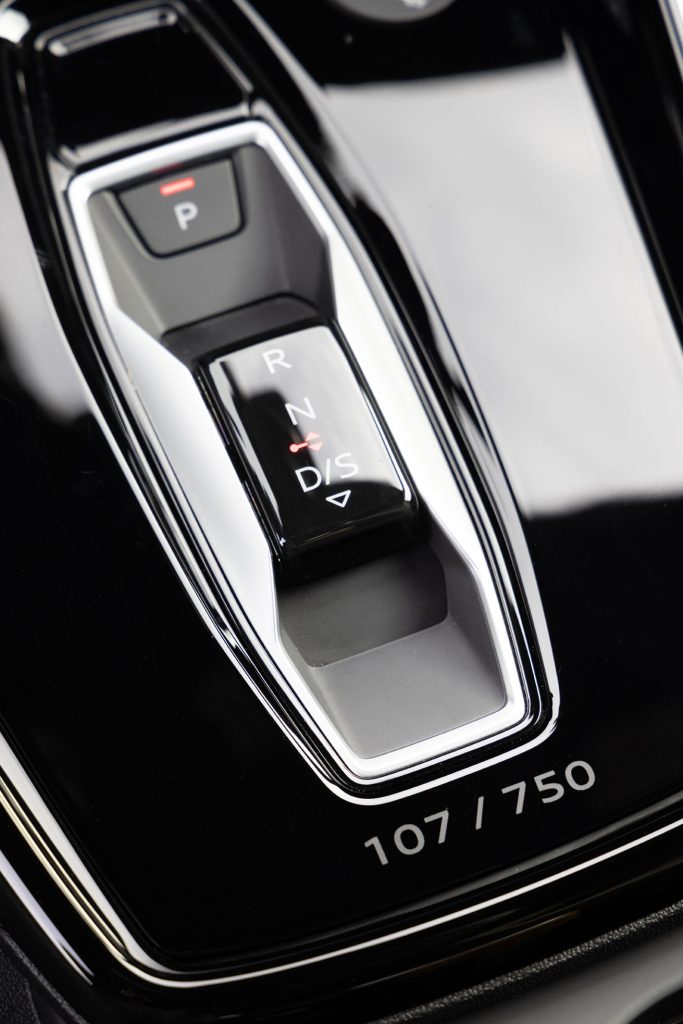
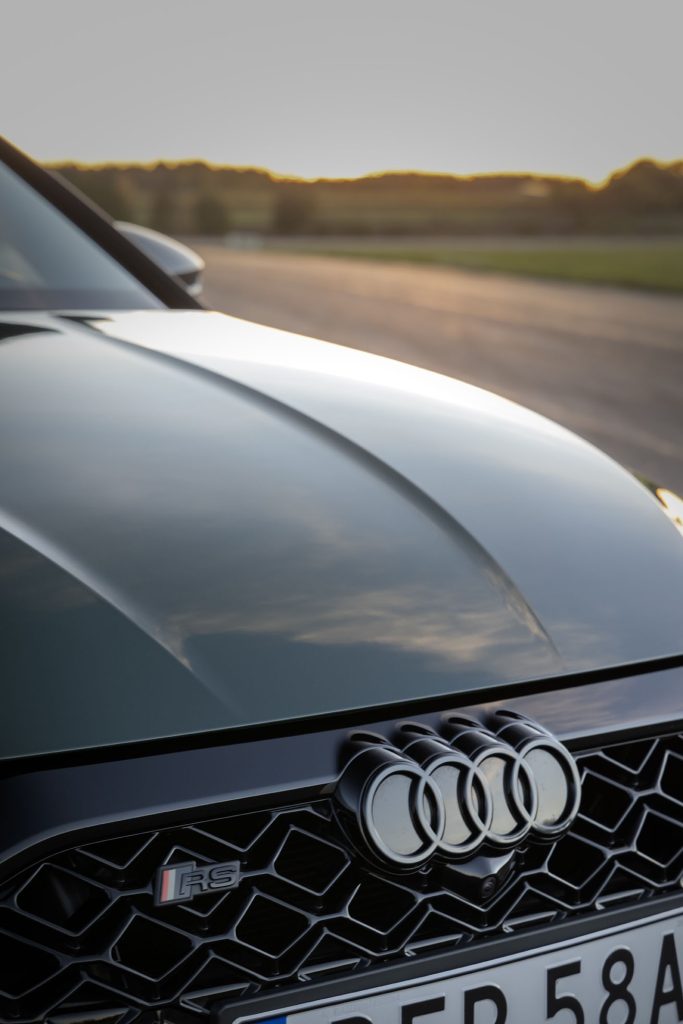
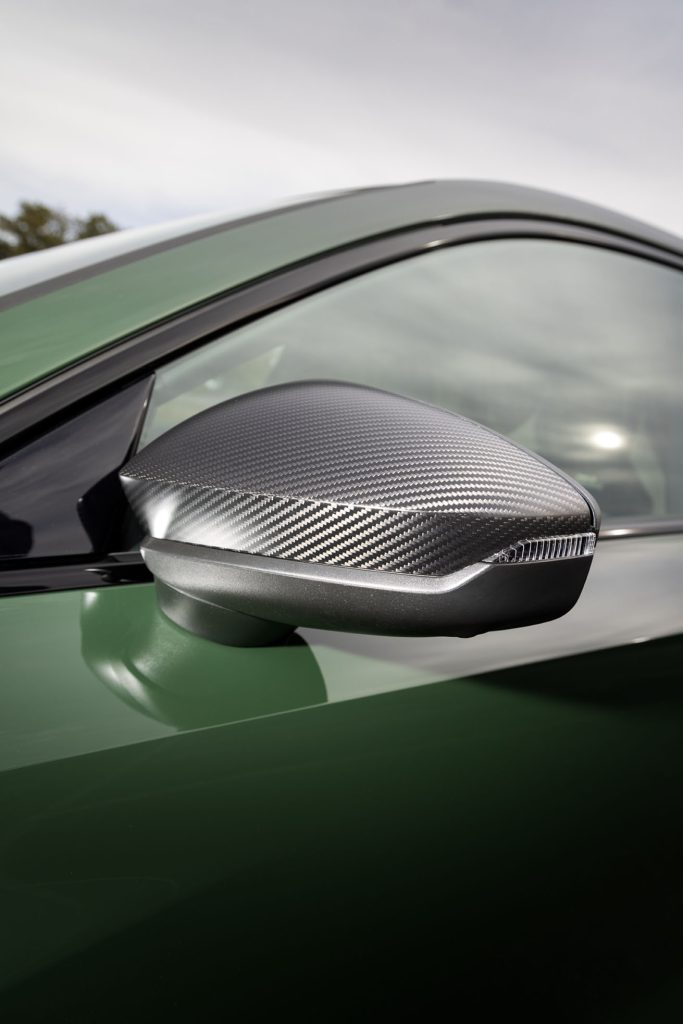
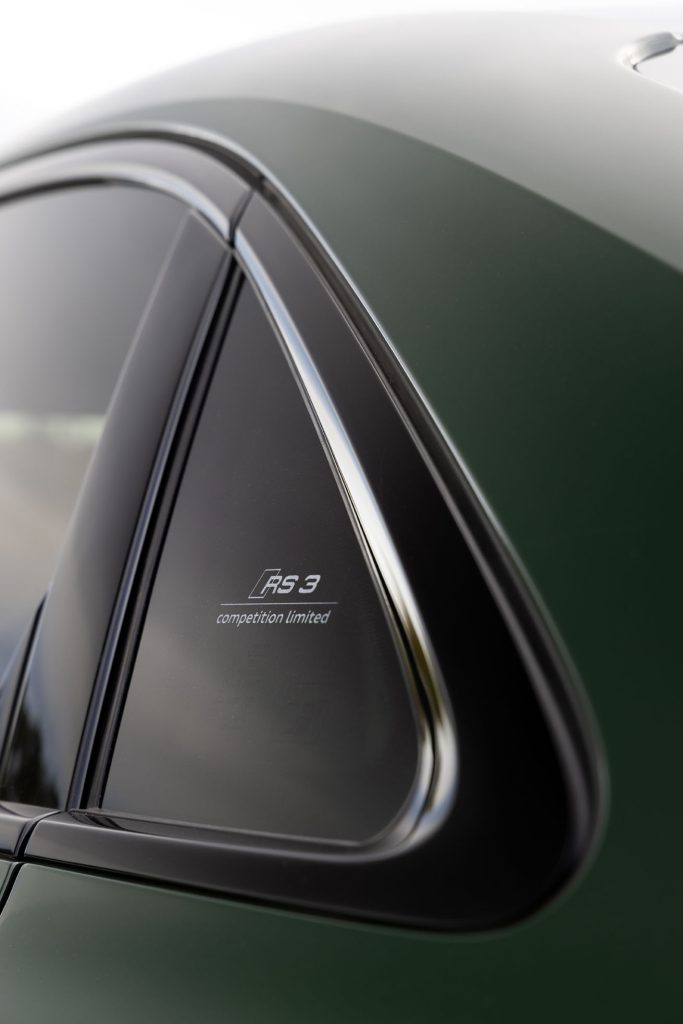
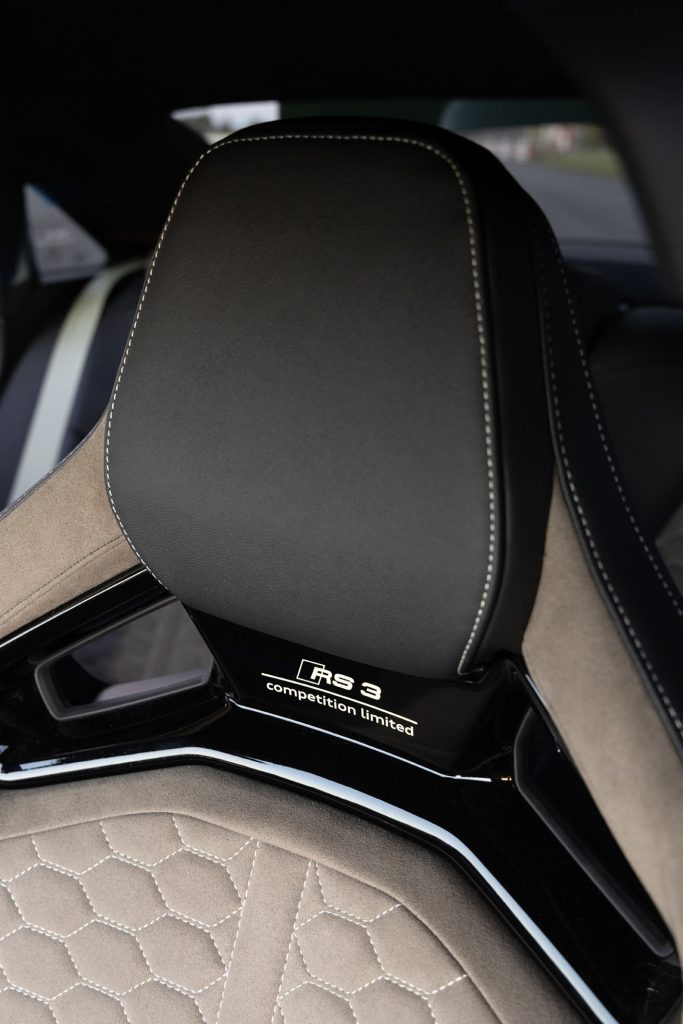
To mark the anniversary, Audi has built 750 units of the RS 3 Competition Limited. This is not just about special emblems and exclusive details, but also about a car that is significantly more uncompromising than the standard RS 3. More information about the special model can be found here. Official presentation of Audi.
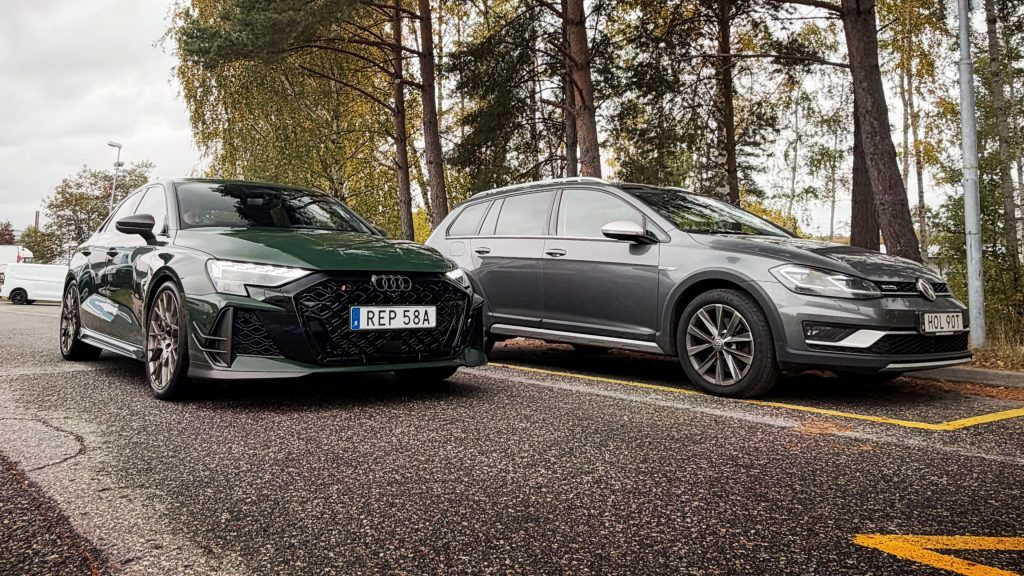
With 400 horsepower, four-wheel drive and R-type tires, of course it was a significantly more exciting car than my Golf. But as I would discover during the week, my old Volkswagen actually would have been a significantly more comfortable option for parts of the journey.
50 years with five cylinders
The reason Audi has developed this special model is that the brand’s five-cylinder engine turns 50 years old. Already in 1976 the first five-cylinder petrol engine was introduced in the Audi 100, and since then the engine design has become an important part of Audi’s history.
For many, the five-cylinder engine is primarily associated with the legendary rally cars from the 1980s. The Audi quattro and later Sport quattro not only made four-wheel drive famous, but also the characteristic engine sound. The distinctive sound comes from the engine’s design and ignition sequence 1-2-4-5-3. It is a sound that is difficult to confuse with anything else and that is still a big part of the charm of today’s RS 3.
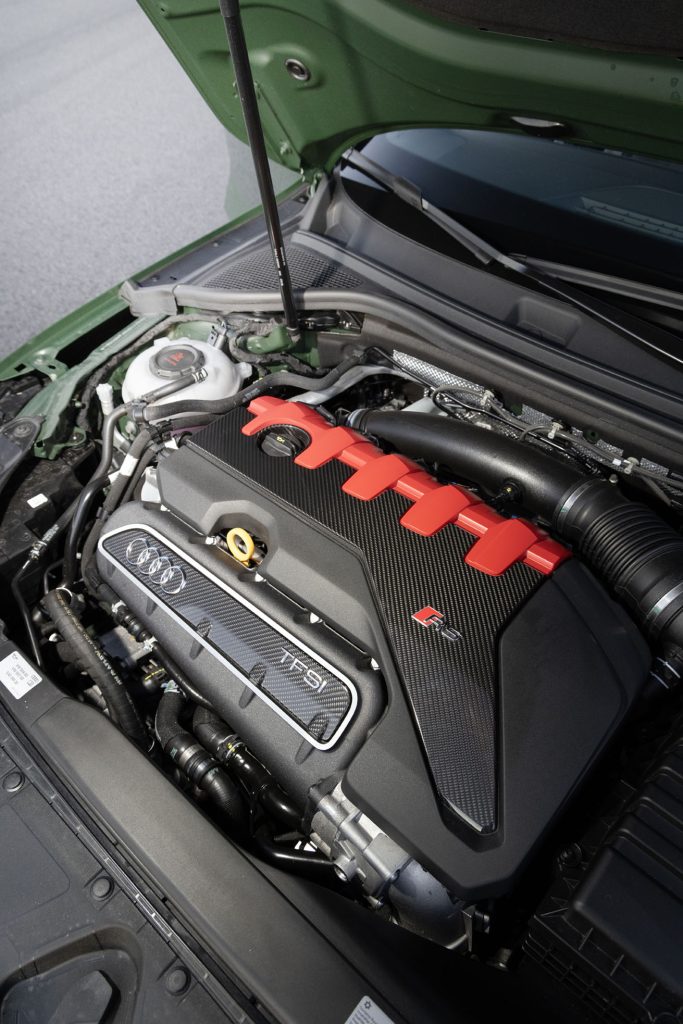
There is something quite special about Audi's five-cylinder engines. At a time when more and more manufacturers are abandoning their combustion engines in favor of electrification, it is almost liberating that Audi is still keeping alive an engine design that has such a strong connection to the brand's history. It is not just about performance, but also about emotion, character, and a sound that instantly evokes memories of a time when motorsport looked completely different.
To mark the anniversary, Audi has built 750 examples of the RS 3 Competition Limited. This is not just about special emblems and exclusive details, but also about a car that is significantly more uncompromising than the standard RS 3.
Same engine, but a completely different experience
Earlier this summer, I tested the standard Audi RS 3 Sportback for a week in Gothenburg. Even then, I was impressed by the five-cylinder engine and the car's amazing performance. Here is my previous test drive of the Audi RS 3 Sportback.
Under the hood of the Audi RS 3 Competition Limited sits the same 2.5-liter five-cylinder turbo engine that delivers 400 horsepower and 500 Nm. The power is sent to all four wheels through a six-speed dual-clutch gearbox and Audi’s quattro system. That’s enough to accelerate from 0 to 100 km/h in 3.8 seconds.
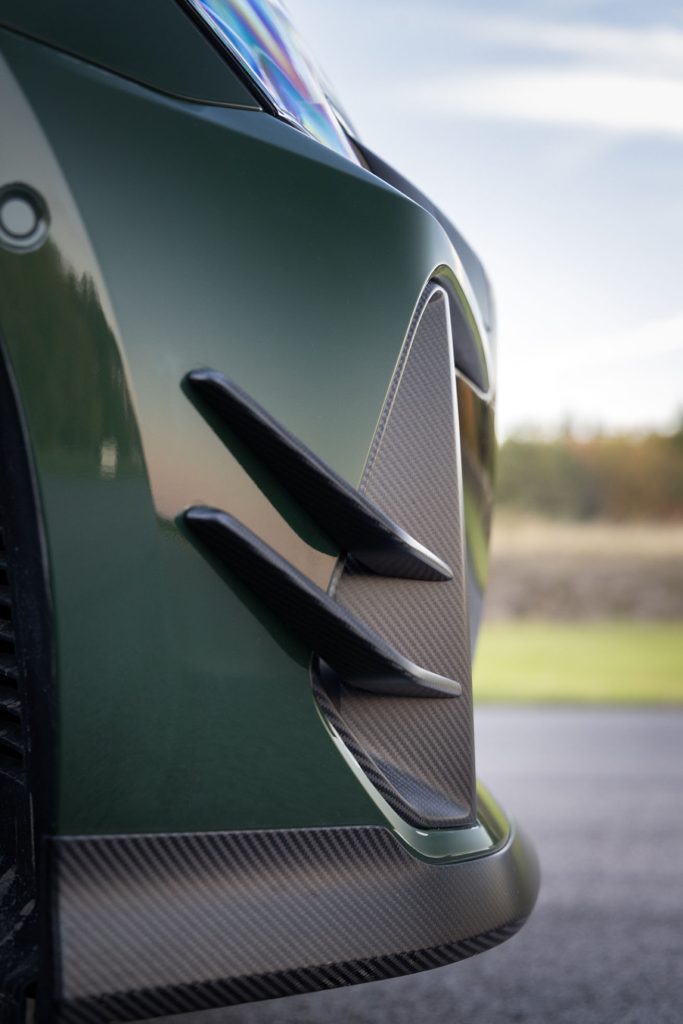
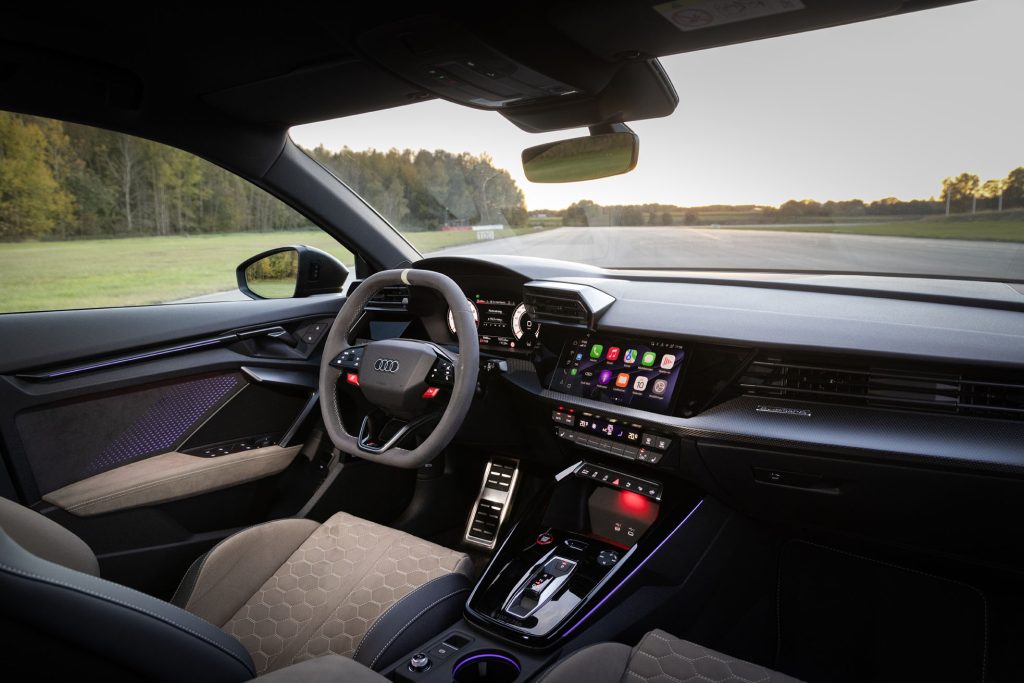
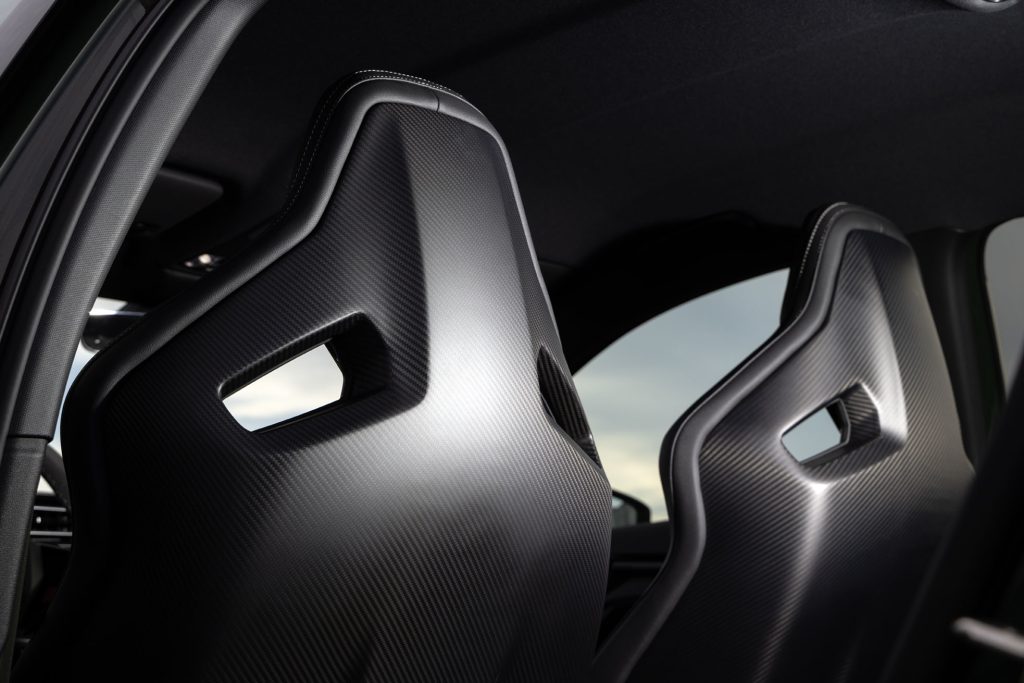
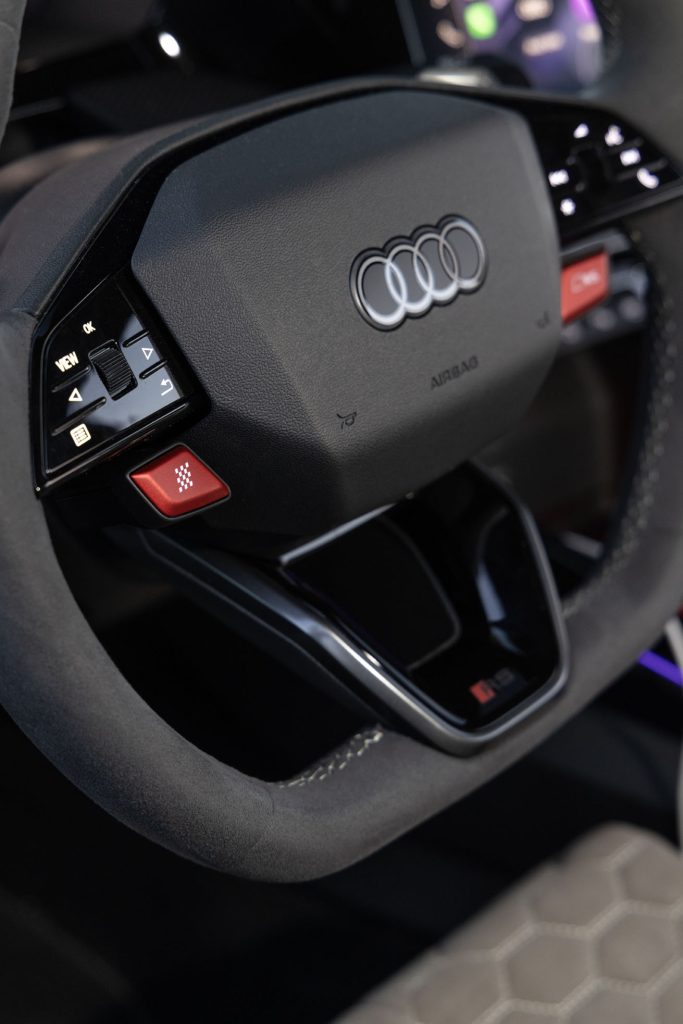
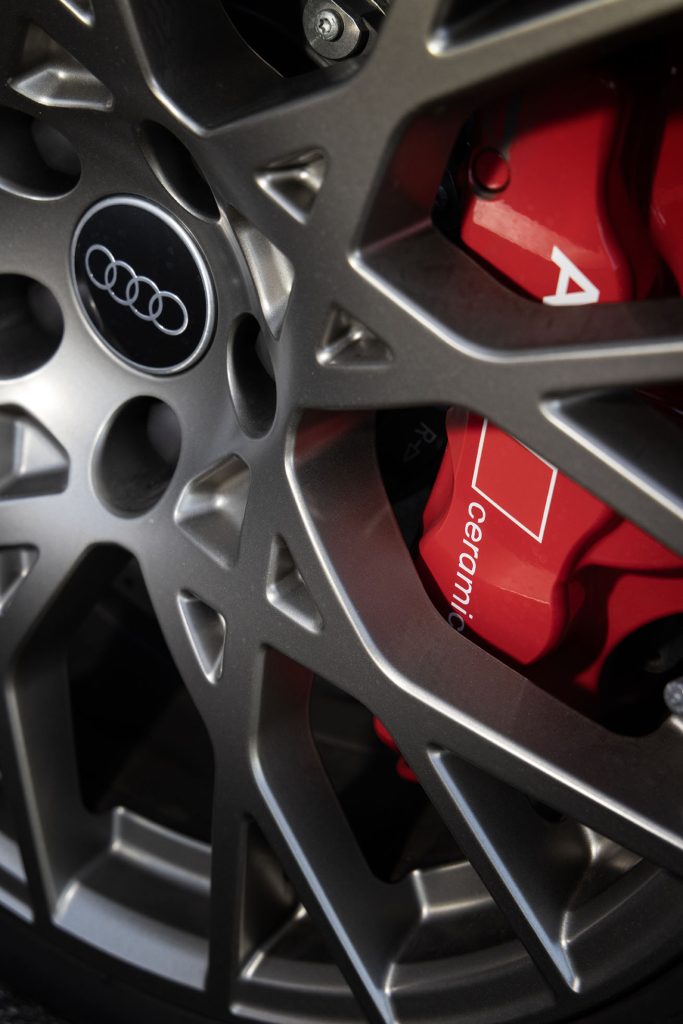
But it’s not the engine that makes the Competition Limited special. The big difference is found in the chassis. Audi has equipped the car with a manually adjustable coilover chassis, stiffer rear anti-roll bars and a range of changes that are intended to make the car more precise and engaging to drive. Additionally, it features ceramic brakes, aerodynamic carbon fiber details and R tires that provide fantastic grip in the right conditions.
All of this sounds very appealing, of course. But there is also a downside.
When the compromises become clear
It didn't take long before I realized how big the difference is between the standard Audi RS 3 Competition Limited. The chassis is extremely rigid, and on ordinary Swedish roads the car can be quite tiring to drive at times.
This was especially noticeable during driving in the rain and darkness. With the wide R tires and the tough chassis, the car reacted strongly to the tracks and unevenness in the asphalt. I had to constantly be alert and correct with the steering wheel. It definitely isn’t a relaxed long-distance car.
What surprised me most was that the safety that is so strongly associated with Audi models almost seemed to have vanished. I usually appreciate the stability and calmness that many Audi models convey, but in the RS 3 Competition Limited the experience was different. On wet and uneven roads, the car felt significantly more nervous and demanding than I had expected.
Afterwards, I spoke with Torsten at Audi about my experiences and, above all, about the R tires. He explained that the tires are an option and therefore not standard equipment on the Competition Limited. It is an important detail because the tires have such a crucial impact on how the car is perceived on ordinary roads. The R tires are designed to provide maximum grip under the right conditions, especially on dry asphalt and the race track, but as the temperature drops and the roads become wet, the compromises quickly come to the fore.
My recommendation to anyone considering buying an RS 3 Competition Limited is therefore to also invest in a set of standard-sized tires, if the finances allow it. That way, you can use the R tires when you really benefit from their characteristics on a race track and at the same time get a significantly more usable car under normal driving conditions.
It was actually under these conditions that I started to think about whether my Golf Alltrack might not have been a better option. Sure, the journey would have taken a little longer and would have been significantly less exciting. But I would probably have arrived much more rested.
At the same time, of course, it is not for this type of driving that Audi has developed the Competition Limited.
When the roads dried up, everything changed
During the drive between Mantorp and Vadstena, I finally got to experience the car in significantly better conditions. The roads had dried up and suddenly all the characteristics that had previously felt troublesome began to come into their own.
The steering was precise, the front axle reacted immediately to my commands and the car felt incredibly stable through the curves. The five-cylinder engine also delivered exactly the power and sound that make the RS 3 so special.
It was like driving a completely different car. Where I had previously been annoyed by the harsh chassis, I could now appreciate the direct contact with the road surface.
But it was only at Mantorp Park that I really had the opportunity to understand what Audi had been trying to achieve.
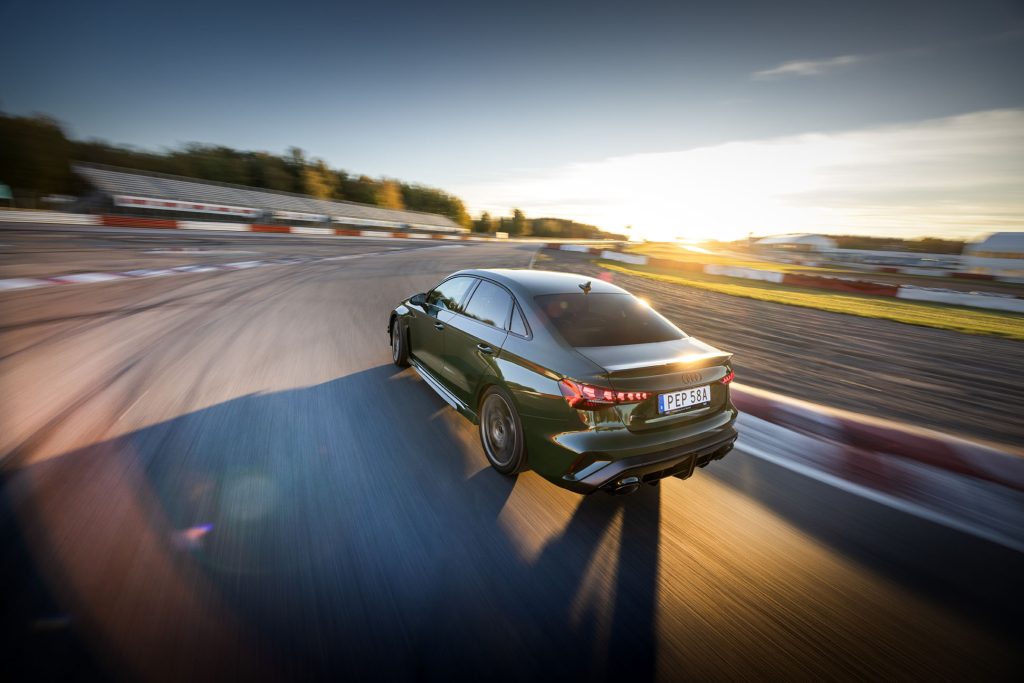
Audi RS 3 Competition Limited at Mantorp Park
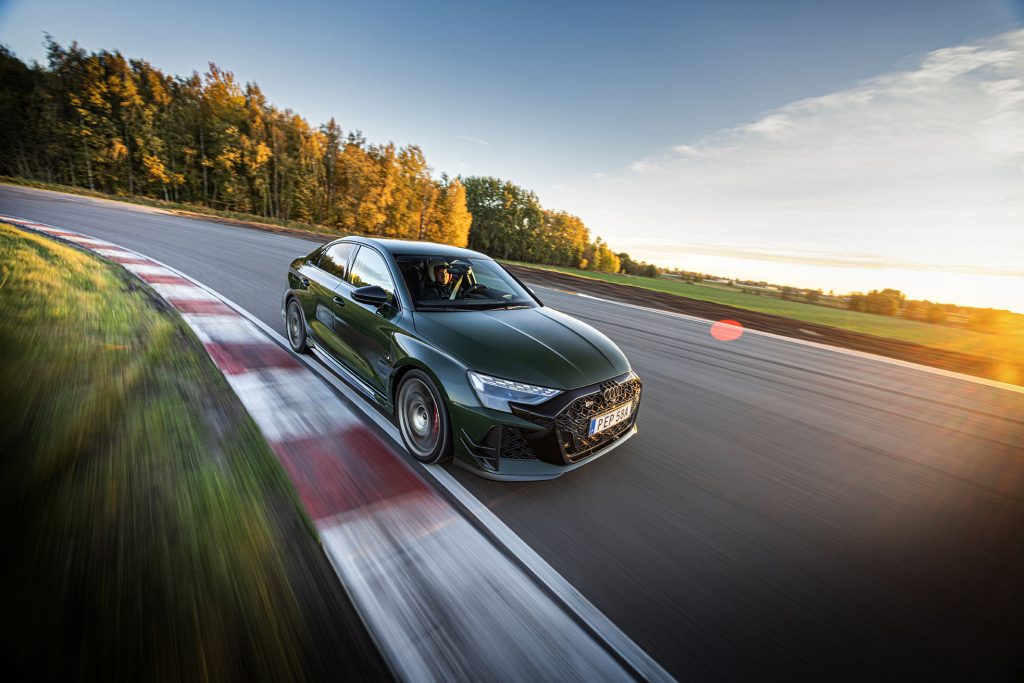
During an event with Drivers Club on Mantorp Park I got the opportunity to take the RS 3 Competition Limited out on the track. And that was where the car finally felt completely right.
The tough chassis, the wide R tires, and the direct steering suddenly worked together in a way that was difficult to appreciate on ordinary roads. The car responded immediately to my commands, and the five-cylinder engine delivered an impressive acceleration out of the curves.
On the long straight, I reached speeds of around 210 km/h before it was time to brake for the Mjölby curve. The ceramic brakes provided impressive confidence, and the car felt much more at home on the race track than on the open road.
It is also here that one begins to understand why Audi has chosen to make the Competition Limited so uncompromising. The characteristics that can be perceived as a disadvantage during normal road driving suddenly become an asset when you can exploit the car’s potential on a race track. The tough chassis provides direct contact with the ground, the R tires offer fantastic grip, and the five-cylinder engine delivers power with a character that is hard to not appreciate.
The Audi RS 3 Competition Limited is a fantastic car, but not for everyone
After a week with the Audi RS 3 Competition Limited, I had the opportunity to experience two quite different sides of the same car. On ordinary roads, especially when the surface is poor or the weather is not ideal, it can be both uncomfortable and demanding. Moreover, the well-known Audi safety features that I usually appreciate are far from as evident as in the brand's more everyday-oriented models.
But when the conditions are right and you have the opportunity to utilize the car's potential, it becomes something completely special. The five-cylinder engine is still fantastic, and it's gratifying that Audi continues to develop cars for us who appreciate driving itself.
At the same time, personally, I would have a hard time justifying Competition Limited as a car for everyday use. The regular RS 3 Sportback already offers fantastic performance and is significantly easier to live with.
But for those who are looking for something more exclusive, appreciate the history of the five-cylinder engine and also have the opportunity to regularly drive on the track, the Competition Limited is a very special car.
After all, it is when you get out on a racing track that the compromises you have had to accept on ordinary roads begin to pay off.
Technical specifications: Audi RS 3 Competition Limited
Engine: 2.5-liter five-cylinder TFSI turbo engine
Volume of the cylinder: 2,480 cm³
Max power: 400 hp (294 kW)
Maximum torque: 500 Nm
Gearbox 7-speed S tronic dual-clutch gearbox
Drifting: quattro all-wheel drive
Acceleration 0-100 km/h: 3.8 seconds
Chassis: Manually adjustable coilover suspensions and stiffer rear anti-roll bars
Brakes: Ceramic brakes
Tires: R-type tires
Manufacturing: 750 numbered copies
Test-driven example: Number 107 of 750
 English (UK)
 Svenska
Leave a Reply