
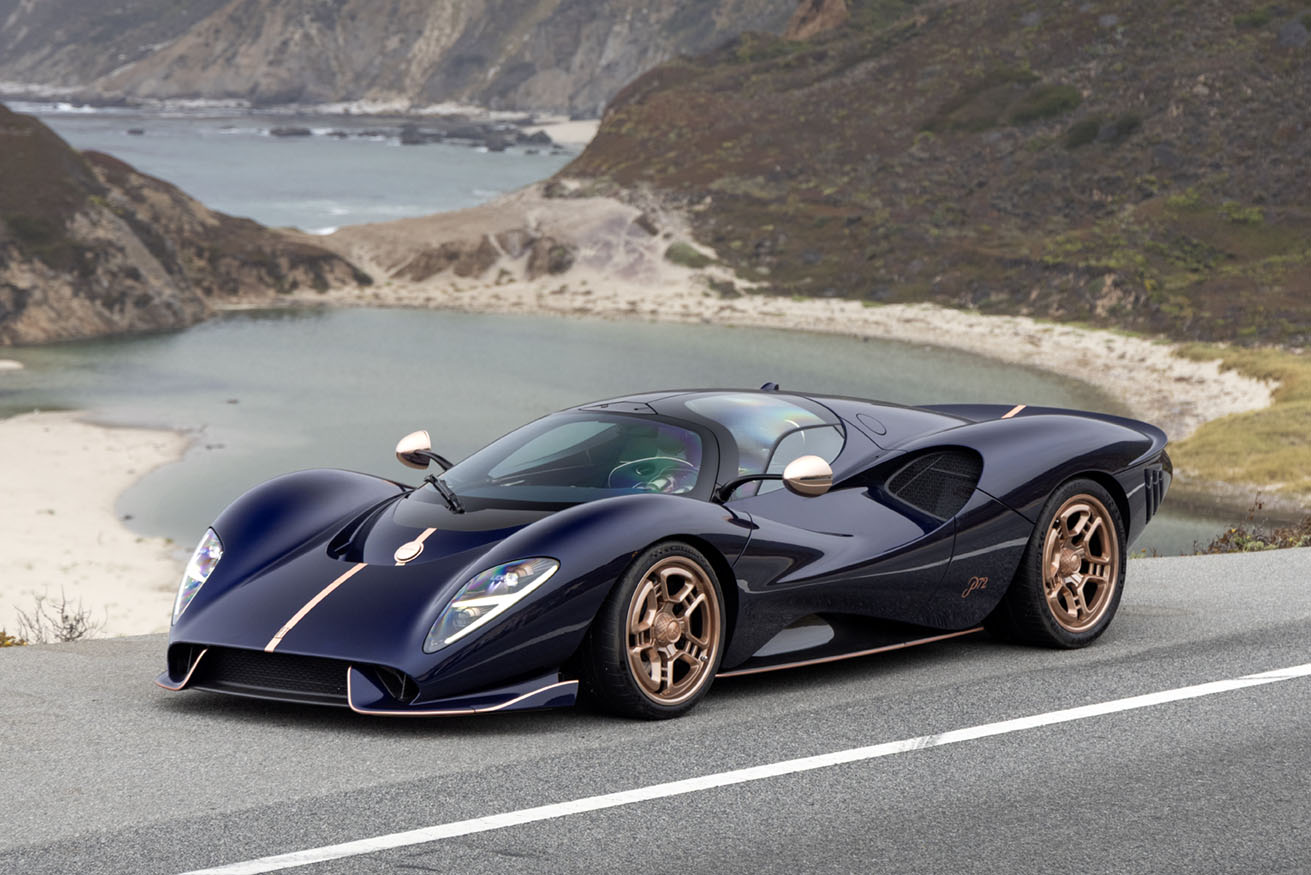
Monterey Car Week part 1
From Skateboarding Legends to Monterey Car Week 2026
The trip to the US had one clear main purpose: Monterey Car Week 2026. But before heading north towards Monterey, I spent a few days further south in Vista, just outside San Diego, staying with legendary Swedish professional skateboarder Tony Magnusson.
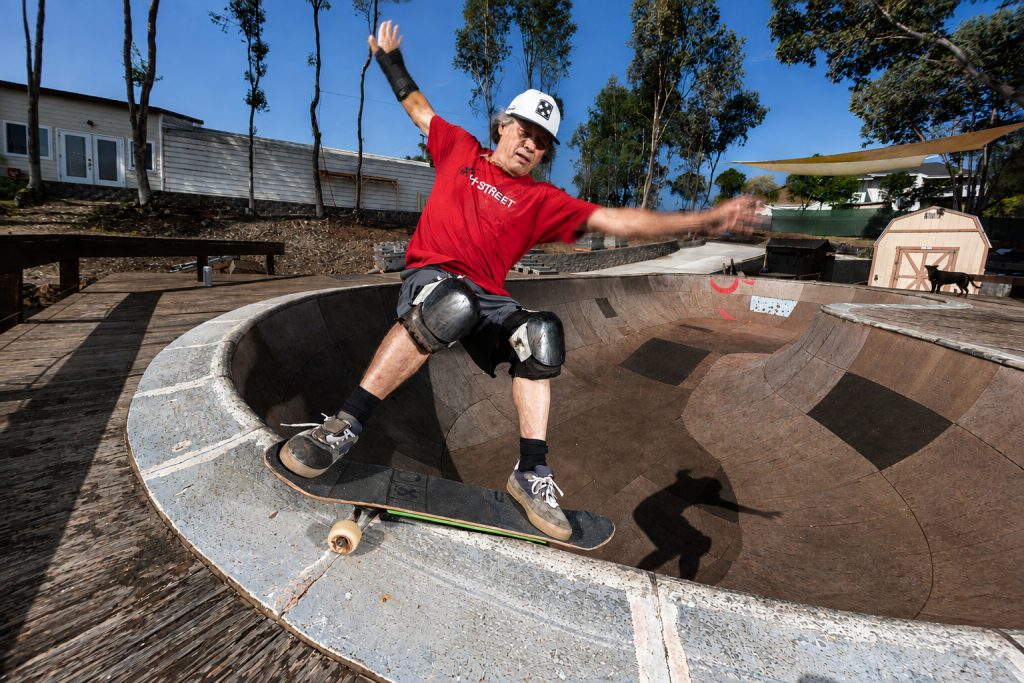
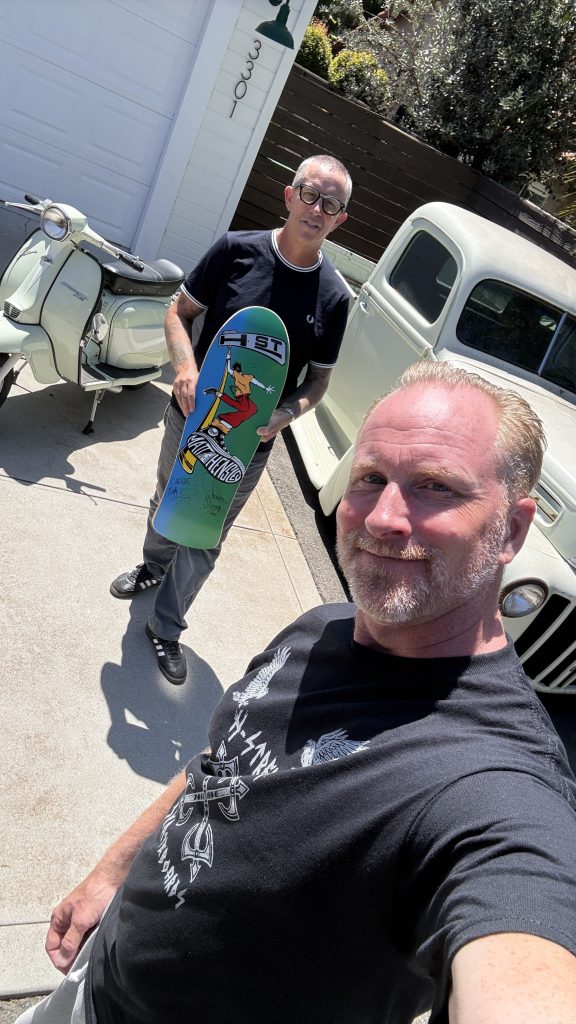
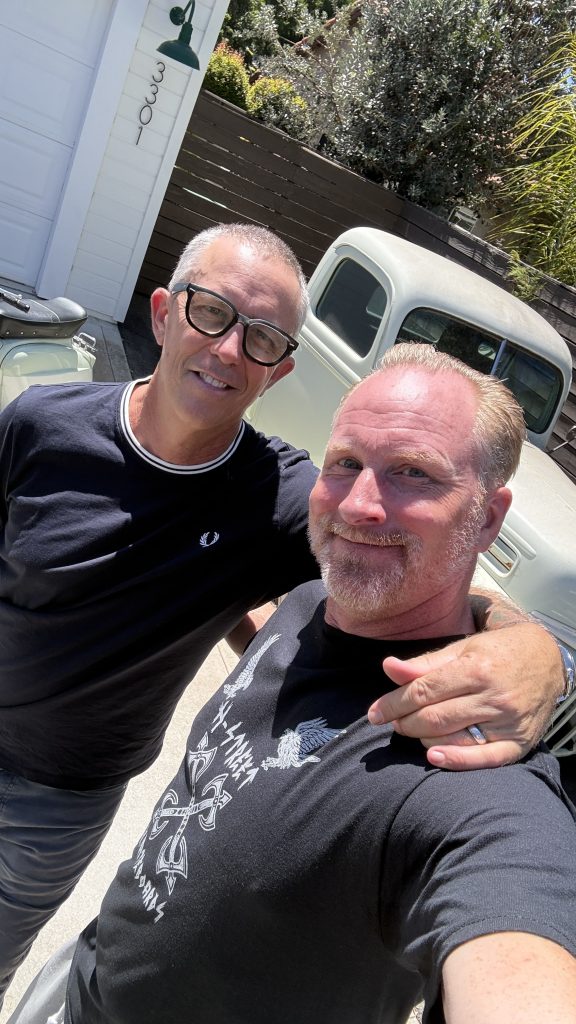
For me, it almost felt like starting the trip in a completely different chapter of my life. I photographed skateboarding long before I started working with cars, Tony Magnusson, who founded H-Street together with Mike Ternasky and still runs the brand today, was one of the major figures of that era. The H-Street team also included Matt Hensley, who was my absolute idol when I was skateboarding myself in the early 1990s.
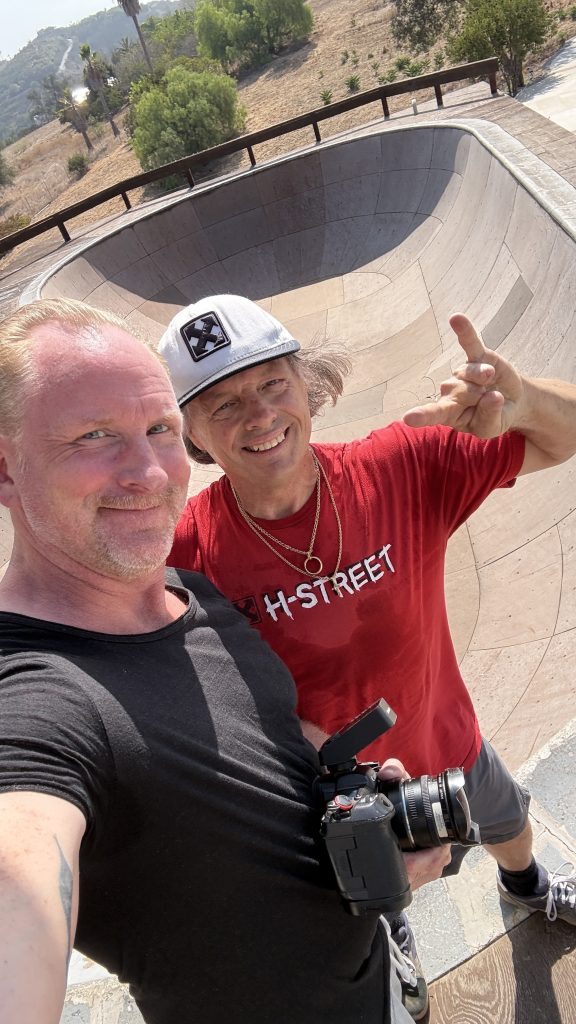
Not long after I arrived, Tony asked if I wanted to join him at a pool party at a friend's house. Of course I did. What I didn't know was that some of the world's best skateboarders right now would be there. Among them were X Games-winner Heili Sirviö, Olympic skateboarders Lilly Stoephasius and Keefer Wilson along with several other top international skaters. The only problem was that I'm old enough to have absolutely no idea who any of them were. That certainly didn't stop me from thinking it was great fun to suddenly find myself in the middle of it all, and naturally taking a selfie with the whole group.
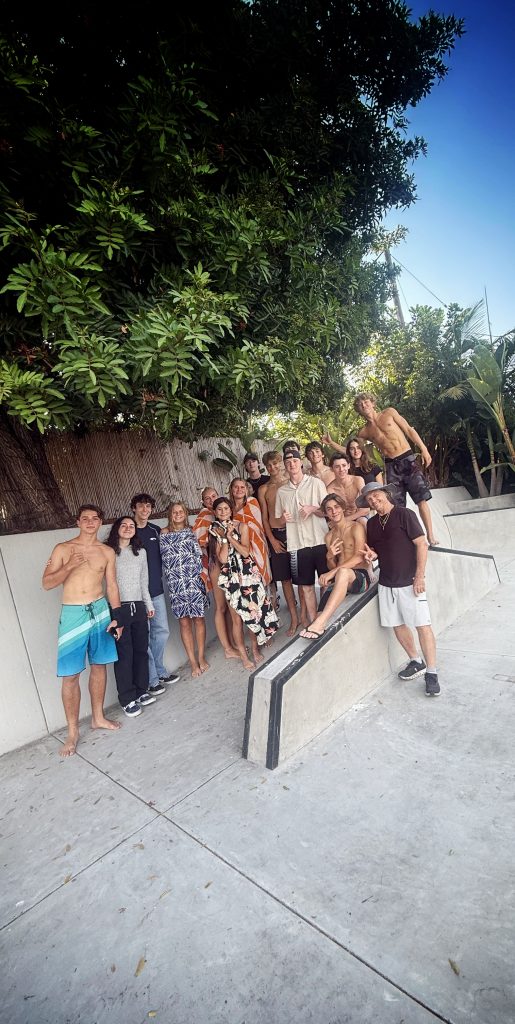
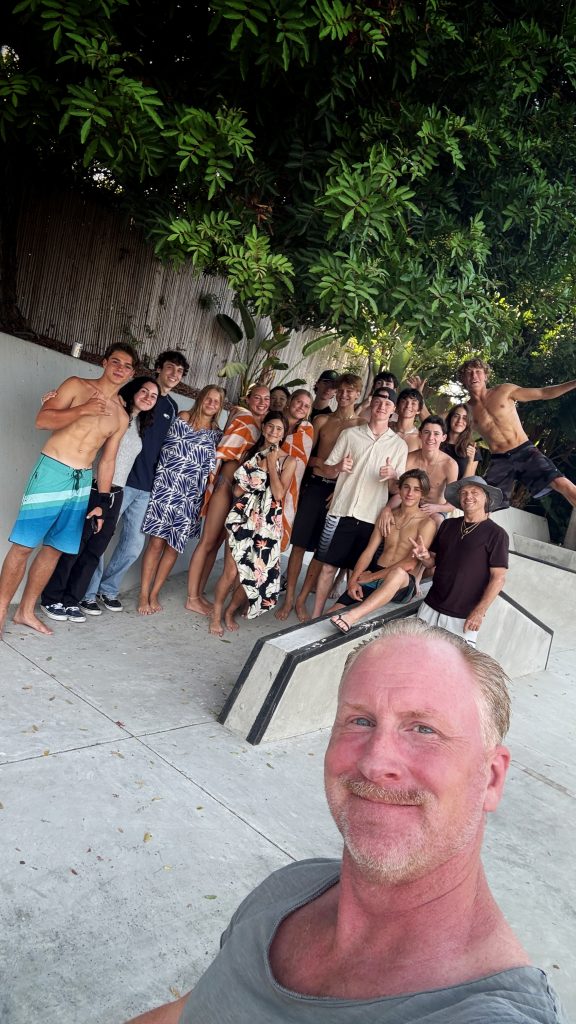
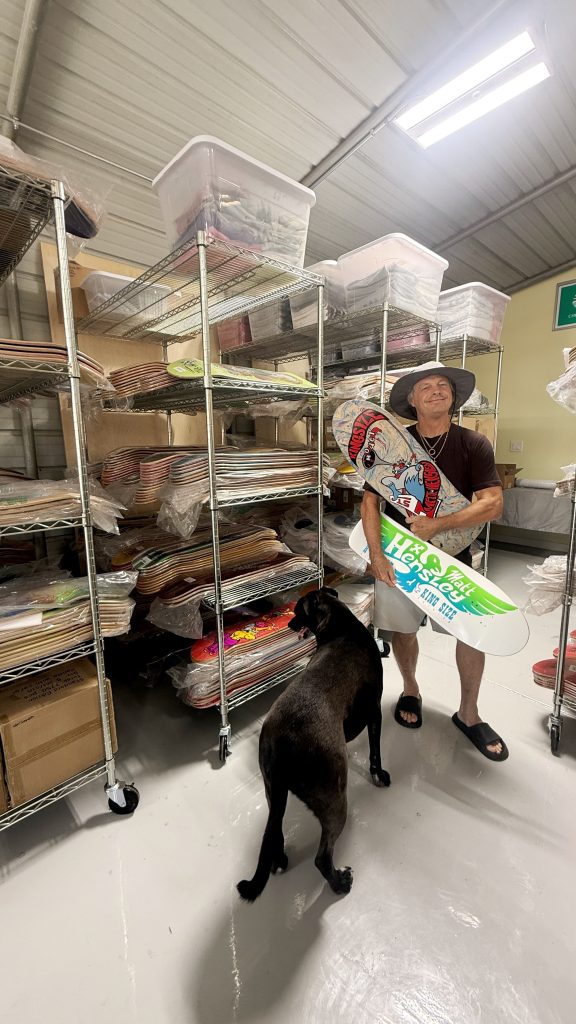
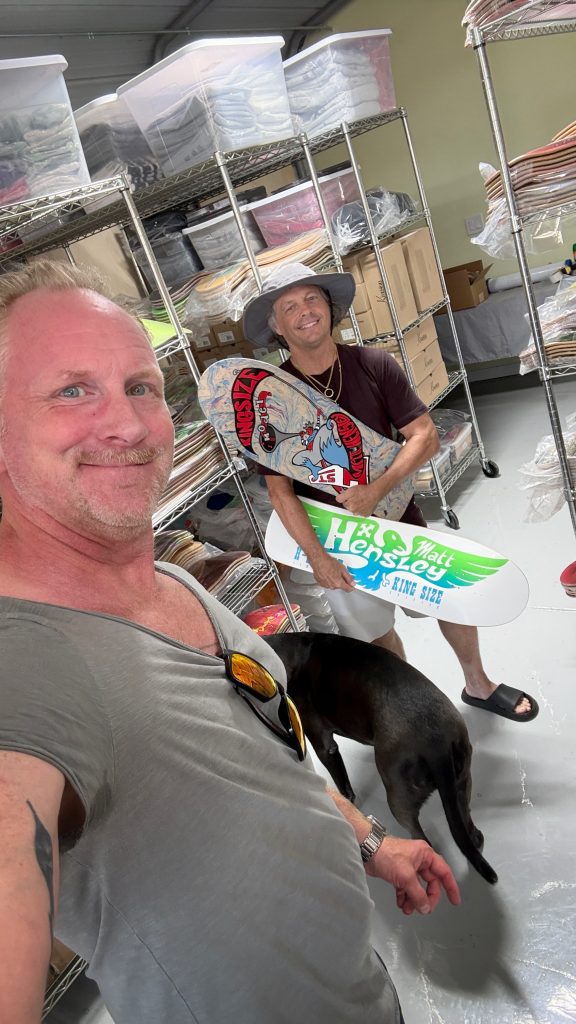
The skateboarding part of the trip just kept getting better. I met skateboarding legend Don Brown and had breakfast with him in Huntington Beach. But the real highlight came when Tony arranged for me to visit Matt Hensley at his home and meet him. More than 35 years after he had been my skateboarding idol, I suddenly found myself sitting in his home.
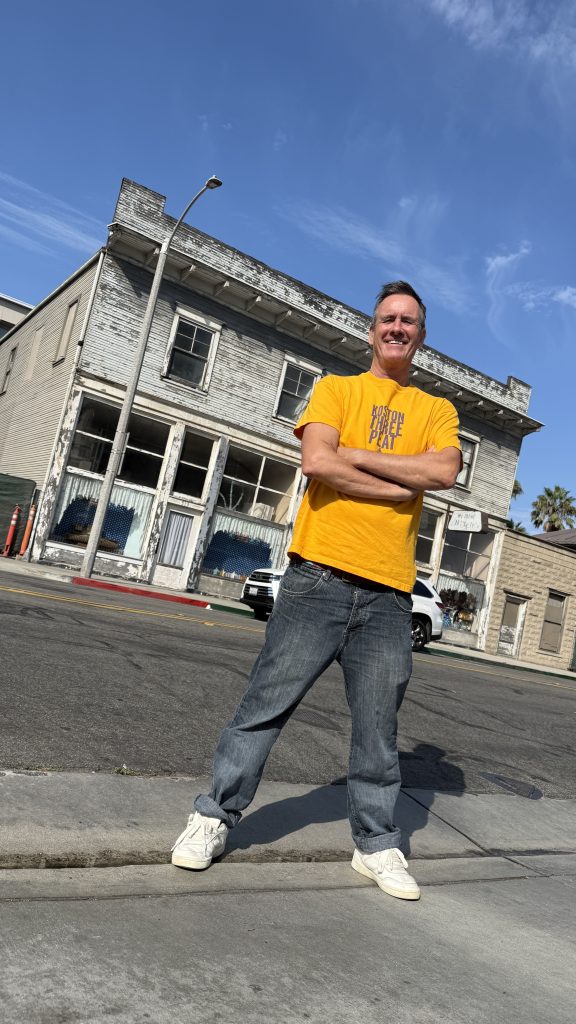
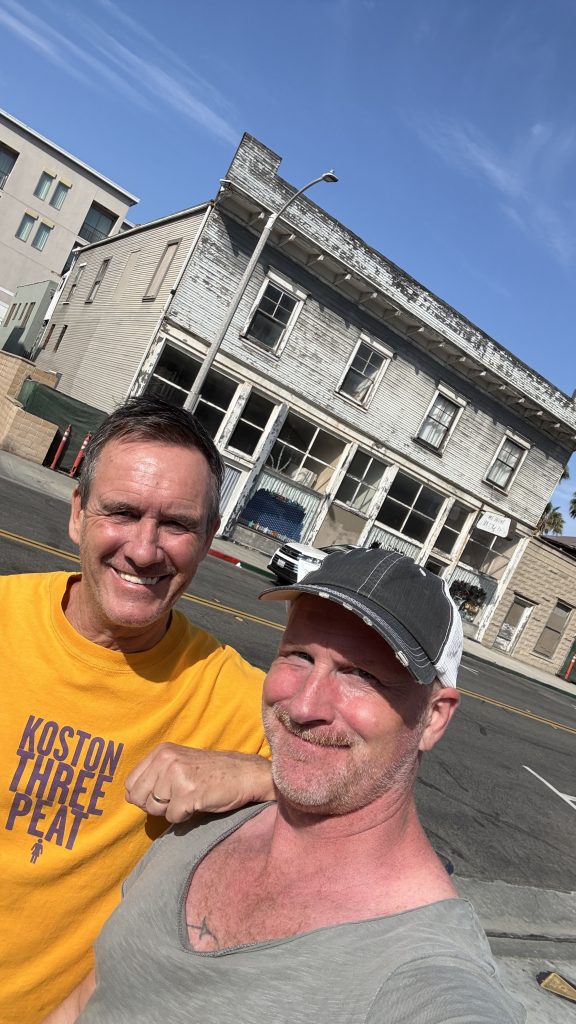
I also came away with two original H-Street decks featuring Matt Hensley graphics, signed by both Matt and Tony. One is going on the wall at home. The plan for the other is to give it away at the launch party for my upcoming skateboard photography book. The trip also gave me some new material for the book: a skateboarding photo of Tony Magnusson, something I was actually missing and obviously needed to include, as well as behind-the-scenes photos from my meeting with Matt Hensley.

So even before I had reached Monterey, the US trip had already delivered far more than I had dared hope for. But the main purpose of the trip was, after all, the cars.
Monterey Car Week 2026 Wasn't Quite What I Expected
I have experience of many different types of automotive events, both in Sweden and internationally. Among other things, I have been to Goodwood Festival of Speed in England twice, and the setup is usually fairly straightforward. As a journalist, you apply for media accreditation to the event and, if approved, you have access to most of what happens during those days.
That was roughly how I thought Monterey Car Week worked as well. I had applied for media accreditation to Pebble Beach Concours d’Elegance and, after a bit of effort, had finally been approved. Perfect, I thought. Monterey Car Week 2026 was sorted.
It turned out not to be quite that simple. Monterey Car Week isn't really one event, but rather a whole collection of independent events that together take over the Monterey Peninsula for almost a week. Pebble Beach Concours d’Elegance is the grand finale on Sunday, but before that there are events including The Quail, Motorlux and Rolex Monterey Motorsports Reunion. Each has its own media accreditation.
On top of that, several of the world's most exclusive car manufacturers rent private houses and villas around Pebble Beach and Carmel, where they showcase cars, meet customers and arrange interviews. There is no media accreditation to apply for at these venues. Either you're invited, or you simply don't get in.
I hadn't fully understood this when I planned the trip. I had applied to The Quail, Motorlux and the Rolex Monterey Motorsports Reunion, but far too late. Some didn't even respond, while The Quail informed me that all the available media spots had already been filled.
So when I drove up towards Monterey, I was pretty disappointed with myself. I had travelled all the way from Sweden to California for what is perhaps the world's most spectacular automotive week, yet the only major event I knew for certain I would get into was Pebble Beach on Sunday. I simply had to make the best of the situation.
A Foggy Morning with the De Tomaso P72
Things were about to start much better than I had dared hope. I already knew Norman Choi, who is behind De Tomaso today. Our contact goes back to a Gran Turismo Event on Nürburgring where I photographed cars from both De Tomaso and Apollo, two brands he was involved with at the time. Some of my images were purchased afterwards, and we have stayed in touch ever since.
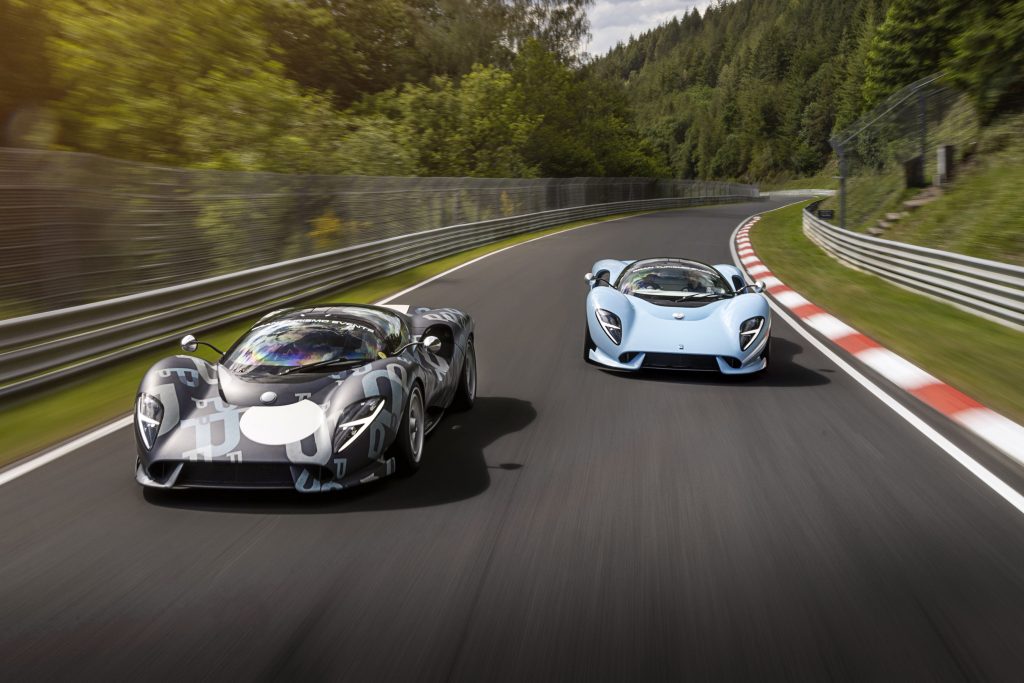
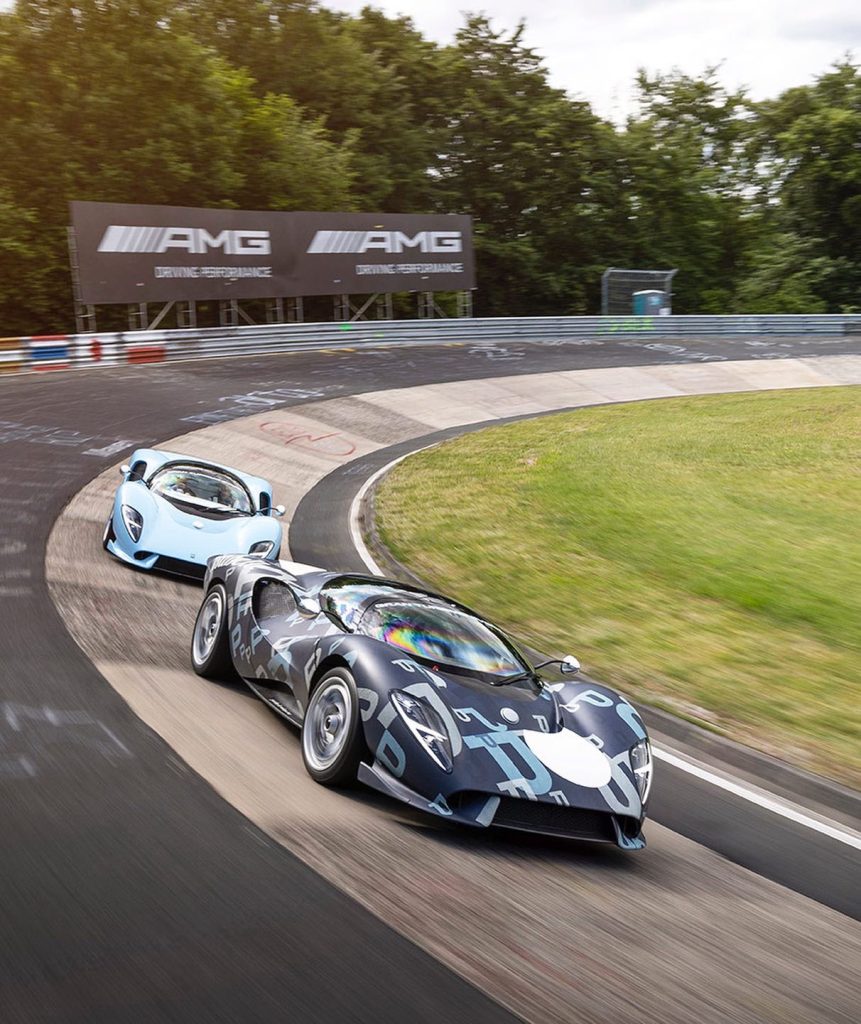
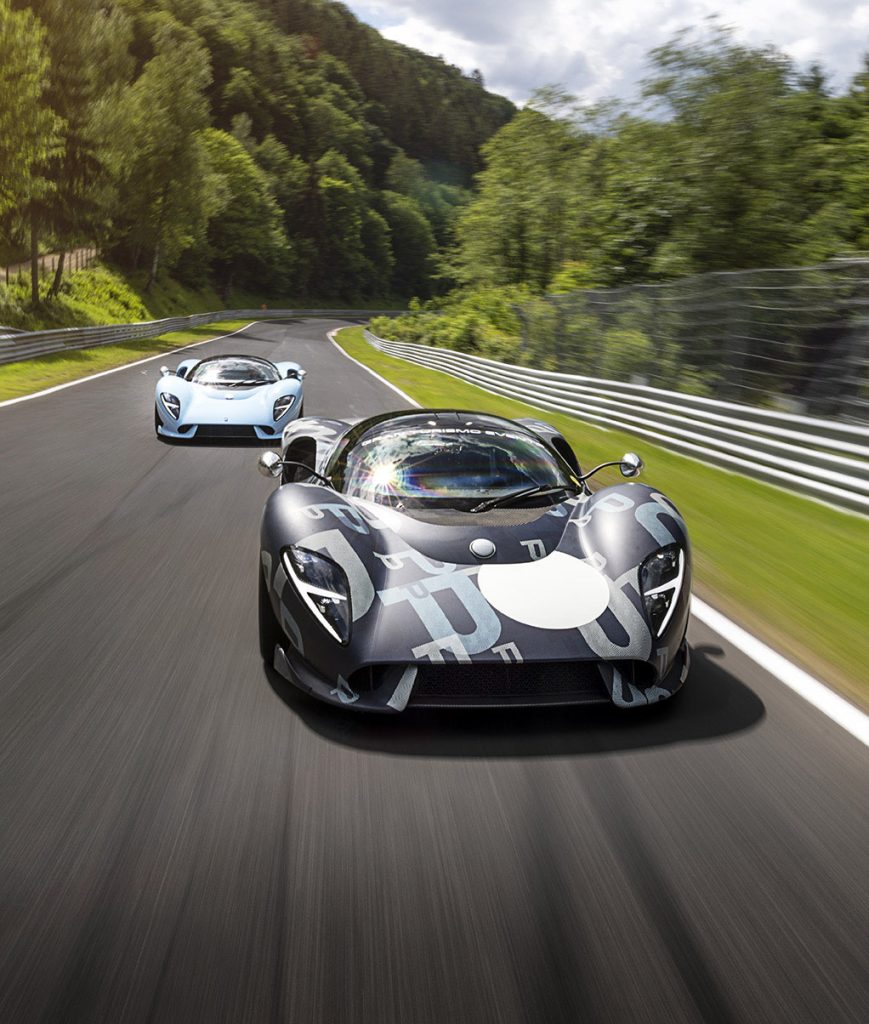
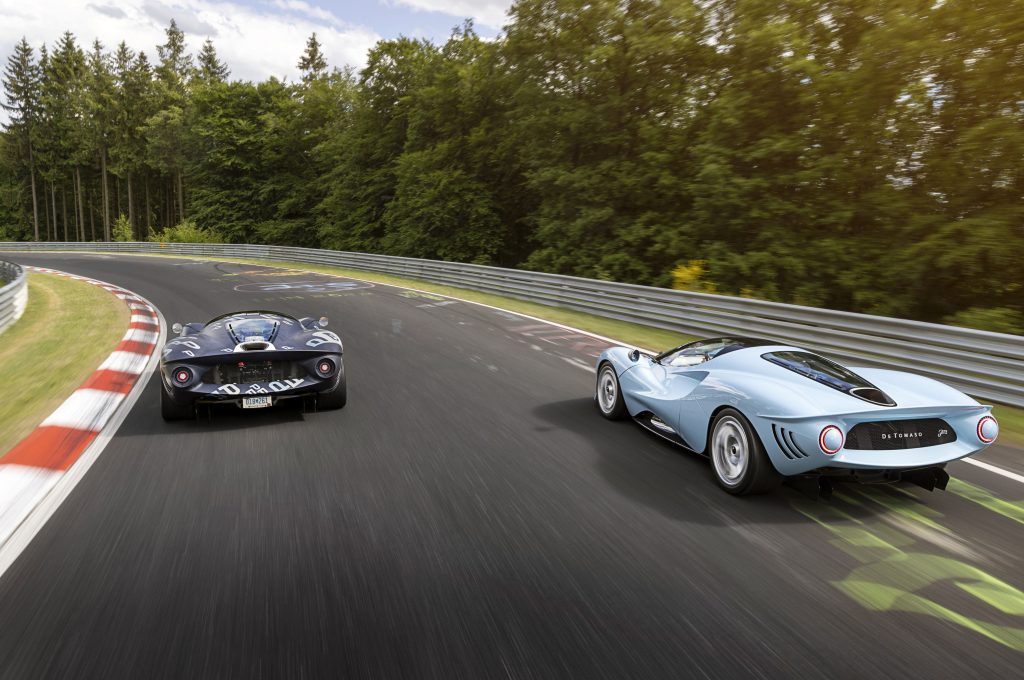
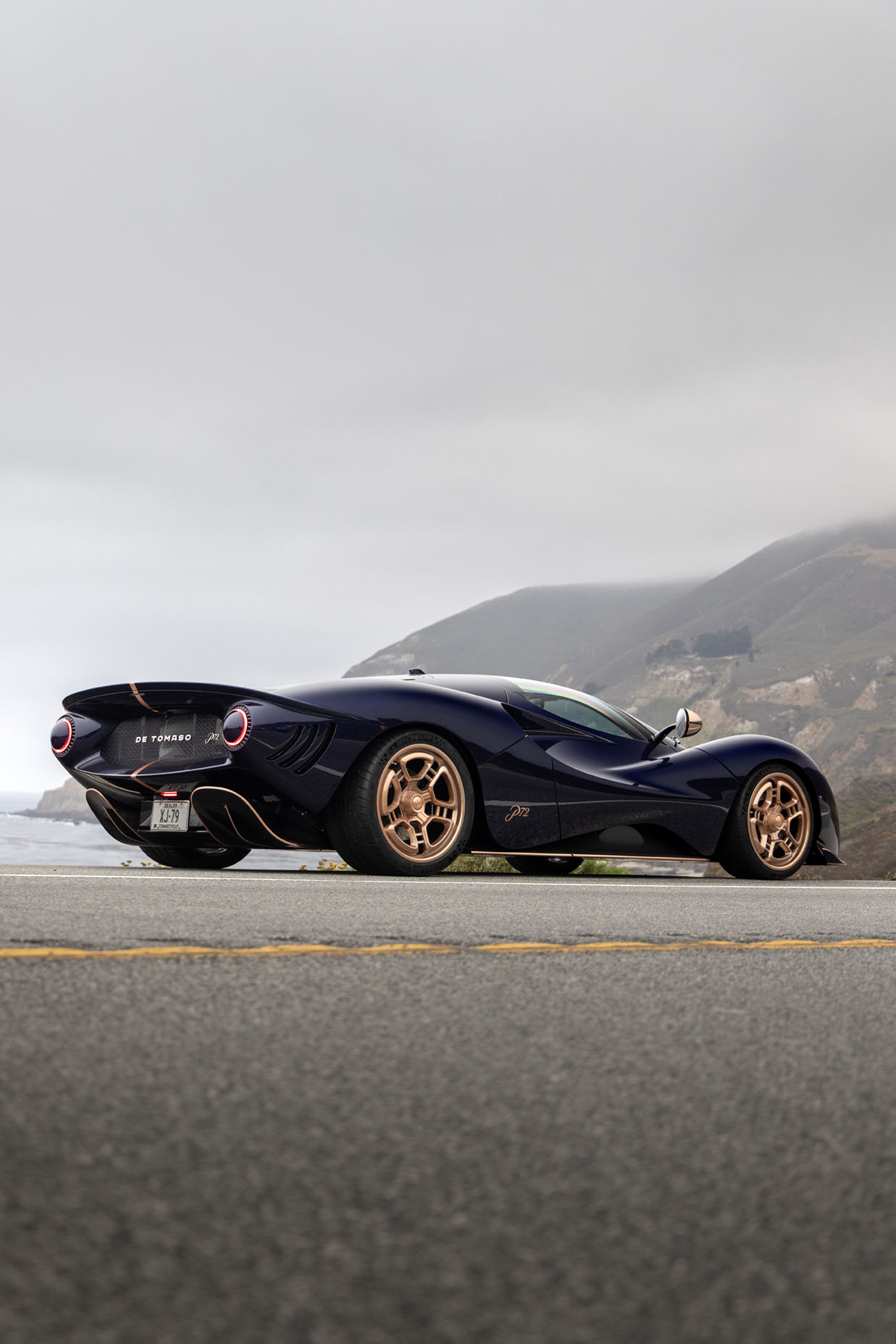
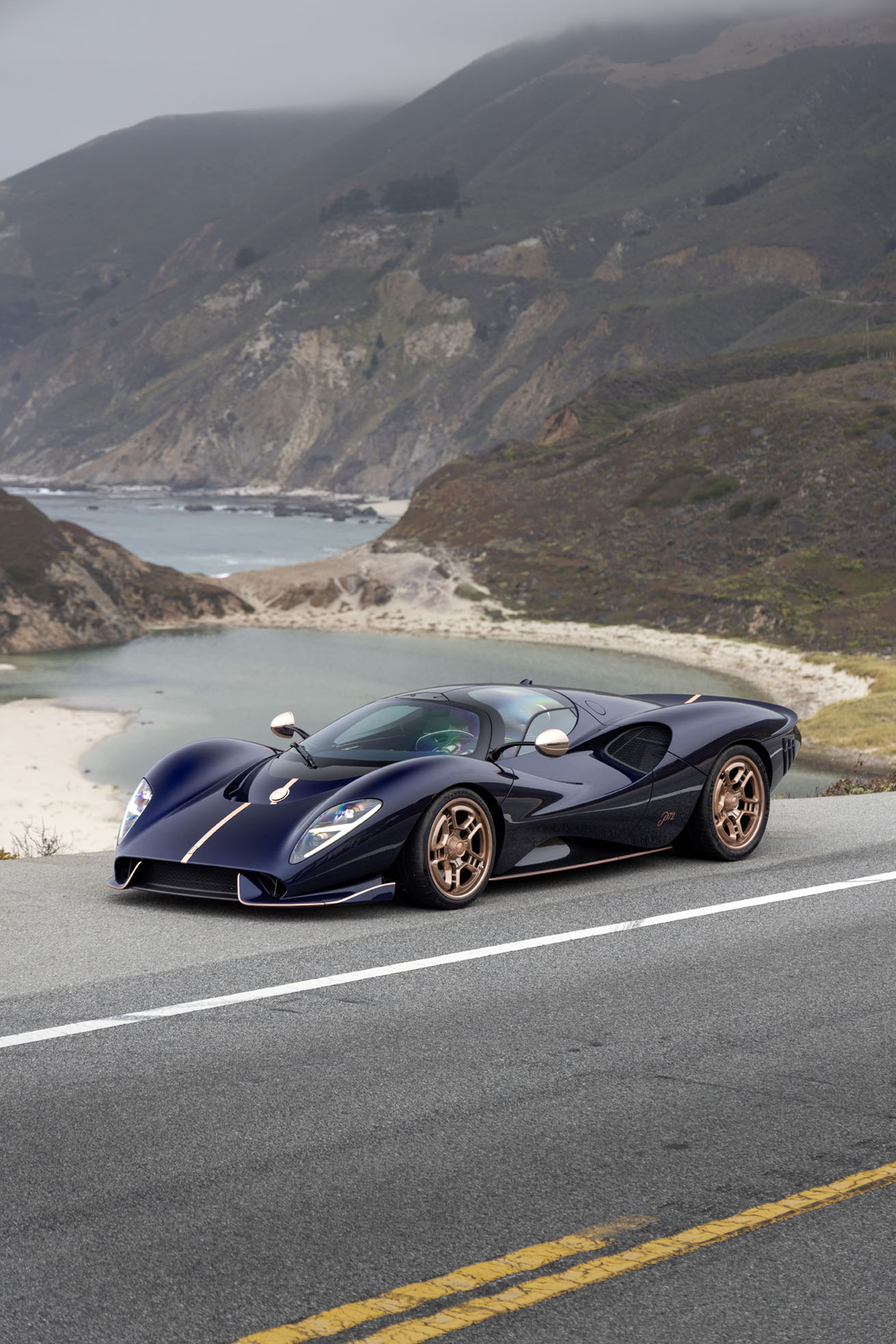
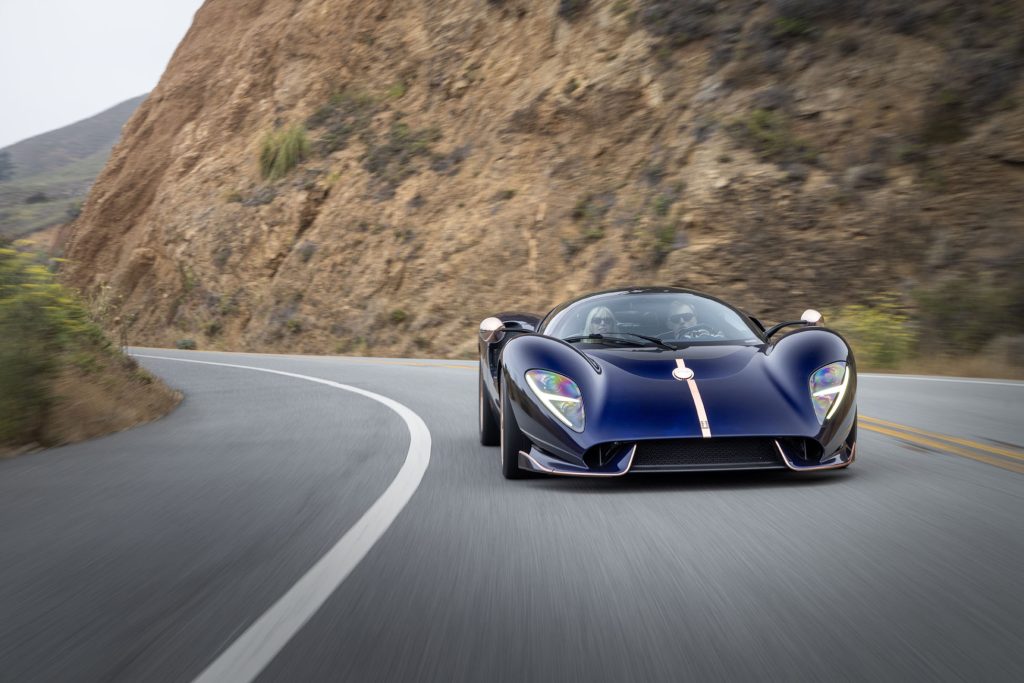
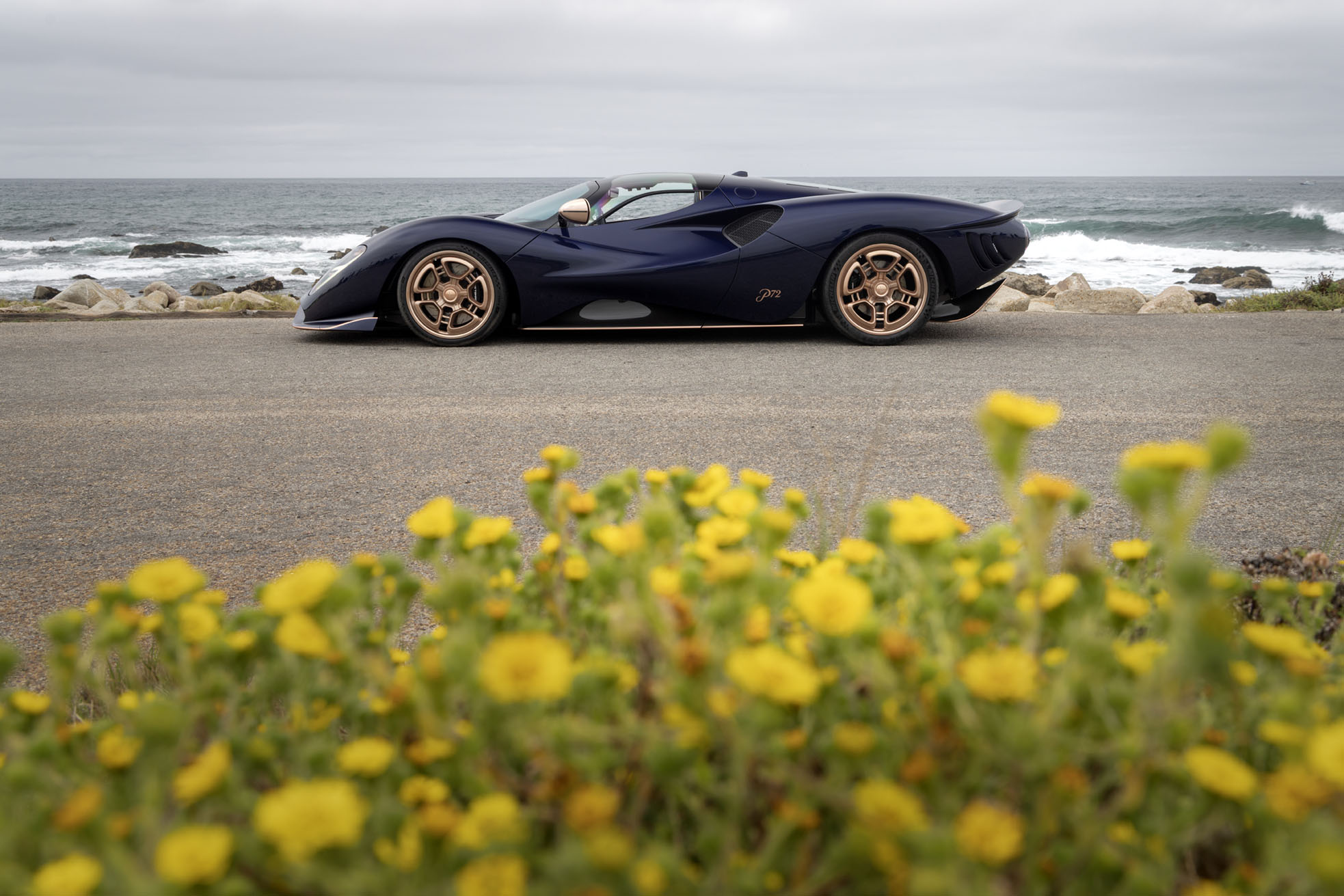
Before the trip to Monterey Car Week 2026, Norman and I got back in touch and talked about the possibility of doing something together during Monterey Car Week. That led to an invitation to a morning photoshoot with the De Tomaso P72 in Big Sur.
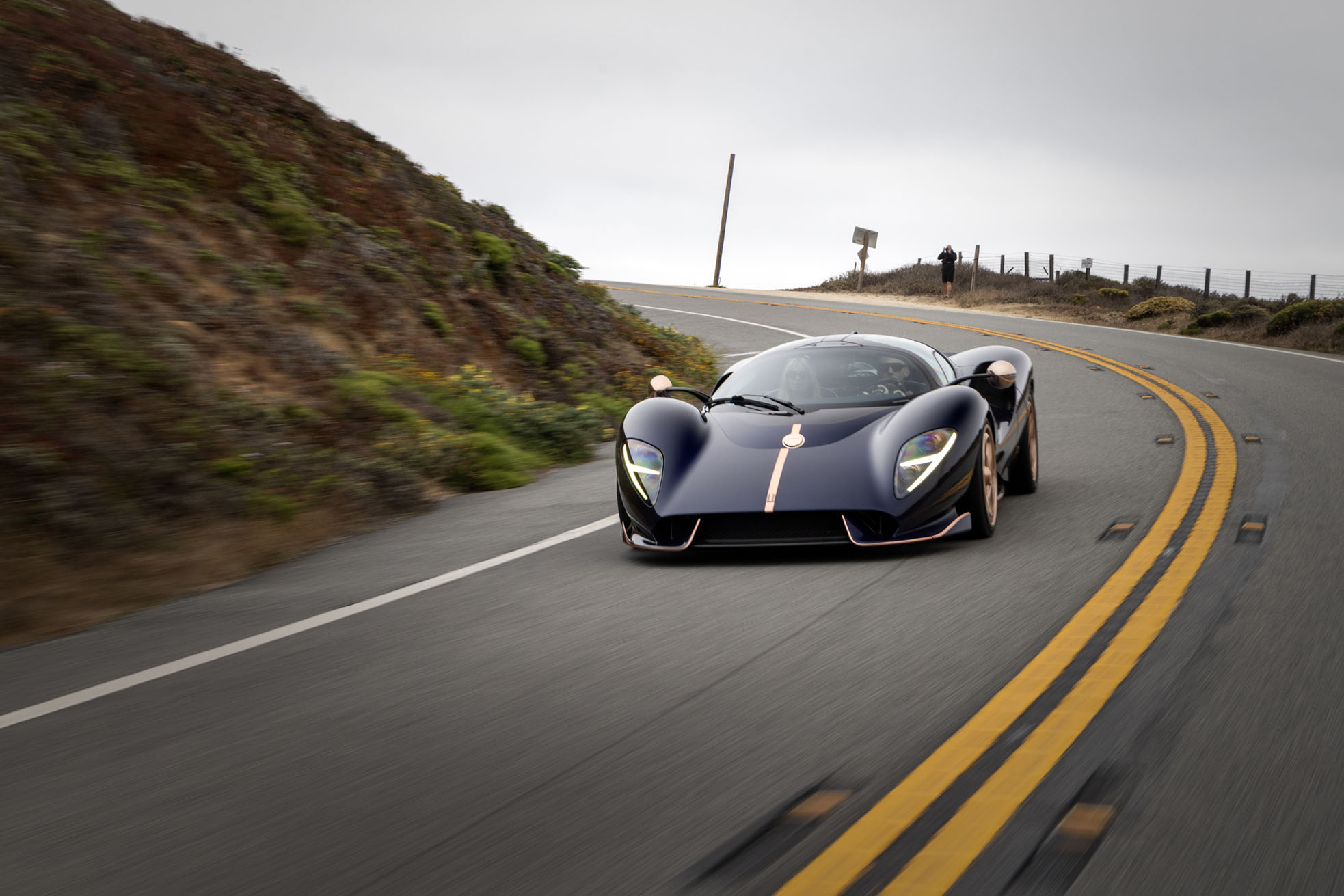
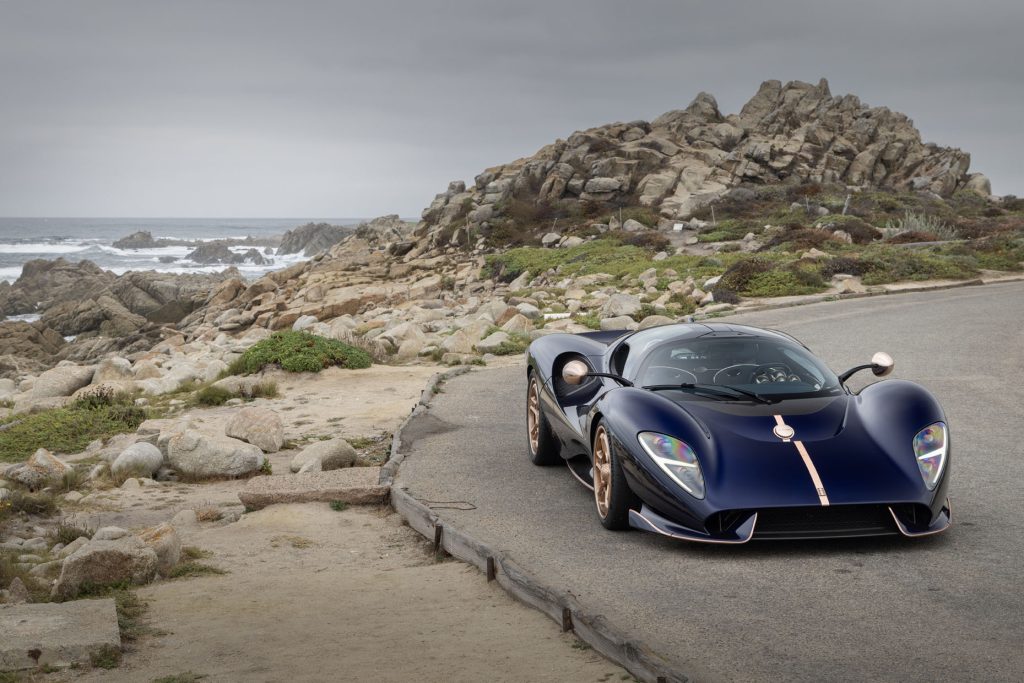
I met the team at a hotel in Monterey early in the morning and then followed them out along the coast. Big Sur almost feels as if it was made for automotive photography, although the classic California sunshine had been replaced by fog that morning. At the same time, that's fairly typical for the area. Mornings can be grey before the skies clear around lunchtime.
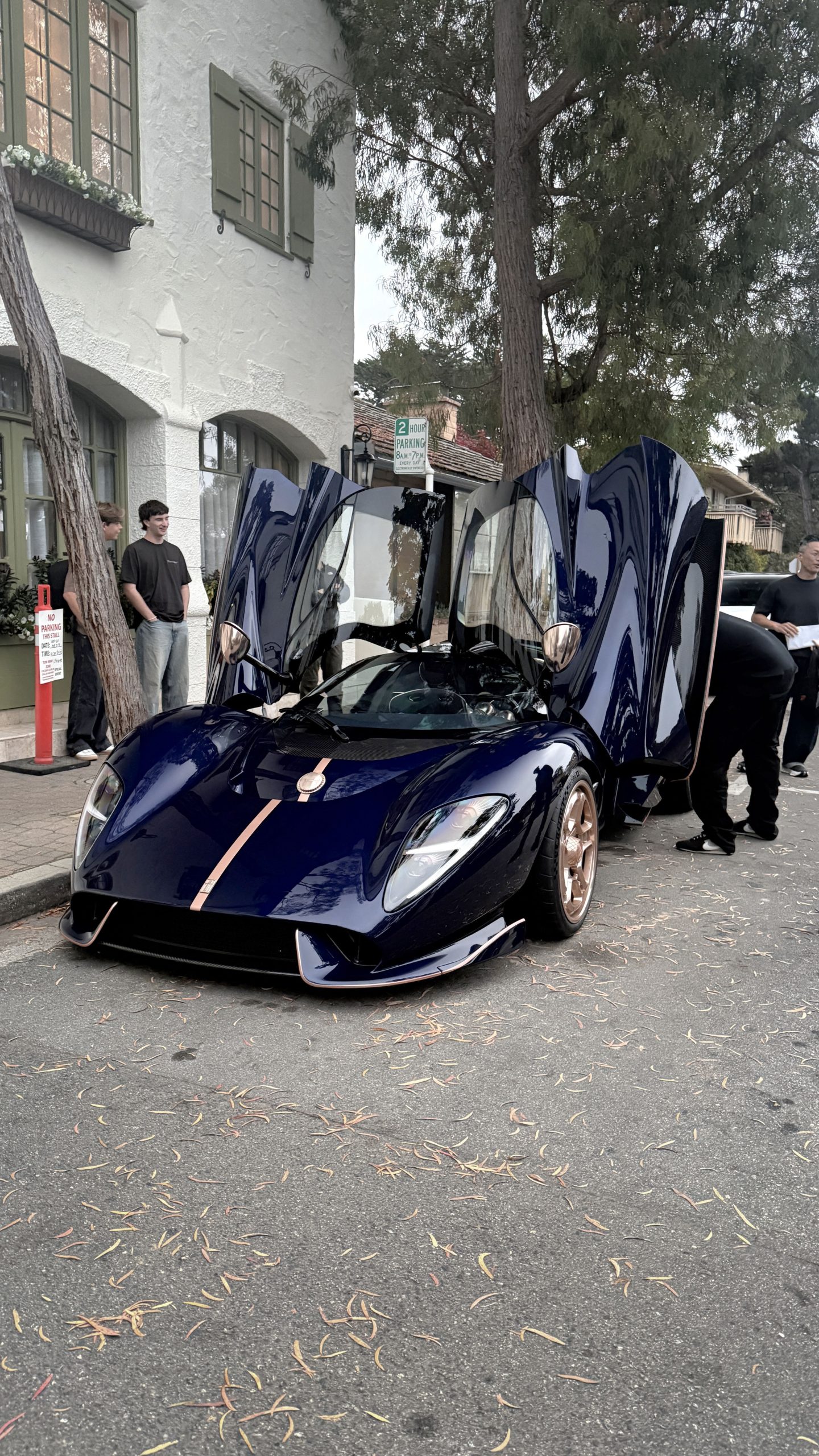
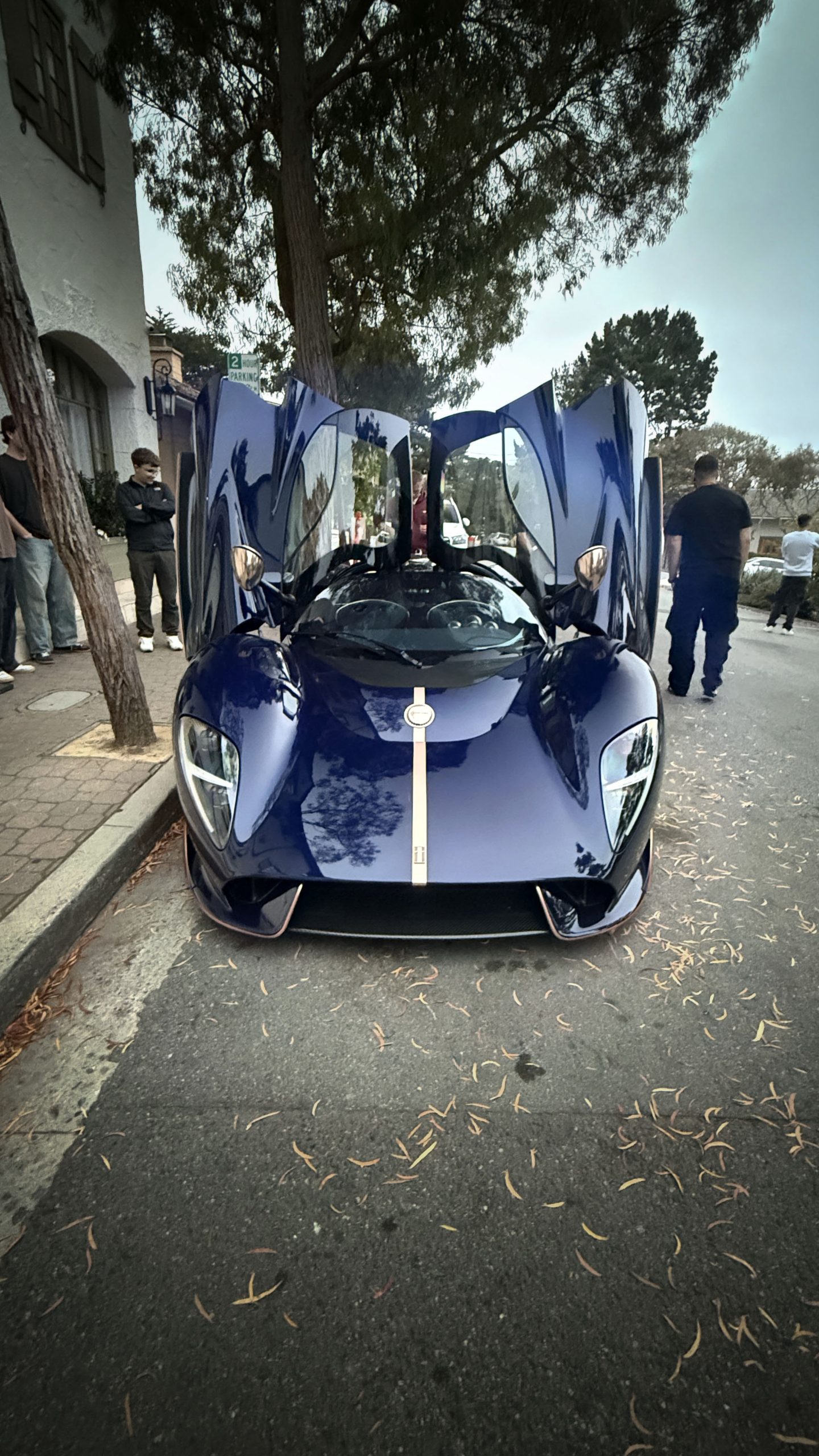
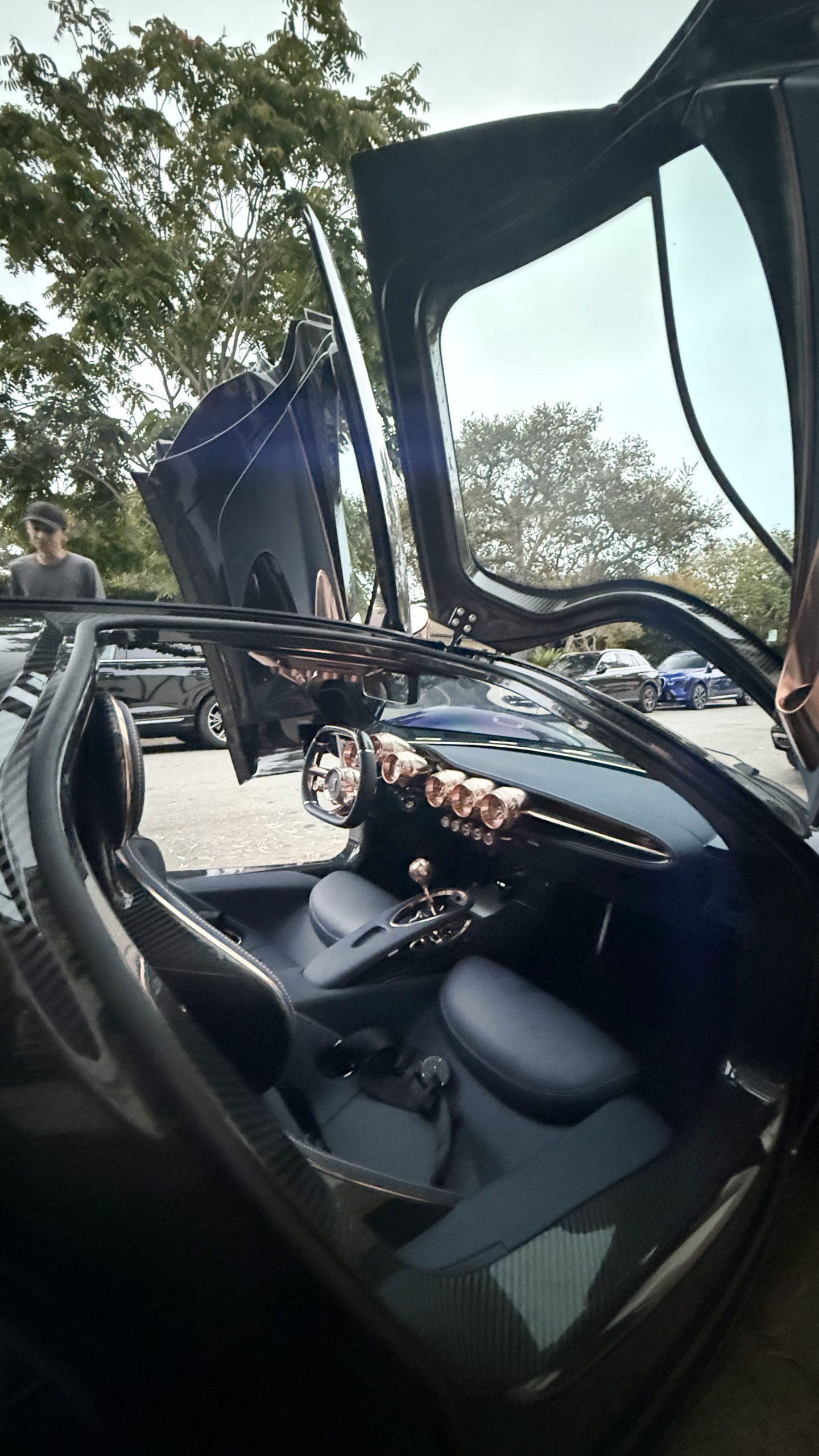
Of course, we weren't the only ones who knew that exotic cars tend to find their way onto the roads of Big Sur during Monterey Car Week. As soon as we stopped, a whole group of young automotive photographers appeared, clearly knowing exactly where to be and when. The P72 was quickly surrounded by cameras.
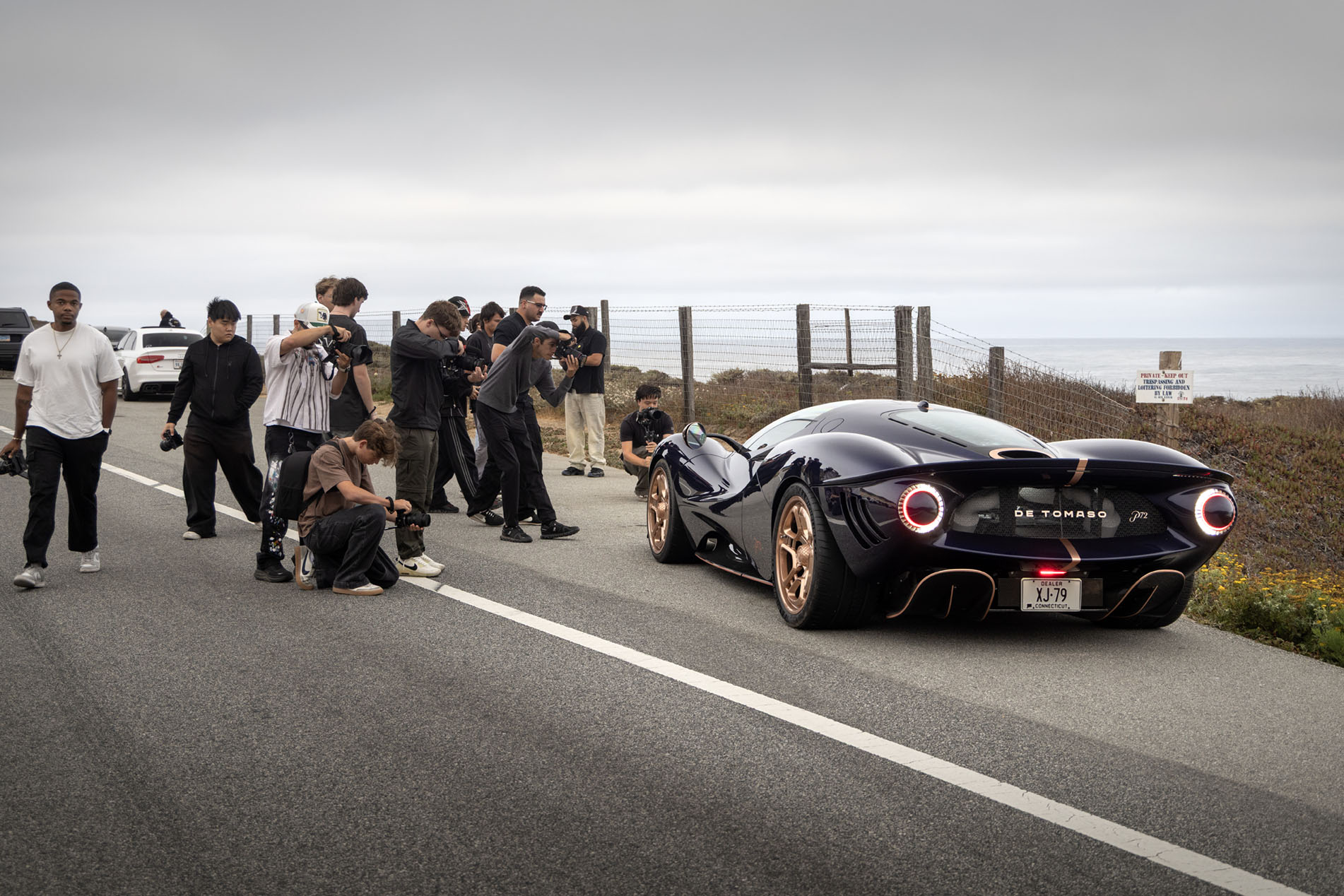
Despite the fog, it turned into a fantastic photoshoot. I also had the opportunity to shoot car-to-car images of the P72 from the bed of a pickup truck, which I shared with another photographer. It gave me exactly the kind of images I had hoped to bring home from Monterey.
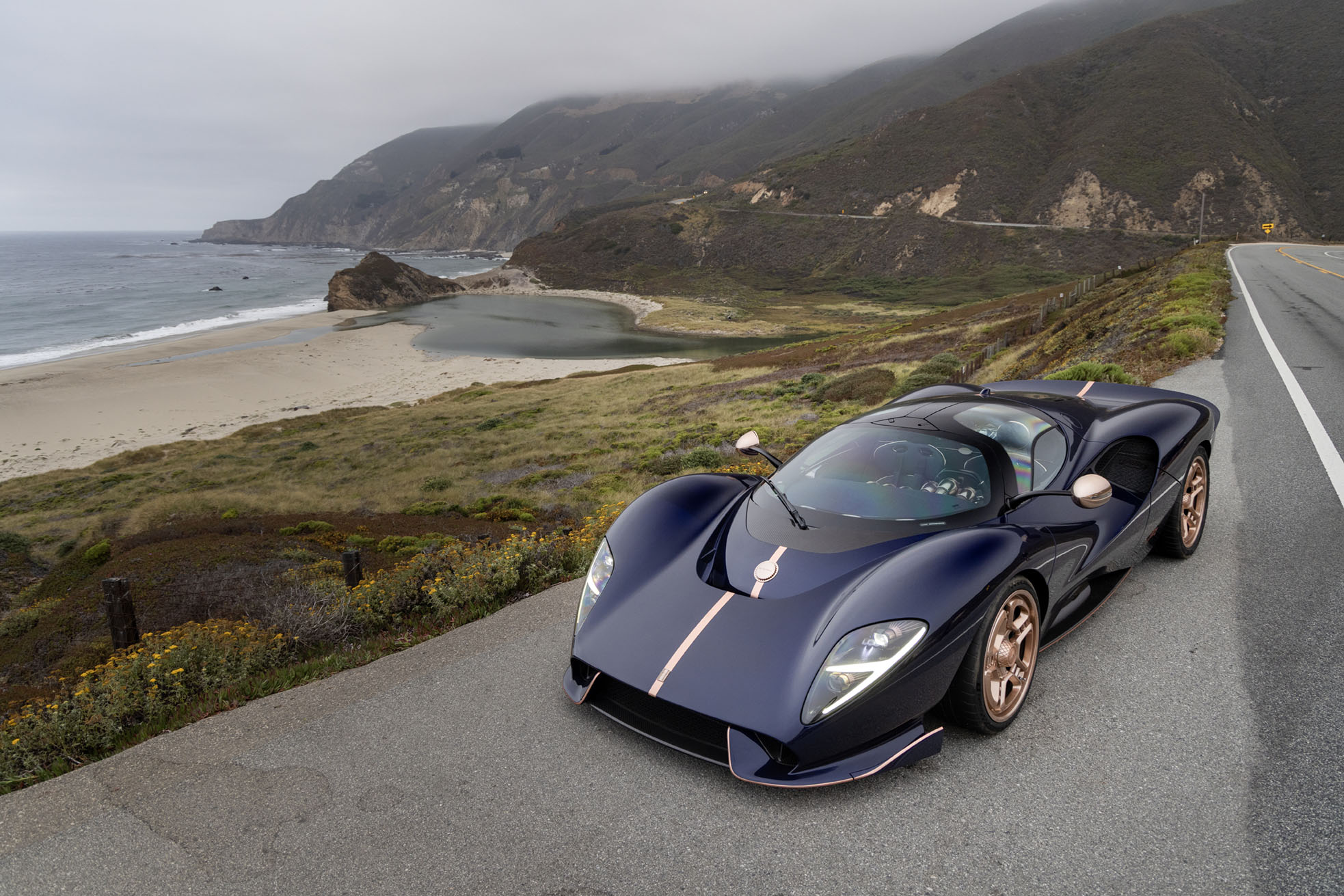
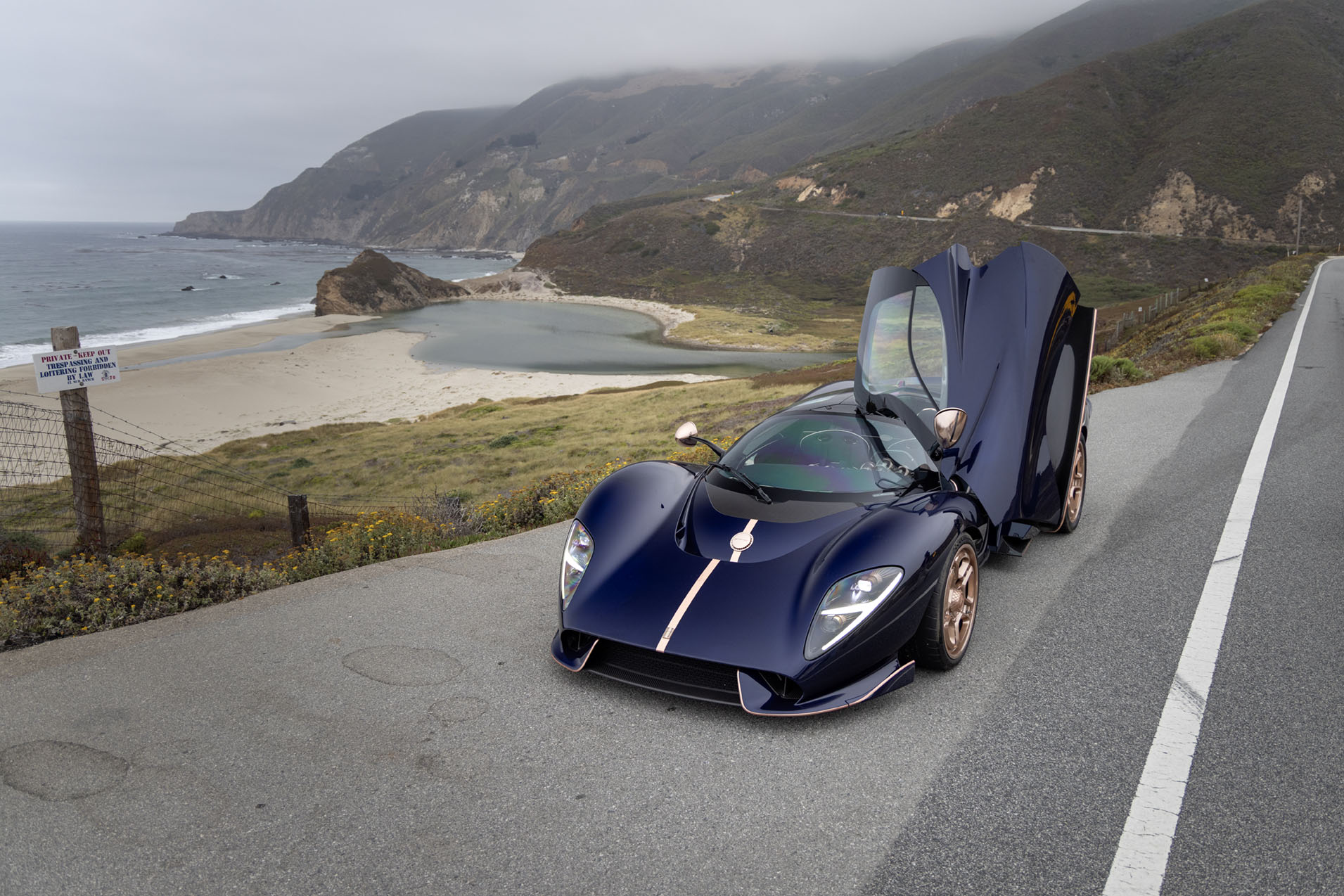
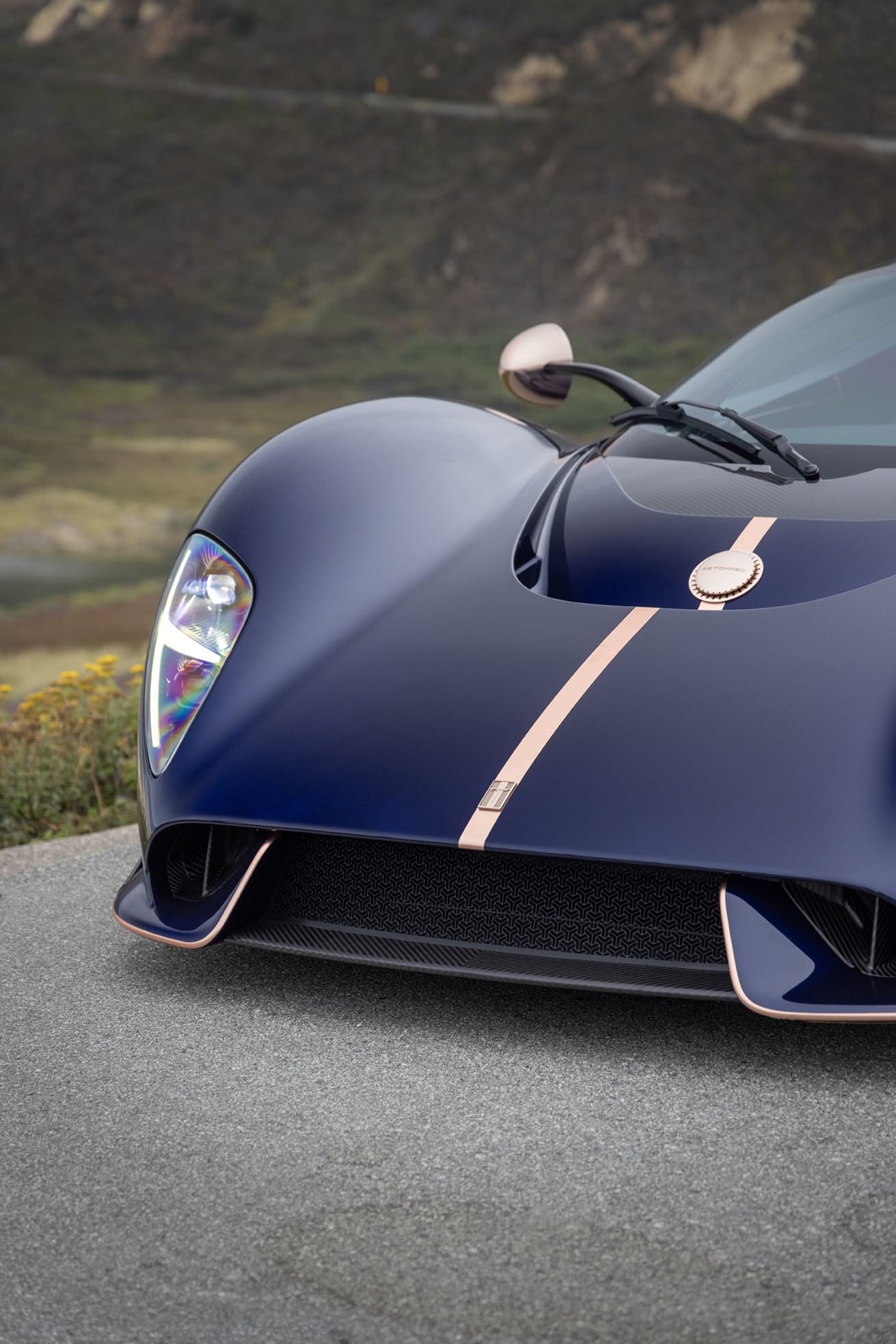
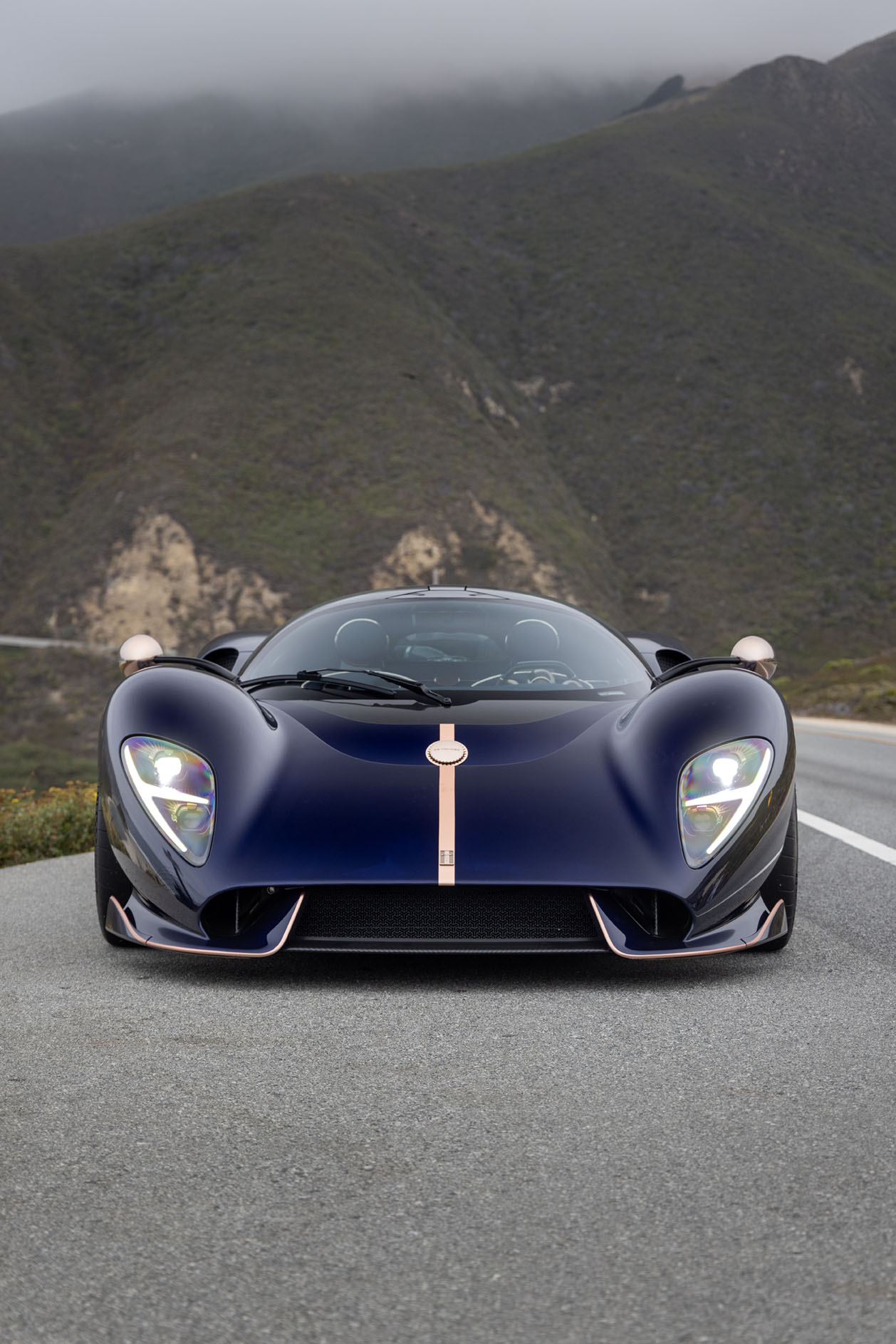
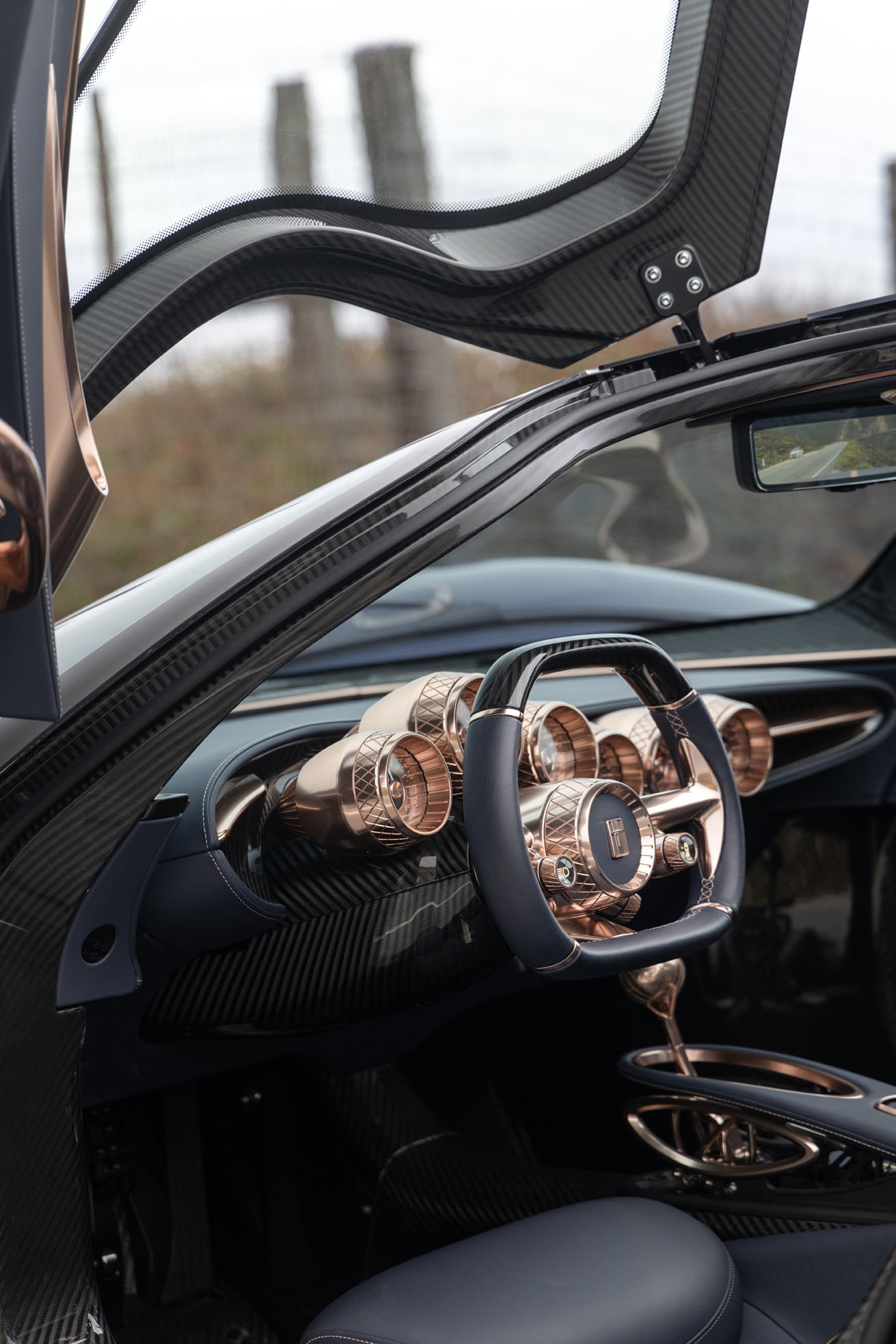
And the car in front of my camera wasn't just any P72. This was a customer car. The De Tomaso P72 is the brand's modern tribute to the P70 of the 1960s and perhaps one of the clearest reactions against today's increasingly digital supercars. Beneath the sculpted bodywork sits a supercharged 5.0-litre V8 producing around 700 horsepower and 820 Nm of torque, paired with a six-speed manual transmission. Production is limited to just 72 individually specified examples.
Getting to spend the morning with a finished customer car on the roads around Big Sur made for a pretty special start to the week.
Gooding Christie’s
After the morning in Big Sur, the day continued with a visit to the Gooding Christie’s car auction. This was yet another of the many independent events during Monterey Car Week, but fortunately things were a little easier here. Unlike several of the other events, it was possible to apply for a media pass directly at the entrance, which I did and was approved.
Monterey Car Week 2026 isn't just about new hypercars and world premieres. At the same time, some of the world's most significant collector cars change hands at the auctions taking place around Monterey, and Gooding Christie’s had assembled an impressive line-up.
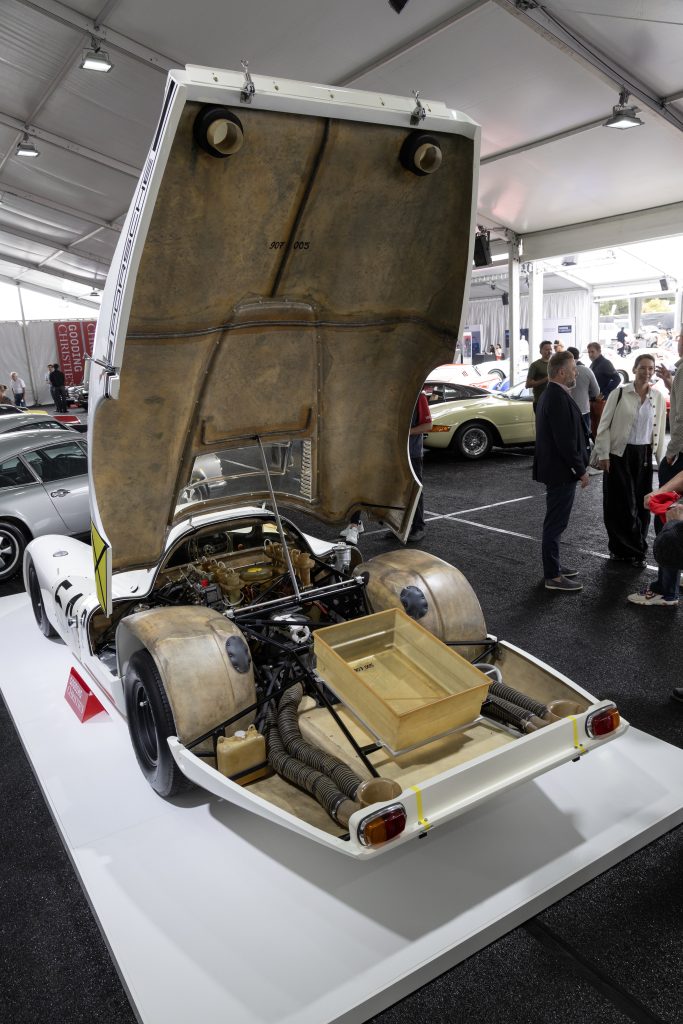
One of the cars that really caught my attention was a Porsche 907 Langheck from 1968, chassis 907-005. The car was one of the auction's headline attractions and has a remarkable racing history. This very car won the 1968 24 Hours of Daytona, giving Porsche its first overall victory in a 24-hour race. Ahead of the auction, its value was estimated at between $4.5 million and $5.5 million. Seeing it with its enormous rear bodywork raised also made it clear just how extreme the design really was.
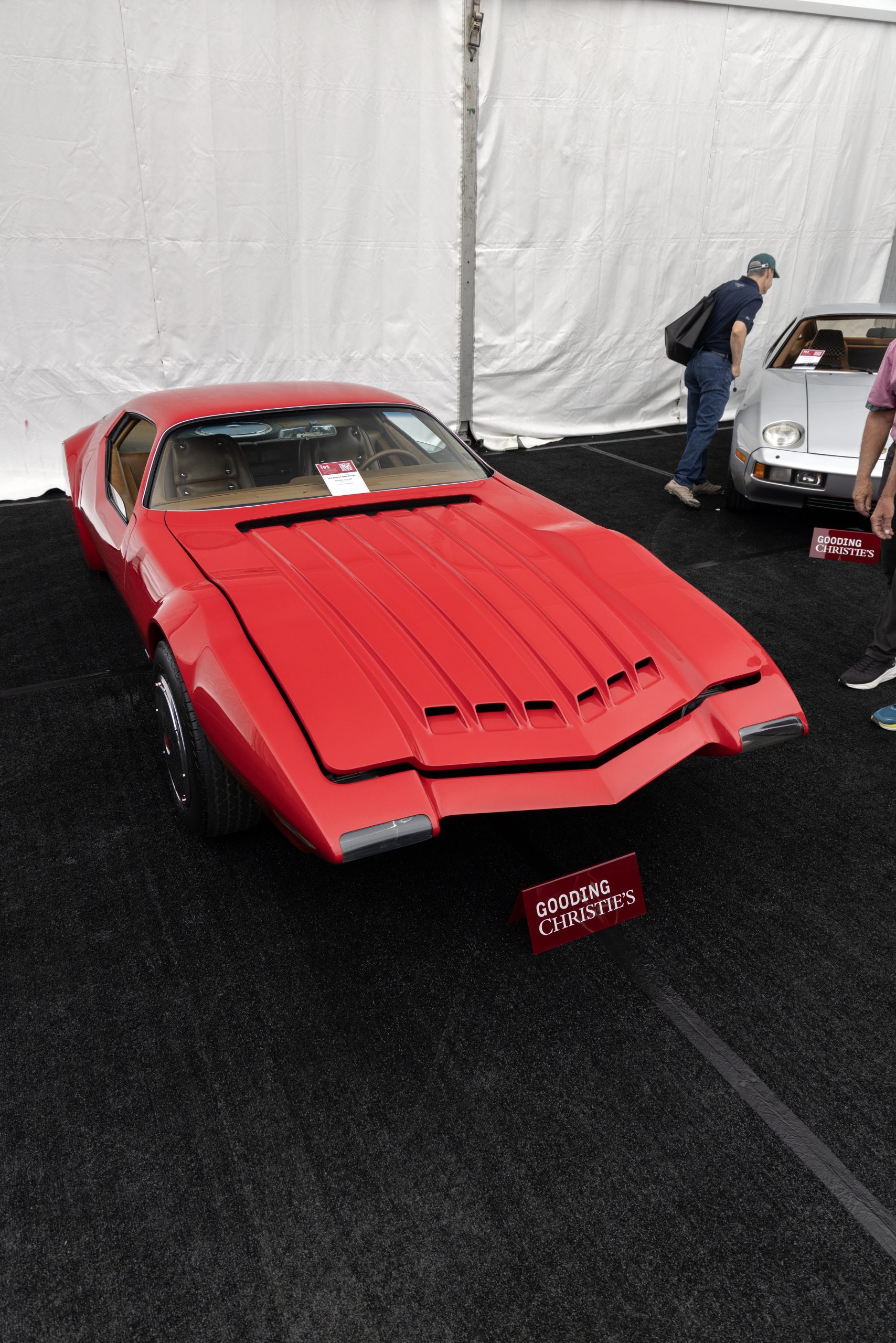
The same exhibition also featured some far more unusual creations. One of the most spectacular was the Pontiac Firebird One from 1970, a futuristic concept car that could hardly be mistaken for an ordinary Firebird. Together, the two cars illustrated the incredible breadth of the auction, from a historic Porsche built to win some of the world's greatest endurance races to American automotive design at its most experimental.
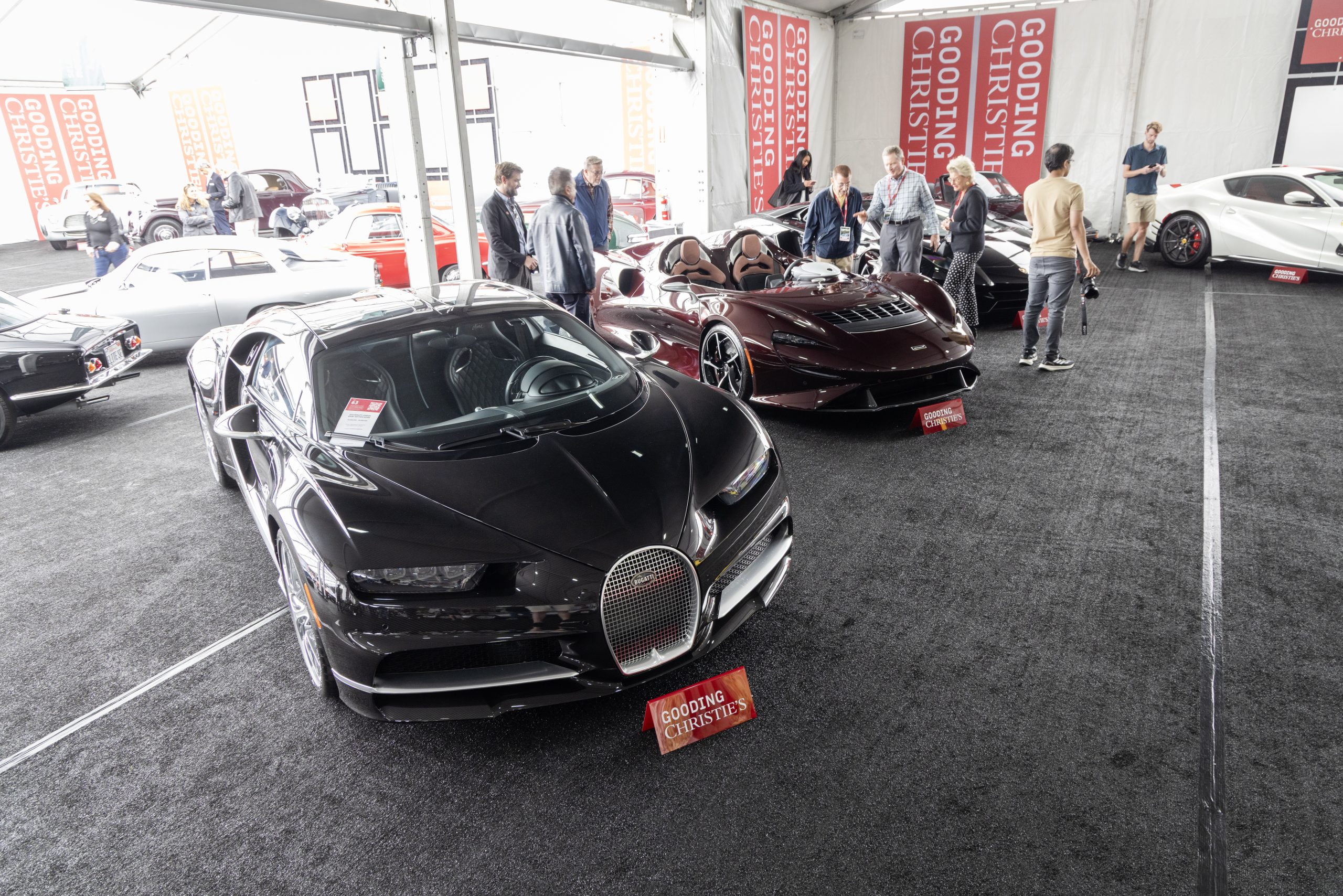
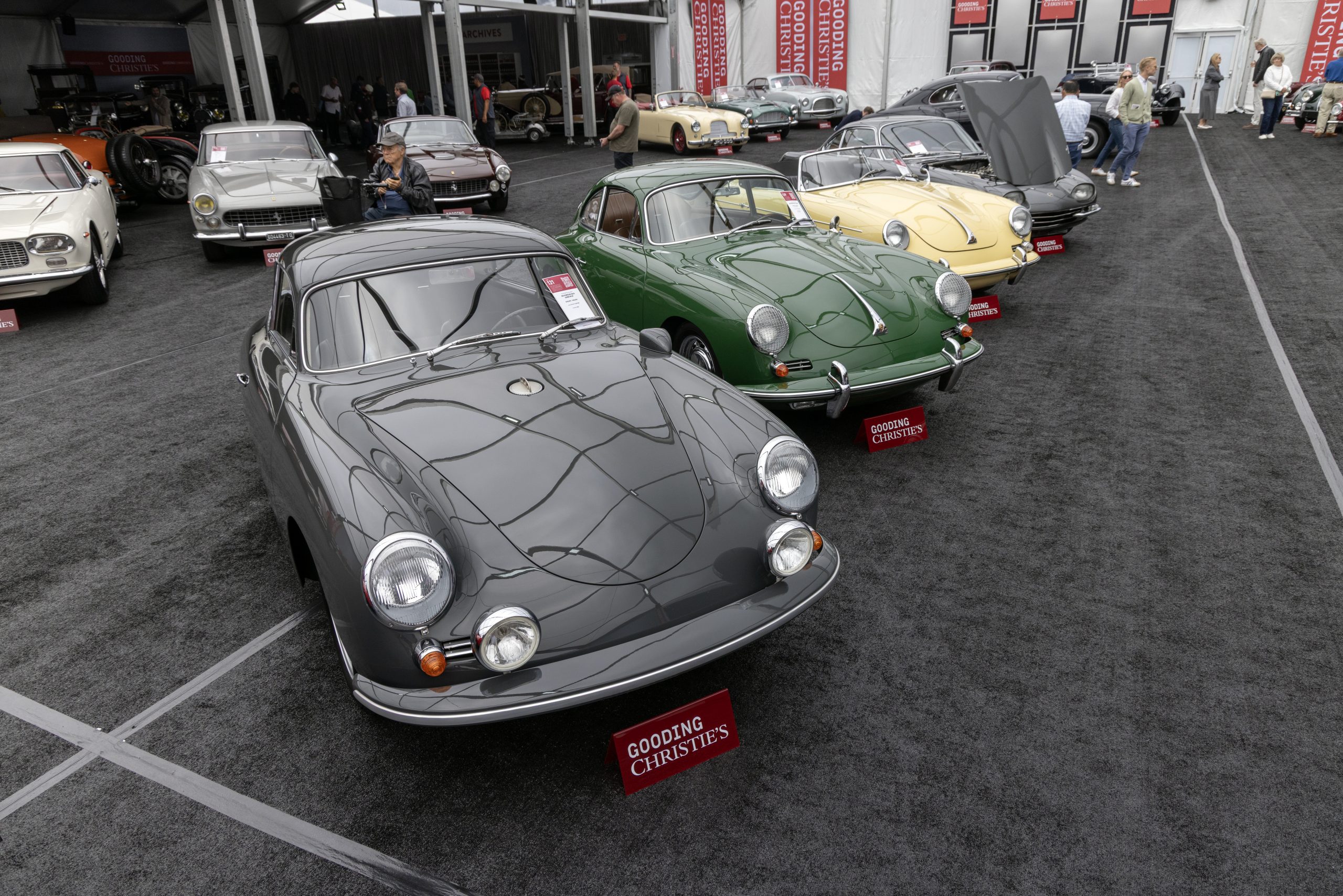
The contrasts between the cars were enormous. On one side were modern collector cars such as a black Bugatti Chiron Sport Edition Noire, one of only 20 produced, alongside a McLaren Elva. Just a few metres away were rows of classic Porsches, including several different versions of the 356, together with other European sports and GT cars from an entirely different era.
It was exactly this kind of mix that made Gooding Christie’s so fascinating. You could literally walk just a few steps and travel several decades through automotive history.
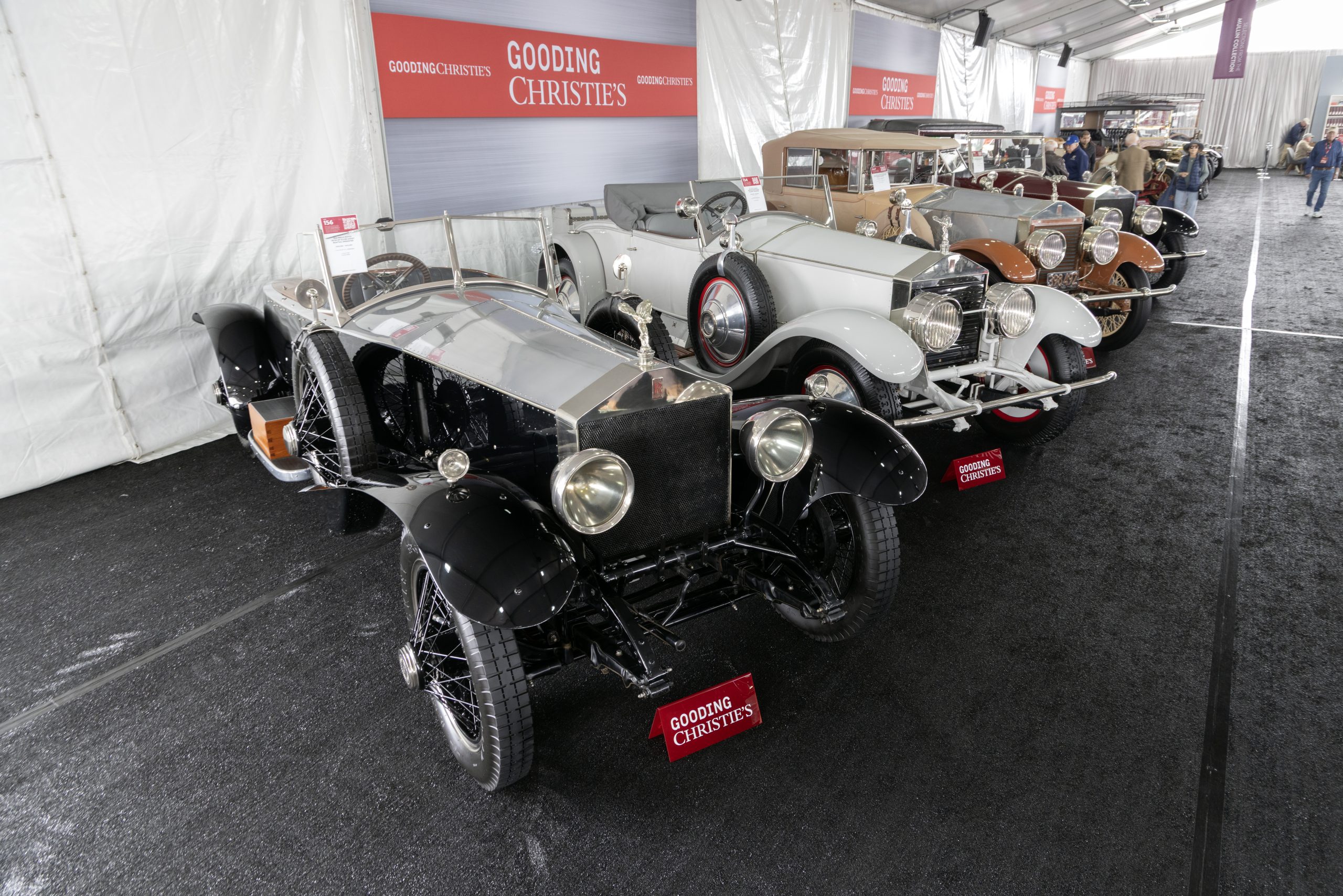
In a completely different chapter of automotive history stood several magnificent Rolls-Royce from the marque's early years, cars from an era when bodies were built by hand and virtually every example could be unique. Just a few steps away, an entirely different kind of exclusivity was waiting.
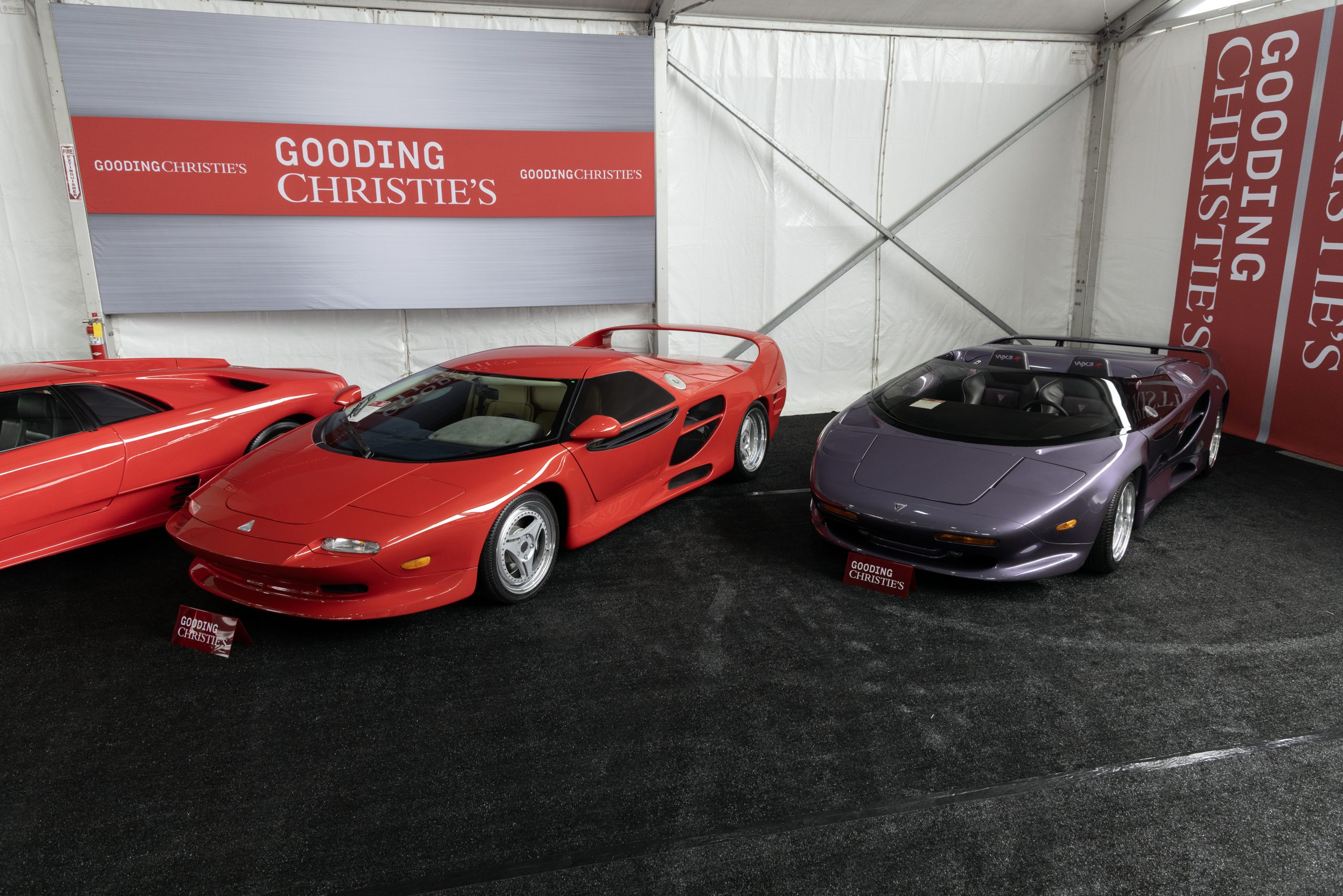
One particularly interesting sight was a pair of extremely rare Vectors. One was the Vector Avtech WX-3 Coupé, the other the open Vector Avtech WX-3R Roadster. Each was built as a single prototype, and the two were displayed together at the 1993 Geneva Motor Show, from an era when Vector was trying to challenge Europe's most exotic supercars with something that looked as though it had come straight from the future.
The Vectors also brought back memories of the original Cars Collection. In one of the earlier issues, Tommy Viking wrote an extensive and beautifully produced article about the American supercar manufacturer, which made it even more special to stand in front of two such unusual examples.
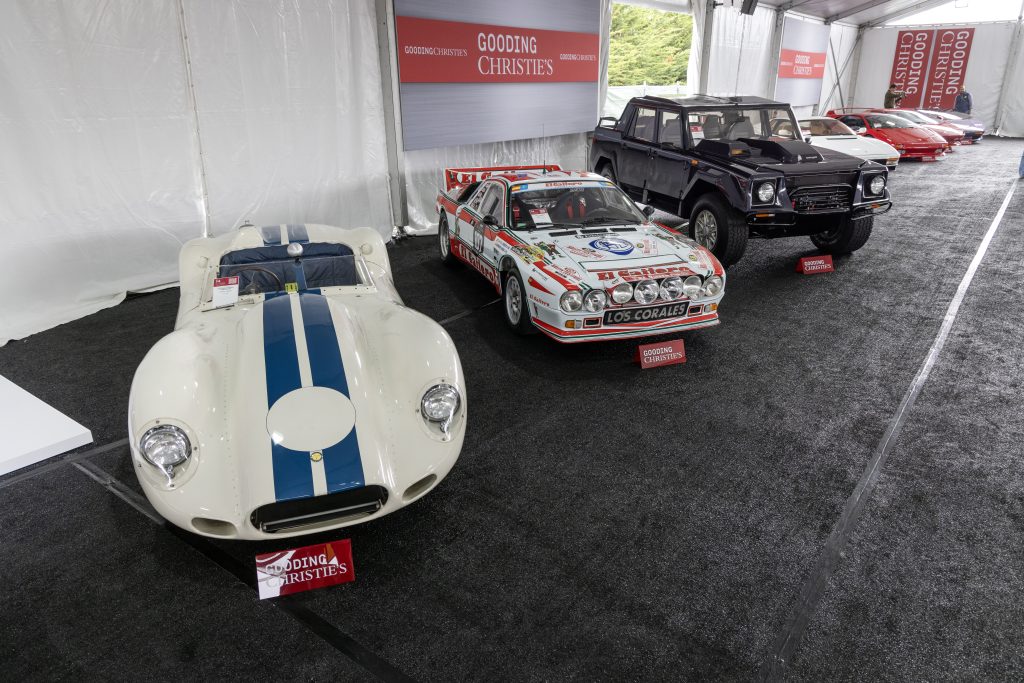
Among the racing cars was also a Chaparral and next to it a Lancia 037 in full rally specification. The 037 became the last rear-wheel-drive car to win the World Rally Championship for manufacturers when Lancia took the title in 1983 during the legendary Group B era. It is also the Lancia 037 that forms the basis for the modern interpretations Kimera Automobili build today
Next to it stood a Lamborghini LM002the model nicknamed the "Rambo Lambo". The LM002 also has a special connection to Cars Collection. I previously wrote an article about the Sultan of Brunei's extraordinary example, which was converted into a unique estate version. You can read the full article about the unique Lamborghini LM002 here.
It was precisely this mix that made Gooding Christie’s one of the highlights of Monterey Car Week. Within just a few metres, you could travel through almost the entire history of the automobile, from the earliest luxury cars to modern hypercars, with some truly significant racing cars in between.
After a few hours among the classics, it was time to return to the present. Or perhaps, more accurately, the future.
A Stop at Brabus
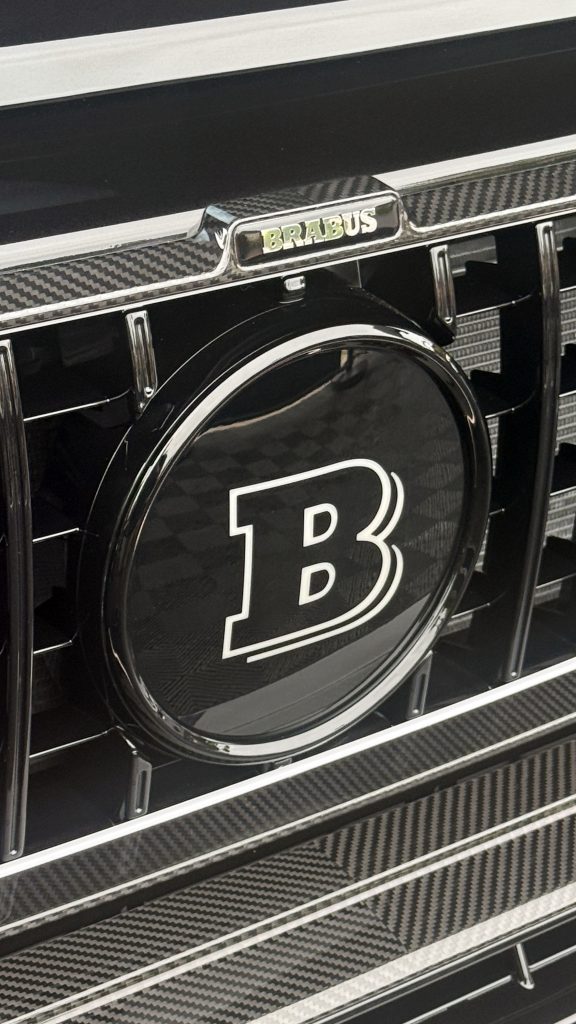
After leaving Gooding Christie’s, I also managed to make a spontaneous stop at Brabus. Right by The Lodge at Pebble Beach, the German manufacturer had set up its own display featuring a number of its more extreme creations.
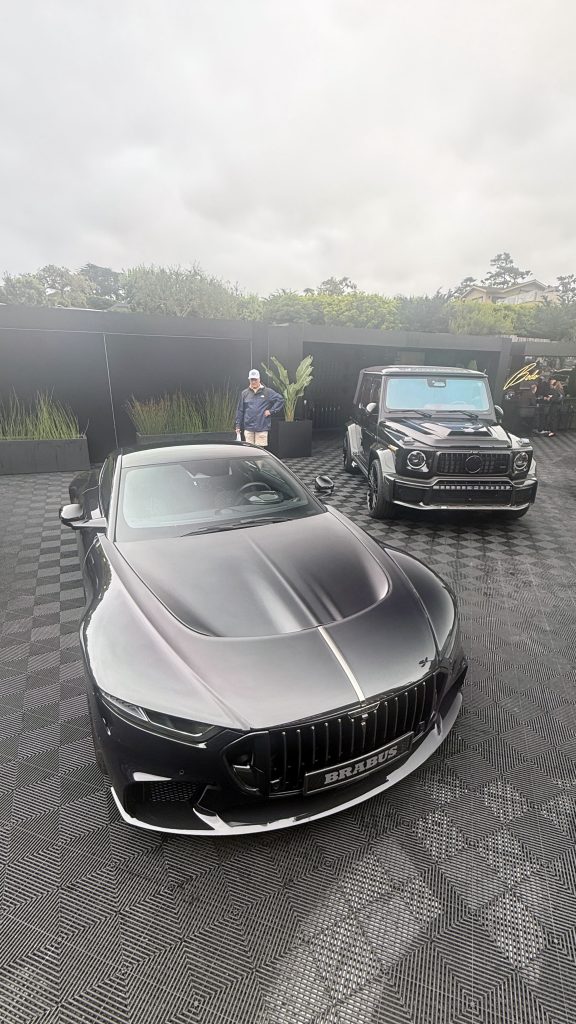
Among them were several heavily modified Mercedes models, alongside a Brabus version of the Lamborghini Urus. As usual with Brabus, it wasn't simply about adding more power. Carbon fibre, bespoke interiors, huge wheels and extensive body modifications meant the cars were almost unrecognisable from the models that had originally left the factory.
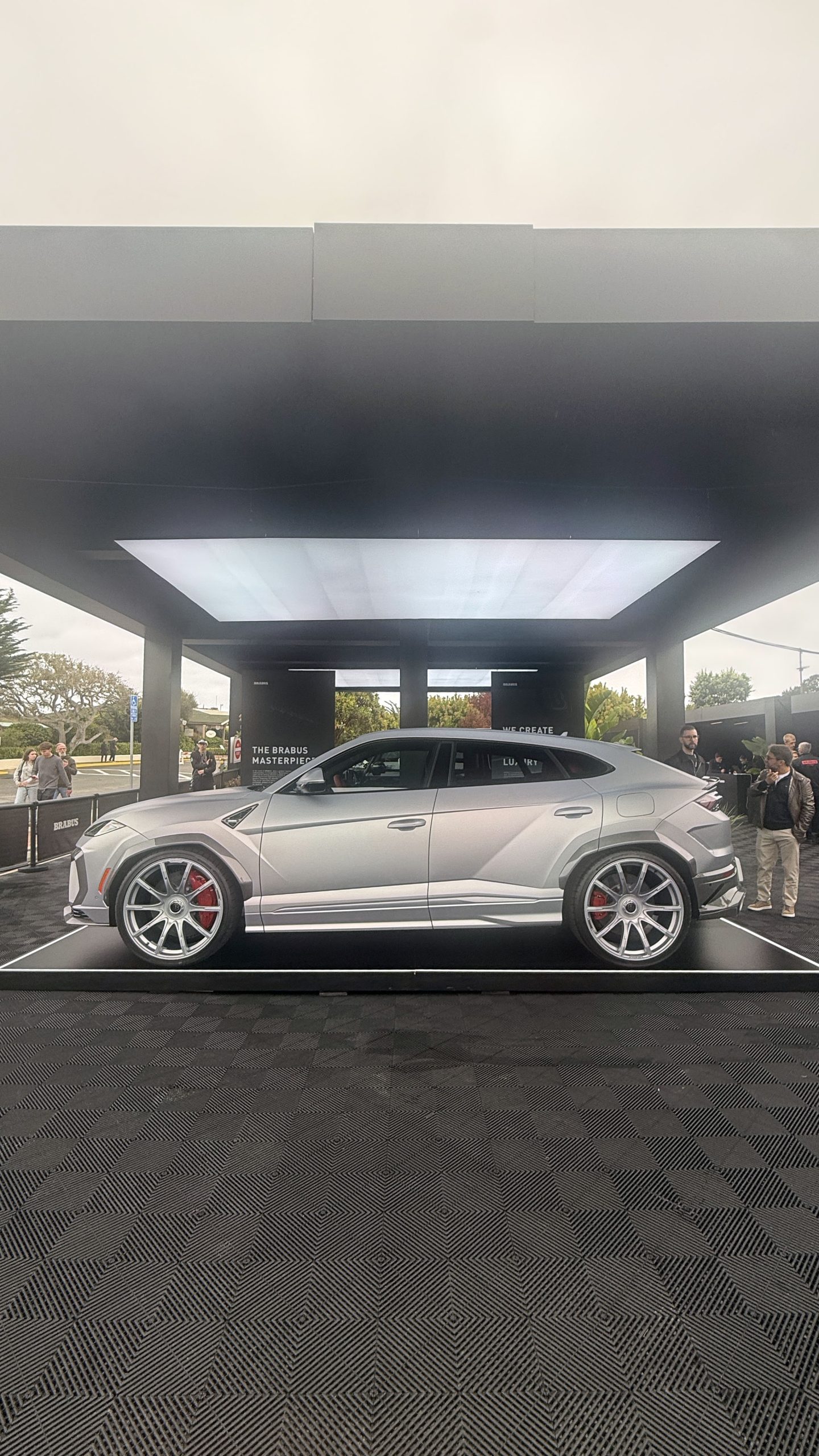
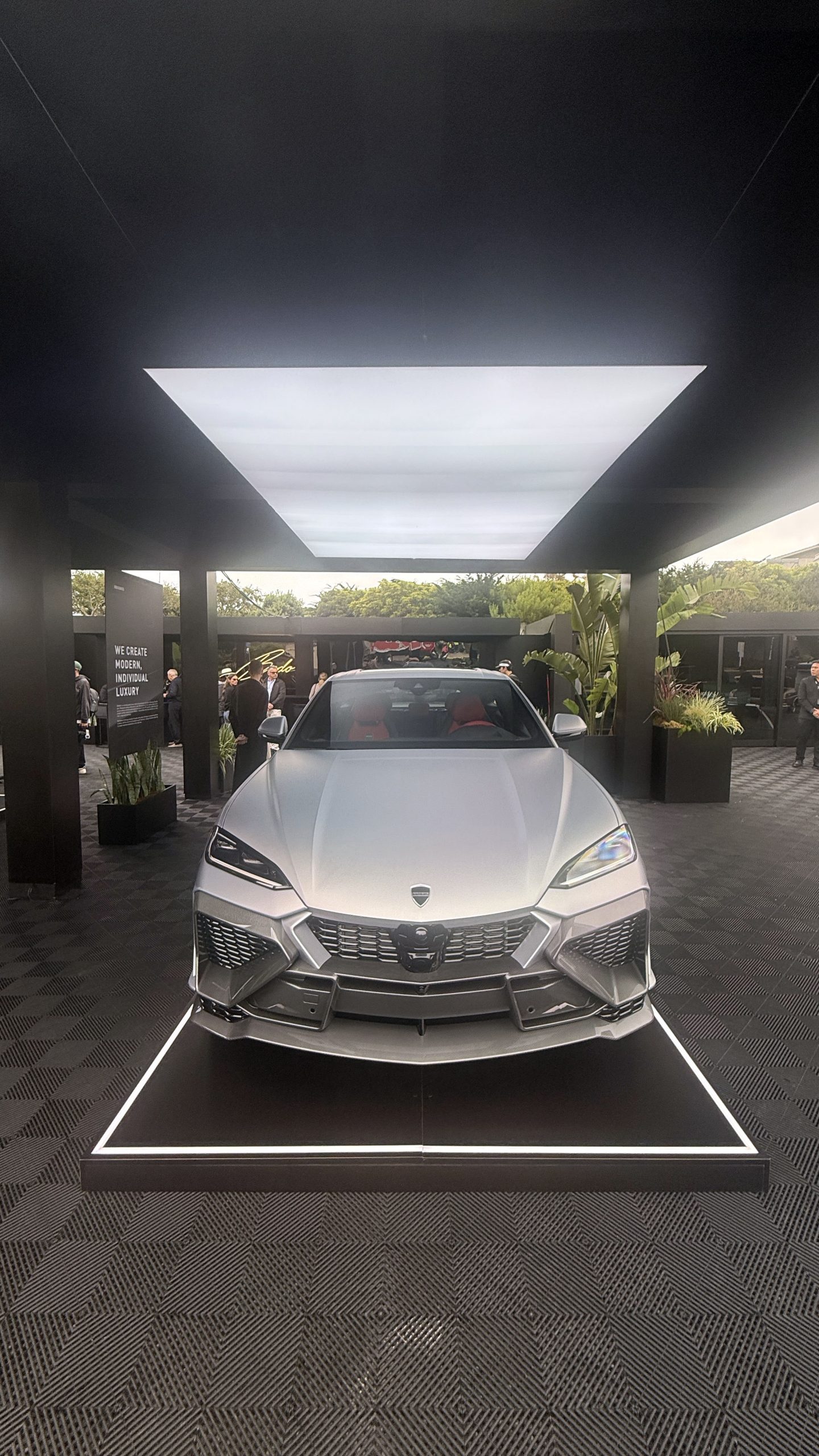
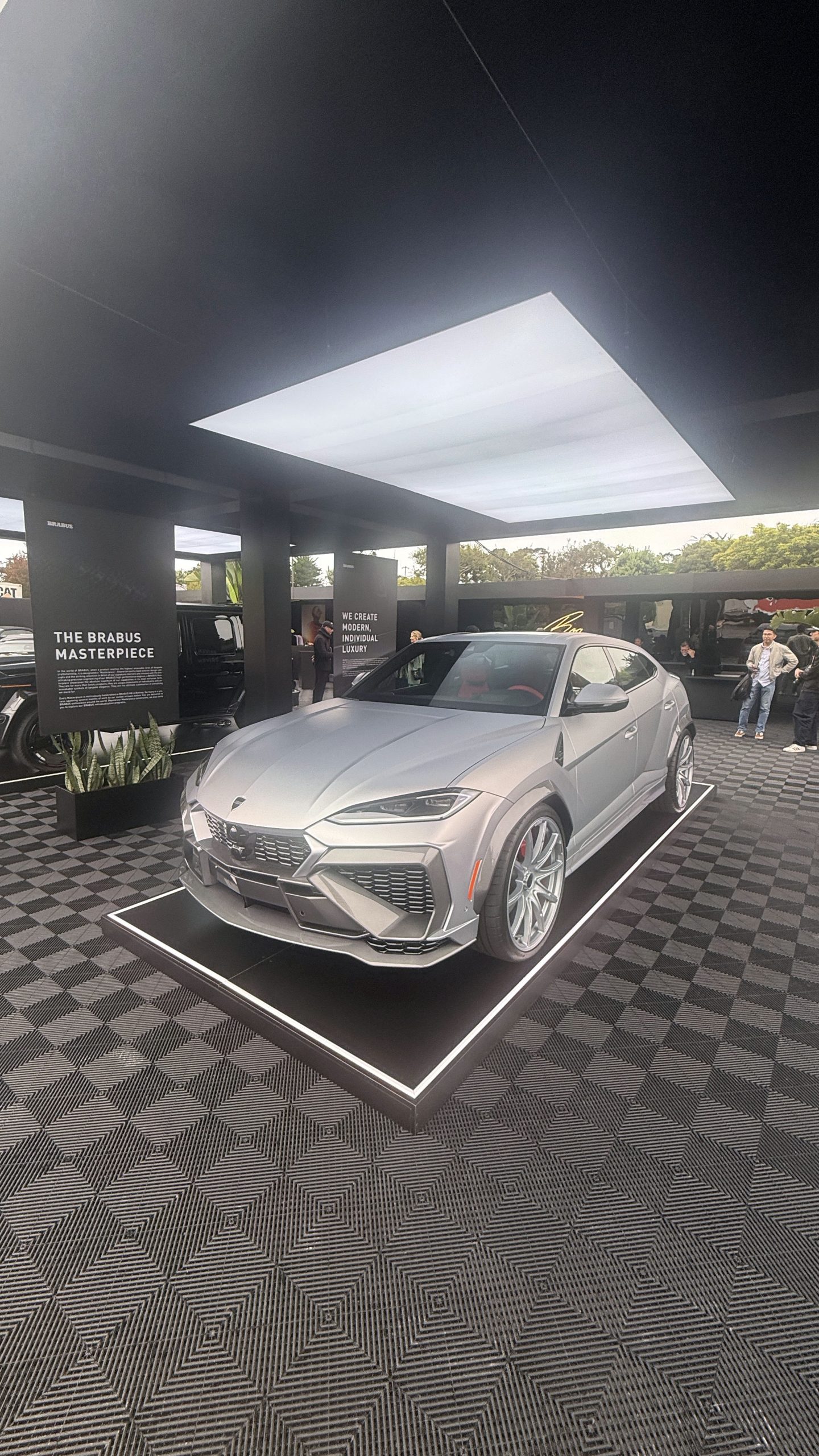
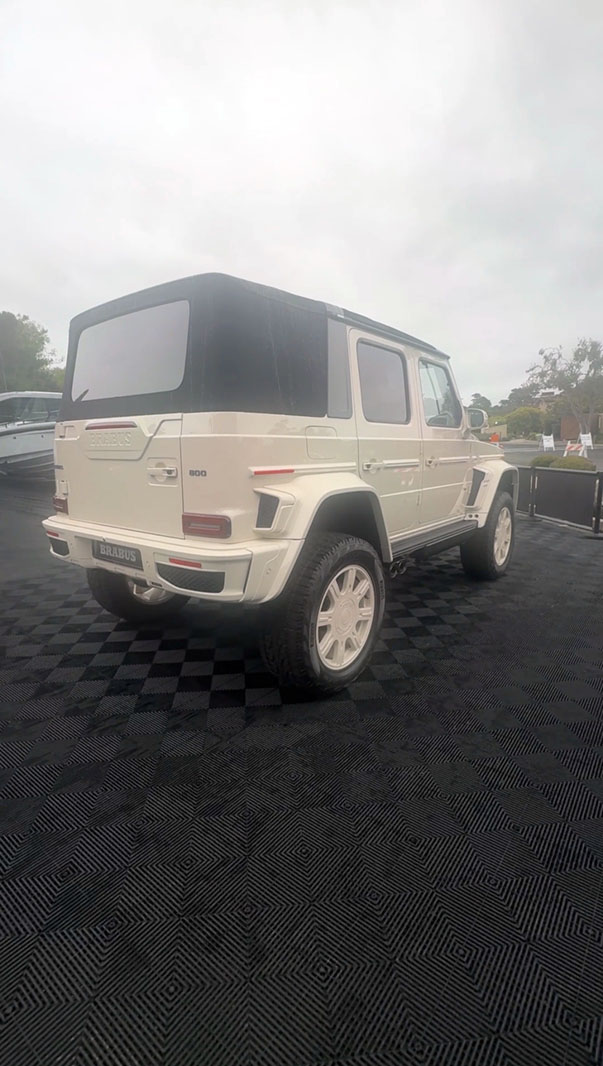
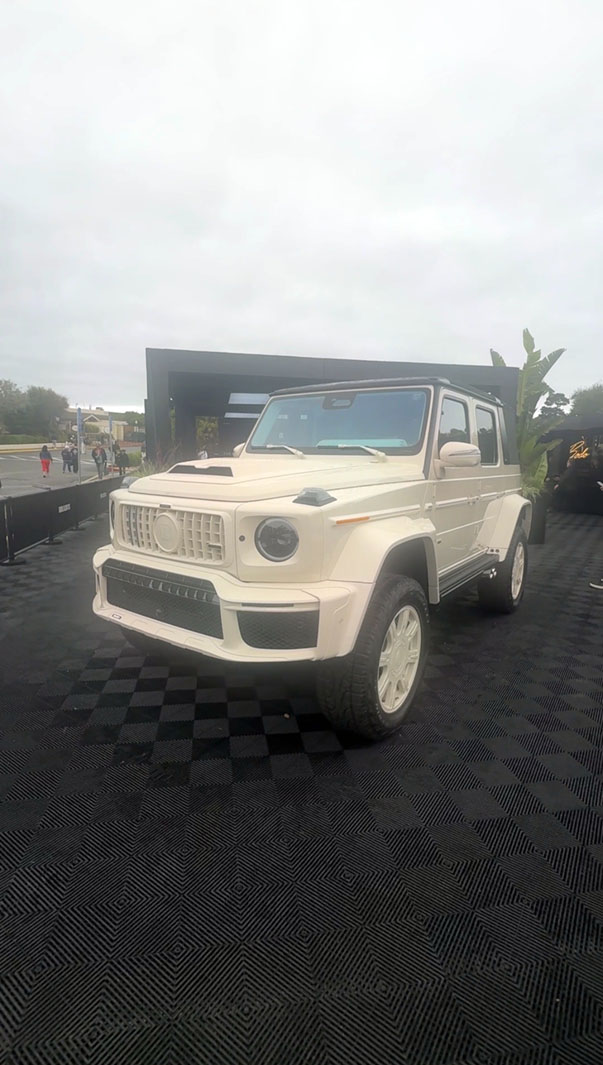
One of the more spectacular cars was a Brabus 800 based on the Mercedes G-Class, significantly raised and looking as though it had been built for considerably tougher environments than the golf courses surrounding Pebble Beach.
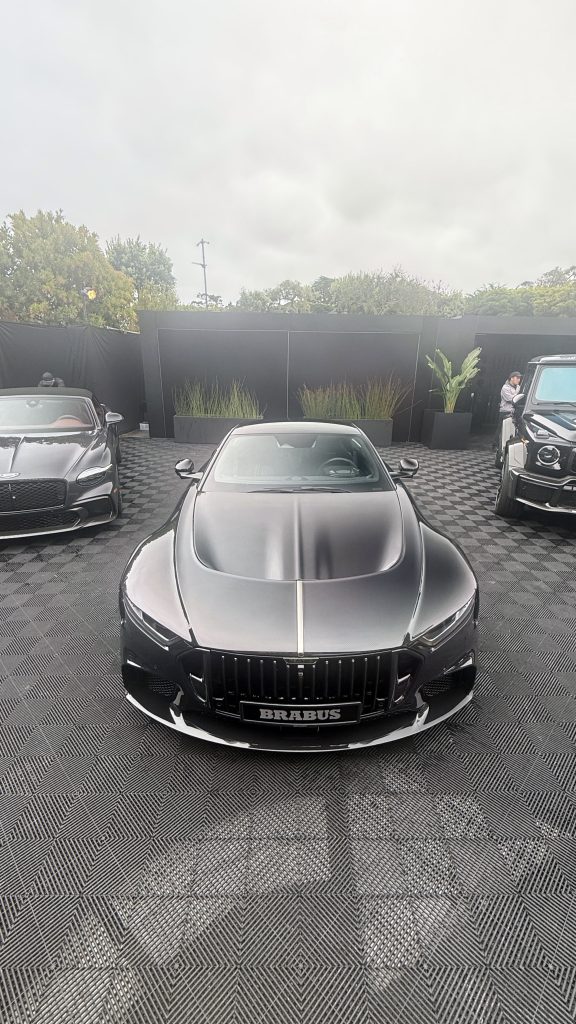
Also on display was the Brabus Bodo, a car I knew well. I had photographed the coupé version earlier in the summer at Aurora in Sweden together with Brabus CEO Constantin BuschmannThe model is named after his father, Brabus founder Bodo Buschmann.
For Monterey Car Week, Brabus had also brought along the new open-top version, the Bodo Cabriolet. I would have reason to return to that car later in the week, when I photographed it at The Quail.
It wasn't a long visit, but it was yet another example of what makes Monterey Car Week 2026 so special. Even between the major events, new displays and cars constantly appear, offering the chance to see things you rarely encounter anywhere else.
In the home of Zenvo
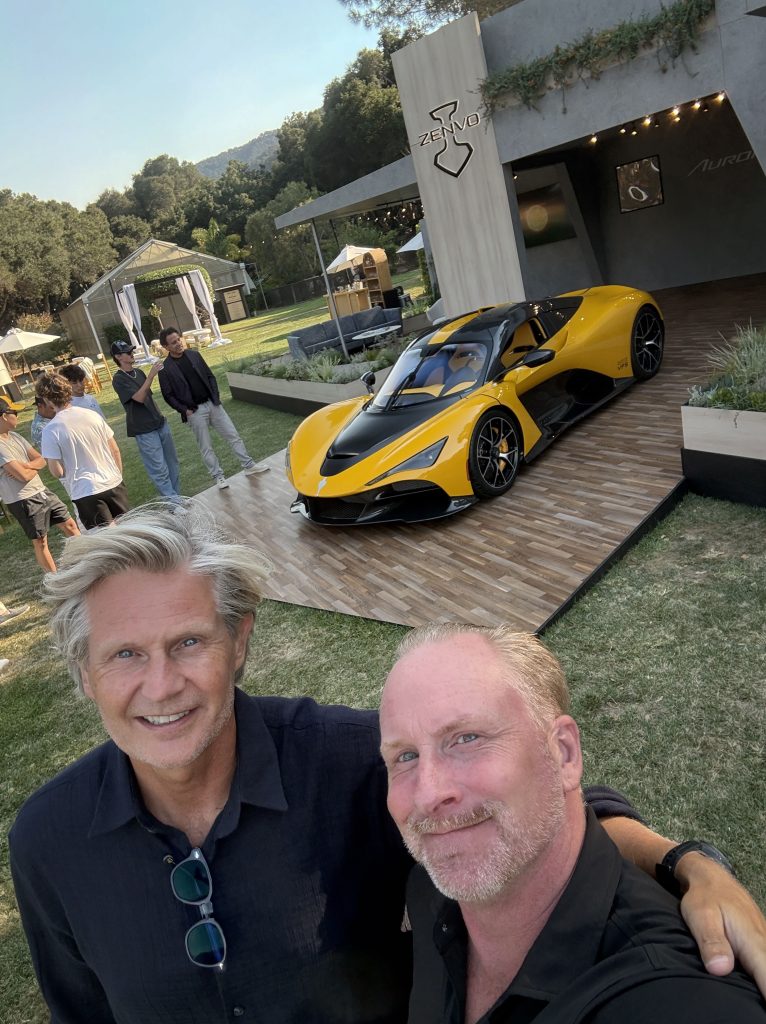
The next invitation came from someone I know much better, Jens Sverdrup. When I told Jens about my bad luck with accreditation for several of the events during Monterey Car Week, he immediately invited me to Zenvo's house.
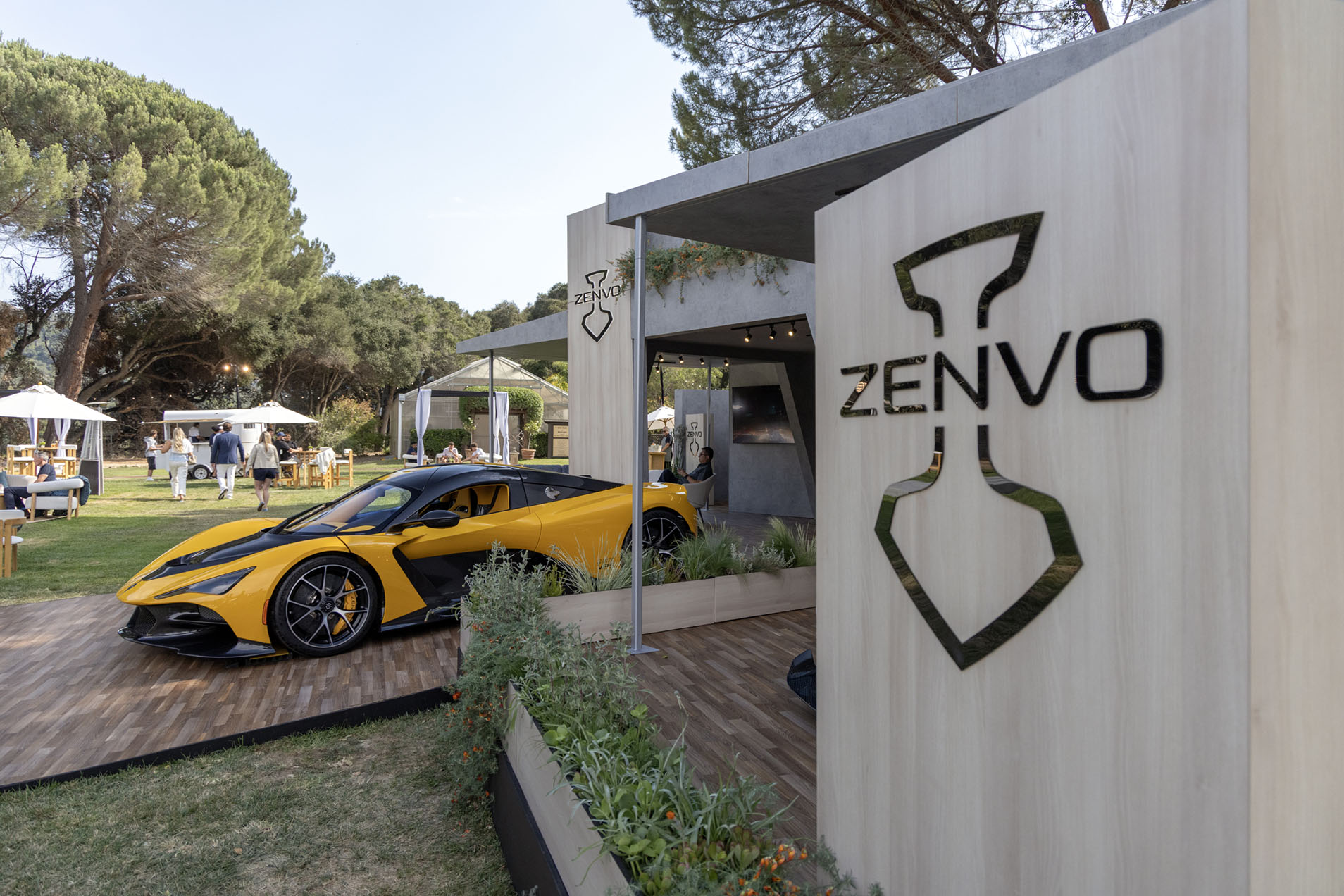
Jens and I go back a long way in the automotive world, and today he is Executive Chairman of Danish manufacturer Zenvo Automotive. During Monterey Car Week, Zenvo, like several other exclusive manufacturers, had its own house where customers, media and other invited guests could get much closer to both the cars and the people behind them.
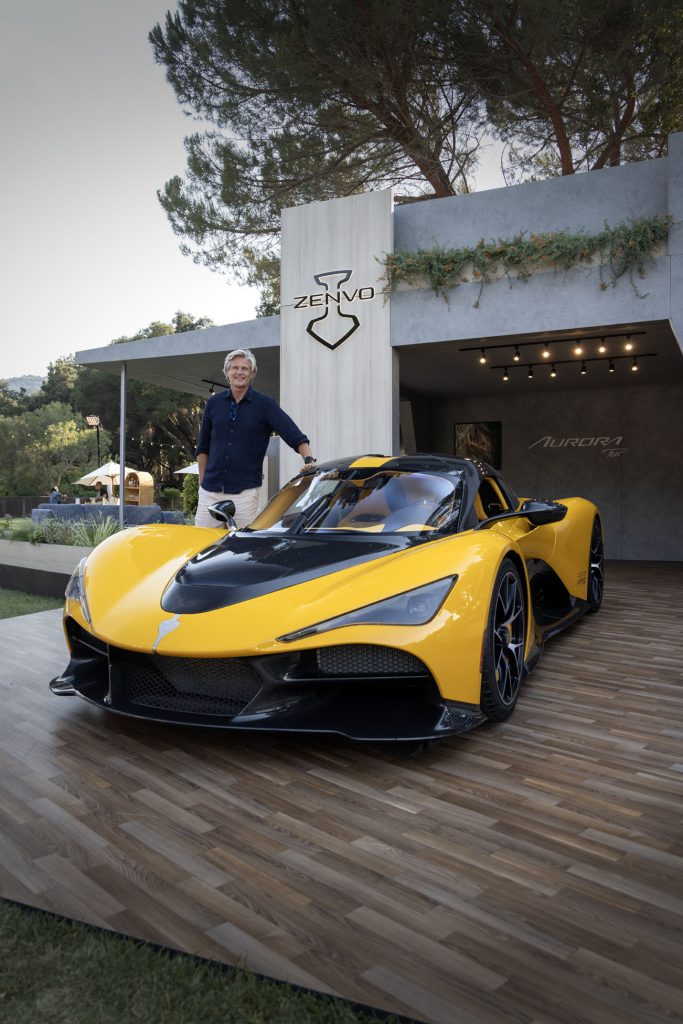
I went there in the afternoon and had the opportunity to photograph the Zenvo Aurora. Both the Tur and the sportier Agil were on display, but I chose to focus on the yellow-orange Tur version, which I thought looked fantastic in photos.
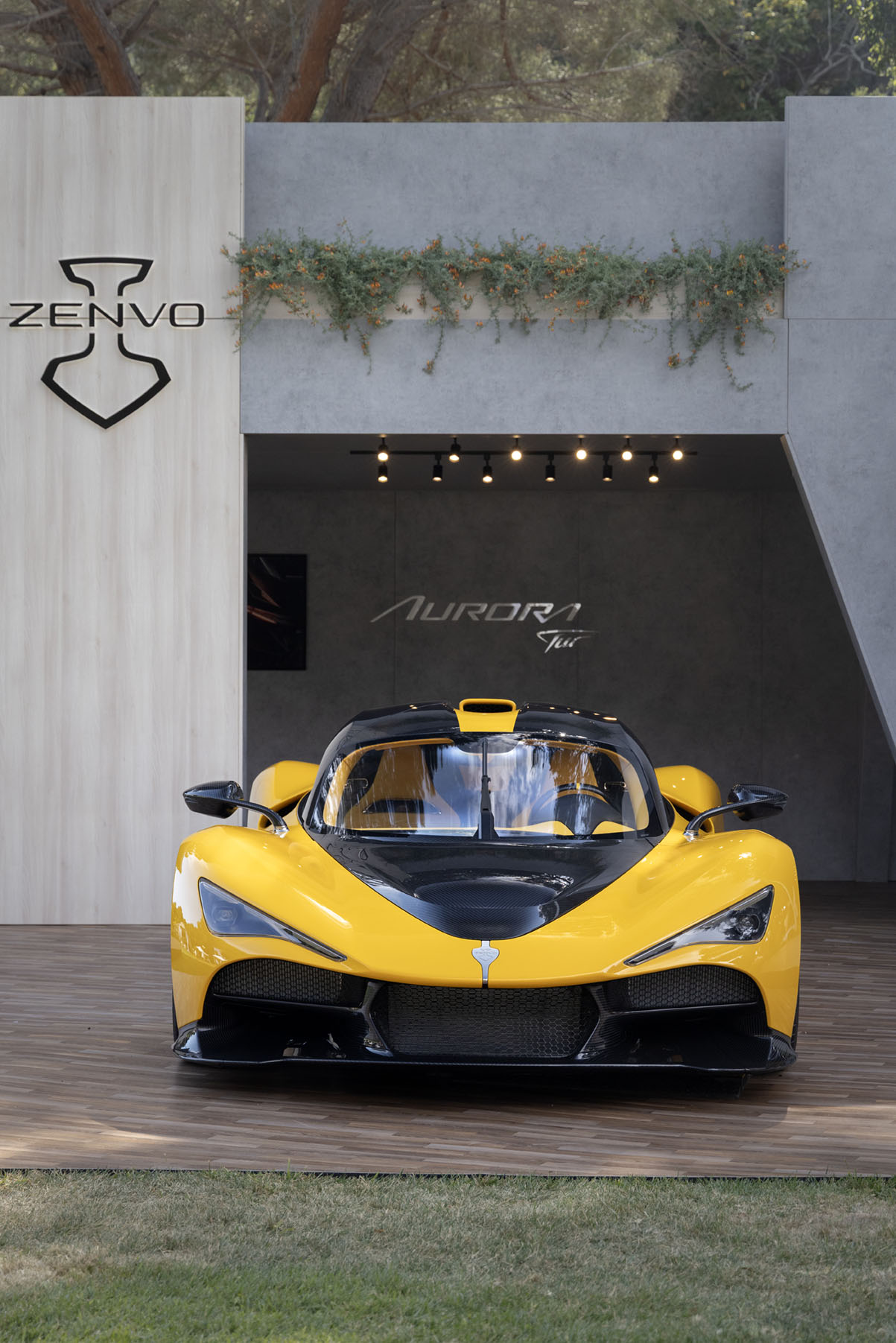
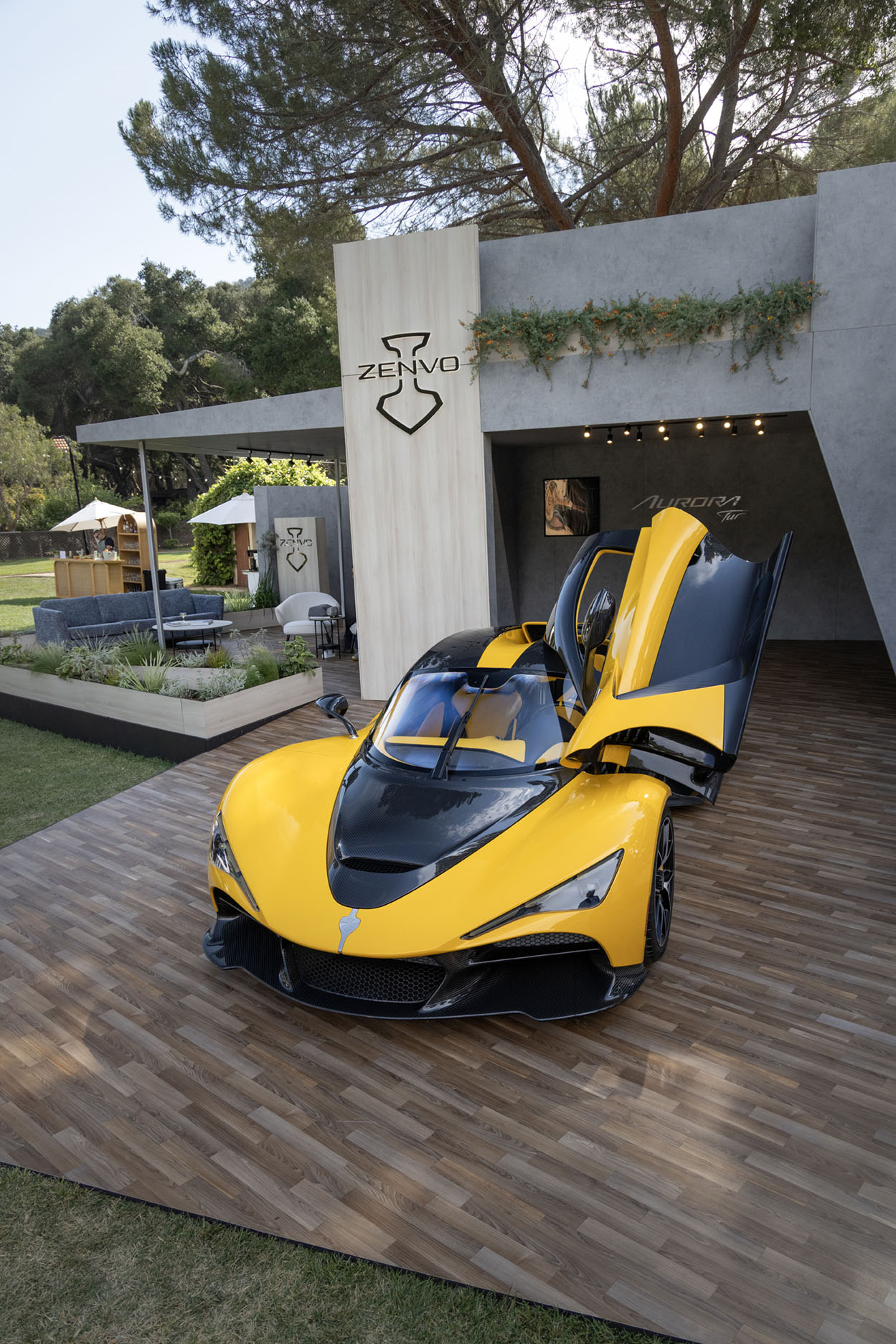
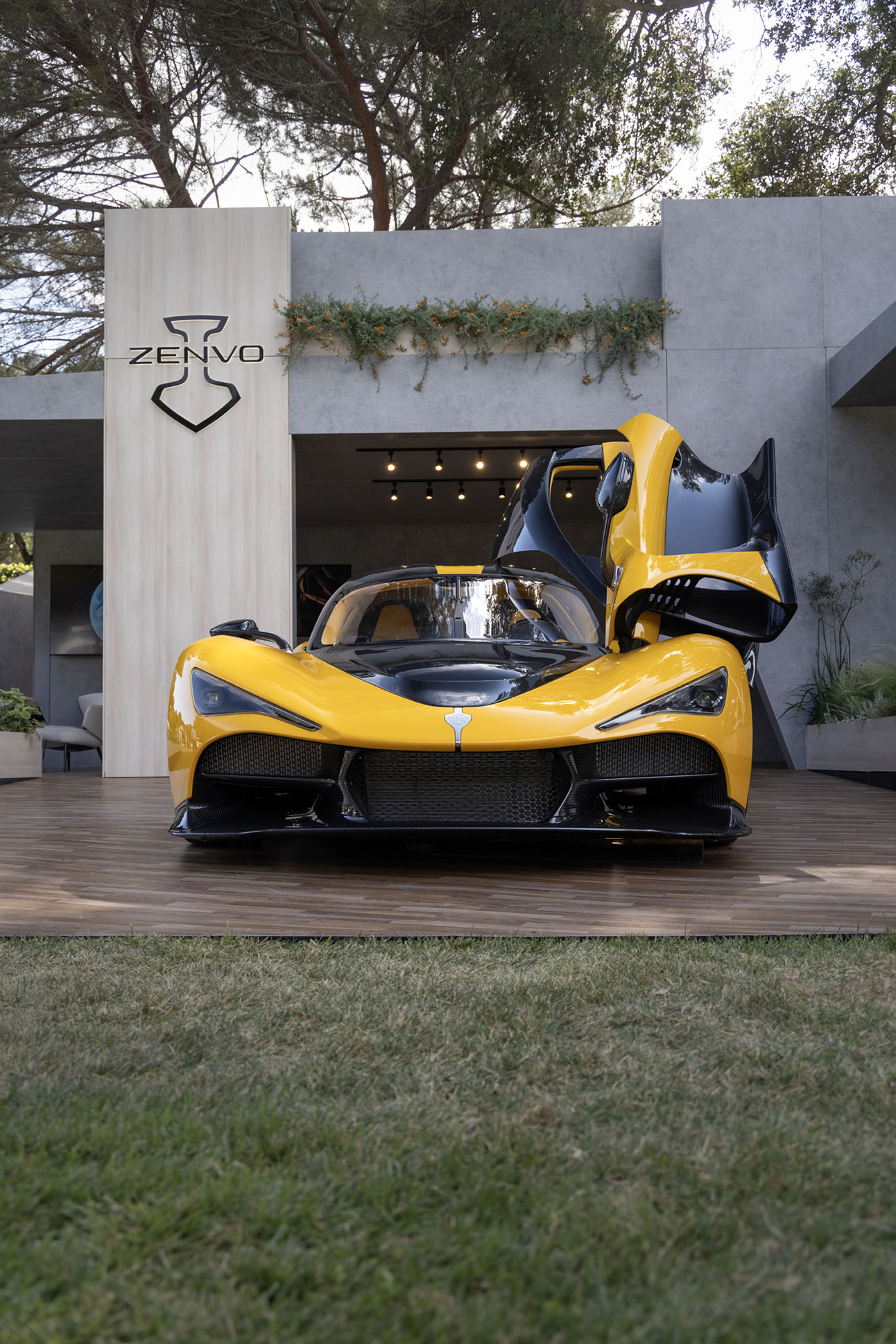
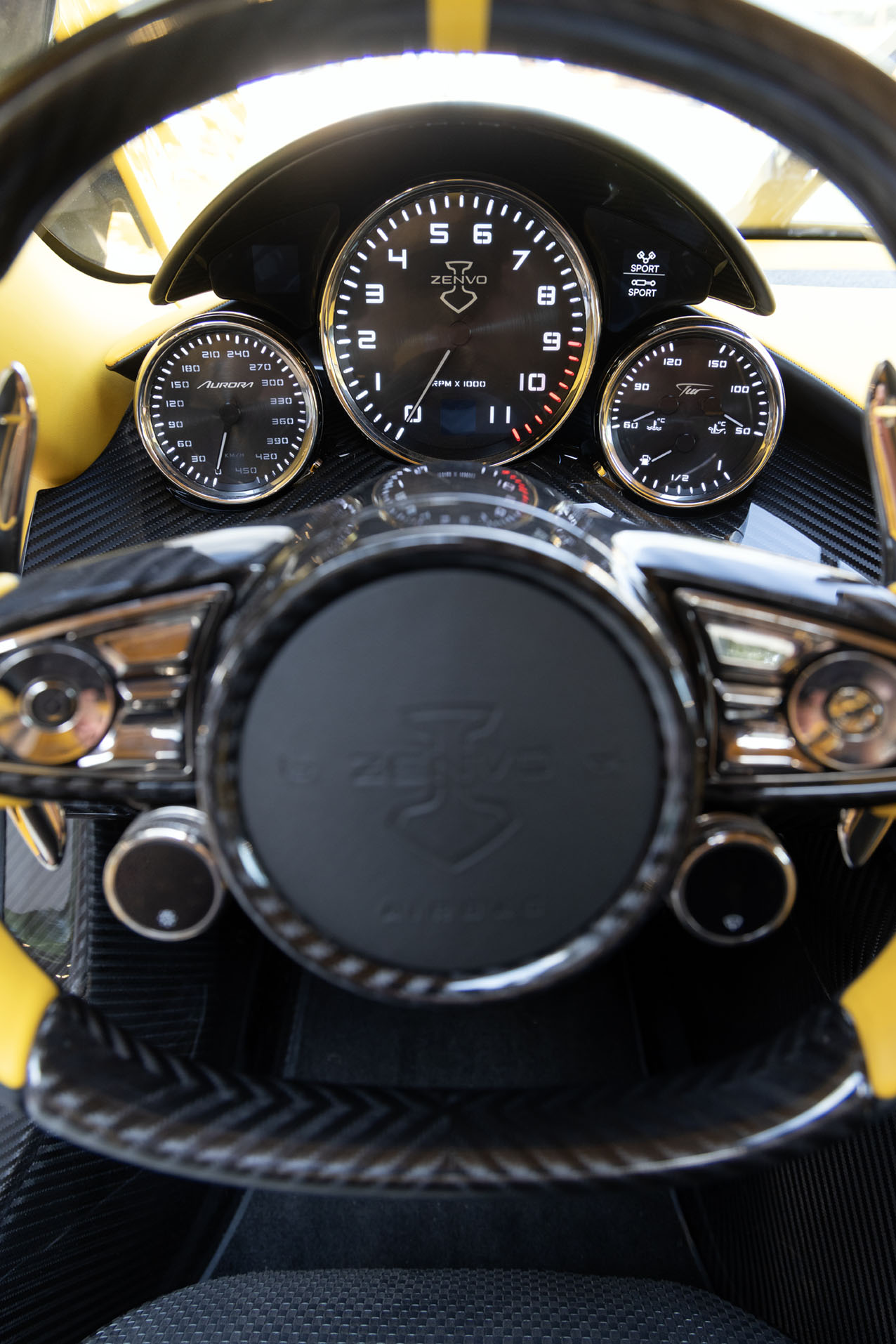
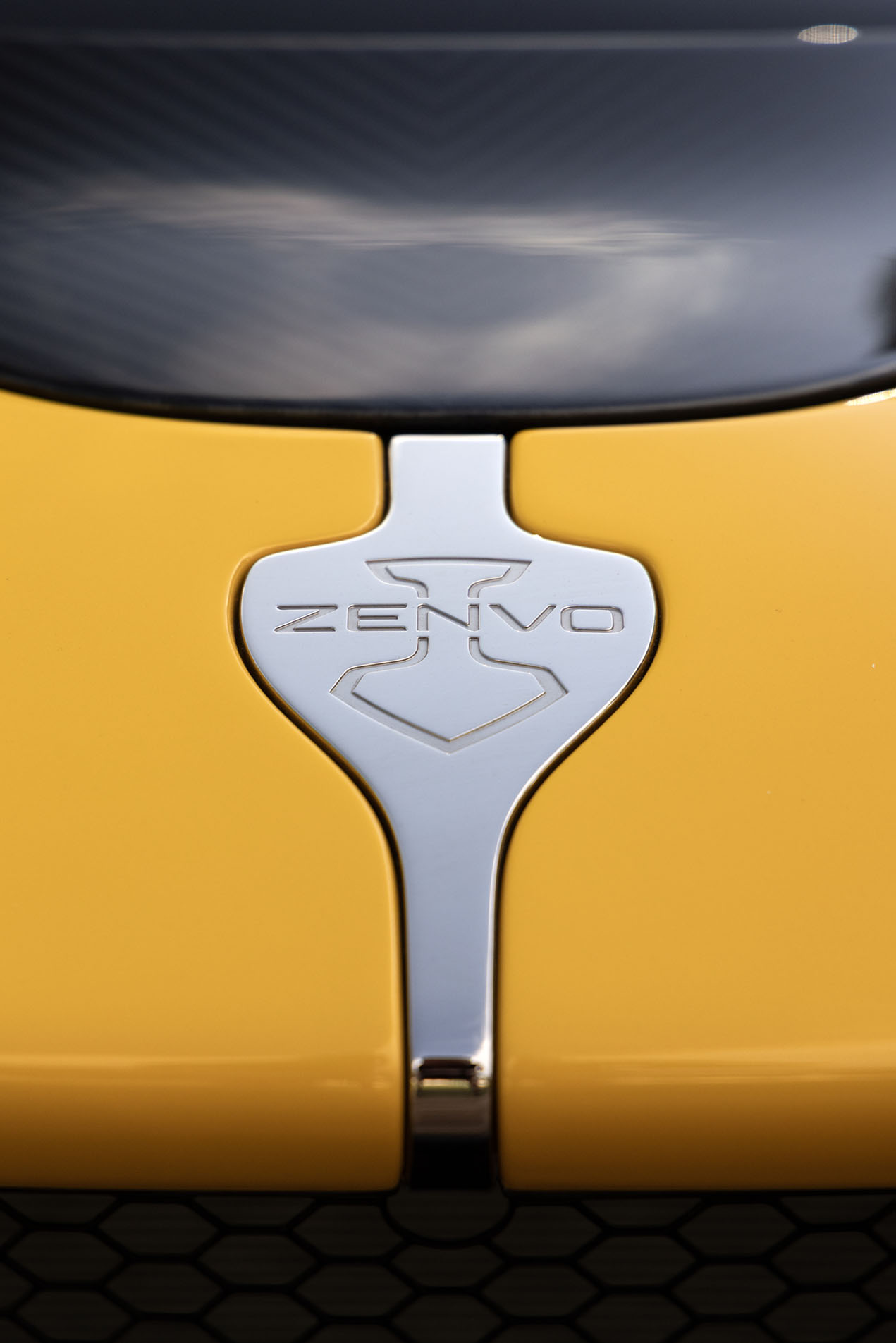
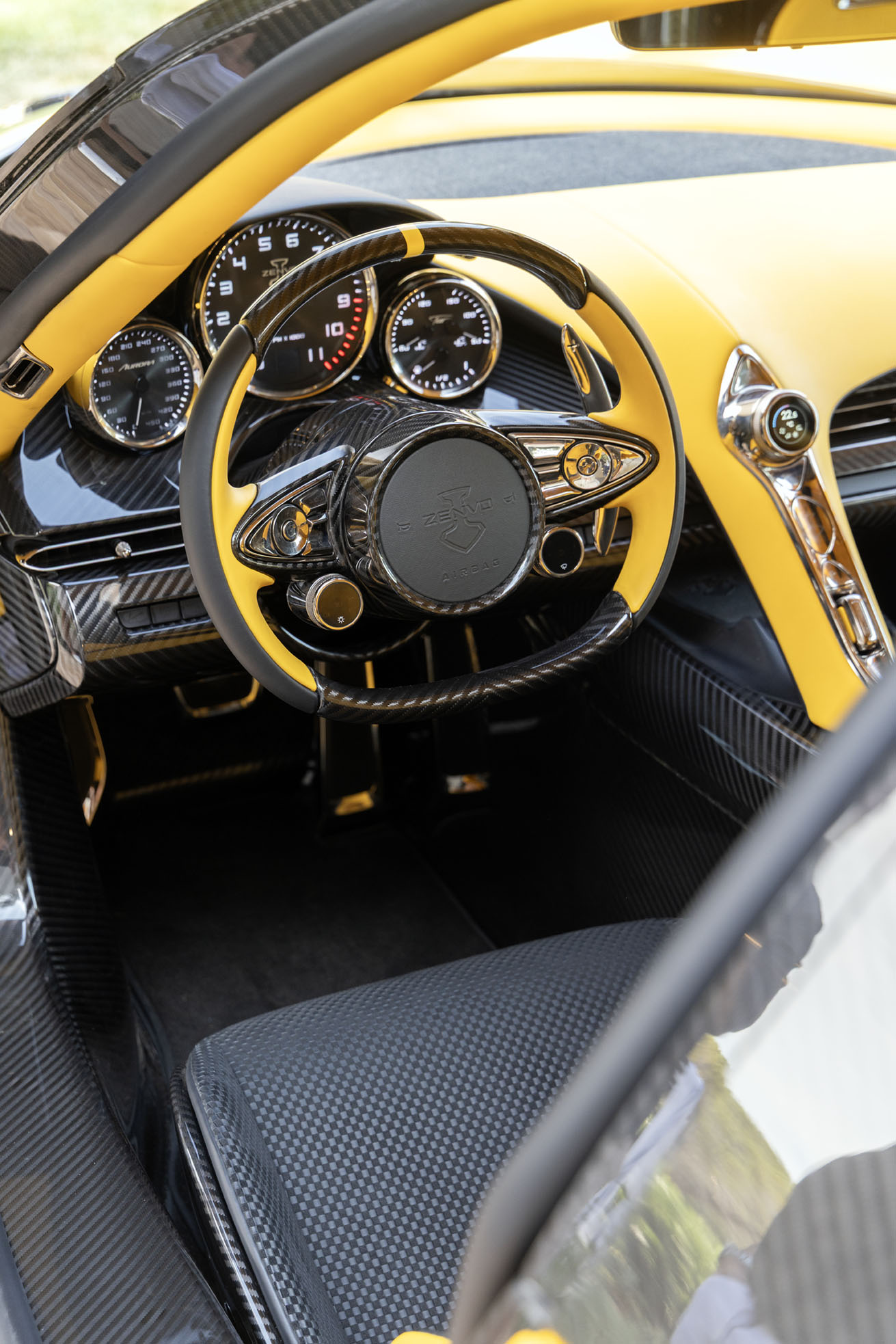
The Aurora is without doubt the most important project in Zenvo's history and marks the beginning of an entirely new generation for the Danish manufacturer. At its heart is the specially developed 6.6-litre Mjølner V12 with four turbochargers. The combustion engine produces up to 1,250 horsepower and revs to 9,800 rpm. Combined with the hybrid system, total output can reach an incredible 1,850 horsepower.
The Aurora comes in two distinctly different versions. The Agil is the more extreme, track-focused variant, while the Tur is intended as the more elegant, long-distance GT version.
After a morning with the De Tomaso P72 in the fog along Big Sur, a few hours among some of the world's most desirable collector cars at Gooding Christie’s, a spontaneous stop at Brabus and an afternoon with the Zenvo Aurora, my first proper day at Monterey Car Week had turned out very differently from what I had feared when I drove there.
And the week had really only just begun.

 English (UK)
  Svenska
Leave a Reply